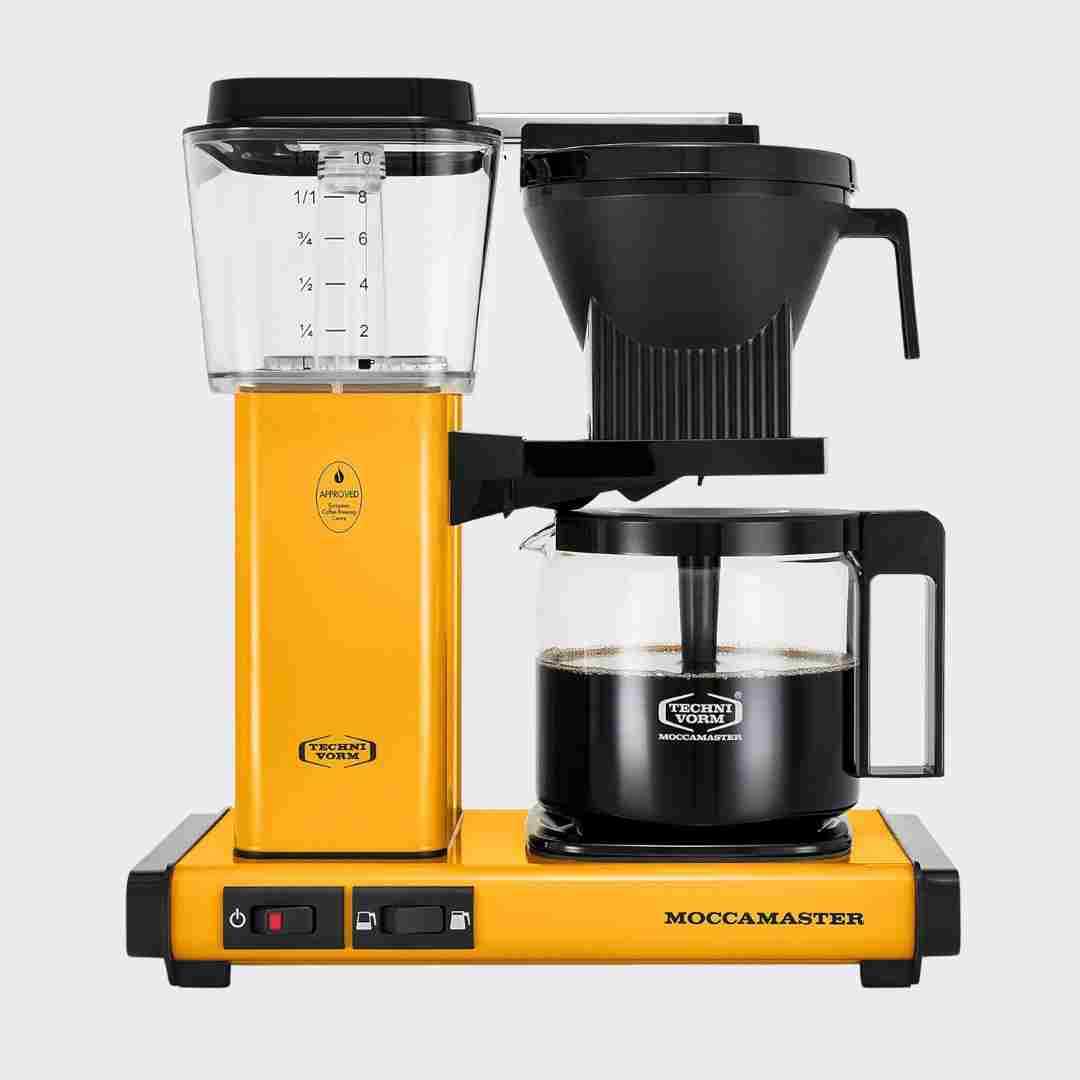
Reviews repeatedly highlight a copper boiling element for brewing and a separate hotplate heating system for holding temperature. This is not an espresso-style dual boiler setup, but the dedicated heating design is frequently credited for fast heat-up and stable brewing.
Where explained, a dual-thermoblock style approach is presented as an advantage for switching between brewing and milk preparation with less waiting. This is discussed as a contributor to speed and consistency rather than as a purely technical spec.
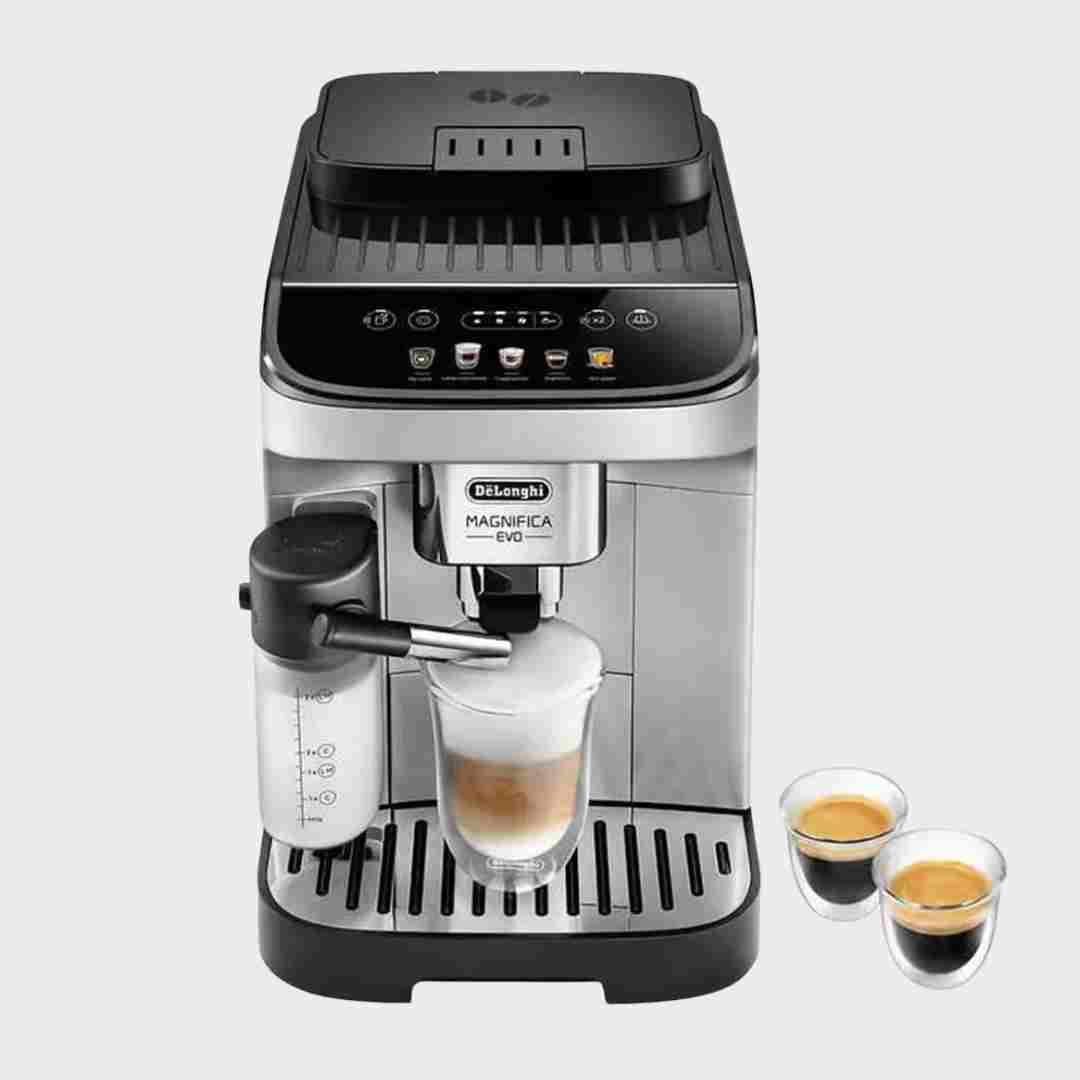
Rather than a classic dual-boiler layout, reviews discuss modern thermoblock-style heating engineered for superautomatic duty cycles. The emphasis is fast readiness and long-run reliability over manual barista control (3903, 14546).
It is discussed as a single ThermoJet/thermoblock-style system rather than a dual-boiler machine. The benefit is speed; the tradeoff is fewer simultaneous capabilities and less thermal mass than higher-end dual-boiler platforms.
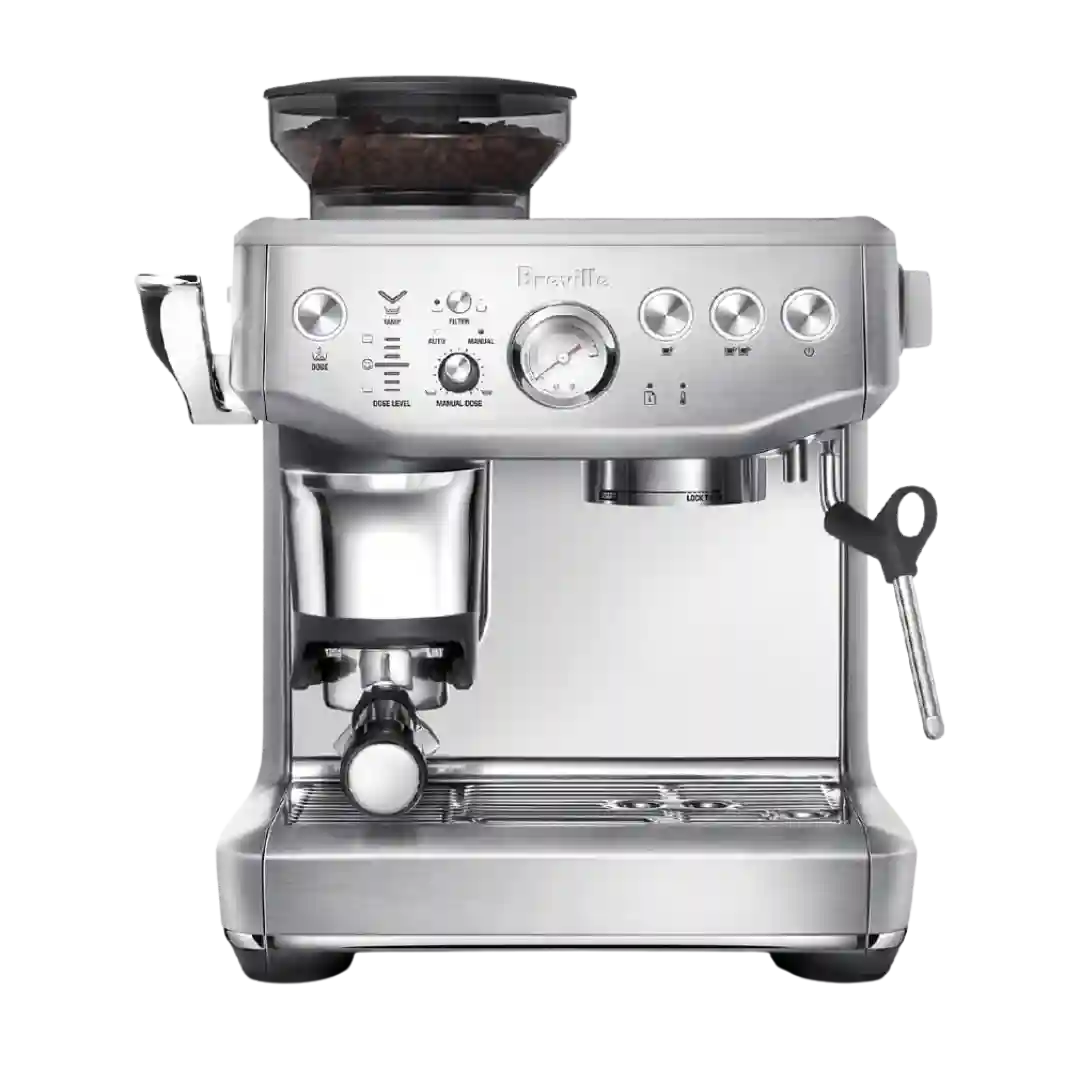
Multiple reviews describe a single brew boiler paired with a separate thermoblock steam circuit. Reviewers repeatedly note that it is not technically dual-boiler, even though it supports brew-and-steam workflow advantages.
Boiler configuration is described inconsistently in the reviews (some call it dual, others list a single boiler). In practice, reviewers still report quick heat-up and smooth pacing, but model-specific verification matters if boiler type is a priority.
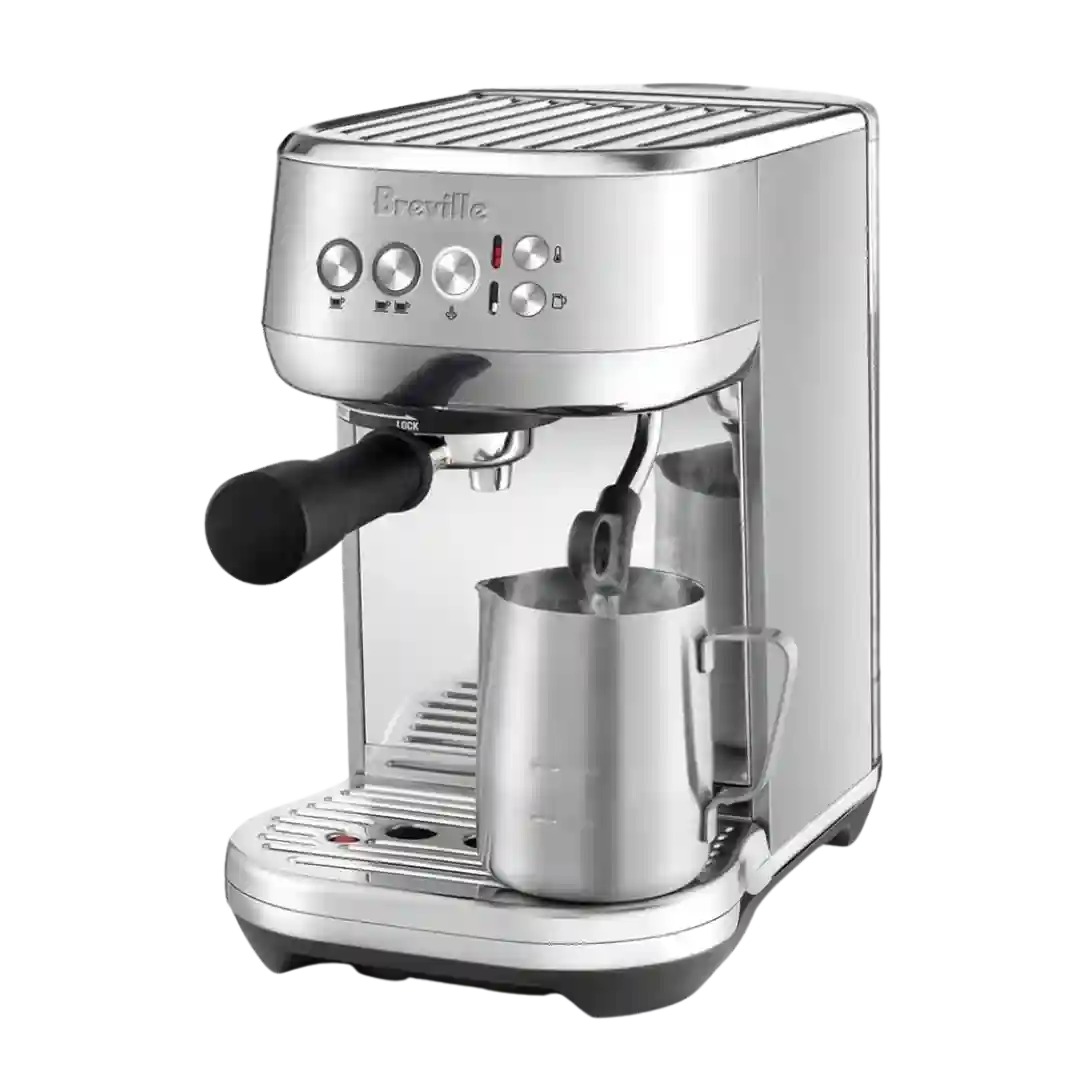
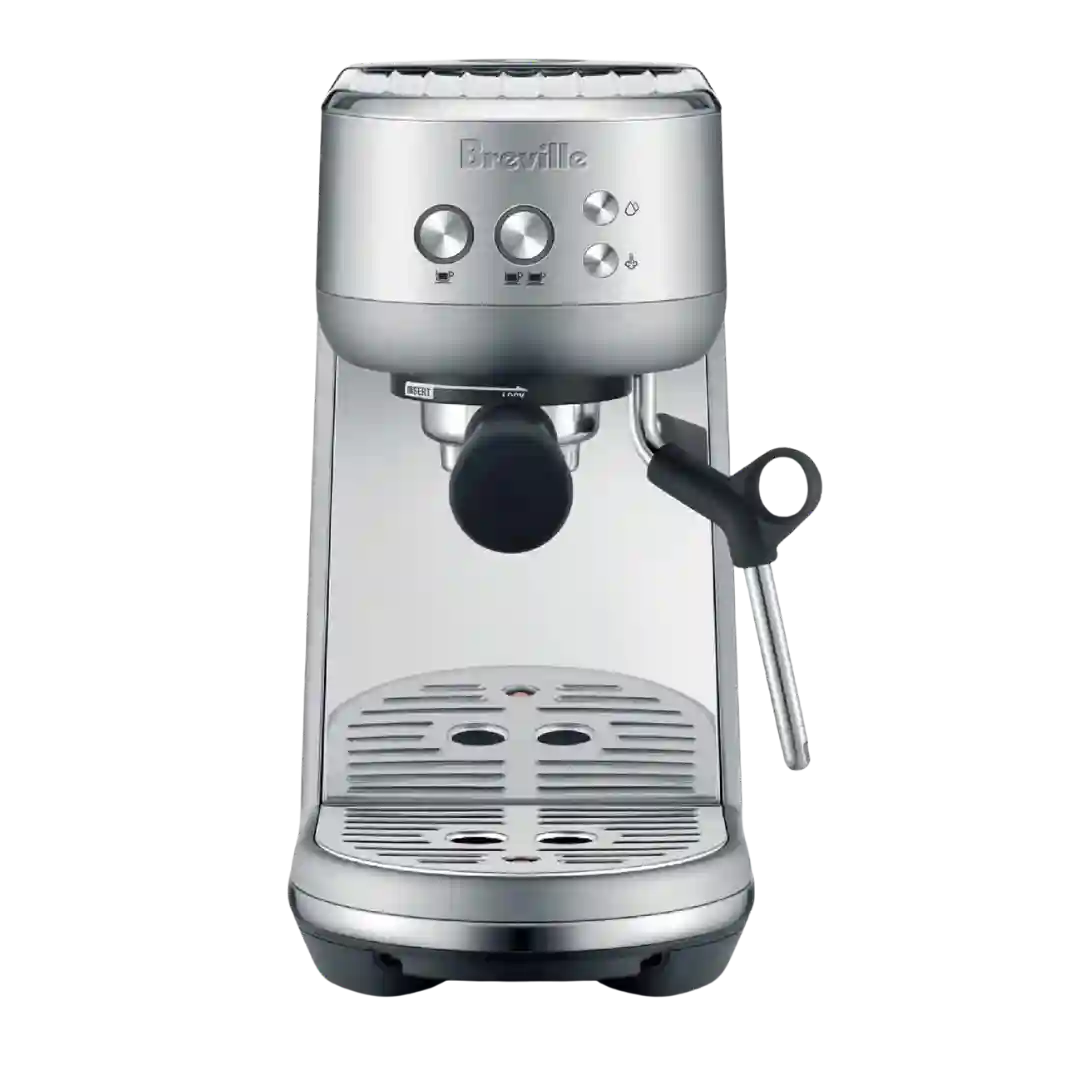
The Bambino is consistently described as a ThermoJet/thermoblock-style machine rather than a dual-boiler design. Reviews frame this as the reason it heats so fast, with the tradeoff that it is not built for high-end temperature tinkering like more expensive machines.
Reviews describe a triple-thermoblock setup that behaves closer to a dual-boiler-style experience in heat-up and temperature management, but it still cannot brew and steam at the same time.
Multiple reviews note it is not a traditional dual-boiler setup, so it cannot brew and steam simultaneously in the classic sense. Fast switching, queueing, and strong heating mitigate the limitation for most households, but dual-boiler fans still see it as a compromise.
Only a couple reviews mention internals, but the discussion aligns with a thermoblock-style super-automatic approach: fast warm-up, not a true dual-boiler experience for simultaneous barista-style steaming.
Reviews that discuss internals describe thermoblock-style, single-boiler behavior geared toward speed and convenience. This aligns with the product positioning but differs from dual-boiler workflows that advanced users may prefer.
The machine is typically described as a single-boiler/thermoblock-style superautomatic. Reviews don’t treat this as a practical blocker, largely because the system automates brewing and milk delivery quickly.
At least one review lists the CM5310 as a single-boiler machine. In practice, reviewers still report smooth espresso and capable milk drinks, but it’s not positioned as a dual-boiler, high-throughput setup.
Where internal design is specified, the machine is described as a single-boiler or thermoblock-style super-automatic build. Reviewers do not position it as a dual-boiler performance machine, and expectations are set around convenience and speed rather than advanced temperature separation.
Reviews describe thermoblock-style heating rather than a classic dual-boiler setup. It warms quickly for home use, but it is not built around simultaneous brew-and-steam prosumer flexibility.
The heating approach is discussed as fast-switching ThermoJet-style performance rather than true dual-boiler behavior. It suits quick drinks and home convenience, but it is not the same platform as prosumer dual-boiler machines for simultaneous tasks.
The machine is described as using a thermoblock/on-demand heating system, which supports fast warm-up and energy efficiency but may contribute to lower brew temperatures in critical reviews.
Specs and reviews describe a single-boiler/thermoblock style system typical of entry-level super-automatics: quick heat-up, but not designed for simultaneous high-end brew/steam performance.
When heating architecture is discussed, it is treated as a thermoblock or single-heating approach typical for the class, prioritizing speed and simplicity over dual-boiler flexibility.
A detailed review frames the heating architecture as thermoblock-style and effectively single-path for typical workflows, which is why switching between steaming and brewing can require flushing or cooldown. Expectations should be single-boiler class convenience rather than simultaneous pro pacing.
The single-boiler/thermocoil-style design heats quickly but requires switching between brewing and steaming, so you cannot pull a shot and steam milk at the same time.
The machine is consistently described as a single thermoblock-style heating system (not dual boiler), which supports fast warmup. The common tradeoff called out is reduced thermal headroom and stability versus heavier boiler/PID platforms.
Boiler/heating-system talk consistently frames it as a fast-heating, single-system style machine rather than a true dual-boiler. Reviews highlight the tradeoff: quick readiness and simpler daily flow, but no brew-and-steam-at-the-same-time workflow.
Reviews describe a thermoblock, single-heater design rather than a dual-boiler setup. That keeps heat-up fast and costs low, but you cannot brew and steam simultaneously and may need brief warm-up or cool-down steps when switching modes.
Reviews characterize it as a single-boiler/single-heater style machine, which means brewing and steaming happen sequentially. That design choice is tied directly to slower steam performance compared with dual-boiler alternatives.
Reviews treat it as a typical single-boiler/single-thermoblock style super-automatic: great for one drink at a time, but not built for parallel steaming/brewing or two milk drinks simultaneously.
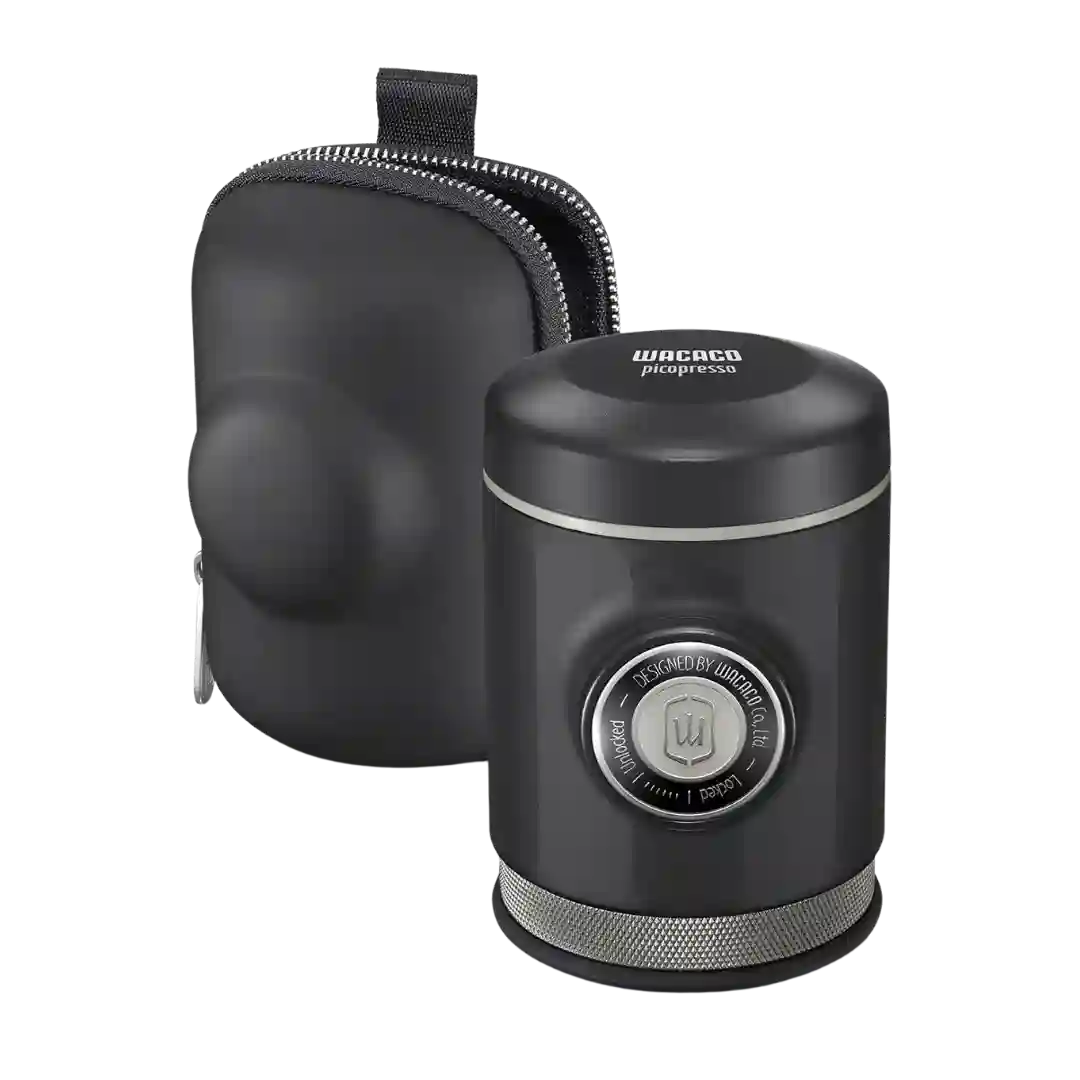
The Picopresso has no boiler system at all. Multiple reviews explicitly note that you must bring your own boiling water, which keeps the product compact and simple but removes the thermal convenience of electric espresso machines.