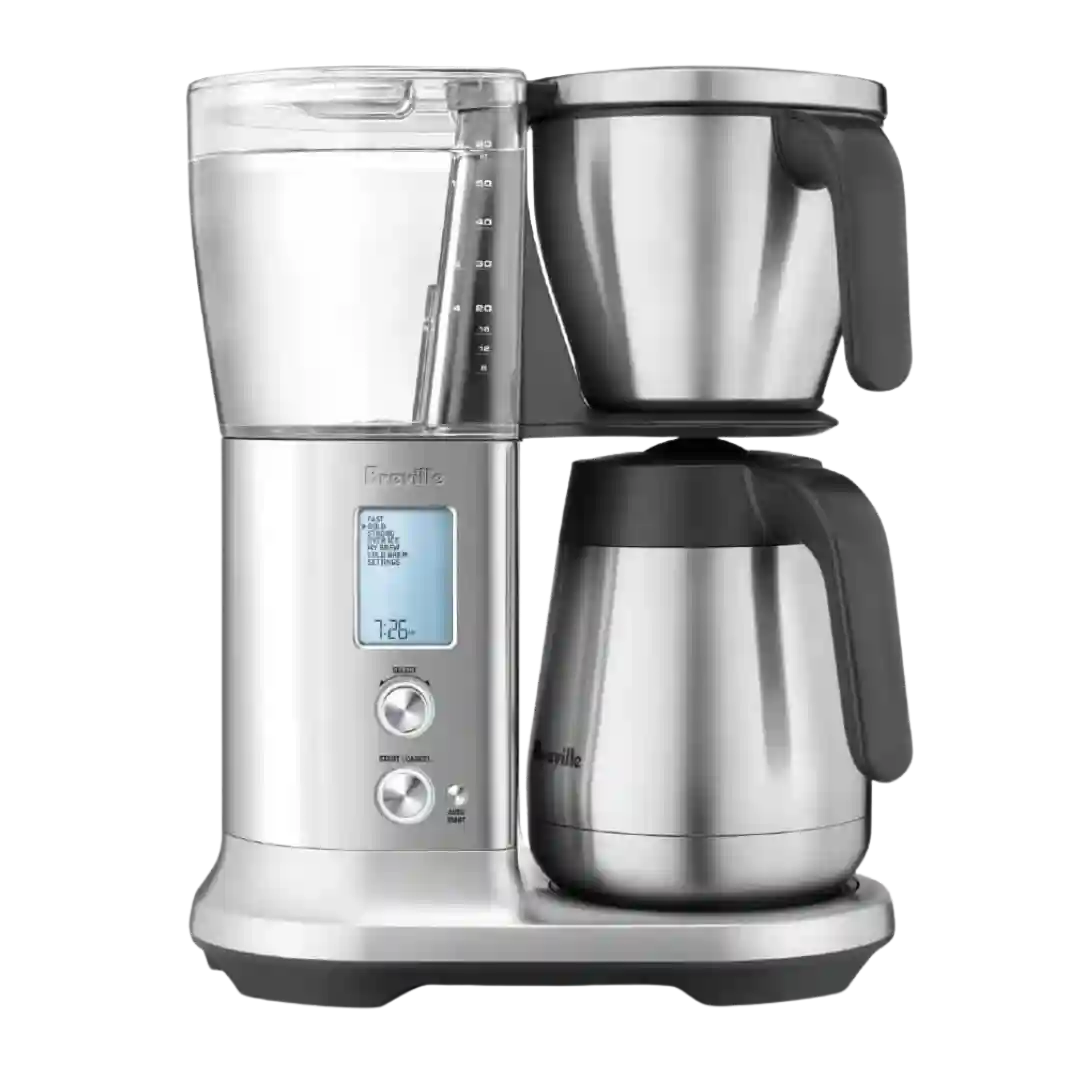
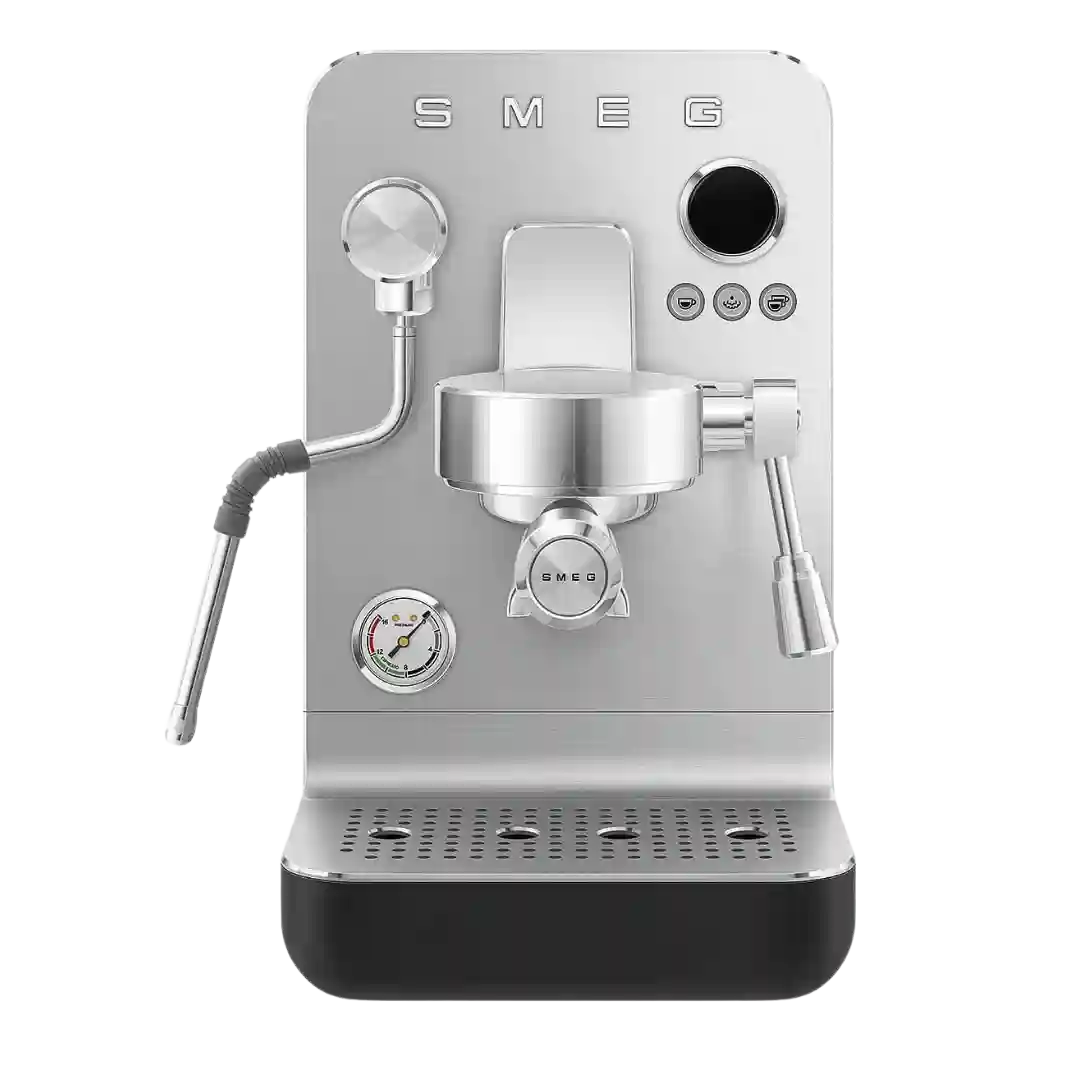
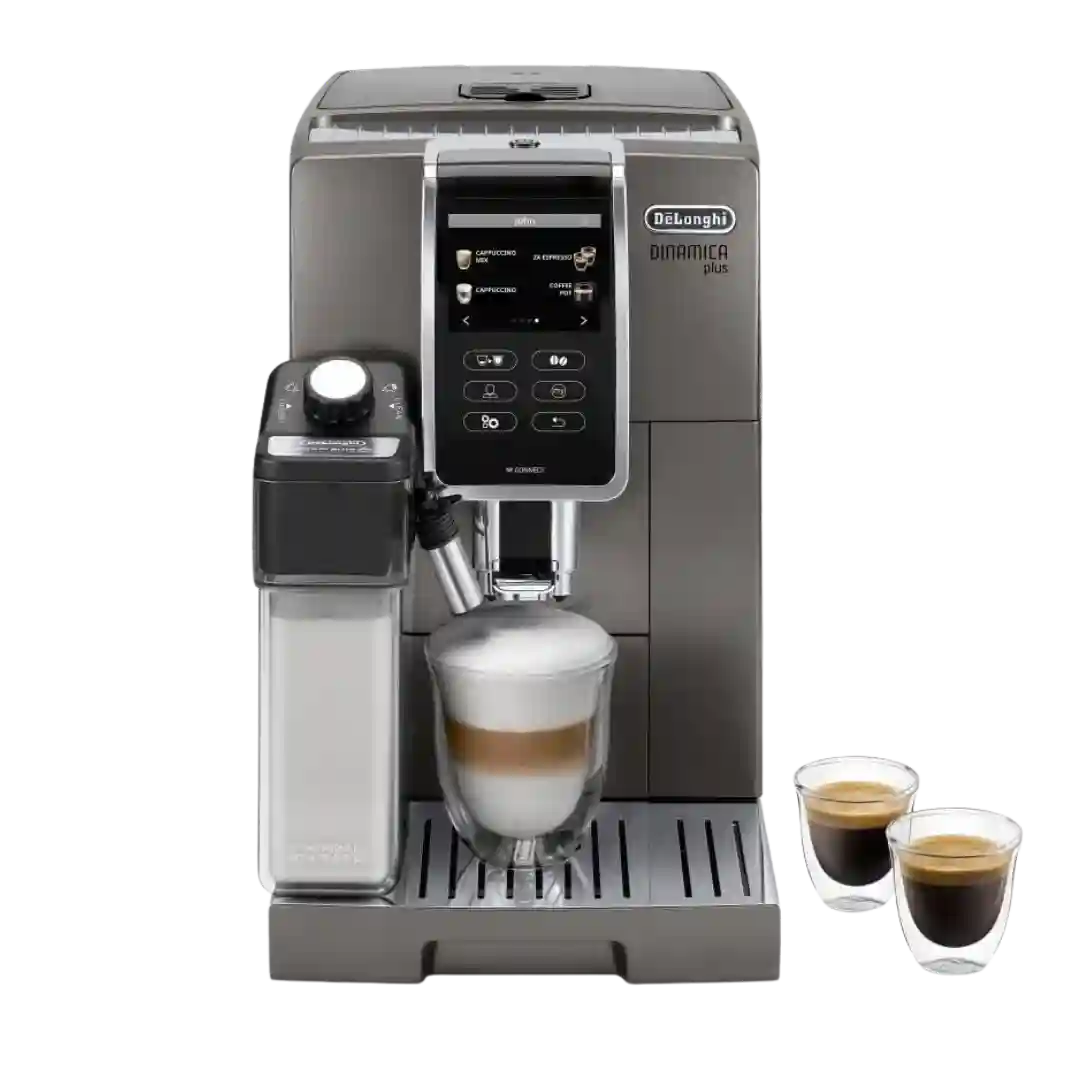
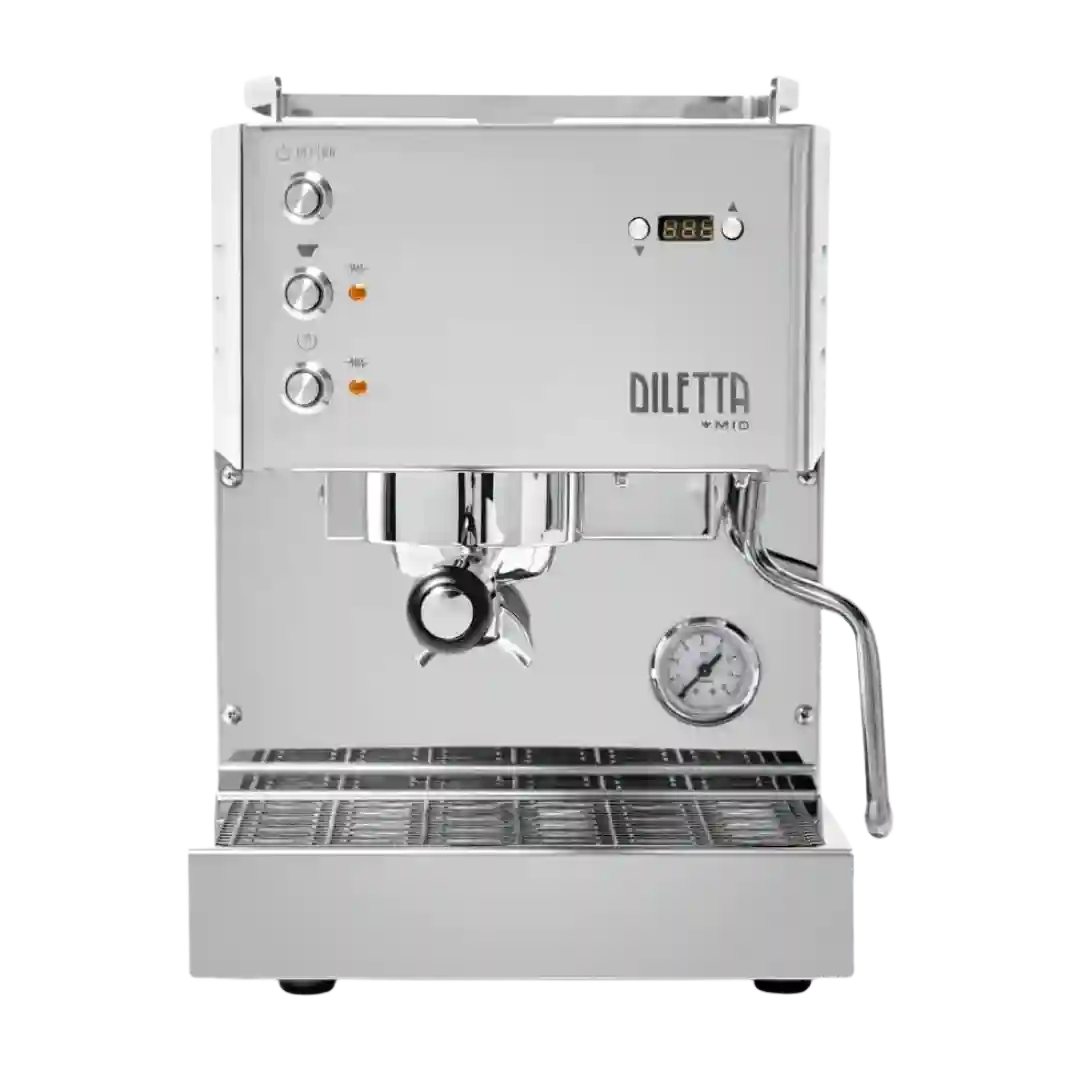
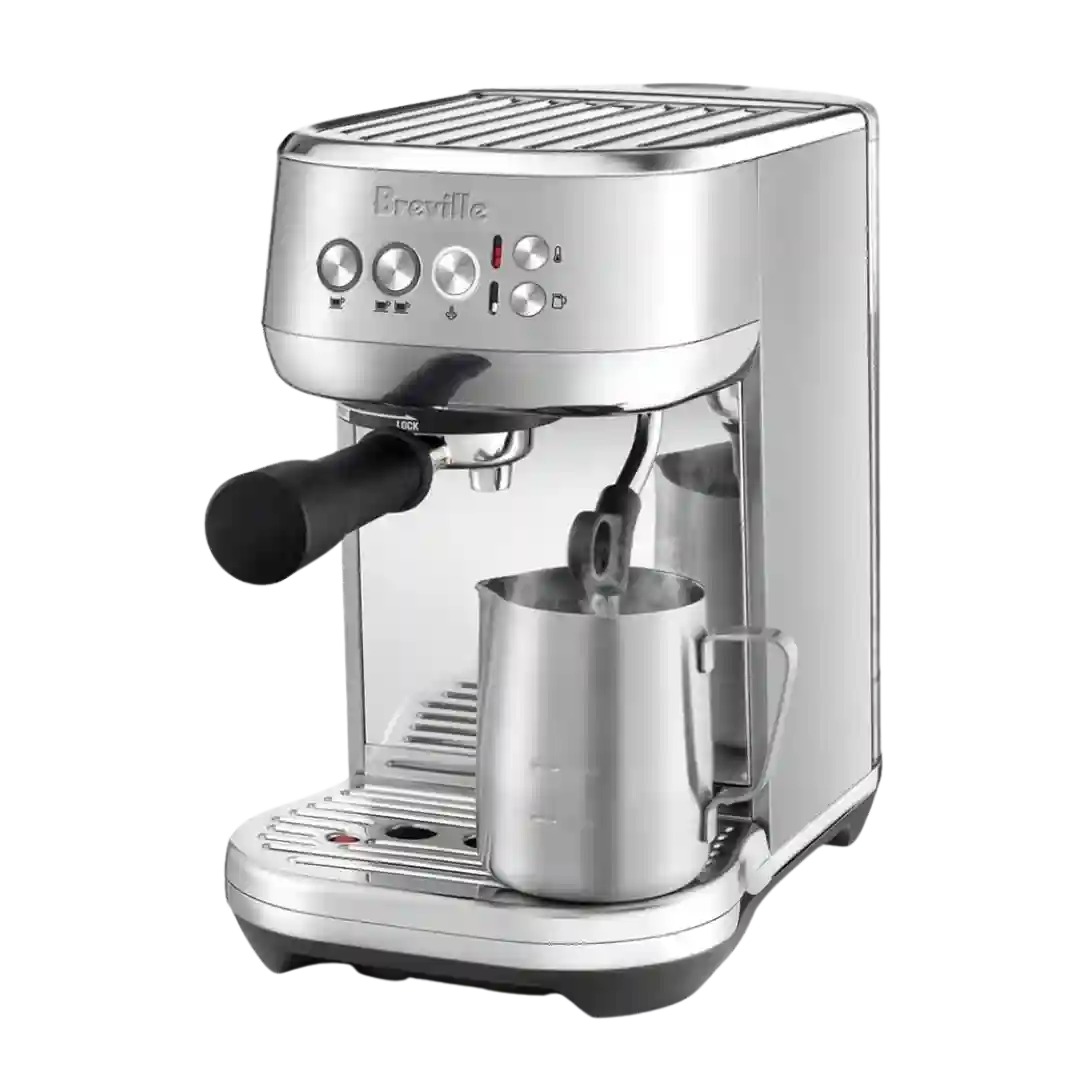
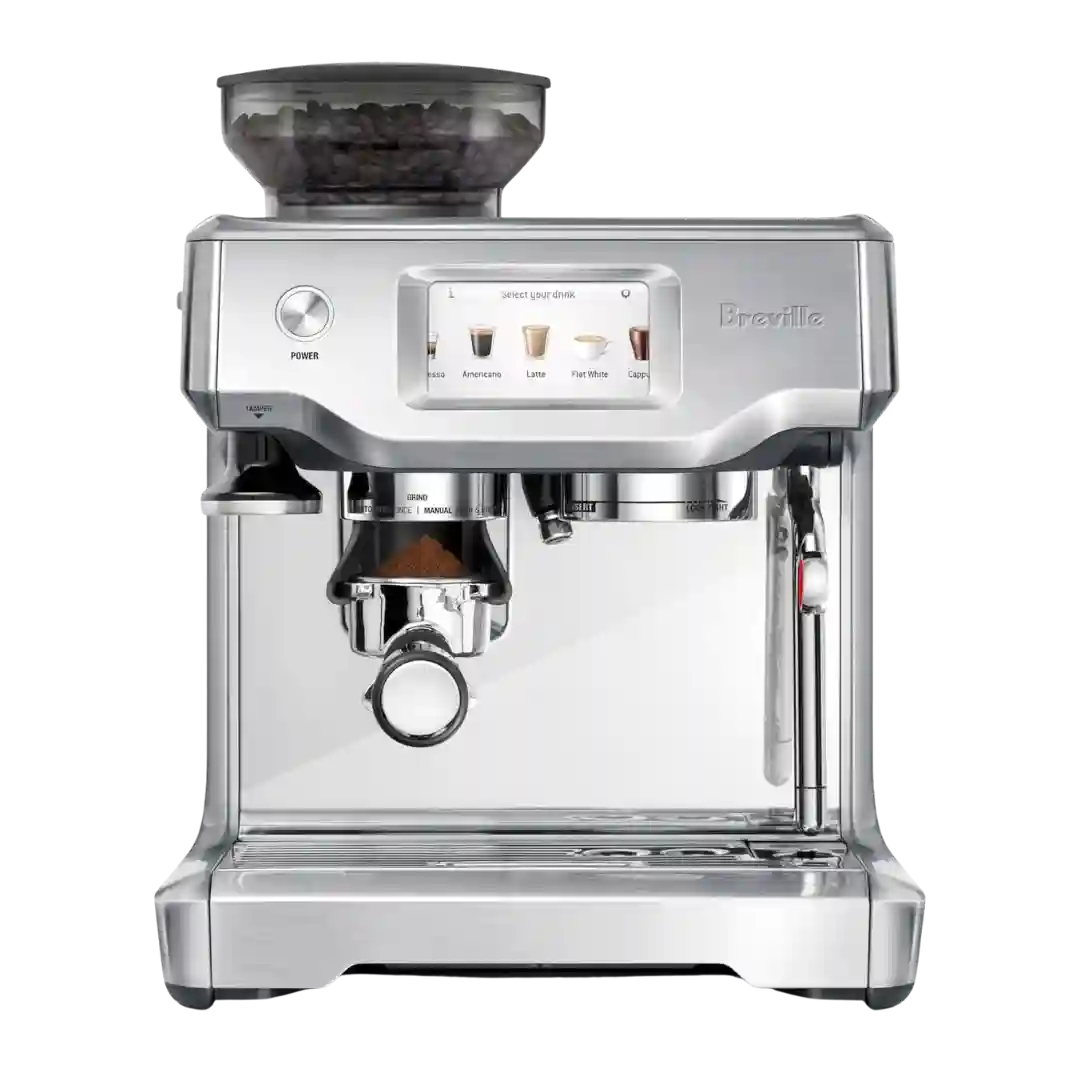
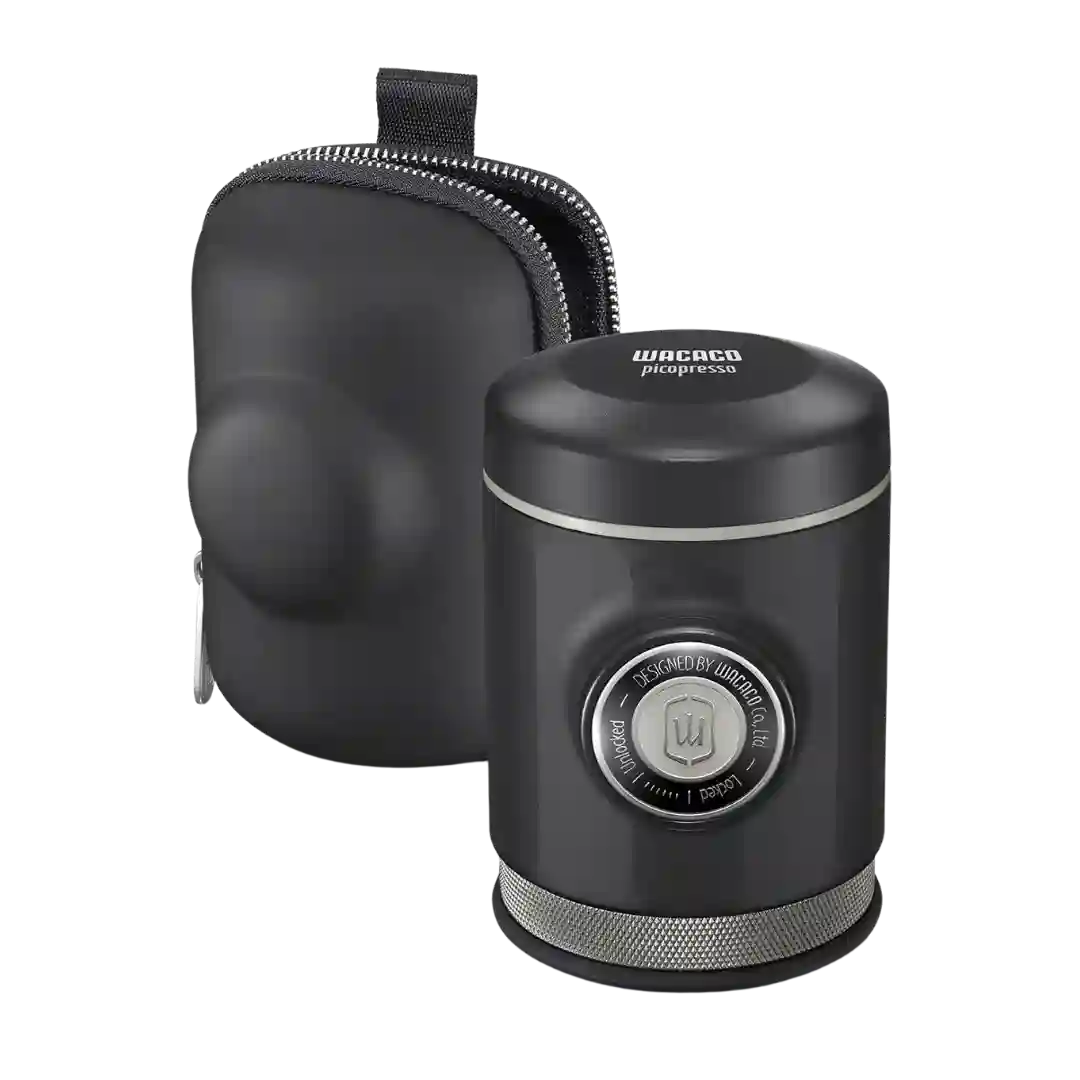
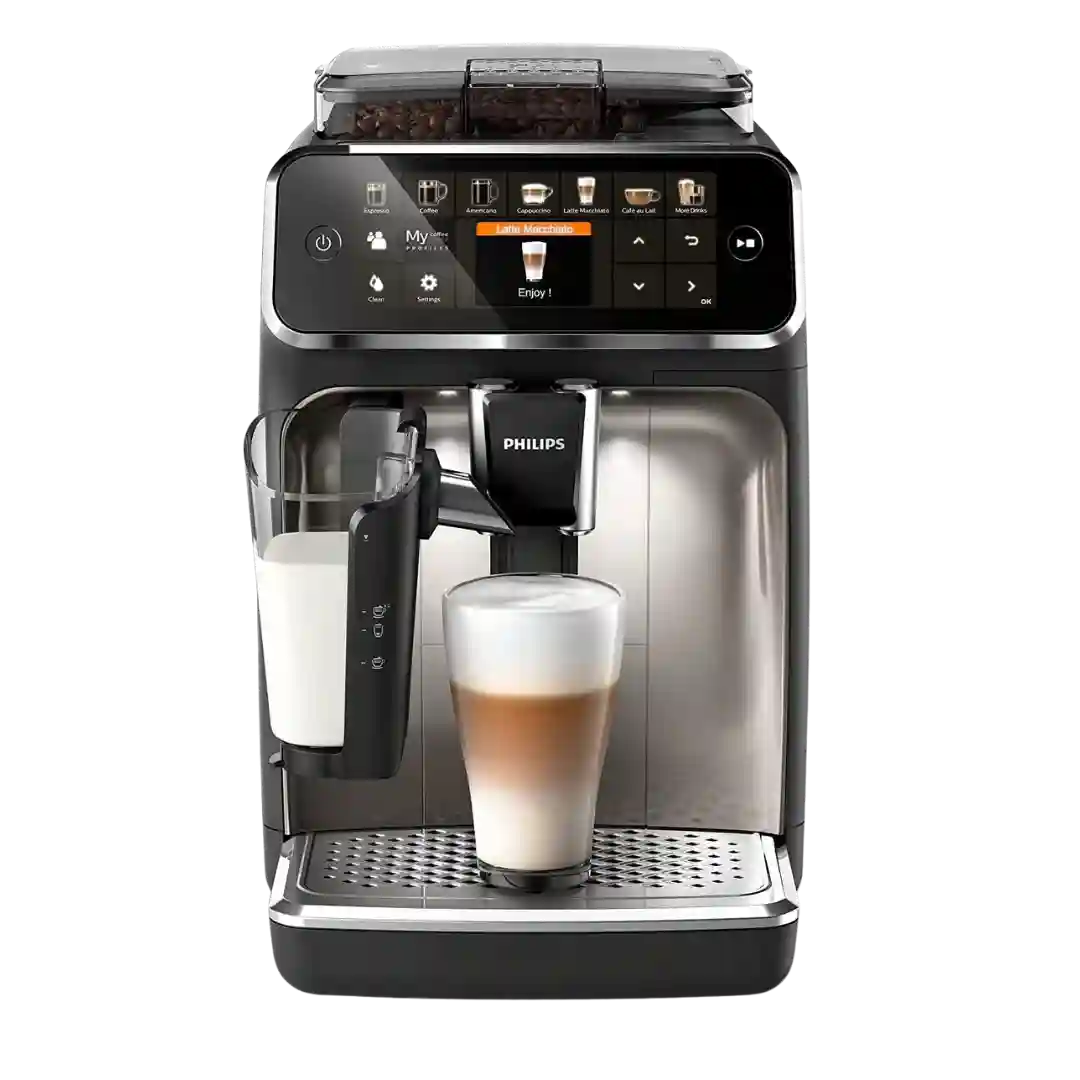
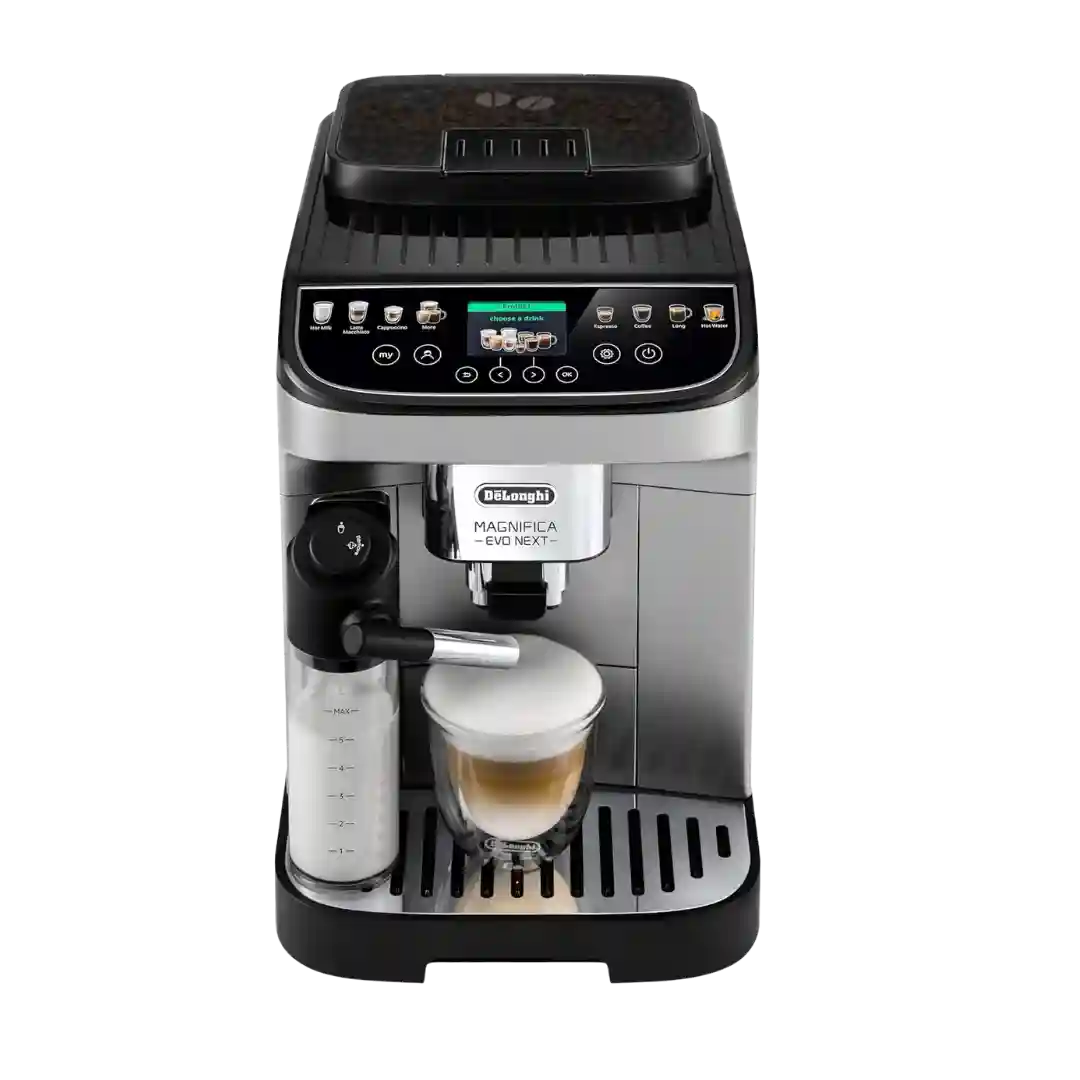
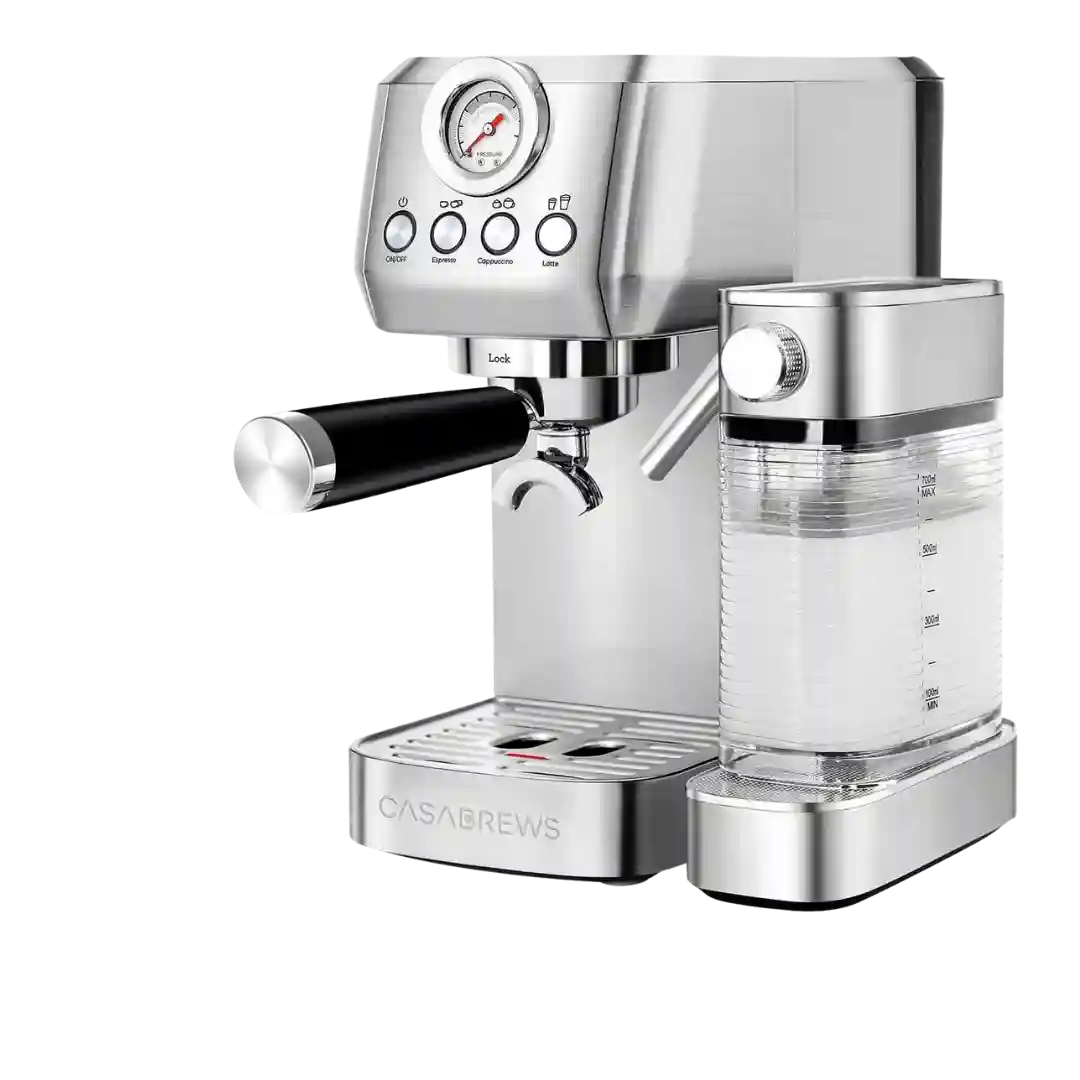
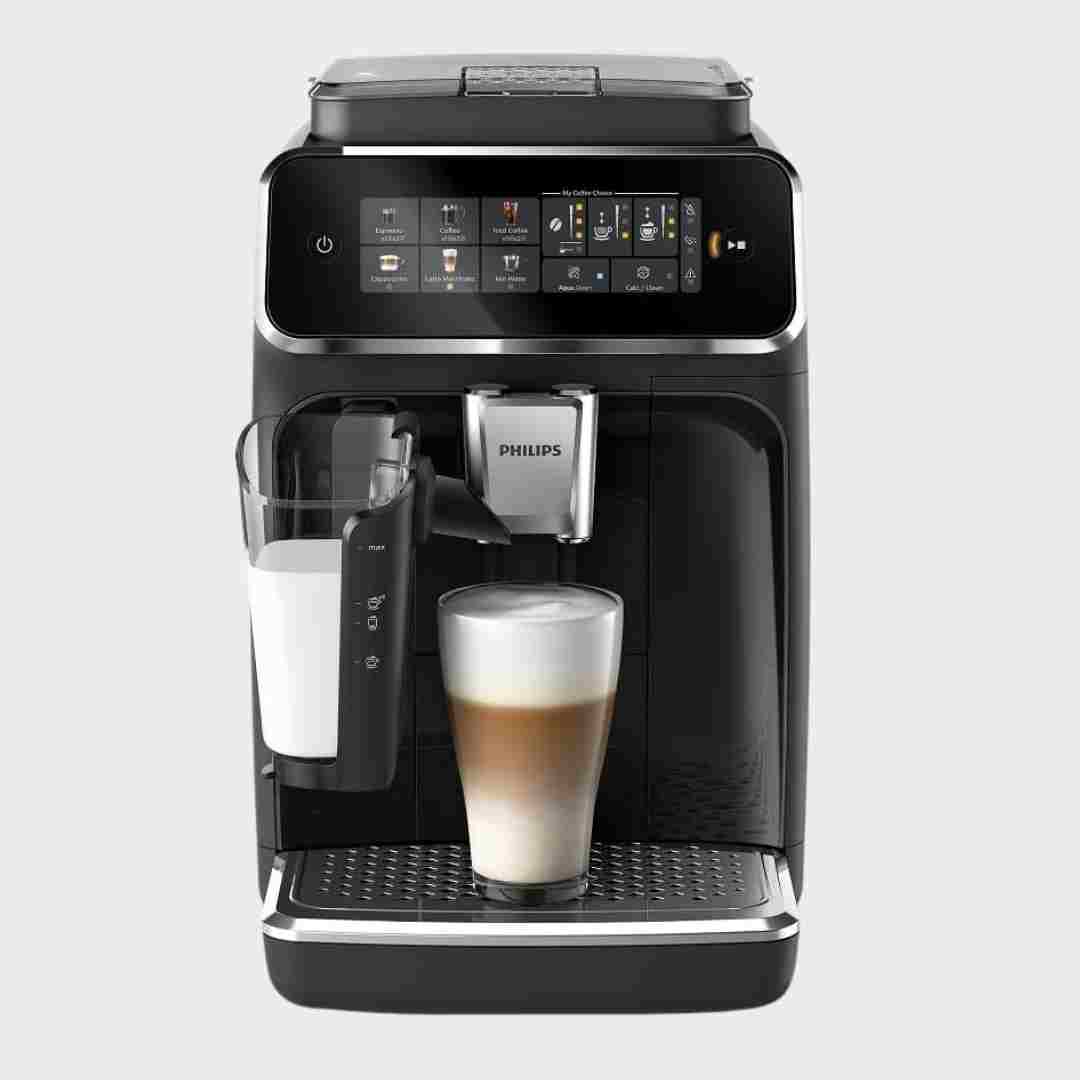
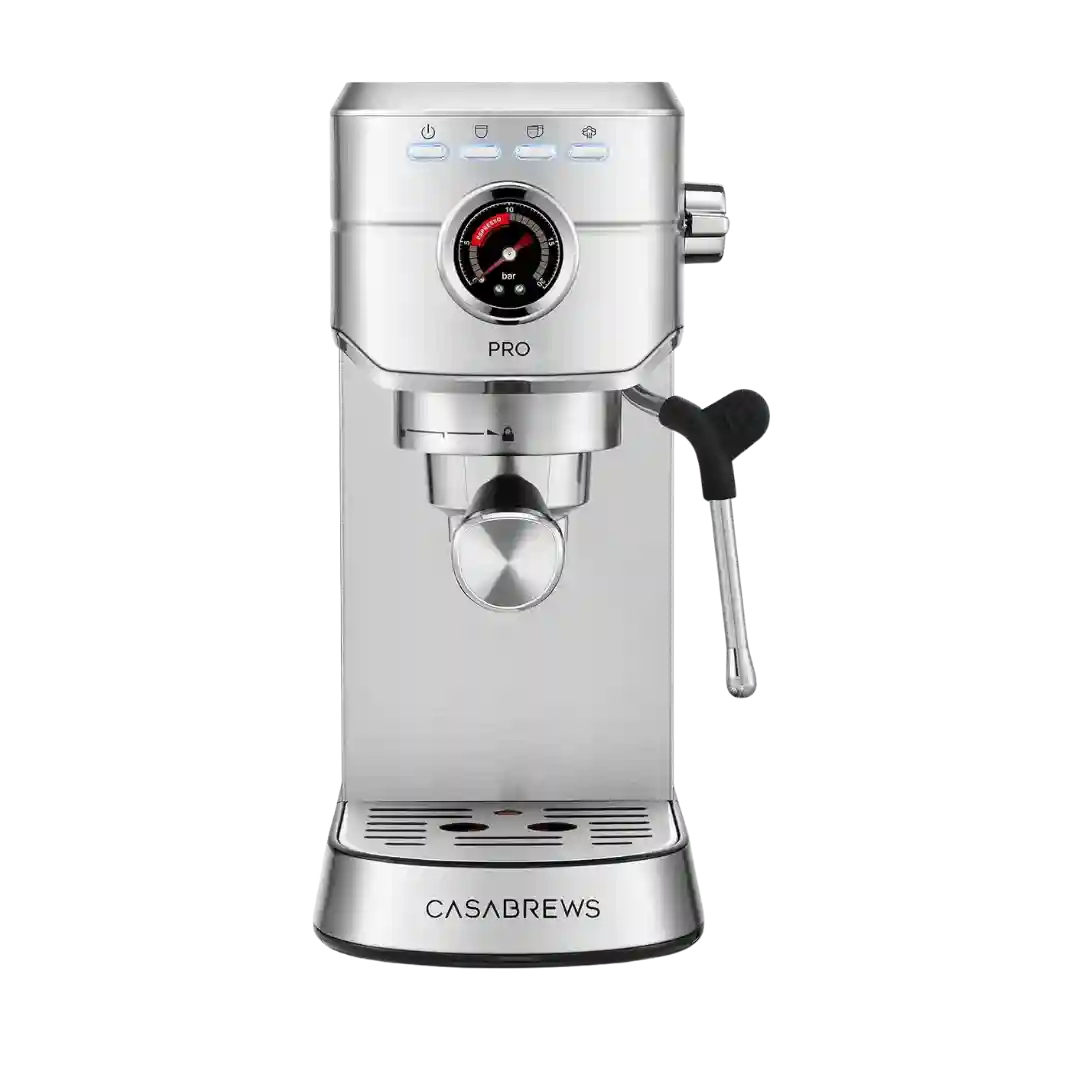
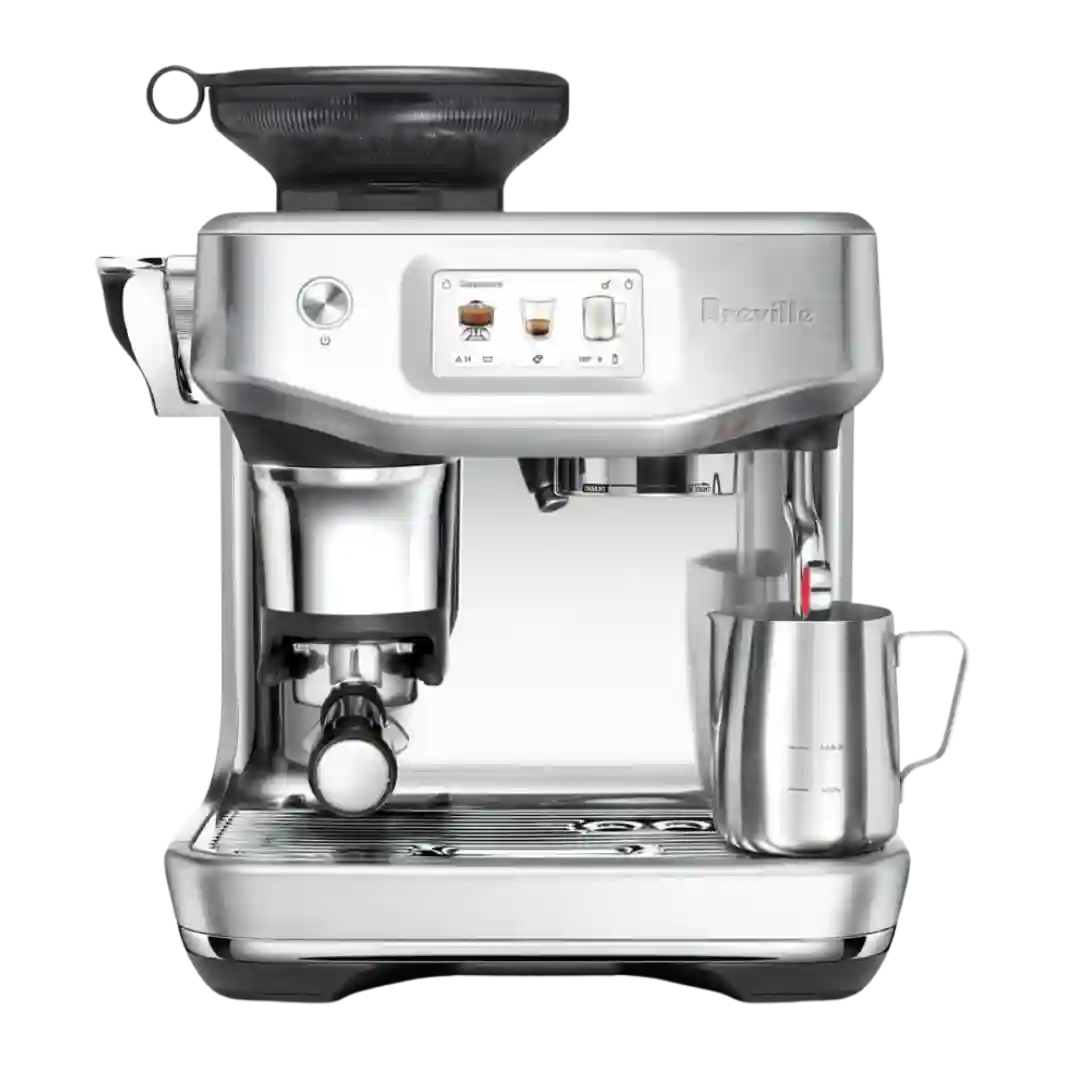
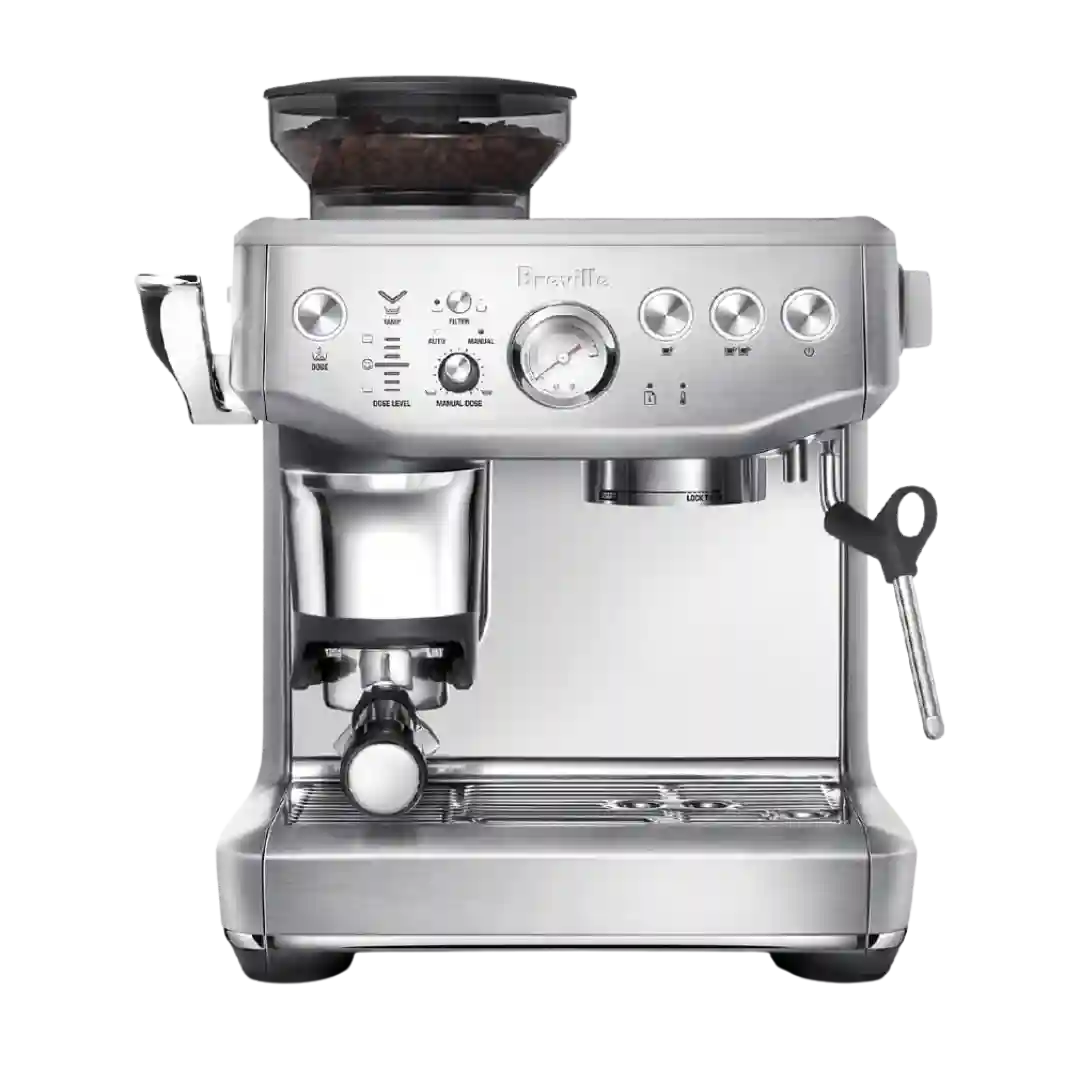
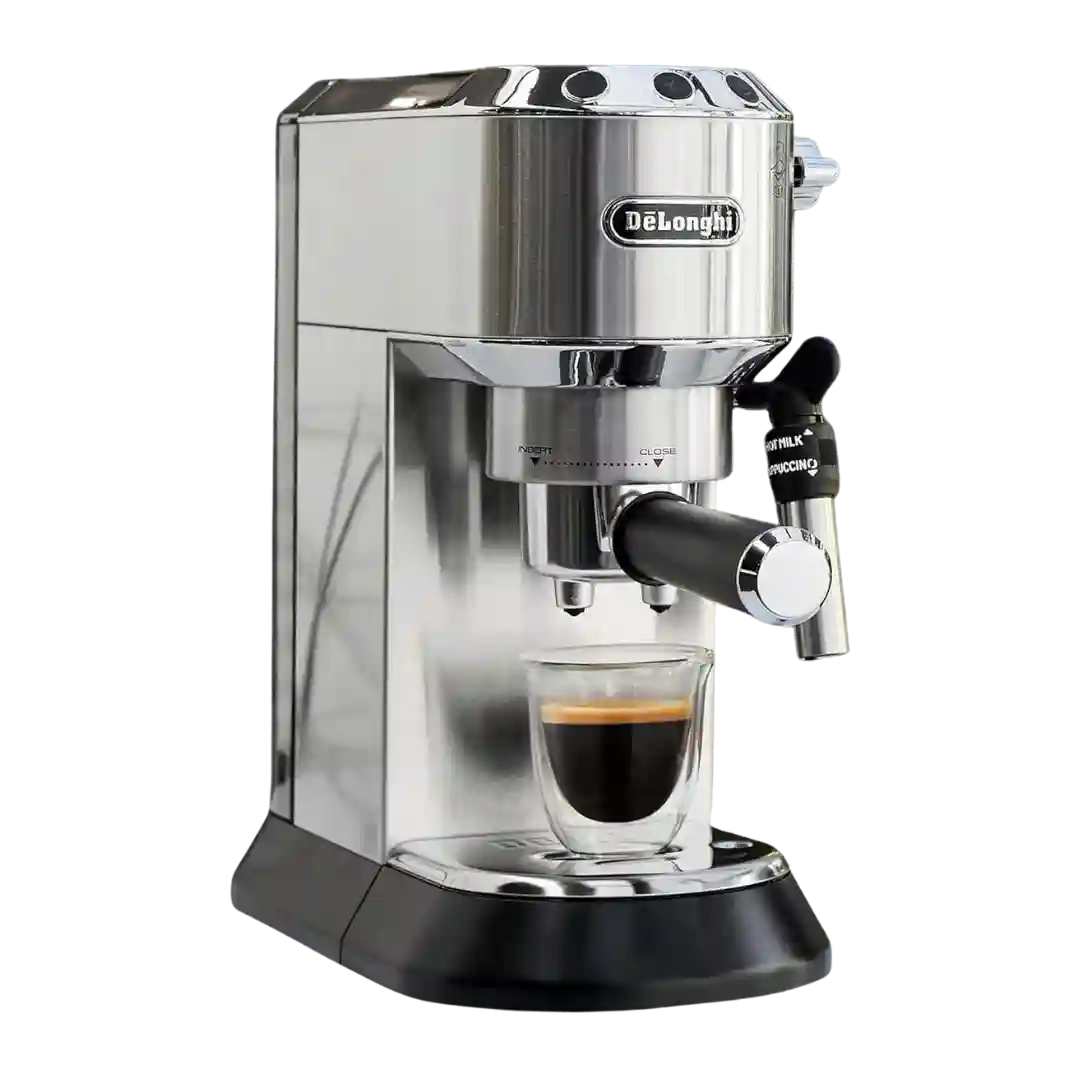
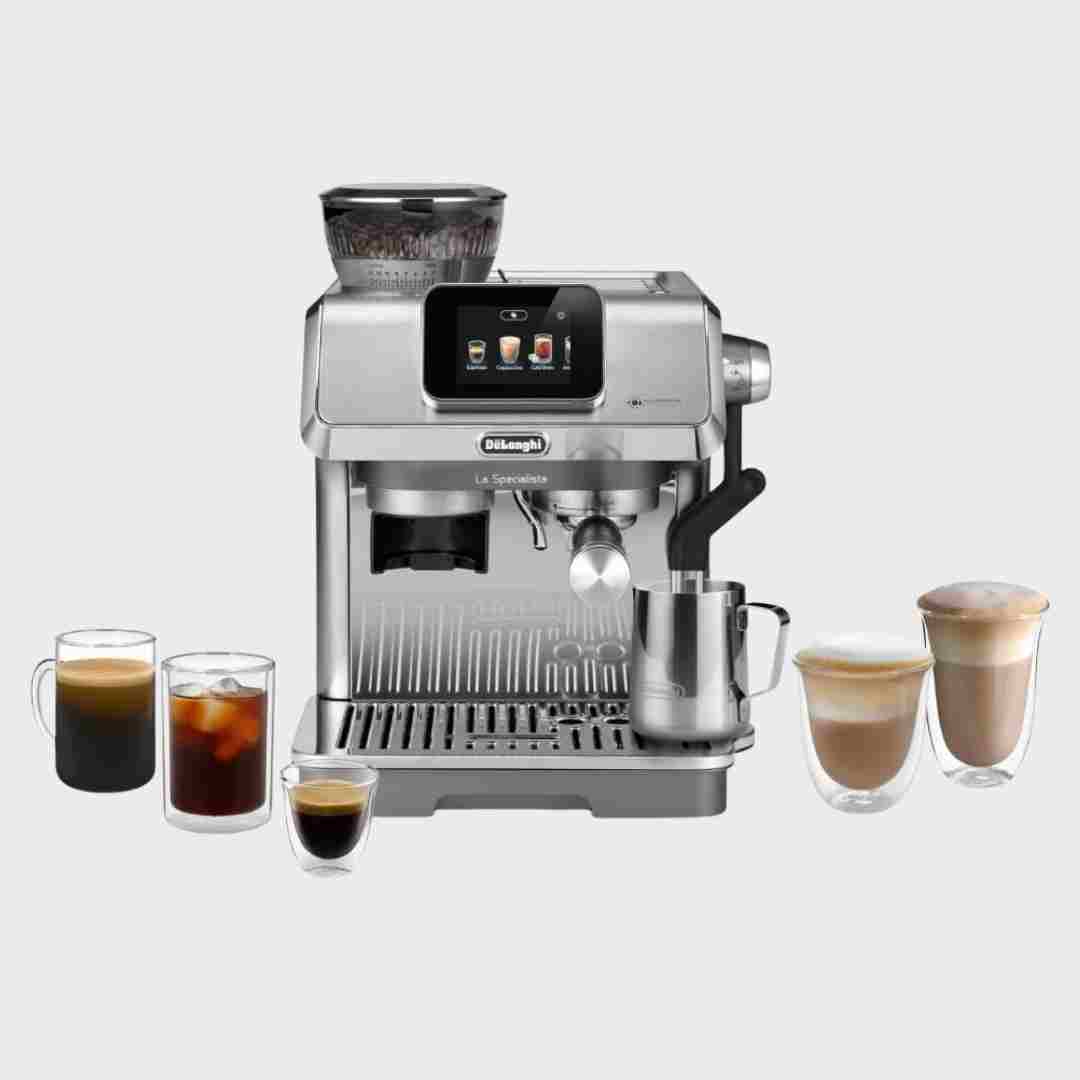
The pump-driven flow control is consistently described as precise and stable, helping the machine manage bloom, flow rate, and extraction more accurately than simpler mechanical brewers.
Pressure management is a repeated plus, with reviewers highlighting strong pressure maintenance, useful gauge feedback, and an espresso-oriented 9-10 bar target.
A few reviewers highlight that it can reach espresso-range pressure and even choke with an overly fine grind, suggesting strong, stable pumping for this category.
Pressure behavior is reviewed positively, with reviewers citing helpful gauge feedback, easy dial-in, and solid target-pressure performance during extraction.
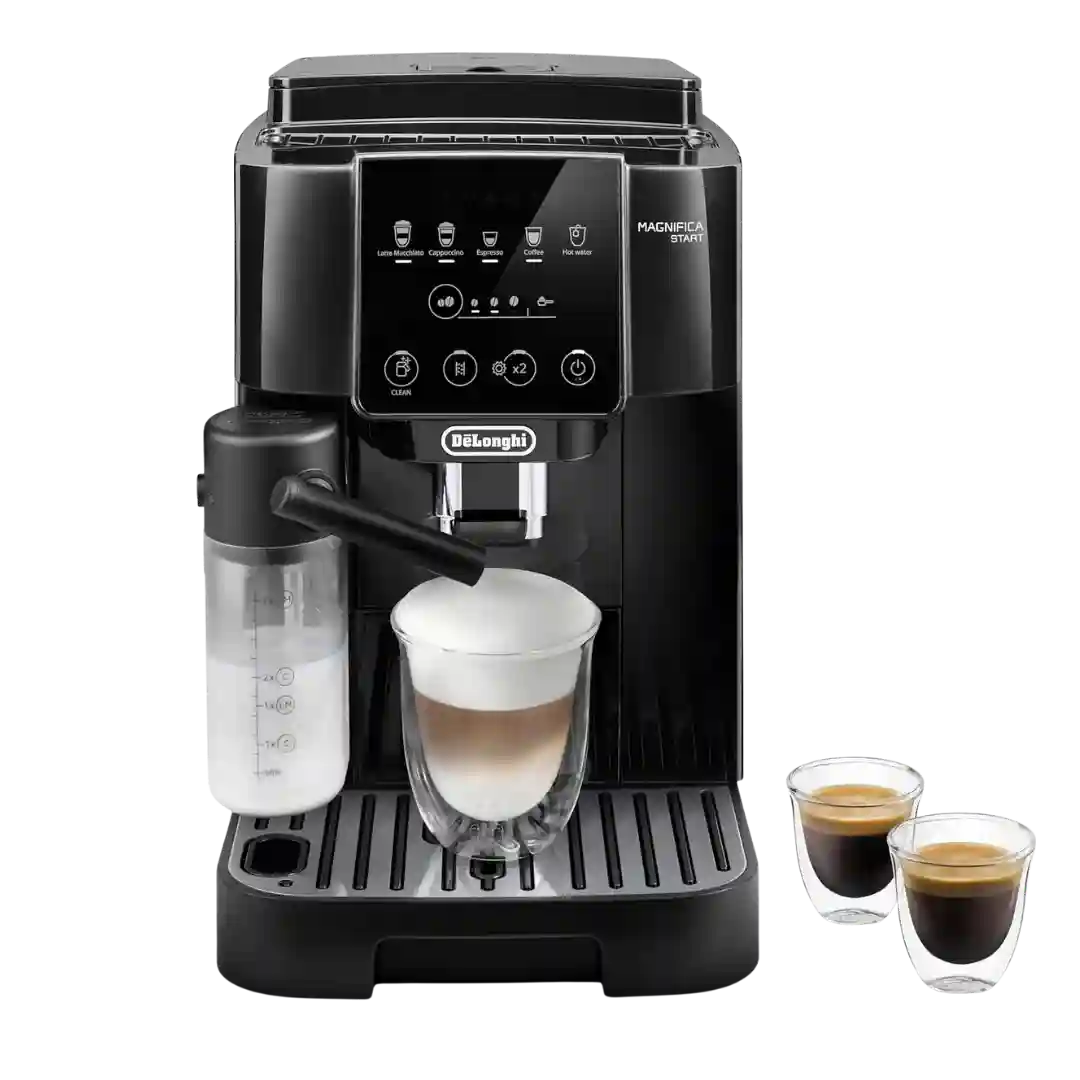
Where discussed, the machine is positioned as a 15-bar pump super-automatic that produces steady extractions without pressure-related complaints in the review set. Most comments about consistency focus on repeatable shot quality rather than mechanical pump issues.
Only limited evidence appears, but where pressure is mentioned it is framed as a high-pressure, stable super-automatic platform (often quoted at 19 bars), with no widespread complaints about pressure-related inconsistency.
Several reviewers cite the stable-feeling manual pump and repeated pressure-building cycle as a core strength, with the machine commonly described as capable of producing crema and espresso-like extraction.
When discussed, reviewers note it can reach espresso-range extraction and even choke/stall with fine grinds, suggesting solid pressure capability for a superautomatic. Few reviews quantify consistency, but overall extraction feedback is positive.
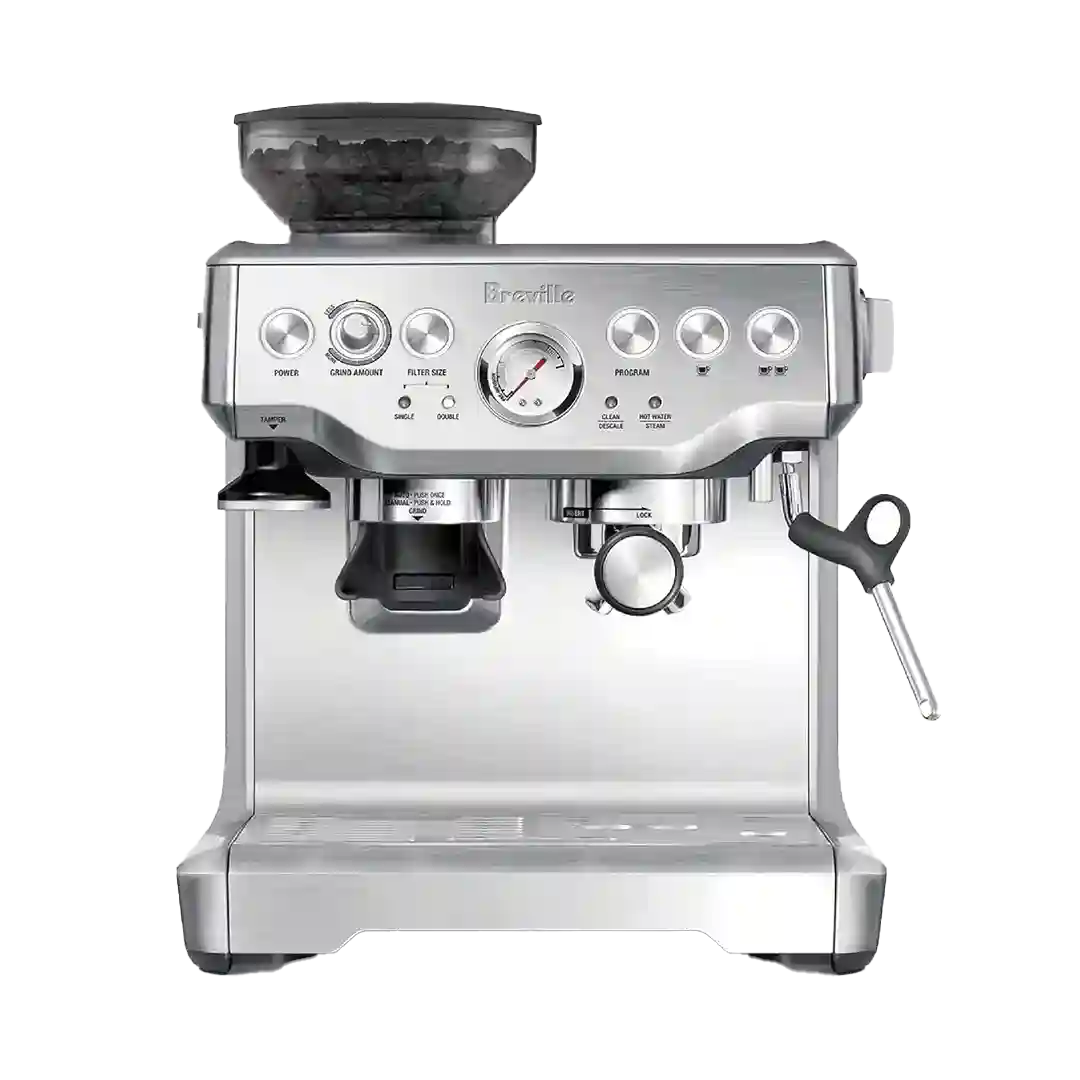
Several reviews reference a 9-bar pump/OPV approach that supports even extractions and reduced channeling. There is no built-in pressure gauge, so feedback comes from shot behavior and taste rather than instrumentation.
When reviewers discuss pressure, they typically frame it as stable and appropriate for modern espresso, often mentioning 9-bar style brewing and pre-infusion. The machine is not portrayed as pressure-finicky once grind and dose are set.
The hand-pump system can create excellent extraction pressure, but consistency is limited by the user. Reviewers say pump speed and force clearly affect the shot, which is part of the appeal for hobbyists but a source of variability for others.
Where pump specs are discussed, the machine is described as a typical 15-bar super-automatic setup. Reviewers note that perceived pressure and flow are closely tied to grind setting and dose, so stability depends on staying within the machine’s workable grind range.
The pressure gauge is frequently used as the main feedback tool, and reviewers link better results to dialing grind and tamp until the needle sits in the espresso range. While this helps repeatability, it is still an approximation rather than true brew-pressure readouts.
When pressure is discussed, reviewers describe controlled pre-infusion moving into roughly 9-bar extraction, with pressure behavior treated as stable rather than user-tunable.
The pressure gauge is repeatedly described as useful feedback, but pressure behavior is reported inconsistently: one review says the machine can sustain the target zone once dialed in, while another reports occasional struggles to reach/hold optimal pressure leading to under-extraction. Reviewers also remind that the displayed pressure reflects boiler/pump conditions rather than exact puck pressure.
Extraction is generally described as stable around a classic 9-bar profile, with the machine handling pressure changes automatically. There is limited emphasis on advanced pressure profiling, but day-to-day results are steady.
Reviewers like having a pressure gauge and generally find extraction pressure lands in the expected espresso range. Some point out that the gauge is not a precise bar readout, and a few saw pressure sitting in a middle zone rather than pegging high.
Pressure is generally presented as adequate and stable for its class, with multiple mentions of the 15-bar marketing and the reality that practical brewing pressure is lower. Reviews suggest it can produce crema reliably, but it does not offer pressure feedback/gauges or pro-level control.
Several reviews reference brewing around classic espresso pressure and achieving 25 to 30 second extractions. One detailed critique argues the pressure system lacks enthusiast-friendly control (for example adjustable OPV), which can restrict fine-tuning and repeatability for advanced users.
Reviews cite a 15-bar pump spec and generally stable results, but also mention that very fine grind settings can be problematic—better results come from mid-fine settings and dialing volume/strength.
Pump behavior is generally described as consistent for home use, and the pressure gauge helps dialing in toward typical espresso targets, but puck prep still strongly influences results.
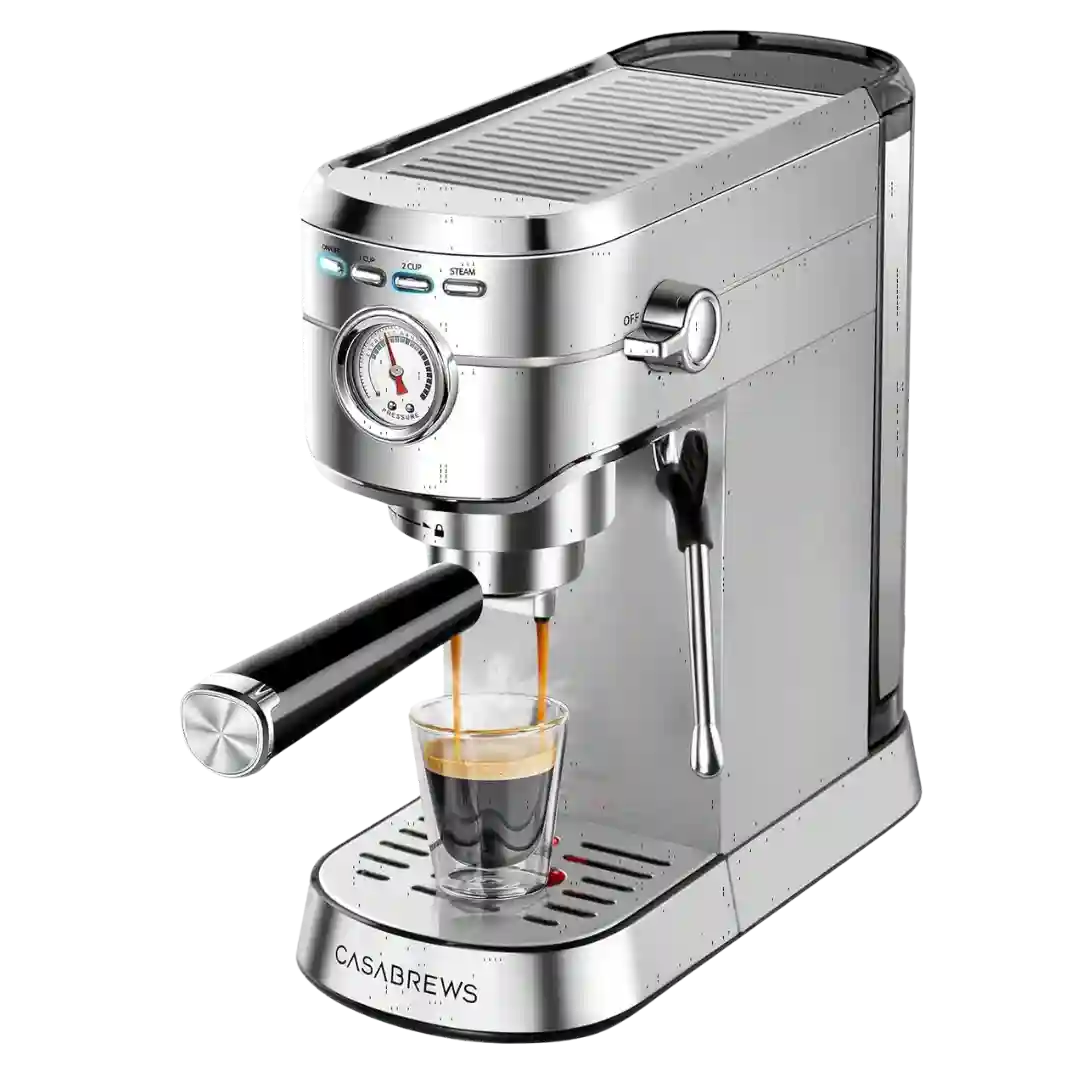
The front pressure gauge is useful feedback, but it lacks clear bar markings and the 20-bar spec is treated as a maximum rating rather than brew pressure. With a solid puck, pressure behavior is acceptable, though vibration-pump pulsing and post-shot release quirks come up.
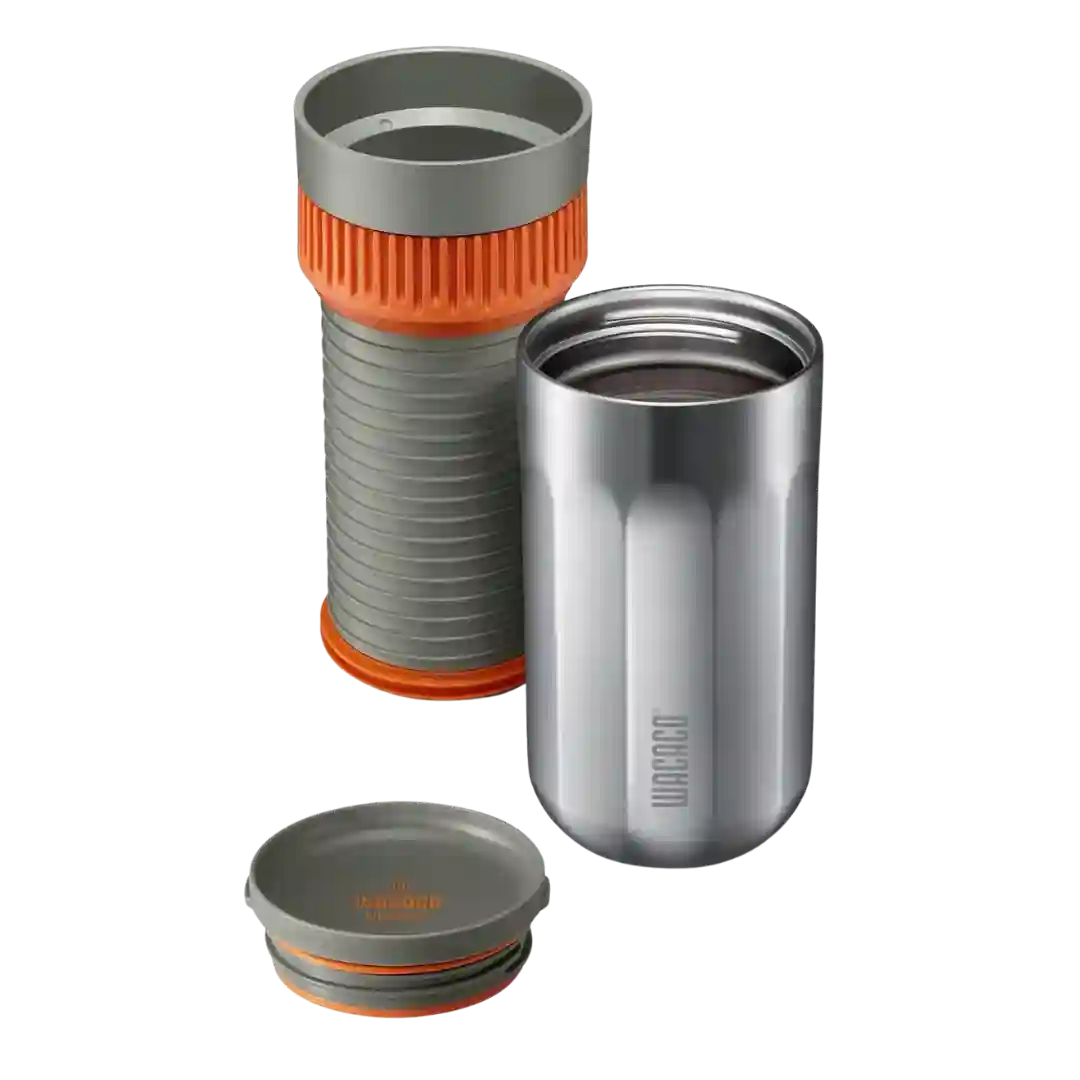
Because the brew is hand-driven, pressure consistency depends on user pace. One review specifically notes that turning too quickly forces water through too fast and weakens extraction.