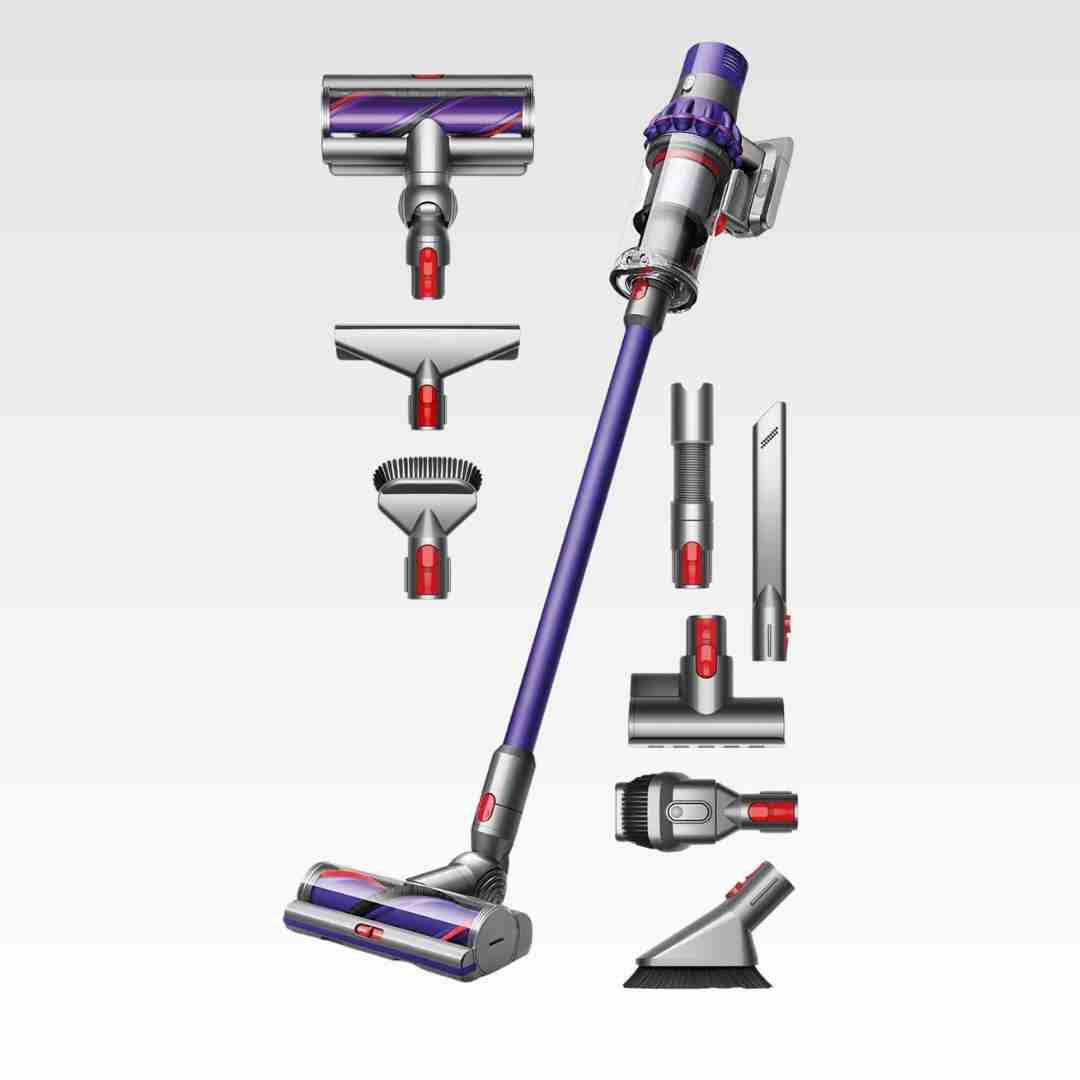
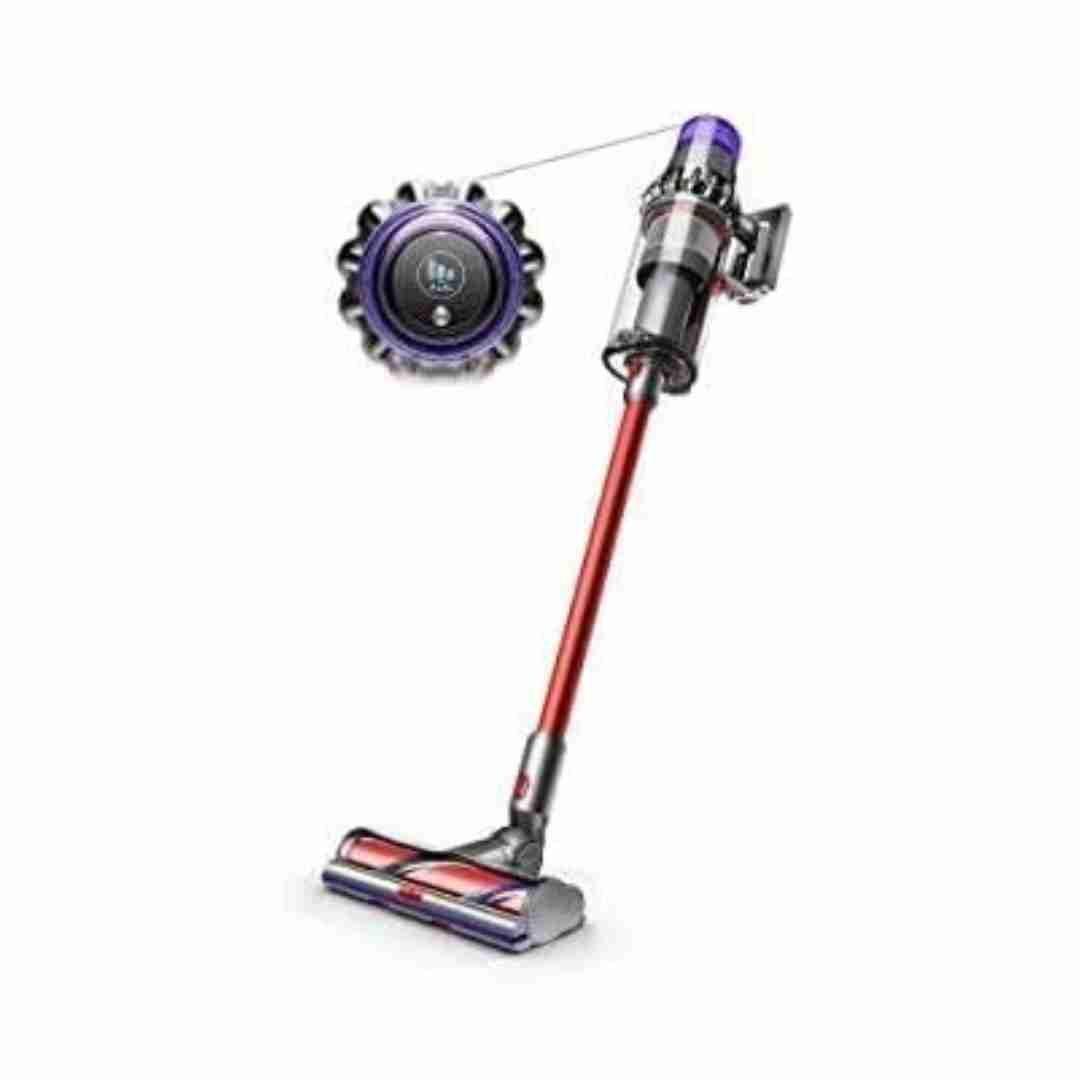
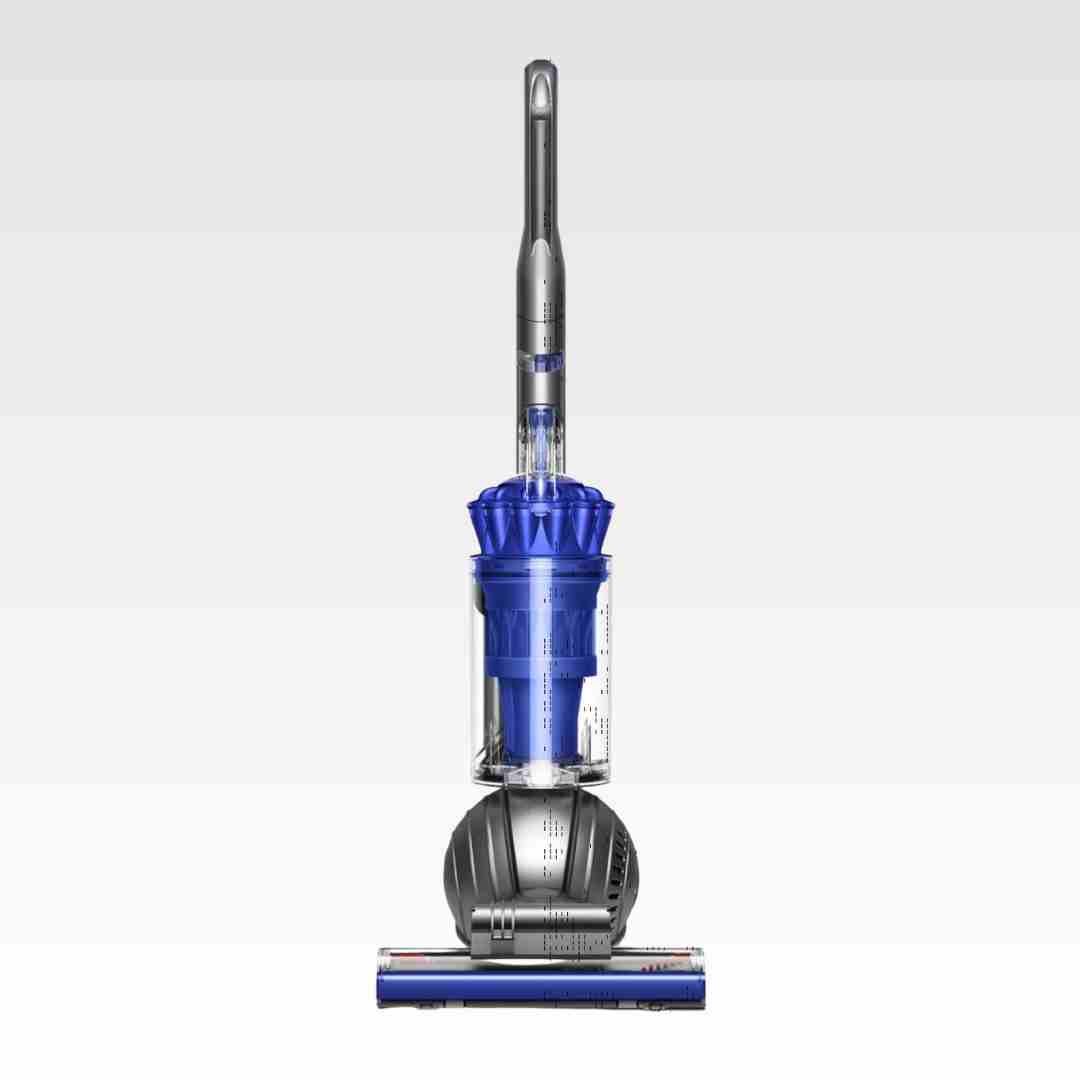
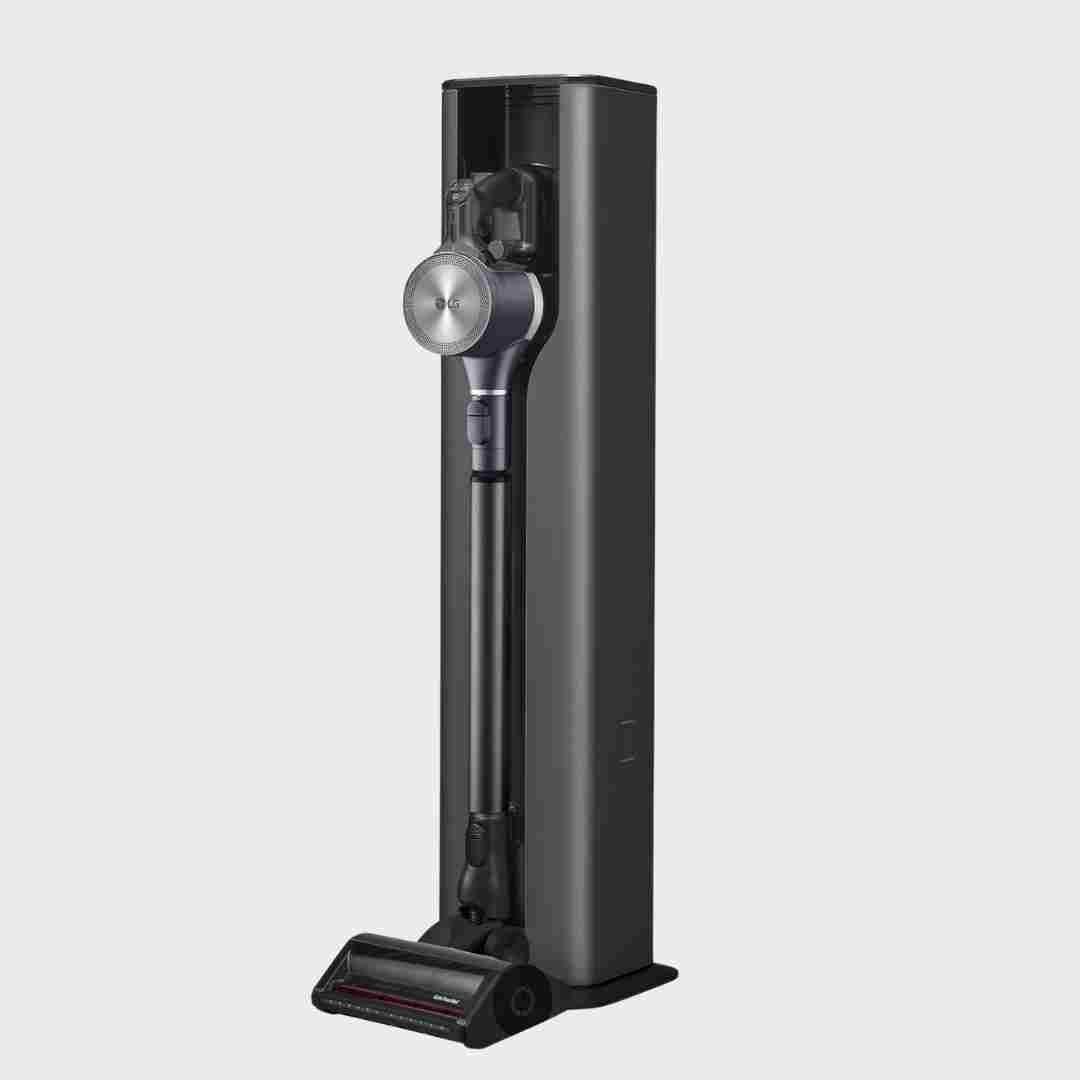
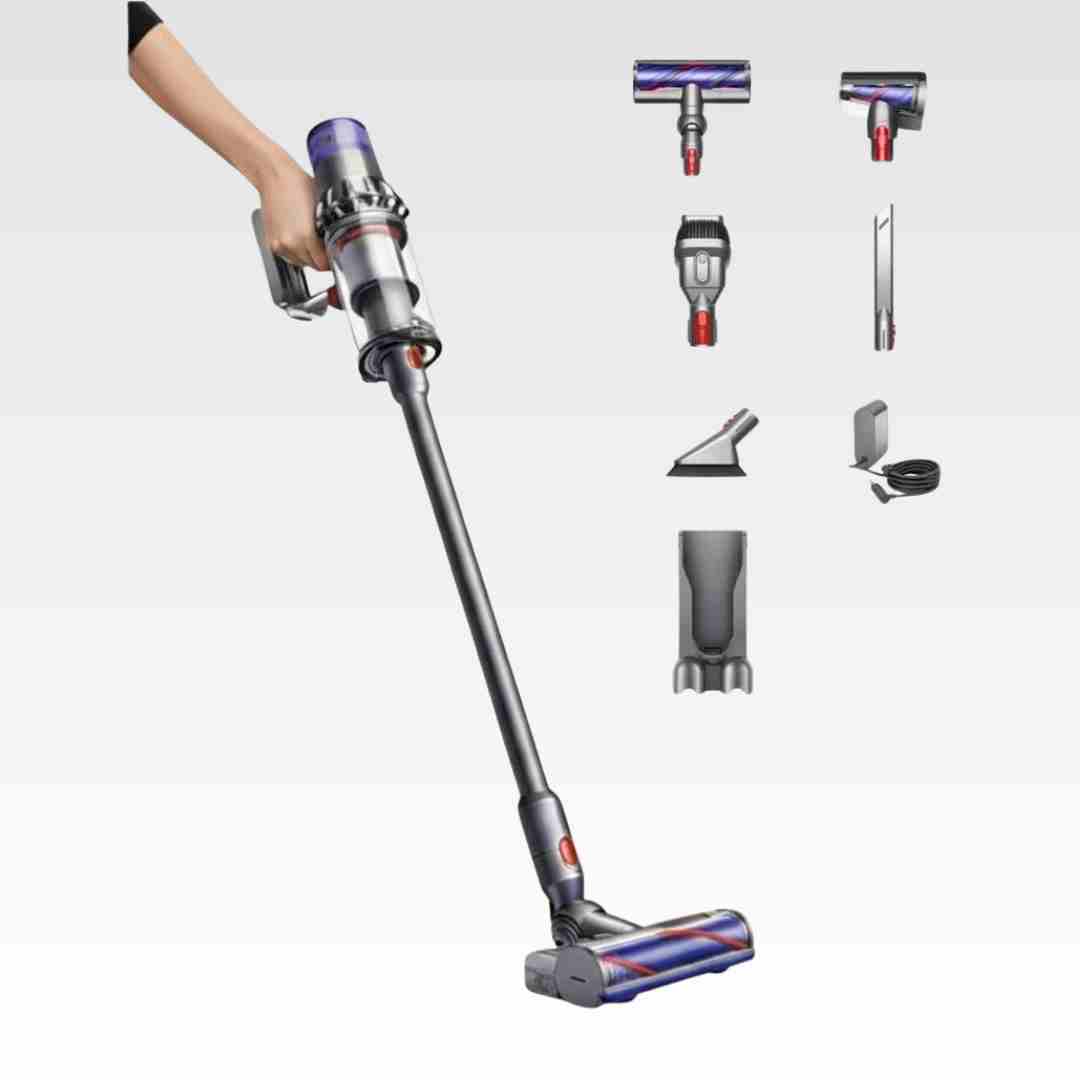
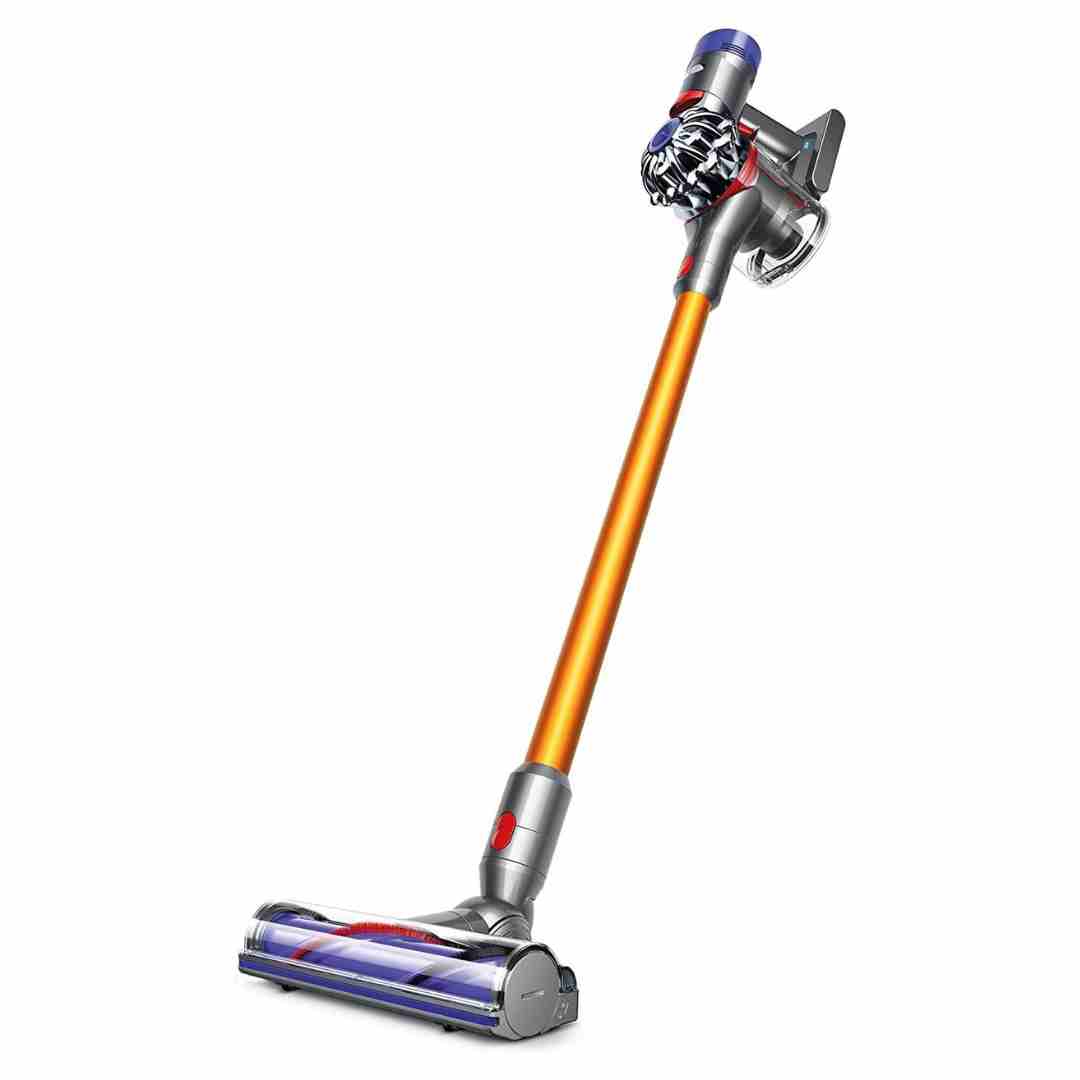
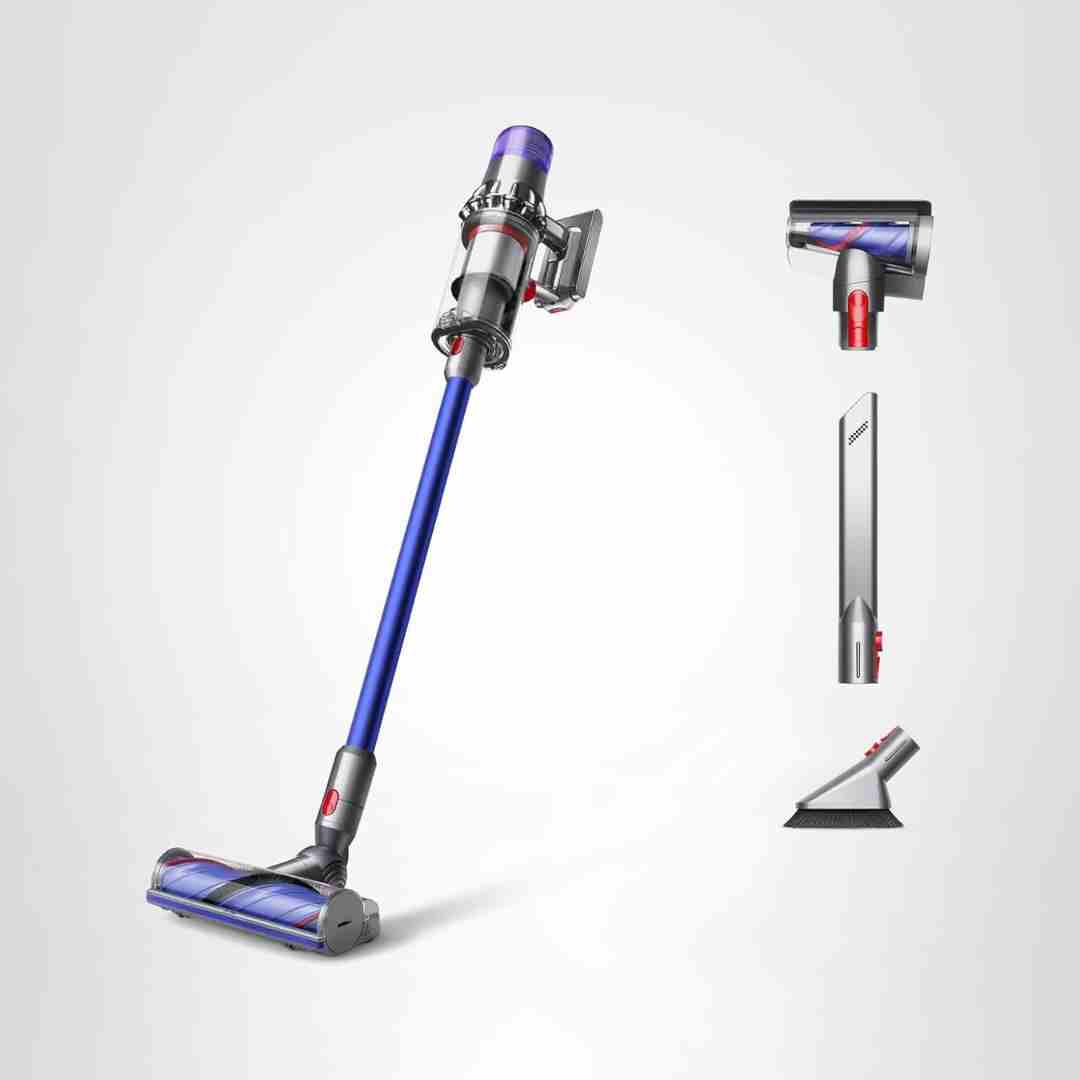
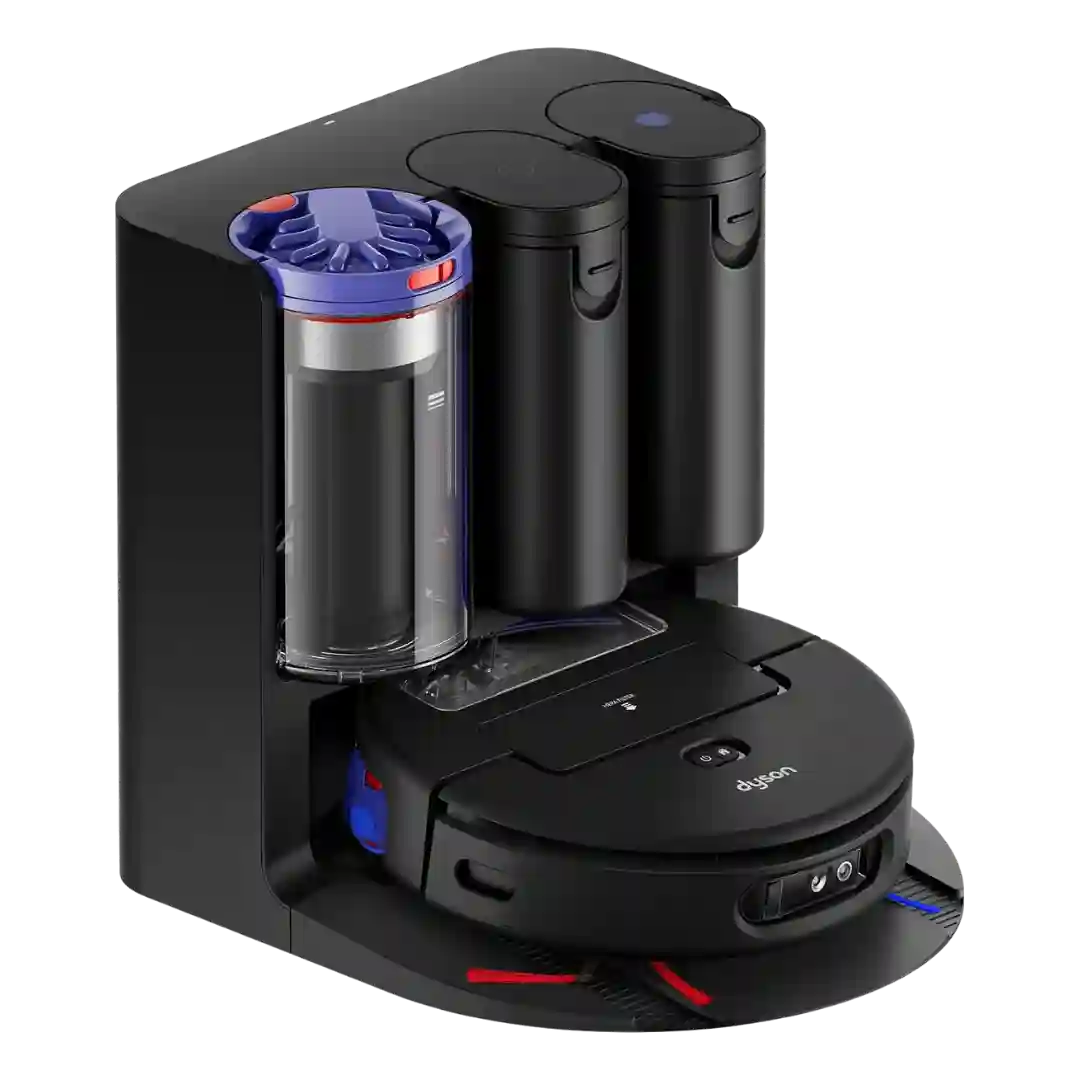
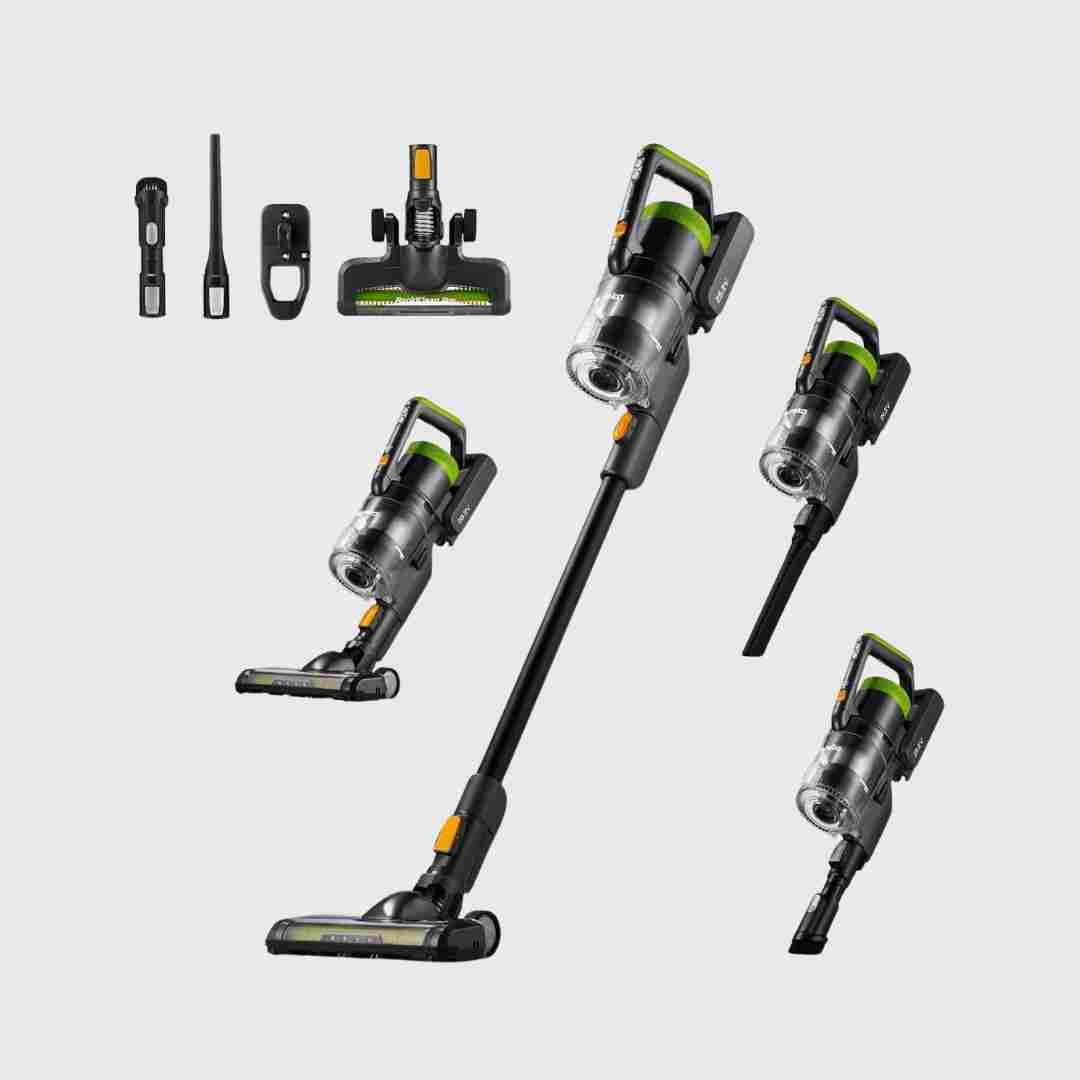
Cyclone tech is frequently credited for maintaining airflow and capturing fine dust, with the V10’s multi-cyclone design and straight airflow path framed as a key part of its strong suction performance.
The multi-cyclone system is credited with maintaining strong, fade-free suction as the bin fills. Reviewers reference Dyson’s high-speed motor and cyclone design as key reasons it keeps pulling fine dust without feeling bogged down.
Cyclone system is repeatedly credited for strong, consistent pickup and maintaining performance room-to-room, with only occasional notes that floorhead design (not suction) limits large-debris pickup.
Cyclone performance is repeatedly credited for maintaining airflow and capturing fine dust. Reviewers call out Dyson’s multi-cyclonic or radial cyclone approach as a key reason it performs well on embedded debris.
Cyclone-based separation is frequently mentioned (including multi-cyclone designs), and is associated with strong, consistent pickup and dust capture in the reviews that discuss it.
Cyclone/Vortex-style separation is described as effective for maintaining pickup and containing fine dust; most commentary is qualitative rather than lab-measured.
Multi-cyclone design (often cited as 14 cyclones) is credited with maintaining airflow and supporting strong suction without rapid fade during a session.
Dual cyclonic/dual-cyclonic filtration is positioned as helping maintain suction, and reviews generally do not complain about rapid suction drop-off. However, the overall system sealing is not on the level of fully sealed HEPA designs.
Cyclone-style engineering is referenced as part of Dyson's lossless-suction approach, including mentions of radial root cyclone technology. In practice, reviewers attribute consistent suction and strong pickup to the overall airflow and head design rather than any single component.
Cyclonic separation and multi-stage filtration are described as effective at keeping dust out of the exhaust airflow, with demonstrations (smoke/dust) showing strong particle handling for a budget/midrange model.
The dual cyclonic airflow design is credited with steady pickup and helping maintain suction, with multiple reviewers noting it is less prone to clogging than simpler handhelds.
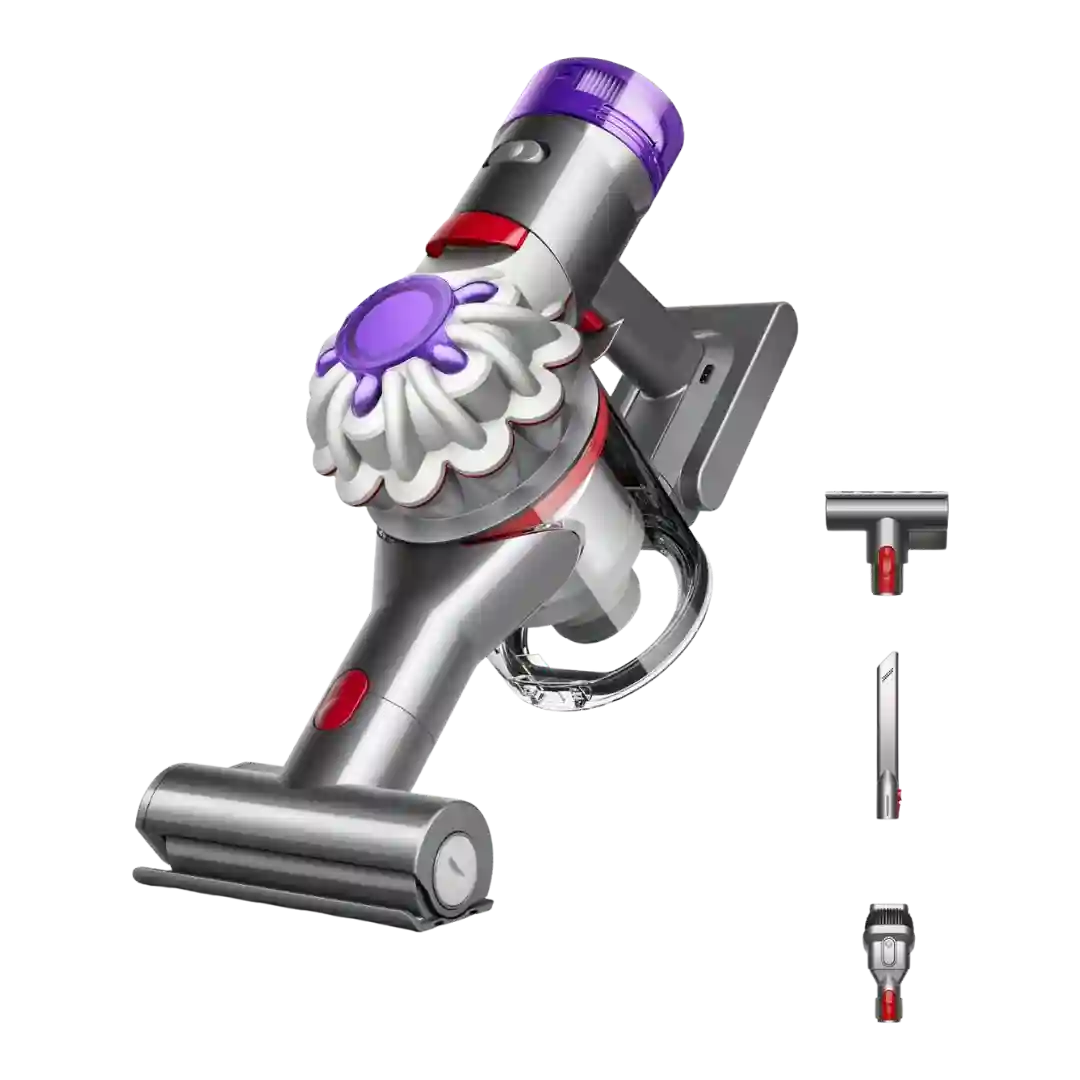
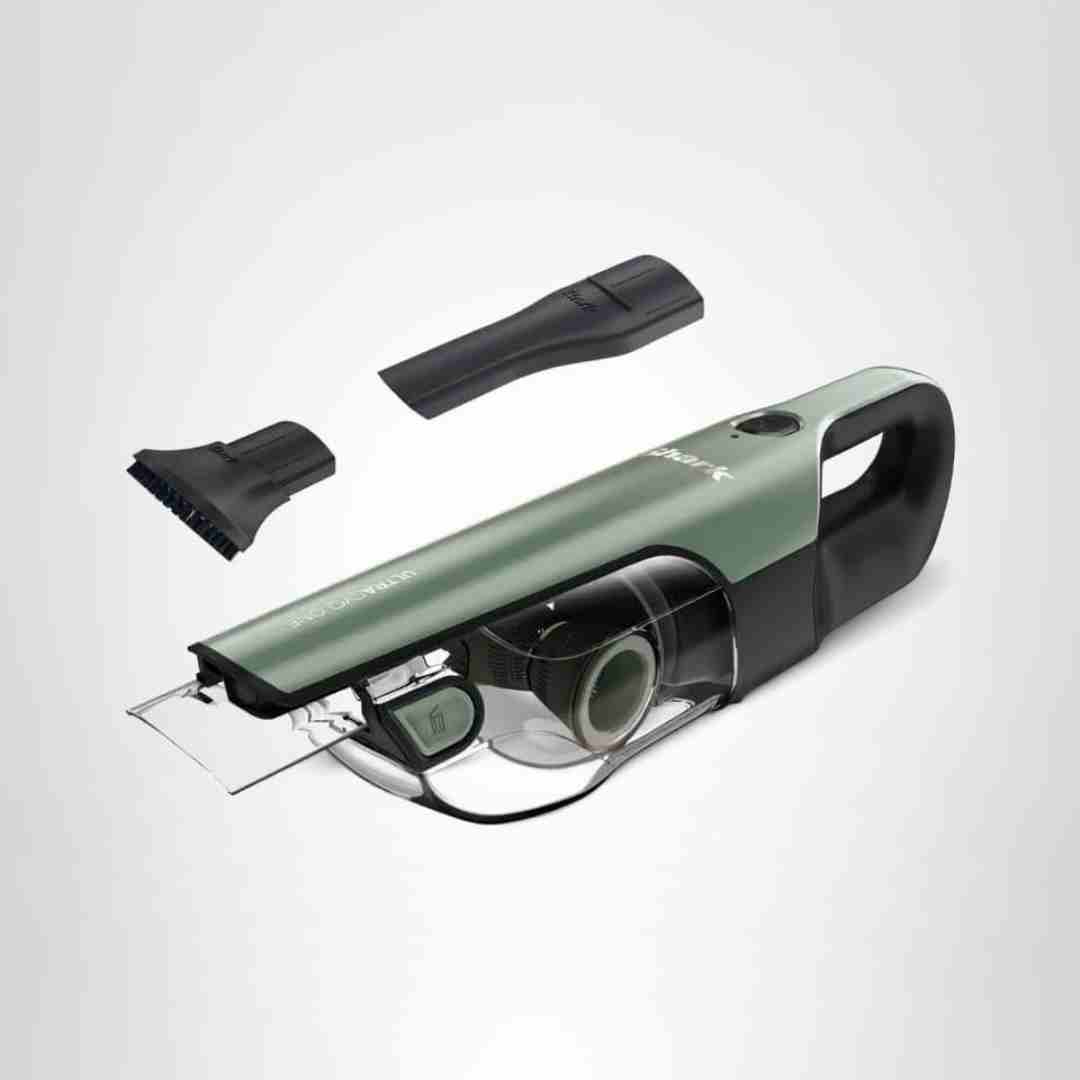
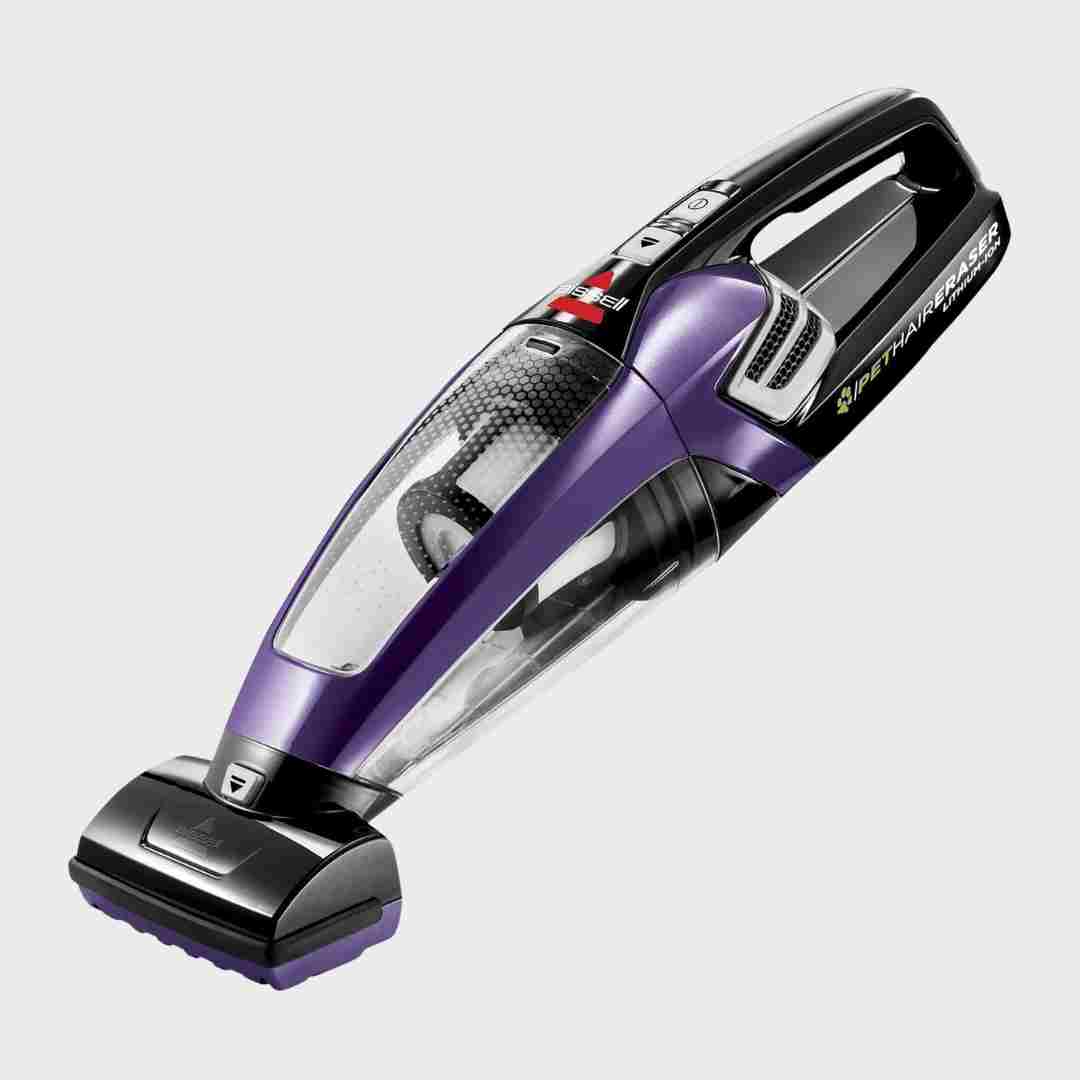
One reviewer explicitly mentions cyclone-like airflow visible in the dust cup during use, suggesting effective debris separation even in a compact handheld design.
Cyclone-style claims and user impressions suggest suction stays relatively stable during typical use, though performance can drop or clog with certain debris loads depending on conditions.
Cyclone separation is generally viewed as effective at keeping dirt in the bin and supporting consistent suction. A few hands-on testers note string or hair can snag in the cyclone pathway, especially if the bin is overfilled.
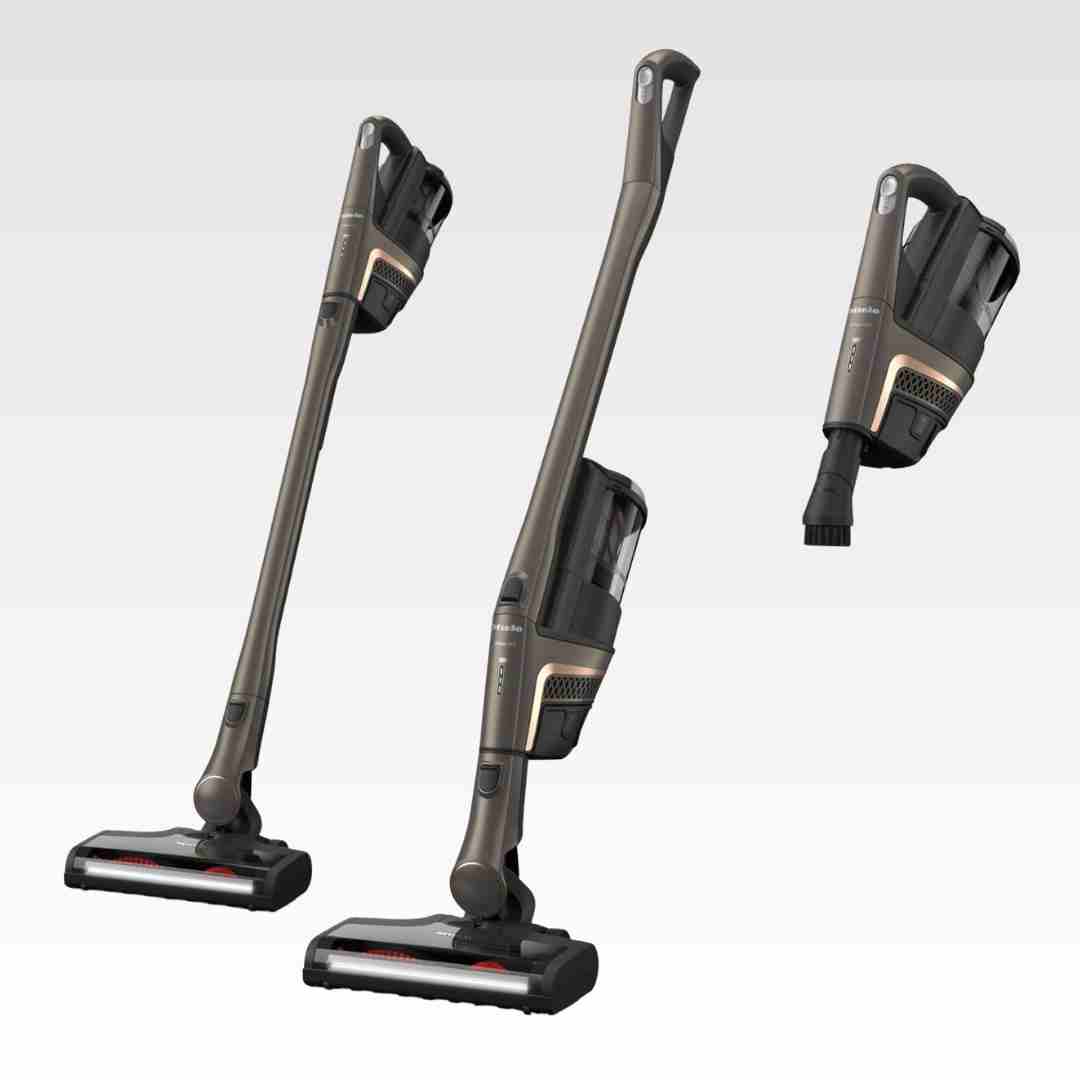
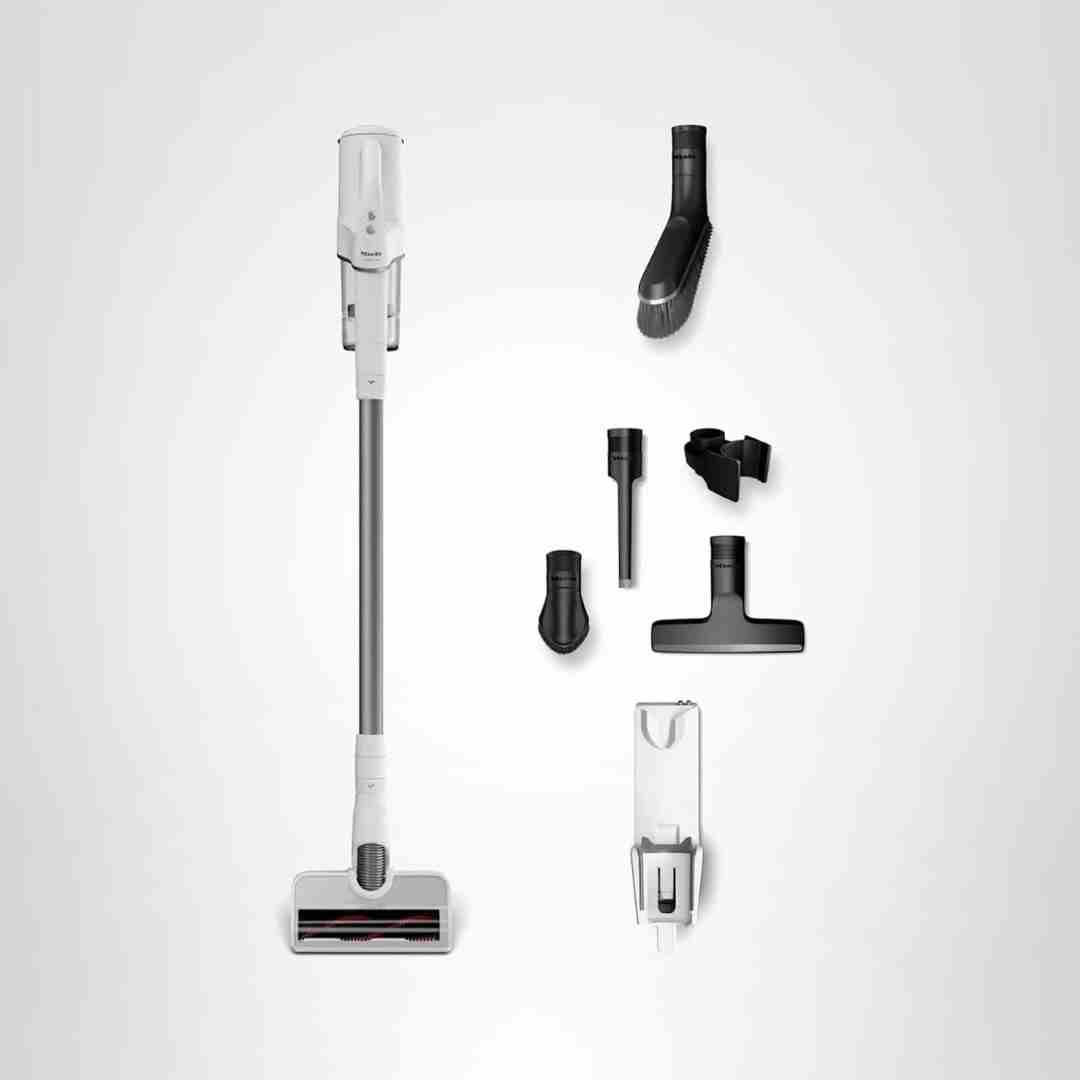
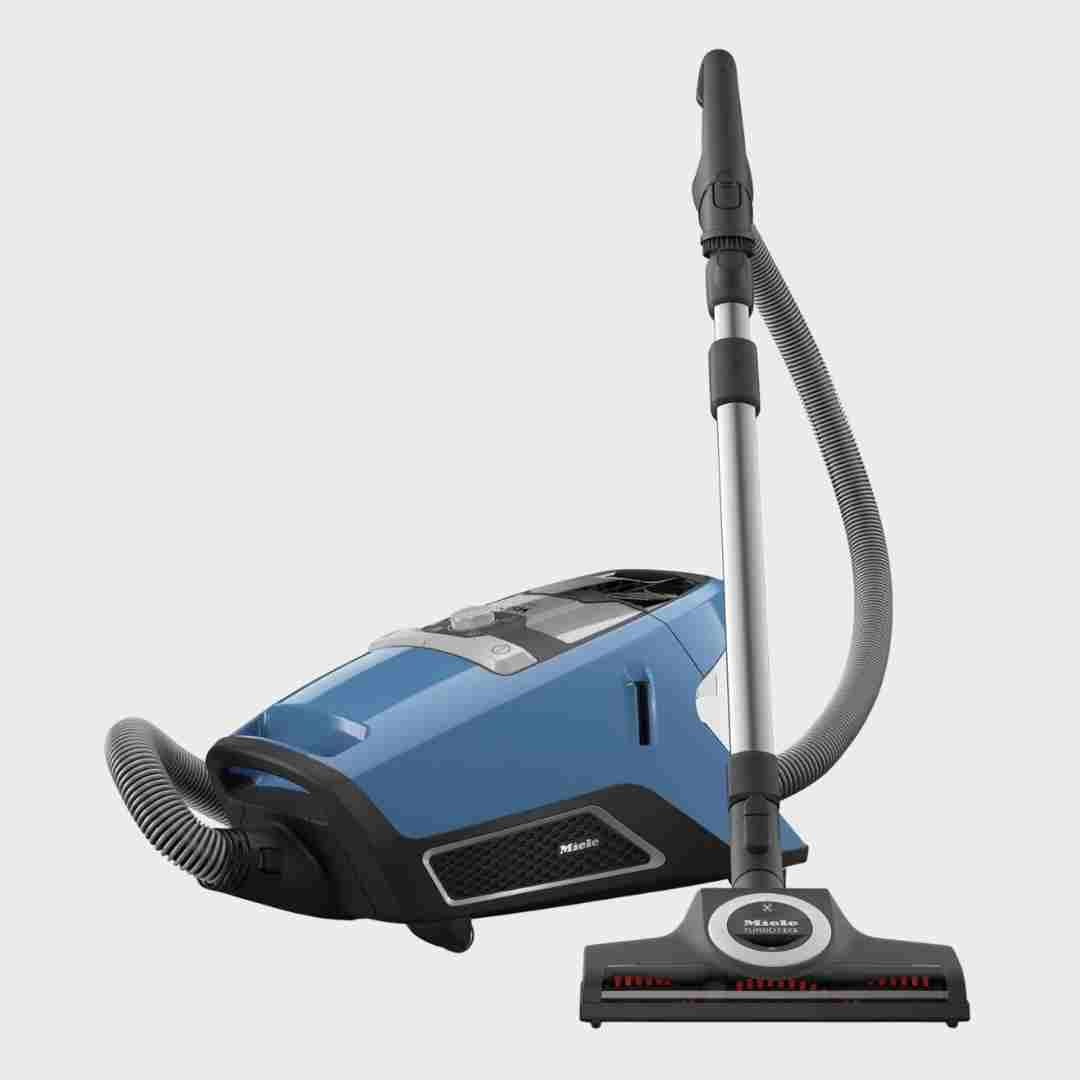
Several sources reference Miele Vortex/cyclonic design and describe an airflow path intended to keep performance strong, with reports of strong pickup and little dust sticking in the bin. Most detail is descriptive rather than lab-measured, but user impressions are positive.
Multi-cyclonic design is credited with maintaining suction reasonably well during typical cleaning, though it does not fully solve large-debris limitations.
The slim cyclone design supports strong everyday suction, but some reviews note it is less aggressive than higher-end Dyson cyclone setups, contributing to weaker deep-carpet performance versus flagship models.
Two-tier radial cyclones are cited as helping airflow and fine-dust capture, and reviewers note performance stays consistent even as debris accumulates. This cyclone design is part of why the vacuum feels powerful on everyday dust.
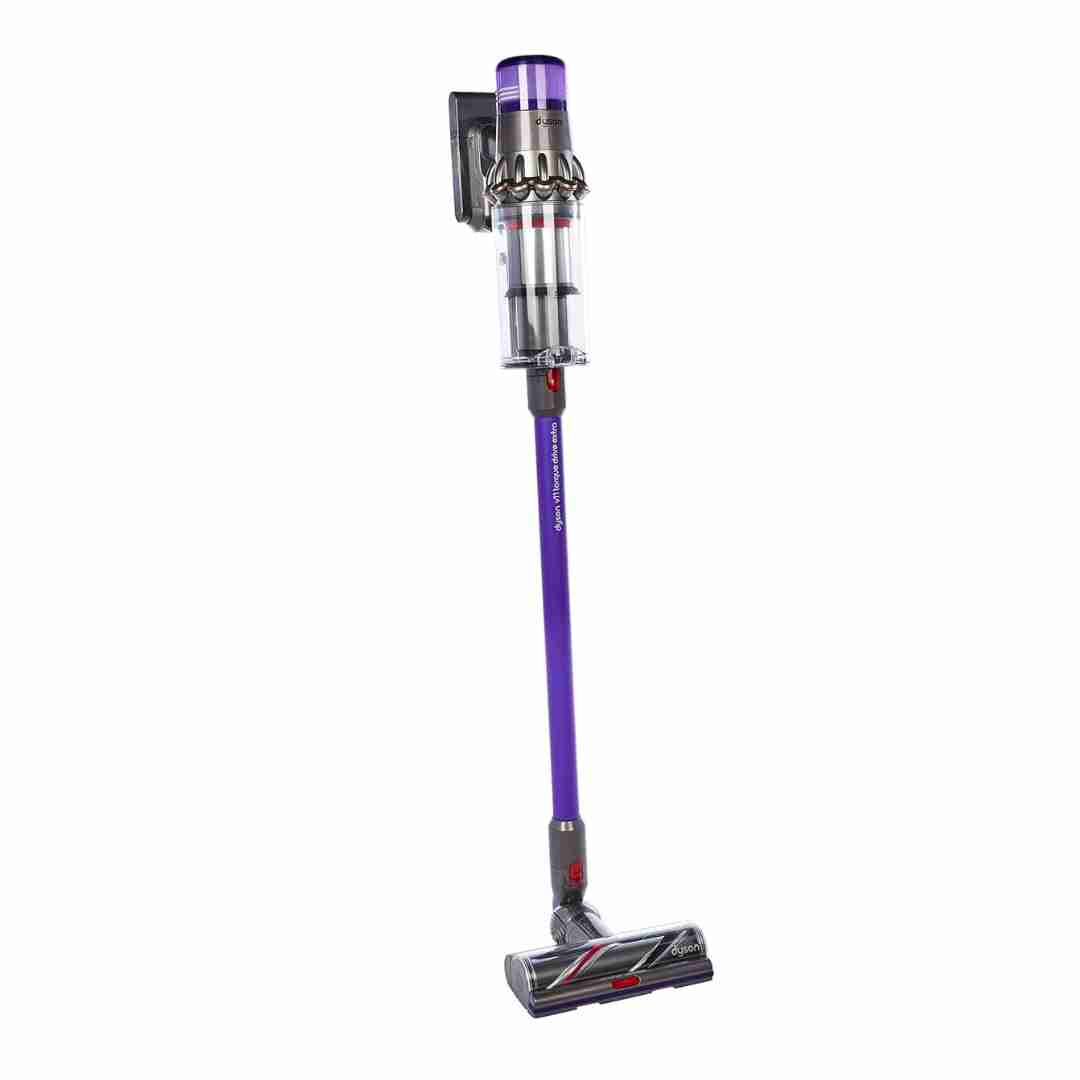
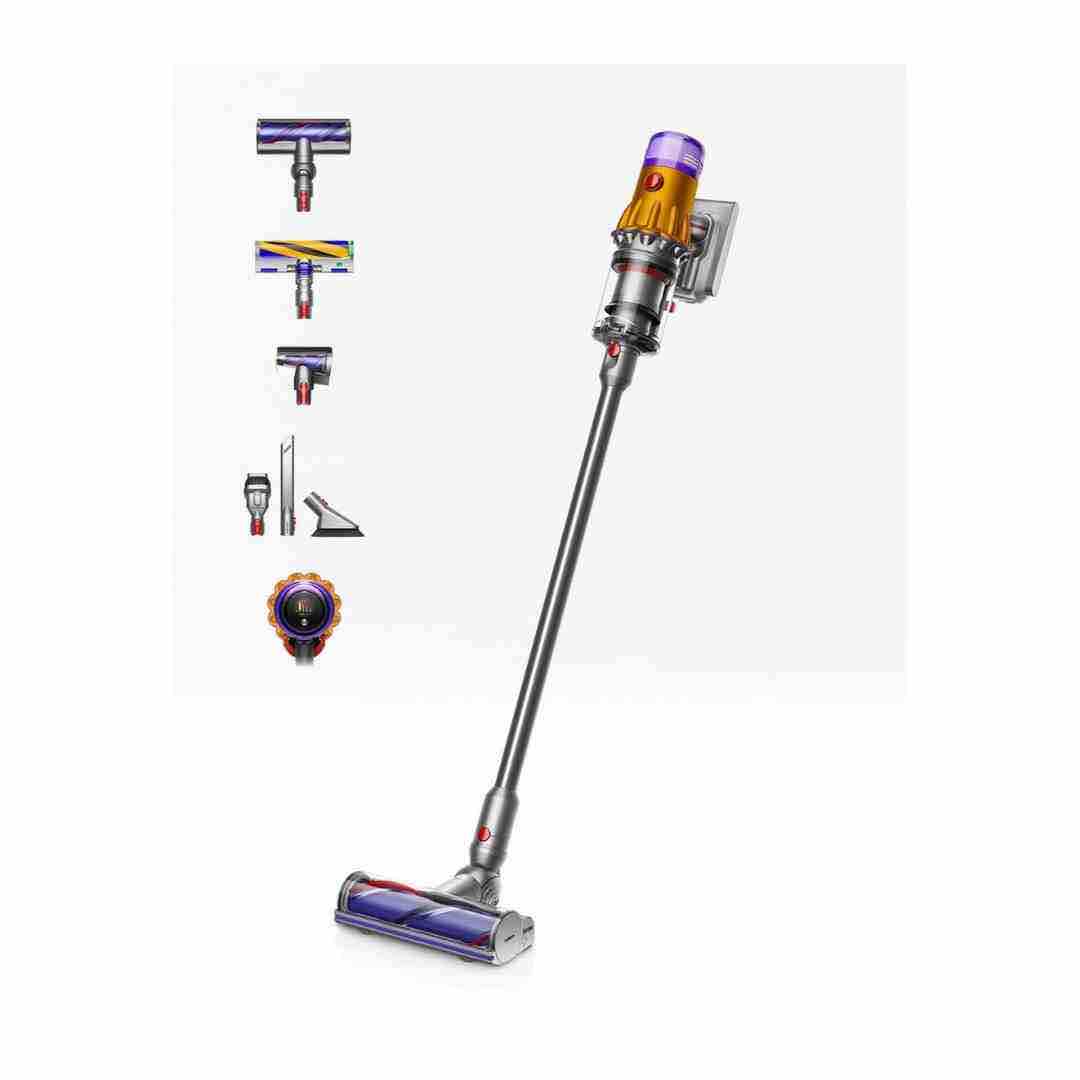
Cyclone design and overall Dyson airflow engineering are referenced as a reason the V11 maintains strong pickup and power efficiency. This attribute is discussed in broad, positive terms rather than as a complaint area.
Cyclone/separation is cited as helping the vacuum maintain suction better over time by reducing pre-filter clogging with fine debris, even if peak power is modest.
Cyclone separation is generally described as effective enough to maintain strong suction, but a few reviewers note that fine or thick dust can stick inside the cyclone area and needs periodic cleaning. Hair clumps can also lodge in the bin pathway, making maintenance more hands-on for shedding homes.
The Vortex/single-cyclone system is generally credited with maintaining strong performance and separating debris effectively in normal use. Under extreme, mixed debris loads, a few demonstrations show the cyclone and filters can become overwhelmed, leading to more frequent cleaning.
Cyclone performance is generally credited for maintaining strong suction and helping prevent clogs. One reviewer felt the newer cyclone setup lets filters get dirty faster than older Dyson designs, suggesting more frequent checks.
A few reviews call out Dyson’s cyclonic separation as part of its strong performance and suction consistency, but it’s not a dominant discussion topic compared to heads, sensors, and runtime.
Cyclonic separation is credited with keeping suction steady when clean, but fine dust can cake on internal shrouds and needs periodic cleaning. Hair can also collect in the cyclone or spindle area on some versions.
Cyclone separation is described as improved versus older models but still imperfect; one detailed review notes dust can bypass the cyclone and reach filters sooner than expected.
One review attributes faster pre‑filter loading to less effective cyclone-style separation compared with multi‑cyclone competitors, which can reduce sustained suction between cleanings.