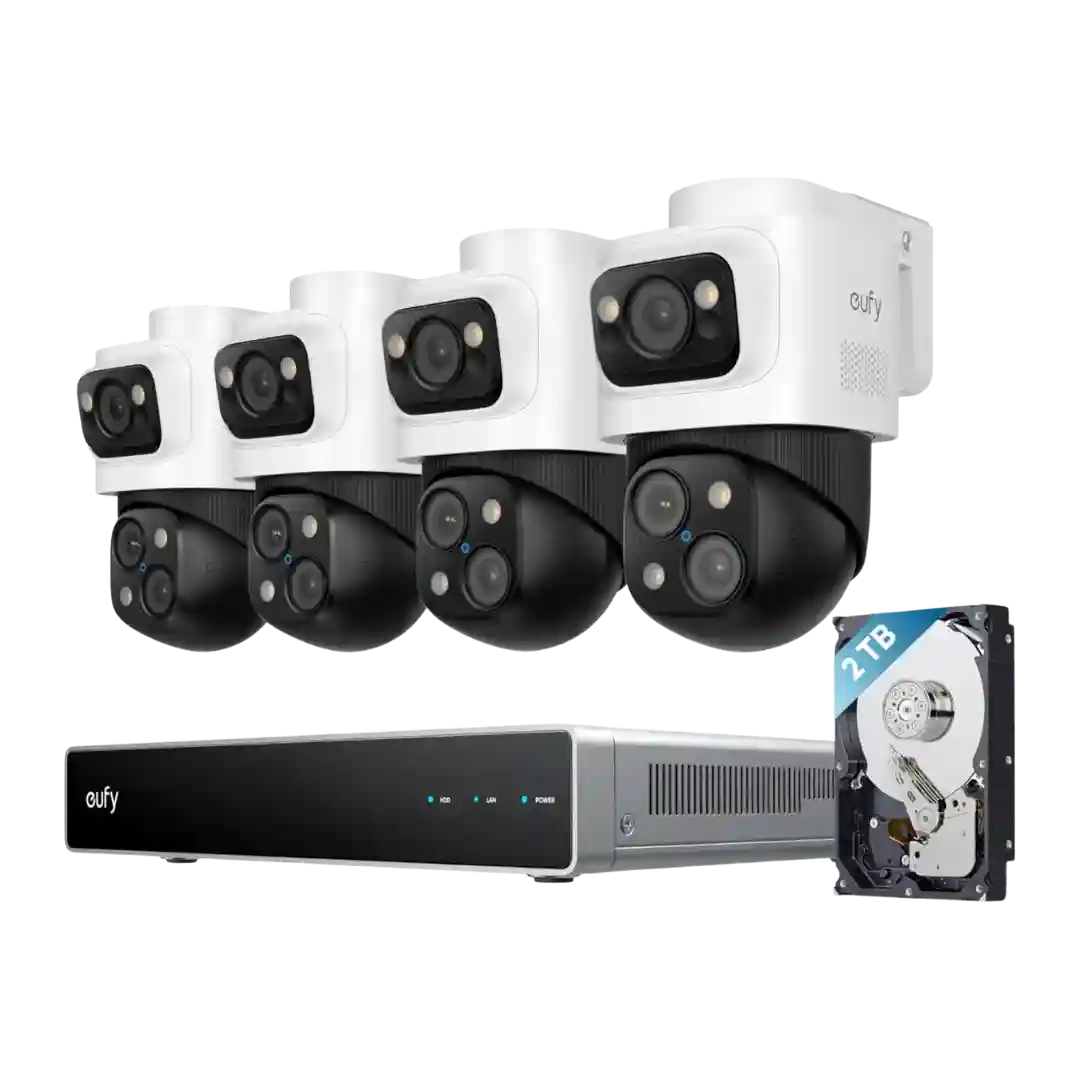
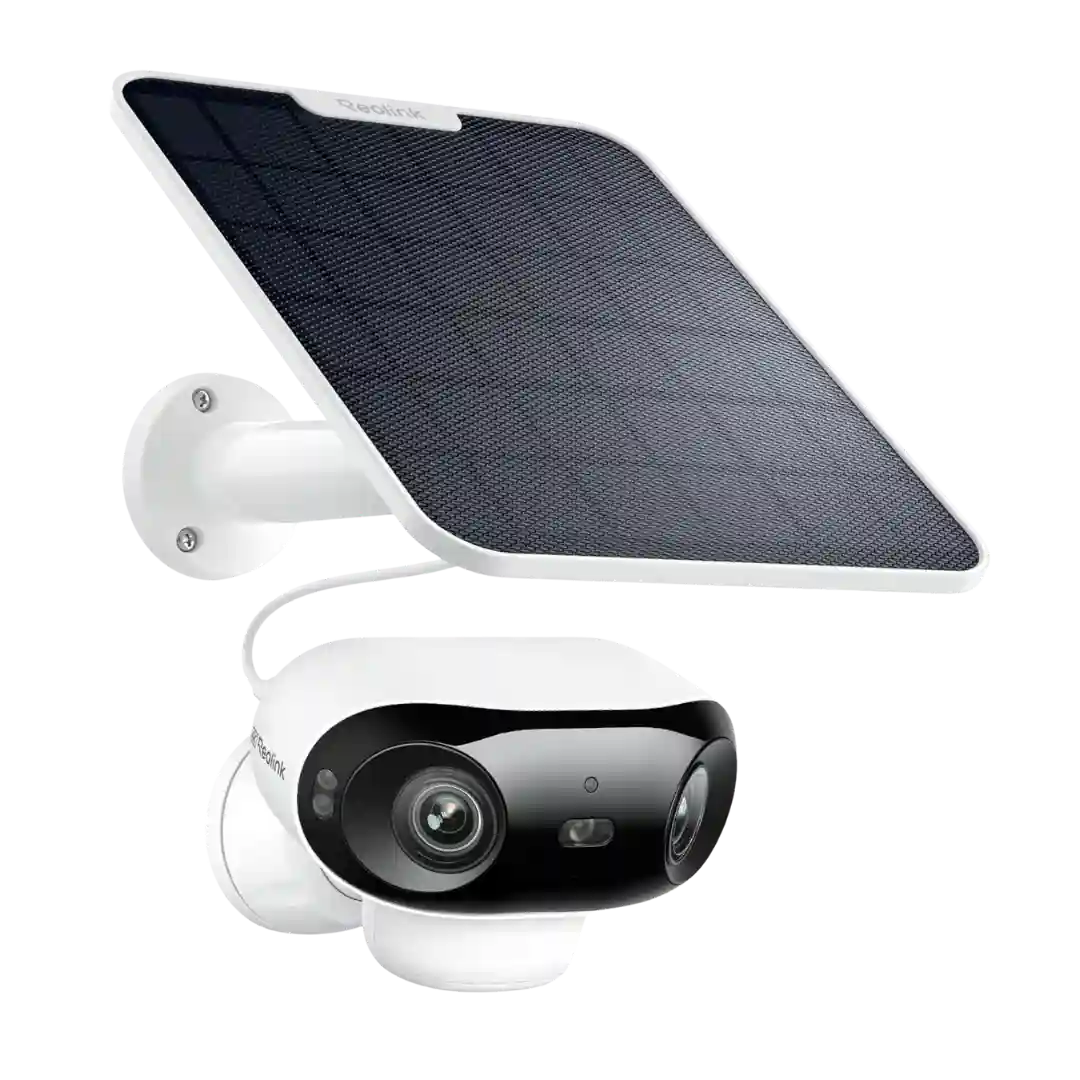
Reviewers repeatedly describe the tri-lens, dual-module design as a key advantage: a fixed wide-angle view plus a moving PTZ module that can cover a different direction. This effectively creates multiple viewpoints per camera and supports better tracking.
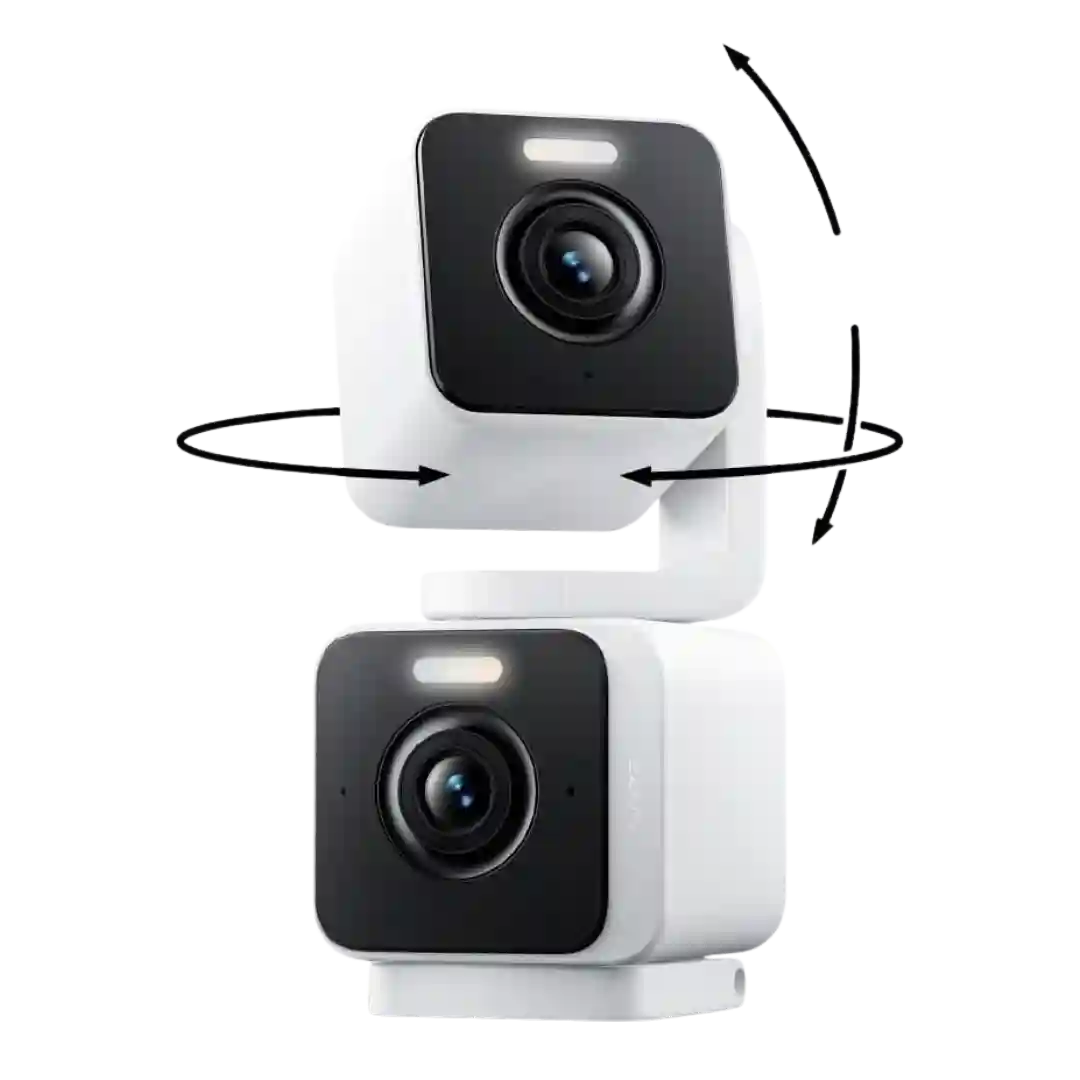
Reviews consistently praise the dual-lens concept (one fixed, one pan/tilt) for keeping a stable context view while reducing blind spots as the moving lens follows activity.
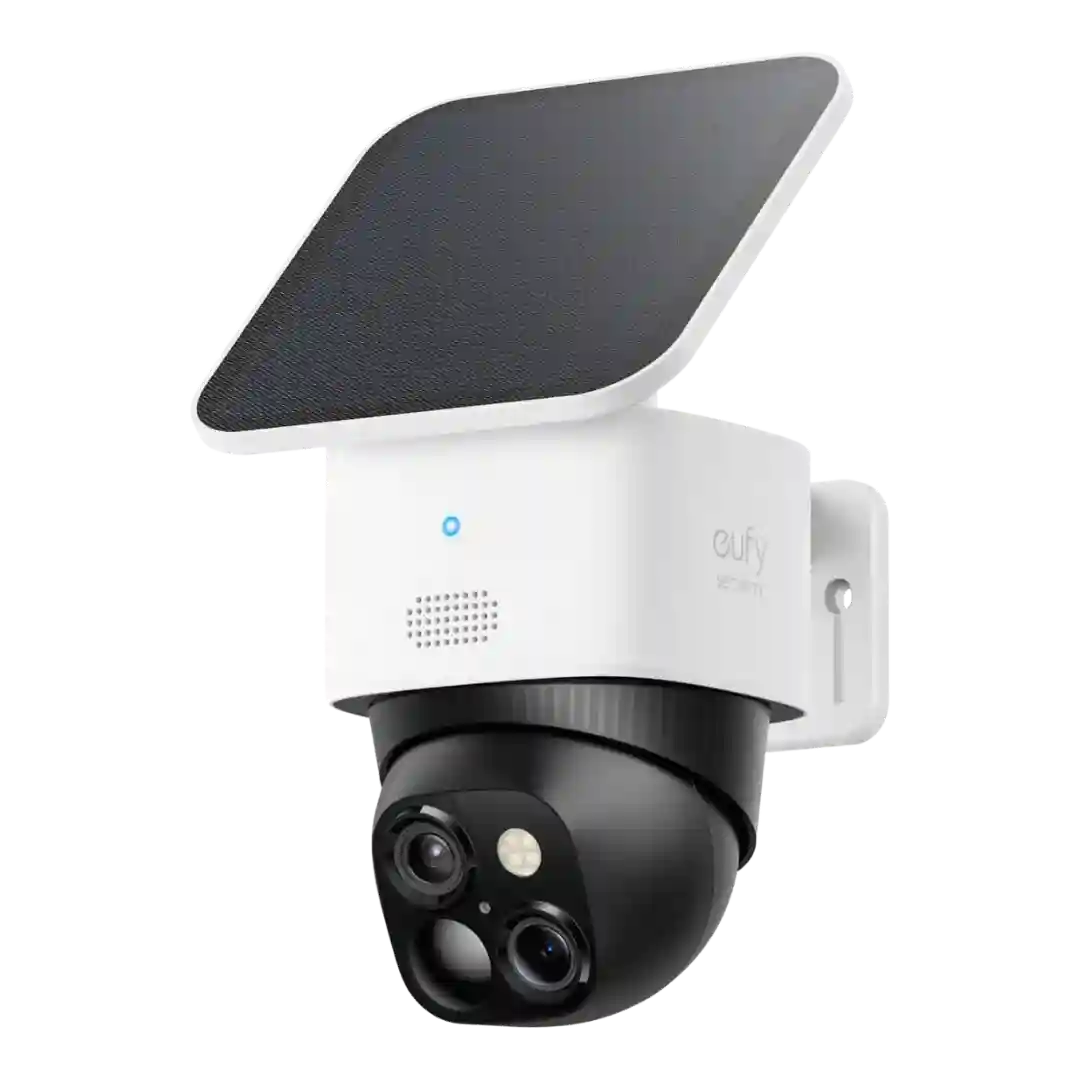
The dual-camera design is repeatedly cited as the core advantage, pairing a wide view for context with a telephoto view for identification without relying solely on digital zoom.
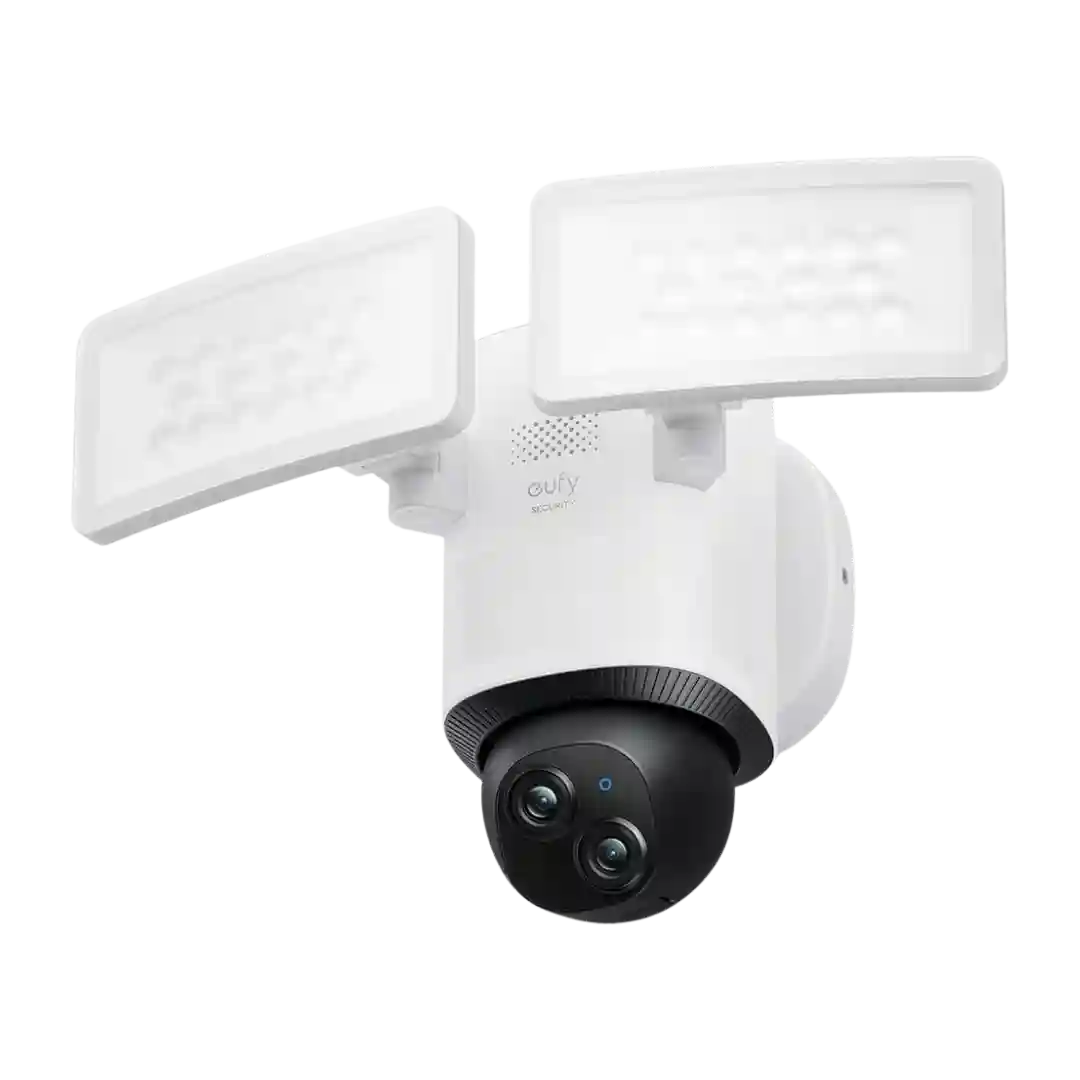
The dual-lens panorama is widely seen as the camera’s defining advantage, delivering broad coverage with less distortion than many ultra-wide lenses. The main drawback is the stitching seam, which can blur or mismatch when subjects pass through the center overlap.