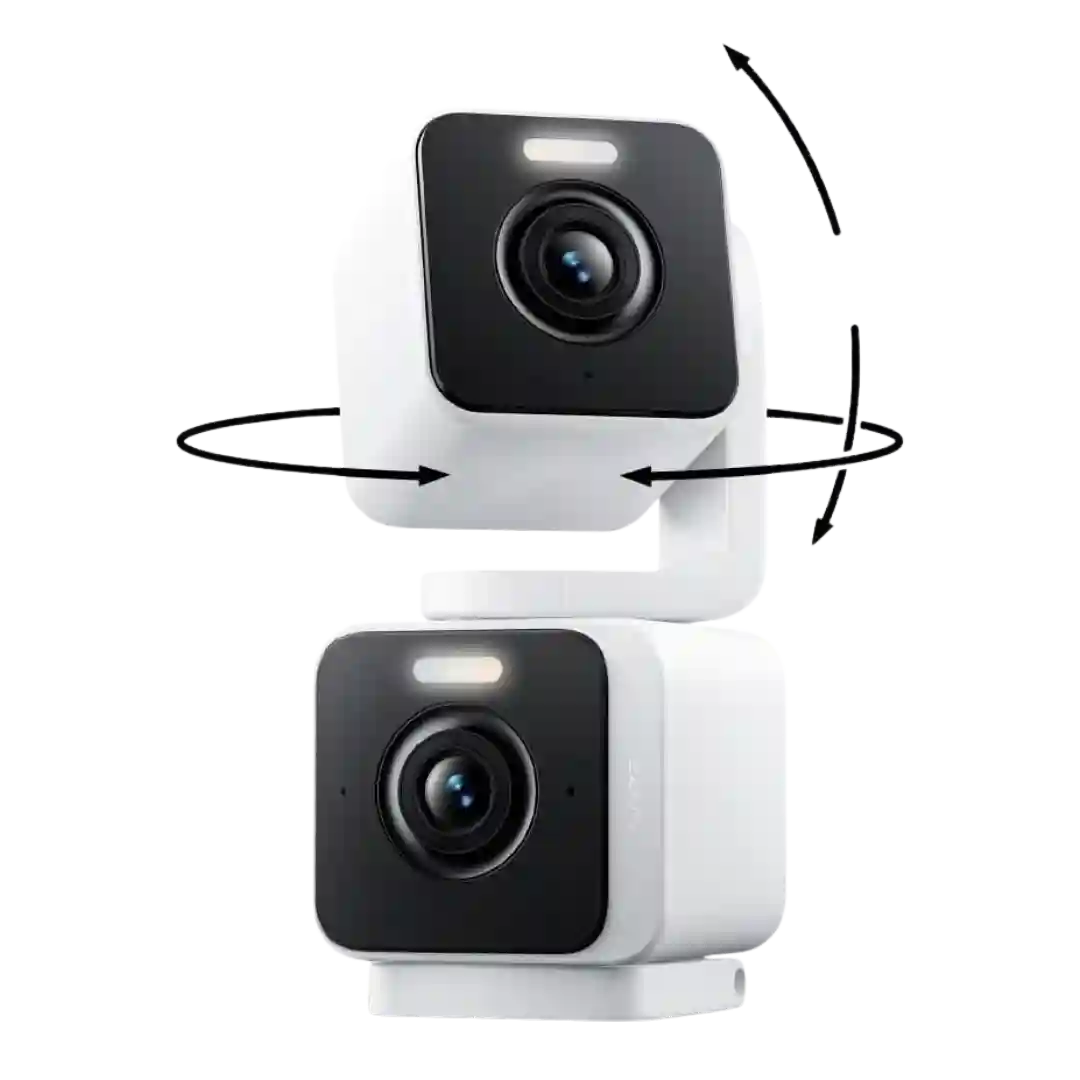
Object-based alerting (people/animals/vehicles) is repeatedly praised for cutting down nuisance notifications from wind, lighting changes, and foliage, though wake-from-idle behavior can add occasional delays.
False alerts can be reduced effectively using object-type filtering, sensitivity sliders, and activity zones. Results still depend on placement and environment, but overall filtering is considered among the best.
Radar + PIR and AI filtering are widely credited with cutting false alerts; some setups still need zone/sensitivity tuning, and occasional pet/vehicle mislabels are reported.
Smart filtering by person/pet/vehicle is frequently accurate and helps cut down nuisance alerts. Occasional misclassification or sensitivity tuning may be needed depending on the scene.
False alerts are often reduced by heat plus motion detection and good zone setup, and several reviewers highlight fewer wind or foliage triggers than typical cameras; misclassification still happens occasionally.
AI filtering usually reduces wind-and-shadow false alarms compared with basic motion detection. Some reviewers still saw occasional misclassification, but most felt it was manageable with sensitivity, zones, and feedback training.
Filtering is generally effective once configured, with PIR plus subject classification and zone/sensitivity controls reducing false alerts from trees, pets, or passing cars. Some reviewers still note initial trigger-happy defaults or occasional misfires that require tuning.
False alerts are usually well-controlled, especially when paired with zones and event-type filtering, but some reviewers saw occasional mislabels (for example, a pet flagged as a person) and one noted missed back-to-back events.
False alerts are generally reduced thanks to PIR and local AI, but occasional mislabels (pets/objects, niche scenarios) and some audio false triggers are still reported.
False-alert control is generally rated positively thanks to per-type sensitivity and detection filtering. However, a few reviews still mention occasional tracking oddities or edge-case misbehavior in low light.
False positives are the main mixed point: some reviewers saw flaky labels (like pets flagged as people) or needed to lower sensitivity, while others reported very accurate filtering once tuned.
False alerts are generally reduced by AI filtering and well-tuned zones; some reviewers report near-zero nuisance alerts after setup, while others saw false recognitions when sensitivity was pushed too high.
False alert reduction comes from person detection, familiar faces, and zone tuning, which many reviewers find helpful. Still, the filtering is not perfect and some tests show inconsistent classification or missed behavior.
False alerts vary by environment: AI filters can help, but pets, wind, or nearby objects can still trigger events unless sensitivity and zones are tuned.
False alerts are a recurring theme: some reviewers report frequent misclassifications at first, while others say tuning zones, sensitivity, and updates can significantly reduce them.
False alerts can be an issue out of the box if sensitivity is high. Reviewers say zones and smart object filtering help a lot, but tuning sensitivity and finding the right settings can be frustrating in the app.
AI filtering and sensitivity controls can reduce false alerts, yet some still see triggers from shadows or moving branches, especially without careful zone tuning.
Filtering performance varies: activity zones can reduce unwanted triggers, but at least one tester found tracking can still chase movement like swaying plants when enabled.