If you want better Articulation range
Choose Eufy S330 4K Solar Camera (eufyCam 3). It scores 4.5 vs 2.3 for Articulation range, with a 4.3 overall score.
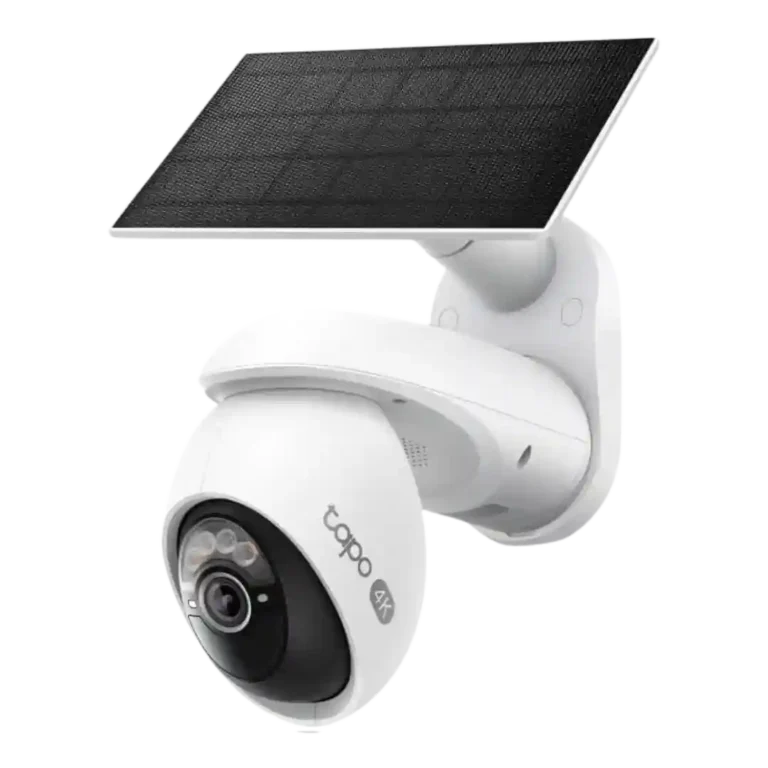
Choose the Tapo C660 if you want sharp 4K outdoor coverage, solar-assisted battery power, and local storage in the Tapo app. Skip it if you need precise vertical tilt, Apple/HomeKit or RTSP/ONVIF integration, or guaranteed true 24/7 video.
Best for Tapo users or homeowners who want a wire-free 4K outdoor camera with solar power, local storage, AI detection, and a feature-rich mobile app. It fits yards, gates, patios, and other spaces where broad pan/tilt coverage matters more than deep ecosystem integration.
Not for users who need HomeKit, Matter, RTSP/ONVIF, PoE, or a traditional wired NVR setup. It is also a poor fit for low mounting positions where the limited upward tilt can cut off faces or reduce useful coverage.
The Tapo C660 comes across as a strong solar outdoor camera when reviewers focus on its core strengths: crisp 4K footage, simple setup, useful local storage, and a Tapo app that gives deep control over detection, pan/tilt positions, notifications, and privacy zones. Solar performance and battery life were usually excellent, though one heavier-use test showed the panel can struggle when sensitivity, clip length, and floodlights are pushed. The biggest tradeoff is movement: AI tracking can be impressive, but vertical tilt, manual pan/tilt behavior, and moving detection zones caused recurring concerns. Integration is also narrow, with no HomeKit, Matter, RTSP, or ONVIF support noted. Overall, reviewers saw a capable, feature-rich camera whose value depends heavily on whether solar placement and Tapo ecosystem fit matter more than advanced integration or a more flexible PTZ design.
Compared with other Surveillance Cameras, this product is above average in wired, Hub requirement, IFTTT/automation compatibility, near average in Audio recording quality, Battery life, below average in Articulation range, Microphone sensitivity, System scalability.
| Attribute | This product | Category average | Difference |
|---|---|---|---|
| Articulation range | 2.3 | 4.2 | -1.9 |
| Microphone sensitivity | 2.0 | 4.0 | -2.0 |
| System scalability | 2.5 | 4.5 | -2.0 |
| Durability | 2.5 | 4.5 | -2.0 |
| ONVIF/RTSP support | 1.0 | 2.8 | -1.8 |
| Smart-home integration (Alexa, Google, Siri, HomeKit, Matter, Thread) | 2.8 | 3.8 | -1.0 |
| False alert filter effectiveness | 3.0 | 4.0 | -1.0 |
| wired | 4.5 | 3.6 | +0.9 |
Choose Eufy S330 4K Solar Camera (eufyCam 3). It scores 4.5 vs 2.3 for Articulation range, with a 4.3 overall score.
Choose Tapo MagCam (Battery) Outdoor Security Camera, C425. It scores 4.5 vs 1.0 for ONVIF/RTSP support, with a 4.1 overall score.
Choose Tapo C615F Kit. It scores 4.8 vs 2.5 for System scalability, with a 4.3 overall score.
Choose Reolink Altas PT Ultra 4K Solar Security Camera. It scores 4.5 vs 3.0 for False alert filter effectiveness, with a 4.0 overall score.
Products reviewers directly compared with this model, grouped into quick takeaways.
Most reviewers found the 4K image sharp and detailed, especially in daylight. One reviewer disagreed, saying the 4K quality did not justify the higher price compared with older Tapo cameras.
Most reviewers reported excellent solar and battery performance, with some seeing the camera stay near or at 100%. One heavier-use test found the panel struggled when sensitivity, recording, and floodlight settings were pushed.
Yes. Reviewers repeatedly described setup and mounting as simple, straightforward, or very fast, though several warned that the camera should be mounted high enough because upward tilt is limited.
No. Reviewers liked that it supports local microSD storage and keeps core detection features available without a cloud plan. Cloud service mainly adds features like richer notifications and longer cloud clip history.
Detection and tracking were mostly praised, especially for people, pets, and vehicles. The main caveat is that AI tracking and pan/tilt behavior can be imperfect, especially with multiple targets or when the camera needs to return to position.
Reviewers noted that it works with Alexa and Google Home, but not Apple HomeKit or Matter. One reviewer also criticized the lack of RTSP and ONVIF feeds for NVR integration.
These are a few of the reviews included in our analysis.



Choose the S4 Max for serious wired security, local AI, sharp 4K footage, and strong tracking. Skip it if you need easy wireless setup, broad smart-home integration, or a budget...
Pros: Detection range, Recording start-time lag
Cons: ONVIF/RTSP support, HomeKit integration
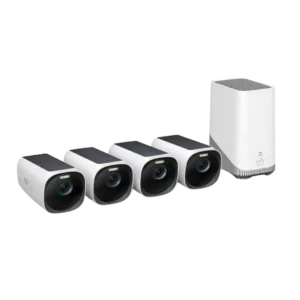
Choose the Eufy S330 if you want sharp 4K outdoor video, solar charging, local storage, and strong AI without monthly fees. Skip it if you need HomeKit/IFTTT, 24/7 recording, or...
Pros: Cloud storage plan value, Weather resistance rating (IP code)
Cons: Recording start-time lag, Pre-event recording length
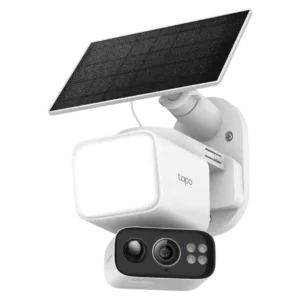
Best for solar-powered, wire-free yard coverage with strong value and bright lighting. Skip it if you need flawless app reliability, true continuous video, or premium low-light tracking.
Pros: Speaker volume, Lens distortion correction
Cons: Field of view, Detection range
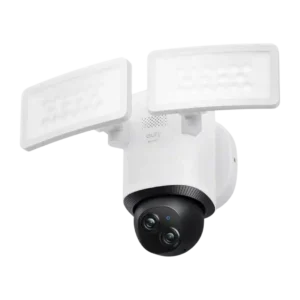
Choose the Eufy E340 for bright hardwired floodlight coverage, sharp dual-lens video, local storage, and no required subscription. Skip it if you need HomeKit, battery power, or the smallest outdoor...
Pros: Cloud storage plan value, Dual-band (2.4/5GHz) performance
Cons: HomeKit integration, ONVIF/RTSP support