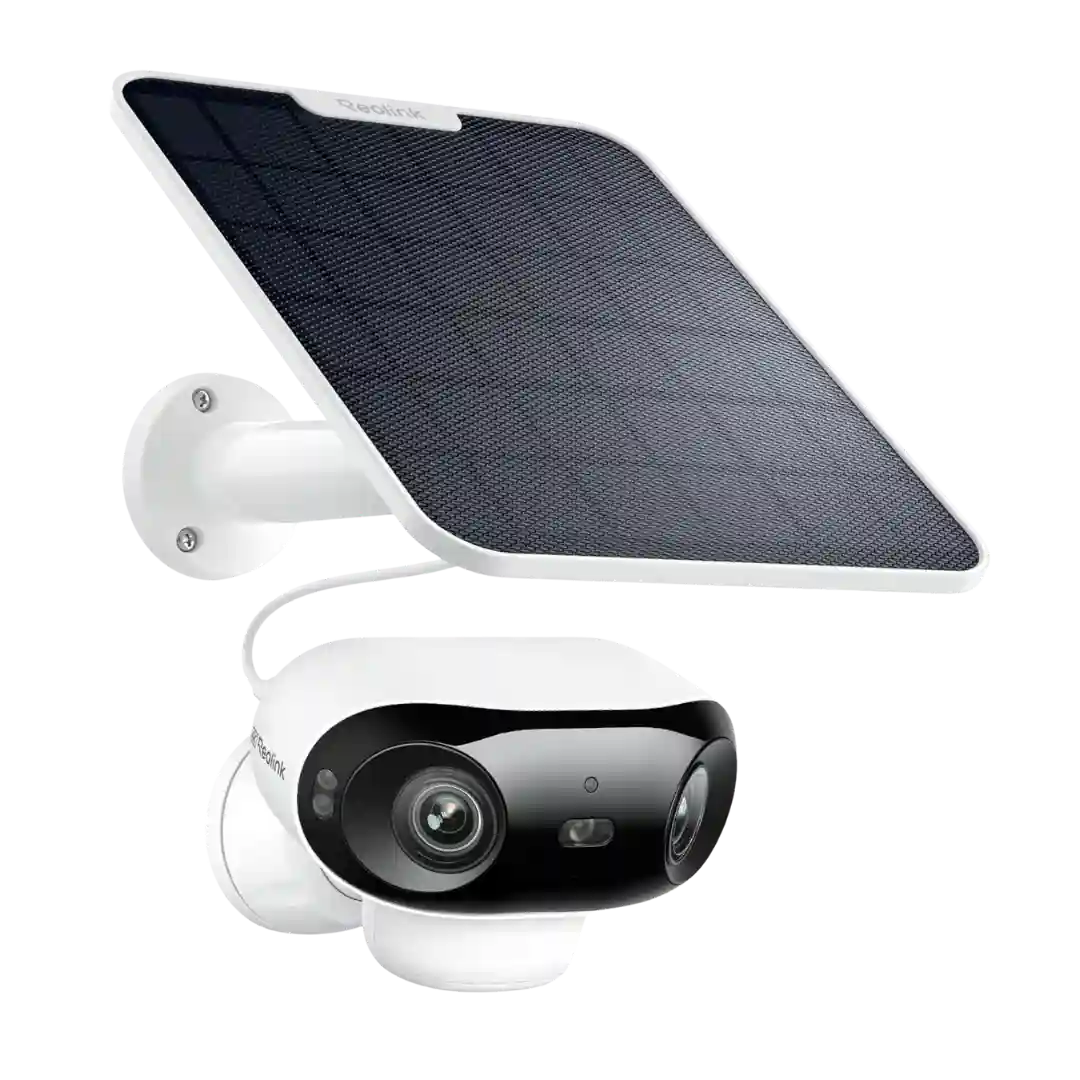
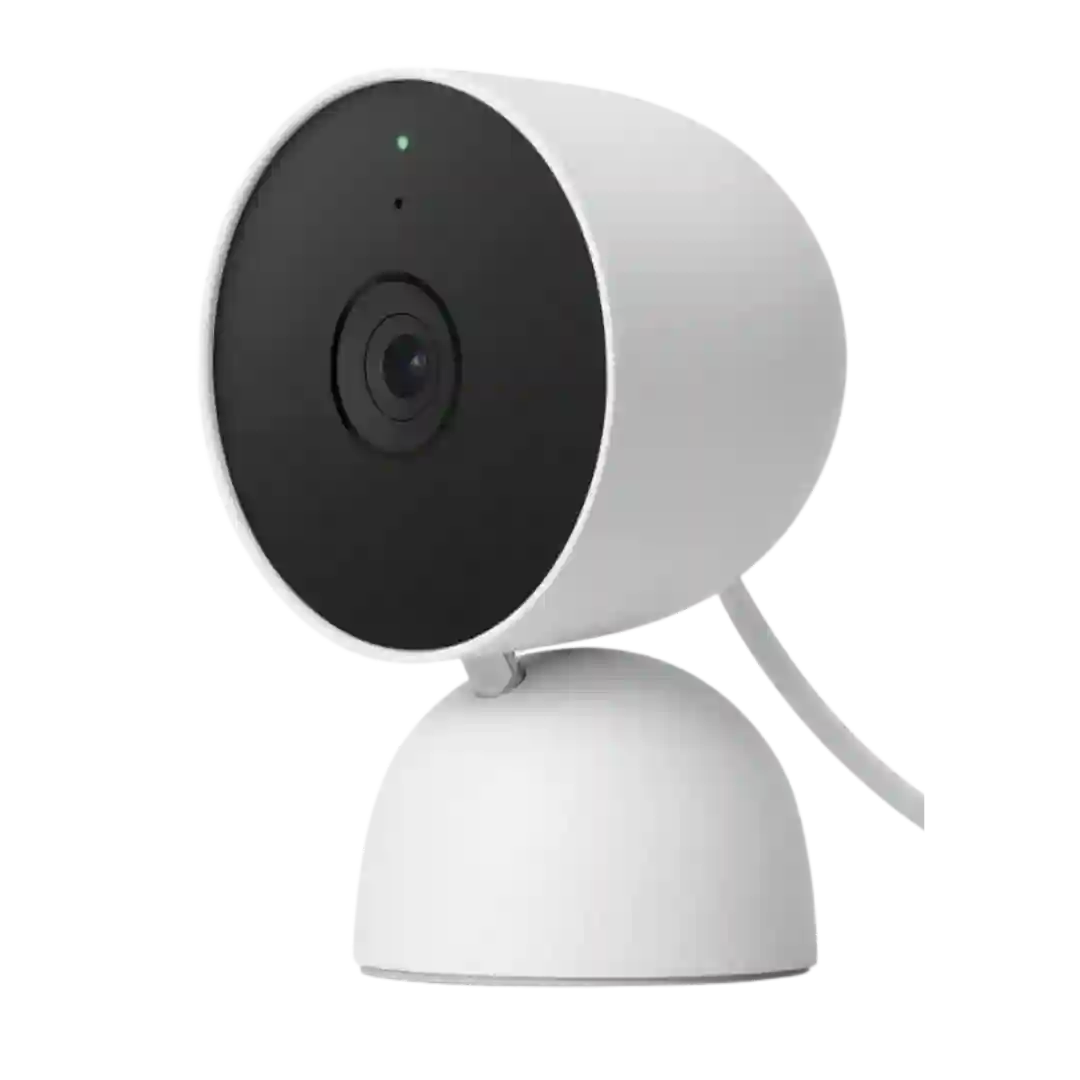
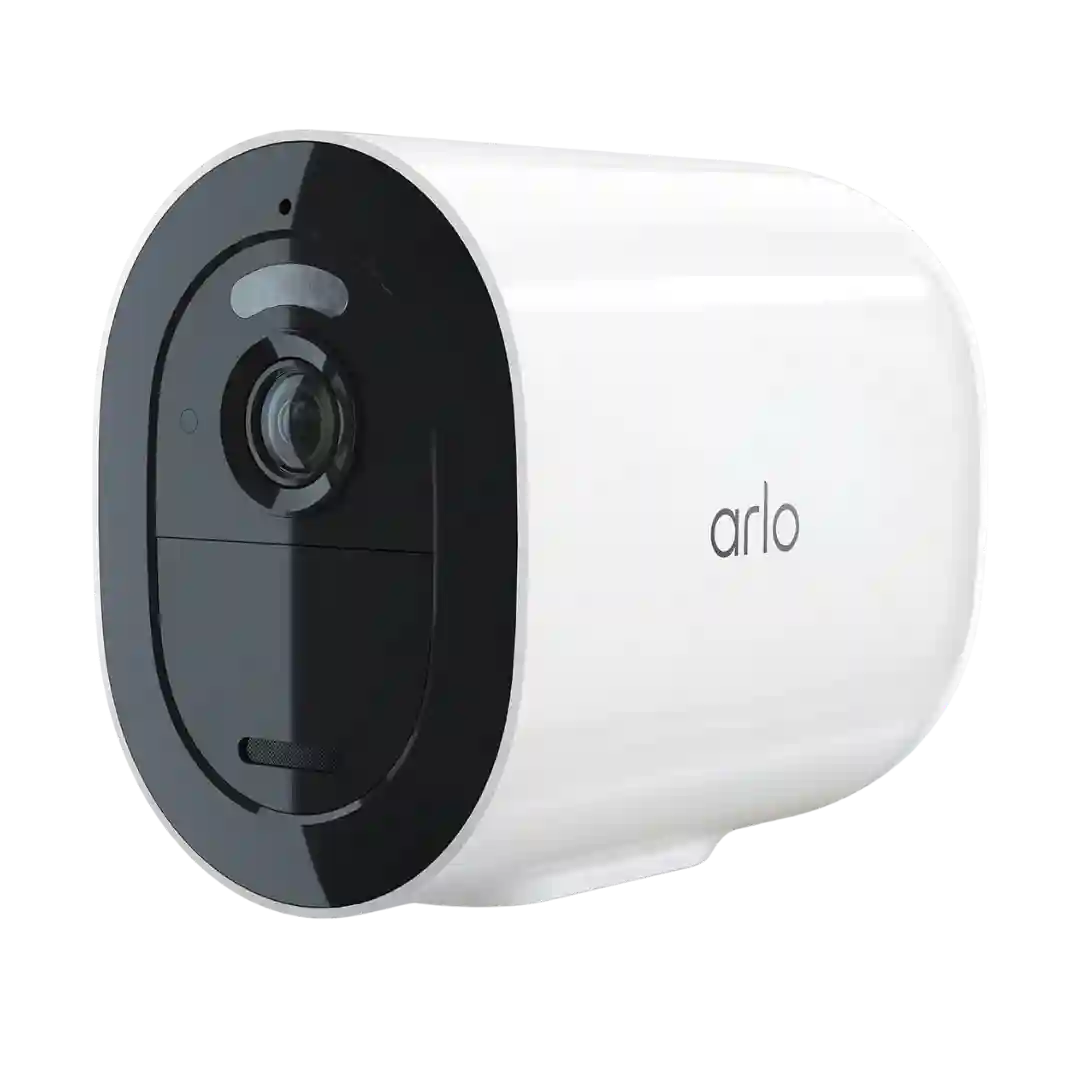
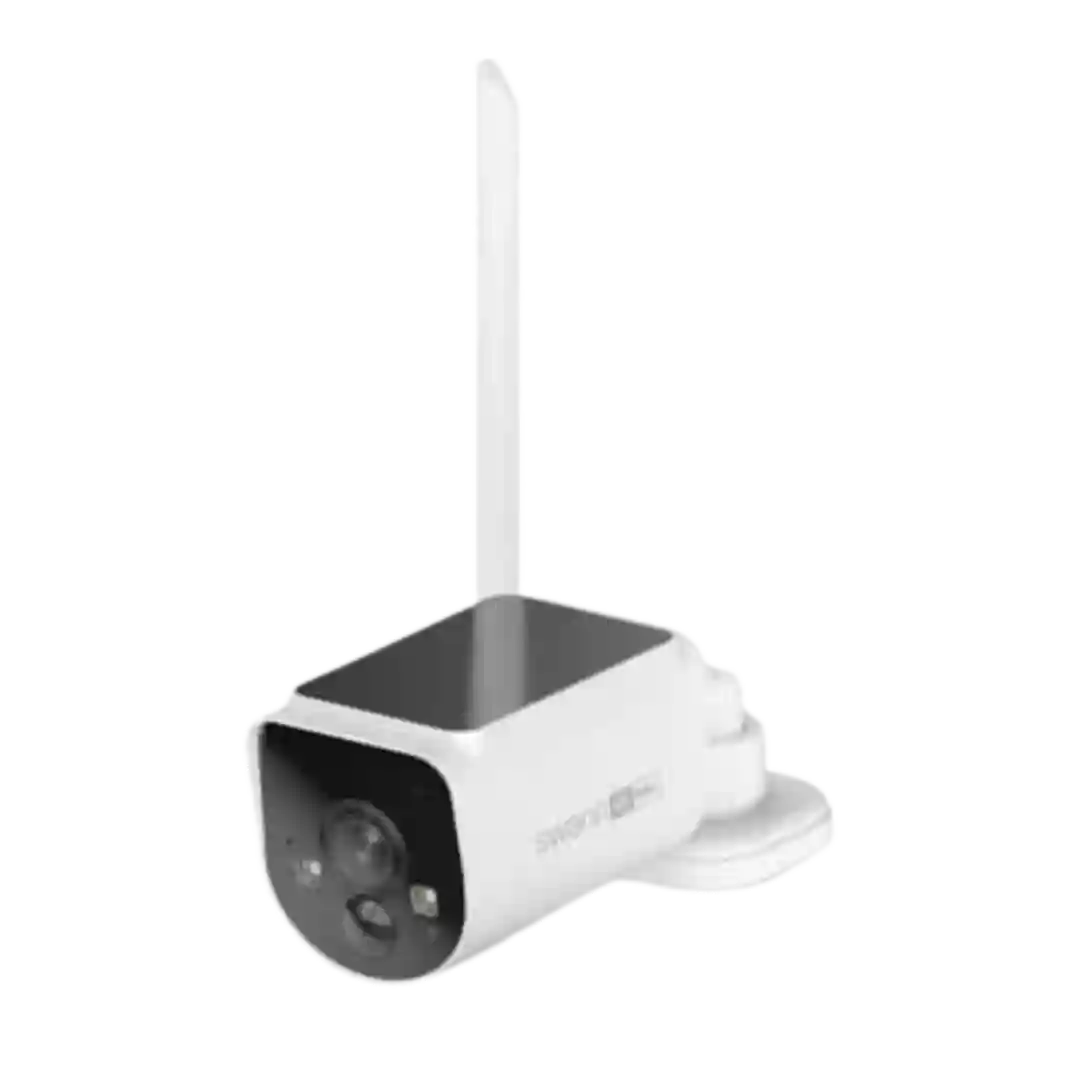
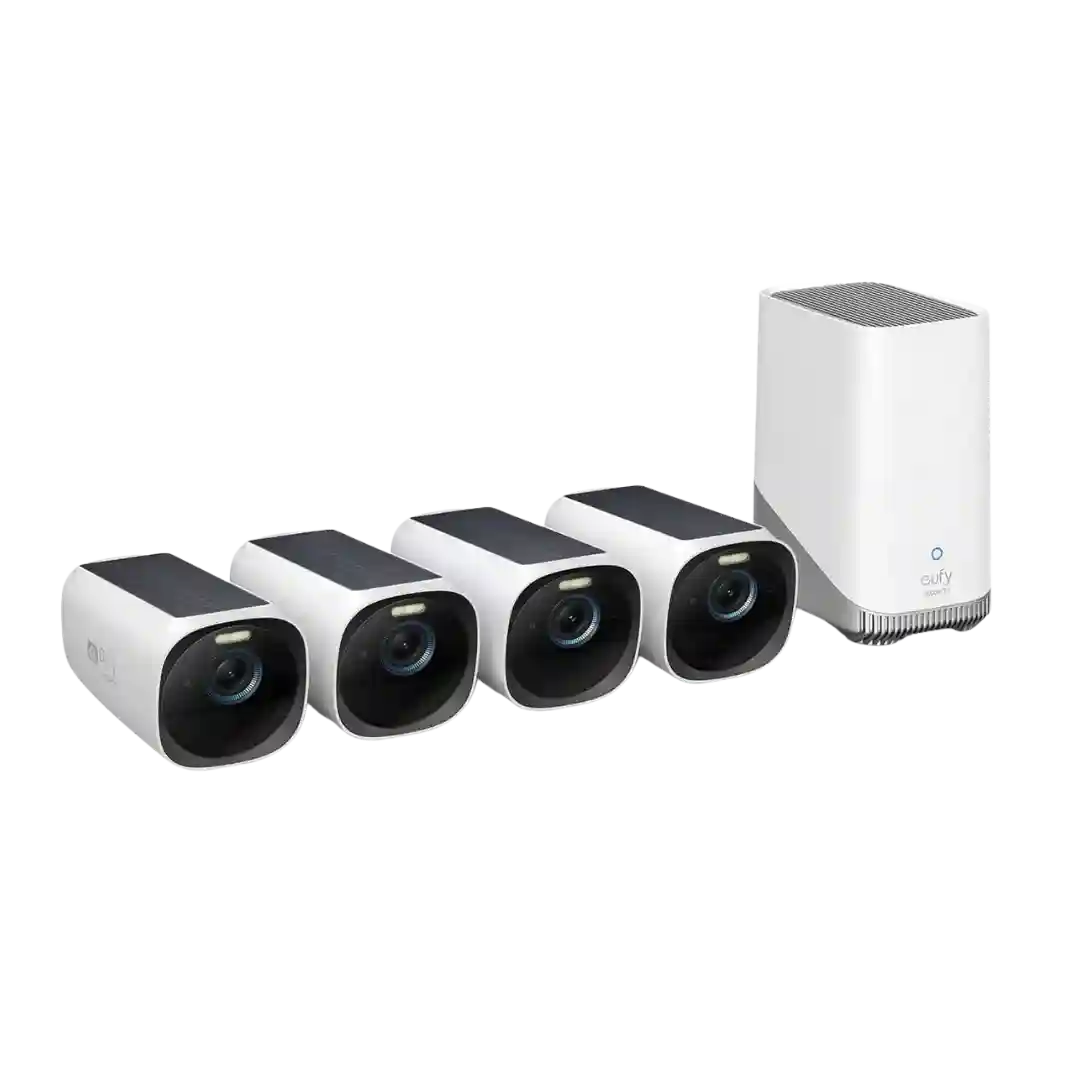
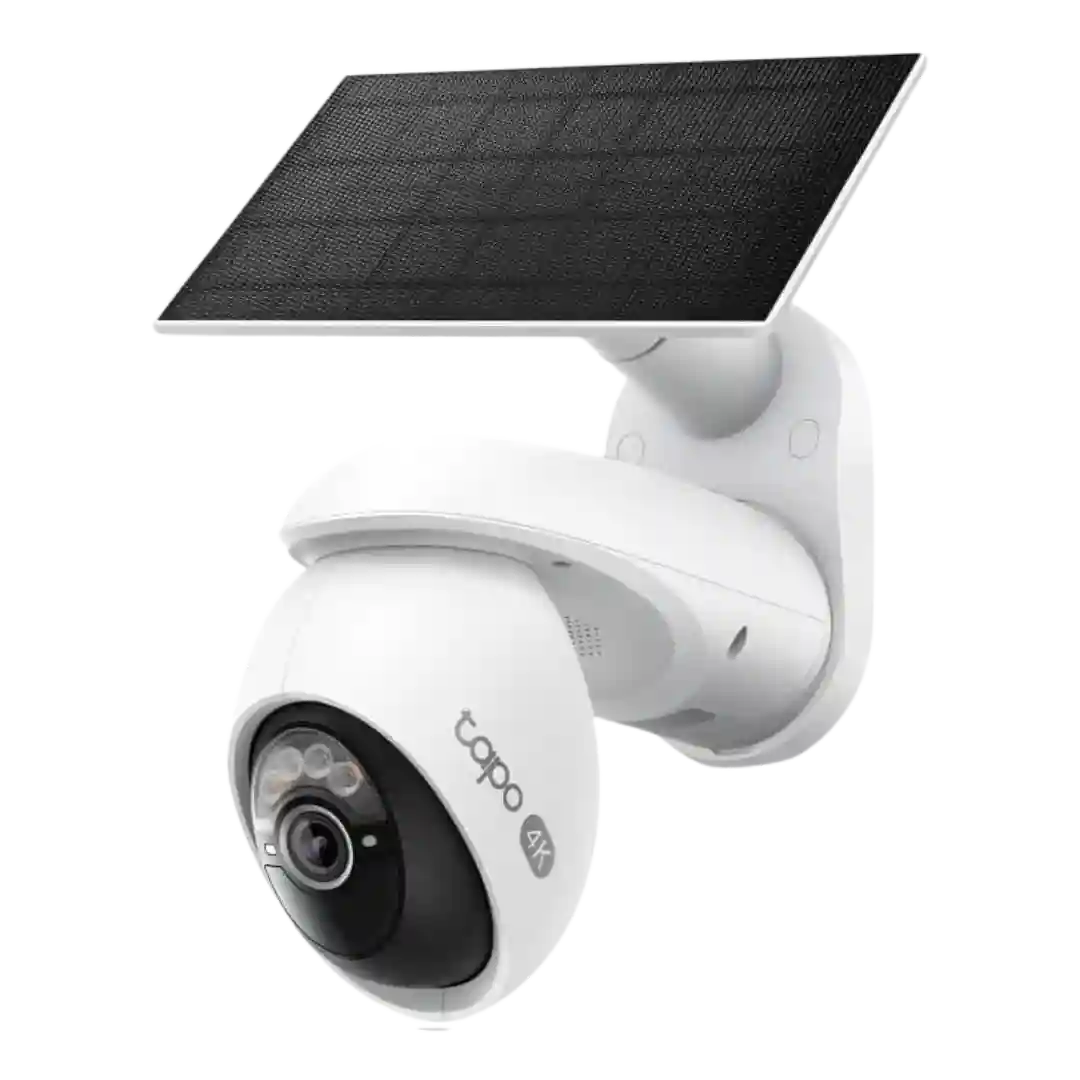
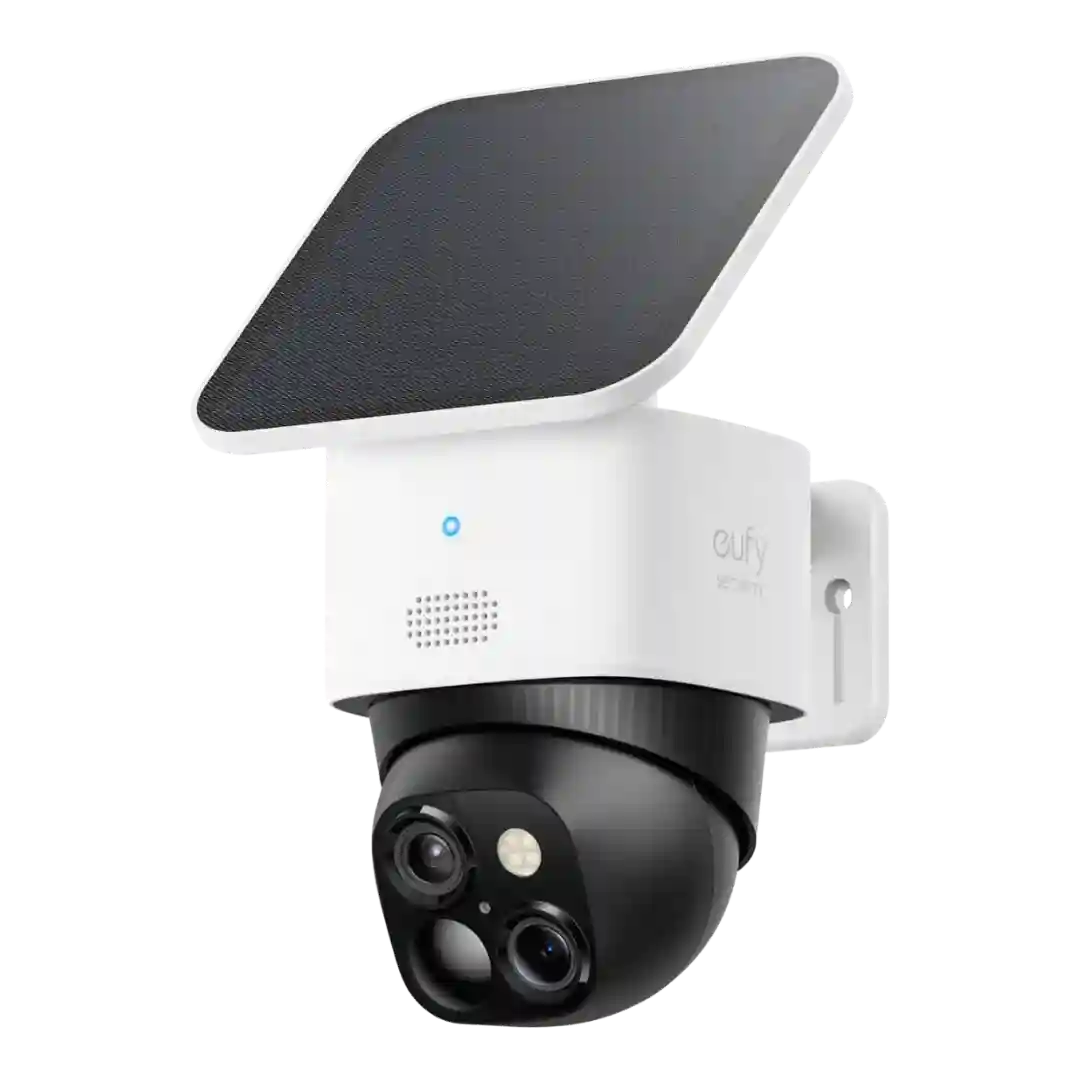
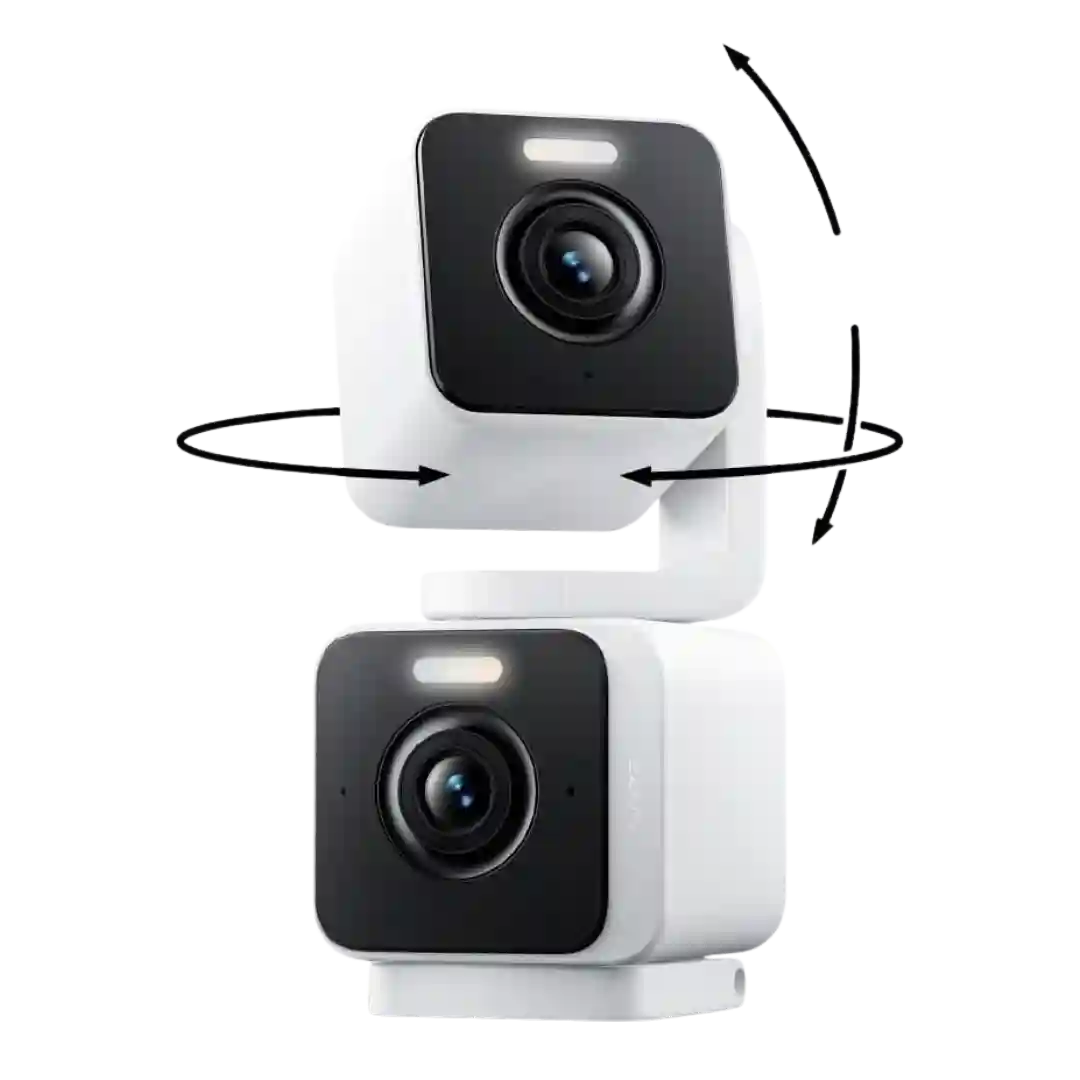
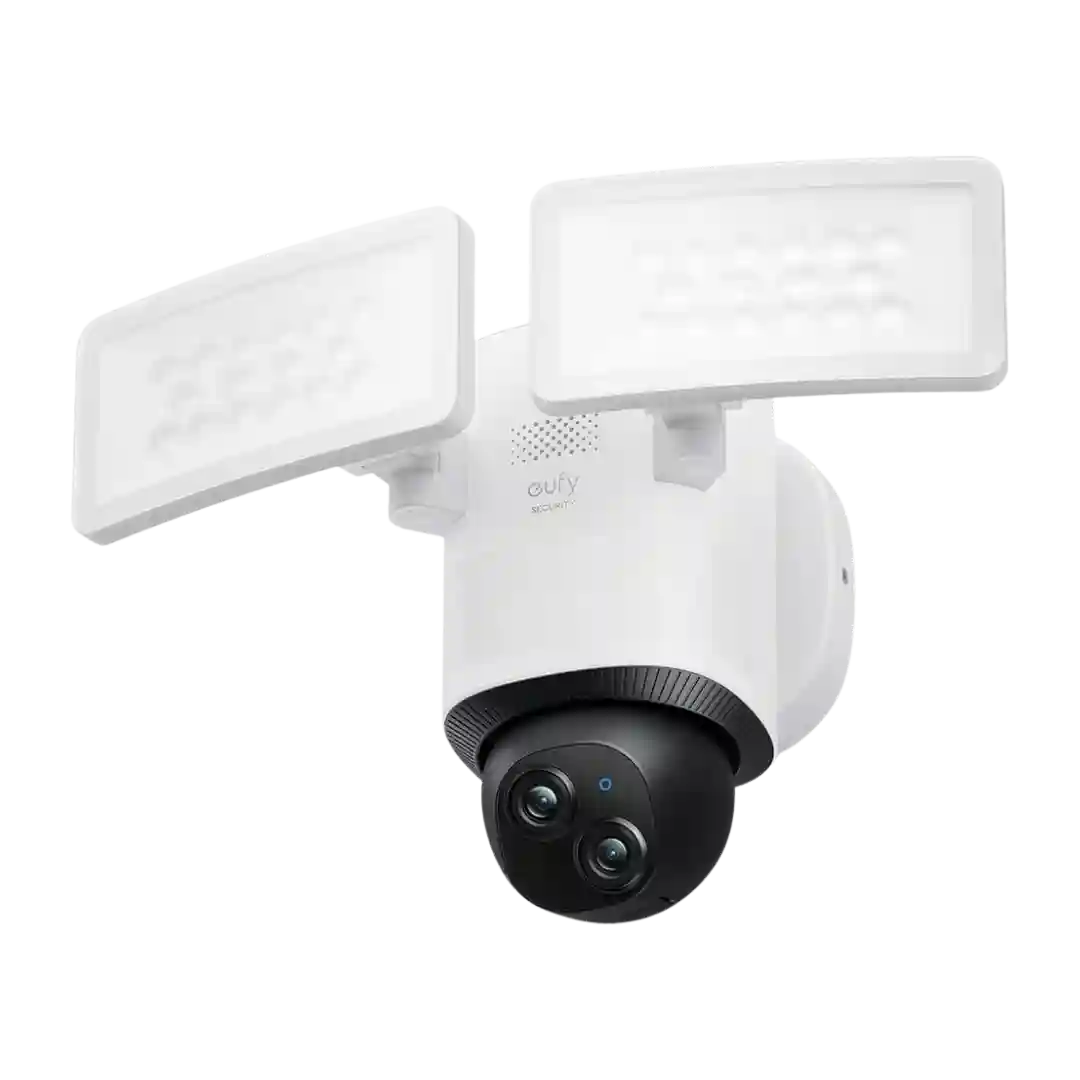
The fixed wide-angle lens is frequently cited around a 122-degree view, providing broad scene context. Combined with the PTZ module, reviewers felt coverage was wide enough to reduce blind spots with fewer physical cameras.
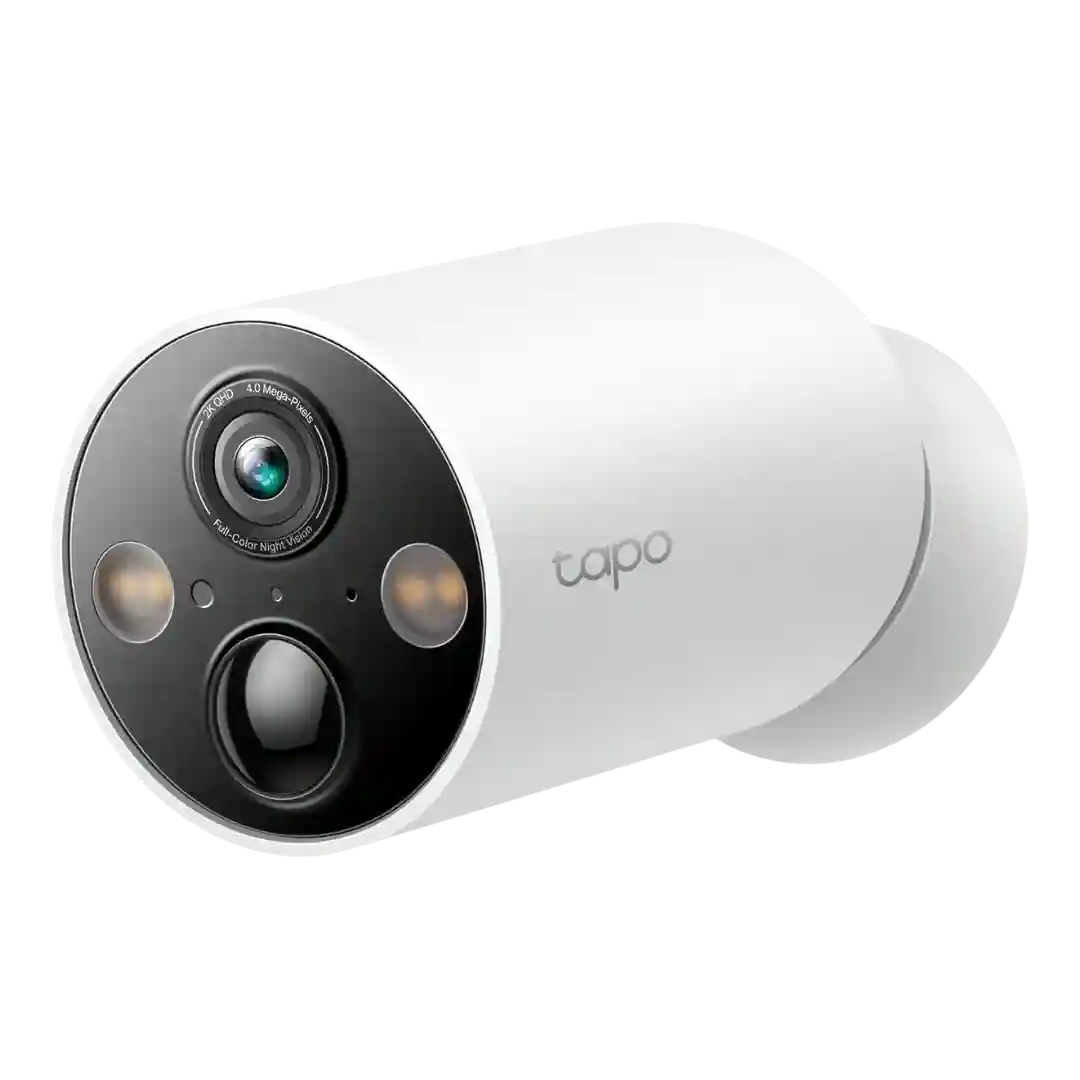
The 133-degree field of view is widely described as nicely wide for covering an entryway, though a few reviewers note it is narrower than some 160-degree alternatives.
The 140-degree field of view is consistently described as wide and useful for covering a yard, driveway, or porch with fewer cameras. A few reviewers note it is strong, even if not the absolute widest available.
The wide 150-degree view covers a lot of property, which many reviewers loved for all-in-one coverage. A few found it too wide, with a fisheye-like look and extra areas outside their property in frame.
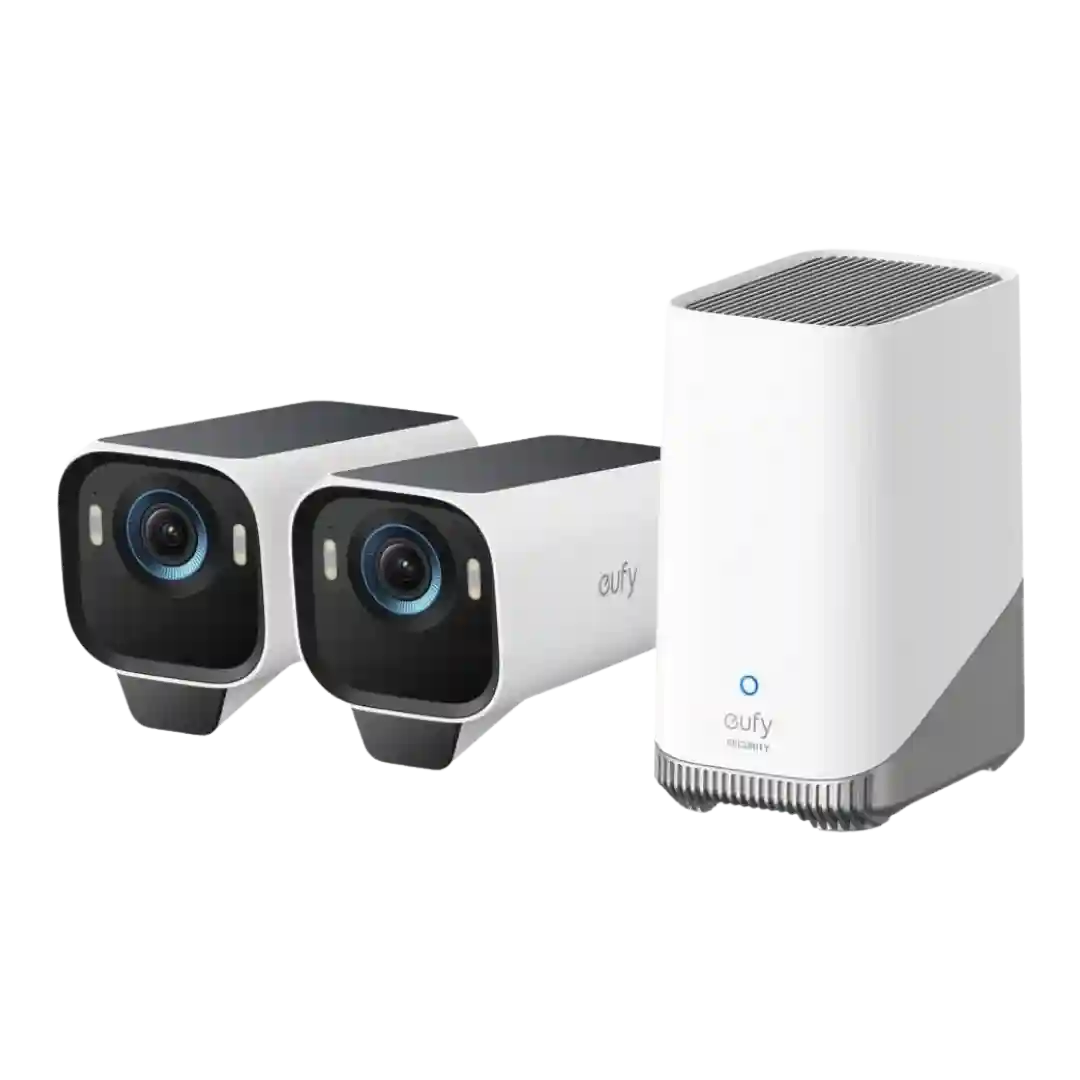
The 135-degree view is widely described as covering broad areas without needing many cameras, with limited distortion compared to some wide-angle rivals.
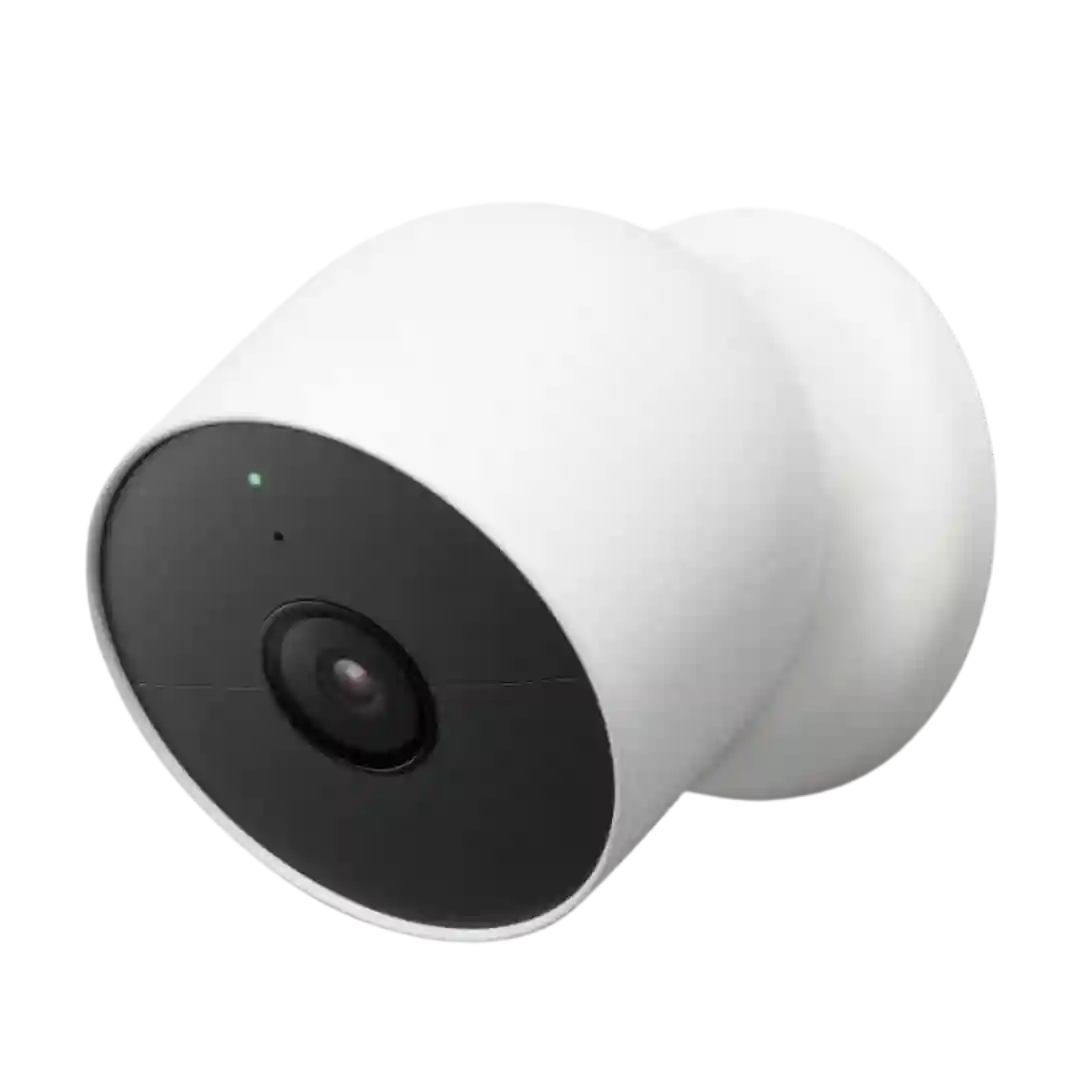
The battery model’s roughly 130-degree view covers common entry areas well, but some reviewers wanted a wider angle. A related wired model review notes a wider 152-degree view.
The 180° horizontal panorama is a major strength for covering large areas with one camera, but many reviewers warn the ~50° vertical view is tight and can miss activity directly below or above. The panoramic aspect can also feel letterboxed or awkward to review on a phone unless you rotate to landscape or zoom.
The 135-degree view covers a wide area and is often seen as a sweet spot, though a few reviewers observe mild fish-eye distortion typical of wide lenses.
The 130-degree field of view is repeatedly cited as a solid wide-angle for covering driveways, doors, and yards. A few reviewers mention mild curvature from the wide lens, but it is not described as a major issue.
The typical field of view called out is around 105 degrees, which covers a broad area but still benefits from careful aiming to avoid roads or high-traffic zones that can trigger frequent events.
The cameras are commonly cited as having a 135° view, which provides broad coverage but can feel a bit narrow versus wider rivals; careful aiming (or adding a second camera) helps avoid blind spots.
The 105-degree lens plus pan coverage provides wide-area monitoring, but tilt limitations can reduce usable coverage if mounted too low or aimed level rather than downward.
The stated wide view is 135 degrees, but practical coverage depends on pan position; some reviewers felt the fixed view is closer to roughly 100 degrees unless you actively pan.
Field of view impressions are mixed: some testers quote wide angles (and appreciate the overall coverage), while others wish the lens were wider on certain Wyze pan cameras, making placement important for full-area coverage.
The wide lens is typically described around a 130 to 135 degree field of view. Effective coverage expands via pan/tilt, but wall or eave placement can limit what is visible behind the unit.