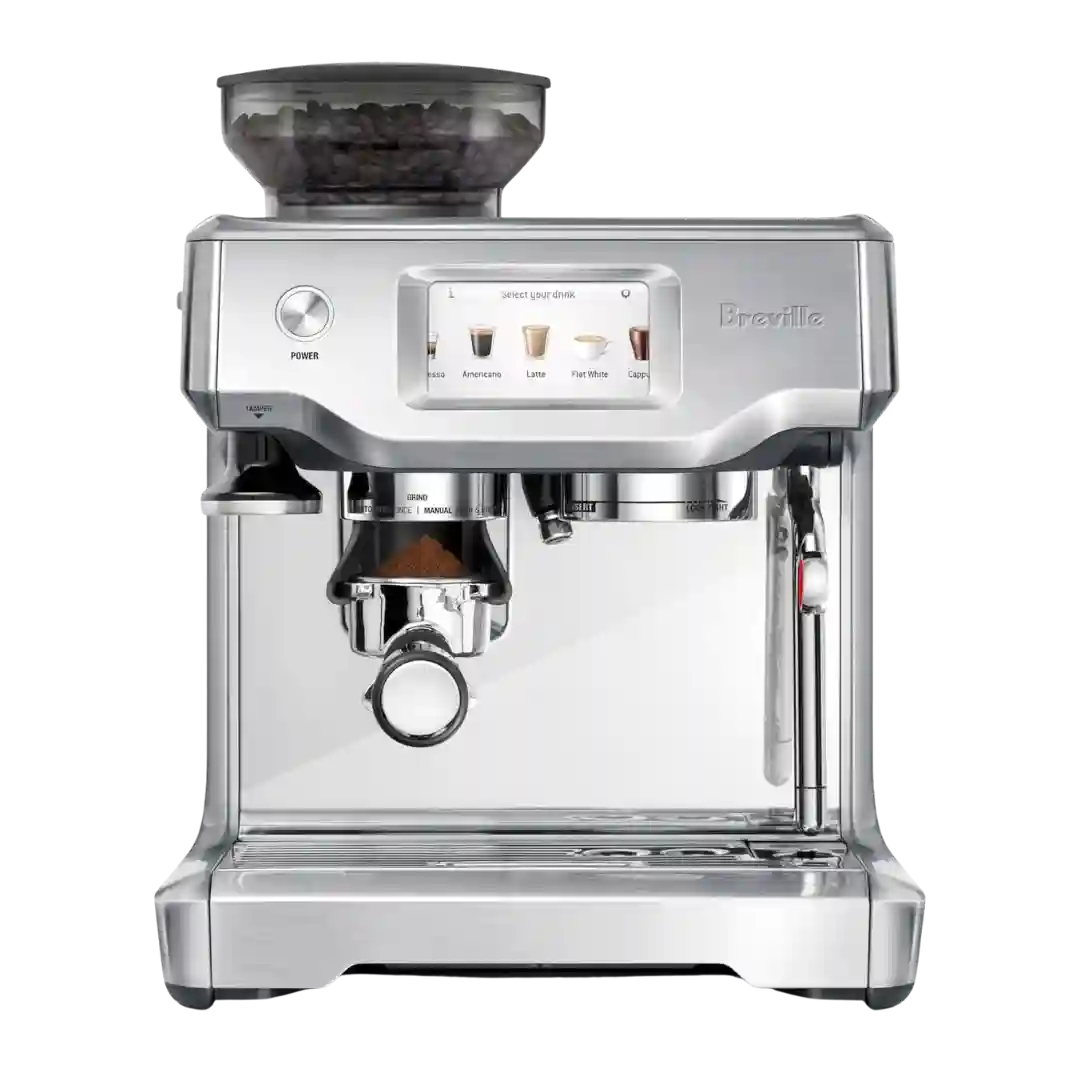
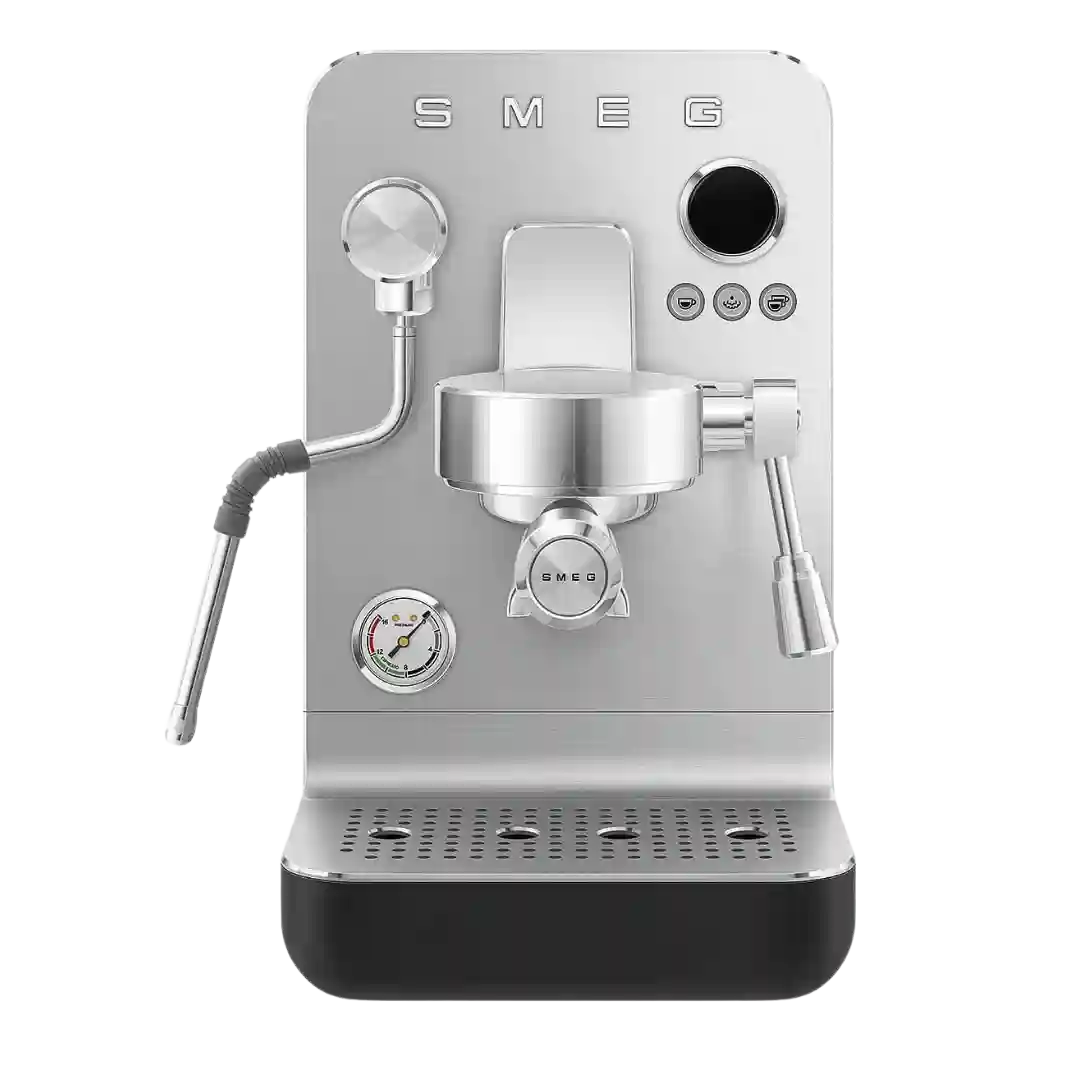
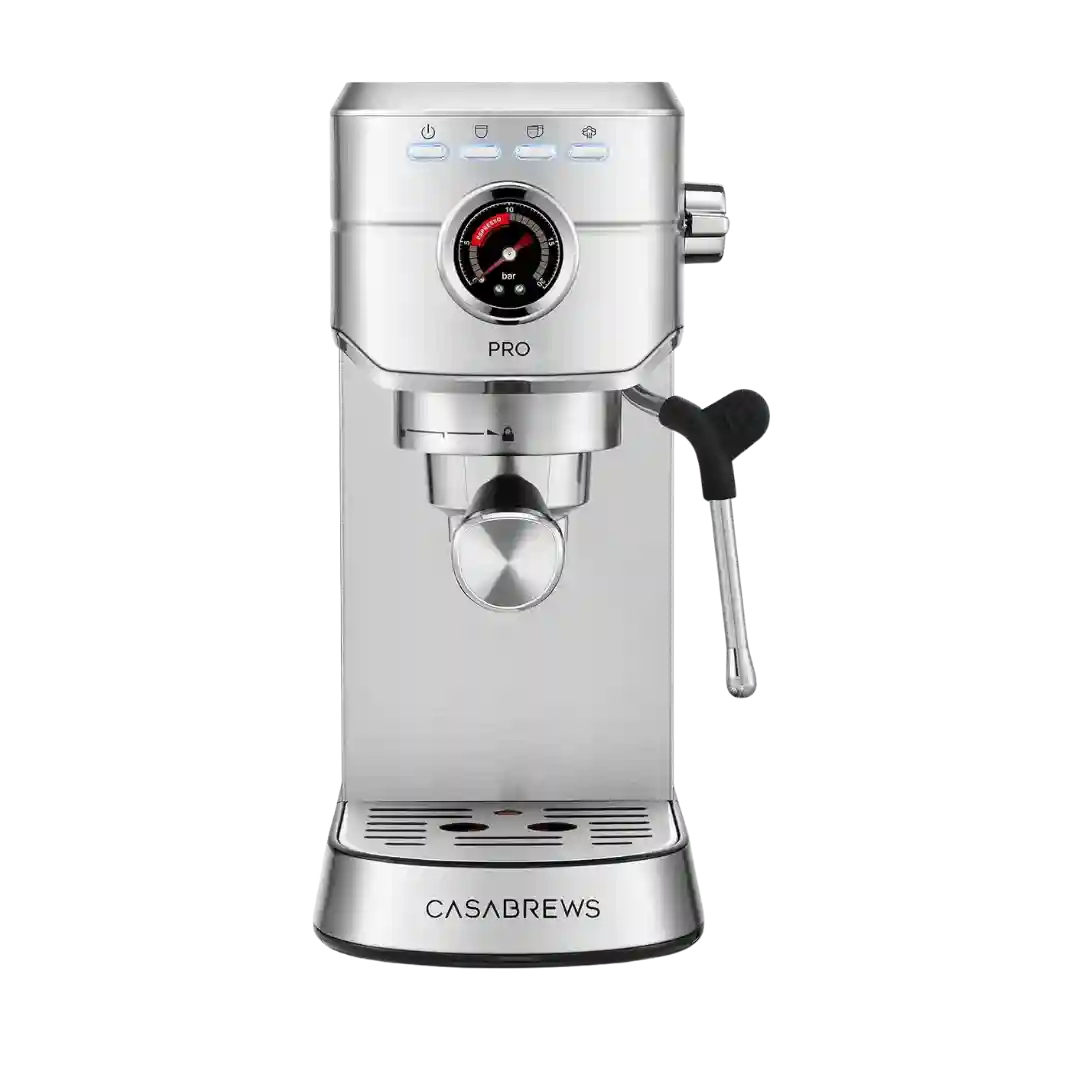
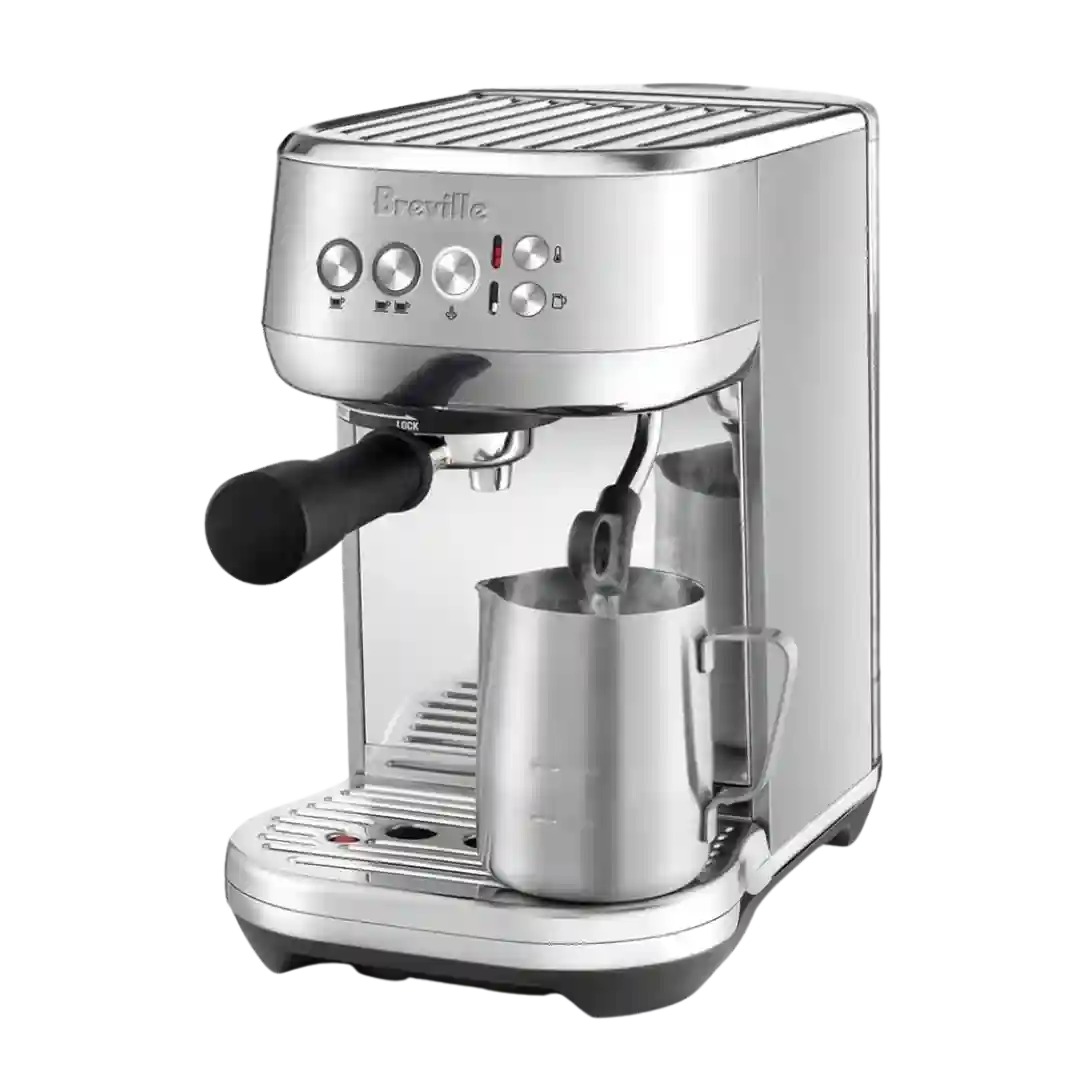
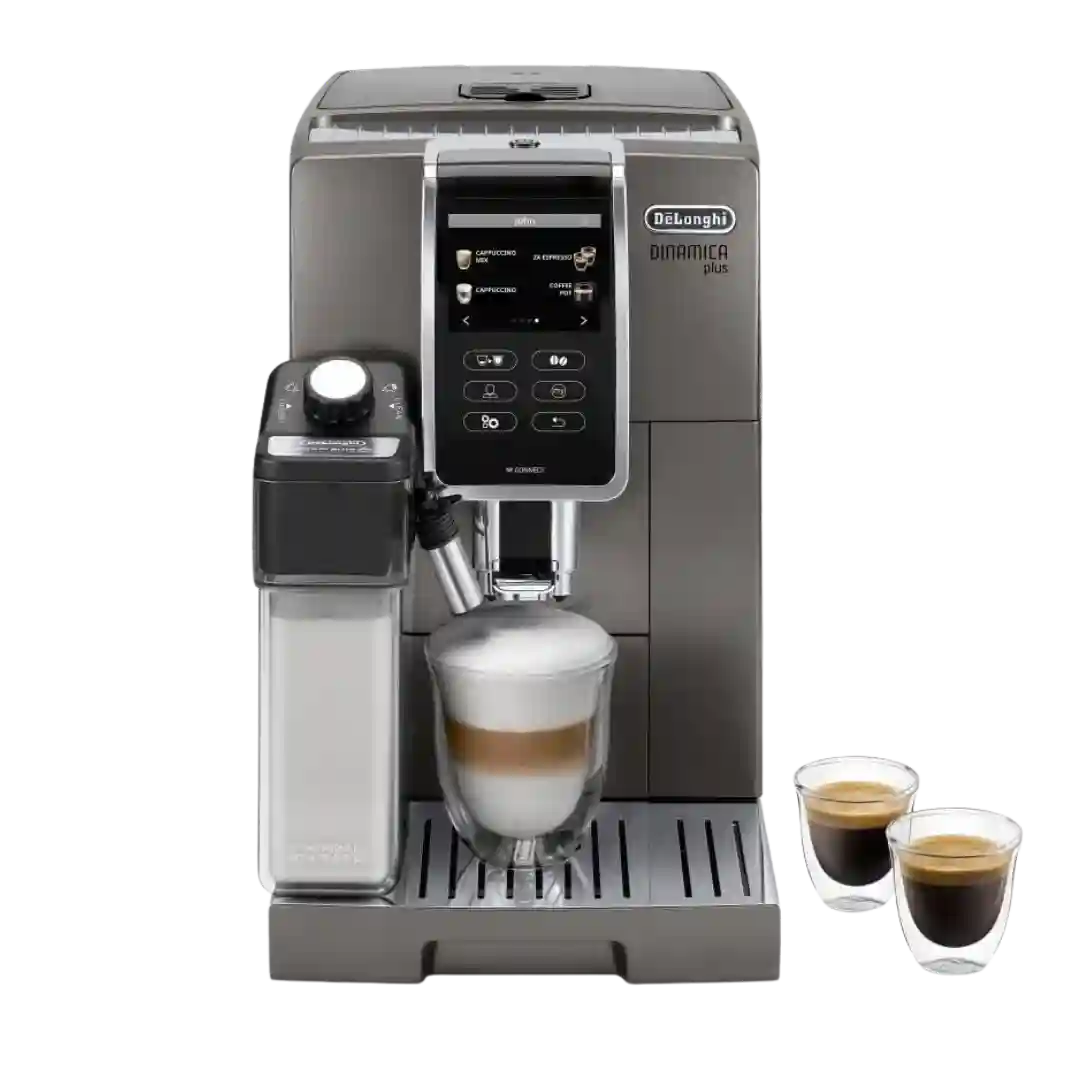
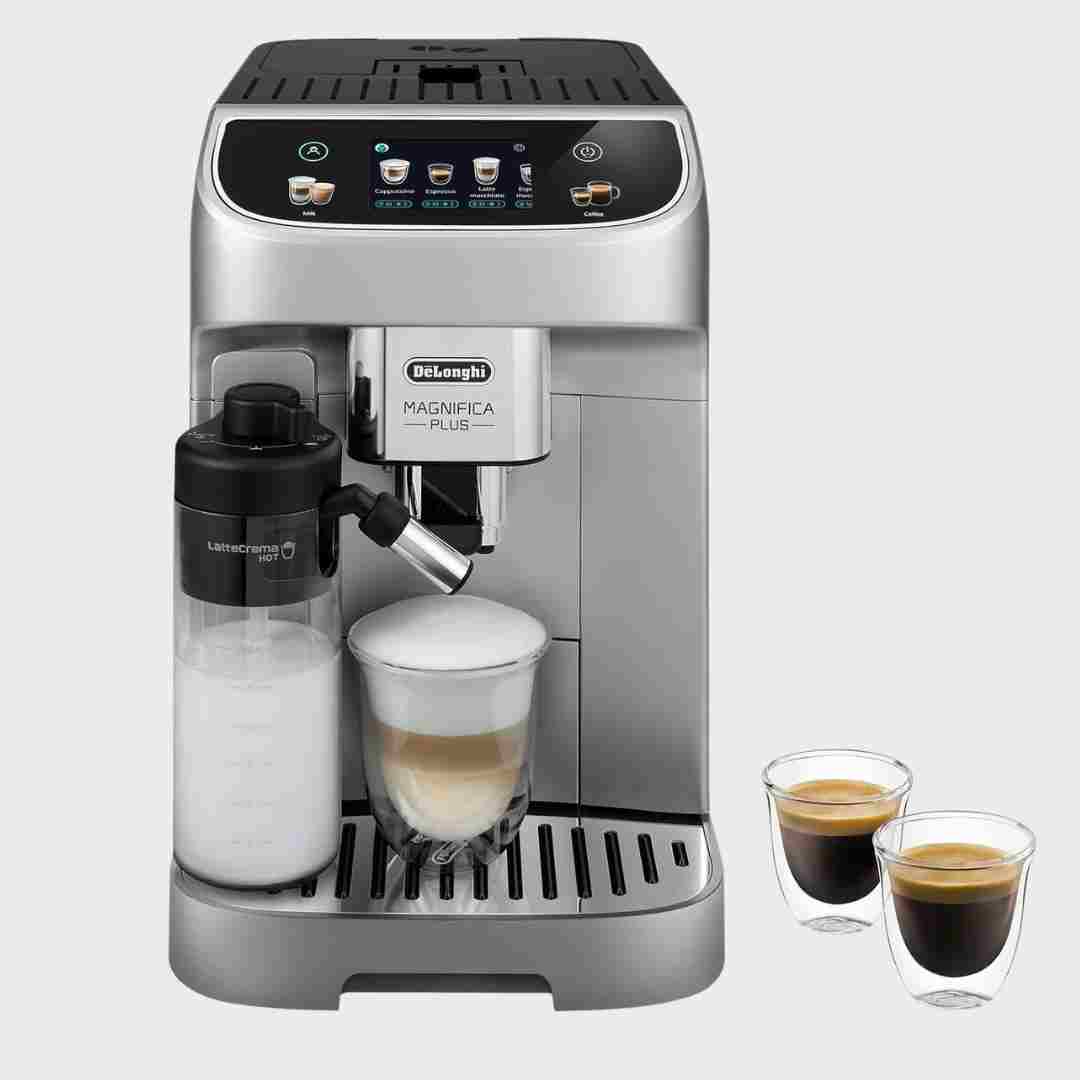
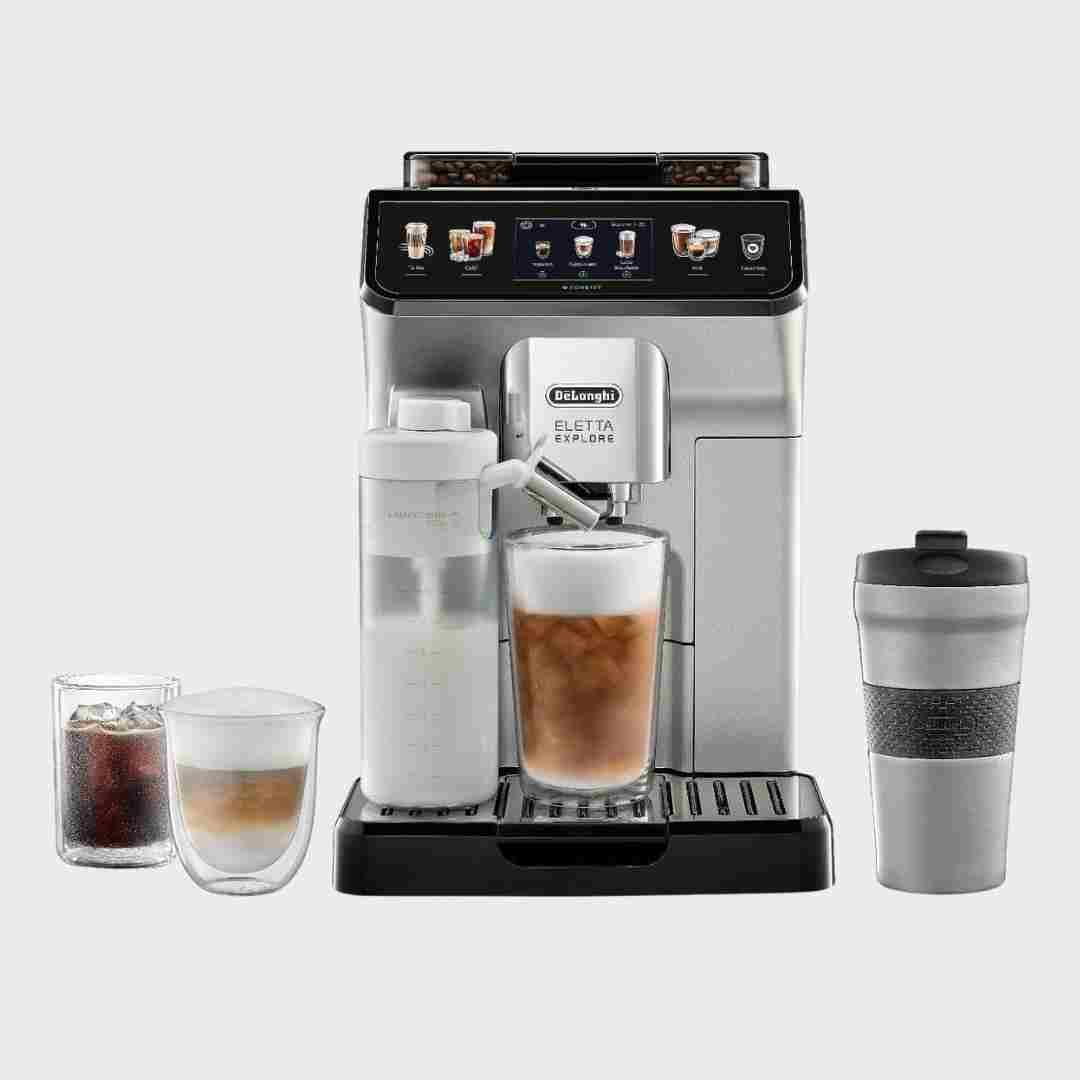
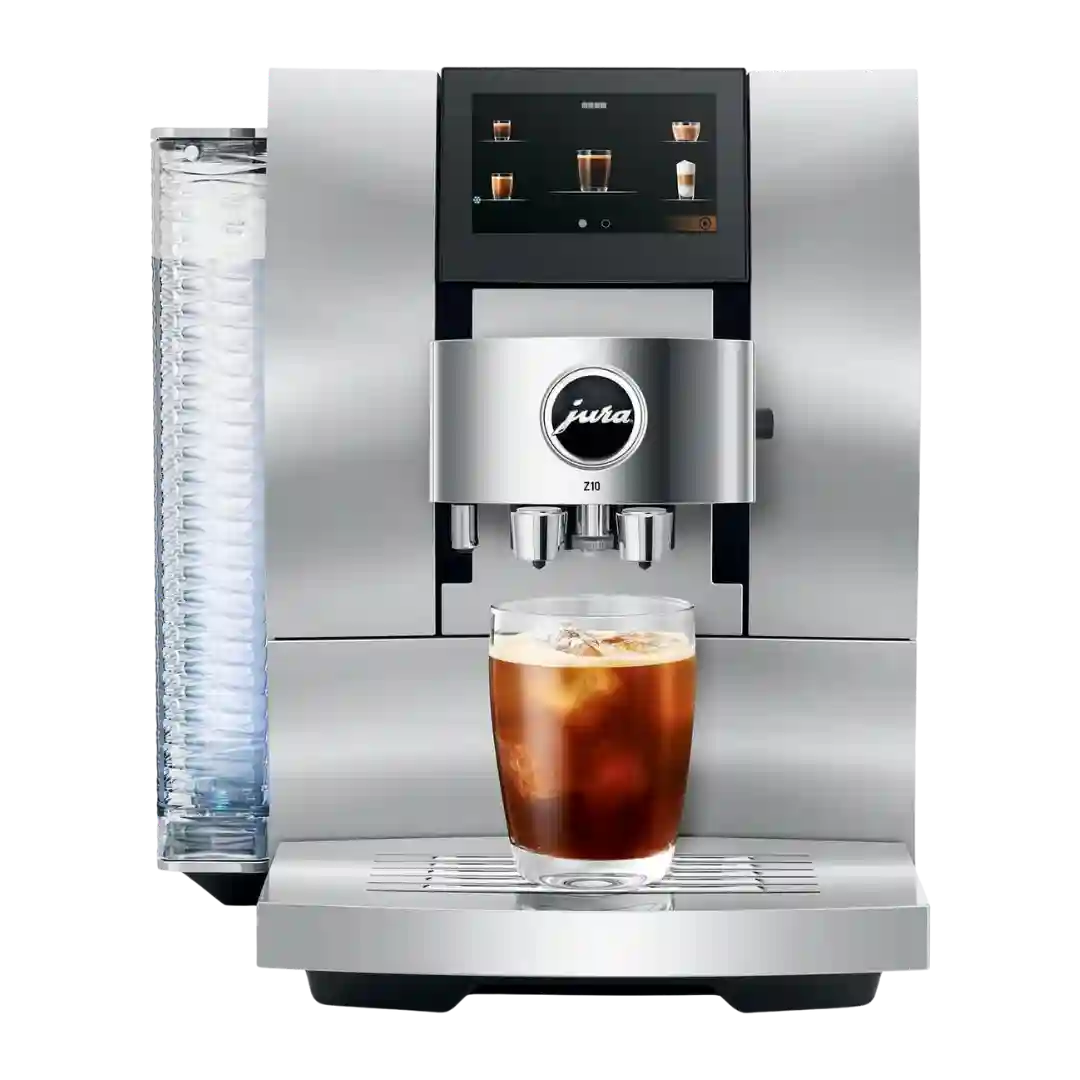
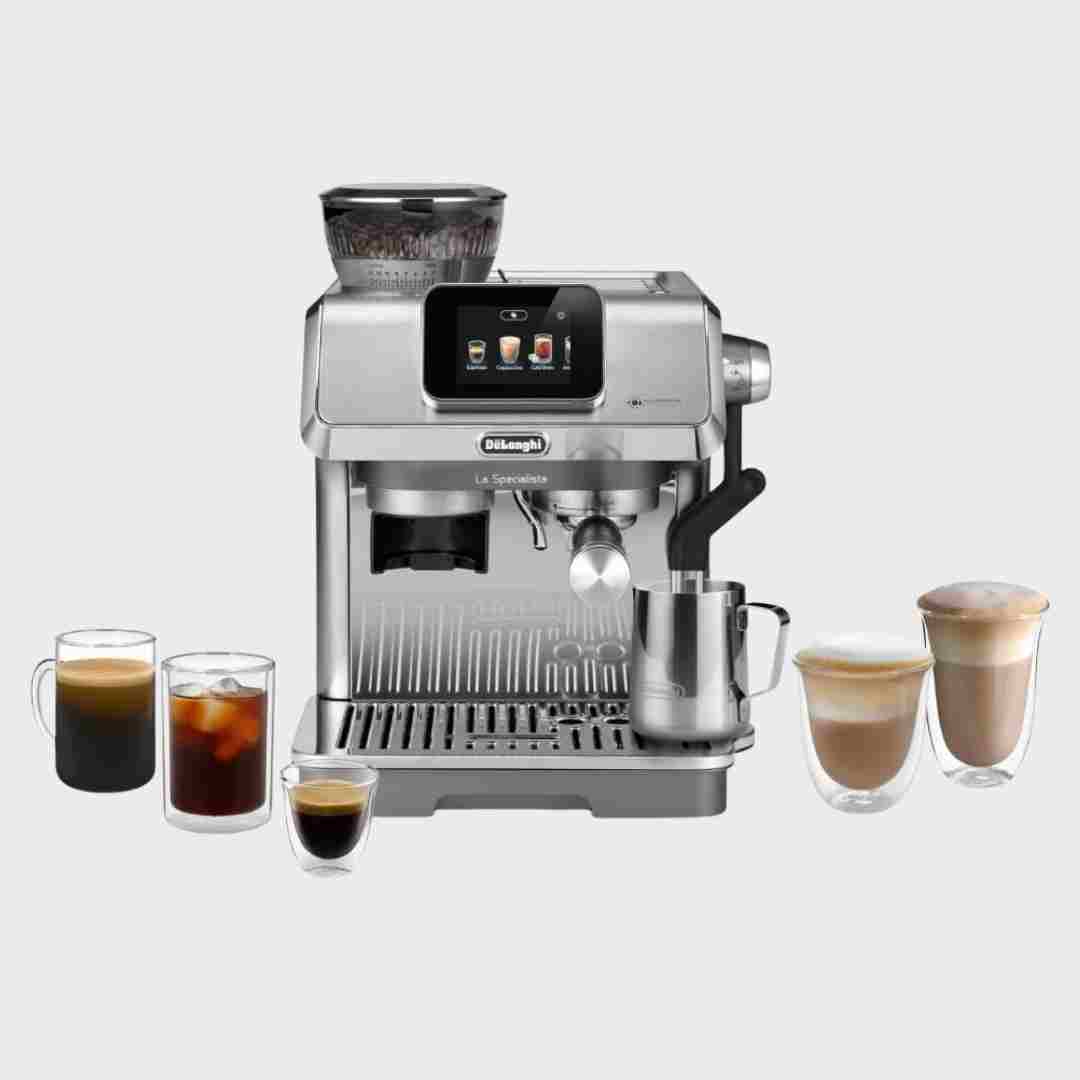
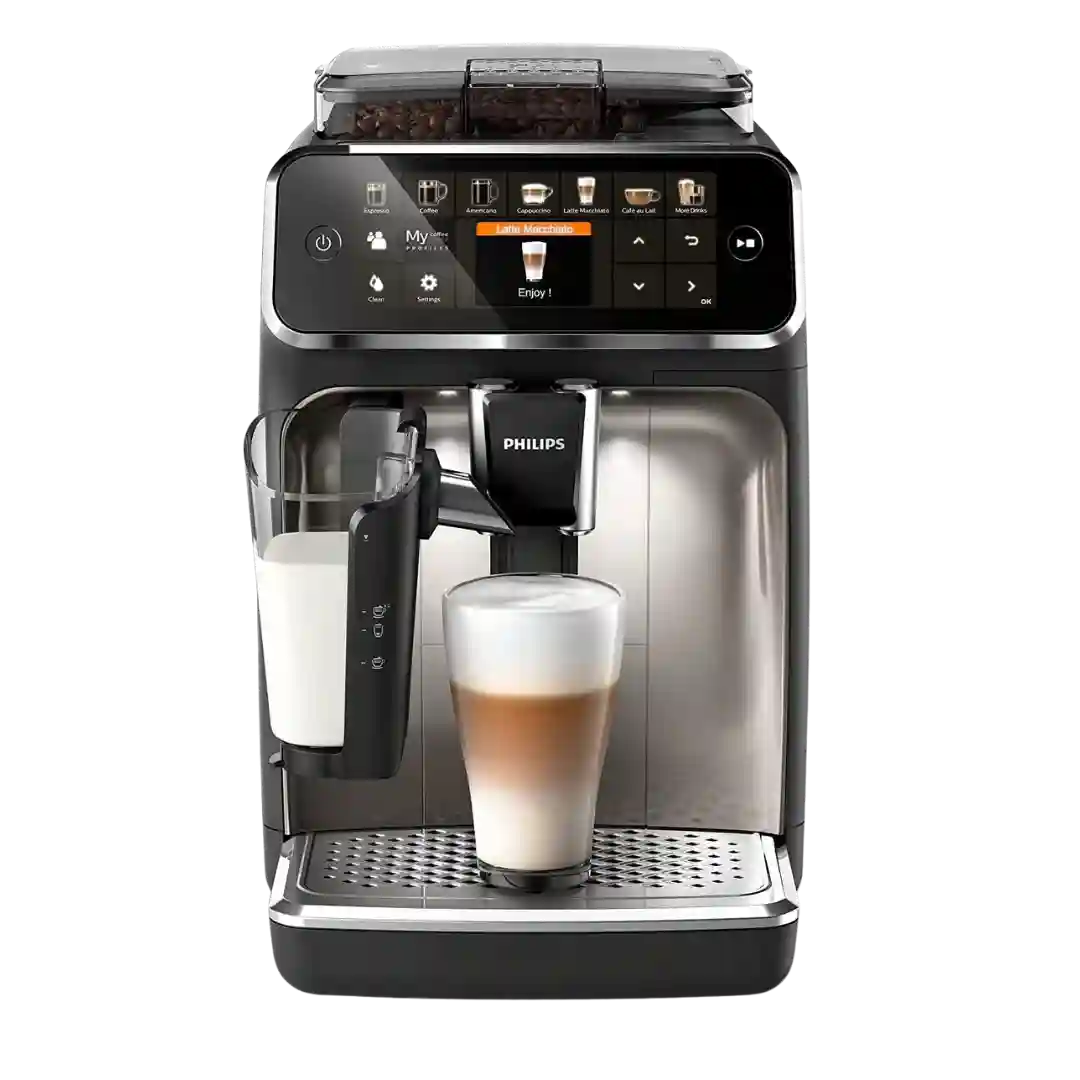
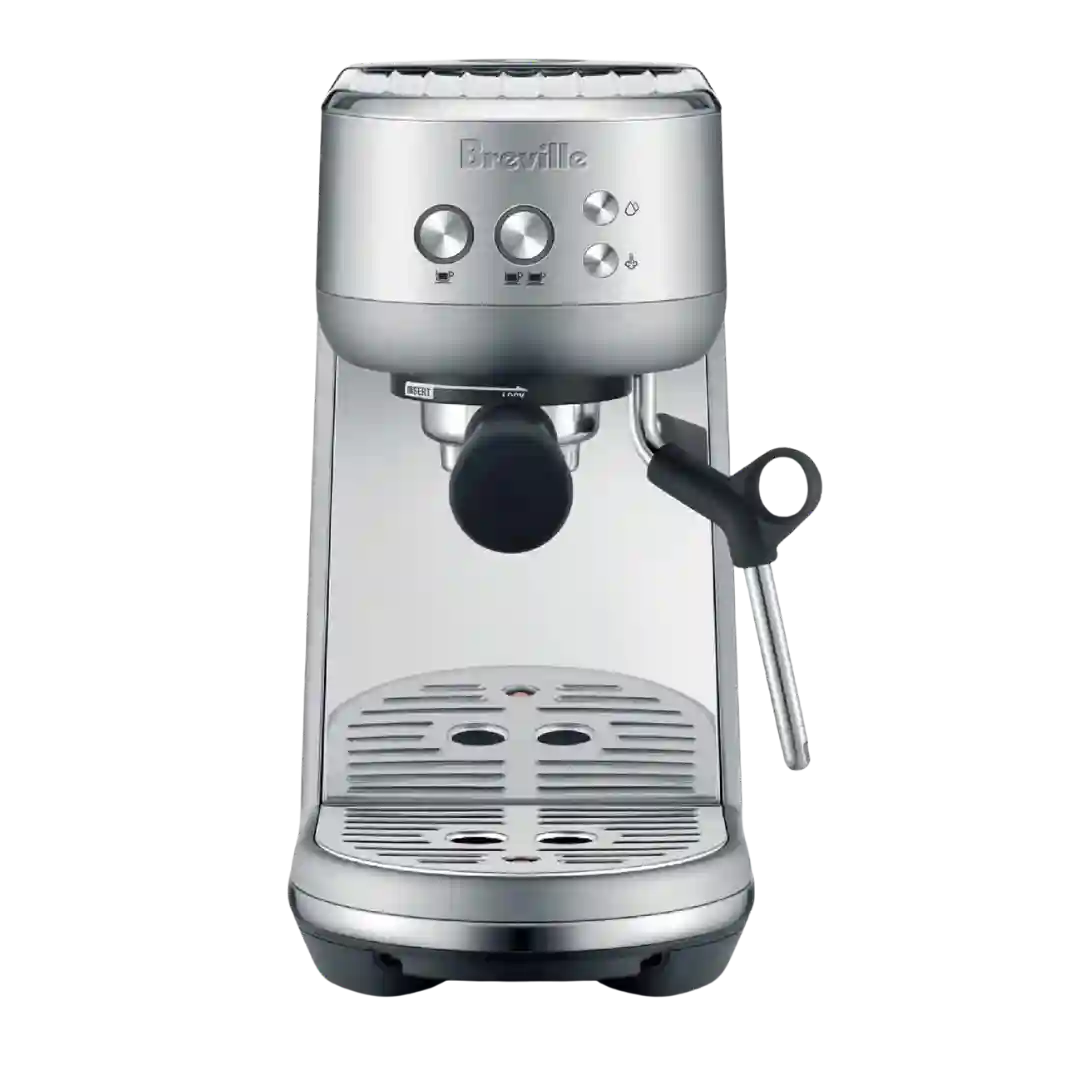
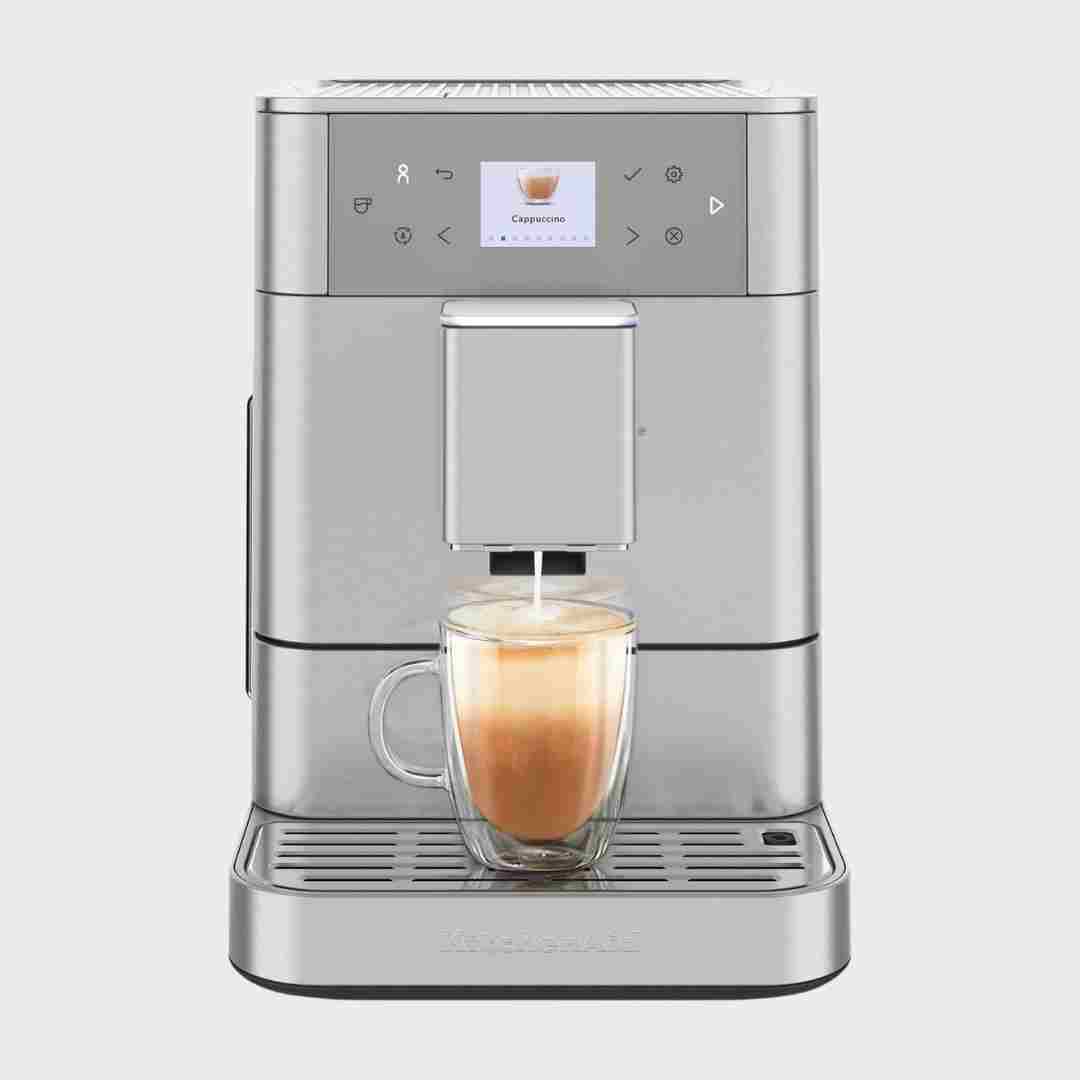
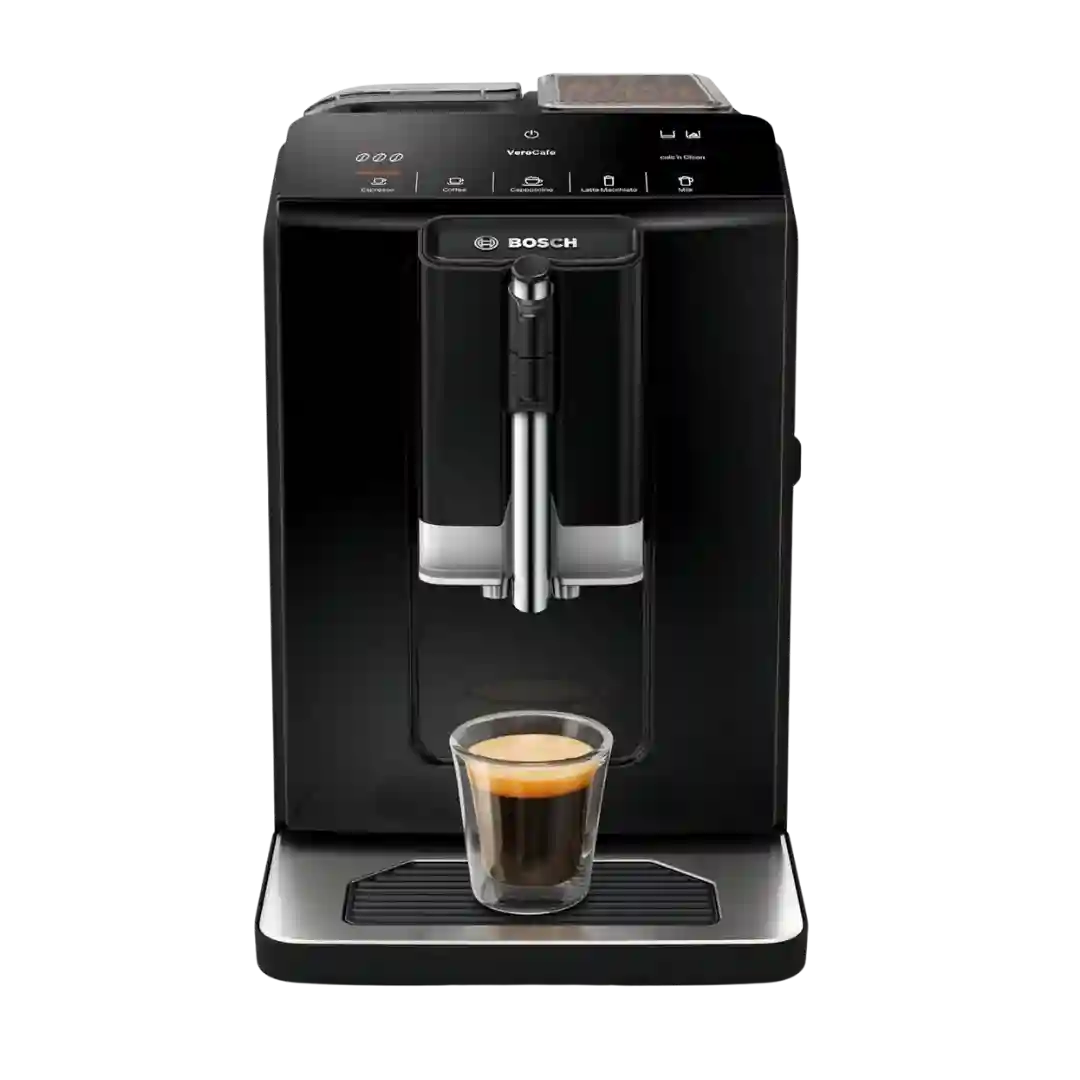
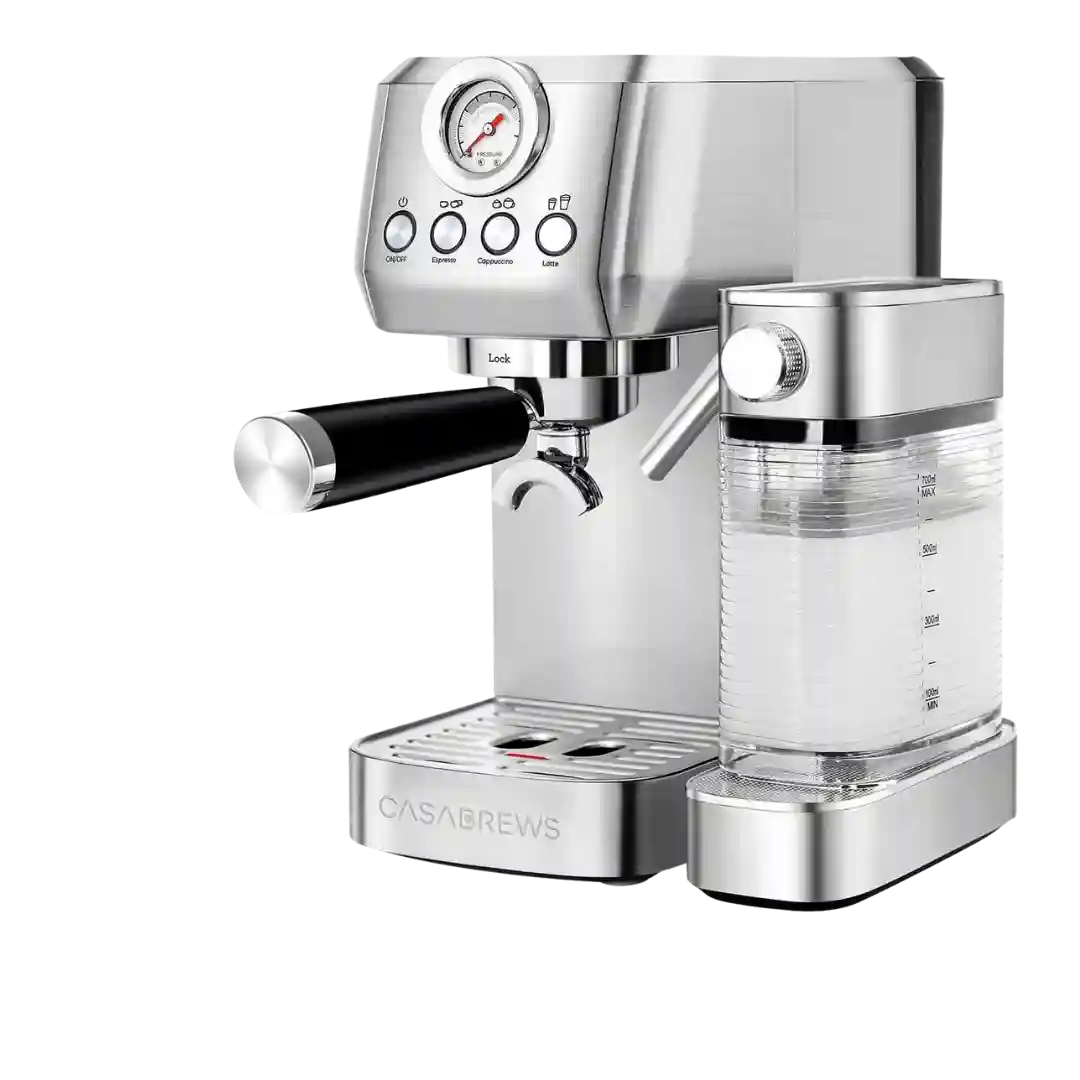
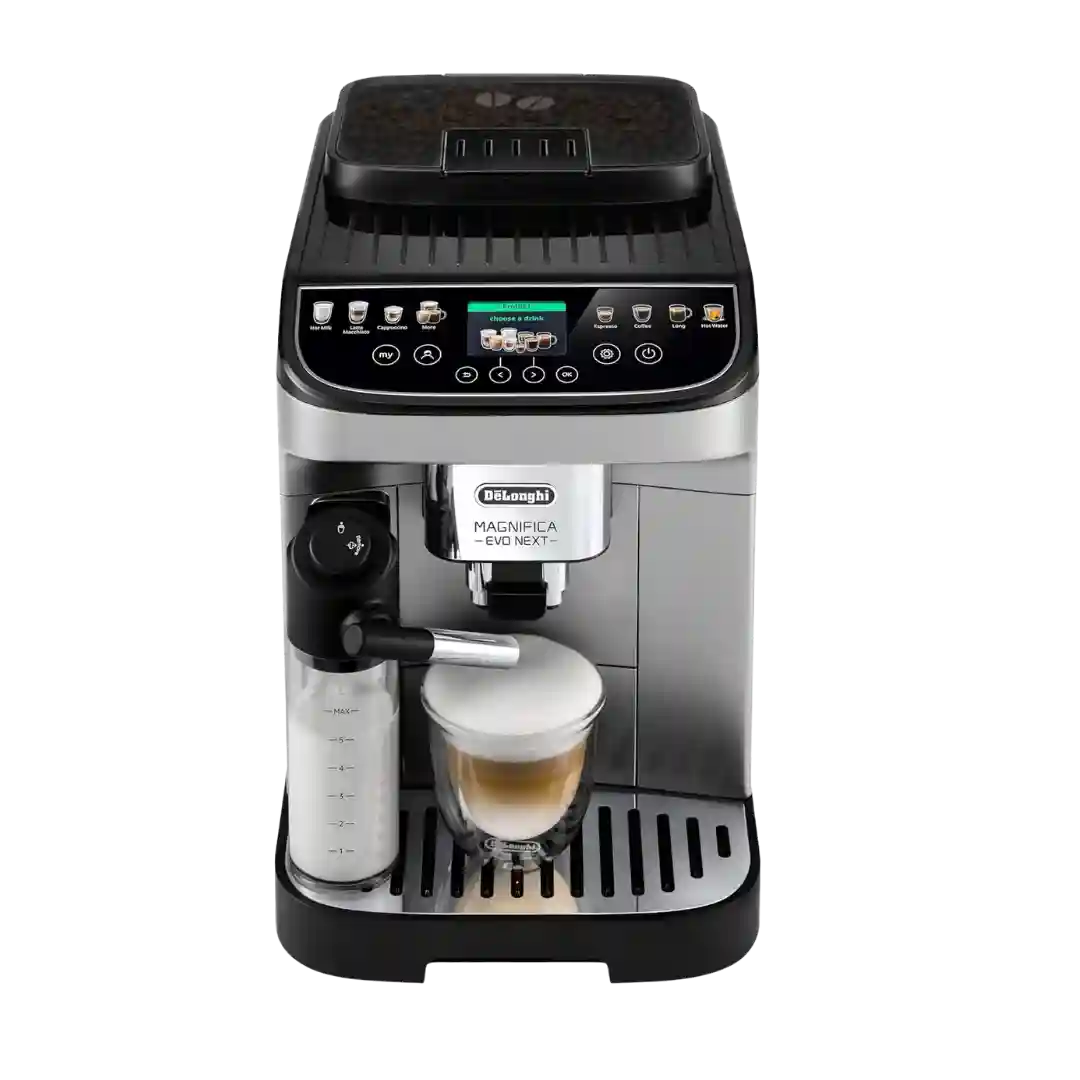
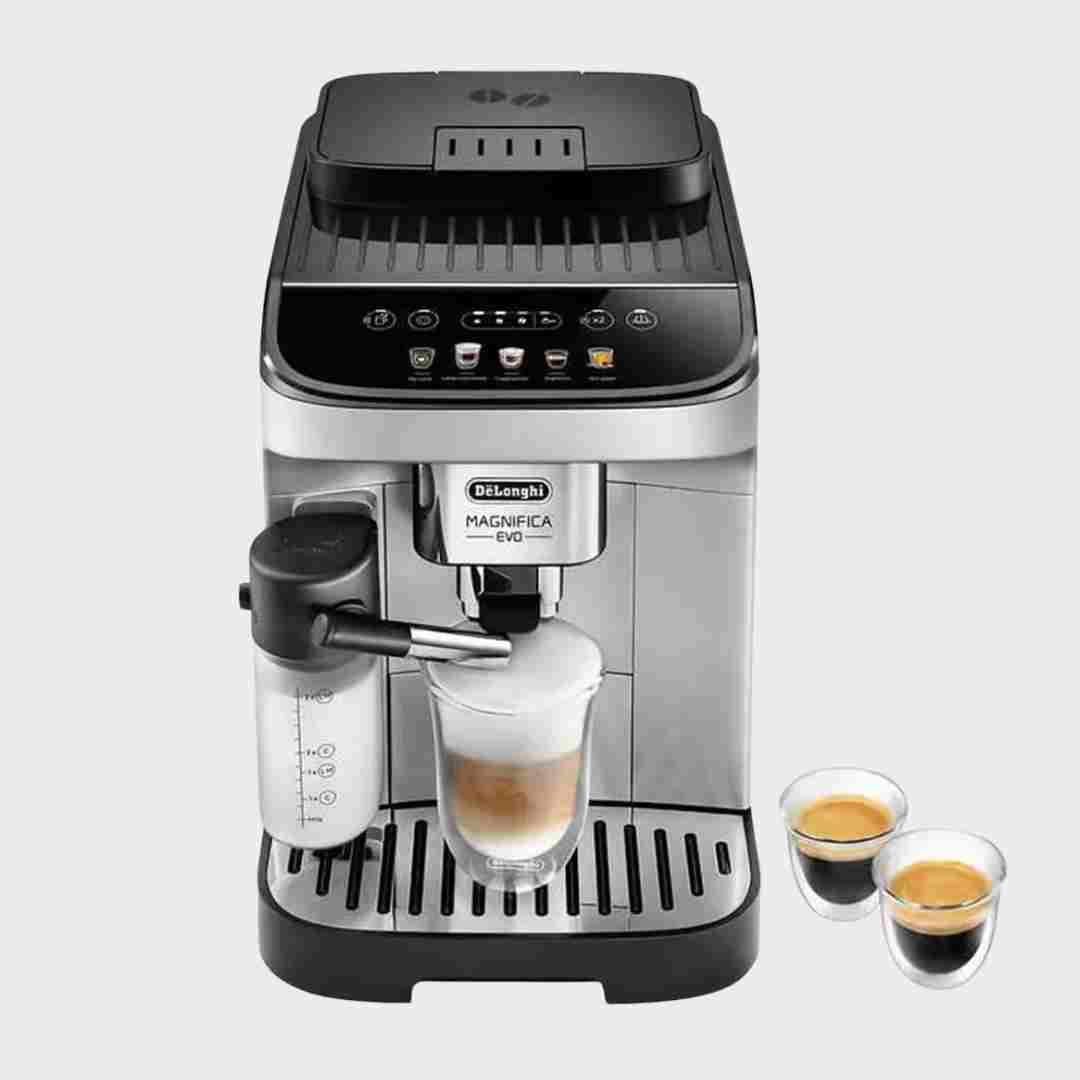
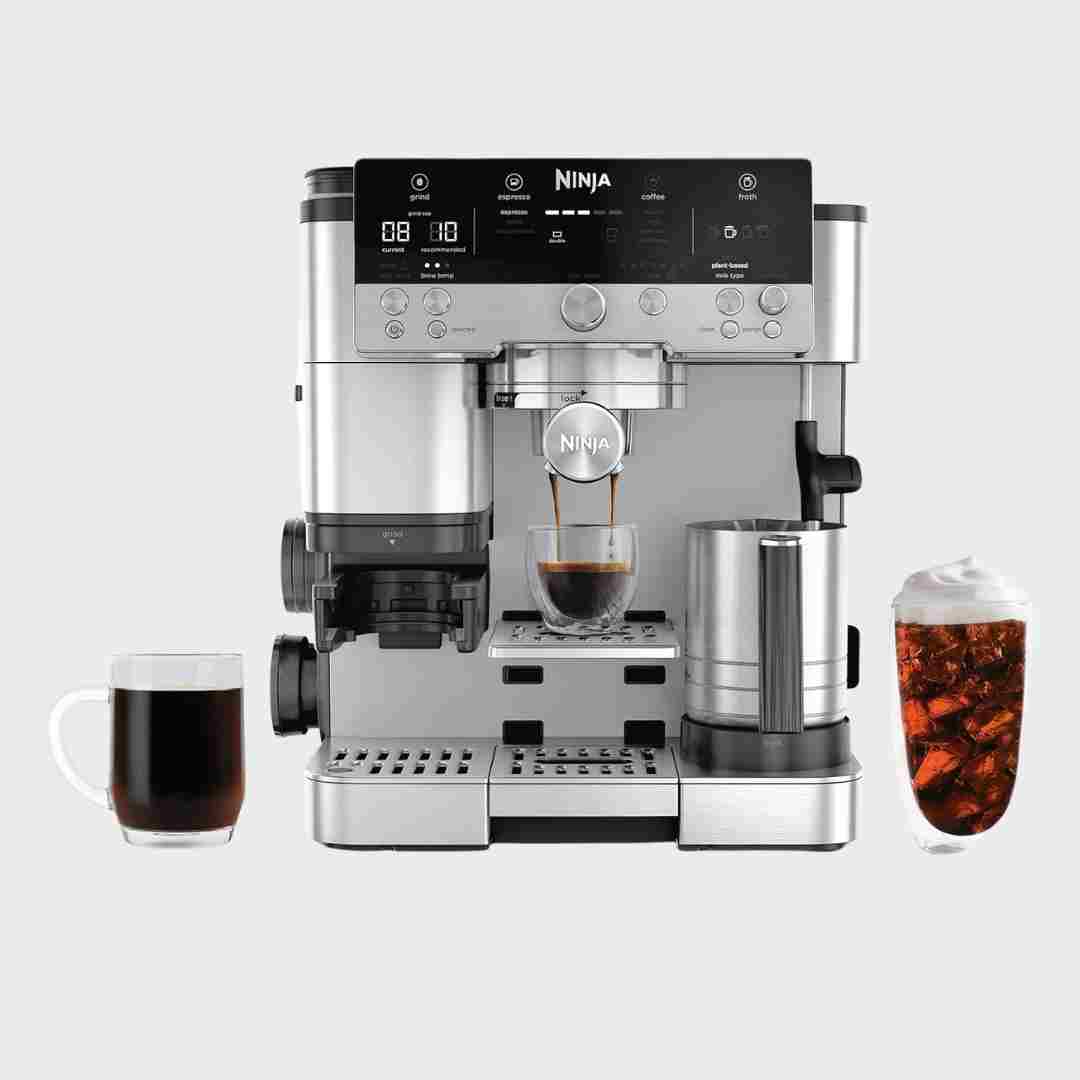
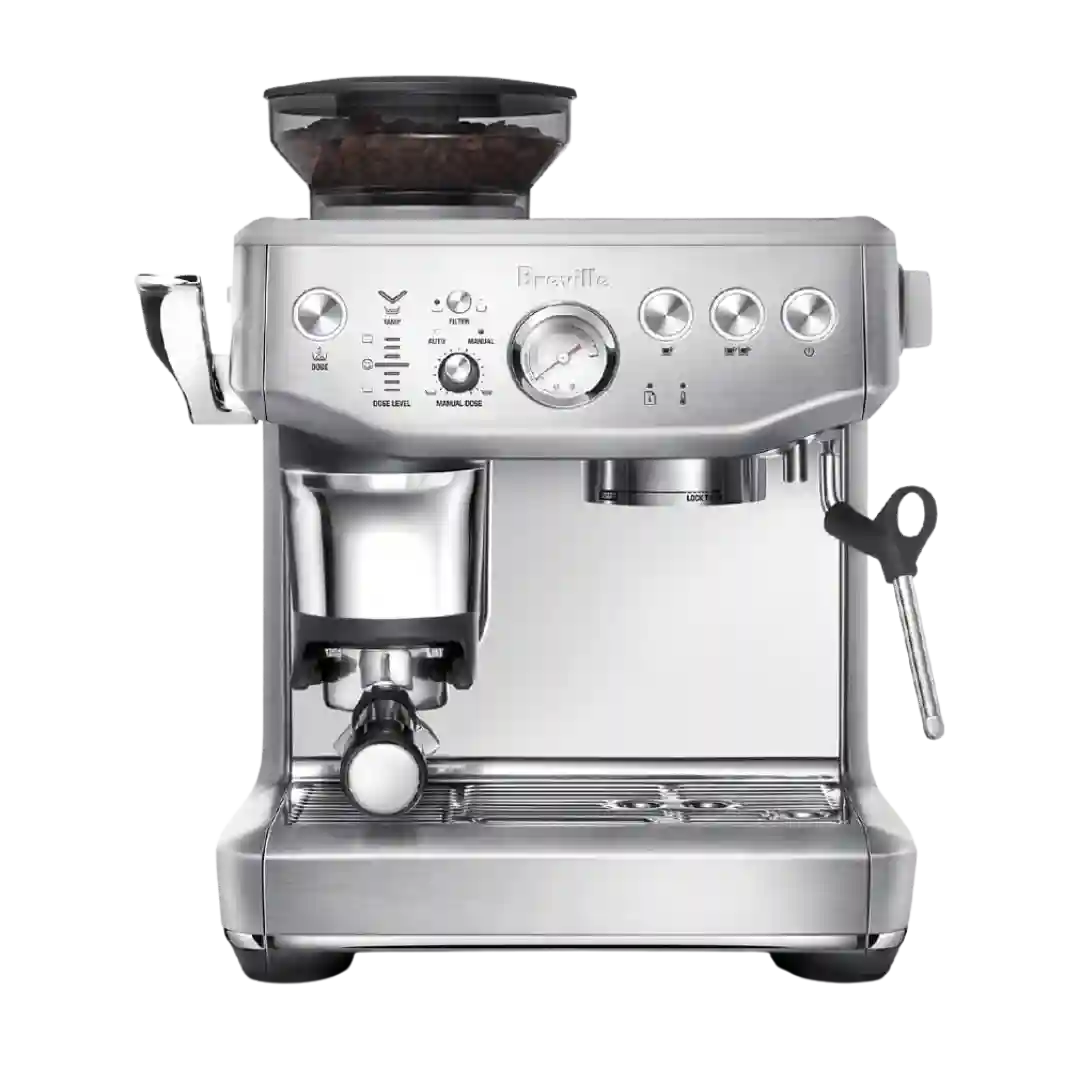
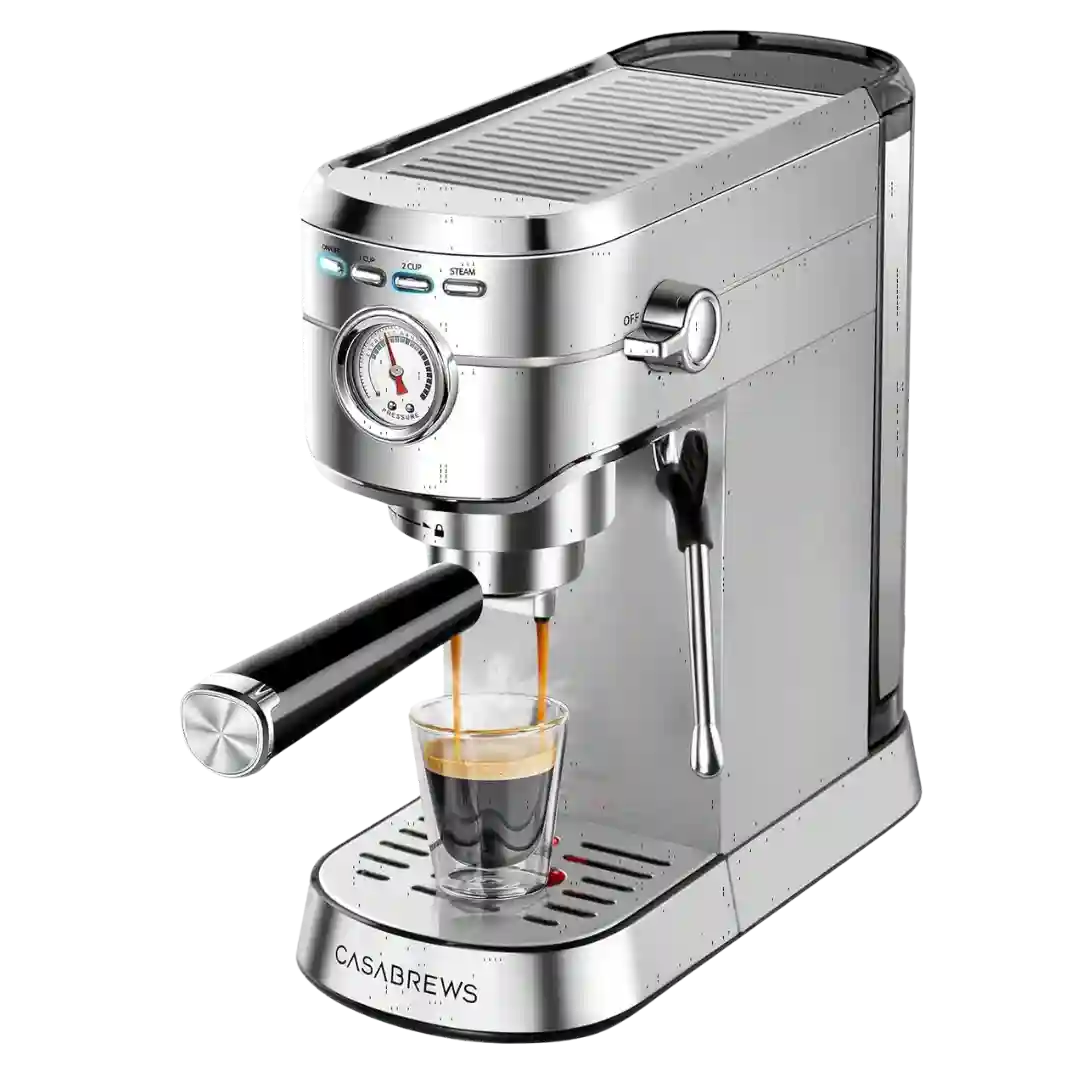
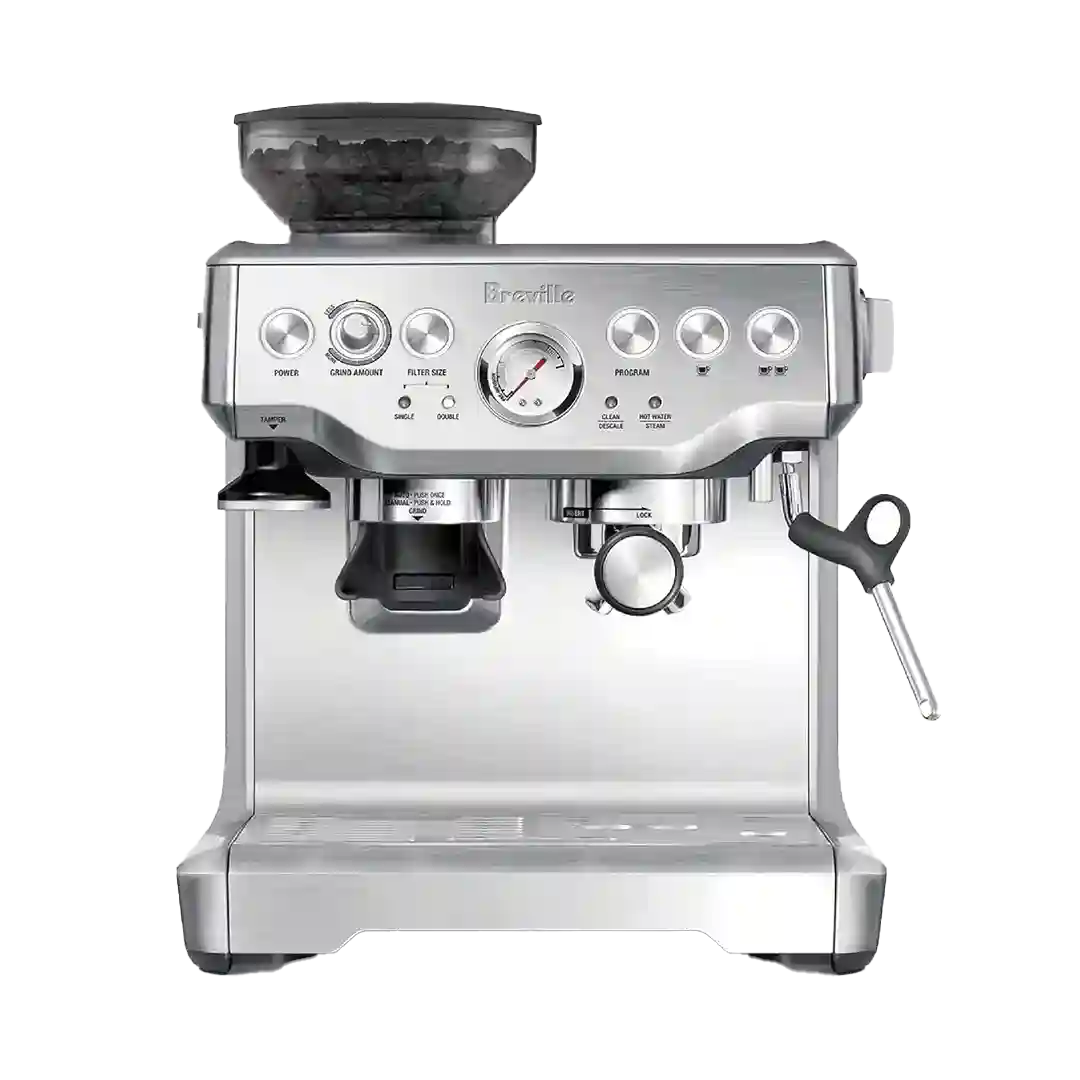
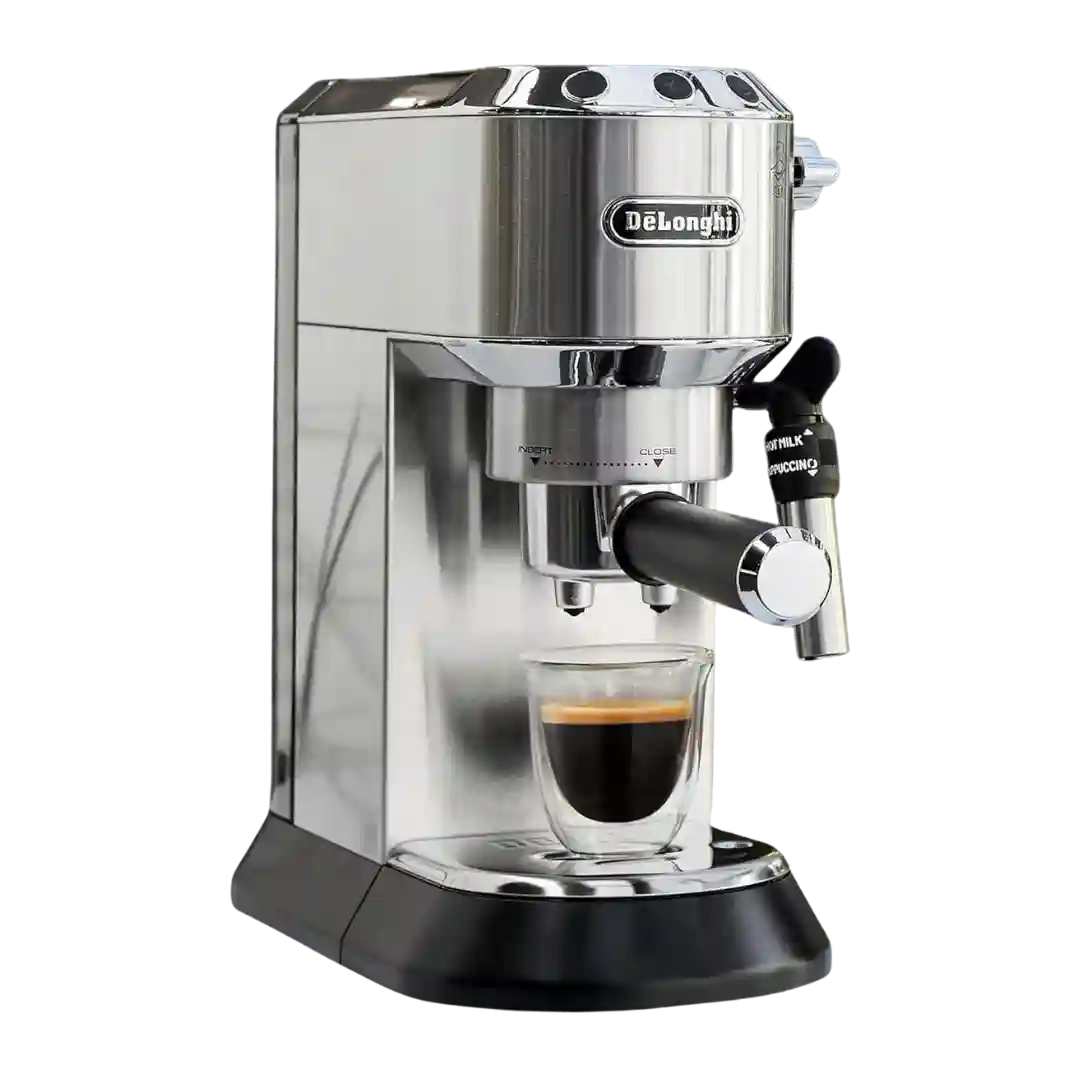
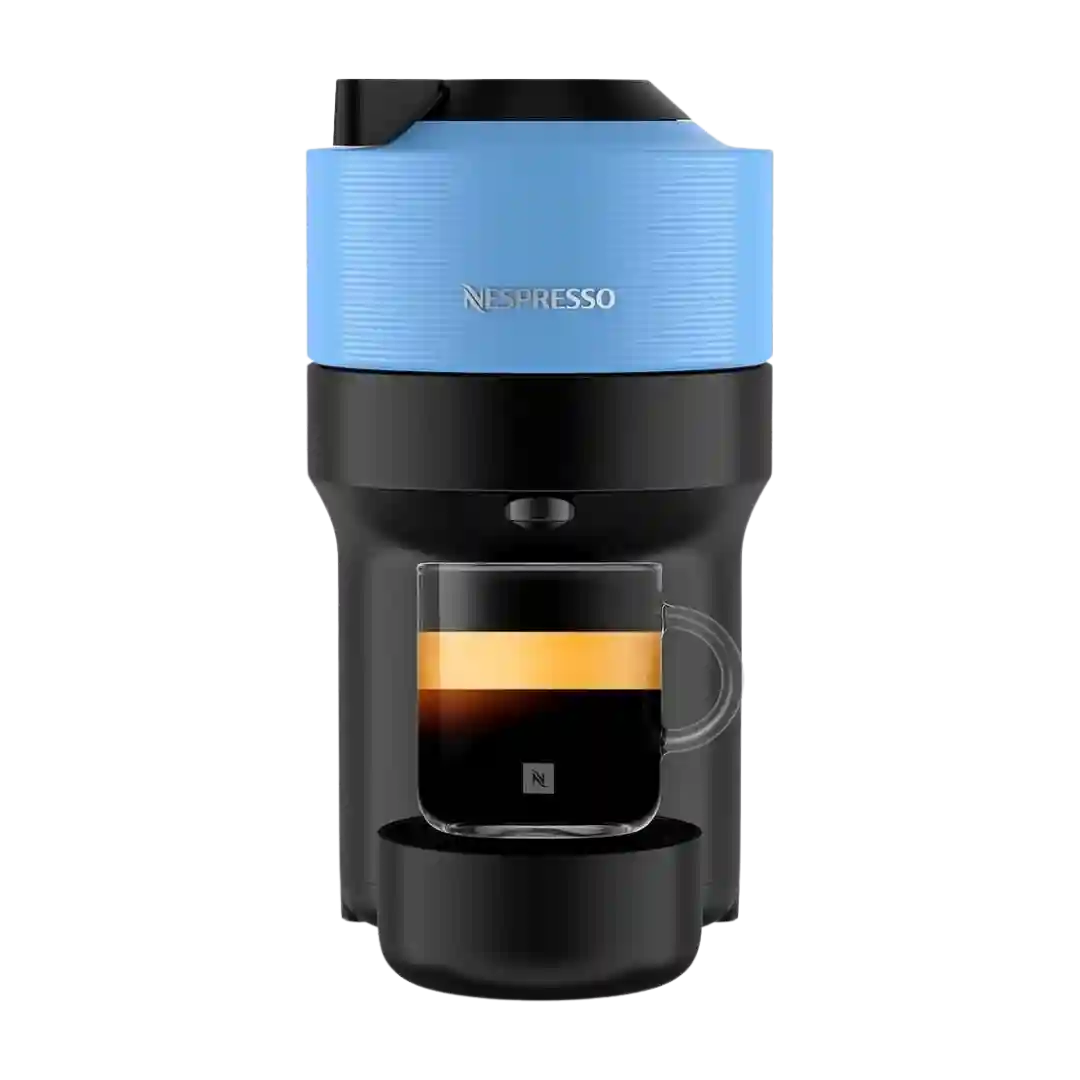
Milk performance is a major positive: reviewers emphasize the automatic milk texturing with adjustable temperature and foam, and many call it beginner-friendly for getting repeatable microfoam. The tradeoff is that it is not a dual-boiler power-steaming setup, so workflow and steam strength are framed as very good but not cafe-commercial.
Milk steaming is a standout: several reviewers praise strong steam power, fast readiness, and the ability to create smooth microfoam suitable for latte art. The main caveat is the lack of an included pitcher, so you will need to supply your own.
Automatic milk steaming is a standout feature, with adjustable temperature and foam texture delivering reliable microfoam with little practice. A few reviews note foam can run too thick or that residual milk water can end up in the tray, but overall frothing performance is praised.
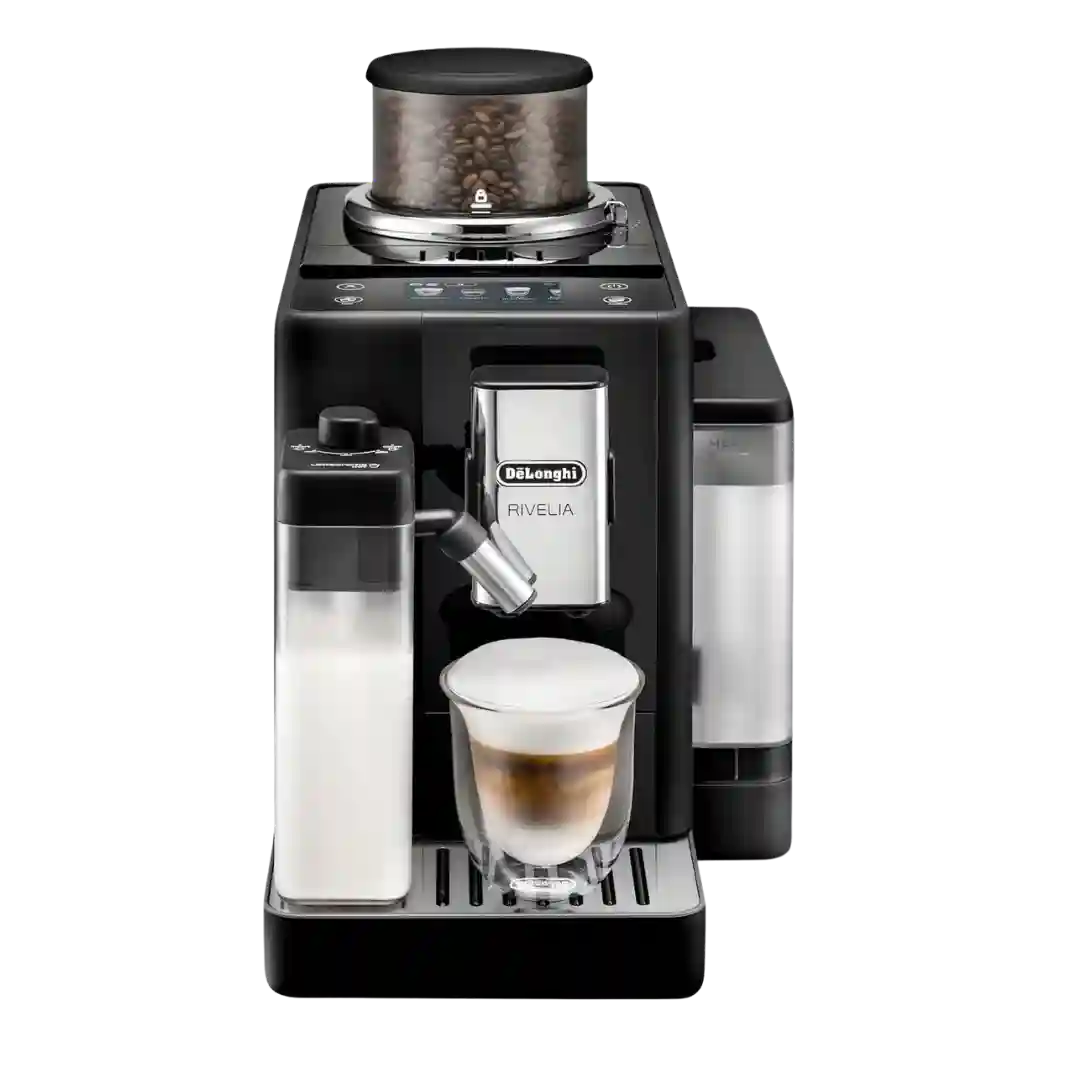
LatteCrema automation produces thick, silky foam for cappuccinos and lattes; some note it falls short of true microfoam for flat whites and can be a bit messy to detach/clean.
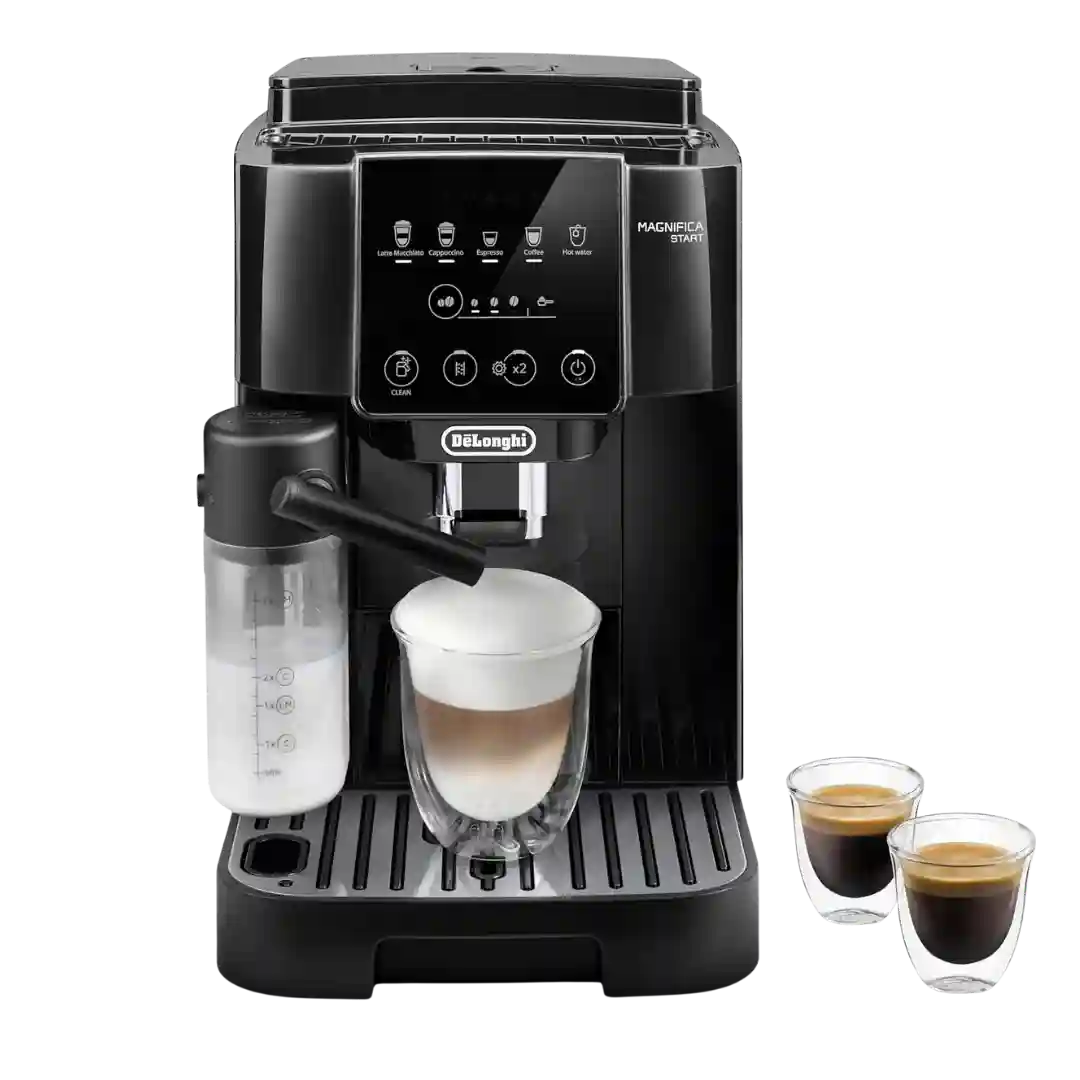
Milk performance is a standout: LatteCrema-style carafe frothing is widely described as smooth with adjustable foam, and flat whites/cappuccinos are a highlight. Common caveats include needing to thoroughly clean the milk container beyond the nozzle auto-clean and limited support for truly cold milk drinks.
Milk performance is repeatedly strong, with LatteCrema delivering thick foam and good texture for cappuccinos/lattes and adjustable foam levels. Cold foam is viewed as impressive but sometimes less stable than hot foam, and owners must keep up with cleaning routines.
Milk drinks are consistently described as cafe-like, with wide control over milk vs foam and temperatures (4050, 4057). The main drawbacks are accessory costs and the need for regular milk-path cleaning; one review also warns some systems can overshoot temperatures for alternative milks (14548, 3949).
Milk performance is a highlight: reviewers frequently describe plush, adjustable foam (sometimes latte-art capable) and like that the milk container stores in the fridge. The main downsides are extra cleaning steps and milk temperature that some find too lukewarm.
Milk performance is strong overall, with multiple reviewers impressed by steam power and manual steaming capability. Auto-milk features are convenient, but several note the automatic texture can skew frothier than latte-art microfoam, making manual steaming the better choice for enthusiasts.
Milk performance is generally strong, including positive mentions for plant-milk results and overall texture. The most consistent critique is that cappuccino and similar drinks may not achieve the densest foam, and a few users note volume limits or extra steps to reach their preferred milk level.
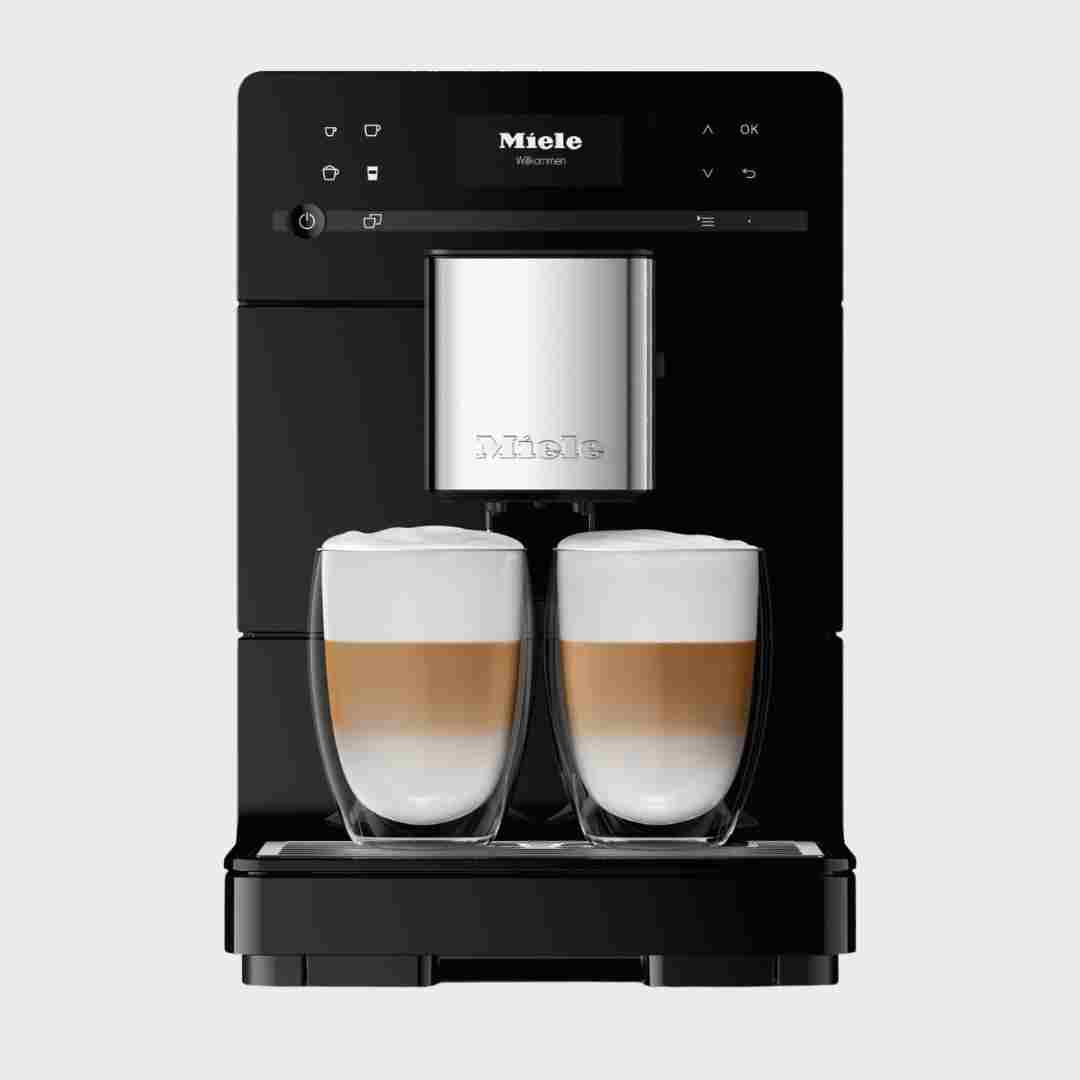
The milk system is generally praised for producing good foam and hot milk with minimal effort. The tradeoffs are the external hose (learning curve/cleanup) and, for some, less fine control over milk temperature or foam texture compared with higher-end systems.
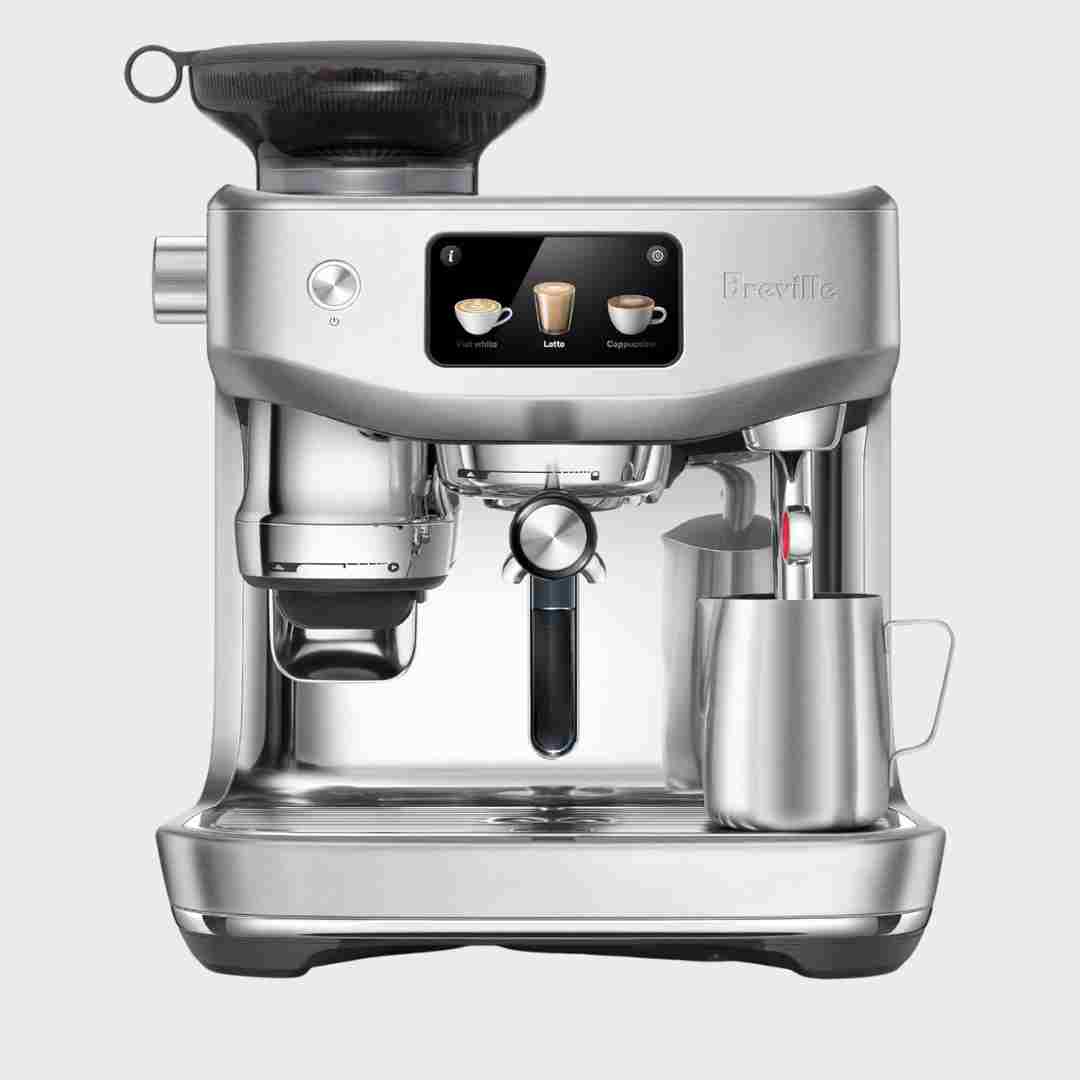
The Auto LatteArt wand and temperature probe earn strong praise for creating silky microfoam with minimal effort, including plant milks. A few reviewers prefer manual steaming over the automatic mode and note the probe can get in the way for traditional wand technique.
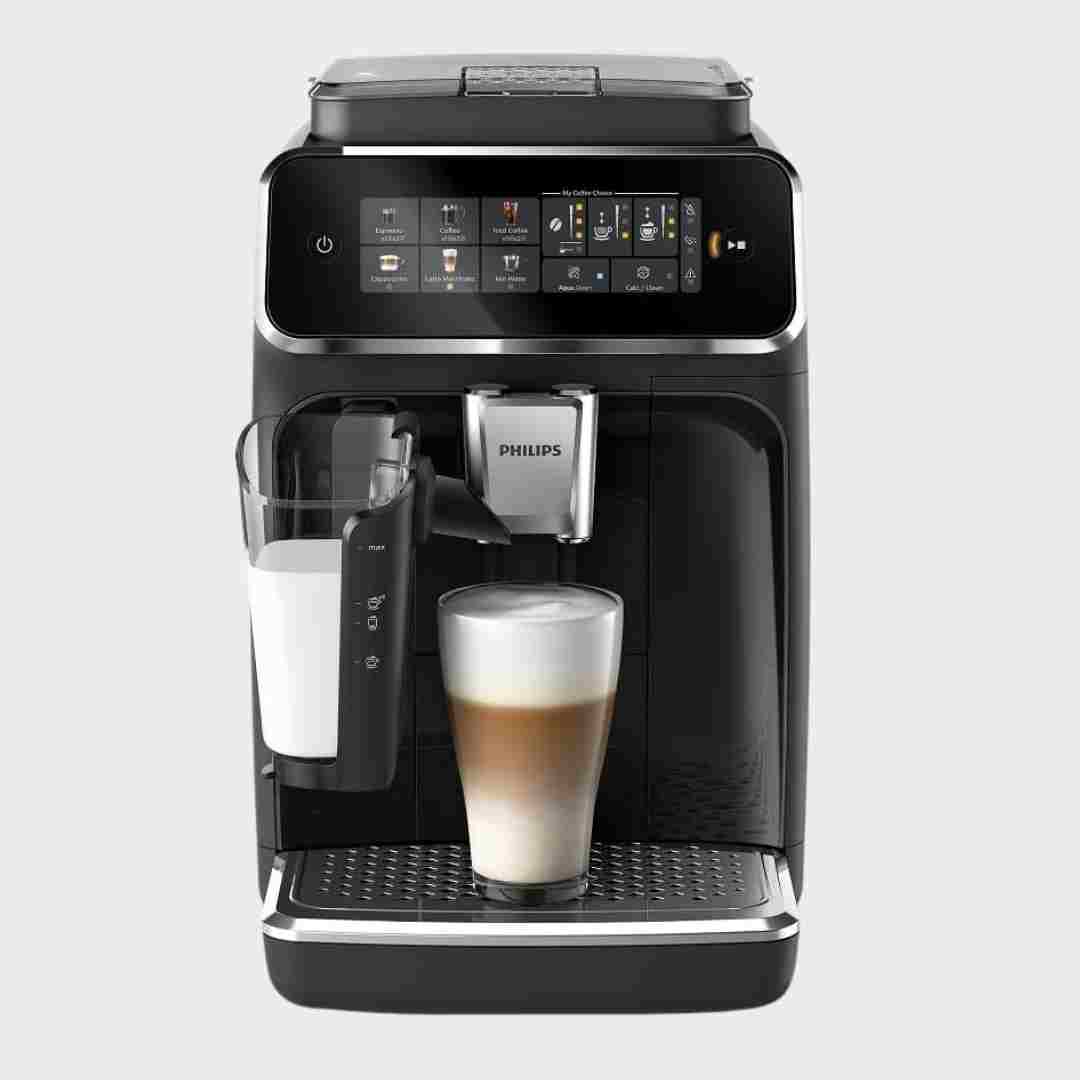
The LatteGo system gets consistent praise for ease of cleaning and reliable foam, while a few reviewers note the foam can be airy and less silky than microfoam from a wand.
Milk steaming is consistently praised, with reviewers saying we can create silky microfoam for lattes and cappuccinos with some practice. The wand is manual (no auto-froth), often single-hole, and a few reviewers mention the wand is short or takes a little technique adjustment.
Milk performance is good for lattes and generally hot, but cappuccino and macchiato foam are less dense than some enthusiasts want, and plant-milk support is not as developed as on pricier siblings.
Milk performance depends on the model: LatteCrema versions get the best feedback for consistent, convenient foam, while panarello/manual wand versions are more skill-dependent. Some reviewers note the automatic systems can run quite hot and that foam adjustability may be limited on certain variants.
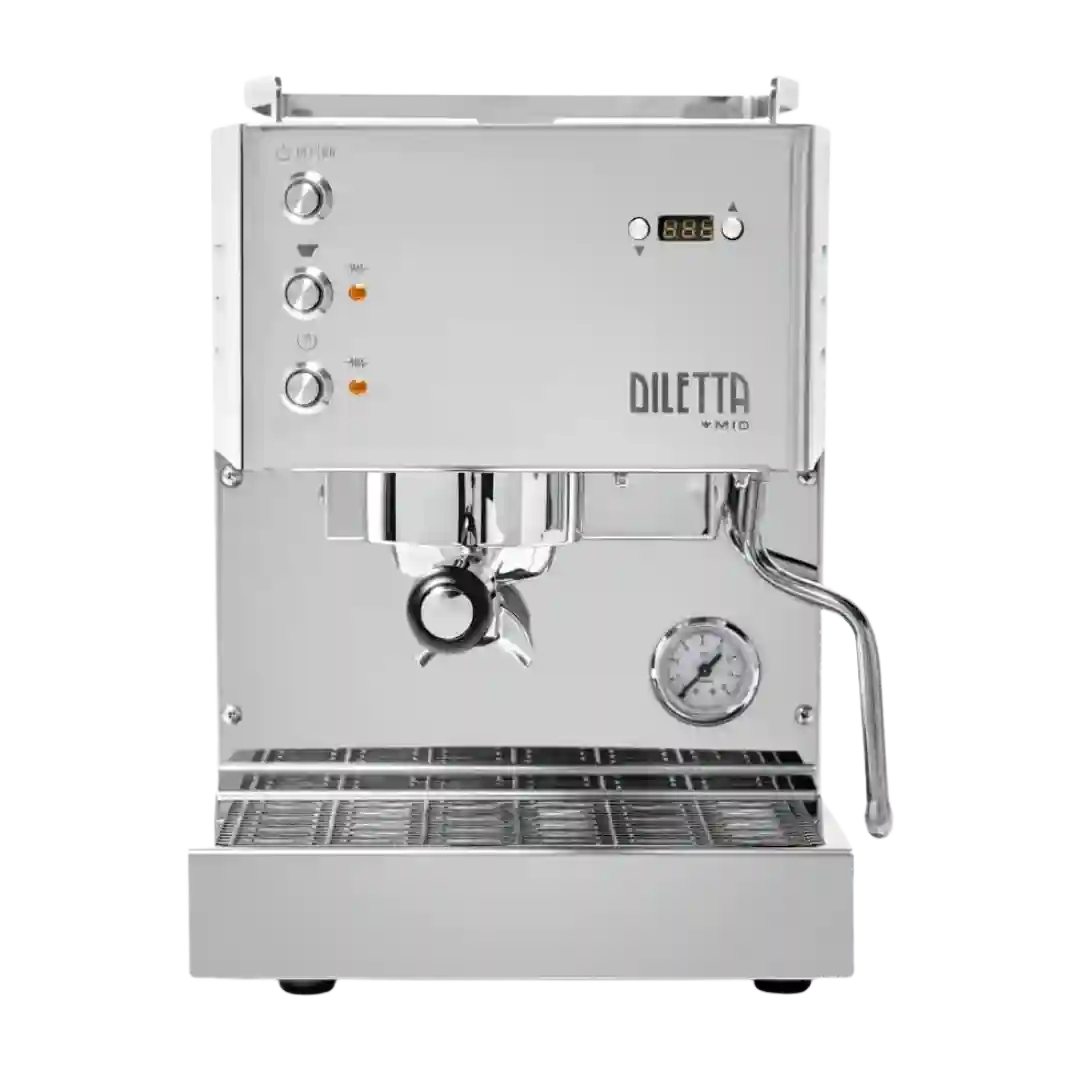
Milk performance is good enough for cappuccinos, flat whites, and textured milk, but reviewers repeatedly describe the steam as gentler or slower than stronger boiler-based milk systems.
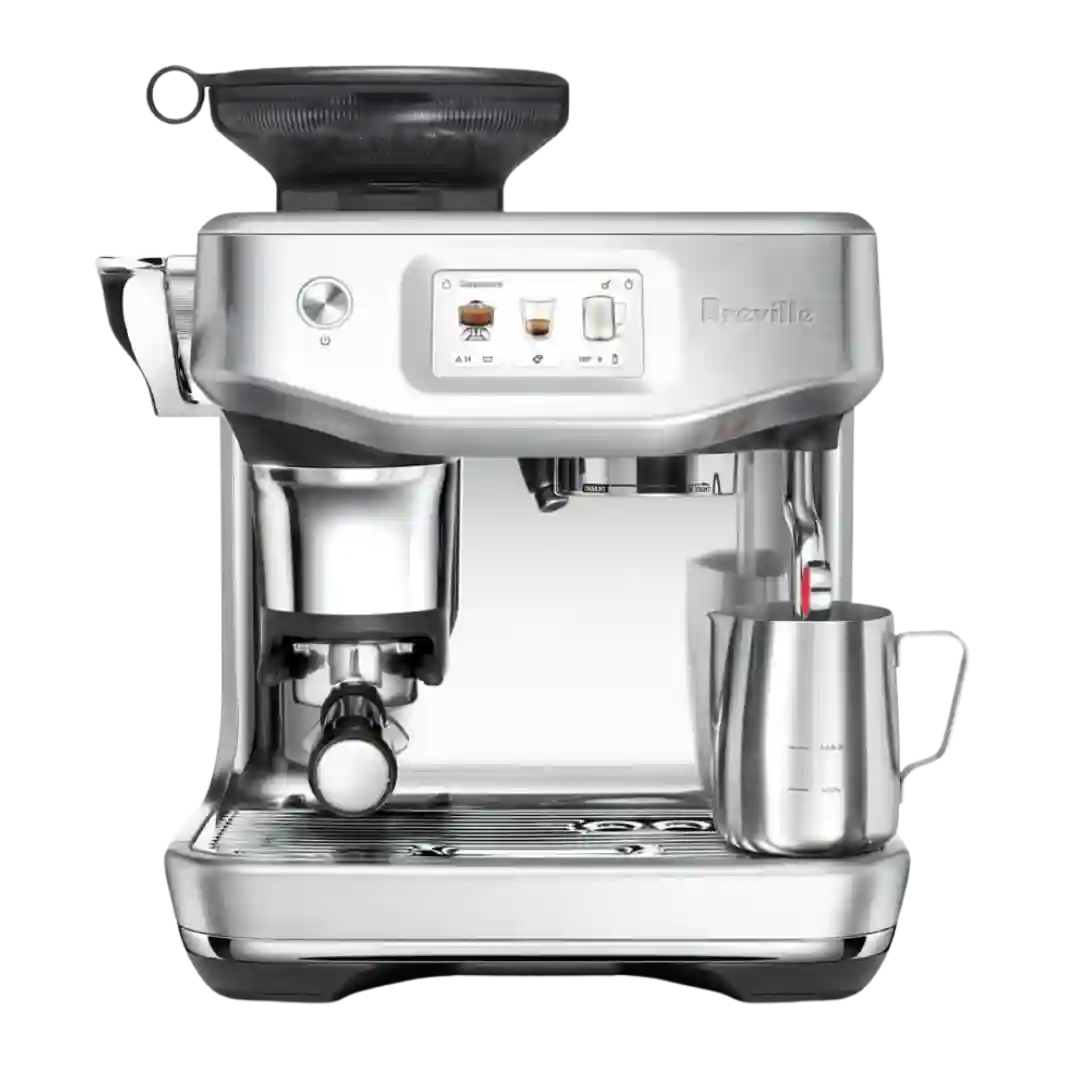
Automatic milk texturing is a standout, with several reviews calling it among Breville’s best and notably capable with non-dairy milks. Manual steaming is available, but auto results can vary by milk type and still require routine cleaning.
LatteGo earns strong marks for quick, consistent foam and easy cleanup, especially for cappuccinos and lattes, though it targets convenient froth rather than café microfoam.
The in-cup Milk Express frother is praised for low-fuss foam and dishwasher-safe parts, especially for cappuccinos. Some reviews report inconsistent latte foam, slower milk cycles, or early connection/reliability concerns.
Milk performance leans toward convenience: reviewers show lattes/cappuccinos coming out hot with satisfying foam, and some mention cleaning modes. A detailed review suggests the automatic foam is not as silky as a skilled manual technique and that milk-path cleaning can feel tedious.
LatteCrema-style automatic frothing is a consistent plus, with reviewers describing creamy foam and easy milk drinks. The main downsides are limited milk customization (often one foam texture), occasional comments that milk lands warm rather than piping hot, and one reviewer disliking the milk-first order on certain recipes.
LatteCrema milk drinks are a highlight: several reviewers praise sweet, creamy foam and easy cappuccinos/lattes, with My Latte for milk quantity. Downsides include limited foam texture options and occasional carafe/frother fussiness for some users.
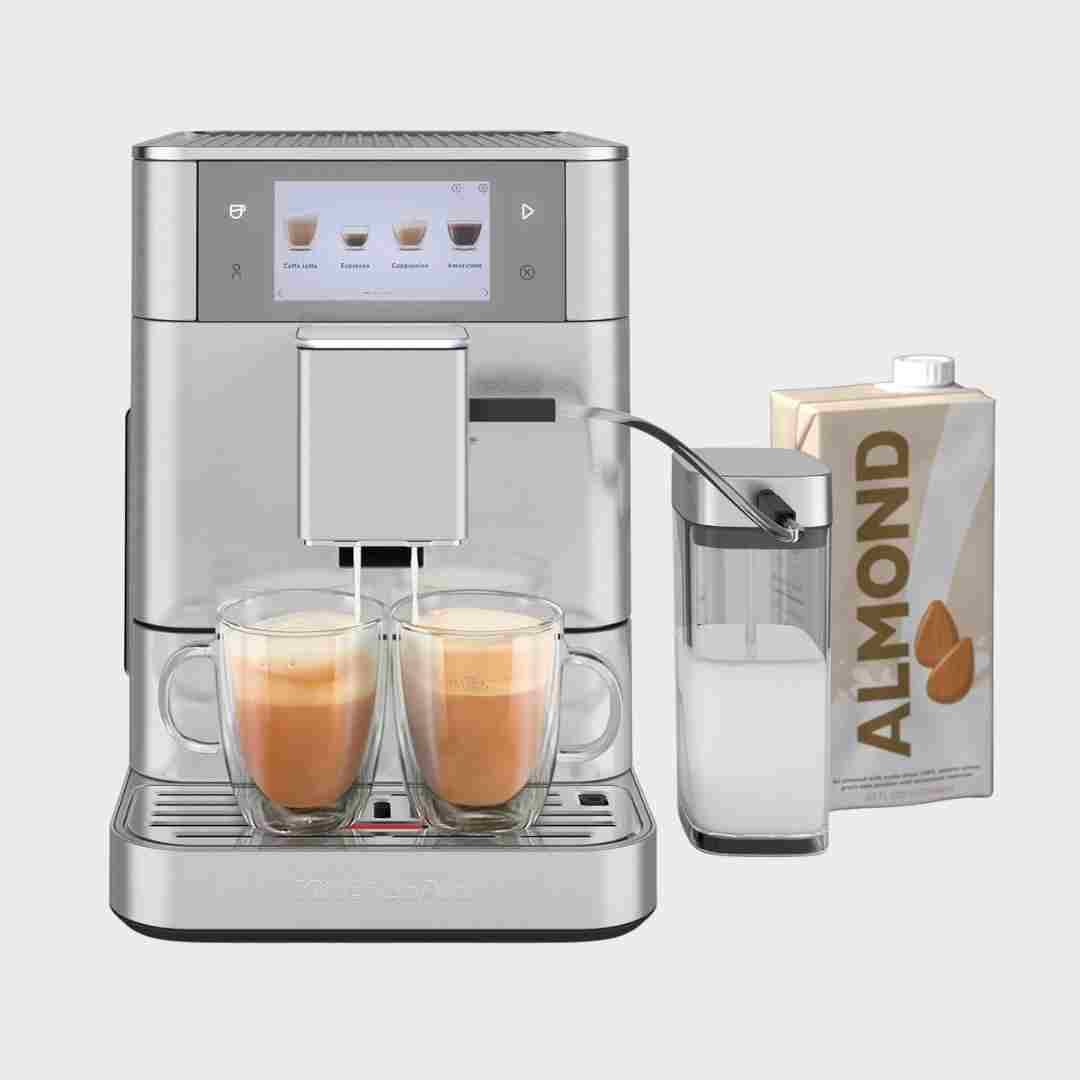
Automatic milk presets and cold-foam options earn praise for convenience and texture, including workable results with different milks. Downsides mentioned include noise and less manual control than a traditional steam wand.
The manual steam wand can produce microfoam and latte-capable texture, including with alternative milks, once technique is learned. The consistent complaint is steam strength and speed: it works, but it is slower and lighter-duty than higher-end Breville models.
The manual steam wand is a standout at this price, with many calling it better than typical budget frothers and capable of textured milk for lattes and cappuccinos. Steam power remains modest versus prosumer machines, so it can take practice and extra time for multiple drinks.
The steam wand is widely seen as capable for cappuccinos and beginner frothing, with panarello-style assistance making foam easy. Tradeoffs show up around microfoam refinement and latte art, which several sources say is possible but not effortless or consistently silky.
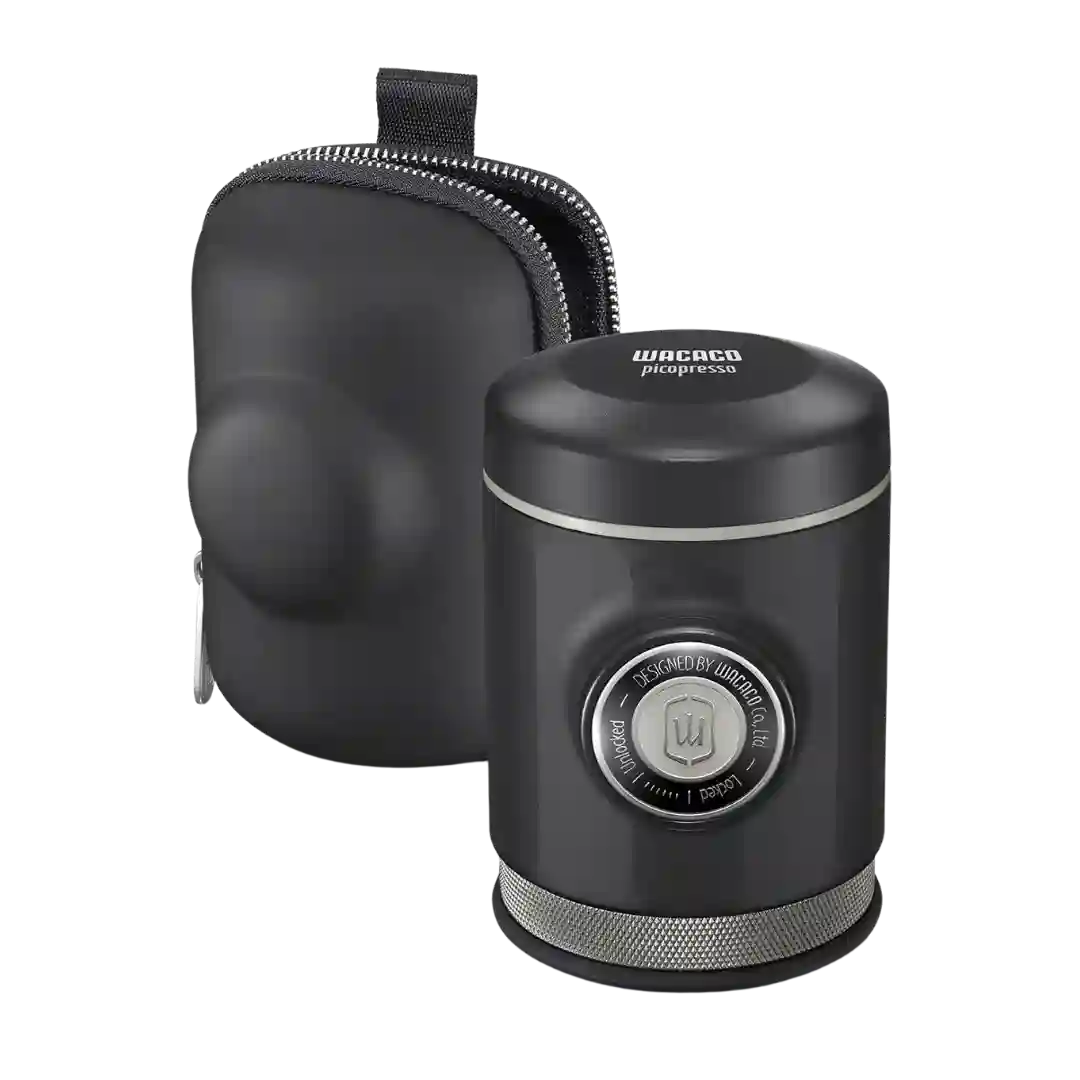
Milk functionality is absent. Reviews explicitly state that the Picopresso cannot steam or froth milk, so latte and cappuccino drinkers need separate tools or a different machine.
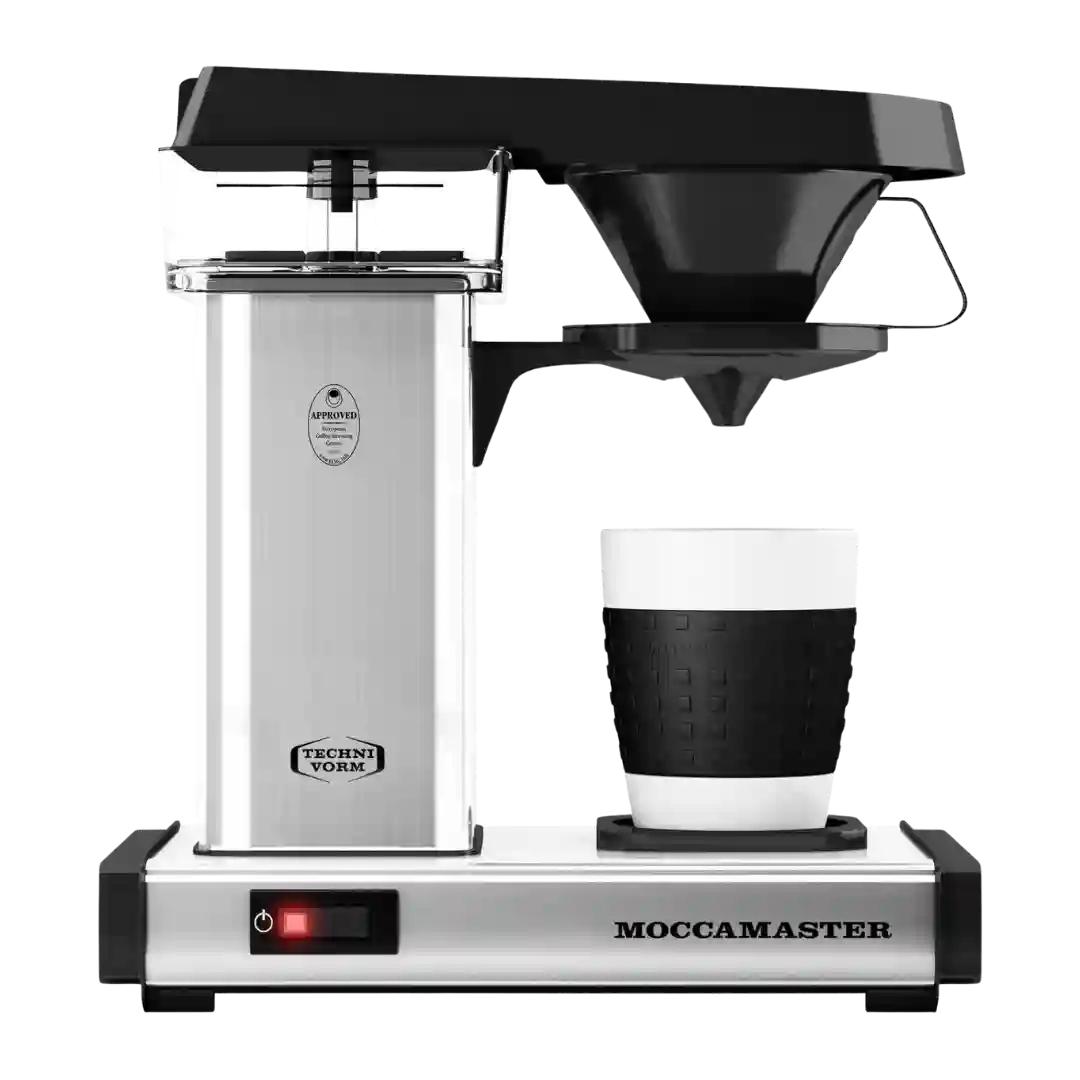
It is a drip-coffee system only; one review explicitly notes the absence of a steam outlet or milk frothing capability, so it is not built for lattes or cappuccinos without separate equipment.