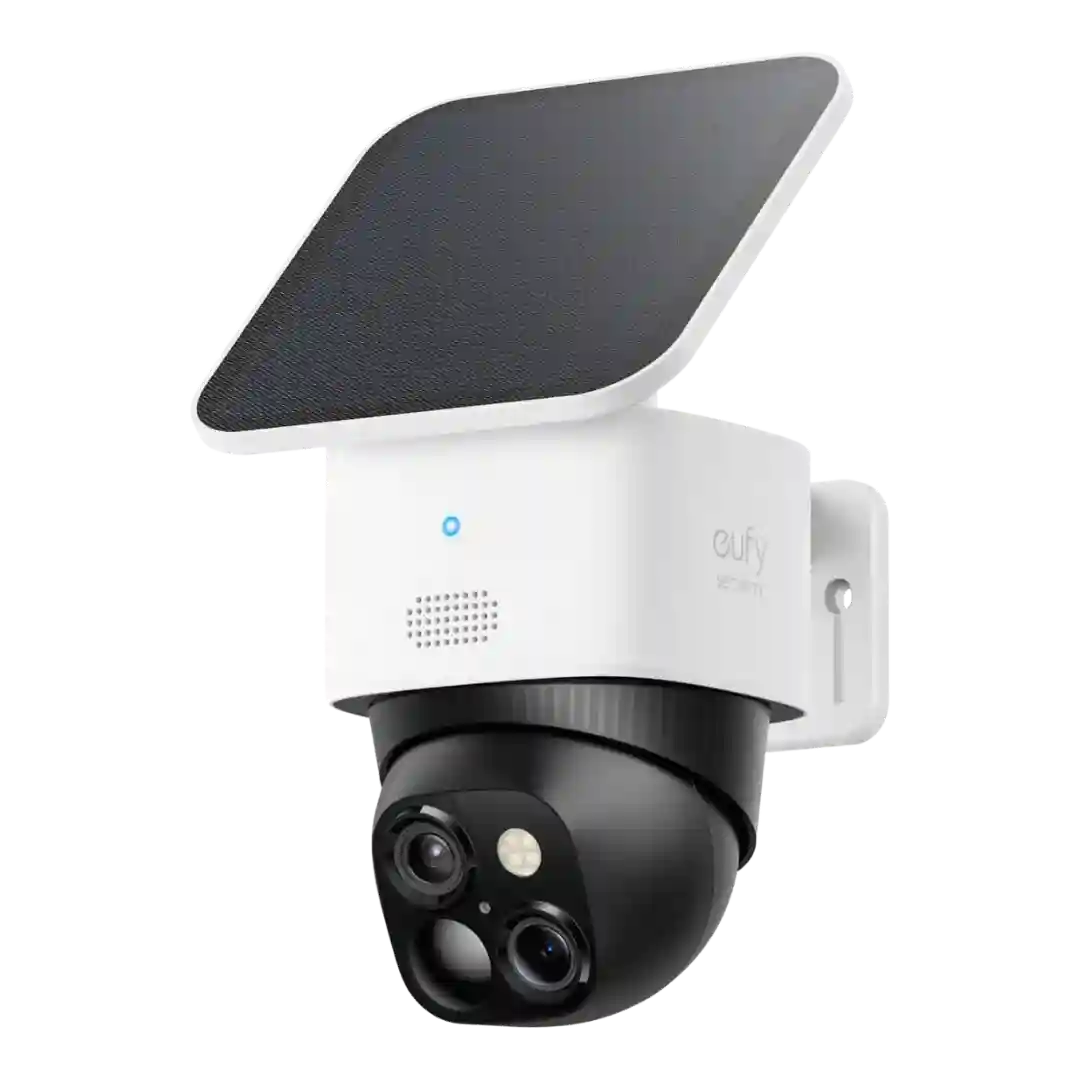
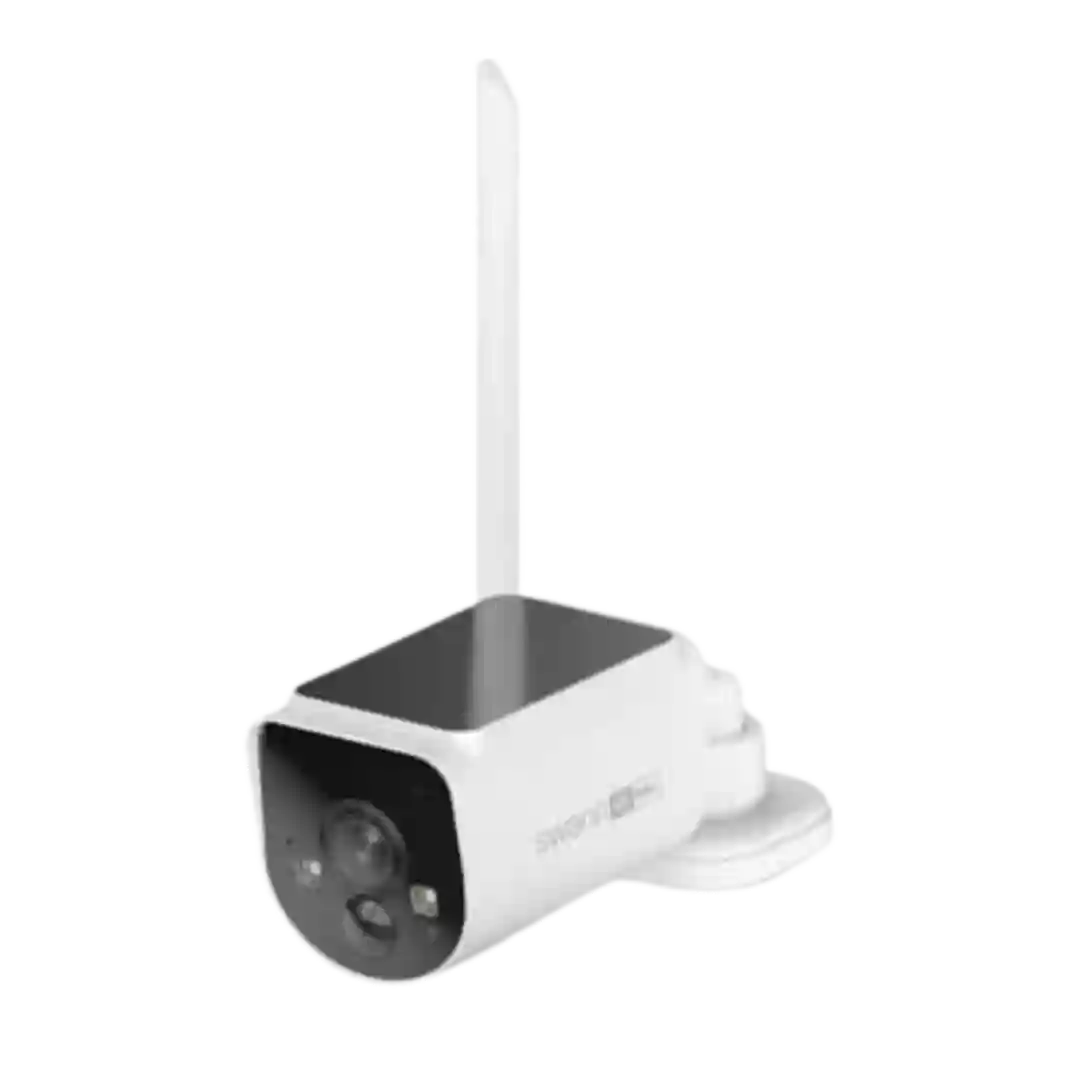
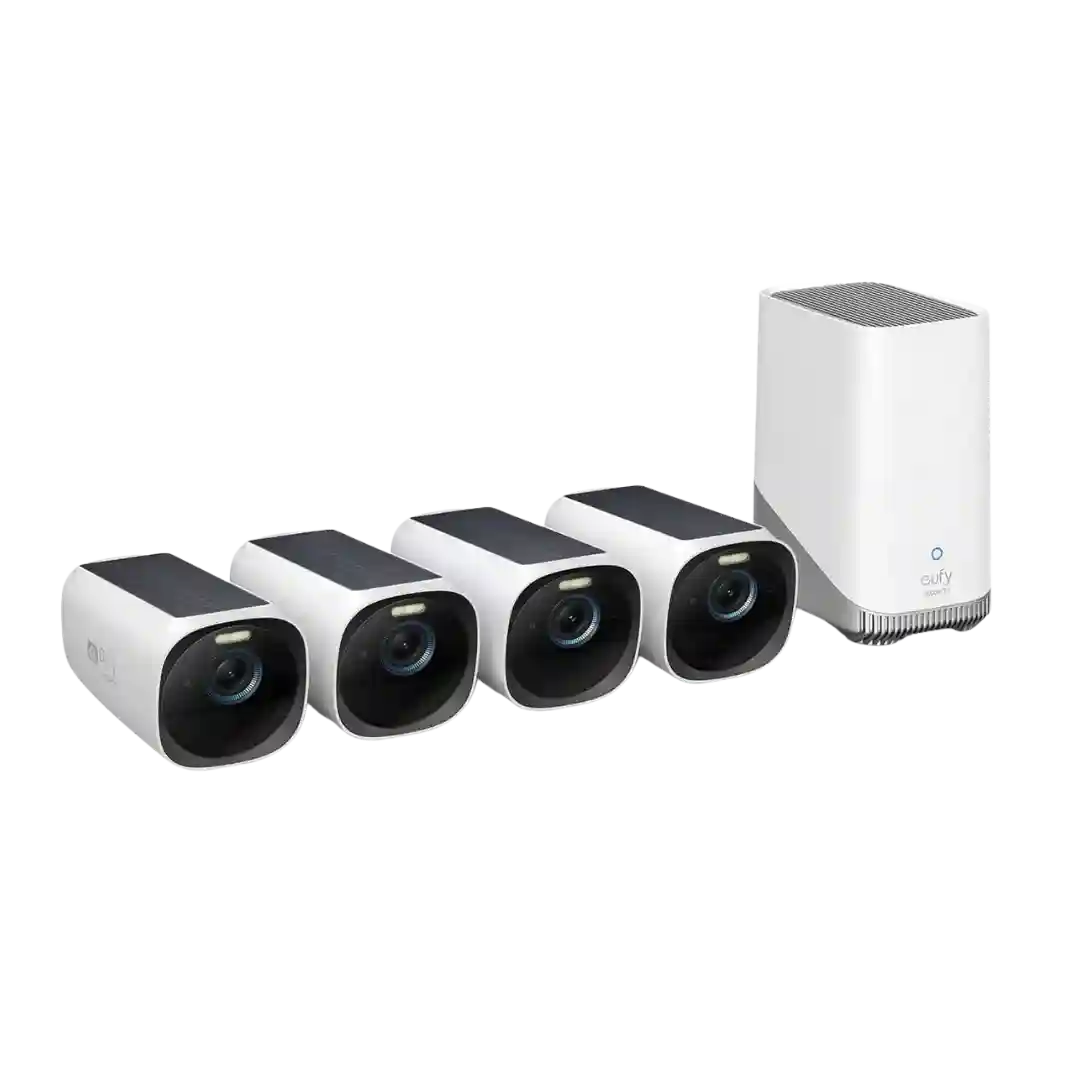
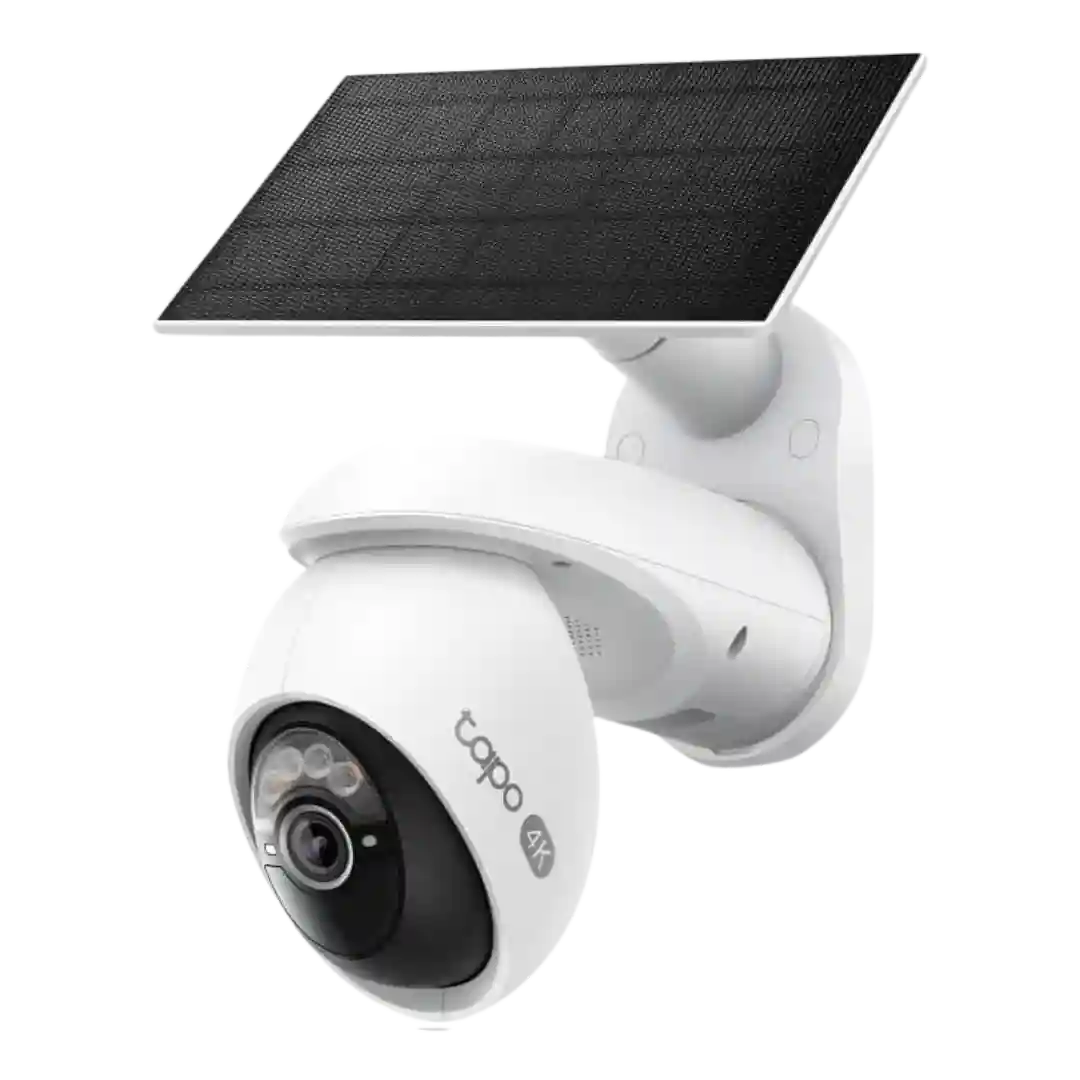
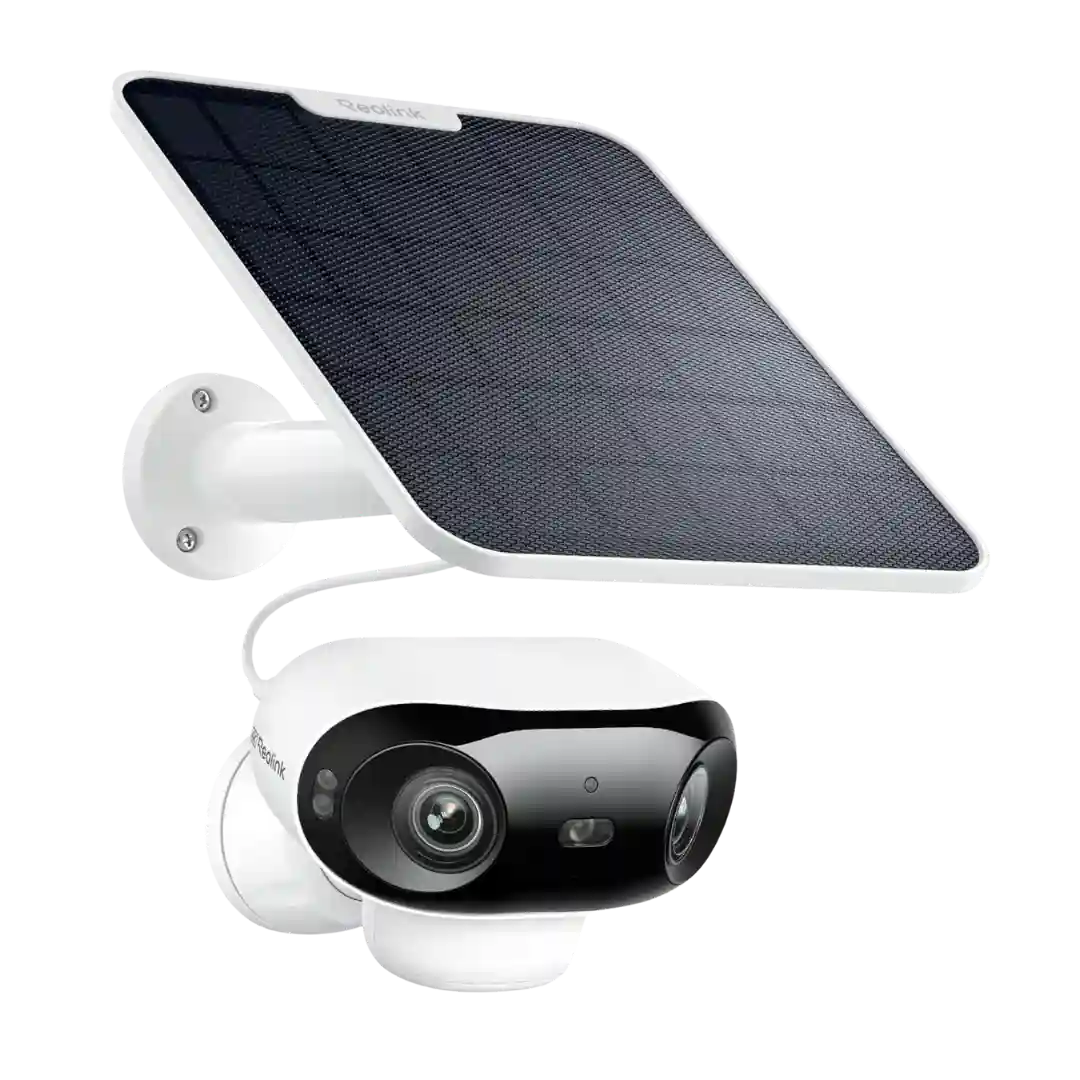
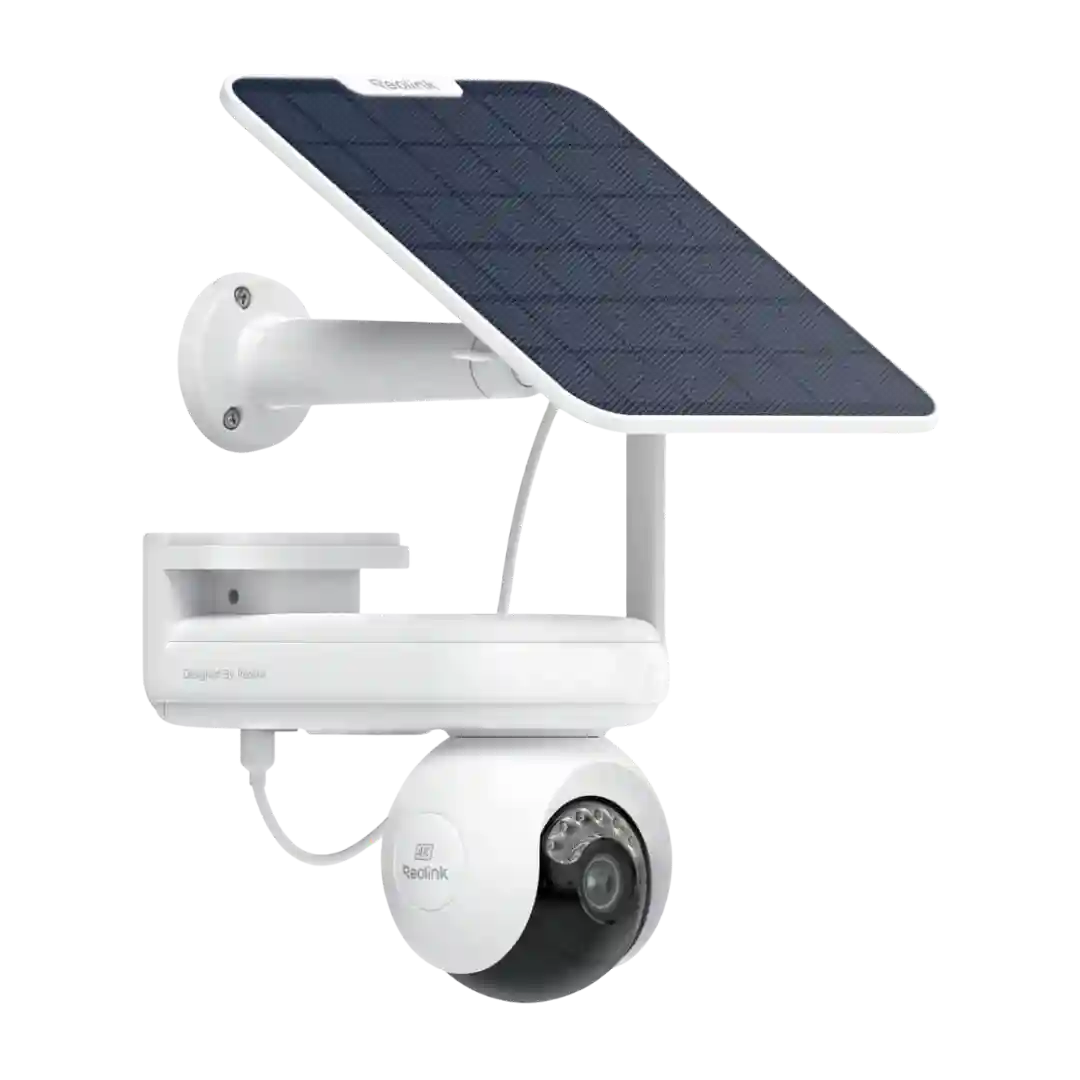
Solar panel accessories are repeatedly mentioned as a practical way to reduce or eliminate manual recharging, especially for cameras mounted in hard-to-reach spots.
Integrated solar panels perform well for topping up the battery with modest sun; shaded installs may need the included/optional external panel or periodic charging.
The included solar panel is repeatedly praised for keeping the battery near full with limited daily sun; the option to mount the panel remotely adds flexibility.
The optional solar panel can keep the battery topped up and, in sunny placements, maintain very high charge levels for months. It adds cost and can be visually bulky, but it minimizes maintenance.
Integrated solar panels are a major convenience and can keep batteries topped up in good sun, but performance depends on exposure and alert volume; shaded installs may need repositioning or optional external solar accessories.
Integrated solar charging is repeatedly highlighted as the signature benefit, with many citing around two hours of direct sunlight per day for ‘top-off’ charging. Real-world performance depends heavily on shade, season, and event volume.
Solar charging often keeps the 10,000mAh battery near full, but performance depends on sunlight, season, and settings, and heavy use can outpace recharge in poor weather.
The included or commonly bundled solar panel is frequently described as highly effective at keeping the camera topped up in decent sun, enabling a set-and-forget experience. Downsides include bulk/appearance, maintenance/exposure concerns, and reduced effectiveness in cloudy or winter conditions.
Optional solar panel support is widely recommended for remote or hard-to-reach placements, reducing the need to take the camera down for charging and helping maintain long-term uptime.
The solar panel is frequently recommended to make continuous or pre-record modes practical. Reviews suggest it can maintain or slowly refill charge with good sun, but its effectiveness drops in overcast climates or shaded installs.
Solar options are mentioned in the ecosystem, but multiple reviews note that Active Guard requires wall power and cannot rely on solar or battery alone. Solar is therefore better suited to basic self-monitoring use cases.
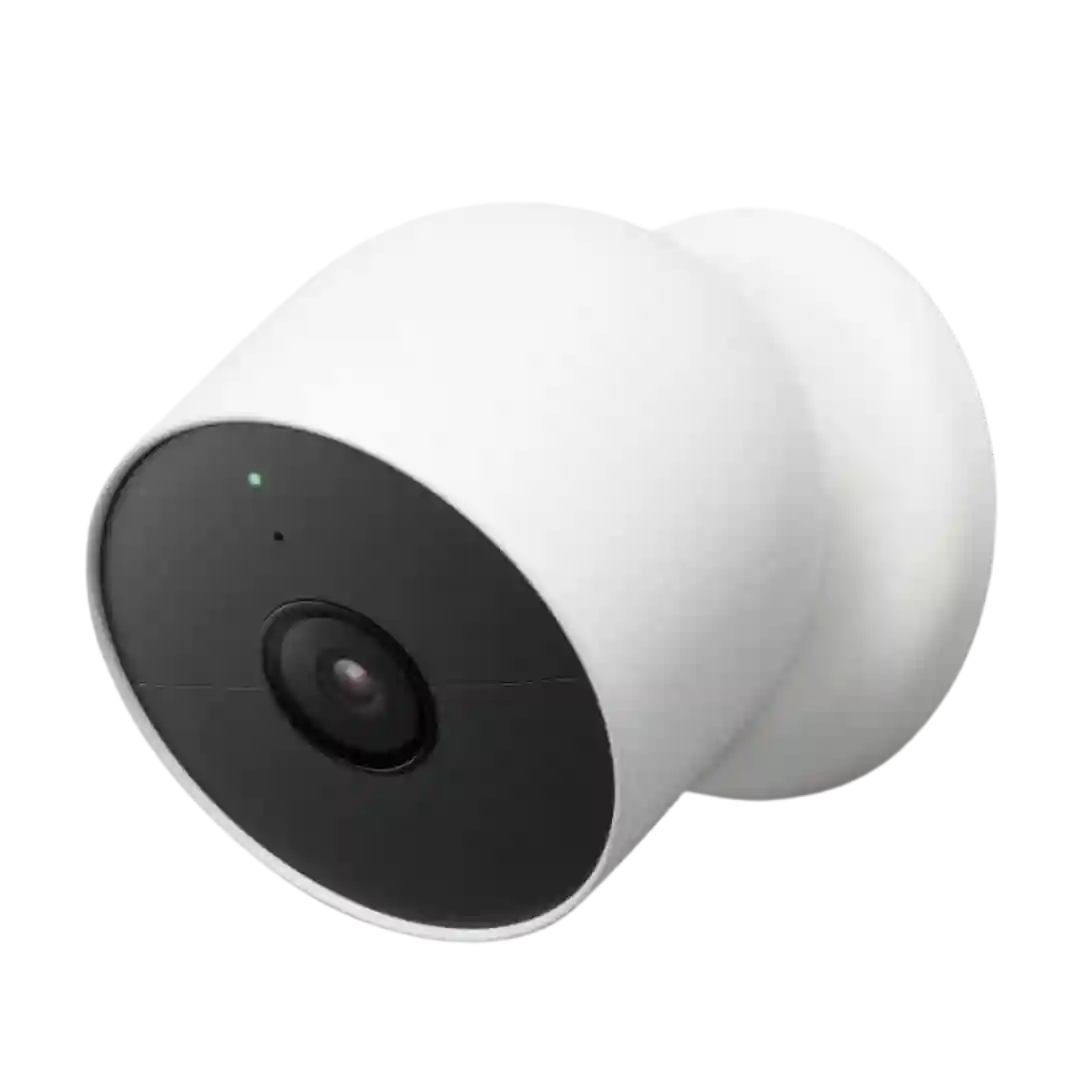
Google does not bundle an official solar option in the reviews, but third-party solar panels are mentioned as a way to trickle-charge and reduce manual recharging.
Solar operation is effectively off the table because there is no battery; several reviewers compare it unfavorably to solar/battery alternatives for placement freedom.