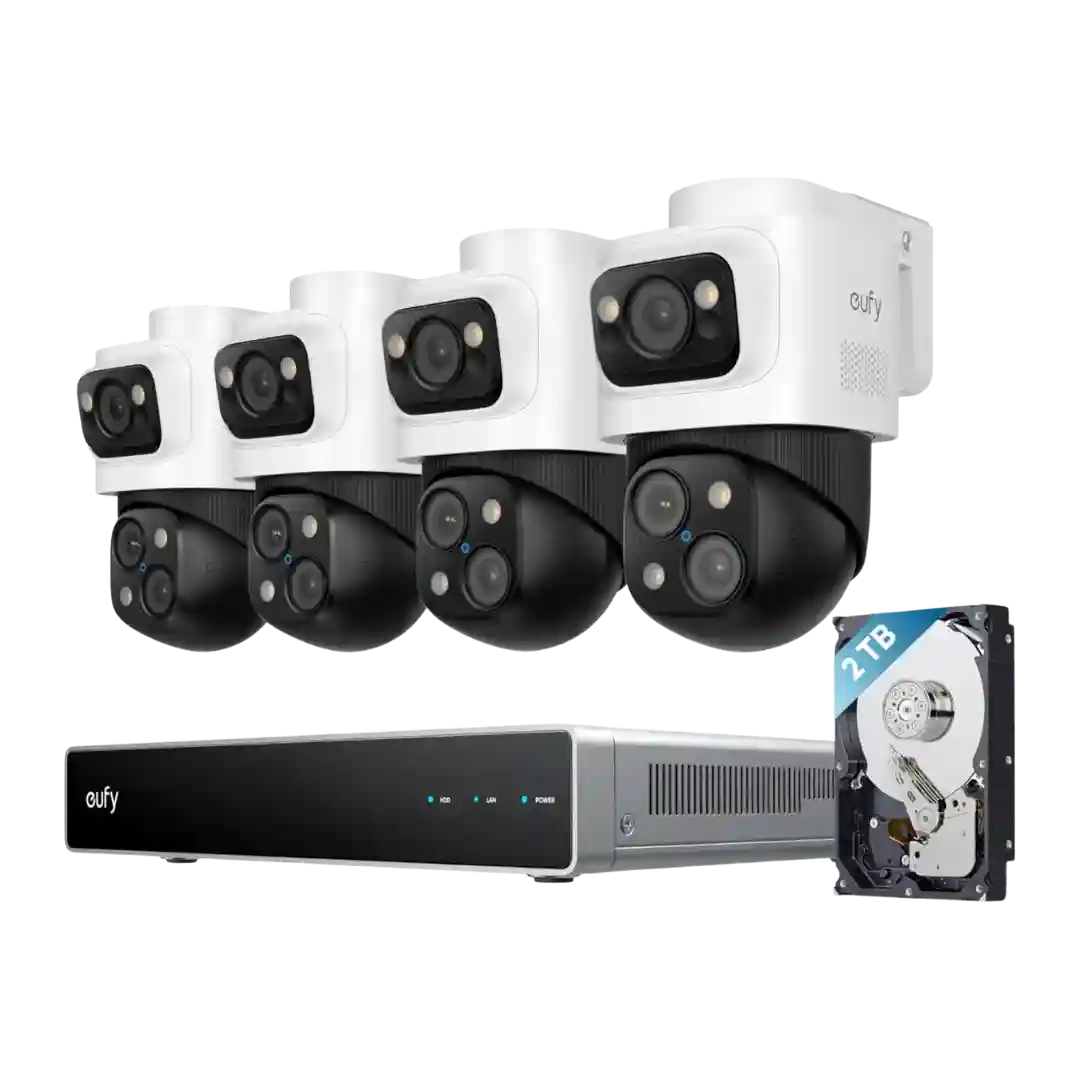
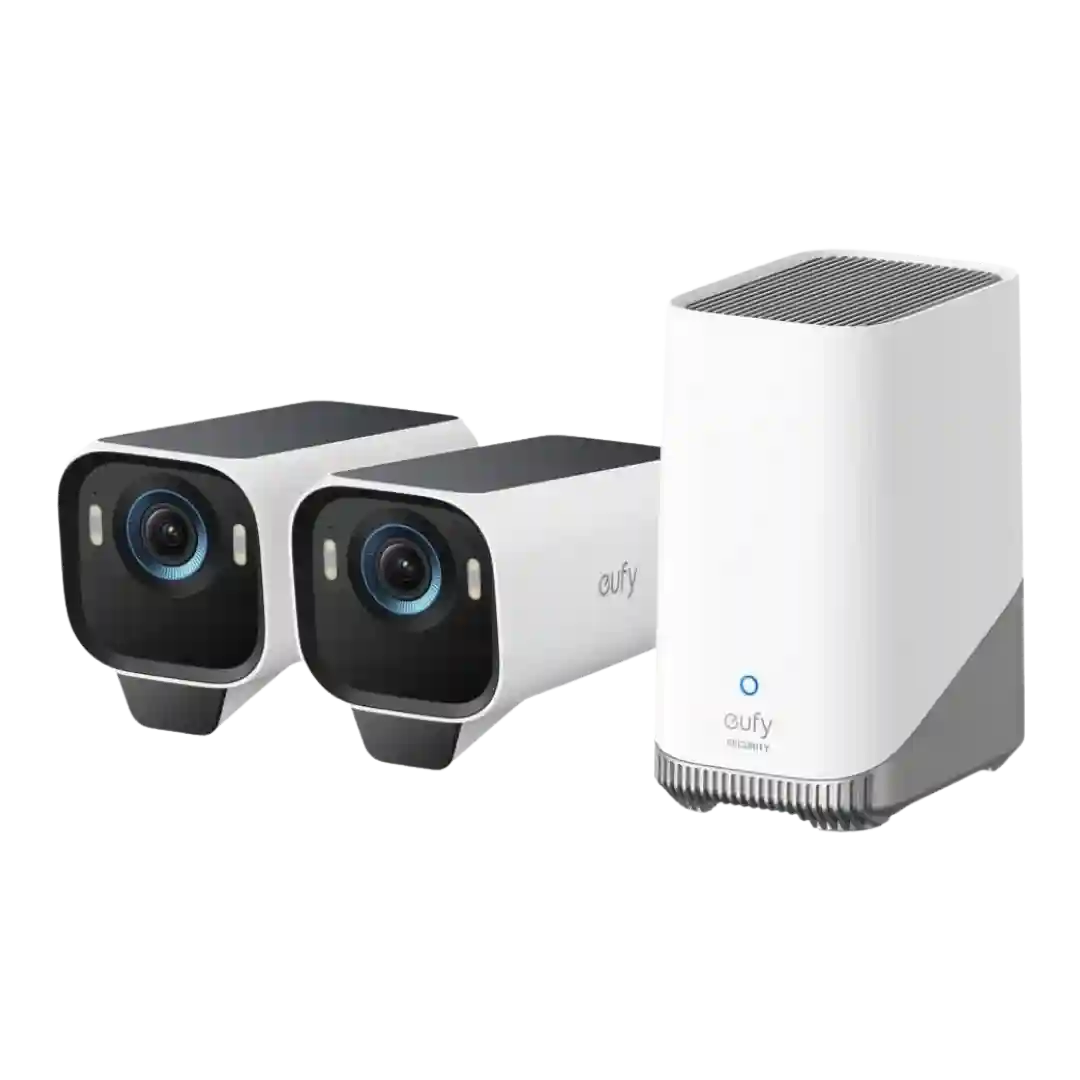
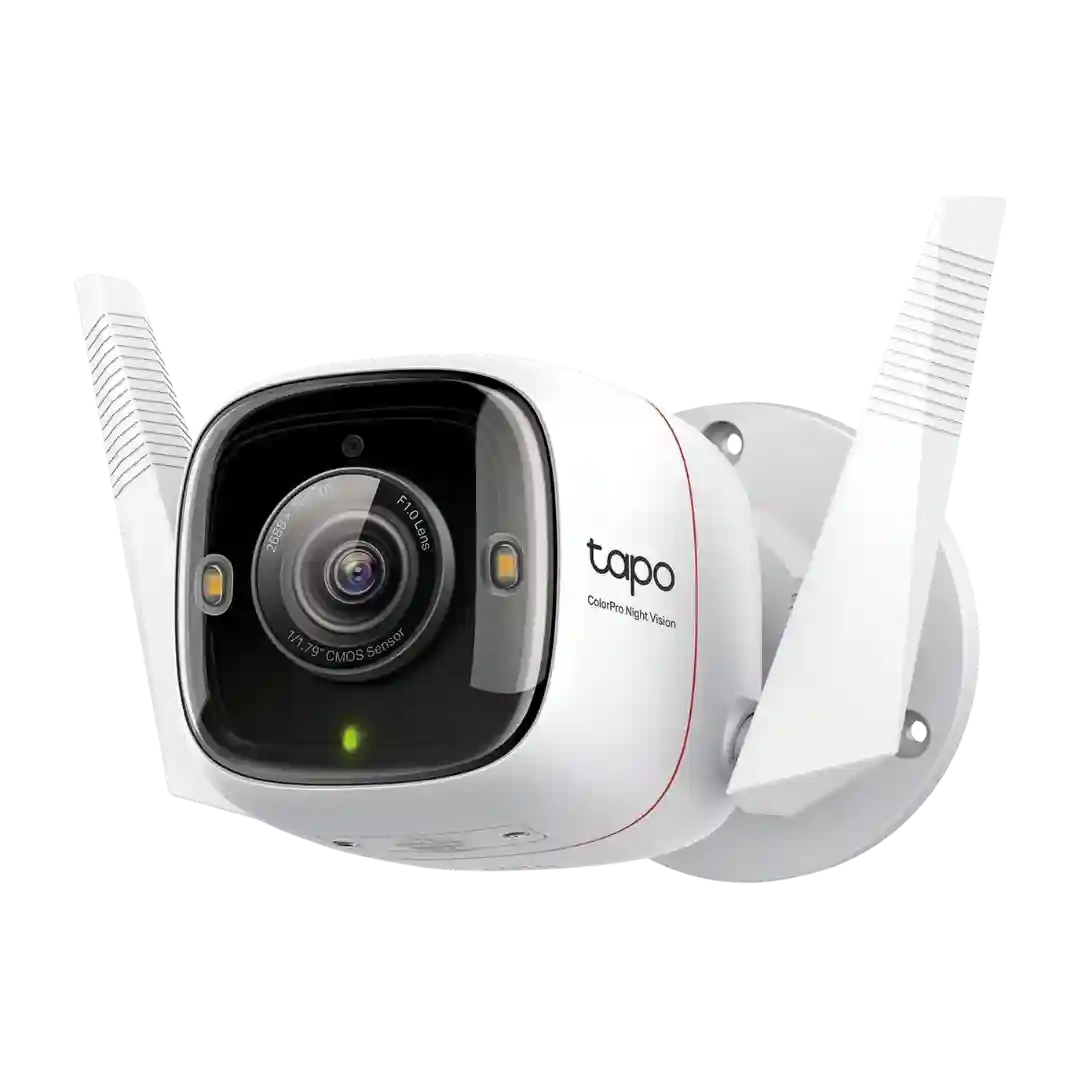
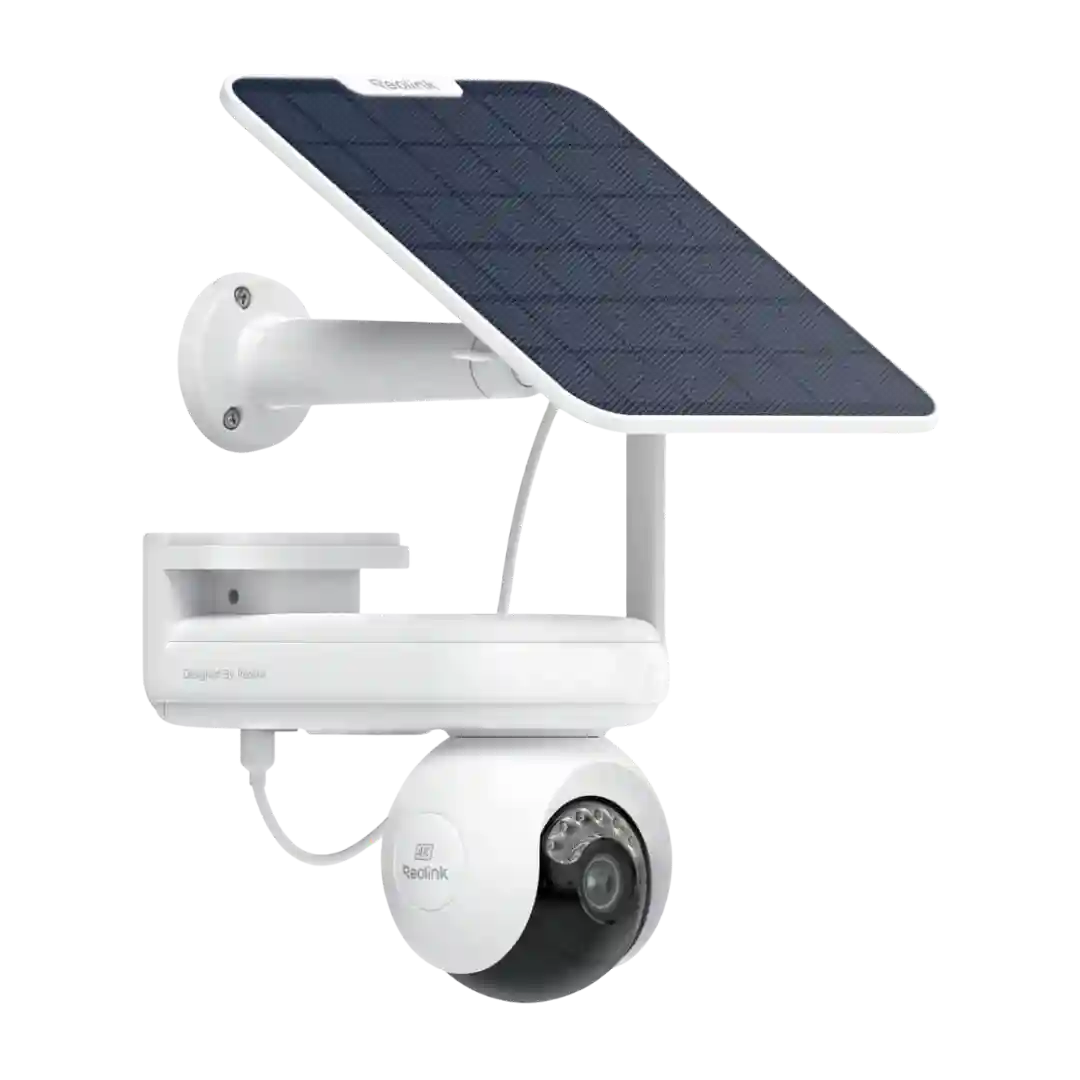
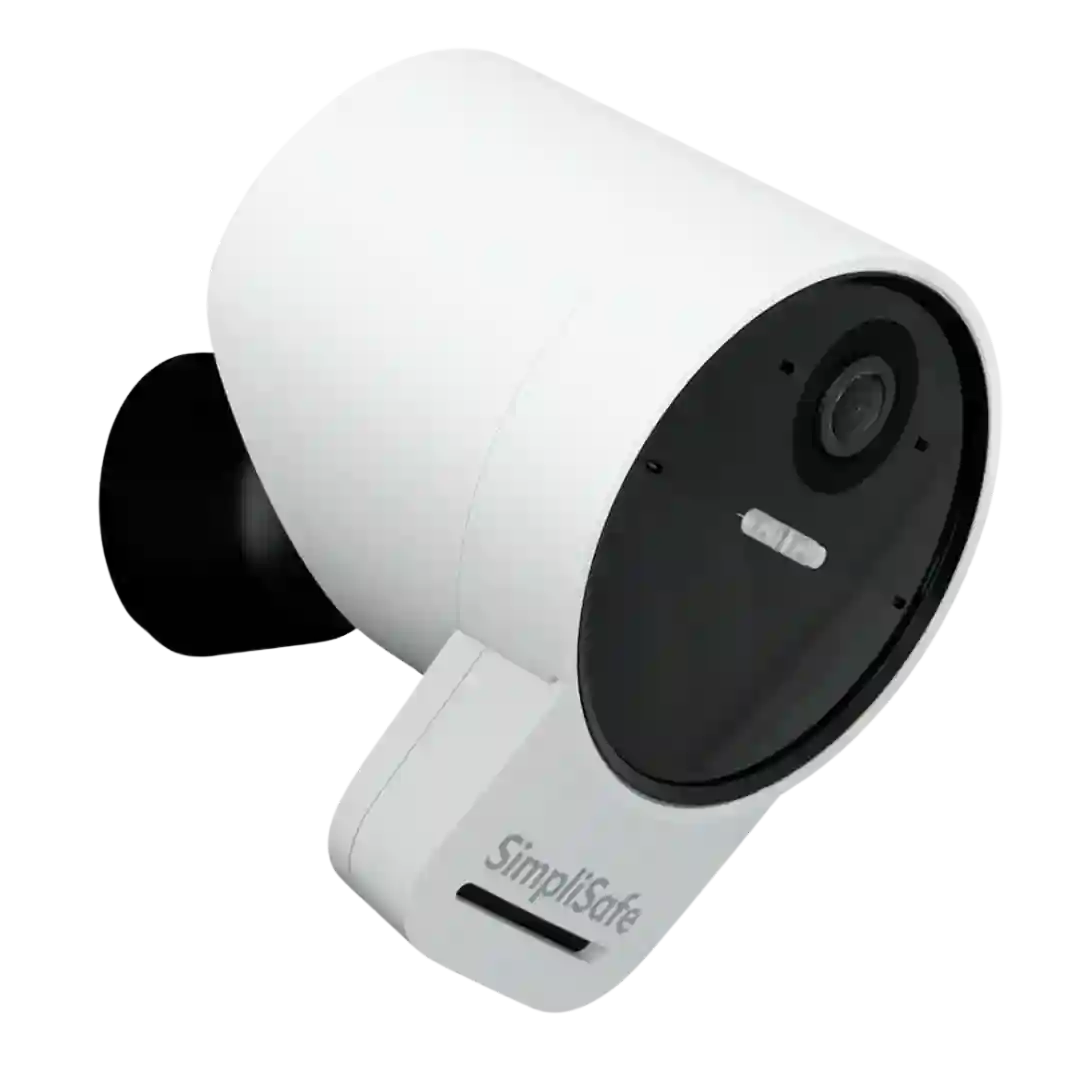
Start-time lag is low versus many battery or Wi-Fi systems. Multiple reviewers specifically highlight near-instant wake or capture and quick alert timing as a practical advantage of PoE plus local AI.
Trigger response is generally considered fast, and pre-recording helps capture what happens before motion is detected. A few reviews still note occasional missed context or slower behavior depending on settings and conditions.
Recording start-time is generally responsive once tuned, with reviewers noting better capture after adjusting detection and AI sensitivity; inconsistent setup can cause missed early moments in some scenarios.
Most reviews describe quick triggering, but a few call out occasional seconds-long delays (especially with local clips) that can miss the very start of an event.
Start-of-clip timing is usually strong for a battery camera, with at least one reviewer praising extra seconds that capture what happened. Another reviewer noted late triggers when motion approaches head-on, tied to limited detection distance.
Most reviews suggest the camera captures events reliably, but a few mention slower pickup of fast-moving subjects (like vehicles) or short wake-up delays on battery.
Most accounts suggest minimal delay from detection to alert, but some reviewers report occasional live-view lag (a couple seconds) or brief delays when switching between night modes.
A few reviews mention the camera can be slow to begin recording or that you may miss the very start of fast action, especially with the wide view and battery-triggered workflow. Tweaking sensitivity, zones, and placement can help, but it’s not as instant as a wired, always-on system.
One review notes occasional cases where clips start late or begin after the camera has already begun moving to track, which can reduce context for fast events.
Because the cameras are motion-activated, some reviewers warn they can miss the first moments of an event, creating a small start-time gap versus always-on wired cameras.
Competitor comparisons highlight that recording can feel late without pre-roll, which can create the impression of a start-time lag. Users who prioritize capturing the lead-up may find this limiting.