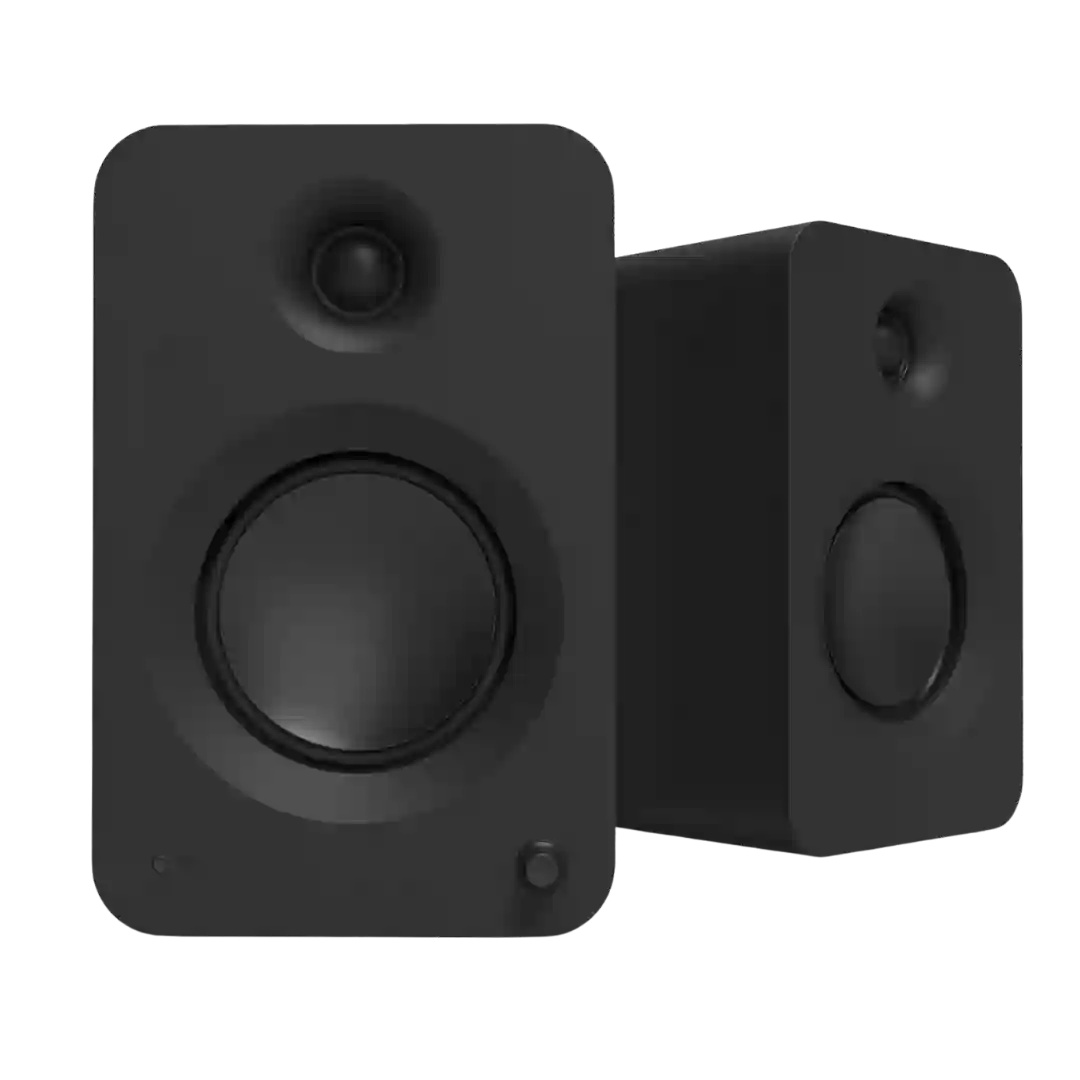
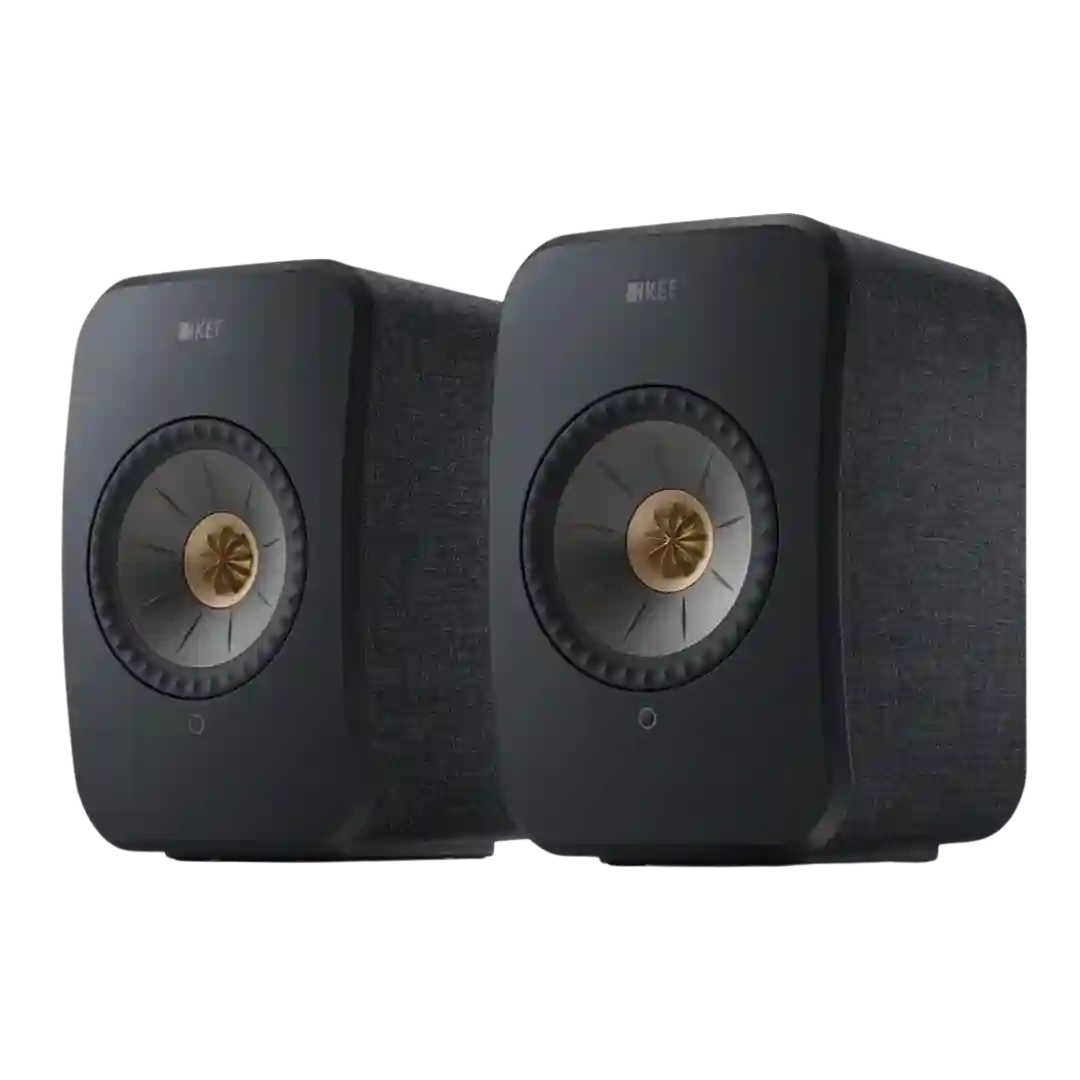
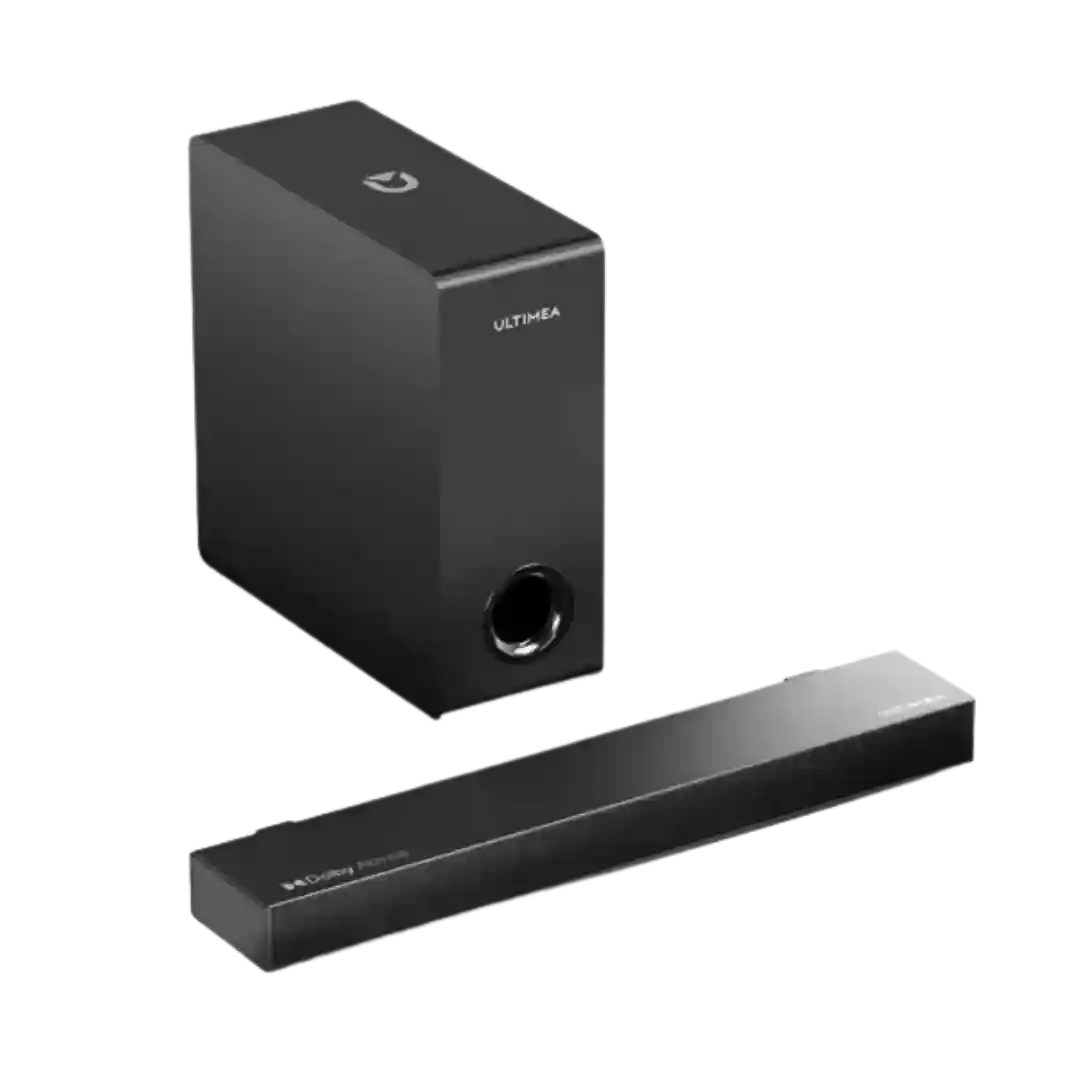
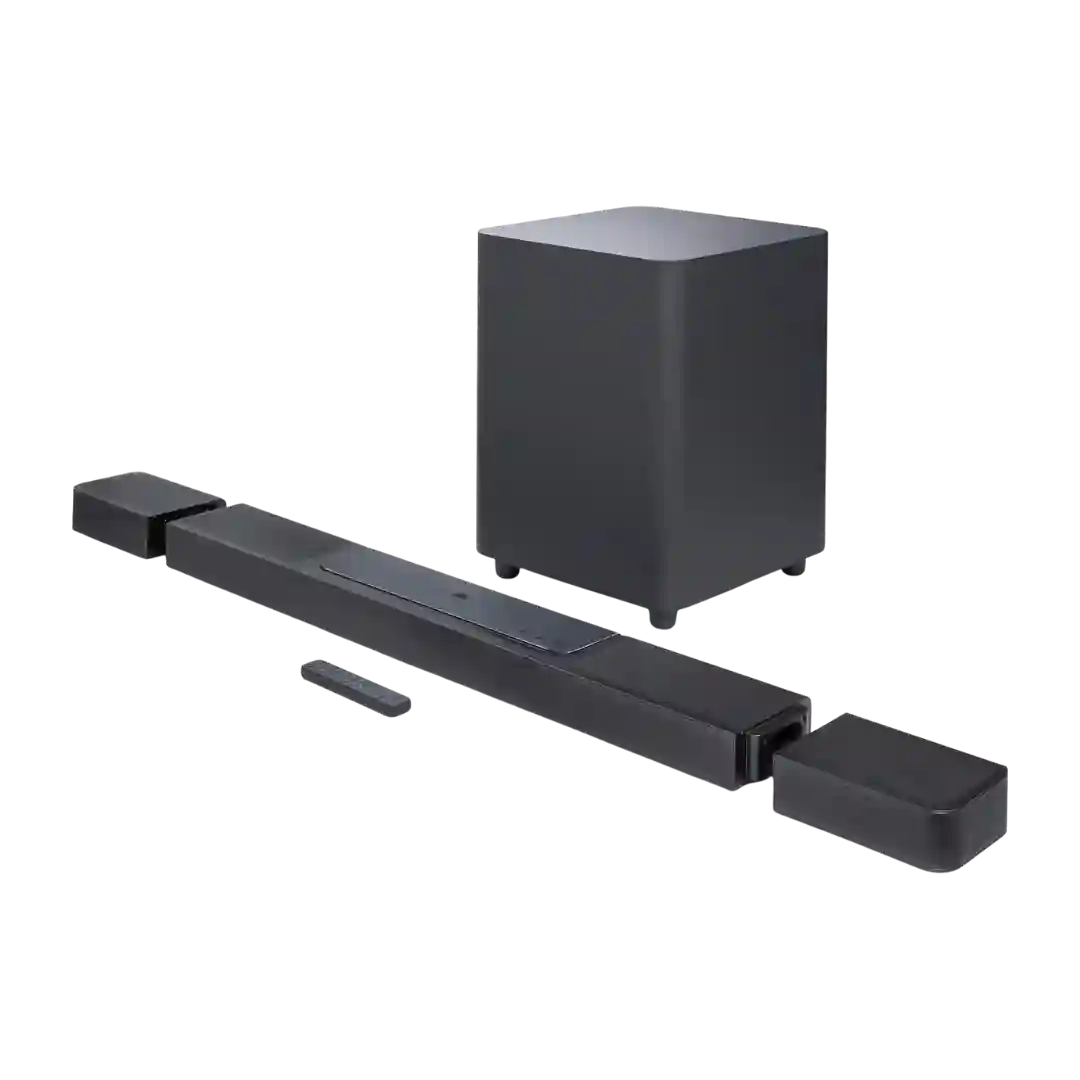
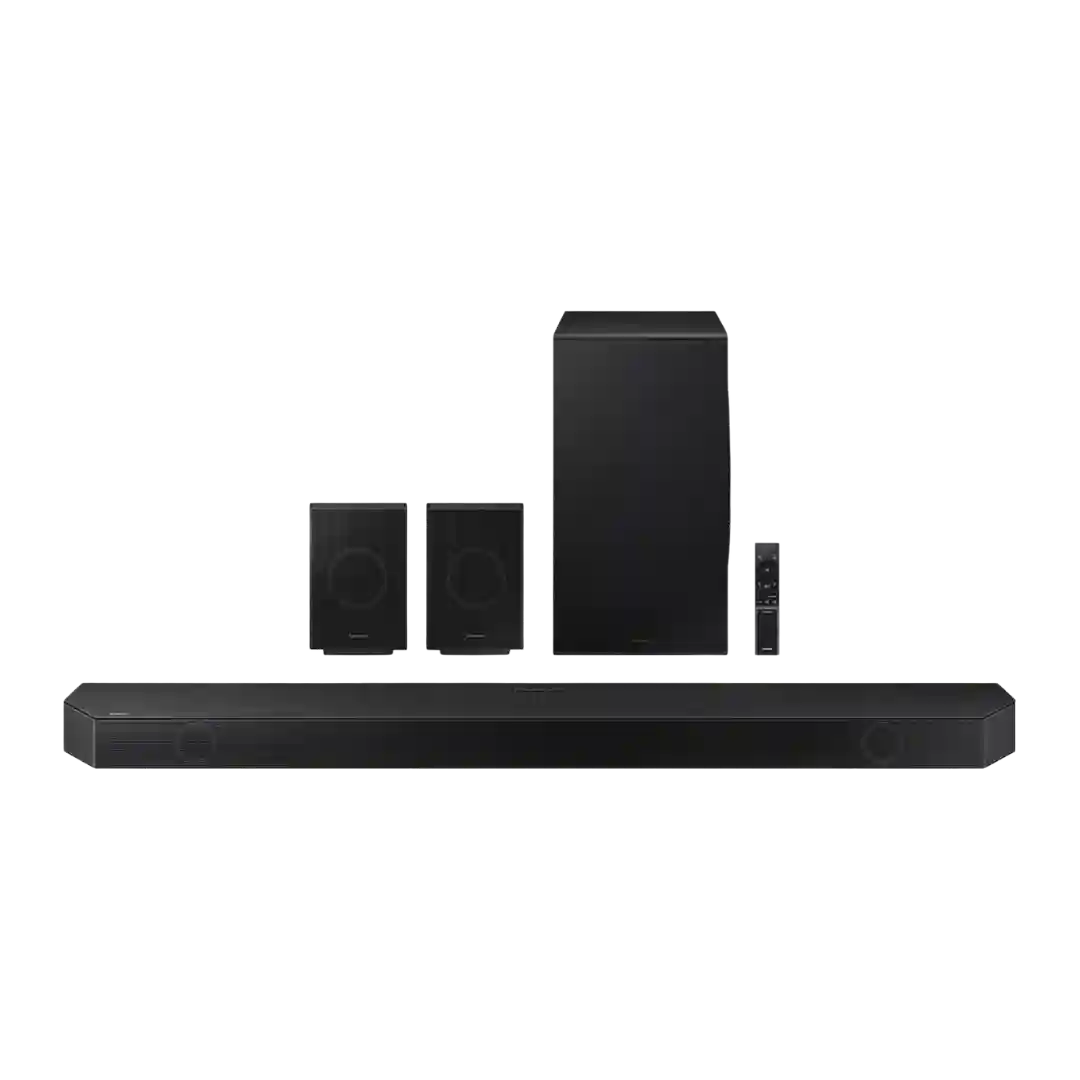
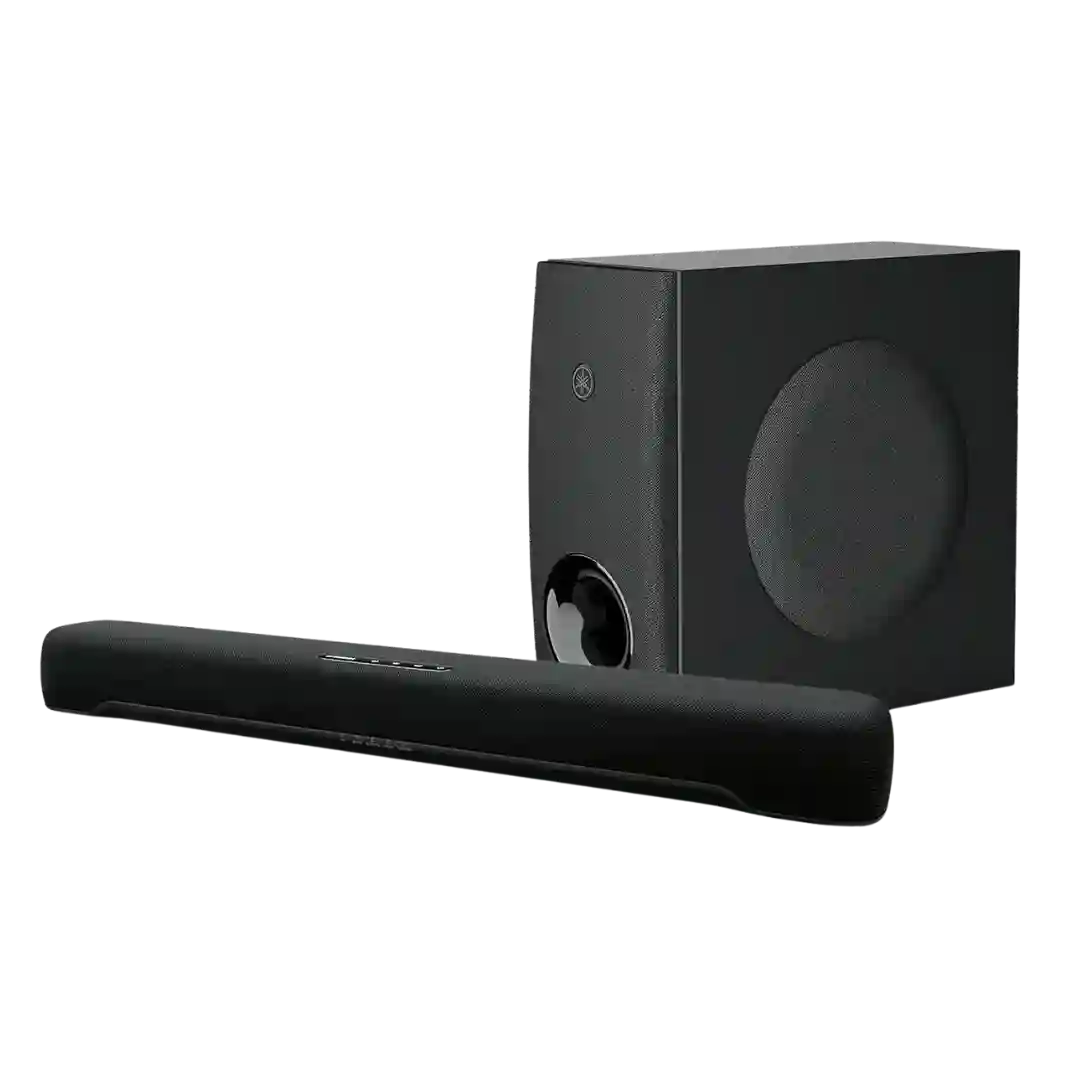
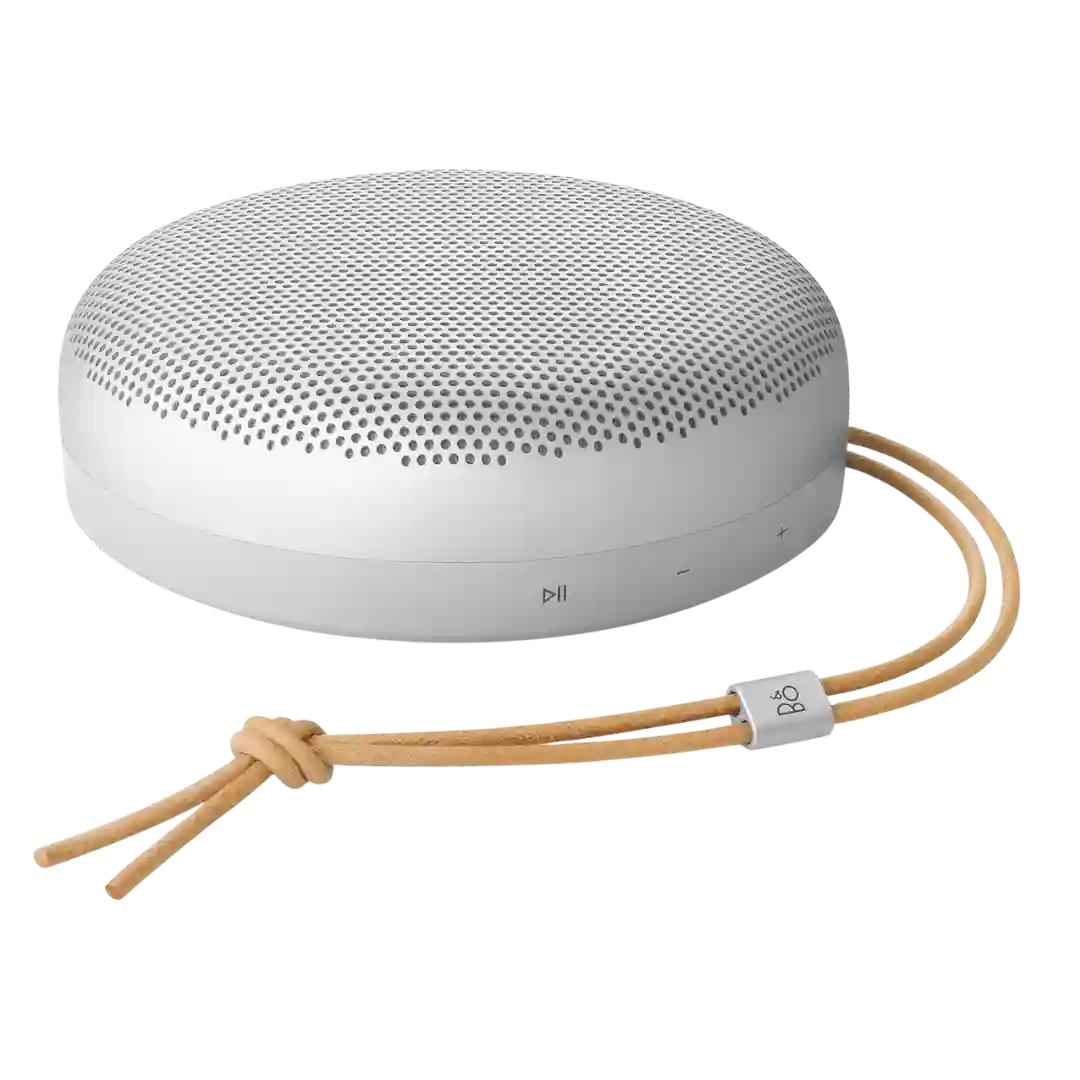
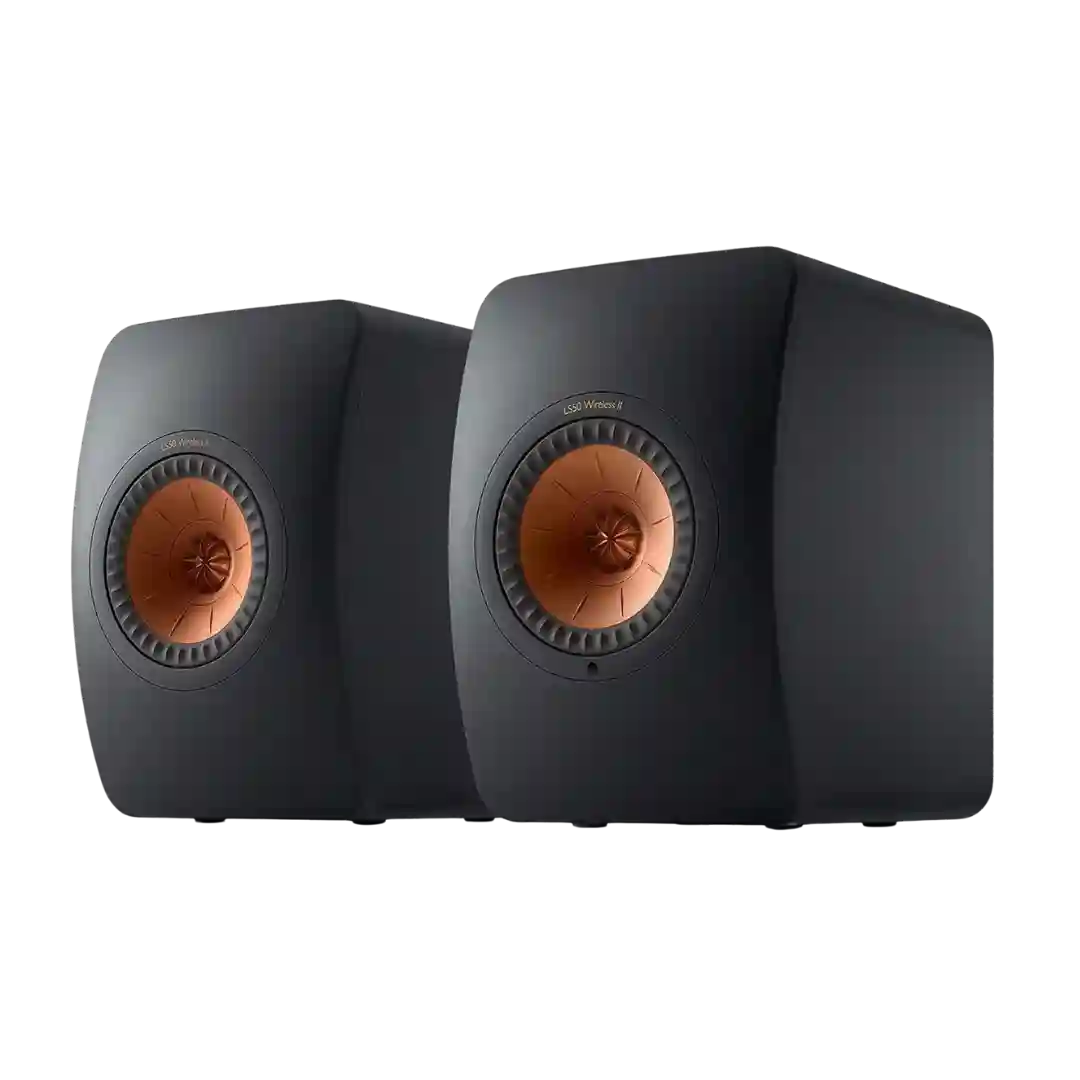
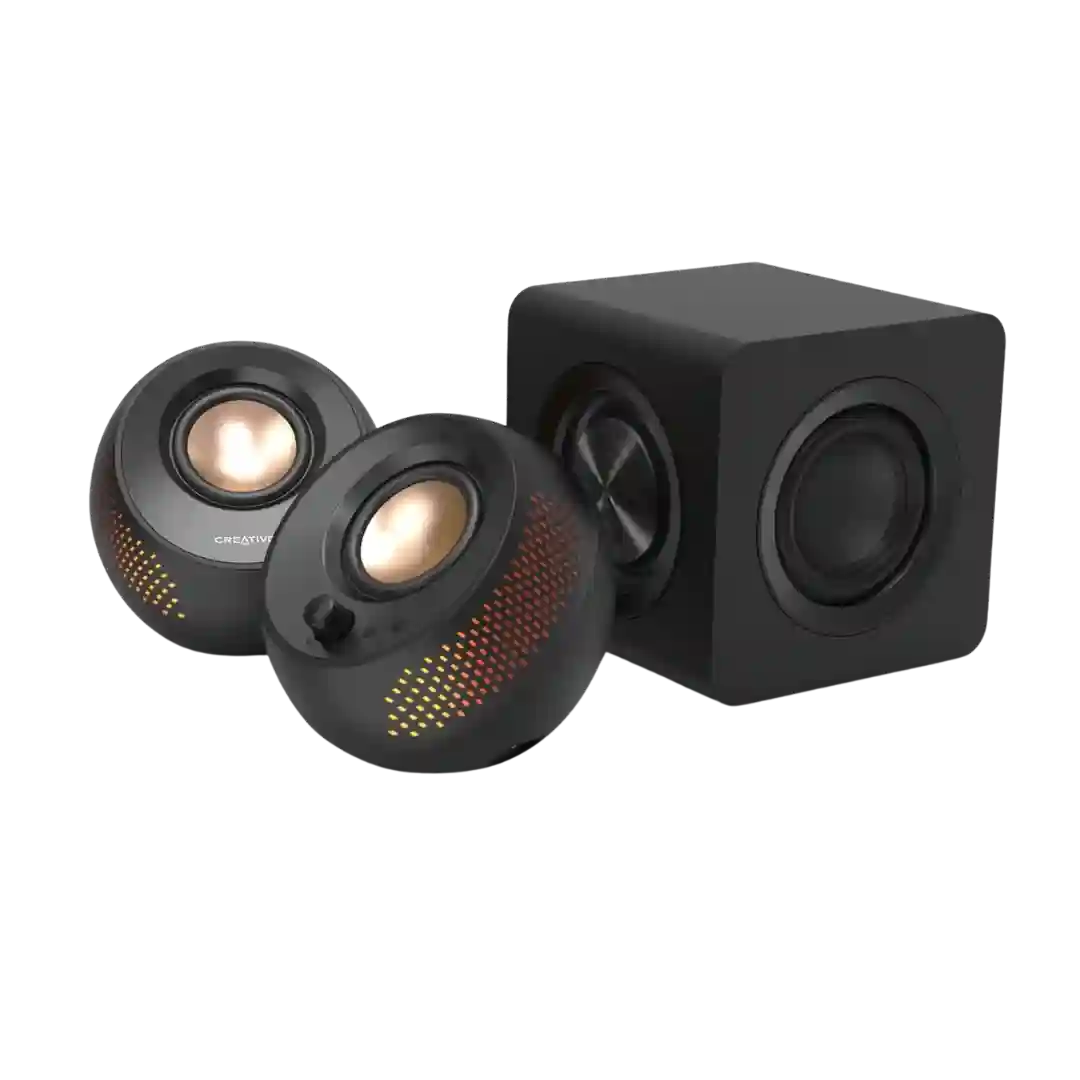
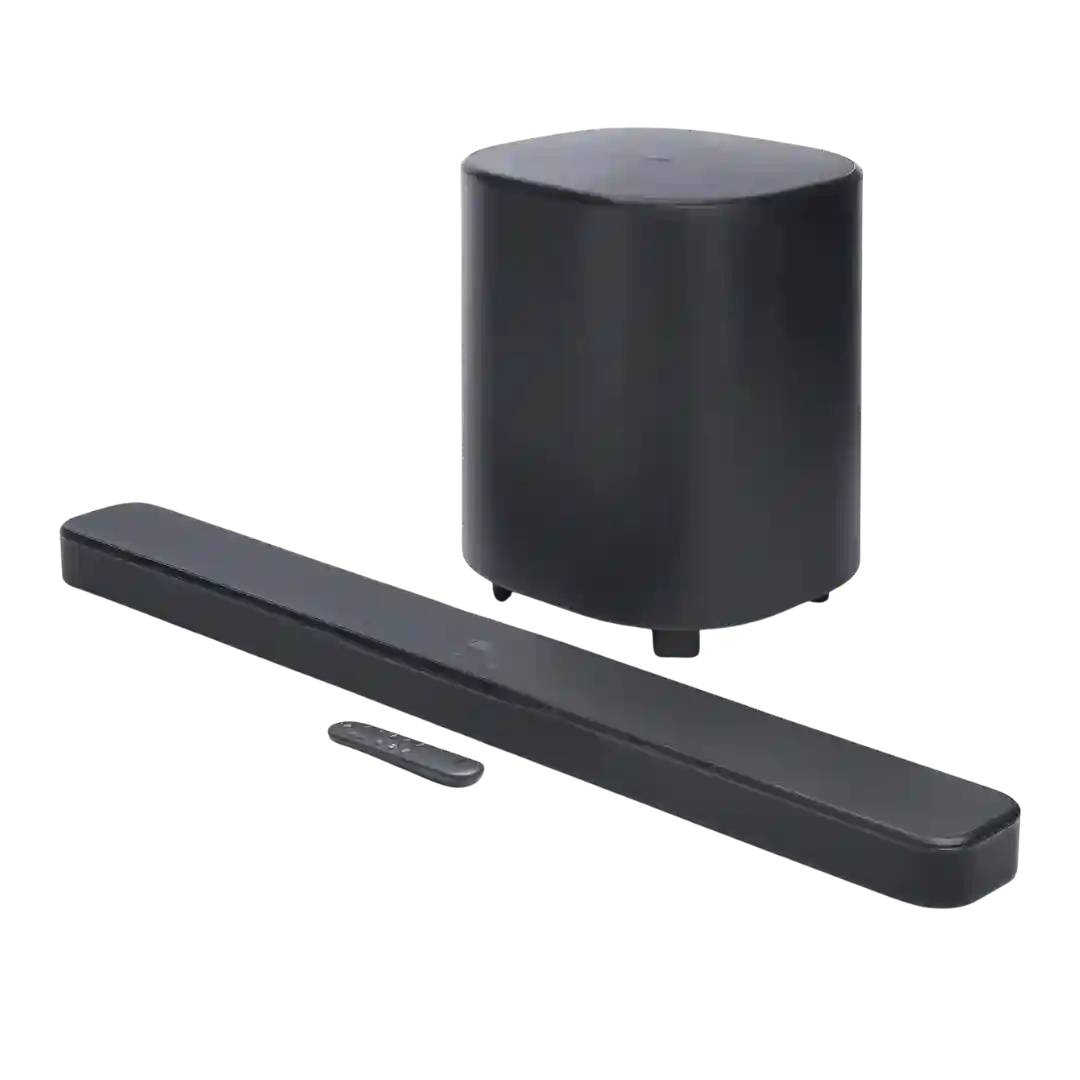
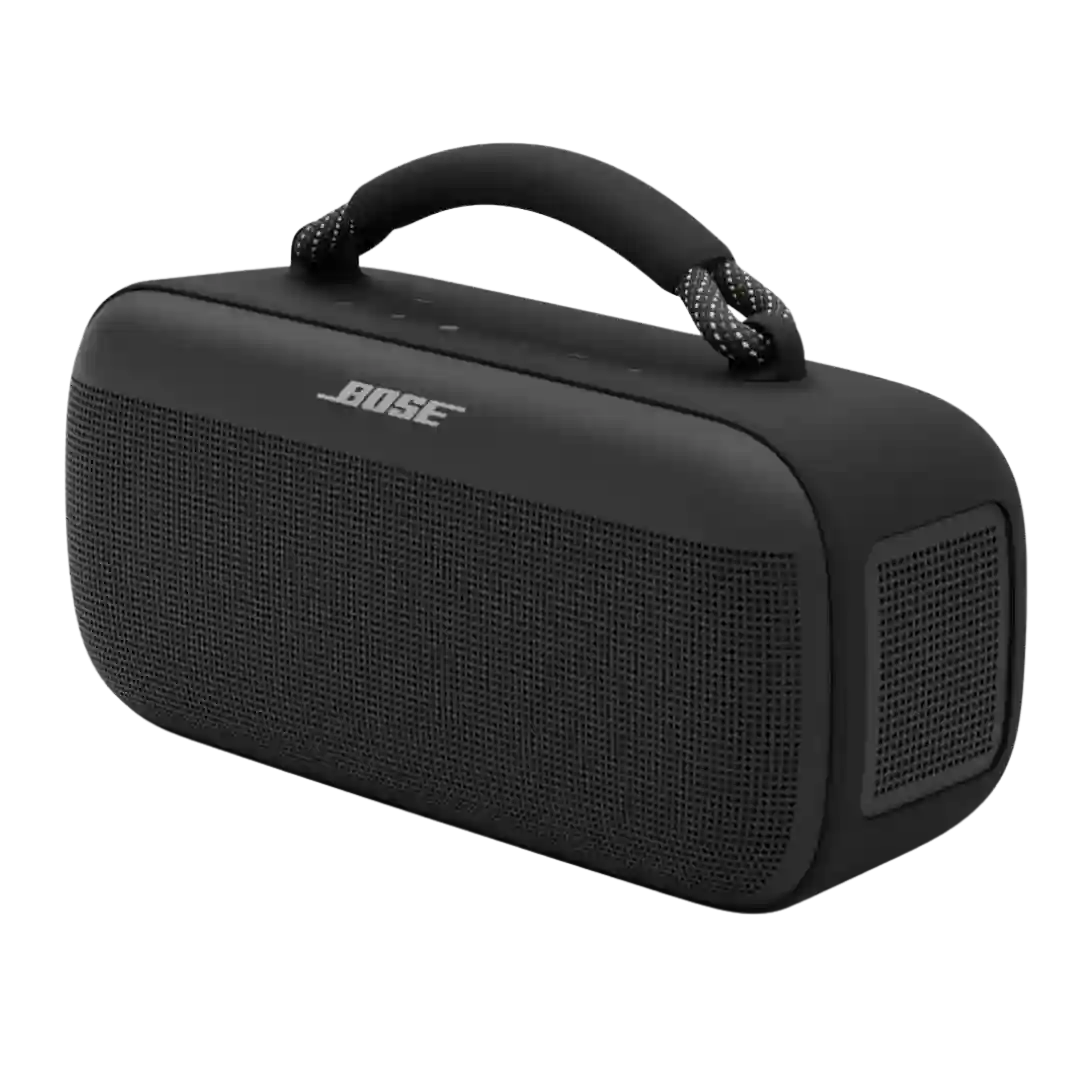
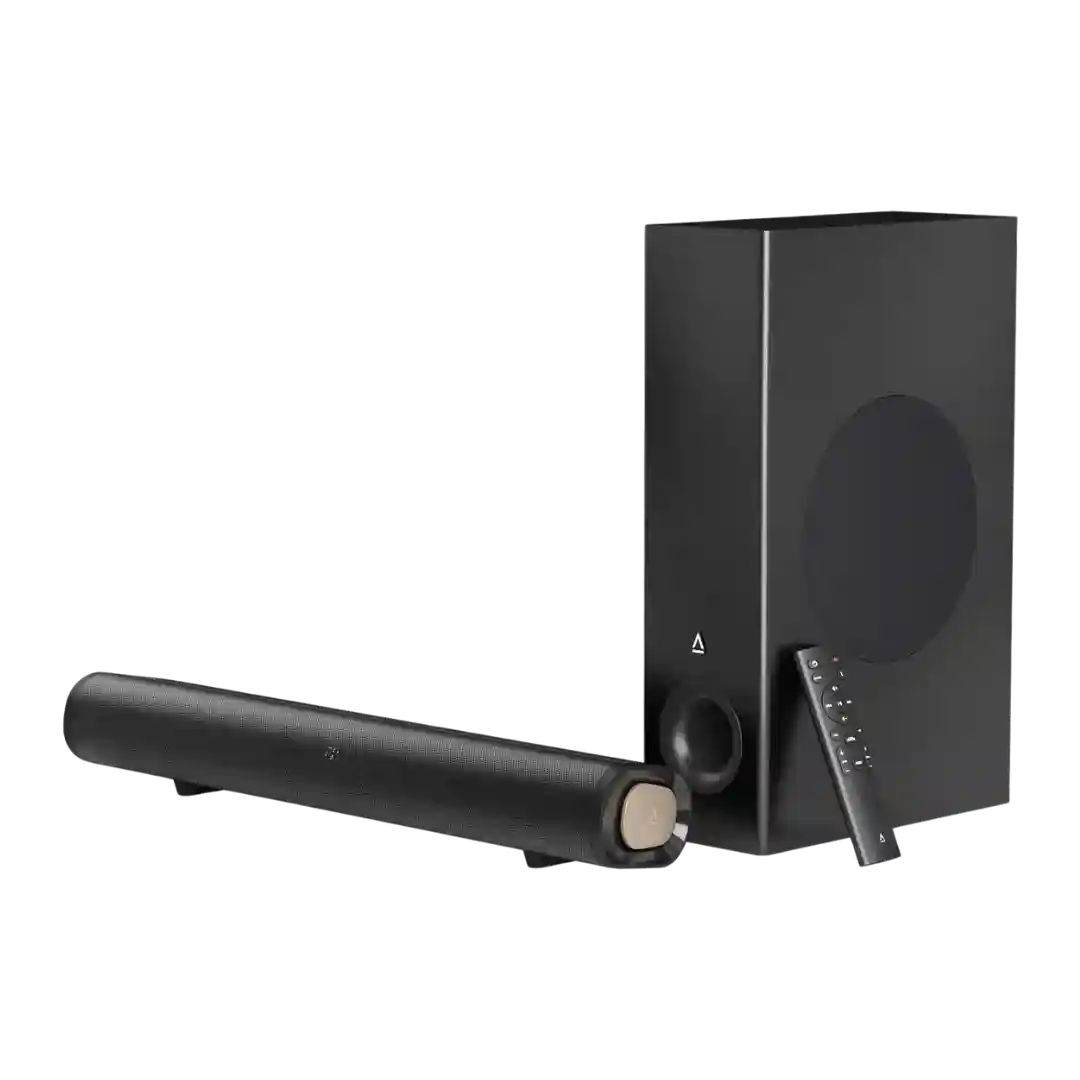
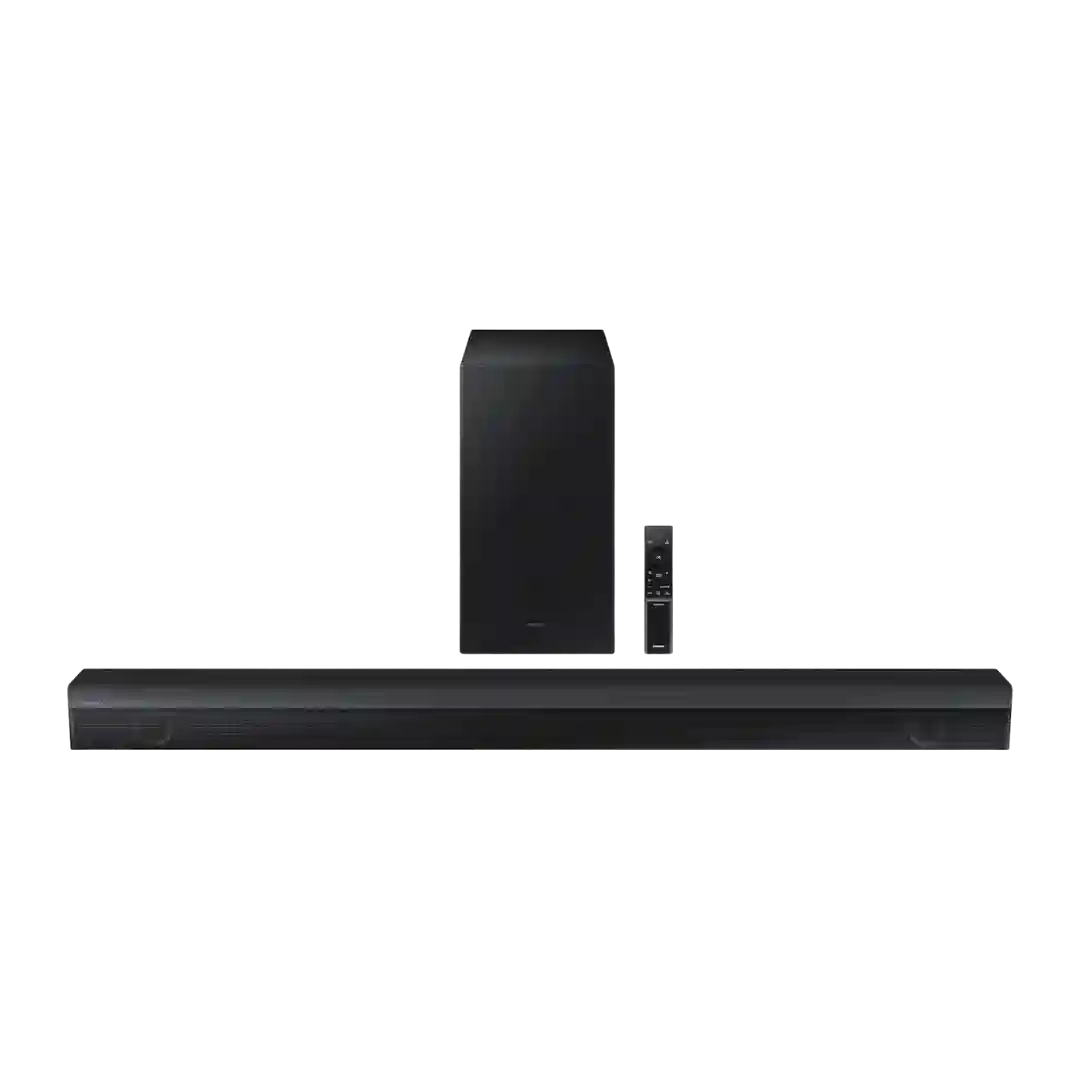
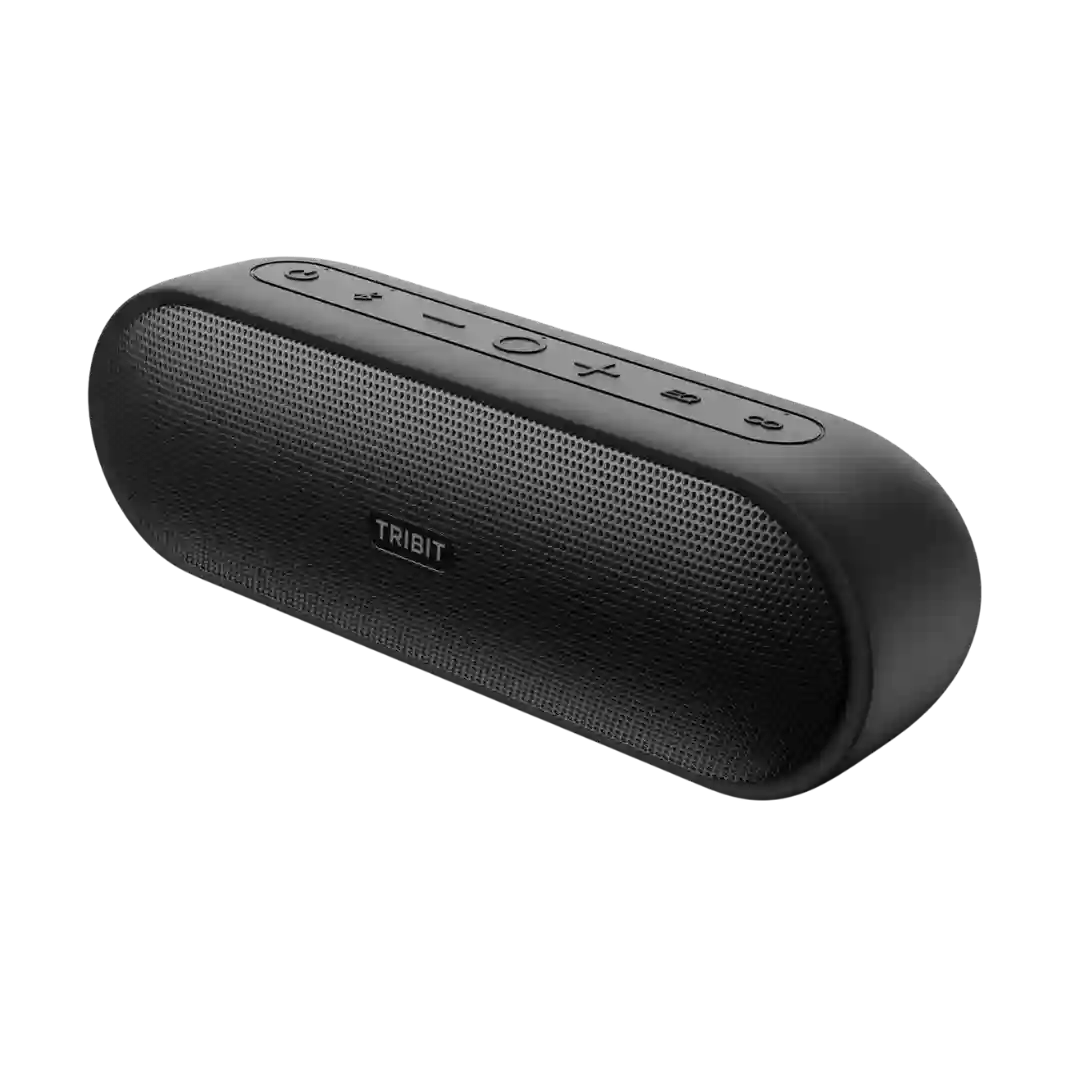
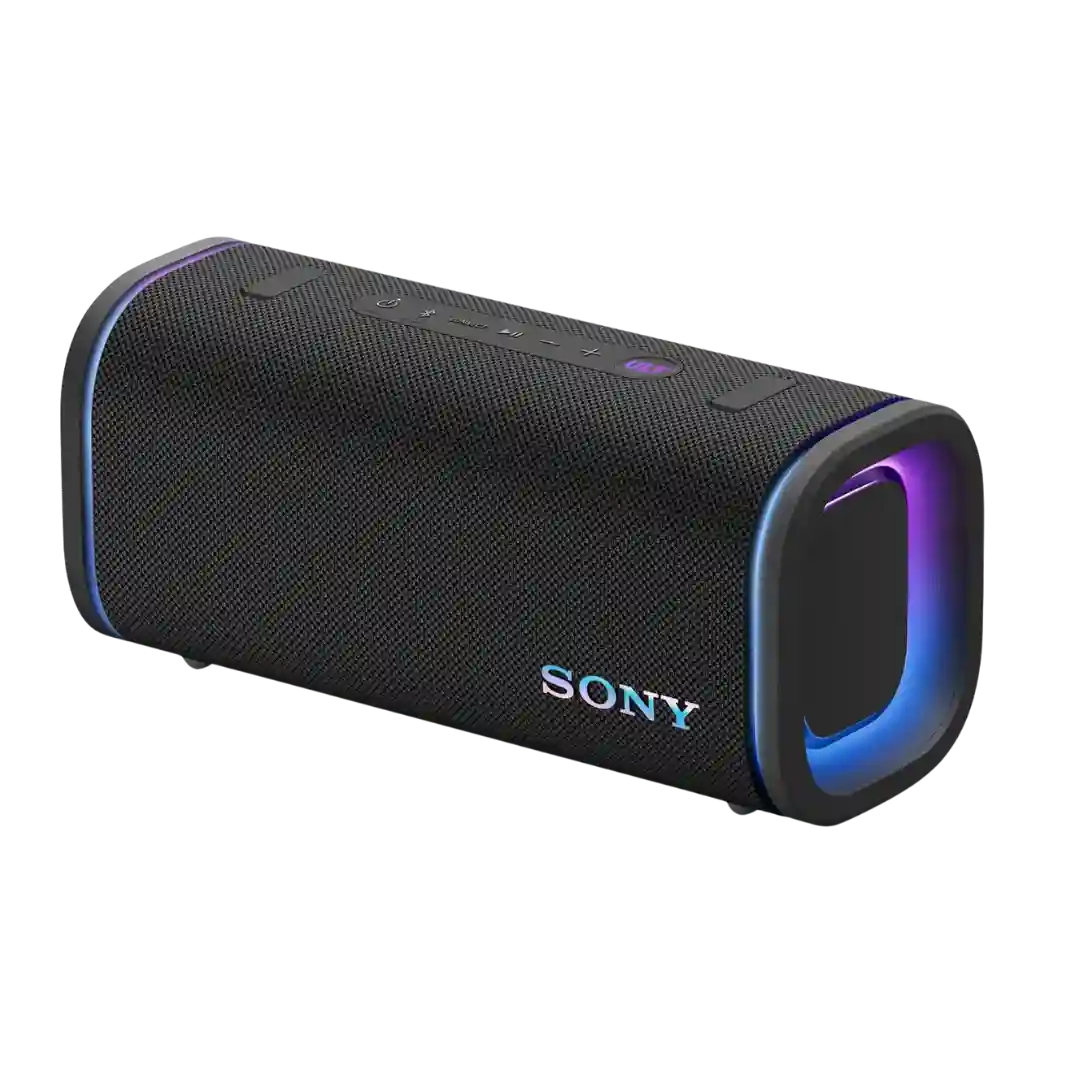
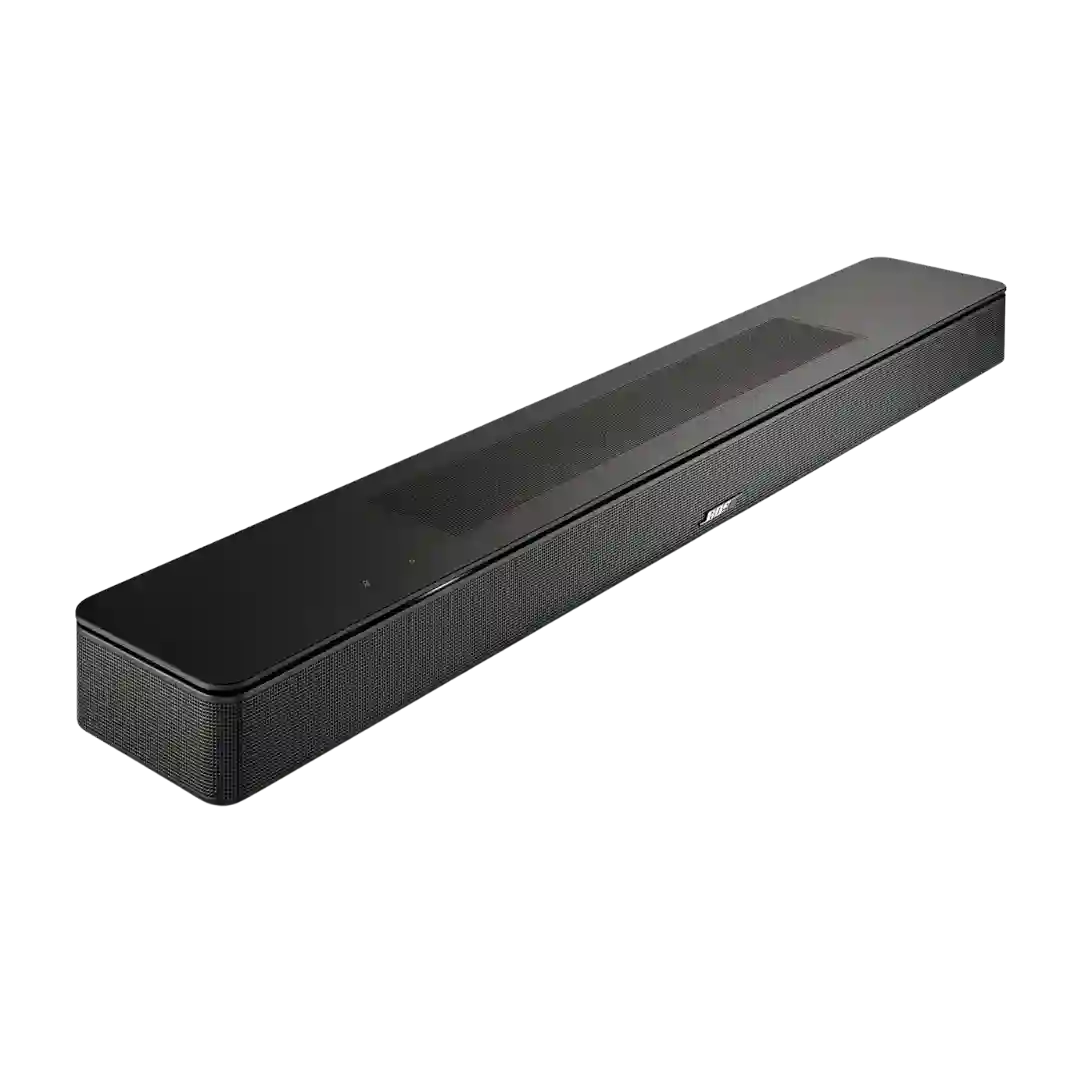
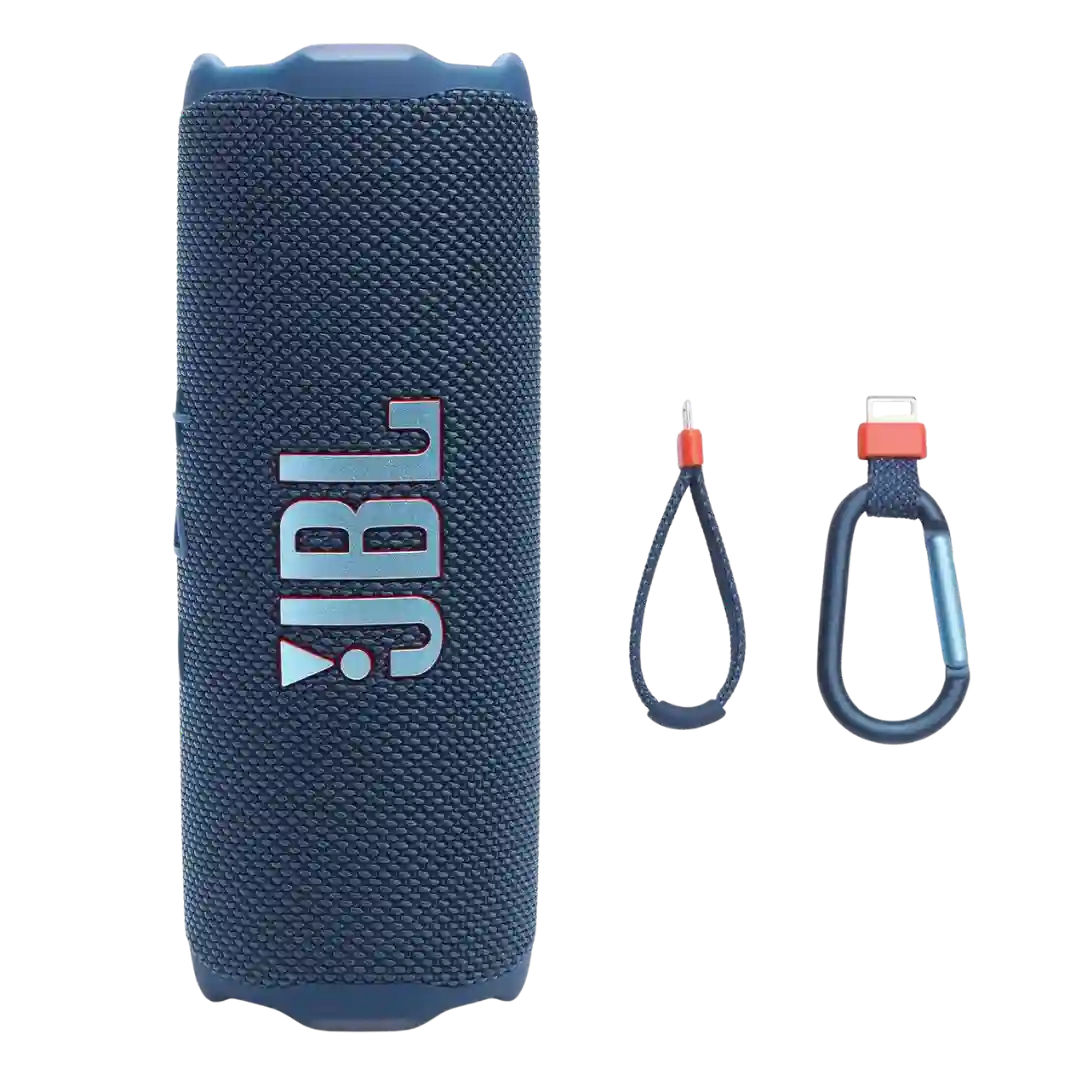
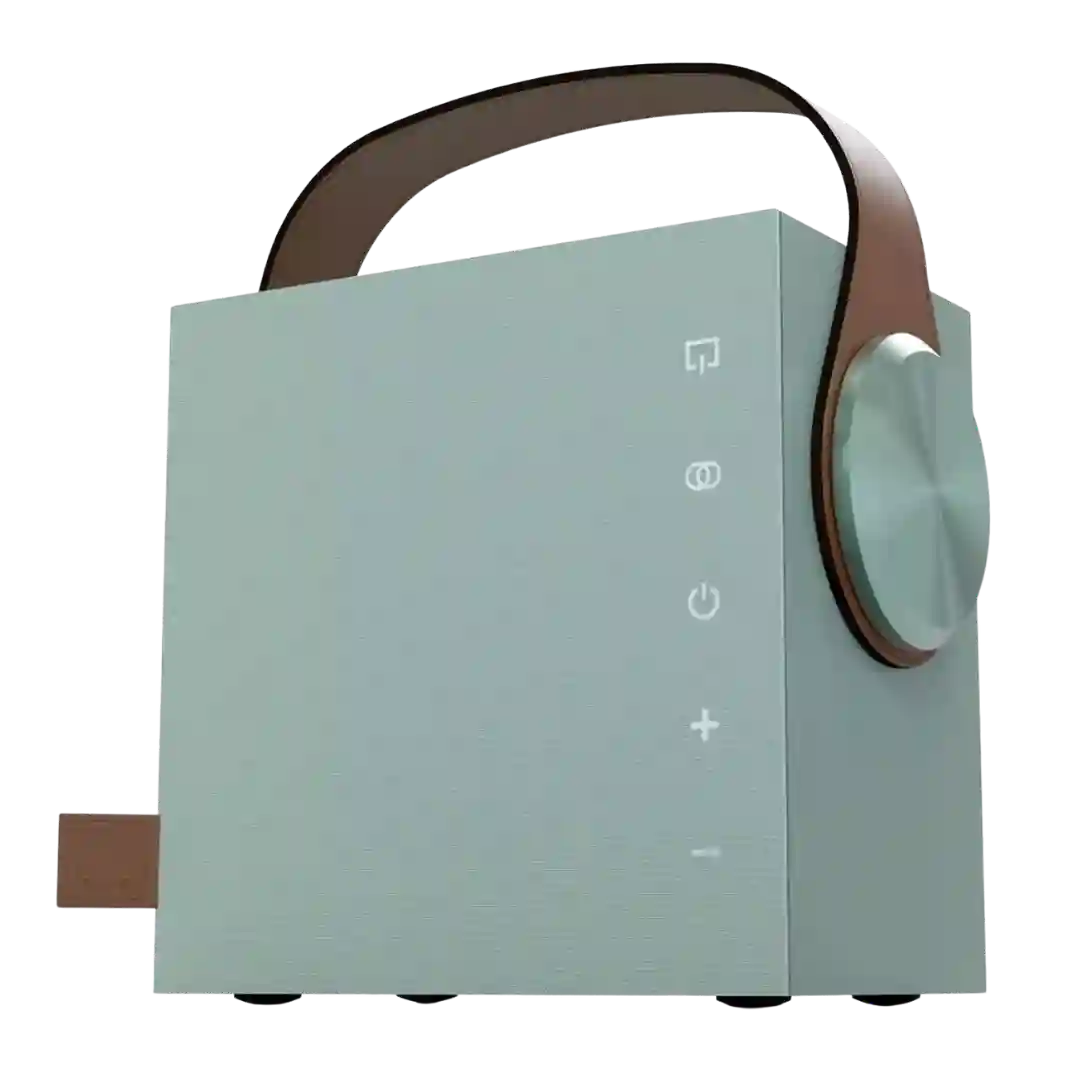
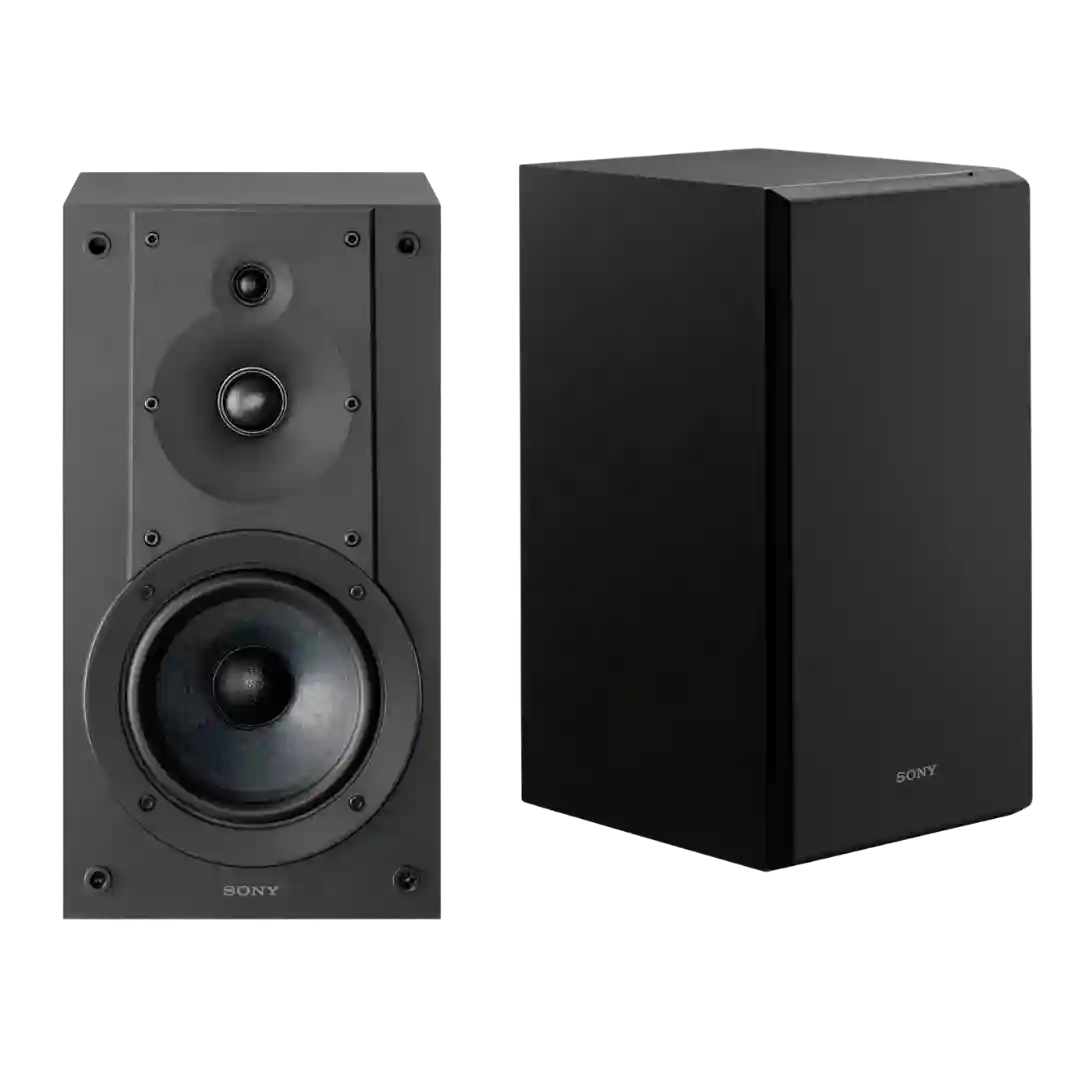
Connectivity is a major selling point, with HDMI ARC, optical, USB-C, RCA, 3.5mm, and sub out appearing in nearly every review. The only recurring omissions mentioned are a built-in phono stage and Wi-Fi streaming.
Wired connectivity is a major strength. HDMI ARC, USB-C, optical, Ethernet, and aux on the standard LSX II give it more flexibility than many compact wireless rivals.
Wired connectivity is generous for such a cheap soundbar. Reviewers repeatedly highlighted HDMI eARC or ARC, optical, AUX, USB, and the subwoofer connection as practical strengths.
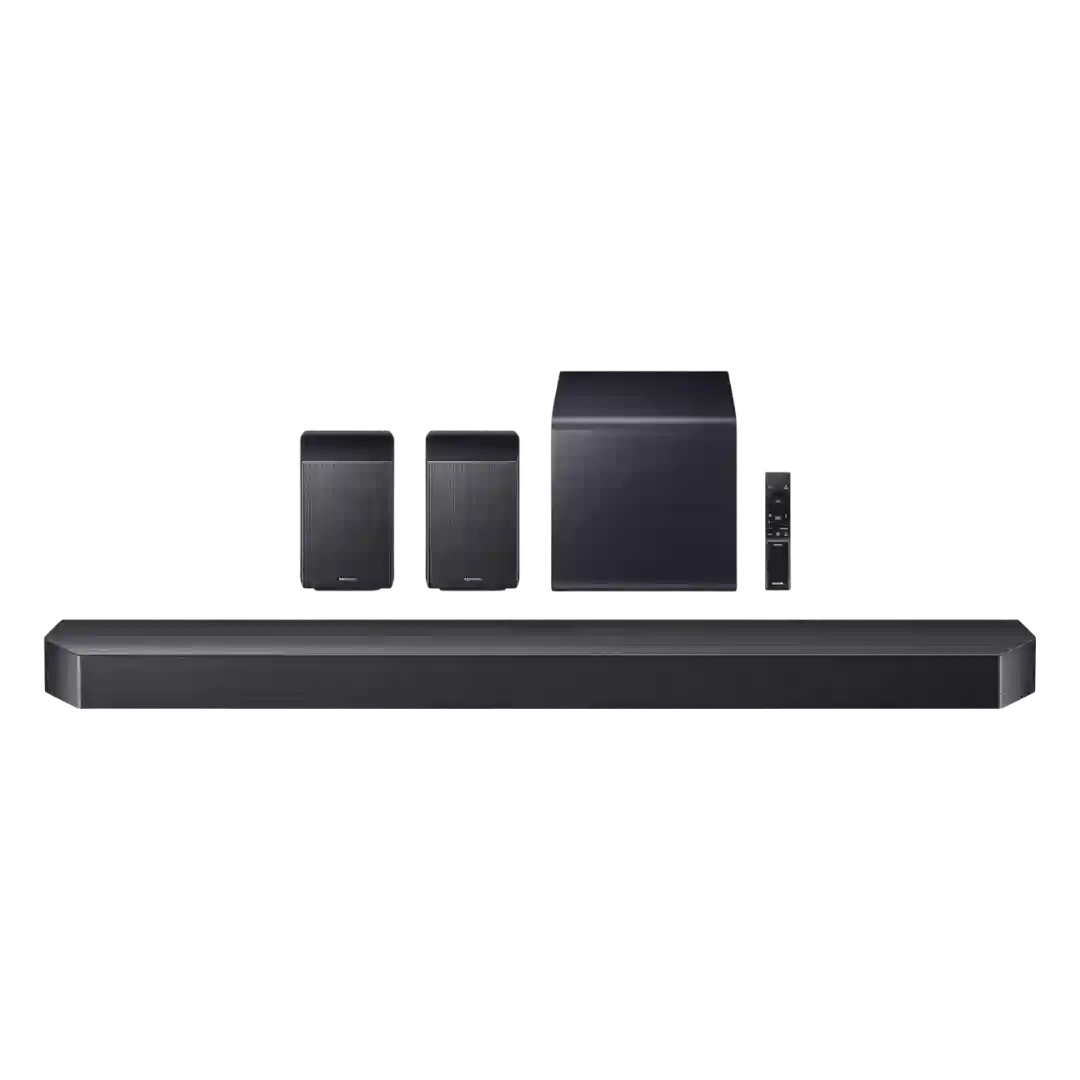
Multiple reviews highlight the generous wired input set, especially the extra HDMI ports. eARC is repeatedly presented as the best-sounding wired path for full Atmos playback, with optical treated as more limited.
Wired connectivity is strong for a modern soundbar system, with HDMI eARC plus additional HDMI inputs and optical; the main complaint is the lack of analog inputs for legacy sources.
Wired input availability is a standout: reviews repeatedly cite HDMI ARC plus two optical inputs and a 3.5mm analog input, with USB reserved for servicing/updates.
USB-C works for both charging and wired audio, giving the A1 more flexibility than many Bluetooth-only rivals. USB-C wired playback is more than a checkbox feature. Reviews that tried it reported extra clarity, punch and definition compared with Bluetooth.
Reviewers repeatedly call out the comprehensive rear-panel connectivity: HDMI eARC for TV, optical and coax digital, analog aux, Ethernet, and sub outputs; a recurring downside is that the Wireless II drops the older USB-B computer input. The analog aux input is valued for turntables and legacy sources, but multiple reviews note that analog is still processed through the internal DSP chain, which some purists may not love even when the results sound clean.
Connectivity is a standout strength, with repeated praise for USB-C audio, AUX, Bluetooth, headphone out, and mic-in making the system easy to slot into varied desktop setups.
Connectivity is described as flexible, including HDMI eARC plus at least one HDMI input and optical, with some sources also noting USB playback. Ethernet presence varies by the specific unit/model discussed in different reviews.
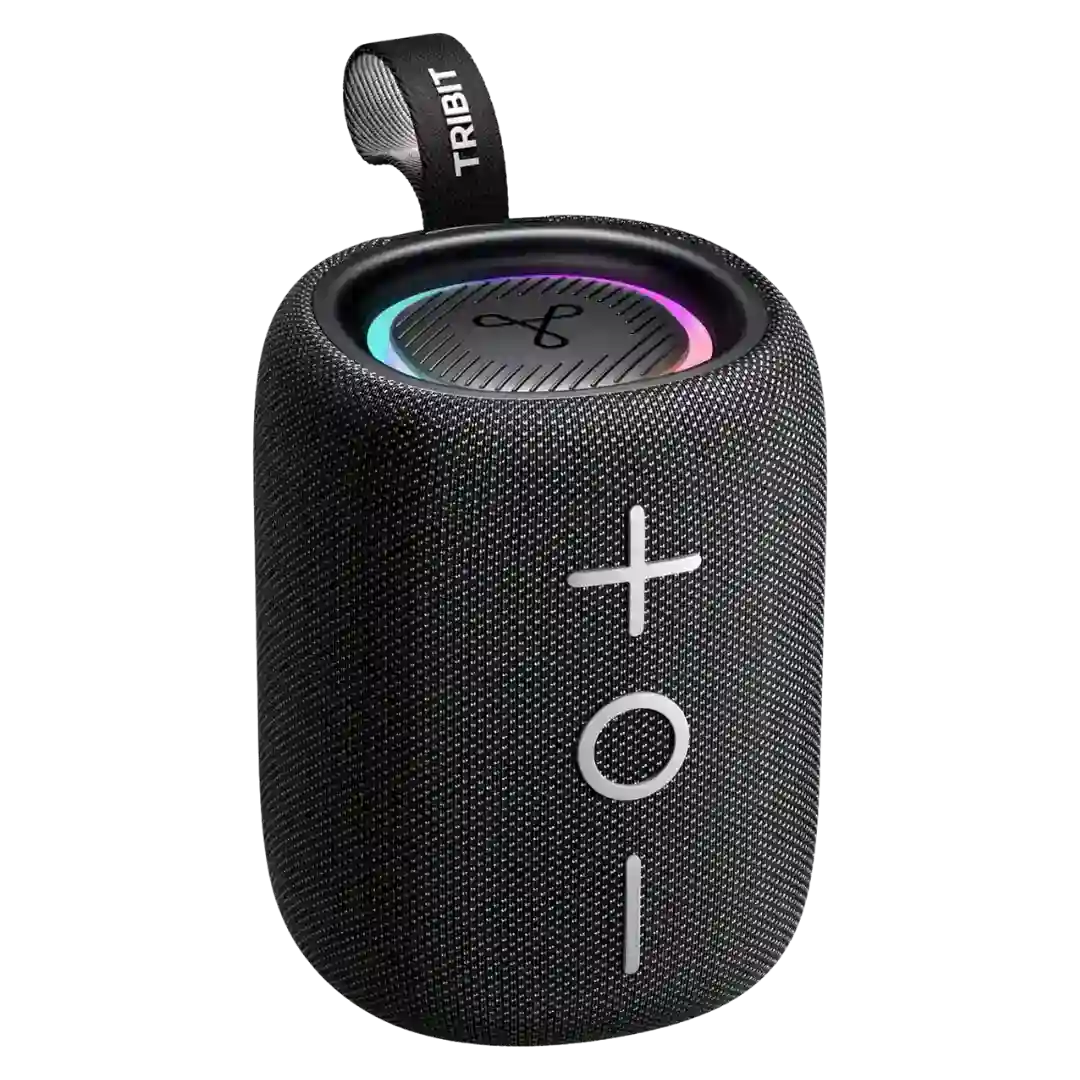
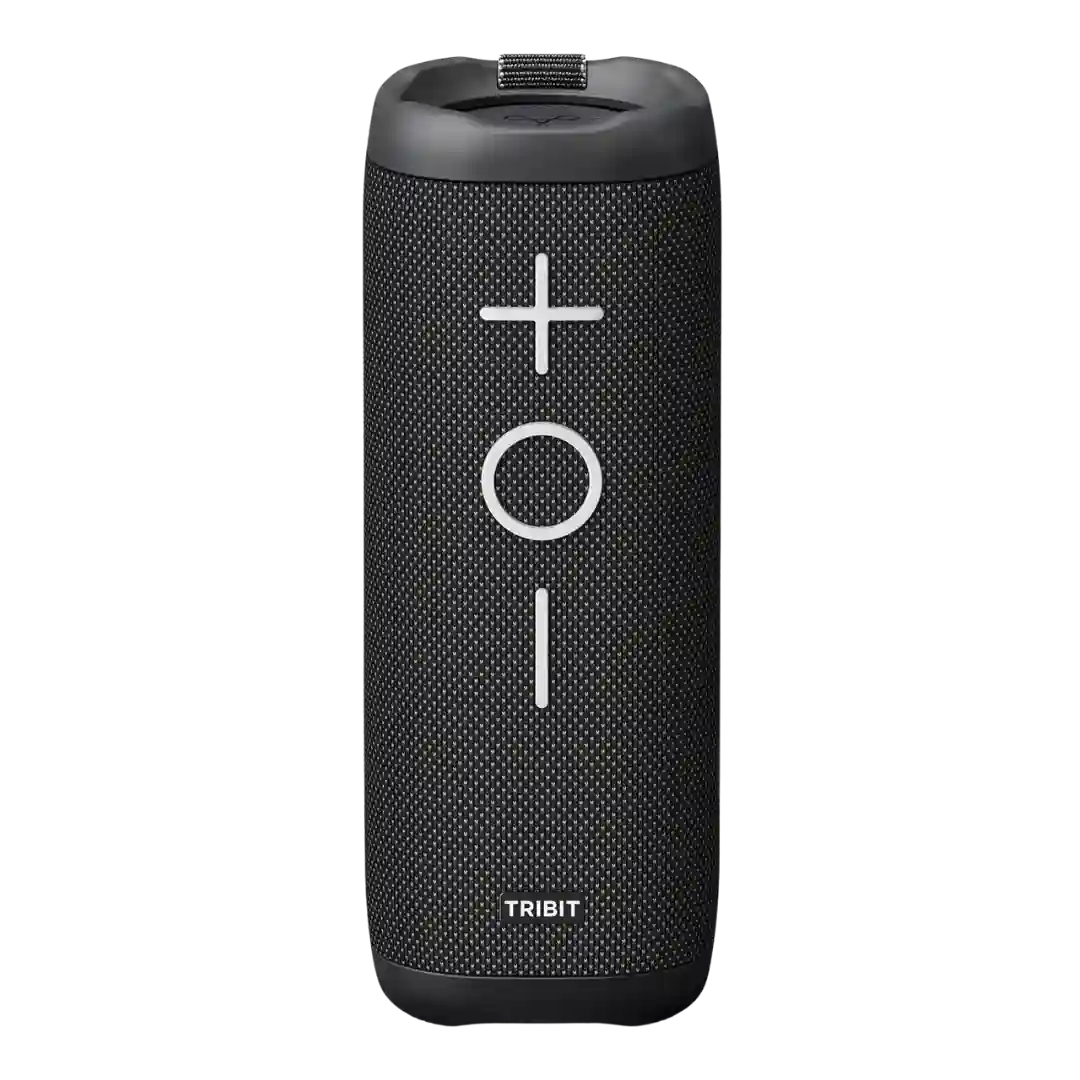
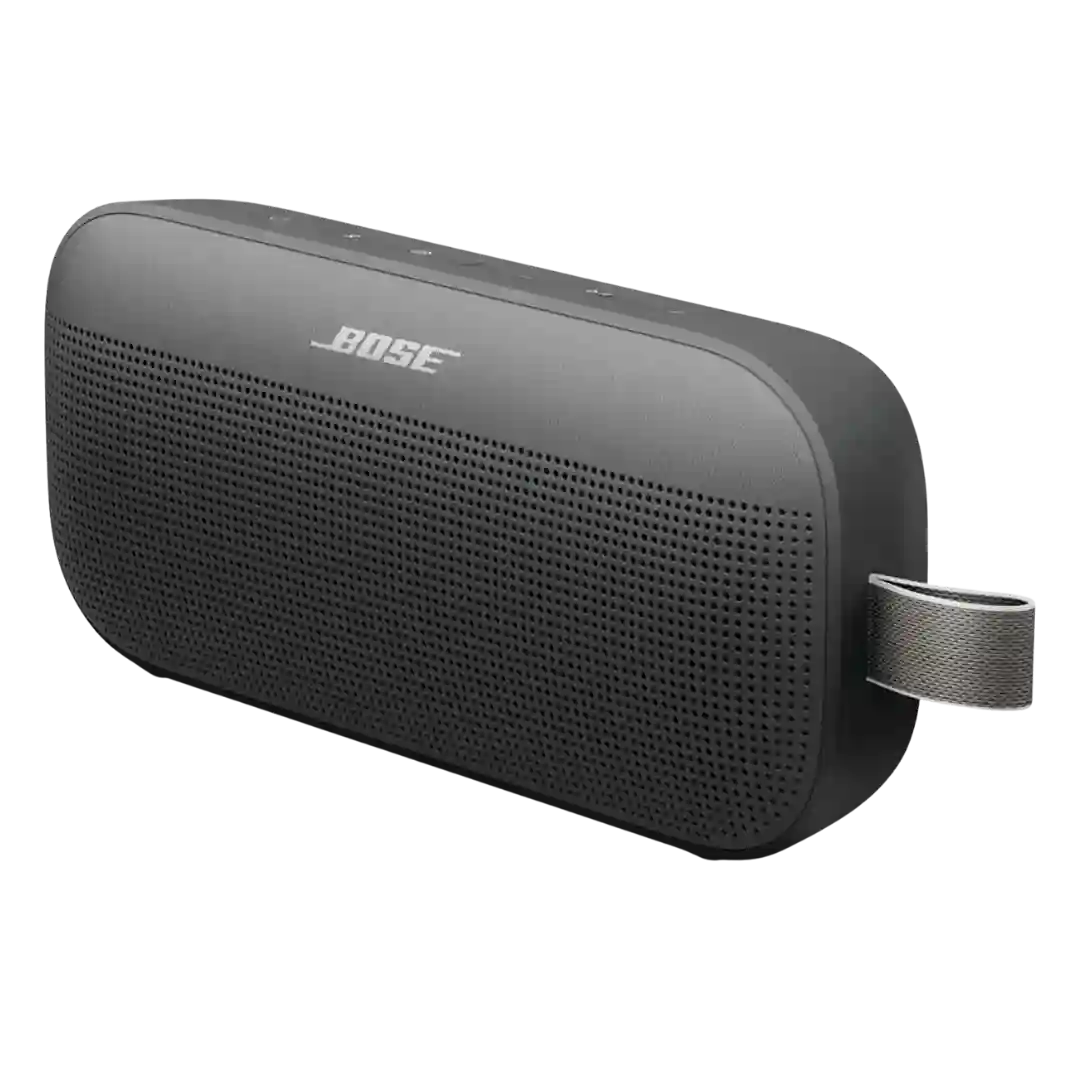
Multiple reviews highlight the presence of a 3.5mm aux-in, which is increasingly rare on premium portable speakers. This expands compatibility beyond Bluetooth-only use. The 3.5mm aux input is viewed as a meaningful bonus at this size and price, especially for wired sources like computers or players. It is also repeatedly noted that USB-C is not used for audio input.
Wired input availability is a highlight: multiple reviews mention a 3.5mm AUX input as a rare inclusion on a waterproof mini speaker, adding flexibility for devices that benefit from a cable. AUX input is appreciated for flexibility, but at least one review notes that using AUX disables the Bluetooth connection and can prevent stereo pairing, which limits how you can use wired sources.
The included 3.5 mm AUX input is a meaningful plus in this class, especially because many competing speakers drop wired playback. Reviews treat its availability as a practical convenience rather than a headline feature.
Wired inputs are centered on HDMI (including eARC) plus optical, making the bar an effective hub for TVs, consoles, and disc players; the lack of analog aux is a noted omission in some coverage.
Reviews commonly note the presence of a 3.5mm AUX input as a useful fallback for wired listening and for sources that can benefit from a cable connection. Wired AUX use is generally described as a good alternative path for quality listening, with at least one review noting the signal still goes through internal processing rather than staying purely analog end-to-end.
Reviews consistently list a healthy set of wired inputs, including HDMI ARC, optical, USB, and in some cases additional HDMI, RCA, or Ethernet mentions. When reviewers discuss connection quality, they recommend wired hookup, especially HDMI, for the best sound and reliability.
A 3.5mm AUX input is frequently noted, adding a reliable wired backup and the option for lower-latency audio. Wired playback is mainly framed as practical: it works as a backup connection and can reduce lip-sync issues compared with Bluetooth.
Physical connectivity is simple but practical, covering HDMI eARC, optical, sub out, IR, and service connections for most common setups. HDMI eARC delivers the best wired performance and full Atmos support, while optical is usable but more limited.
Connectivity is basic but useful, with recurring mention of HDMI ARC, optical, USB, and Bluetooth as the main ways to use the bar. Input quality is best over HDMI ARC, while optical remains serviceable but is treated as the lesser connection path when both are available.
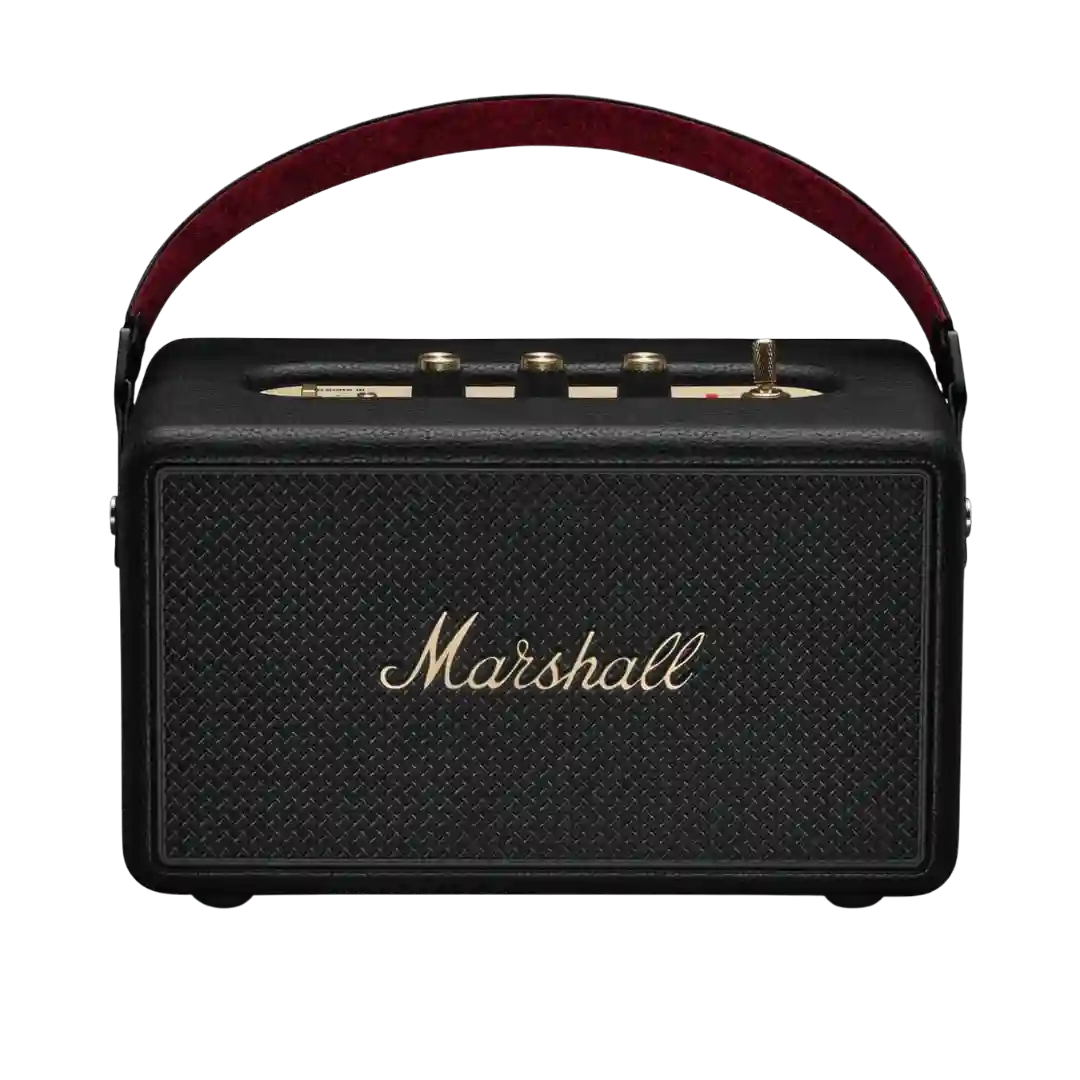
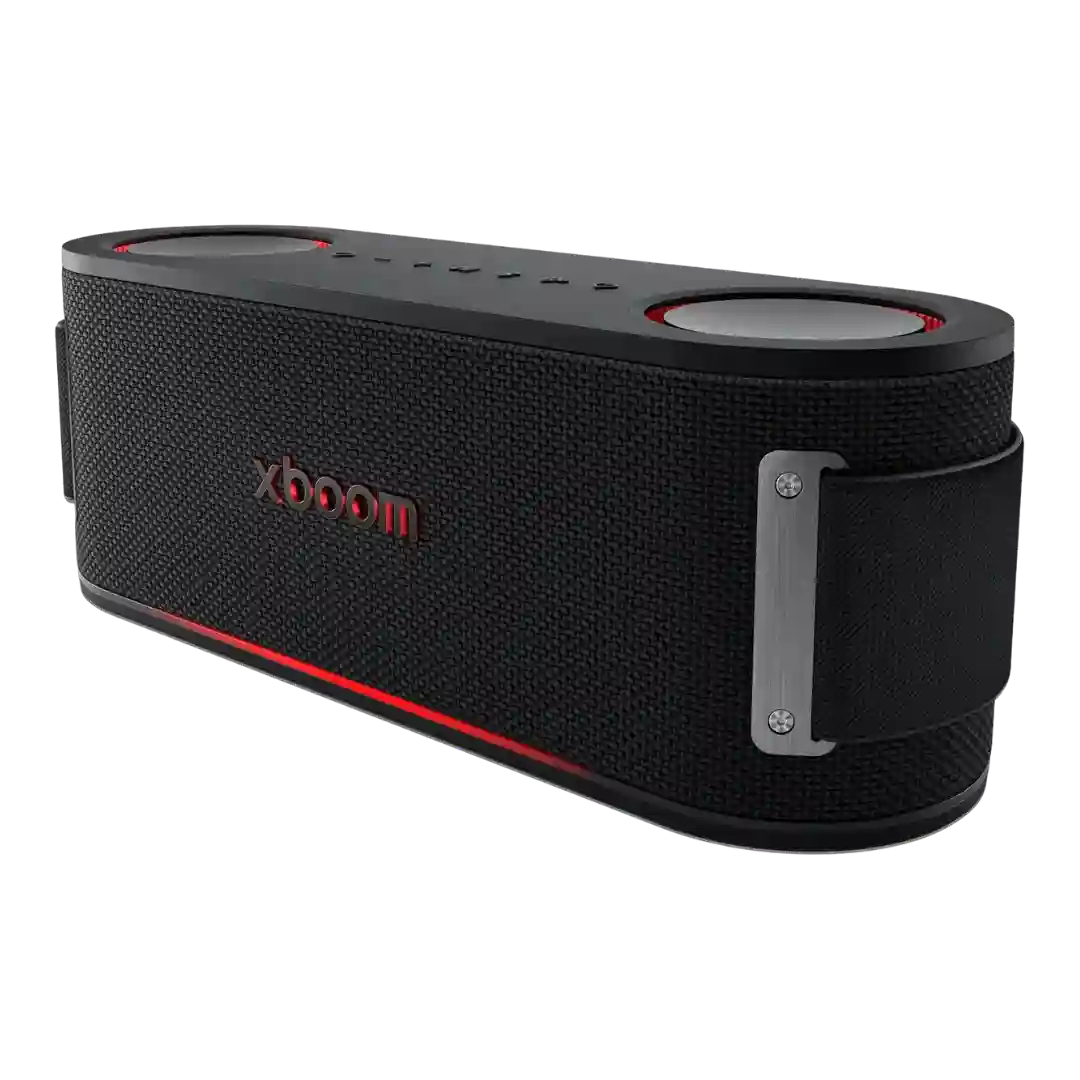
Connectivity is flexible for a karaoke boombox: reviewers cite a 1/4-inch mic/guitar input with gain controls plus a 3.5mm AUX input, alongside Bluetooth and USB-C charging; there are no TV-style ports like HDMI.
USB-C wired audio is a headline addition and is often described as easy to activate, but at least one reviewer reported they could not get wired audio working reliably on their devices.
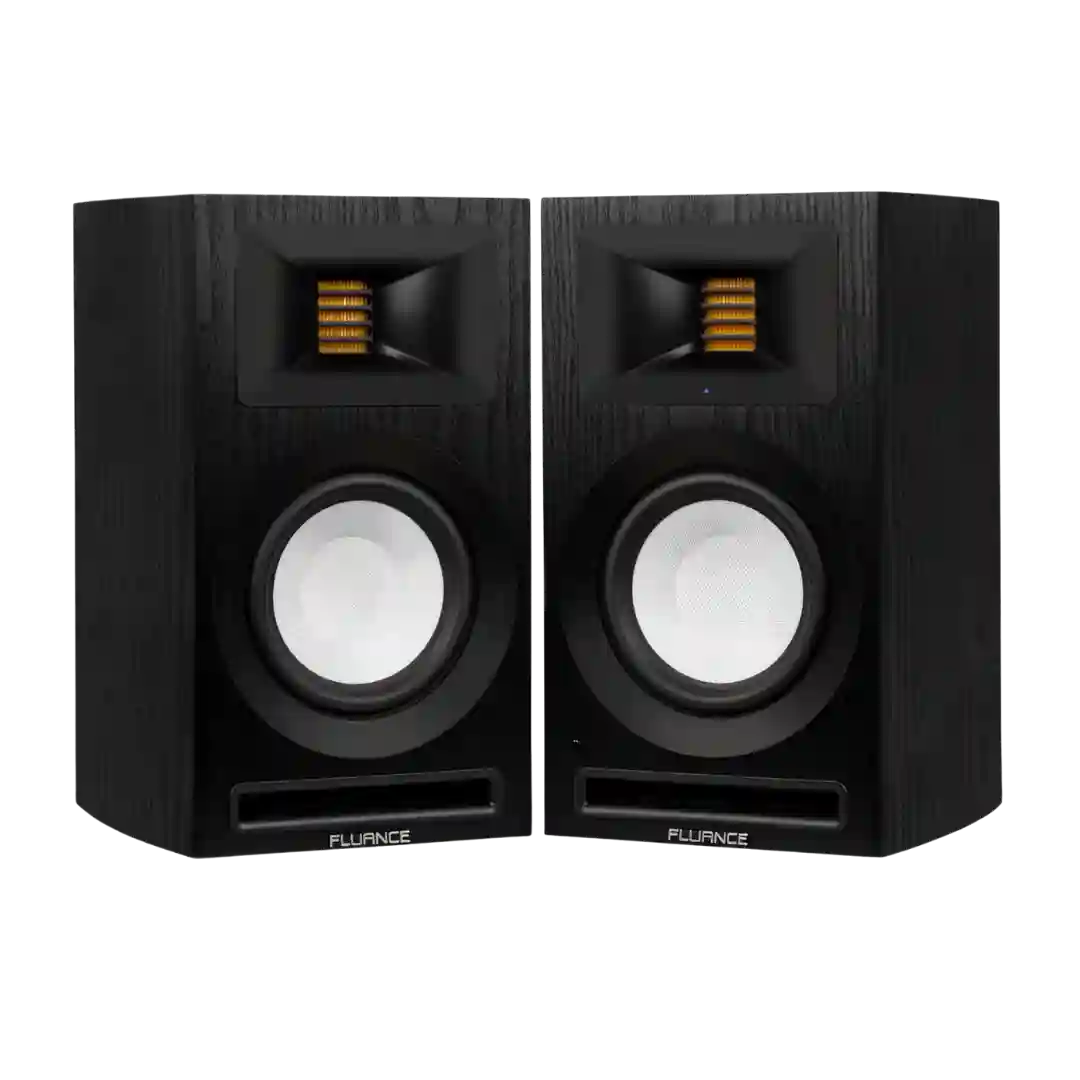
As a conventional passive speaker, it offers standard rear binding posts that reviewers considered decent for the price, though one review noted banana-plug insertion depth could be better.
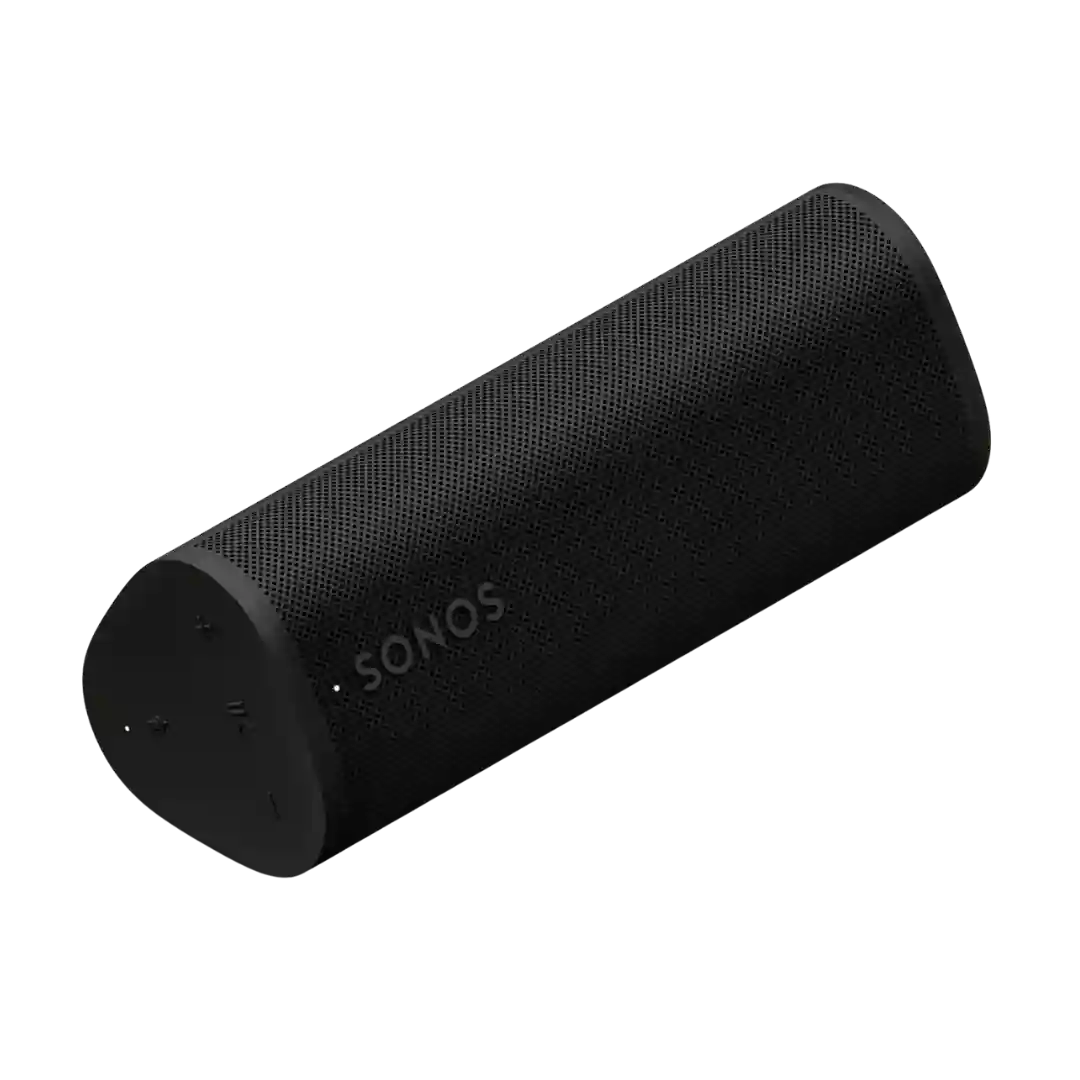
Line-in is possible only via a USB-C adapter, so it is available but not built-in. With the USB-C line-in adapter, audio is described as clean and low-latency for external sources, though some use cases can affect mic-dependent features.
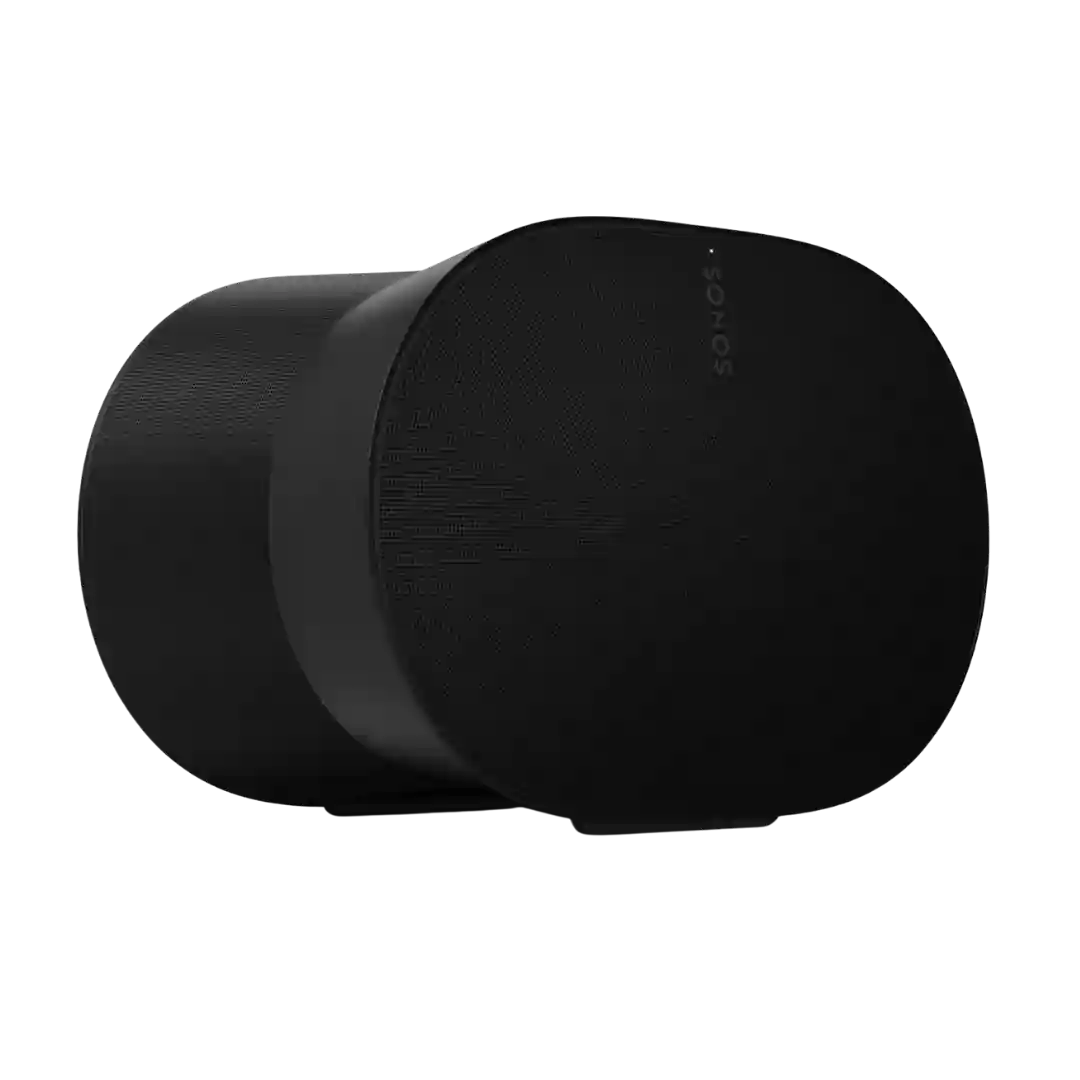
The Era 300 supports line-in and optional Ethernet, but reviewers repeatedly disliked having to buy separate adapters. Availability is better than older Sonos speakers in practice, yet the implementation feels incomplete at this price. Line-in playback is widely considered very good, with vinyl and other analog sources benefiting from the speaker's spacious presentation. Several reviewers specifically liked how open, warm, or low-latency wired playback sounded.
There is no 3.5mm AUX input in the reviews, but USB-C provides a wired audio option in addition to Bluetooth. Wired playback via USB-C is repeatedly highlighted as a strength, with multiple sources describing a noticeable uplift in clarity, detail, or dynamics when using hi-res or lossless files.
Input selection covers the essentials with HDMI ARC, RCA, Bluetooth, and sub-out, but the lack of optical and USB keeps the set from feeling fully loaded. Analog RCA and HDMI inputs sound good, and some reviewers preferred wired sources over Bluetooth for the best bass weight and overall refinement.
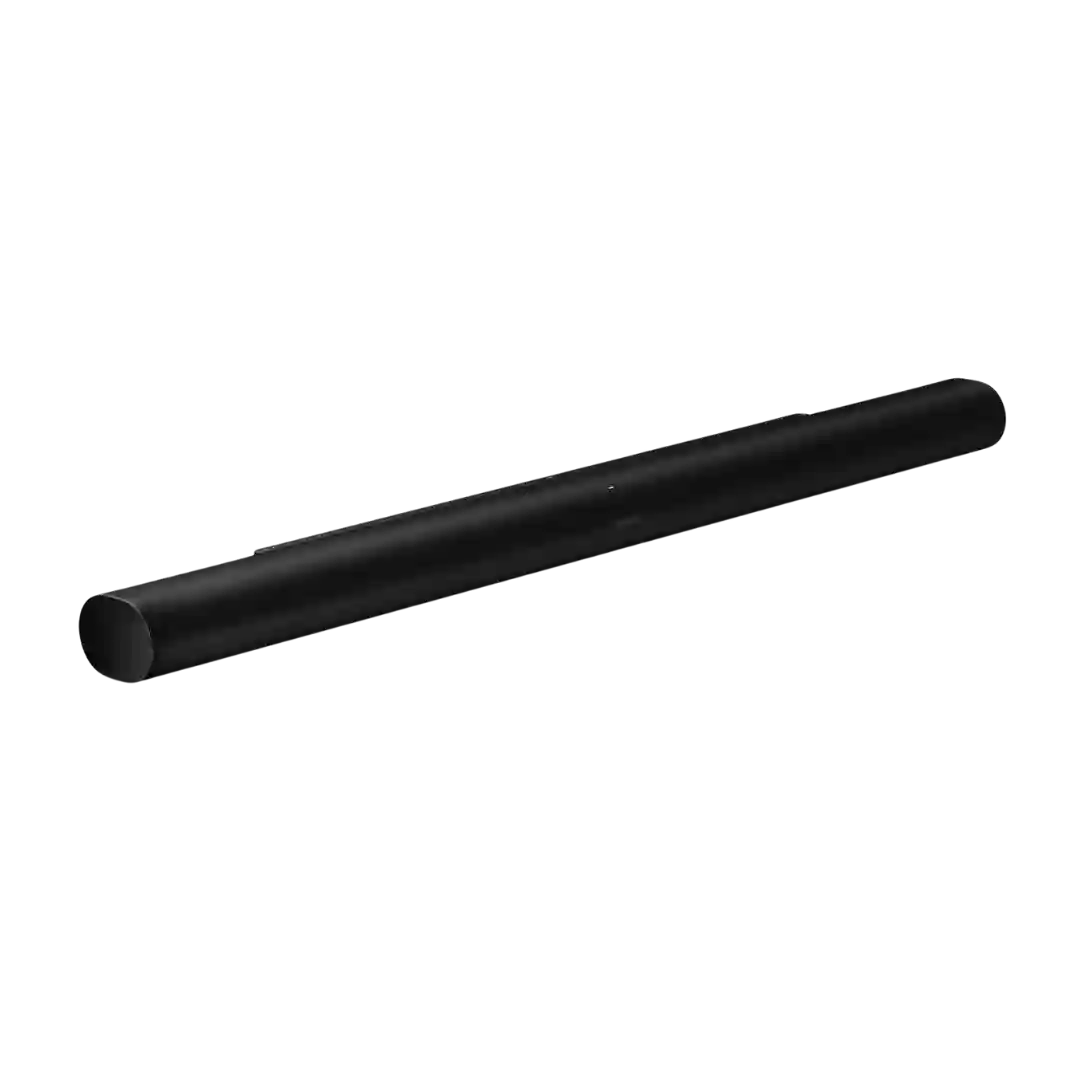
Physical connectivity is limited: most reviews highlight the single HDMI and reliance on the TV for source switching, plus ethernet and optical adapter options rather than multiple inputs.
Wired support is limited and inconsistent across the review set. Multiple reviewers complained about the missing 3.5mm jack, although one reviewer did report successful USB-C audio playback while charging.
Wired input options are minimal. Reviews consistently describe USB-C as the only physical connection and note there is no 3.5mm aux input for legacy devices.