Average score
P1
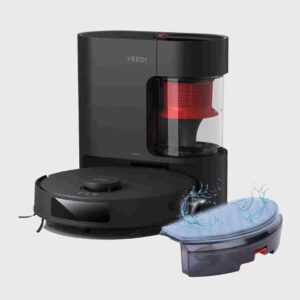
Product 1: Yeedi C12 Pro Plus Robot...
4.0
P2
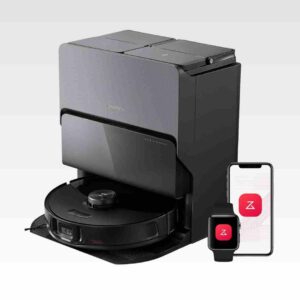
Product 2: Roborock S8 MaxV Ultra Robot...
4.1
Accessories and Tools
P1Product 1: Yeedi C12 Pro Plus Robot...
No score yet
P2
Product 2: Roborock S8 MaxV Ultra Robot...
4.5
The included command card was described positively as a useful reference for Rocky voice commands.
Aesthetic design and finish
P1
Product 1: Yeedi C12 Pro Plus Robot...
4.0
Design impressions were generally positive for the bold dock, matte finish, and elegant look, though the clear dustbin and black finish made dirt or hair more visible.
P2
Product 2: Roborock S8 MaxV Ultra Robot...
5.0
Design impressions were strongly positive, with reviewers praising the aesthetics of both the robot and dock.
AI, Smart, App and Automation
P1
Product 1: Yeedi C12 Pro Plus Robot...
3.6
Smart/app/automation evidence was mixed: scheduling, mapping, zones, and smart-home links were useful, but voice support and app depth lagged higher-end robots.
P2
Product 2: Roborock S8 MaxV Ultra Robot...
4.6
Smart features and automation were a highlight, including top feature scoring, integrations, app reliability, and rich customization.
Area Rug Handling
P1
Product 1: Yeedi C12 Pro Plus Robot...
3.1
Area rug handling was mixed: the robot avoided wetting rugs in mop mode, but that also meant rug areas could be skipped unless the module was swapped.
P2
Product 2: Roborock S8 MaxV Ultra Robot...
5.0
Area-rug handling was strong in reviews that praised carpet/rug settings and hard-floor/rug cleaning behavior.
Assembly and Setup
P1
Product 1: Yeedi C12 Pro Plus Robot...
4.6
Setup and assembly were broadly praised as fast and approachable, with only a few reports of pairing confusion or patience needed during app setup.
P2
Product 2: Roborock S8 MaxV Ultra Robot...
4.8
Setup was consistently easy, with reviewers describing app pairing, assembly, and first setup as straightforward.
Bag-full indicator
P1
Product 1: Yeedi C12 Pro Plus Robot...
4.5
Bag/full visibility was positive where mentioned, with the transparent bin making fullness easy to monitor.
P2Product 2: Roborock S8 MaxV Ultra Robot...
No score yetBattery and Charging
P1
Product 1: Yeedi C12 Pro Plus Robot...
4.6
Battery feedback was strong, with reviewers reporting long runtime, accurate estimates, and enough charge for large cleaning sessions.
P2
Product 2: Roborock S8 MaxV Ultra Robot...
3.0
Battery evidence was middling: one test reached 101 minutes before returning to charge, behind some high-end competitors.
Bin and Bag
P1
Product 1: Yeedi C12 Pro Plus Robot...
4.7
The bagless/self-empty bin was one of the strongest points, praised for easy emptying, reduced bag buying, and large practical capacity.
P2
Product 2: Roborock S8 MaxV Ultra Robot...
5.0
The dust bag system was viewed as a major convenience, with self-emptying described as the preferred approach.
Build quality and durability
P1
Product 1: Yeedi C12 Pro Plus Robot...
4.5
Build quality received limited but positive evidence, with one reviewer describing the plastic body as sturdy enough for normal bumps.
P2
Product 2: Roborock S8 MaxV Ultra Robot...
5.0
Build/design detail was praised, with one reviewer saying the small details felt carefully considered.
Carpet — High-Pile Pickup
P1Product 1: Yeedi C12 Pro Plus Robot...
No score yet
P2
Product 2: Roborock S8 MaxV Ultra Robot...
5.0
High-pile/deep-pile carpet pickup was praised strongly in Lifehacker's home testing.
Carpet — Low-Pile Pickup
P1
Product 1: Yeedi C12 Pro Plus Robot...
3.9
Low-pile carpet pickup was generally solid but not flawless, with strong results after higher suction and some remaining embedded debris in another test.
P2Product 2: Roborock S8 MaxV Ultra Robot...
No score yetCarpet — Medium-Pile Pickup
P1Product 1: Yeedi C12 Pro Plus Robot...
No score yet
P2
Product 2: Roborock S8 MaxV Ultra Robot...
3.8
Medium/generic carpet pickup was mixed-to-good: comparative tests showed good but not class-leading pickup, including flour/sand limitations.
Clogging and debris prevention
P1
Product 1: Yeedi C12 Pro Plus Robot...
2.8
Clogging and debris-prevention feedback was mixed: socks or brush issues could interrupt cleaning, although this was not universal.
P2
Product 2: Roborock S8 MaxV Ultra Robot...
4.0
Debris-prevention evidence was positive but qualified: it could keep working through small foreign objects, though rollers still sometimes needed clearing.
Comparative performance
P1
Product 1: Yeedi C12 Pro Plus Robot...
3.8
Comparative performance was favorable for price and suction, though lab-style testing found overall cleaning solid rather than exceptional.
P2
Product 2: Roborock S8 MaxV Ultra Robot...
4.0
Comparative performance was mixed: it topped one 2024 scorecard, but another Roborock-only test favored cheaper models overall.
Controls and UI
P1
Product 1: Yeedi C12 Pro Plus Robot...
4.1
Most reviewers found the controls and app easy or helpful, but some reported confusing setup prompts, language glitches, or limited map controls.
P2
Product 2: Roborock S8 MaxV Ultra Robot...
4.0
Controls and UI were broadly liked for intuitive apps and rich options, though Rocky and remote video had wording and quality limits.
Cord management
P1Product 1: Yeedi C12 Pro Plus Robot...
No score yet
P2
Product 2: Roborock S8 MaxV Ultra Robot...
4.5
Cord management was praised because the dock provided a neat place to wrap the cord.
Corner Cleaning (Robot)
P1
Product 1: Yeedi C12 Pro Plus Robot...
3.5
Corner cleaning was mixed, from missed pet fluff and coffee grounds to near-perfect results after a second pass.
P2
Product 2: Roborock S8 MaxV Ultra Robot...
4.8
Corner cleaning was largely positive thanks to edge-reaching arms and carpet-corner performance.
Crevice / Groove Pickup (Hard Floors)
P1
Product 1: Yeedi C12 Pro Plus Robot...
3.0
Crevice/groove pickup had limited mixed evidence because grout cracks still needed human intervention.
P2Product 2: Roborock S8 MaxV Ultra Robot...
No score yetDocking and Auto-Empty Reliability (Robot)
P1
Product 1: Yeedi C12 Pro Plus Robot...
3.7
Docking and auto-empty reliability was mixed: auto-emptying often worked well, but several reviewers said the robot could take too long or struggle to find the dock.
P2
Product 2: Roborock S8 MaxV Ultra Robot...
2.5
Auto-empty reliability was a weak spot in one comparative test, where debris remained in the robot after emptying.
Dock noise
P1
Product 1: Yeedi C12 Pro Plus Robot...
3.0
Dock noise was mixed: one reviewer called emptying loud, while another found the self-emptying volume tolerable.
P2
Product 2: Roborock S8 MaxV Ultra Robot...
2.5
Dock noise was a drawback because drying noise was noticeable and louder than one household wanted nearby.
Dried-On Stain Removal
P1
Product 1: Yeedi C12 Pro Plus Robot...
4.8
Dried-on stain performance was strong, with reviewers reporting good results on dried coffee and other stuck-on messes, usually with one or more passes.
P2
Product 2: Roborock S8 MaxV Ultra Robot...
4.5
Dried-on stain evidence was strong in Lifehacker's use, though stubborn stains could still require an extra pass.
Ease of use
P1
Product 1: Yeedi C12 Pro Plus Robot...
4.9
Ease of use was praised by lifestyle reviewers who felt it reduced chores and simplified routine floor upkeep.
P2
Product 2: Roborock S8 MaxV Ultra Robot...
5.0
Ease of use was strongly positive, with owner-style reviewers calling it a pleasure and praising the app.
Edge and Baseboard Cleaning (Hard Floors)
P1
Product 1: Yeedi C12 Pro Plus Robot...
3.6
Edge and baseboard cleaning ranged from weak mopping edges to good fur pickup near baseboards, making this a mixed attribute.
P2
Product 2: Roborock S8 MaxV Ultra Robot...
4.2
Hard-floor edge/baseboard cleaning was split: some reviewers praised edge reach, while one ketchup test left cabinet-edge residue.
Edge‑Following Accuracy (Robot)
P1
Product 1: Yeedi C12 Pro Plus Robot...
4.0
Edge-following accuracy was mostly positive for staying close to furniture, walls, and edges, though one source questioned whether avoidance was deliberate.
P2
Product 2: Roborock S8 MaxV Ultra Robot...
3.0
Edge-following accuracy was only moderate: it avoided wall impacts well but still created baseboard brush marks.
Emptying and Mess Control
P1
Product 1: Yeedi C12 Pro Plus Robot...
4.5
Emptying and mess control were strongly positive overall, with easy bin release and effective auto-emptying; one reviewer noted it was not fully no-touch.
P2
Product 2: Roborock S8 MaxV Ultra Robot...
3.8
Emptying and mess control was mixed: a comparative test left debris in the bin, but the bagged self-emptying system was praised for convenience.
Filtration / Dust Containment
P1Product 1: Yeedi C12 Pro Plus Robot...
No score yet
P2
Product 2: Roborock S8 MaxV Ultra Robot...
5.0
Dust containment was praised because the self-emptying bag seals dust after removal, useful for sensitive sinuses.
Floor Drying Time
P1
Product 1: Yeedi C12 Pro Plus Robot...
4.8
Floor drying was a strength, with reviewers praising quick-drying mops and dry surfaces after wet cleanup.
P2Product 2: Roborock S8 MaxV Ultra Robot...
No score yetFloorhead design
P1
Product 1: Yeedi C12 Pro Plus Robot...
4.5
The floorhead/collection design received positive evidence for separating pet hair from finer debris in the bagless bin system.
P2
Product 2: Roborock S8 MaxV Ultra Robot...
2.0
Floorhead design had a notable flaw in PCMag's mopping stress test because brush lifting did not work effectively.
Floor shine after cleaning
P1
Product 1: Yeedi C12 Pro Plus Robot...
5.0
Floor-shine evidence was limited but positive, with one reviewer praising spotless, shiny floors.
P2Product 2: Roborock S8 MaxV Ultra Robot...
No score yetFresh Liquid Pickup Speed
P1
Product 1: Yeedi C12 Pro Plus Robot...
5.0
Fresh liquid pickup was praised, with reviewers reporting strong results on Diet Coke, wet coffee, soda, milk, and similar spills.
P2Product 2: Roborock S8 MaxV Ultra Robot...
No score yetHair-removal channel issues
P1Product 1: Yeedi C12 Pro Plus Robot...
No score yet
P2
Product 2: Roborock S8 MaxV Ultra Robot...
4.0
Hair-removal channel behavior improved over a prior S8 but still sometimes required roller clearing.
Hair Pickup — Carpets
P1Product 1: Yeedi C12 Pro Plus Robot...
No score yet
P2
Product 2: Roborock S8 MaxV Ultra Robot...
4.5
Carpet pet-hair pickup was strong in the comparative test, leaving only a single dense clump.
Hair Pickup — Hard Floors
P1
Product 1: Yeedi C12 Pro Plus Robot...
4.5
Hard-floor hair pickup was usually praised, especially in homes with pets, though one reviewer still reported tangling on a side brush.
P2
Product 2: Roborock S8 MaxV Ultra Robot...
5.0
Hard-floor hair pickup was positive in the pet-home review, where the S8 avoided clump-leaving issues seen on another robot.
Hair‑Wrap / Tangle Resistance
P1
Product 1: Yeedi C12 Pro Plus Robot...
4.3
Hair-wrap resistance was mostly praised, especially the anti-tangle roller, but long pet hair or side brushes still caused occasional manual cleanup.
P2
Product 2: Roborock S8 MaxV Ultra Robot...
2.7
Hair-wrap resistance was the biggest cleaning weakness, with one test stopping the robot and another Roborock comparison ranking it poorly, despite PCMag's better experience.
Hard Floor — Fine Dust Pickup
P1
Product 1: Yeedi C12 Pro Plus Robot...
3.9
Fine-dust hard-floor evidence was split: one reviewer said superfine grounds cleaned perfectly, while another measured weaker hard-floor pickup.
P2
Product 2: Roborock S8 MaxV Ultra Robot...
3.5
Fine-dust hard-floor pickup was inconsistent: one test was decent, PCMag found poor relative performance, and Lifehacker was impressed in home use.
Hard Floor — Large Debris Intake
P1
Product 1: Yeedi C12 Pro Plus Robot...
5.0
Large hard-floor debris intake was strong in tests involving cereal, rice, crackers, or general spills.
P2
Product 2: Roborock S8 MaxV Ultra Robot...
3.3
Large hard-floor debris handling was mixed, with one broad test positive but PCMag reporting rice and sand scatter.
Headlight and LED lights
P1Product 1: Yeedi C12 Pro Plus Robot...
No score yet
P2
Product 2: Roborock S8 MaxV Ultra Robot...
4.0
Headlights were noted as useful during dark-area cleaning and navigation.
Heating element
P1Product 1: Yeedi C12 Pro Plus Robot...
No score yet
P2
Product 2: Roborock S8 MaxV Ultra Robot...
5.0
The dock heating systems were praised through hot-air drying that helped prevent musty odors, supporting a high heating-element score.
Innovation compared to competitors
P1
Product 1: Yeedi C12 Pro Plus Robot...
4.5
Innovation evidence centered on the vibrating mop, which one reviewer said stands out against same-price competitors.
P2
Product 2: Roborock S8 MaxV Ultra Robot...
5.0
Innovation evidence was positive where the extending edge arms were described as a major leap forward for reaching walls and toe kicks.
Kid-friendliness
P1
Product 1: Yeedi C12 Pro Plus Robot...
4.6
Kid-friendliness was positive where mentioned, mostly as a daily cleanup helper for busy families or homes with children and crawling babies.
P2Product 2: Roborock S8 MaxV Ultra Robot...
No score yetLarge debris handling
P1
Product 1: Yeedi C12 Pro Plus Robot...
5.0
Large debris handling was positive where tested, including cat food and similar larger particles.
P2
Product 2: Roborock S8 MaxV Ultra Robot...
4.0
Large-debris handling was positive in Lifehacker's experience because the robot could keep working after encountering foreign objects.
Low-profile design
P1
Product 1: Yeedi C12 Pro Plus Robot...
2.5
Low-profile performance was limited by the raised laser/navigation bump, which prevented cleaning under some sofas or lower edges.
P2
Product 2: Roborock S8 MaxV Ultra Robot...
2.0
Low-profile design was limited by size; it could not fit between chair legs that a smaller robot could.
Maintenance requirements
P1
Product 1: Yeedi C12 Pro Plus Robot...
3.3
Maintenance requirements were manageable but real: reviewers mentioned mop-pad washing, filter cleaning, hair untangling, floor prep, and occasional deep cleaning.
P2
Product 2: Roborock S8 MaxV Ultra Robot...
4.5
Maintenance requirements were favorable overall, with long water-change intervals and less intervention than many robots.
Maneuverability and Handling
P1
Product 1: Yeedi C12 Pro Plus Robot...
4.5
Maneuverability evidence was limited but positive, with the robot clearing room thresholds after some effort.
P2Product 2: Roborock S8 MaxV Ultra Robot...
No score yetMap and Path Efficiency (Robot Vacuums)
P1
Product 1: Yeedi C12 Pro Plus Robot...
4.3
Mapping was one of the most praised features, especially fast and accurate maps, though a few reviewers found navigation or room editing weaker.
P2
Product 2: Roborock S8 MaxV Ultra Robot...
4.7
Mapping and pathing were generally excellent, with app maps, room editing, and self-location all praised.
Mop lifting system
P1
Product 1: Yeedi C12 Pro Plus Robot...
2.4
The lack of mop lifting was a drawback because it required manual module changes or caused carpet/rug avoidance.
P2
Product 2: Roborock S8 MaxV Ultra Robot...
5.0
Mop lifting was a standout strength, especially in the comparative test where it kept high-pile carpet dry.
Mopping performance
P1
Product 1: Yeedi C12 Pro Plus Robot...
4.3
Mopping performance was generally good to excellent for maintenance and stains, though a few reviewers preferred higher-end self-cleaning mop systems.
P2
Product 2: Roborock S8 MaxV Ultra Robot...
4.1
Mopping performance was highly mixed across tests, from weak dried-mud/jelly results to excellent everyday and stubborn-stain performance.
Noise level
P1
Product 1: Yeedi C12 Pro Plus Robot...
2.7
Noise was a weakness: reviewers described louder operation, distracting mechanical sounds, or above-average decibel results, even when some found it tolerable.
P2
Product 2: Roborock S8 MaxV Ultra Robot...
3.8
Noise feedback was acceptable but not silent: one Roborock comparison ranked it well, while another said it was not loud but disruptive for calls.
Obstacle Avoidance (Robot)
P1
Product 1: Yeedi C12 Pro Plus Robot...
2.5
Obstacle avoidance was the most consistent weakness, with repeated complaints about cords, socks, bottles, small objects, and simulated pet messes.
P2
Product 2: Roborock S8 MaxV Ultra Robot...
3.8
Obstacle avoidance was sharply split, ranging from flawless and best-in-test to PCMag's repeated obstacle impacts.
Odor control
P1Product 1: Yeedi C12 Pro Plus Robot...
No score yet
P2
Product 2: Roborock S8 MaxV Ultra Robot...
4.5
Odor control was praised through detergent dispensing and hot-air drying that reduce bacterial growth and musty smells.
Onboard tool storage
P1
Product 1: Yeedi C12 Pro Plus Robot...
2.0
Onboard storage was a weakness where mentioned because there was no built-in place for the spare vacuum piece.
P2Product 2: Roborock S8 MaxV Ultra Robot...
No score yetOngoing ownership costs (bags, filters, batteries)
P1
Product 1: Yeedi C12 Pro Plus Robot...
4.9
Bagless operation was repeatedly praised for lowering consumable costs and avoiding replacement dust bags.
P2
Product 2: Roborock S8 MaxV Ultra Robot...
4.0
Consumable cost evidence was mildly positive because six dust bags per year was not seen as excessive.
Overall cleaning convenience
P1
Product 1: Yeedi C12 Pro Plus Robot...
4.6
Cleaning convenience was a major positive: reviewers liked scheduled upkeep, less babysitting, and easier daily floor maintenance despite prep needs.
P2
Product 2: Roborock S8 MaxV Ultra Robot...
5.0
Overall cleaning convenience was very strong, with reviewers emphasizing reduced hands-on floor cleaning.
Overall durability/longevity
P1Product 1: Yeedi C12 Pro Plus Robot...
No score yet
P2
Product 2: Roborock S8 MaxV Ultra Robot...
5.0
Longevity evidence was favorable from an eight-month user who still repeatedly recommended the robot.
Overall opinion
P1
Product 1: Yeedi C12 Pro Plus Robot...
4.3
Overall sentiment was positive but qualified: reviewers liked the cleaning/value package while repeatedly noting quirks around obstacles, edges, noise, or mop maintenance.
P2
Product 2: Roborock S8 MaxV Ultra Robot...
4.6
Overall opinion ranged from cautious to glowing, but most reviews treated it as a highly capable flagship with price and performance tradeoffs.
Packaging quality
P1
Product 1: Yeedi C12 Pro Plus Robot...
4.3
Packaging drew positive or acceptable feedback, with one reviewer praising protection and another accepting the basic box as a cost-saving tradeoff.
P2Product 2: Roborock S8 MaxV Ultra Robot...
No score yetPet-Ready Features
P1
Product 1: Yeedi C12 Pro Plus Robot...
4.5
Pet-related feedback was mostly positive for fur pickup and pet-household upkeep, though obstacle avoidance around pet messes was a recurring caveat.
P2
Product 2: Roborock S8 MaxV Ultra Robot...
4.5
Pet-related evidence was mostly favorable: reviewers liked pet-finding, pet-waste options, and pet-hair pickup, though not every pet interaction was perfect.
Price and Value
P1
Product 1: Yeedi C12 Pro Plus Robot...
4.5
Value was a major strength across reviews, especially at sale prices, with many saying it delivers strong cleaning and features for a mid-tier or budget-friendly price.
P2
Product 2: Roborock S8 MaxV Ultra Robot...
1.8
Value was divisive and often price-sensitive: several reviewers criticized the flagship price, while value was defended only when performance and convenience justified it.
Privacy controls
P1Product 1: Yeedi C12 Pro Plus Robot...
No score yet
P2
Product 2: Roborock S8 MaxV Ultra Robot...
4.8
Privacy controls were praised for onboard processing, disabled-by-default remote video, camera-password controls, and audible remote-view alerts.
Runtime
P1
Product 1: Yeedi C12 Pro Plus Robot...
4.8
Runtime feedback was strong, with testers citing long claimed runtime and above-average battery results.
P2
Product 2: Roborock S8 MaxV Ultra Robot...
3.0
Runtime was acceptable but not exceptional in PCMag's test, ending at 101 minutes before recharge.
Scratch resistance
P1
Product 1: Yeedi C12 Pro Plus Robot...
5.0
Scratch resistance had limited but positive evidence from one reviewer who said it did not scratch wooden surfaces.
P2
Product 2: Roborock S8 MaxV Ultra Robot...
2.0
Scratch resistance was a concern in one comparative test because the side brushes left swirl marks on white baseboards.
Self-cleaning cycle
P1
Product 1: Yeedi C12 Pro Plus Robot...
2.3
Self-cleaning was a clear limitation because the dock does not wash or dry the mop pad.
P2
Product 2: Roborock S8 MaxV Ultra Robot...
5.0
Self-cleaning performance was one of the strongest areas, with praise for hot-water washing, auto detergent, dock cleaning, and mop care.
Software-update support / feature longevity
P1Product 1: Yeedi C12 Pro Plus Robot...
No score yet
P2
Product 2: Roborock S8 MaxV Ultra Robot...
4.0
Apple Home/Matter support was described as a positive step, though the Roborock app remained the deeper control center.
Solution / Liquid system
P1
Product 1: Yeedi C12 Pro Plus Robot...
4.2
Liquid-system comments were positive where reviewed, with the detachable/fillable tank considered easy to handle and wash.
P2
Product 2: Roborock S8 MaxV Ultra Robot...
5.0
The cleaning-solution system was praised for convenience and for improving mop performance.
Storage footprint and upright-stand stability
P1
Product 1: Yeedi C12 Pro Plus Robot...
4.0
The dock was praised for not taking up much space, helped by the lack of water reservoirs in the base.
P2Product 2: Roborock S8 MaxV Ultra Robot...
No score yetStreaking / Residue
P1
Product 1: Yeedi C12 Pro Plus Robot...
3.9
Residue/streaking feedback was mixed: one reviewer saw few/no traces, while another noted occasional sticky areas.
P2
Product 2: Roborock S8 MaxV Ultra Robot...
3.0
Residue control was mixed: one comparative mop test left sticky floors, while PCMag found only limited jelly spread.
Stuck resistance
P1
Product 1: Yeedi C12 Pro Plus Robot...
2.6
Stuck resistance was a recurring concern, especially around socks, cords, flip-flops, table legs, toys, and cluttered family environments.
P2
Product 2: Roborock S8 MaxV Ultra Robot...
3.5
Stuck resistance was mixed: PCMag said the second unit did not get stuck, but obstacle struggles still remained.
Suction and Airflow
P1
Product 1: Yeedi C12 Pro Plus Robot...
4.7
Reviewers consistently praised the suction as unusually strong for the price, with good hard-floor, pet-hair, and carpet cleanup; one test source still found embedded debris left behind.
P2
Product 2: Roborock S8 MaxV Ultra Robot...
4.8
Reviewers praised the jump in suction and premium cleaning power, with especially strong language from long-term and detailed-use reviews.
Suitability for heavy-duty use
P1
Product 1: Yeedi C12 Pro Plus Robot...
2.8
Heavy-duty suitability was limited: reviewers framed it as an upkeep helper rather than a deep-clean replacement or high-chaos household solution.
P2
Product 2: Roborock S8 MaxV Ultra Robot...
4.5
Heavy-duty suitability was favorable where reviewers cited strong combined vacuuming and mopping performance.
Suitability for small spaces
P1Product 1: Yeedi C12 Pro Plus Robot...
No score yet
P2
Product 2: Roborock S8 MaxV Ultra Robot...
2.0
Small-space suitability was weak because its size kept it from fitting between dining-chair legs that a smaller competitor could handle.
Support and Reliability
P1Product 1: Yeedi C12 Pro Plus Robot...
No score yet
P2
Product 2: Roborock S8 MaxV Ultra Robot...
5.0
Reliability evidence was strong in owner-style reviews, including repeated recommendation and confidence based on Roborock experience.
Surface safety with attachments
P1
Product 1: Yeedi C12 Pro Plus Robot...
5.0
Surface safety evidence was limited but positive, with one reviewer using it on wood and pool-table felt without scratching.
P2
Product 2: Roborock S8 MaxV Ultra Robot...
3.3
Surface safety evidence was mixed: PCMag saw no scratching on hard floors, but another test reported side-brush swirl marks on white baseboards.
Tool-change simplicity
P1
Product 1: Yeedi C12 Pro Plus Robot...
2.6
Swapping the vacuum-only and mop modules was the main tool-change complaint, with several reviewers calling the extra handling cumbersome or inconvenient.
P2
Product 2: Roborock S8 MaxV Ultra Robot...
2.0
Tool-change simplicity had a notable drawback because PCMag listed the non-detachable mop cloth mount as a con.
Under-Furniture Pickup
P1
Product 1: Yeedi C12 Pro Plus Robot...
2.5
Under-furniture pickup was weak where reviewed because the raised navigation dome or circular bump could prevent access under low furniture.
P2
Product 2: Roborock S8 MaxV Ultra Robot...
5.0
Under-furniture pickup was praised where the Flexi-arms reached under toe kicks and nearby items that older edge brushes missed.
Value-for-money
P1
Product 1: Yeedi C12 Pro Plus Robot...
4.6
Value-for-money evidence was strongly positive, with reviewers describing the feature set and performance as above average for the cost.
P2
Product 2: Roborock S8 MaxV Ultra Robot...
4.5
Value-for-money was mixed-to-positive: one guide called it exceptional, while another saw the price as fair only if affordable.
Versatility
P1
Product 1: Yeedi C12 Pro Plus Robot...
4.1
Versatility was valued because the robot combines vacuuming, mopping, zone cleaning, and multiple app-controlled cleaning modes.
P2
Product 2: Roborock S8 MaxV Ultra Robot...
4.5
Versatility evidence was favorable because reviewers highlighted the broad configurability of cleaning modes and zones.
Water tank
P1
Product 1: Yeedi C12 Pro Plus Robot...
4.0
The water tank was considered workable and easy enough to handle, though one tester noted capacity was slightly below average and another emphasized the need to swap/fill it.
P2
Product 2: Roborock S8 MaxV Ultra Robot...
4.5
The clean-water tank was easy to remove and handle, supporting a positive water-tank usability score.
Weight
P1
Product 1: Yeedi C12 Pro Plus Robot...
2.5
Weight evidence was limited and negative, with one reviewer finding the unit hefty to lift.
P2
Product 2: Roborock S8 MaxV Ultra Robot...
3.5
Weight feedback was neutral-to-positive: the robot felt substantial but not overly heavy in handling.