Average score
P1
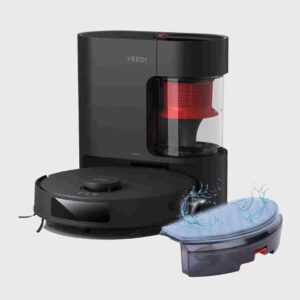
Product 1: Yeedi C12 Pro Plus Robot...
4.0
P2
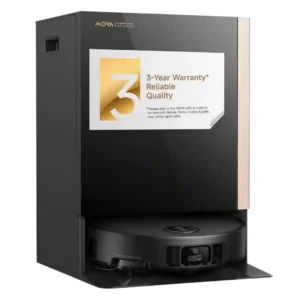
Product 2: Mova Mobius 60
4.1
Accessories and Tools
P1Product 1: Yeedi C12 Pro Plus Robot...
No score yet
P2
Product 2: Mova Mobius 60
4.4
Accessory coverage was viewed positively, with reviewers calling the pad and solution kit generous or complete.
Adaptive chassis lift
P1Product 1: Yeedi C12 Pro Plus Robot...
No score yet
P2
Product 2: Mova Mobius 60
4.7
Adaptive chassis lift was consistently praised for clearing thresholds and outperforming expectations.
Aesthetic design and finish
P1
Product 1: Yeedi C12 Pro Plus Robot...
4.0
Design impressions were generally positive for the bold dock, matte finish, and elegant look, though the clear dustbin and black finish made dirt or hair more visible.
P2
Product 2: Mova Mobius 60
4.4
Design feedback was positive, especially the sleek black finish and fingerprint-managing matte look.
AI, Smart, App and Automation
P1
Product 1: Yeedi C12 Pro Plus Robot...
3.6
Smart/app/automation evidence was mixed: scheduling, mapping, zones, and smart-home links were useful, but voice support and app depth lagged higher-end robots.
P2
Product 2: Mova Mobius 60
4.6
AI, app, and automation evidence was positive for smart mapping, room logic, app control, and automated decisions.
Area Rug Handling
P1
Product 1: Yeedi C12 Pro Plus Robot...
3.1
Area rug handling was mixed: the robot avoided wetting rugs in mop mode, but that also meant rug areas could be skipped unless the module was swapped.
P2
Product 2: Mova Mobius 60
4.4
Area-rug handling was positive around carpet/rug recognition, movement, and avoiding damp rugs.
Assembly and Setup
P1
Product 1: Yeedi C12 Pro Plus Robot...
4.6
Setup and assembly were broadly praised as fast and approachable, with only a few reports of pairing confusion or patience needed during app setup.
P2
Product 2: Mova Mobius 60
4.8
Setup evidence was positive, with reviewers describing the process as quick or unusually smooth.
Bag-full indicator
P1
Product 1: Yeedi C12 Pro Plus Robot...
4.5
Bag/full visibility was positive where mentioned, with the transparent bin making fullness easy to monitor.
P2Product 2: Mova Mobius 60
No score yetBattery and Charging
P1
Product 1: Yeedi C12 Pro Plus Robot...
4.6
Battery feedback was strong, with reviewers reporting long runtime, accurate estimates, and enough charge for large cleaning sessions.
P2
Product 2: Mova Mobius 60
3.3
Battery and charging were mixed-to-negative: recharge/resume helped, but runtime and efficiency were frequent weaknesses.
Bin and Bag
P1
Product 1: Yeedi C12 Pro Plus Robot...
4.7
The bagless/self-empty bin was one of the strongest points, praised for easy emptying, reduced bag buying, and large practical capacity.
P2
Product 2: Mova Mobius 60
4.2
The dust bag and bin system drew positive comments for automatic emptying and usable capacity.
Build quality and durability
P1
Product 1: Yeedi C12 Pro Plus Robot...
4.5
Build quality received limited but positive evidence, with one reviewer describing the plastic body as sturdy enough for normal bumps.
P2
Product 2: Mova Mobius 60
4.7
Build quality was positively scored, with reviewers calling the robot well constructed or excellent.
Carpet — High-Pile Pickup
P1Product 1: Yeedi C12 Pro Plus Robot...
No score yet
P2
Product 2: Mova Mobius 60
3.5
High-pile carpet evidence was mixed, with good movement/performance in one review but average or less-suited carpet comments elsewhere.
Carpet — Low-Pile Pickup
P1
Product 1: Yeedi C12 Pro Plus Robot...
3.9
Low-pile carpet pickup was generally solid but not flawless, with strong results after higher suction and some remaining embedded debris in another test.
P2Product 2: Mova Mobius 60
No score yetCarpet — Medium-Pile Pickup
P1Product 1: Yeedi C12 Pro Plus Robot...
No score yet
P2
Product 2: Mova Mobius 60
4.9
Medium-pile and deeper carpet pickup evidence was very strong, especially embedded debris and deep-clean results.
Clogging and debris prevention
P1
Product 1: Yeedi C12 Pro Plus Robot...
2.8
Clogging and debris-prevention feedback was mixed: socks or brush issues could interrupt cleaning, although this was not universal.
P2
Product 2: Mova Mobius 60
4.5
Clogging prevention evidence was positive, with a reviewer saying it avoided the random-object jams that usually require unclogging.
Comparative performance
P1
Product 1: Yeedi C12 Pro Plus Robot...
3.8
Comparative performance was favorable for price and suction, though lab-style testing found overall cleaning solid rather than exceptional.
P2
Product 2: Mova Mobius 60
4.3
Comparative performance was mostly positive, though one lab review found some scores below category average.
Controls and UI
P1
Product 1: Yeedi C12 Pro Plus Robot...
4.1
Most reviewers found the controls and app easy or helpful, but some reported confusing setup prompts, language glitches, or limited map controls.
P2
Product 2: Mova Mobius 60
4.5
Controls and app evidence was mostly positive for intuitive controls, room sequencing, and deep customization, with some learning-curve caveats.
Corner Cleaning (Robot)
P1
Product 1: Yeedi C12 Pro Plus Robot...
3.5
Corner cleaning was mixed, from missed pet fluff and coffee grounds to near-perfect results after a second pass.
P2
Product 2: Mova Mobius 60
4.6
Corner cleaning was positive, supported by much better corner coverage and visible clean corners.
Crevice / Groove Pickup (Hard Floors)
P1
Product 1: Yeedi C12 Pro Plus Robot...
3.0
Crevice/groove pickup had limited mixed evidence because grout cracks still needed human intervention.
P2
Product 2: Mova Mobius 60
4.2
Crevice and groove pickup was generally positive, though one review still saw a little debris left in a crevice.
Debris illumination
P1Product 1: Yeedi C12 Pro Plus Robot...
No score yet
P2
Product 2: Mova Mobius 60
4.2
Debris illumination was positive for helping detect debris and obstacles in dark areas.
Dirty water sensor
P1Product 1: Yeedi C12 Pro Plus Robot...
No score yet
P2
Product 2: Mova Mobius 60
2.0
Dirty-water sensing scored low because a reviewer criticized the lack of a dirt detection sensor.
Docking and Auto-Empty Reliability (Robot)
P1
Product 1: Yeedi C12 Pro Plus Robot...
3.7
Docking and auto-empty reliability was mixed: auto-emptying often worked well, but several reviewers said the robot could take too long or struggle to find the dock.
P2
Product 2: Mova Mobius 60
3.7
Docking and auto-empty reliability were mixed: the dock impressed reviewers, but door closure and pad alignment caveats appeared.
Dock noise
P1
Product 1: Yeedi C12 Pro Plus Robot...
3.0
Dock noise was mixed: one reviewer called emptying loud, while another found the self-emptying volume tolerable.
P2
Product 2: Mova Mobius 60
3.6
Dock noise was mixed, with auto-empty noise noted but not always considered excessive.
Dried-On Stain Removal
P1
Product 1: Yeedi C12 Pro Plus Robot...
4.8
Dried-on stain performance was strong, with reviewers reporting good results on dried coffee and other stuck-on messes, usually with one or more passes.
P2
Product 2: Mova Mobius 60
3.7
Dried-on stain evidence was mixed, with Vacuum Wars finding below-average stain removal while other reviewers saw strong stain results after adjustments.
Ease of use
P1
Product 1: Yeedi C12 Pro Plus Robot...
4.9
Ease of use was praised by lifestyle reviewers who felt it reduced chores and simplified routine floor upkeep.
P2
Product 2: Mova Mobius 60
4.6
Ease of use was positive for hands-free operation and not needing constant supervision.
Edge and Baseboard Cleaning (Hard Floors)
P1
Product 1: Yeedi C12 Pro Plus Robot...
3.6
Edge and baseboard cleaning ranged from weak mopping edges to good fur pickup near baseboards, making this a mixed attribute.
P2
Product 2: Mova Mobius 60
4.6
Edge and baseboard cleaning was praised for extending mop/brush reach and strong wall/corner results.
Edge‑Following Accuracy (Robot)
P1
Product 1: Yeedi C12 Pro Plus Robot...
4.0
Edge-following accuracy was mostly positive for staying close to furniture, walls, and edges, though one source questioned whether avoidance was deliberate.
P2
Product 2: Mova Mobius 60
4.5
Edge-following accuracy was positive in a review describing very close edge behavior.
Emptying and Mess Control
P1
Product 1: Yeedi C12 Pro Plus Robot...
4.5
Emptying and mess control were strongly positive overall, with easy bin release and effective auto-emptying; one reviewer noted it was not fully no-touch.
P2
Product 2: Mova Mobius 60
4.5
Emptying and mess control was positive in evidence describing bagging dust and actually cleaning the floor.
Energy efficiency (kWh)
P1Product 1: Yeedi C12 Pro Plus Robot...
No score yet
P2
Product 2: Mova Mobius 60
3.0
Energy evidence was limited and mildly cautious, focused on noticeable power use during heating procedures.
Floor Drying Time
P1
Product 1: Yeedi C12 Pro Plus Robot...
4.8
Floor drying was a strength, with reviewers praising quick-drying mops and dry surfaces after wet cleanup.
P2Product 2: Mova Mobius 60
No score yetFloorhead design
P1
Product 1: Yeedi C12 Pro Plus Robot...
4.5
The floorhead/collection design received positive evidence for separating pet hair from finer debris in the bagless bin system.
P2
Product 2: Mova Mobius 60
4.5
Floorhead design was positively supported by dual-roller debris capture.
Floorhead Seal on Hard Floors
P1Product 1: Yeedi C12 Pro Plus Robot...
No score yet
P2
Product 2: Mova Mobius 60
3.0
Floorhead sealing was mixed because the dual-brush design was suspected of not sealing as tightly as other systems.
Floor shine after cleaning
P1
Product 1: Yeedi C12 Pro Plus Robot...
5.0
Floor-shine evidence was limited but positive, with one reviewer praising spotless, shiny floors.
P2
Product 2: Mova Mobius 60
4.5
Floor-shine evidence was positive where reviewers reported shine without excess moisture.
Fresh Liquid Pickup Speed
P1
Product 1: Yeedi C12 Pro Plus Robot...
5.0
Fresh liquid pickup was praised, with reviewers reporting strong results on Diet Coke, wet coffee, soda, milk, and similar spills.
P2Product 2: Mova Mobius 60
No score yetHair-removal channel issues
P1Product 1: Yeedi C12 Pro Plus Robot...
No score yet
P2
Product 2: Mova Mobius 60
3.4
Hair-removal channel issues were mixed, with some reviewers seeing no clumping and others seeing clumps under heavier hair tests.
Hair Pickup — Carpets
P1Product 1: Yeedi C12 Pro Plus Robot...
No score yet
P2
Product 2: Mova Mobius 60
4.5
Carpet hair pickup was positive but not perfect, with excellent pet-hair comments balanced by long-hair clumping in one review.
Hair Pickup — Hard Floors
P1
Product 1: Yeedi C12 Pro Plus Robot...
4.5
Hard-floor hair pickup was usually praised, especially in homes with pets, though one reviewer still reported tangling on a side brush.
P2
Product 2: Mova Mobius 60
4.8
Hard-floor hair pickup was positive based on anti-tangle hair handling.
Hair‑Wrap / Tangle Resistance
P1
Product 1: Yeedi C12 Pro Plus Robot...
4.3
Hair-wrap resistance was mostly praised, especially the anti-tangle roller, but long pet hair or side brushes still caused occasional manual cleanup.
P2
Product 2: Mova Mobius 60
4.9
Hair-wrap resistance was strongly positive across reviewers, with repeated reports of no tangled hair or no brush cleaning needed.
Hard Floor — Fine Dust Pickup
P1
Product 1: Yeedi C12 Pro Plus Robot...
3.9
Fine-dust hard-floor evidence was split: one reviewer said superfine grounds cleaned perfectly, while another measured weaker hard-floor pickup.
P2
Product 2: Mova Mobius 60
4.4
Fine-dust hard-floor pickup was positive in tests describing small-debris and fine-dust pickup.
Hard Floor — Large Debris Intake
P1
Product 1: Yeedi C12 Pro Plus Robot...
5.0
Large hard-floor debris intake was strong in tests involving cereal, rice, crackers, or general spills.
P2
Product 2: Mova Mobius 60
4.7
Large hard-floor debris intake was positive in stress tests such as rice and straw-wrapper style debris.
Headlight and LED lights
P1Product 1: Yeedi C12 Pro Plus Robot...
No score yet
P2
Product 2: Mova Mobius 60
4.2
Headlights and LEDs were positive for showing dust and supporting detection.
Heating element
P1Product 1: Yeedi C12 Pro Plus Robot...
No score yet
P2
Product 2: Mova Mobius 60
3.2
Heating-element evidence was mixed because one review found the thermal-pad concept promising but not fully realized.
Innovation compared to competitors
P1
Product 1: Yeedi C12 Pro Plus Robot...
4.5
Innovation evidence centered on the vibrating mop, which one reviewer said stands out against same-price competitors.
P2
Product 2: Mova Mobius 60
4.8
Innovation evidence was strongly positive, especially around mop swapping, obstacle climbing, and new mopping architecture.
Kid-friendliness
P1
Product 1: Yeedi C12 Pro Plus Robot...
4.6
Kid-friendliness was positive where mentioned, mostly as a daily cleanup helper for busy families or homes with children and crawling babies.
P2
Product 2: Mova Mobius 60
4.5
Kid-friendliness was positive in one family-use review focused on kids tracking dirt into the house.
Large debris handling
P1
Product 1: Yeedi C12 Pro Plus Robot...
5.0
Large debris handling was positive where tested, including cat food and similar larger particles.
P2
Product 2: Mova Mobius 60
4.5
Large-debris handling was positive, with reviewers noting it handled craft beads, cereal, and larger particles.
Low-profile design
P1
Product 1: Yeedi C12 Pro Plus Robot...
2.5
Low-profile performance was limited by the raised laser/navigation bump, which prevented cleaning under some sofas or lower edges.
P2
Product 2: Mova Mobius 60
4.4
Low-profile design was positive because the retractable LiDAR let it reach under lower furniture.
Maintenance requirements
P1
Product 1: Yeedi C12 Pro Plus Robot...
3.3
Maintenance requirements were manageable but real: reviewers mentioned mop-pad washing, filter cleaning, hair untangling, floor prep, and occasional deep cleaning.
P2
Product 2: Mova Mobius 60
4.6
Maintenance requirements were strongly positive for low maintenance, self-washing, and reduced babysitting.
Maneuverability and Handling
P1
Product 1: Yeedi C12 Pro Plus Robot...
4.5
Maneuverability evidence was limited but positive, with the robot clearing room thresholds after some effort.
P2
Product 2: Mova Mobius 60
4.5
Maneuverability was praised for orderly movement around furniture and high-pile carpet scenarios.
Map and Path Efficiency (Robot Vacuums)
P1
Product 1: Yeedi C12 Pro Plus Robot...
4.3
Mapping was one of the most praised features, especially fast and accurate maps, though a few reviewers found navigation or room editing weaker.
P2
Product 2: Mova Mobius 60
3.0
Mapping and path efficiency were mixed: maps and routing were praised, but several reviewers noted slower speed or algorithm quirks.
Mop lifting system
P1
Product 1: Yeedi C12 Pro Plus Robot...
2.4
The lack of mop lifting was a drawback because it required manual module changes or caused carpet/rug avoidance.
P2
Product 2: Mova Mobius 60
4.3
Mop lifting was positive for carpet protection and detach/lift options.
Mopping performance
P1
Product 1: Yeedi C12 Pro Plus Robot...
4.3
Mopping performance was generally good to excellent for maintenance and stains, though a few reviewers preferred higher-end self-cleaning mop systems.
P2
Product 2: Mova Mobius 60
4.5
Mopping performance was positive overall but mixed by test type, with strong real-world praise and weaker dried-stain/water-use results.
Noise level
P1
Product 1: Yeedi C12 Pro Plus Robot...
2.7
Noise was a weakness: reviewers described louder operation, distracting mechanical sounds, or above-average decibel results, even when some found it tolerable.
P2
Product 2: Mova Mobius 60
3.9
Noise was generally acceptable in normal or mopping use, with one review treating louder max output as a reasonable tradeoff.
Obstacle Avoidance (Robot)
P1
Product 1: Yeedi C12 Pro Plus Robot...
2.5
Obstacle avoidance was the most consistent weakness, with repeated complaints about cords, socks, bottles, small objects, and simulated pet messes.
P2
Product 2: Mova Mobius 60
4.9
Obstacle avoidance was one of the strongest attributes, repeatedly described as excellent, near-perfect, or above average.
Odor control
P1Product 1: Yeedi C12 Pro Plus Robot...
No score yet
P2
Product 2: Mova Mobius 60
4.5
Odor-control evidence was positive because washed/dried pads and dock drying were described as preventing odors.
Onboard tool storage
P1
Product 1: Yeedi C12 Pro Plus Robot...
2.0
Onboard storage was a weakness where mentioned because there was no built-in place for the spare vacuum piece.
P2Product 2: Mova Mobius 60
No score yetOngoing ownership costs (bags, filters, batteries)
P1
Product 1: Yeedi C12 Pro Plus Robot...
4.9
Bagless operation was repeatedly praised for lowering consumable costs and avoiding replacement dust bags.
P2
Product 2: Mova Mobius 60
4.2
Ownership-cost evidence was positive around no subscription requirements, though bag/filter costs remain part of use.
Overall cleaning convenience
P1
Product 1: Yeedi C12 Pro Plus Robot...
4.6
Cleaning convenience was a major positive: reviewers liked scheduled upkeep, less babysitting, and easier daily floor maintenance despite prep needs.
P2
Product 2: Mova Mobius 60
4.7
Overall cleaning convenience was strongly positive, with repeated hands-off and low-supervision comments.
Overall durability/longevity
P1Product 1: Yeedi C12 Pro Plus Robot...
No score yet
P2
Product 2: Mova Mobius 60
3.3
Durability evidence was mixed: early hardware looked solid, but one reviewer worried the many mechanical features create more failure points.
Overall opinion
P1
Product 1: Yeedi C12 Pro Plus Robot...
4.3
Overall sentiment was positive but qualified: reviewers liked the cleaning/value package while repeatedly noting quirks around obstacles, edges, noise, or mop maintenance.
P2
Product 2: Mova Mobius 60
4.6
Overall opinion was strongly positive across reviewers despite repeated battery, dock, and mopping caveats.
Packaging quality
P1
Product 1: Yeedi C12 Pro Plus Robot...
4.3
Packaging drew positive or acceptable feedback, with one reviewer praising protection and another accepting the basic box as a cost-saving tradeoff.
P2
Product 2: Mova Mobius 60
3.0
Packaging evidence was mixed because the box included lots of packaging and was cumbersome to handle.
Pet-Ready Features
P1
Product 1: Yeedi C12 Pro Plus Robot...
4.5
Pet-related feedback was mostly positive for fur pickup and pet-household upkeep, though obstacle avoidance around pet messes was a recurring caveat.
P2
Product 2: Mova Mobius 60
4.8
Pet-focused evidence was positive, especially for pet hair pickup, mixed-floor homes, and reduced dog-hair complaints.
Price and Value
P1
Product 1: Yeedi C12 Pro Plus Robot...
4.5
Value was a major strength across reviews, especially at sale prices, with many saying it delivers strong cleaning and features for a mid-tier or budget-friendly price.
P2
Product 2: Mova Mobius 60
4.2
Value was positive but price-sensitive: reviewers liked the feature load and competitive pricing while noting the premium cost.
Privacy controls
P1Product 1: Yeedi C12 Pro Plus Robot...
No score yet
P2
Product 2: Mova Mobius 60
4.4
Privacy controls were positive because reviewers said the camera features can be disabled in the app.
Runtime
P1
Product 1: Yeedi C12 Pro Plus Robot...
4.8
Runtime feedback was strong, with testers citing long claimed runtime and above-average battery results.
P2
Product 2: Mova Mobius 60
2.4
Runtime was a recurring weakness, with multiple reviews citing below-average battery life or coverage.
Sanitizing performance
P1Product 1: Yeedi C12 Pro Plus Robot...
No score yet
P2
Product 2: Mova Mobius 60
4.2
Sanitizing evidence was positive around hot-water mop cleaning helping sanitize pads.
Scratch resistance
P1
Product 1: Yeedi C12 Pro Plus Robot...
5.0
Scratch resistance had limited but positive evidence from one reviewer who said it did not scratch wooden surfaces.
P2
Product 2: Mova Mobius 60
4.5
Scratch-resistance evidence was positive for delicate floor pads described as avoiding marks or micro-scratches.
Self-cleaning cycle
P1
Product 1: Yeedi C12 Pro Plus Robot...
2.3
Self-cleaning was a clear limitation because the dock does not wash or dry the mop pad.
P2
Product 2: Mova Mobius 60
4.8
Self-cleaning evidence was very positive for automated washing, drying, and hands-off maintenance.
Software-update support / feature longevity
P1Product 1: Yeedi C12 Pro Plus Robot...
No score yet
P2
Product 2: Mova Mobius 60
4.2
Software-update support was praised for frequent refinements addressing early quirks.
Solution / Liquid system
P1
Product 1: Yeedi C12 Pro Plus Robot...
4.2
Liquid-system comments were positive where reviewed, with the detachable/fillable tank considered easy to handle and wash.
P2
Product 2: Mova Mobius 60
3.5
The liquid/solution system was mixed-to-positive, with dual-solution control praised but low water use criticized.
Steam Cleaning
P1Product 1: Yeedi C12 Pro Plus Robot...
No score yet
P2
Product 2: Mova Mobius 60
2.5
Steam-cleaning evidence was a caution: one reviewer emphasized the mopping is not steam-based cleaning.
Storage footprint and upright-stand stability
P1
Product 1: Yeedi C12 Pro Plus Robot...
4.0
The dock was praised for not taking up much space, helped by the lack of water reservoirs in the base.
P2
Product 2: Mova Mobius 60
2.7
The dock footprint was a recurring drawback, with multiple reviewers calling the base large or bulky.
Streaking / Residue
P1
Product 1: Yeedi C12 Pro Plus Robot...
3.9
Residue/streaking feedback was mixed: one reviewer saw few/no traces, while another noted occasional sticky areas.
P2
Product 2: Mova Mobius 60
4.0
Streaking and residue evidence was mixed-to-positive after setup adjustments, but one reviewer saw streaking on the first pass.
Stuck resistance
P1
Product 1: Yeedi C12 Pro Plus Robot...
2.6
Stuck resistance was a recurring concern, especially around socks, cords, flip-flops, table legs, toys, and cluttered family environments.
P2
Product 2: Mova Mobius 60
4.6
Stuck resistance was strongly positive, with reviewers repeatedly saying it did not get stuck or stranded.
Suction and Airflow
P1
Product 1: Yeedi C12 Pro Plus Robot...
4.7
Reviewers consistently praised the suction as unusually strong for the price, with good hard-floor, pet-hair, and carpet cleanup; one test source still found embedded debris left behind.
P2
Product 2: Mova Mobius 60
4.7
Reviewers repeatedly praised suction and dry pickup, though one lab-style review warned that advertised Pascals did not fully predict cleaning score.
Suitability for heavy-duty use
P1
Product 1: Yeedi C12 Pro Plus Robot...
2.8
Heavy-duty suitability was limited: reviewers framed it as an upkeep helper rather than a deep-clean replacement or high-chaos household solution.
P2
Product 2: Mova Mobius 60
4.2
Heavy-duty suitability was positive in evidence describing serious cleaning with minimal babysitting.
Suitability for small spaces
P1Product 1: Yeedi C12 Pro Plus Robot...
No score yet
P2
Product 2: Mova Mobius 60
2.5
Small-space suitability was weak because the large dock and vacuuming-only use case were seen as less compelling.
Support and Reliability
P1Product 1: Yeedi C12 Pro Plus Robot...
No score yet
P2
Product 2: Mova Mobius 60
3.8
Support and reliability were mixed, balancing a three-year warranty and updates against customer-service concerns.
Surface safety with attachments
P1
Product 1: Yeedi C12 Pro Plus Robot...
5.0
Surface safety evidence was limited but positive, with one reviewer using it on wood and pool-table felt without scratching.
P2
Product 2: Mova Mobius 60
4.4
Surface safety was positive for soft mop pads and gentle particle handling on delicate floors.
Tool-change simplicity
P1
Product 1: Yeedi C12 Pro Plus Robot...
2.6
Swapping the vacuum-only and mop modules was the main tool-change complaint, with several reviewers calling the extra handling cumbersome or inconvenient.
P2
Product 2: Mova Mobius 60
4.2
Automatic mop changing was usually praised as convenient and clever, though a few reviewers saw it as niche or not fully necessary.
Under-Furniture Pickup
P1
Product 1: Yeedi C12 Pro Plus Robot...
2.5
Under-furniture pickup was weak where reviewed because the raised navigation dome or circular bump could prevent access under low furniture.
P2
Product 2: Mova Mobius 60
4.7
Under-furniture pickup was strongly positive because the retractable sensor allowed low-clearance cleaning and good coverage.
Value-for-money
P1
Product 1: Yeedi C12 Pro Plus Robot...
4.6
Value-for-money evidence was strongly positive, with reviewers describing the feature set and performance as above average for the cost.
P2
Product 2: Mova Mobius 60
4.5
Value-for-money evidence was positive in reviews emphasizing how much hardware is included for the price.
Versatility
P1
Product 1: Yeedi C12 Pro Plus Robot...
4.1
Versatility was valued because the robot combines vacuuming, mopping, zone cleaning, and multiple app-controlled cleaning modes.
P2
Product 2: Mova Mobius 60
4.5
Versatility was positive for mixed surfaces, multiple mop types, and different household cleaning needs.
Water tank
P1
Product 1: Yeedi C12 Pro Plus Robot...
4.0
The water tank was considered workable and easy enough to handle, though one tester noted capacity was slightly below average and another emphasized the need to swap/fill it.
P2
Product 2: Mova Mobius 60
4.5
Water tank capacity was praised for supporting multiple cleans and reducing refills.
Weight
P1
Product 1: Yeedi C12 Pro Plus Robot...
2.5
Weight evidence was limited and negative, with one reviewer finding the unit hefty to lift.
P2
Product 2: Mova Mobius 60
2.7
Weight evidence was cautionary, with reviewers noting the heavy robot/base or heavy packaging.