App reliability
P1
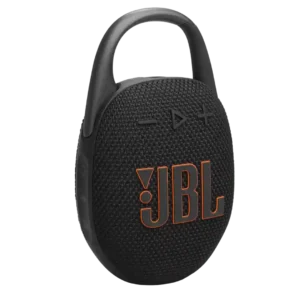
Product 1: JBL Clip 5 Bluetooth Speaker
3.6
The app is useful and sometimes straightforward, but reviewers also call it limited or annoying when required for extra functions.
P2
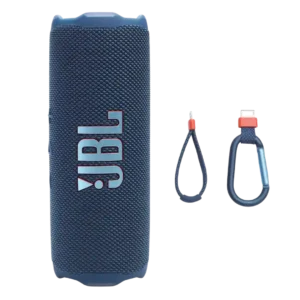
Product 2: JBL Flip 7 Portable Speaker
4.3
The companion app is generally viewed positively, with praise for stability, usefulness, and respect-worthy controls; PCMag found it bare bones but still usable.
Backwards compatibility
P1
Product 1: JBL Clip 5 Bluetooth Speaker
2.0
Backwards compatibility is weak because one reviewer notes it cannot pair with older JBL PartyBoost speakers.
P2
Product 2: JBL Flip 7 Portable Speaker
1.9
Backwards compatibility is a clear weakness because reviewers repeatedly call out that Flip 7 cannot pair with older JBL PartyBoost speakers.
Battery life (if portable)
P1
Product 1: JBL Clip 5 Bluetooth Speaker
4.1
Battery life is generally good around the 12-hour claim, with tests near 11 hours, but high volume reduces runtime and rivals can last longer.
P2
Product 2: JBL Flip 7 Portable Speaker
3.9
Battery life is mixed: many reviewers found 14 hours or vacation-long use good, while standardized or high-volume testing produced shorter results and Playtime Boost trades away bass.
Bluetooth codec support
P1
Product 1: JBL Clip 5 Bluetooth Speaker
2.0
Codec support is limited, with one review specifically noting no higher-bitrate codec support.
P2
Product 2: JBL Flip 7 Portable Speaker
3.0
Codec support is mixed to weak: some sources criticize SBC-only support, while others note AAC/SBC is adequate for the product context.
Bluetooth connection stability
P1
Product 1: JBL Clip 5 Bluetooth Speaker
3.8
Bluetooth stability is mixed: one reviewer had initial connection trouble, while another praised stability at distance.
P2
Product 2: JBL Flip 7 Portable Speaker
4.8
Bluetooth stability is praised as stable, seamless, or hitch-free across several reviews.
Bluetooth range
P1
Product 1: JBL Clip 5 Bluetooth Speaker
4.4
One YouTube reviewer specifically praised the stable connection at distance.
P2
Product 2: JBL Flip 7 Portable Speaker
4.5
Range evidence is positive: one reviewer reported a strong Bluetooth range and another stayed connected around 50 meters away.
Cabinet construction / bracing
P1
Product 1: JBL Clip 5 Bluetooth Speaker
4.4
Construction details such as thicker rubber strips, padding, and better-integrated stoppers receive positive judgments.
P2
Product 2: JBL Flip 7 Portable Speaker
5.0
Reviewers who discussed construction praised the Flip 7 as solid, sturdy, and capable of handling real portable use.
Charging time
P1
Product 1: JBL Clip 5 Bluetooth Speaker
2.8
Charging time is a minor weakness, with reviews citing about two and a half to three hours.
P2
Product 2: JBL Flip 7 Portable Speaker
2.7
Charging time is a mild weakness because reviewers cite a 2.5-hour full recharge and no quick-charge support.
Cohesive presentation
P1
Product 1: JBL Clip 5 Bluetooth Speaker
4.4
Cohesive presentation is generally strong across genres and daily listening, although the default sound is described as safe rather than exceptional.
P2
Product 2: JBL Flip 7 Portable Speaker
5.0
Cohesive presentation is praised by audio-focused reviews describing the Flip 7 as lively, uncluttered, confident, or more mature than older models.
Control button responsiveness
P1
Product 1: JBL Clip 5 Bluetooth Speaker
4.7
Button feel and placement are praised as firm, intuitive, and easy to use.
P2
Product 2: JBL Flip 7 Portable Speaker
4.5
On-unit buttons are praised as tactile or responsive where reviewers discussed them.
Design and aesthetics
P1
Product 1: JBL Clip 5 Bluetooth Speaker
4.1
Design sentiment is mostly positive for style, colors, and rugged looks, with some caveats about personal taste and a tacky logo.
P2
Product 2: JBL Flip 7 Portable Speaker
4.5
Design sentiment is mostly positive, with praise for rugged looks, compact styling, and color, though one reviewer said the aggressive casual design will not suit everyone.
Detail retrieval
P1
Product 1: JBL Clip 5 Bluetooth Speaker
4.5
Detail retrieval is a strength for the size, with praise for layering, instrument detail, bass definition, and clearer high-end detail.
P2
Product 2: JBL Flip 7 Portable Speaker
3.6
Detail retrieval varies by reviewer: several praise strong detail, while others find little nuance or limited improvement over Bluetooth.
Distortion at high volume
P1
Product 1: JBL Clip 5 Bluetooth Speaker
3.9
High-volume performance is mostly praised for low distortion, but some reviewers still hear crowding, shrillness, or normal distortion at the top end.
P2
Product 2: JBL Flip 7 Portable Speaker
3.8
High-volume distortion is split: some reviewers heard little or no distortion, while others found harshness, crackly highs, or bass buckling at louder settings.
Drop resistance durability
P1
Product 1: JBL Clip 5 Bluetooth Speaker
4.5
Durability evidence is positive, with praise for the robust mesh, rugged exterior, and redesigned feet.
P2
Product 2: JBL Flip 7 Portable Speaker
4.8
Drop durability and ruggedness are strongly supported, with reviewers saying the speaker feels robust and survived or inspired confidence during rough use.
Dust resistance rating
P1
Product 1: JBL Clip 5 Bluetooth Speaker
4.4
Dust resistance gets positive support from IP67 outdoor use and one long-term review noting the speaker did not look obviously dusty.
P2
Product 2: JBL Flip 7 Portable Speaker
5.0
Dust resistance earns positive evidence from IP68 and real-use comments that the fabric and sealed body handle dust and dirt well.
Dynamic headroom
P1
Product 1: JBL Clip 5 Bluetooth Speaker
4.5
Dynamic headroom is praised by one reviewer who says the small speaker punches above its weight.
P2
Product 2: JBL Flip 7 Portable Speaker
5.0
Dynamic headroom is praised by sound-focused reviews, especially for punch, rhythmic expression, and scale for the size.
Energy efficiency
P1
Product 1: JBL Clip 5 Bluetooth Speaker
4.4
One reviewer connects Bluetooth 5.3 with better power efficiency.
P2
Product 2: JBL Flip 7 Portable Speaker
3.5
Energy-related evidence centers on USB-C not draining the source device and Playtime Boost extending battery while reducing sound quality.
EQ customization
P1
Product 1: JBL Clip 5 Bluetooth Speaker
4.2
EQ customization is a major upgrade, especially the custom EQ, though some reviewers find presets limited or not very different.
P2
Product 2: JBL Flip 7 Portable Speaker
4.3
EQ customization is a major strength; reviewers consistently praise the seven-band EQ as useful, impactful, and more flexible than previous Flip models.
Everyday usability
P1
Product 1: JBL Clip 5 Bluetooth Speaker
4.4
Everyday usability is strong because the speaker is simple, portable, and convenient, though it is not ideal for standing upright.
P2
Product 2: JBL Flip 7 Portable Speaker
4.4
Everyday usability is a strength: reviewers describe it as easy to place, easy to start, and pleasant to use across home, travel, and outdoor settings.
Frequency response balance
P1
Product 1: JBL Clip 5 Bluetooth Speaker
3.4
Reviewers like the fuller balance and bass for the size, while noting low-bass limits, thinner Playtime Boost sound, treble emphasis, or occasional lack of depth.
P2
Product 2: JBL Flip 7 Portable Speaker
4.3
Frequency balance receives broad praise for punch, bass, clarity, and balanced sound, but some reviewers found recessed mids, harsh treble, or midrange-heavy tuning.
Handle or strap quality
P1
Product 1: JBL Clip 5 Bluetooth Speaker
4.7
The larger built-in carabiner is the most consistently praised design feature, making it easier to hang or clip the speaker in many places.
P2
Product 2: JBL Flip 7 Portable Speaker
4.5
The new PushLock loop/carabiner system is widely praised as useful, secure, and easier for bags, wrists, or outdoor clipping.
Inter-speaker connectivity
P1
Product 1: JBL Clip 5 Bluetooth Speaker
3.7
Inter-speaker connectivity is useful through Auracast, but limitations include JBL-only support, mono behavior with some links, and identical-unit needs for stereo.
P2
Product 2: JBL Flip 7 Portable Speaker
4.2
Inter-speaker connectivity is useful and often easy with Auracast, though reviewers note limited receive behavior, exact-model stereo requirements, or less mature operation than older PartyBoost.
Latency with TV (lip sync)
P1
Product 1: JBL Clip 5 Bluetooth Speaker
4.7
One reviewer says latency is not an issue for phone video watching.
P2
Product 2: JBL Flip 7 Portable Speaker
2.6
Latency is a recurring caveat for Bluetooth video or gaming; USB-C can help, but reviewers still warned about lip-sync lag or missing low-latency modes.
Loudness / maximum volume
P1
Product 1: JBL Clip 5 Bluetooth Speaker
4.4
Reviewers consistently describe the Clip 5 as loud for its size, with strong maximum volume, though one review keeps expectations modest for an ultra-portable speaker.
P2
Product 2: JBL Flip 7 Portable Speaker
4.8
Loudness is one of the strongest points; reviewers repeatedly call it very loud or louder than predecessors for its compact size.
Multi-speaker pairing reliability
P1
Product 1: JBL Clip 5 Bluetooth Speaker
4.6
One reviewer found Auracast speaker syncing immediate, supporting a strong score for pairing reliability in that test.
P2
Product 2: JBL Flip 7 Portable Speaker
4.8
Stereo or group pairing through the app is mostly smooth when supported, but stereo mode requires matching Flip 7 units.
Multipoint connectivity
P1
Product 1: JBL Clip 5 Bluetooth Speaker
4.3
Multipoint support is viewed positively because two devices can share DJ duties.
P2
Product 2: JBL Flip 7 Portable Speaker
4.2
Multipoint is mostly praised as fast or seamless, though one travel review found simultaneous device playback sometimes paused instead of switching smoothly.
On-device controls
P1
Product 1: JBL Clip 5 Bluetooth Speaker
4.3
On-device controls are generally easy and intuitive, though one review criticizes missing previous/next track control.
P2
Product 2: JBL Flip 7 Portable Speaker
4.3
On-device controls are viewed positively, with easy-to-use playback controls and added track-skip behavior noted.
Price / value for money
P1
Product 1: JBL Clip 5 Bluetooth Speaker
4.6
Price/value sentiment is strong, especially because reviewers see meaningful upgrades without a major price increase.
P2
Product 2: JBL Flip 7 Portable Speaker
4.2
Price/value sentiment is mostly positive at its launch or sale price, though a few reviewers framed the Flip 7 as a minor or more premium-priced upgrade.
Setup simplicity
P1
Product 1: JBL Clip 5 Bluetooth Speaker
4.8
Setup is described as very easy in the hands-on YouTube review.
P2
Product 2: JBL Flip 7 Portable Speaker
5.0
Setup and pairing are repeatedly described as simple, easy, or usable by almost anyone.
Smart features
P1Product 1: JBL Clip 5 Bluetooth Speaker
No score yet
P2
Product 2: JBL Flip 7 Portable Speaker
4.5
Smart-feature sentiment is positive around Auracast, lossless wired audio, EQ, and app-enabled features, with compatibility caveats covered separately.
Status indicators
P1
Product 1: JBL Clip 5 Bluetooth Speaker
4.6
Status feedback is praised when the app provides precise battery level information and the speaker signals low battery.
P2
Product 2: JBL Flip 7 Portable Speaker
4.5
Status indicators receive positive evidence from a reviewer who found the visible battery percentage especially helpful in the app and on-device indicator.
Stereo imaging accuracy
P1
Product 1: JBL Clip 5 Bluetooth Speaker
3.2
Stereo imaging is limited in normal mono playback, but pairing two Clip 5 units can provide left-right stereo.
P2
Product 2: JBL Flip 7 Portable Speaker
2.0
Stereo imaging is limited by the mono design; reviewers repeatedly note little soundstage unless another Flip 7 is added.
USB-C charging
P1
Product 1: JBL Clip 5 Bluetooth Speaker
4.3
USB-C charging is positively acknowledged as the expected modern charging method.
P2
Product 2: JBL Flip 7 Portable Speaker
2.3
USB-C charging is convenient, but reviewers criticize the missing cable and lack of quick-charge or included accessories.
Value for money
P1
Product 1: JBL Clip 5 Bluetooth Speaker
4.6
Overall value is high across reviews, with praise for practical features and sound, though some competitors beat it in battery or EQ.
P2
Product 2: JBL Flip 7 Portable Speaker
4.5
Overall value for money is strongly positive across reviews, with repeated no-brainer and good-buy language despite some cheaper competitors.
Voice clarity
P1
Product 1: JBL Clip 5 Bluetooth Speaker
4.4
Vocals and spoken-word clarity are generally strong, with reviewers praising podcast audibility and clearer, more pronounced vocals.
P2
Product 2: JBL Flip 7 Portable Speaker
4.4
Voice clarity is generally positive, with several reviewers calling vocals clear or communicative, though one found vocals distant once bass entered.
Water resistance rating
P1
Product 1: JBL Clip 5 Bluetooth Speaker
4.7
Reviewers strongly approve of the IP67 water resistance for showers, pools, bathrooms, and outdoor use.
P2
Product 2: JBL Flip 7 Portable Speaker
4.9
Water and dust durability is a major strength, with repeated praise for IP68 readiness around pools, beaches, rain, sand, and travel.
Weight convenience
P1
Product 1: JBL Clip 5 Bluetooth Speaker
4.5
The Clip 5 is repeatedly described as compact, light, and easy to carry, though one reviewer finds pants-pocket carry less comfortable.
P2
Product 2: JBL Flip 7 Portable Speaker
4.3
The Flip 7 is consistently treated as portable and compact, although one reviewer noted it has more heft than expected.
Wired input
P1
Product 1: JBL Clip 5 Bluetooth Speaker
3.0
Wired input is absent, but one reviewer judged the omission acceptable for a speaker this small.
P2
Product 2: JBL Flip 7 Portable Speaker
3.9
USB-C wired audio is a valued addition and often easy to activate, but reviewers disagree on how much sonic improvement it delivers and one could not get it working.