Average score
P1
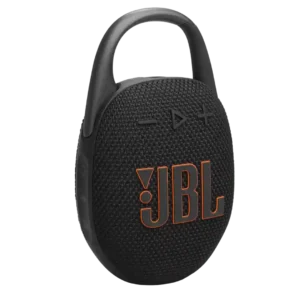
Product 1: JBL Clip 5 Bluetooth Speaker
4.0
P2
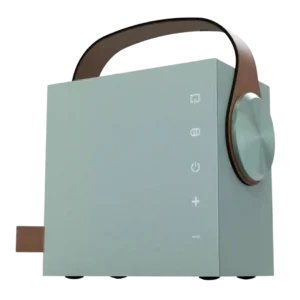
Product 2: Morel Biggie Portable Bluetooth Speaker
3.6
App reliability
P1
Product 1: JBL Clip 5 Bluetooth Speaker
3.6
The app is useful and sometimes straightforward, but reviewers also call it limited or annoying when required for extra functions.
P2Product 2: Morel Biggie Portable Bluetooth Speaker
No score yetAudio format support
P1Product 1: JBL Clip 5 Bluetooth Speaker
No score yet
P2
Product 2: Morel Biggie Portable Bluetooth Speaker
2.0
Audio format support was criticized for lacking higher-resolution options that could improve playback.
Backwards compatibility
P1
Product 1: JBL Clip 5 Bluetooth Speaker
2.0
Backwards compatibility is weak because one reviewer notes it cannot pair with older JBL PartyBoost speakers.
P2Product 2: Morel Biggie Portable Bluetooth Speaker
No score yetBattery life (if portable)
P1
Product 1: JBL Clip 5 Bluetooth Speaker
4.1
Battery life is generally good around the 12-hour claim, with tests near 11 hours, but high volume reduces runtime and rivals can last longer.
P2
Product 2: Morel Biggie Portable Bluetooth Speaker
4.1
Battery life was usually acceptable to strong, but not unanimous: several reviewers met or exceeded expectations, while others measured closer to 16-17 hours.
Bluetooth codec support
P1
Product 1: JBL Clip 5 Bluetooth Speaker
2.0
Codec support is limited, with one review specifically noting no higher-bitrate codec support.
P2
Product 2: Morel Biggie Portable Bluetooth Speaker
2.0
Codec support was criticized because the speaker was said to rely on lossy SBC and ACC rather than higher-resolution options.
Bluetooth connection stability
P1
Product 1: JBL Clip 5 Bluetooth Speaker
3.8
Bluetooth stability is mixed: one reviewer had initial connection trouble, while another praised stability at distance.
P2
Product 2: Morel Biggie Portable Bluetooth Speaker
3.7
Bluetooth stability was mostly positive, but one review reported a notable Pixel pairing/connectivity problem.
Bluetooth range
P1
Product 1: JBL Clip 5 Bluetooth Speaker
4.4
One YouTube reviewer specifically praised the stable connection at distance.
P2
Product 2: Morel Biggie Portable Bluetooth Speaker
5.0
Bluetooth range was praised in real-world use, including through walls and across a long distance.
Cabinet construction / bracing
P1
Product 1: JBL Clip 5 Bluetooth Speaker
4.4
Construction details such as thicker rubber strips, padding, and better-integrated stoppers receive positive judgments.
P2
Product 2: Morel Biggie Portable Bluetooth Speaker
4.5
Cabinet construction was widely praised, with reviewers highlighting woodwork, impeccable engineering, and vibration control.
Charging time
P1
Product 1: JBL Clip 5 Bluetooth Speaker
2.8
Charging time is a minor weakness, with reviews citing about two and a half to three hours.
P2
Product 2: Morel Biggie Portable Bluetooth Speaker
4.8
Charging speed was praised, especially the two-hour full charge and quick top-up capability.
Cohesive presentation
P1
Product 1: JBL Clip 5 Bluetooth Speaker
4.4
Cohesive presentation is generally strong across genres and daily listening, although the default sound is described as safe rather than exceptional.
P2
Product 2: Morel Biggie Portable Bluetooth Speaker
4.6
Cohesive presentation was mostly positive, particularly from reviewers who liked the tuned sound and overall musical experience.
Control button responsiveness
P1
Product 1: JBL Clip 5 Bluetooth Speaker
4.7
Button feel and placement are praised as firm, intuitive, and easy to use.
P2
Product 2: Morel Biggie Portable Bluetooth Speaker
4.0
Button feel itself was praised as light, solid, and tactile.
Design and aesthetics
P1
Product 1: JBL Clip 5 Bluetooth Speaker
4.1
Design sentiment is mostly positive for style, colors, and rugged looks, with some caveats about personal taste and a tacky logo.
P2
Product 2: Morel Biggie Portable Bluetooth Speaker
4.8
Design and aesthetics were one of the strongest points, with reviewers praising the attractive finishes, classy look, and premium styling.
Detail retrieval
P1
Product 1: JBL Clip 5 Bluetooth Speaker
4.5
Detail retrieval is a strength for the size, with praise for layering, instrument detail, bass definition, and clearer high-end detail.
P2
Product 2: Morel Biggie Portable Bluetooth Speaker
3.9
Detail retrieval varied sharply: stereo-pair and hi-fi-focused reviews praised fine detail, while bass boom reduced subtlety in other tests.
Dialogue clarity (for TV/soundbar use)
P1Product 1: JBL Clip 5 Bluetooth Speaker
No score yet
P2
Product 2: Morel Biggie Portable Bluetooth Speaker
4.0
One review found the speaker useful for TV in small spaces because dialogue stayed clear.
Distortion at high volume
P1
Product 1: JBL Clip 5 Bluetooth Speaker
3.9
High-volume performance is mostly praised for low distortion, but some reviewers still hear crowding, shrillness, or normal distortion at the top end.
P2
Product 2: Morel Biggie Portable Bluetooth Speaker
2.3
High-volume composure was mixed: one review praised freedom from annoying distortion in casual use, while others reported port chuffing or mild distortion when pushed.
Drop resistance durability
P1
Product 1: JBL Clip 5 Bluetooth Speaker
4.5
Durability evidence is positive, with praise for the robust mesh, rugged exterior, and redesigned feet.
P2
Product 2: Morel Biggie Portable Bluetooth Speaker
2.0
Durability for rough handling was weakly rated because one reviewer warned against getting it dirty or banged around.
Dust resistance rating
P1
Product 1: JBL Clip 5 Bluetooth Speaker
4.4
Dust resistance gets positive support from IP67 outdoor use and one long-term review noting the speaker did not look obviously dusty.
P2Product 2: Morel Biggie Portable Bluetooth Speaker
No score yetDynamic headroom
P1
Product 1: JBL Clip 5 Bluetooth Speaker
4.5
Dynamic headroom is praised by one reviewer who says the small speaker punches above its weight.
P2
Product 2: Morel Biggie Portable Bluetooth Speaker
4.5
Dynamic headroom was praised for punch, contrast, and useful dynamic range.
Energy efficiency
P1
Product 1: JBL Clip 5 Bluetooth Speaker
4.4
One reviewer connects Bluetooth 5.3 with better power efficiency.
P2Product 2: Morel Biggie Portable Bluetooth Speaker
No score yetEQ customization
P1
Product 1: JBL Clip 5 Bluetooth Speaker
4.2
EQ customization is a major upgrade, especially the custom EQ, though some reviewers find presets limited or not very different.
P2
Product 2: Morel Biggie Portable Bluetooth Speaker
2.0
EQ customization was a weakness because reviewers wanted app or adjustable EQ control, especially given the bass balance.
Everyday usability
P1
Product 1: JBL Clip 5 Bluetooth Speaker
4.4
Everyday usability is strong because the speaker is simple, portable, and convenient, though it is not ideal for standing upright.
P2
Product 2: Morel Biggie Portable Bluetooth Speaker
4.0
Everyday use was easy indoors, but outdoor placement required care because of the lack of ruggedness.
Frequency response balance
P1
Product 1: JBL Clip 5 Bluetooth Speaker
3.4
Reviewers like the fuller balance and bass for the size, while noting low-bass limits, thinner Playtime Boost sound, treble emphasis, or occasional lack of depth.
P2
Product 2: Morel Biggie Portable Bluetooth Speaker
3.7
Frequency balance split reviewers: some heard flat, warm, well-controlled tuning, while others found the bass too forward or dominant.
Handle or strap quality
P1
Product 1: JBL Clip 5 Bluetooth Speaker
4.7
The larger built-in carabiner is the most consistently praised design feature, making it easier to hang or clip the speaker in many places.
P2
Product 2: Morel Biggie Portable Bluetooth Speaker
4.0
The handle was generally useful and practical, though one reviewer felt it dominated the design.
Home theater integration
P1Product 1: JBL Clip 5 Bluetooth Speaker
No score yet
P2
Product 2: Morel Biggie Portable Bluetooth Speaker
4.0
Home theater integration was limited but plausible in small spaces, especially with wired input and stereo pairing.
Inter-speaker connectivity
P1
Product 1: JBL Clip 5 Bluetooth Speaker
3.7
Inter-speaker connectivity is useful through Auracast, but limitations include JBL-only support, mono behavior with some links, and identical-unit needs for stereo.
P2
Product 2: Morel Biggie Portable Bluetooth Speaker
4.6
Inter-speaker connectivity was a major strength when two units were used, improving excitement, depth, and stereo presentation.
Latency with TV (lip sync)
P1
Product 1: JBL Clip 5 Bluetooth Speaker
4.7
One reviewer says latency is not an issue for phone video watching.
P2
Product 2: Morel Biggie Portable Bluetooth Speaker
3.0
For TV use, one review warned that wired input is preferable to avoid Bluetooth audio lag.
Loudness / maximum volume
P1
Product 1: JBL Clip 5 Bluetooth Speaker
4.4
Reviewers consistently describe the Clip 5 as loud for its size, with strong maximum volume, though one review keeps expectations modest for an ultra-portable speaker.
P2
Product 2: Morel Biggie Portable Bluetooth Speaker
4.2
Reviewers agreed the Biggie can play surprisingly large for its size, though one found that impact could become overbearing.
Low-volume performance
P1Product 1: JBL Clip 5 Bluetooth Speaker
No score yet
P2
Product 2: Morel Biggie Portable Bluetooth Speaker
1.5
Low-volume listening was a clear weakness in one review because the lowest setting remained too loud and boomy.
Microphone
P1
Product 1: JBL Clip 5 Bluetooth Speaker
1.5
Microphone performance scores poorly because a reviewer says the lack of phone-call functionality feels lacking.
P2Product 2: Morel Biggie Portable Bluetooth Speaker
No score yetMulti-speaker pairing reliability
P1
Product 1: JBL Clip 5 Bluetooth Speaker
4.6
One reviewer found Auracast speaker syncing immediate, supporting a strong score for pairing reliability in that test.
P2
Product 2: Morel Biggie Portable Bluetooth Speaker
4.6
Pairing two units was described as straightforward or easy, and reviewers liked the stereo-pair concept.
Multipoint connectivity
P1
Product 1: JBL Clip 5 Bluetooth Speaker
4.3
Multipoint support is viewed positively because two devices can share DJ duties.
P2Product 2: Morel Biggie Portable Bluetooth Speaker
No score yetOn-device controls
P1
Product 1: JBL Clip 5 Bluetooth Speaker
4.3
On-device controls are generally easy and intuitive, though one review criticizes missing previous/next track control.
P2
Product 2: Morel Biggie Portable Bluetooth Speaker
2.8
On-device controls were divisive: they were straightforward once understood, but hidden buttons and antiquated controls frustrated some reviewers.
Power bank function
P1Product 1: JBL Clip 5 Bluetooth Speaker
No score yet
P2
Product 2: Morel Biggie Portable Bluetooth Speaker
3.0
Power-bank usefulness was mixed: one review called phone charging thoughtful, while another said it failed with a Pixel phone.
Price / value for money
P1
Product 1: JBL Clip 5 Bluetooth Speaker
4.6
Price/value sentiment is strong, especially because reviewers see meaningful upgrades without a major price increase.
P2
Product 2: Morel Biggie Portable Bluetooth Speaker
4.1
Value opinions were divided by priorities: sound-focused reviewers called it a bargain or reasonable, while TechRadar found cheaper competitors stronger overall.
Setup simplicity
P1
Product 1: JBL Clip 5 Bluetooth Speaker
4.8
Setup is described as very easy in the hands-on YouTube review.
P2
Product 2: Morel Biggie Portable Bluetooth Speaker
4.6
Basic Bluetooth setup was consistently described as simple and quick.
Smart features
P1Product 1: JBL Clip 5 Bluetooth Speaker
No score yet
P2
Product 2: Morel Biggie Portable Bluetooth Speaker
2.5
Smart features were intentionally minimal; some reviewers did not miss them, but others criticized the lack of app, Wi-Fi, and smart-home integration.
Speakerphone quality
P1
Product 1: JBL Clip 5 Bluetooth Speaker
1.5
Speakerphone quality is weak because the lack of phone-call support is called a limitation.
P2Product 2: Morel Biggie Portable Bluetooth Speaker
No score yetStatus indicators
P1
Product 1: JBL Clip 5 Bluetooth Speaker
4.6
Status feedback is praised when the app provides precise battery level information and the speaker signals low battery.
P2
Product 2: Morel Biggie Portable Bluetooth Speaker
2.0
Status feedback drew criticism, especially the awkward and imprecise battery indicator.
Stereo imaging accuracy
P1
Product 1: JBL Clip 5 Bluetooth Speaker
3.2
Stereo imaging is limited in normal mono playback, but pairing two Clip 5 units can provide left-right stereo.
P2
Product 2: Morel Biggie Portable Bluetooth Speaker
5.0
Stereo imaging was a standout when two units were paired, with reviewers hearing clear placement, depth, and separation.
USB-C charging
P1
Product 1: JBL Clip 5 Bluetooth Speaker
4.3
USB-C charging is positively acknowledged as the expected modern charging method.
P2
Product 2: Morel Biggie Portable Bluetooth Speaker
4.5
USB-C charging was praised as convenient in the Absolute Sound review.
Value for money
P1
Product 1: JBL Clip 5 Bluetooth Speaker
4.6
Overall value is high across reviews, with praise for practical features and sound, though some competitors beat it in battery or EQ.
P2
Product 2: Morel Biggie Portable Bluetooth Speaker
3.3
General value was polarized, with one review criticizing the feature-to-price tradeoff and another praising the stereo setup capability.
Voice clarity
P1
Product 1: JBL Clip 5 Bluetooth Speaker
4.4
Vocals and spoken-word clarity are generally strong, with reviewers praising podcast audibility and clearer, more pronounced vocals.
P2
Product 2: Morel Biggie Portable Bluetooth Speaker
4.5
Vocal clarity was praised in the midrange, especially around the vocal sweet spot.
Water resistance rating
P1
Product 1: JBL Clip 5 Bluetooth Speaker
4.7
Reviewers strongly approve of the IP67 water resistance for showers, pools, bathrooms, and outdoor use.
P2
Product 2: Morel Biggie Portable Bluetooth Speaker
2.0
Water resistance was a common limitation because reviewers repeatedly noted the lack of waterproofing or IP rating.
Weight convenience
P1
Product 1: JBL Clip 5 Bluetooth Speaker
4.5
The Clip 5 is repeatedly described as compact, light, and easy to carry, though one reviewer finds pants-pocket carry less comfortable.
P2
Product 2: Morel Biggie Portable Bluetooth Speaker
3.0
Weight convenience was mixed: one review called it manageable, but others felt it belonged on a desk or was too heavy for easy travel.
Wired input
P1
Product 1: JBL Clip 5 Bluetooth Speaker
3.0
Wired input is absent, but one reviewer judged the omission acceptable for a speaker this small.
P2
Product 2: Morel Biggie Portable Bluetooth Speaker
2.5
The wired input exists, but one review found it did not meaningfully improve sound quality over Bluetooth.