Average score
P1
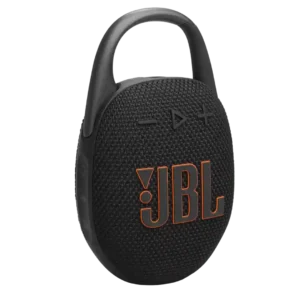
Product 1: JBL Clip 5 Bluetooth Speaker
4.0
P2
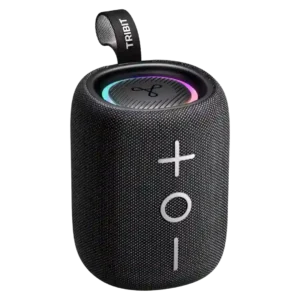
Product 2: Tribit StormBox Mini+ Bluetooth Speaker
3.9
Amplifier power requirements
P1Product 1: JBL Clip 5 Bluetooth Speaker
No score yet
P2
Product 2: Tribit StormBox Mini+ Bluetooth Speaker
2.5
Power output is limited for loud listening; one reviewer warned that 12 watts is not head-thumping.
App reliability
P1
Product 1: JBL Clip 5 Bluetooth Speaker
3.6
The app is useful and sometimes straightforward, but reviewers also call it limited or annoying when required for extra functions.
P2
Product 2: Tribit StormBox Mini+ Bluetooth Speaker
4.0
App experience is mostly positive and simple, but PCMag reported firmware-update trouble; reviewers otherwise called the app easy, consistent, basic, useful, or intuitive.
Audio format support
P1Product 1: JBL Clip 5 Bluetooth Speaker
No score yet
P2
Product 2: Tribit StormBox Mini+ Bluetooth Speaker
4.0
Audio format support evidence is limited but positive, with WIRED noting AAC support as a potentially better option for iPhones.
Backwards compatibility
P1
Product 1: JBL Clip 5 Bluetooth Speaker
2.0
Backwards compatibility is weak because one reviewer notes it cannot pair with older JBL PartyBoost speakers.
P2Product 2: Tribit StormBox Mini+ Bluetooth Speaker
No score yetBattery life (if portable)
P1
Product 1: JBL Clip 5 Bluetooth Speaker
4.1
Battery life is generally good around the 12-hour claim, with tests near 11 hours, but high volume reduces runtime and rivals can last longer.
P2
Product 2: Tribit StormBox Mini+ Bluetooth Speaker
4.1
Battery life is generally good for casual use, often near or above the 12-hour claim, but some reviewers considered it merely reasonable rather than great.
Bluetooth codec support
P1
Product 1: JBL Clip 5 Bluetooth Speaker
2.0
Codec support is limited, with one review specifically noting no higher-bitrate codec support.
P2
Product 2: Tribit StormBox Mini+ Bluetooth Speaker
4.0
Bluetooth codec support was judged convenient, with AAC and SBC support called useful for connecting and audio quality.
Bluetooth connection stability
P1
Product 1: JBL Clip 5 Bluetooth Speaker
3.8
Bluetooth stability is mixed: one reviewer had initial connection trouble, while another praised stability at distance.
P2
Product 2: Tribit StormBox Mini+ Bluetooth Speaker
4.7
Bluetooth stability was a consistent strength, with reviewers reporting quick pairing and few or no drops, stutters, or connectivity issues.
Bluetooth range
P1
Product 1: JBL Clip 5 Bluetooth Speaker
4.4
One YouTube reviewer specifically praised the stable connection at distance.
P2
Product 2: Tribit StormBox Mini+ Bluetooth Speaker
4.2
Bluetooth range evidence was positive overall, with reviewers calling the 30-meter range enough, maintaining connection around the home, and noting good range support.
Cabinet construction / bracing
P1
Product 1: JBL Clip 5 Bluetooth Speaker
4.4
Construction details such as thicker rubber strips, padding, and better-integrated stoppers receive positive judgments.
P2
Product 2: Tribit StormBox Mini+ Bluetooth Speaker
4.4
Build construction was widely praised as robust, sturdy, durable, and nicely finished for a small budget speaker.
Charging time
P1
Product 1: JBL Clip 5 Bluetooth Speaker
2.8
Charging time is a minor weakness, with reviews citing about two and a half to three hours.
P2
Product 2: Tribit StormBox Mini+ Bluetooth Speaker
3.2
Charging time drew mixed reactions: some found 2.5 hours acceptable, while others wanted faster charging or more convenience on the fly.
Cohesive presentation
P1
Product 1: JBL Clip 5 Bluetooth Speaker
4.4
Cohesive presentation is generally strong across genres and daily listening, although the default sound is described as safe rather than exceptional.
P2
Product 2: Tribit StormBox Mini+ Bluetooth Speaker
3.8
Cohesive presentation was mostly positive for balance and non-muddy playback, but one reviewer found the sound echoey and disconnected.
Control button responsiveness
P1
Product 1: JBL Clip 5 Bluetooth Speaker
4.7
Button feel and placement are praised as firm, intuitive, and easy to use.
P2
Product 2: Tribit StormBox Mini+ Bluetooth Speaker
4.6
Button feel was widely praised as tactile, responsive, easy to press, and suitable for poolside use.
Design and aesthetics
P1
Product 1: JBL Clip 5 Bluetooth Speaker
4.1
Design sentiment is mostly positive for style, colors, and rugged looks, with some caveats about personal taste and a tacky logo.
P2
Product 2: Tribit StormBox Mini+ Bluetooth Speaker
4.1
Design was mostly praised as portable, premium-looking, simple, or elegant, though MacSources criticized hard-to-read black-on-black labeling.
Detail retrieval
P1
Product 1: JBL Clip 5 Bluetooth Speaker
4.5
Detail retrieval is a strength for the size, with praise for layering, instrument detail, bass definition, and clearer high-end detail.
P2
Product 2: Tribit StormBox Mini+ Bluetooth Speaker
3.5
Detail retrieval split reviewers: Tom's Guide and others praised distinguishable details and clarity, while PCMag and one YouTube reviewer found treble/detail limited or phone-like.
Dialogue clarity (for TV/soundbar use)
P1Product 1: JBL Clip 5 Bluetooth Speaker
No score yet
P2
Product 2: Tribit StormBox Mini+ Bluetooth Speaker
4.0
Limited TV/movie-related evidence was positive, with one reviewer finding podcasts fine and another saying it worked well for watching a movie while camping.
Distortion at high volume
P1
Product 1: JBL Clip 5 Bluetooth Speaker
3.9
High-volume performance is mostly praised for low distortion, but some reviewers still hear crowding, shrillness, or normal distortion at the top end.
P2
Product 2: Tribit StormBox Mini+ Bluetooth Speaker
3.0
High-volume behavior is mixed: WIRED heard almost no distortion at full volume, while TechRadar, Tom's Guide, and PCMag noted quality loss, distortion, or bass strain when pushed.
Drop resistance durability
P1
Product 1: JBL Clip 5 Bluetooth Speaker
4.5
Durability evidence is positive, with praise for the robust mesh, rugged exterior, and redesigned feet.
P2
Product 2: Tribit StormBox Mini+ Bluetooth Speaker
5.0
Drop durability evidence is limited but strong, with TechRadar reporting multiple drops without a problem.
Dust resistance rating
P1
Product 1: JBL Clip 5 Bluetooth Speaker
4.4
Dust resistance gets positive support from IP67 outdoor use and one long-term review noting the speaker did not look obviously dusty.
P2
Product 2: Tribit StormBox Mini+ Bluetooth Speaker
2.5
Dust protection is a recurring caveat: several reviewers noted the lack of a dust rating or hesitated about beach use.
Dynamic headroom
P1
Product 1: JBL Clip 5 Bluetooth Speaker
4.5
Dynamic headroom is praised by one reviewer who says the small speaker punches above its weight.
P2
Product 2: Tribit StormBox Mini+ Bluetooth Speaker
3.5
Dynamic headroom is mixed: Tom's Guide praised complex-track handling, but PCMag heard DSP compression and reduced dynamic range when pushed.
Energy efficiency
P1
Product 1: JBL Clip 5 Bluetooth Speaker
4.4
One reviewer connects Bluetooth 5.3 with better power efficiency.
P2Product 2: Tribit StormBox Mini+ Bluetooth Speaker
No score yetEQ customization
P1
Product 1: JBL Clip 5 Bluetooth Speaker
4.2
EQ customization is a major upgrade, especially the custom EQ, though some reviewers find presets limited or not very different.
P2
Product 2: Tribit StormBox Mini+ Bluetooth Speaker
3.8
EQ customization was widely appreciated, especially the app-based EQ and custom settings, though a few reviewers found the app limited or unnecessary.
Everyday usability
P1
Product 1: JBL Clip 5 Bluetooth Speaker
4.4
Everyday usability is strong because the speaker is simple, portable, and convenient, though it is not ideal for standing upright.
P2
Product 2: Tribit StormBox Mini+ Bluetooth Speaker
4.6
Everyday usability was strong: reviewers used it around the home, shower, travel, outdoors, and small casual settings without much friction.
Float capability
P1Product 1: JBL Clip 5 Bluetooth Speaker
No score yet
P2
Product 2: Tribit StormBox Mini+ Bluetooth Speaker
4.0
Float capability was mentioned positively but with a caveat, since WIRED noted that it floats upside down.
Frequency response balance
P1
Product 1: JBL Clip 5 Bluetooth Speaker
3.4
Reviewers like the fuller balance and bass for the size, while noting low-bass limits, thinner Playtime Boost sound, treble emphasis, or occasional lack of depth.
P2
Product 2: Tribit StormBox Mini+ Bluetooth Speaker
3.7
Frequency balance sharply divided reviewers: many praised the clear, balanced, surprisingly full sound, while others complained about weak bass, muffling, or a phone-speaker-like presentation.
Handle or strap quality
P1
Product 1: JBL Clip 5 Bluetooth Speaker
4.7
The larger built-in carabiner is the most consistently praised design feature, making it easier to hang or clip the speaker in many places.
P2
Product 2: Tribit StormBox Mini+ Bluetooth Speaker
4.2
The strap or lanyard was consistently viewed as useful for carrying, hanging, or attaching the speaker, though one reviewer wished a carabiner were included.
Inter-speaker connectivity
P1
Product 1: JBL Clip 5 Bluetooth Speaker
3.7
Inter-speaker connectivity is useful through Auracast, but limitations include JBL-only support, mono behavior with some links, and identical-unit needs for stereo.
P2
Product 2: Tribit StormBox Mini+ Bluetooth Speaker
4.6
Inter-speaker connectivity was a major positive where tested, with stereo pairing described as incredible, flawless, easy, or useful for wider coverage.
Latency with TV (lip sync)
P1
Product 1: JBL Clip 5 Bluetooth Speaker
4.7
One reviewer says latency is not an issue for phone video watching.
P2Product 2: Tribit StormBox Mini+ Bluetooth Speaker
No score yetLED lighting effects
P1Product 1: JBL Clip 5 Bluetooth Speaker
No score yet
P2
Product 2: Tribit StormBox Mini+ Bluetooth Speaker
3.8
The LED effects were often liked as tasteful, fun, or atmospheric, but a few reviewers found them limited or not personally useful.
Lighting effects
P1Product 1: JBL Clip 5 Bluetooth Speaker
No score yet
P2
Product 2: Tribit StormBox Mini+ Bluetooth Speaker
3.7
Lighting impressions were mixed but generally favorable: some praised the fun light show, while others found the modes basic, limited, or unimportant.
Loudness / maximum volume
P1
Product 1: JBL Clip 5 Bluetooth Speaker
4.4
Reviewers consistently describe the Clip 5 as loud for its size, with strong maximum volume, though one review keeps expectations modest for an ultra-portable speaker.
P2
Product 2: Tribit StormBox Mini+ Bluetooth Speaker
3.5
Reviewers generally found the Mini+ loud enough for small rooms, close listening, and casual outdoor use, but several warned that it is not a real party speaker and lacks head-thumping output.
Low-volume performance
P1Product 1: JBL Clip 5 Bluetooth Speaker
No score yet
P2
Product 2: Tribit StormBox Mini+ Bluetooth Speaker
4.0
Low-volume performance was supported by TechRadar, which said keeping volume low avoids most complaints.
Microphone
P1
Product 1: JBL Clip 5 Bluetooth Speaker
1.5
Microphone performance scores poorly because a reviewer says the lack of phone-call functionality feels lacking.
P2
Product 2: Tribit StormBox Mini+ Bluetooth Speaker
3.3
Microphone quality was mixed: some reviewers reported clear call pickup, while others called the gain low, mediocre, or only a backup feature.
Multi-speaker pairing reliability
P1
Product 1: JBL Clip 5 Bluetooth Speaker
4.6
One reviewer found Auracast speaker syncing immediate, supporting a strong score for pairing reliability in that test.
P2
Product 2: Tribit StormBox Mini+ Bluetooth Speaker
5.0
Multi-speaker pairing was strongly praised where tested, with reviewers calling it flawless or magical.
Multipoint connectivity
P1
Product 1: JBL Clip 5 Bluetooth Speaker
4.3
Multipoint support is viewed positively because two devices can share DJ duties.
P2
Product 2: Tribit StormBox Mini+ Bluetooth Speaker
1.5
Multipoint connectivity is a clear miss because one reviewer specifically noted that the speaker does not connect to multiple devices simultaneously.
Omnidirectional sound
P1Product 1: JBL Clip 5 Bluetooth Speaker
No score yet
P2
Product 2: Tribit StormBox Mini+ Bluetooth Speaker
4.1
Omnidirectional sound is mixed-to-positive: many reviewers liked the consistent 360-degree dispersion, while TechRadar thought the 360-degree sound was not great.
On-device controls
P1
Product 1: JBL Clip 5 Bluetooth Speaker
4.3
On-device controls are generally easy and intuitive, though one review criticizes missing previous/next track control.
P2
Product 2: Tribit StormBox Mini+ Bluetooth Speaker
4.2
On-device controls were praised as tactile, easy to use, and logically arranged.
Price / value for money
P1
Product 1: JBL Clip 5 Bluetooth Speaker
4.6
Price/value sentiment is strong, especially because reviewers see meaningful upgrades without a major price increase.
P2
Product 2: Tribit StormBox Mini+ Bluetooth Speaker
4.3
Price-to-performance was one of the strongest areas, with many reviewers saying the speaker sounds good for the money or is hard to beat at the price.
Privacy and data
P1Product 1: JBL Clip 5 Bluetooth Speaker
No score yet
P2
Product 2: Tribit StormBox Mini+ Bluetooth Speaker
4.0
Privacy and data evidence is limited but mildly positive because PCMag noted the app does not require an account, even if it suggests one.
Setup simplicity
P1
Product 1: JBL Clip 5 Bluetooth Speaker
4.8
Setup is described as very easy in the hands-on YouTube review.
P2
Product 2: Tribit StormBox Mini+ Bluetooth Speaker
4.6
Setup was consistently easy, with quick pairing, simple Bluetooth setup, and no complicated onboarding noted by reviewers.
Smart features
P1Product 1: JBL Clip 5 Bluetooth Speaker
No score yet
P2
Product 2: Tribit StormBox Mini+ Bluetooth Speaker
2.0
Smart features are limited; GearBrain specifically listed the lack of built-in voice assistant or smart home integration as a downside.
Speakerphone quality
P1
Product 1: JBL Clip 5 Bluetooth Speaker
1.5
Speakerphone quality is weak because the lack of phone-call support is called a limitation.
P2
Product 2: Tribit StormBox Mini+ Bluetooth Speaker
3.9
Speakerphone quality was mixed: some reviewers found calls clear and useful, while PCMag and WIRED noted proximity or mic-gain limitations.
Status indicators
P1
Product 1: JBL Clip 5 Bluetooth Speaker
4.6
Status feedback is praised when the app provides precise battery level information and the speaker signals low battery.
P2
Product 2: Tribit StormBox Mini+ Bluetooth Speaker
2.8
Status indicators are mixed: illuminated rear buttons help in the dark, but WIRED criticized the lack of volume and fuller battery indication.
Stereo imaging accuracy
P1
Product 1: JBL Clip 5 Bluetooth Speaker
3.2
Stereo imaging is limited in normal mono playback, but pairing two Clip 5 units can provide left-right stereo.
P2
Product 2: Tribit StormBox Mini+ Bluetooth Speaker
3.7
Stereo performance improves with two speakers, with some reviewers praising the travel between channels or TWS separation, but single-unit stereo separation was judged cramped or limited.
Subwoofer
P1Product 1: JBL Clip 5 Bluetooth Speaker
No score yet
P2
Product 2: Tribit StormBox Mini+ Bluetooth Speaker
2.5
Bass extension is limited by the compact design; reviewers wanted a separate woofer or noted that it cannot deliver low, deep bass.
Surround sound simulation
P1Product 1: JBL Clip 5 Bluetooth Speaker
No score yet
P2
Product 2: Tribit StormBox Mini+ Bluetooth Speaker
4.0
One reviewer reacted positively to the paired-speaker surround-like effect, describing it as true wireless surround.
USB-C charging
P1
Product 1: JBL Clip 5 Bluetooth Speaker
4.3
USB-C charging is positively acknowledged as the expected modern charging method.
P2
Product 2: Tribit StormBox Mini+ Bluetooth Speaker
4.5
USB-C charging was positively received as convenient and modern, with reviewers explicitly appreciating it over older charging options.
Value for money
P1
Product 1: JBL Clip 5 Bluetooth Speaker
4.6
Overall value is high across reviews, with praise for practical features and sound, though some competitors beat it in battery or EQ.
P2
Product 2: Tribit StormBox Mini+ Bluetooth Speaker
4.7
Value for money was broadly praised, with reviewers emphasizing the low price, strong feature mix, and better-than-expected performance for the budget.
Voice assistant responsiveness
P1Product 1: JBL Clip 5 Bluetooth Speaker
No score yet
P2
Product 2: Tribit StormBox Mini+ Bluetooth Speaker
4.0
Voice assistant responsiveness evidence is limited but positive, with WIRED reporting no problem summoning Siri from the speaker.
Voice clarity
P1
Product 1: JBL Clip 5 Bluetooth Speaker
4.4
Vocals and spoken-word clarity are generally strong, with reviewers praising podcast audibility and clearer, more pronounced vocals.
P2
Product 2: Tribit StormBox Mini+ Bluetooth Speaker
4.3
Voices and vocals were mostly praised, with reviewers citing clear podcasts, crystal-clear vocals, and strong narrator or spoken-word performance.
Voice recognition accuracy
P1Product 1: JBL Clip 5 Bluetooth Speaker
No score yet
P2
Product 2: Tribit StormBox Mini+ Bluetooth Speaker
4.0
Voice recognition evidence is limited but positive, with WIRED reporting no problem summoning Siri.
Water resistance rating
P1
Product 1: JBL Clip 5 Bluetooth Speaker
4.7
Reviewers strongly approve of the IP67 water resistance for showers, pools, bathrooms, and outdoor use.
P2
Product 2: Tribit StormBox Mini+ Bluetooth Speaker
4.6
Water resistance was one of the strongest points, with reviewers reporting shower, splash, rain, and immersion confidence under the IPX7 rating.
Weight convenience
P1
Product 1: JBL Clip 5 Bluetooth Speaker
4.5
The Clip 5 is repeatedly described as compact, light, and easy to carry, though one reviewer finds pants-pocket carry less comfortable.
P2
Product 2: Tribit StormBox Mini+ Bluetooth Speaker
4.0
Weight and portability are mostly praised, though a few reviewers found it surprisingly weighty or heavy for its size.
Wired input
P1
Product 1: JBL Clip 5 Bluetooth Speaker
3.0
Wired input is absent, but one reviewer judged the omission acceptable for a speaker this small.
P2
Product 2: Tribit StormBox Mini+ Bluetooth Speaker
4.1
The wired input was repeatedly treated as a useful bonus, especially because 3.5mm inputs are rare on waterproof portable speakers.