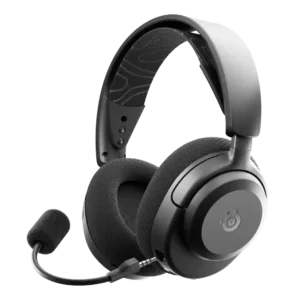
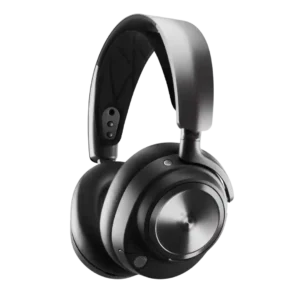
Average score
P1
Product 1: SteelSeries Arctis Nova 3 Gaming...
3.9
P2
Product 2: SteelSeries Arctis Nova Pro Wireless...
4.2
Active noise cancellation
P1
Product 1: SteelSeries Arctis Nova 3 Gaming...
2.5
ANC was a weakness because reviewers noted its absence and framed that omission as disappointing or baffling at this price.
P2
Product 2: SteelSeries Arctis Nova Pro Wireless...
3.9
ANC draws the widest range of opinions: some reviewers call it exceptional or effective, while others find it merely decent, pressure-heavy, or worse after long-term use.
App
P1
Product 1: SteelSeries Arctis Nova 3 Gaming...
4.4
The app/software was a major value driver because reviewers praised mobile presets, Sonar, GG customization, and usefulness, despite a few complexity complaints.
P2
Product 2: SteelSeries Arctis Nova Pro Wireless...
4.3
The app/software ecosystem is powerful and often praised, especially Sonar, but some reviewers criticize SteelSeries GG setup friction or base-station interaction quirks.
Bass performance
P1
Product 1: SteelSeries Arctis Nova 3 Gaming...
3.6
Bass feedback was mixed: wireless reviews often praised boom and thump, while several wired or measurement-focused reviews noted restrained sub-bass, boxiness, or less low-end impact.
P2
Product 2: SteelSeries Arctis Nova Pro Wireless...
4.6
Bass is generally described as impactful, punchy, full, and controlled rather than merely loud or muddy.
Battery
P1
Product 1: SteelSeries Arctis Nova 3 Gaming...
4.3
Battery life was generally strong for the wireless model, commonly described as enough for days or long sessions, though one lab test found less than the advertised 2.4GHz rating.
P2
Product 2: SteelSeries Arctis Nova Pro Wireless...
4.9
Battery is one of the strongest consensus wins thanks to hot-swappable batteries, long runtime, and little to no downtime.
Bluetooth
P1
Product 1: SteelSeries Arctis Nova 3 Gaming...
4.2
Bluetooth was viewed positively when tested, especially for painless switching, mobile use, and fallback connectivity.
P2
Product 2: SteelSeries Arctis Nova Pro Wireless...
4.0
Bluetooth is valued for simultaneous use and separate controls, but multiple reviewers report annoyances with volume behavior, PC modes, or intermittent phone issues.
Build quality
P1
Product 1: SteelSeries Arctis Nova 3 Gaming...
3.9
Build quality was mostly solid for plastic construction, but reviewers also noted plasticky feel or merely steady construction.
P2
Product 2: SteelSeries Arctis Nova Pro Wireless...
4.5
Build quality is mostly praised as sturdy, premium, and durable, though one reviewer wanted sturdier materials around the hinges.
Built-in DAC and hi-res playback
P1
Product 1: SteelSeries Arctis Nova 3 Gaming...
4.0
The wired model’s USB DAC was useful mainly for extra volume and software access rather than a broad hi-res claim.
P2
Product 2: SteelSeries Arctis Nova Pro Wireless...
4.7
The base station/DAC-like control hub is one of the product’s biggest strengths, offering battery charging, source switching, EQ, and on-desk control.
Button control usability
P1
Product 1: SteelSeries Arctis Nova 3 Gaming...
3.9
Control usability was mostly simple and easy, but some reviewers disliked crowded or less intuitive one-hand control layouts.
P2
Product 2: SteelSeries Arctis Nova Pro Wireless...
4.5
Controls are generally praised for distinct buttons, tactile wheels, useful mute indicators, and intuitive access, with only minor dock-use caveats.
Cable quality
P1
Product 1: SteelSeries Arctis Nova 3 Gaming...
2.3
Cable comments were negative, mostly because reviewers disliked the short charging cable or stiff wired headset cables.
P2Product 2: SteelSeries Arctis Nova Pro Wireless...
No score yetCarry case quality
P1Product 1: SteelSeries Arctis Nova 3 Gaming...
No score yet
P2
Product 2: SteelSeries Arctis Nova Pro Wireless...
4.0
Carry case evidence is limited to one positive mention of a nice included carrying bag.
Charging
P1
Product 1: SteelSeries Arctis Nova 3 Gaming...
4.9
Fast charging was one of the clearest strengths, with reviewers repeatedly praising the 15-minute charge usefulness.
P2
Product 2: SteelSeries Arctis Nova Pro Wireless...
5.0
Charging is praised because the base station keeps one battery ready, making quick swaps easier than plugging the headset in.
Clamping force comfort
P1
Product 1: SteelSeries Arctis Nova 3 Gaming...
4.0
Clamp comfort was mostly positive, balancing secure fit and comfort, though one review described the fit as tight.
P2
Product 2: SteelSeries Arctis Nova Pro Wireless...
3.3
Clamping and internal ANC hardware create mixed comfort feedback: some find the fit snug, while others warn about pressure or the protruding nub.
Comfort during long use
P1
Product 1: SteelSeries Arctis Nova 3 Gaming...
4.5
Comfort over long sessions was one of the strongest consensus positives, with many reviewers wearing it for full workdays, long gaming sessions, or glasses use comfortably.
P2
Product 2: SteelSeries Arctis Nova Pro Wireless...
4.5
Comfort is a major strength across reviews, especially for long gaming sessions, though some long-term and comparison reviewers report pressure after hours.
Connectivity versatility
P1
Product 1: SteelSeries Arctis Nova 3 Gaming...
4.4
Connectivity versatility was a clear strength, with reviewers praising broad platform use, USB-C, Bluetooth, 2.4GHz, and wired options depending on model.
P2
Product 2: SteelSeries Arctis Nova Pro Wireless...
4.8
Connectivity versatility is a defining strength, especially for desk setups and users who switch between PC, console, Bluetooth, and mobile sources.
Console compatibility limitations
P1
Product 1: SteelSeries Arctis Nova 3 Gaming...
4.0
Console compatibility limitations were limited in current evidence; one Switch 2 concern was followed by successful firmware testing.
P2
Product 2: SteelSeries Arctis Nova Pro Wireless...
2.6
Console compatibility has real limitations because versions differ, with multiple reviewers warning that the PlayStation model does not cover Xbox.
Design and Aesthetics
P1
Product 1: SteelSeries Arctis Nova 3 Gaming...
4.4
Design and aesthetics were broadly liked, especially the soft color options, clean look, and less aggressive gaming style.
P2
Product 2: SteelSeries Arctis Nova Pro Wireless...
4.7
Design is consistently praised as premium, stylish, clean, sophisticated, and less overtly gamer-looking.
Detachable cable convenience
P1
Product 1: SteelSeries Arctis Nova 3 Gaming...
3.5
Detachable cable convenience was split between praise for replaceable/removable cables and criticism of a nonstandard aux-style cable.
P2Product 2: SteelSeries Arctis Nova Pro Wireless...
No score yetDetachable microphone convenience
P1
Product 1: SteelSeries Arctis Nova 3 Gaming...
3.7
Detachable mic convenience was mixed: reviewers liked the cleaner/travel-friendly look, but some preferred retractable mics or worried about losing the boom.
P2Product 2: SteelSeries Arctis Nova Pro Wireless...
No score yetDongle
P1
Product 1: SteelSeries Arctis Nova 3 Gaming...
3.7
Dongle feedback was mixed: reviewers liked the low-latency, slim, offset design, but some disliked port blocking or lack of onboard storage.
P2
Product 2: SteelSeries Arctis Nova Pro Wireless...
4.6
The wireless dock/dongle setup is praised as handy and market-leading for battery handling and source flexibility.
Ear cup padding quality
P1
Product 1: SteelSeries Arctis Nova 3 Gaming...
4.2
Ear cup padding was usually praised for memory foam, fabric, breathability, and glasses comfort, though one reviewer found the material hot and not plush enough.
P2
Product 2: SteelSeries Arctis Nova Pro Wireless...
3.5
Earpads are soft and padded, but many reviewers note heat, breathability issues, thin stock pads, or limited fabric-swap options.
Ear cup swivel/rotation range
P1
Product 1: SteelSeries Arctis Nova 3 Gaming...
4.3
Swivel and rotation were praised for comfort, neck wear, and fit flexibility.
P2
Product 2: SteelSeries Arctis Nova Pro Wireless...
4.0
The ear cup rotation is lightly praised for letting the headset lay flat.
Earpad replacement ease
P1
Product 1: SteelSeries Arctis Nova 3 Gaming...
4.0
Earpad replacement ease was supported by a reviewer calling the pads easily replaceable.
P2
Product 2: SteelSeries Arctis Nova Pro Wireless...
4.7
Earpad replacement ease is positively supported by a reviewer saying the pads snap on and off easily.
Equalizer customization
P1
Product 1: SteelSeries Arctis Nova 3 Gaming...
4.3
EQ customization was a strength overall, especially on PC and mobile, although some mobile implementations lacked a true custom equalizer.
P2
Product 2: SteelSeries Arctis Nova Pro Wireless...
4.8
EQ customization is a standout strength, with reviewers praising granular Sonar controls, game/chat/mic adjustment, and profile flexibility.
Fit/seal reliability
P1
Product 1: SteelSeries Arctis Nova 3 Gaming...
3.0
Fit/seal reliability was a small caveat because one lab review found sound quality sensitive to positioning and fit.
P2
Product 2: SteelSeries Arctis Nova Pro Wireless...
4.3
Fit and seal are generally positive due to improved isolation and newer ANC nub changes, though warmth remains a caveat.
Footstep sound level scaling feature
P1
Product 1: SteelSeries Arctis Nova 3 Gaming...
4.5
Footstep-focused preset evidence was positive, with one reviewer saying the preset made footsteps more pronounced in stealth gameplay.
P2
Product 2: SteelSeries Arctis Nova Pro Wireless...
4.7
Reviewers praise the software’s ability to surface game cues such as footsteps, enemy movements, and other competitive audio details.
Frequency response accuracy
P1
Product 1: SteelSeries Arctis Nova 3 Gaming...
3.3
Frequency-response commentary was mixed: the tuning served gaming clarity, but some reviewers found music tonal balance less accurate or less pleasant.
P2
Product 2: SteelSeries Arctis Nova Pro Wireless...
3.8
Frequency response is viewed as good but not perfect, with some need for EQ tweaking to get the best balance.
Game/Chat balance control
P1
Product 1: SteelSeries Arctis Nova 3 Gaming...
4.0
Game/chat balance was useful where available, though one reviewer disliked the hold-and-wheel implementation compared with a dedicated wheel.
P2
Product 2: SteelSeries Arctis Nova Pro Wireless...
4.3
Game/chat balance is useful and often praised, though one comparison reviewer notes reduced quality on the secondary driver.
Headband adjustability
P1
Product 1: SteelSeries Arctis Nova 3 Gaming...
4.0
Headband feedback was mostly positive for pressure distribution and adjustability, but some reviewers noted sweet-spot or large-head limitations.
P2
Product 2: SteelSeries Arctis Nova Pro Wireless...
4.5
Headband adjustability is praised for telescoping arms, larger-head accommodation, and more accessible sizing than older Arctis designs.
Hinge durability
P1
Product 1: SteelSeries Arctis Nova 3 Gaming...
4.5
Durability evidence around hinges and arms was positive, with reviewers highlighting flexible construction and stress-resistant support.
P2
Product 2: SteelSeries Arctis Nova Pro Wireless...
2.5
Hinge durability receives a cautionary score because one reviewer dislikes the plastic hinge choice for longevity.
Included accessories
P1
Product 1: SteelSeries Arctis Nova 3 Gaming...
2.5
Included accessories were a weak point in one review because the included charging cable fell short of expectations.
P2
Product 2: SteelSeries Arctis Nova Pro Wireless...
4.3
Included accessories get limited positive support, mainly from one review describing a normal but premium-feeling box contents package.
Instrument separation
P1
Product 1: SteelSeries Arctis Nova 3 Gaming...
3.8
Separation was generally adequate, but one reviewer noted it could feel jumbled during dense action scenes.
P2
Product 2: SteelSeries Arctis Nova Pro Wireless...
4.6
Reviewers praise separation and detail, especially for bass guitar distinction and competitive sound cues.
Integrated microphone
P1
Product 1: SteelSeries Arctis Nova 3 Gaming...
4.5
The integrated retractable mic on the wired model was praised as convenient and clean when not in use.
P2
Product 2: SteelSeries Arctis Nova Pro Wireless...
4.6
The retractable integrated microphone is praised for blending into the headset and continuing to work well, though quality is scored separately.
Maximum volume clarity
P1
Product 1: SteelSeries Arctis Nova 3 Gaming...
4.5
One reviewer praised maximum-volume bass clarity, noting thump without distortion.
P2
Product 2: SteelSeries Arctis Nova Pro Wireless...
4.8
Maximum-volume clarity is supported by PCMag’s bass test, where the headset stayed forceful without distortion.
Microphone
P1
Product 1: SteelSeries Arctis Nova 3 Gaming...
4.1
Microphone feedback was generally good for gaming chat, ranging from exceptional to adequate, with some caveats about fuzziness or headset-like tone.
P2
Product 2: SteelSeries Arctis Nova Pro Wireless...
3.7
Microphone quality is mixed: some reviewers call it good or excellent with tuning, while others find stock quality mid, quiet, compressed, or merely passable.
Microphone noise reduction
P1
Product 1: SteelSeries Arctis Nova 3 Gaming...
4.4
Microphone noise reduction was one of the stronger mic-related areas, with multiple reviewers praising barking, room, episode, keyboard, or background-noise suppression.
P2
Product 2: SteelSeries Arctis Nova Pro Wireless...
4.3
Microphone noise reduction is often praised when Sonar/ClearCast tools are enabled, but some reviewers note unwanted pickup or stock limitations.
Microphone quality for calls
P1
Product 1: SteelSeries Arctis Nova 3 Gaming...
4.2
Call and chat voice quality was generally clear, with reviewers reporting adequate Zoom/call performance and clear detailed mic sound.
P2
Product 2: SteelSeries Arctis Nova Pro Wireless...
3.9
Call and chat voice quality is usable to good, with one reviewer praising natural Discord voice and another saying legibility remains fine despite recording limits.
Midrange clarity
P1
Product 1: SteelSeries Arctis Nova 3 Gaming...
3.8
Midrange was usually clear enough for voices and dialogue, though one measurement-focused reviewer found it recessed before tuning.
P2
Product 2: SteelSeries Arctis Nova Pro Wireless...
4.5
Midrange evidence is positive but narrower, with reviewers noting detailed sound and mids that do not get drowned out.
Multi-platform compatibility
P1
Product 1: SteelSeries Arctis Nova 3 Gaming...
4.6
Multi-platform compatibility was one of the strongest positives, especially for the 3X model and cross-console/mobile use.
P2
Product 2: SteelSeries Arctis Nova Pro Wireless...
4.8
Multi-platform compatibility is very strong, with reviewers emphasizing PC, console, phone, and multi-device use as a core advantage.
Multipoint connectivity reliability
P1
Product 1: SteelSeries Arctis Nova 3 Gaming...
2.7
Multipoint reliability was a caveat: reviewers liked switching modes, but several criticized the lack of true simultaneous Bluetooth or device limitations.
P2
Product 2: SteelSeries Arctis Nova Pro Wireless...
3.9
Multipoint-style use is powerful when working, though one long-term reviewer found switching devices painful while others praised simultaneous Bluetooth and 2.4GHz audio.
Noise isolation (passive)
P1
Product 1: SteelSeries Arctis Nova 3 Gaming...
3.1
Passive isolation was acceptable for quieter rooms but not strong, with reviewers saying it blocked some outside sound while leaving plenty of awareness.
P2
Product 2: SteelSeries Arctis Nova Pro Wireless...
4.2
Passive isolation is generally seen as good, especially from the closed-back seal, even when ANC is not the focus.
Portability/foldability
P1
Product 1: SteelSeries Arctis Nova 3 Gaming...
4.0
Portability was helped by folding/flat ear cups and an understated look, though this was more prominent on wired or travel-adjacent comments.
P2
Product 2: SteelSeries Arctis Nova Pro Wireless...
4.2
Portability evidence is limited but positive, with one reviewer noting the headset folds properly on the neck.
Positional audio accuracy
P1
Product 1: SteelSeries Arctis Nova 3 Gaming...
4.3
Positional audio was a strength for gaming, with many reviewers hearing footsteps, gunfire, reloads, and directional cues clearly.
P2
Product 2: SteelSeries Arctis Nova Pro Wireless...
4.9
Positional accuracy is a major gaming strength, with reviewers repeatedly hearing footsteps, verticality, projectiles, and directional cues clearly.
Preset EQ profile quality
P1
Product 1: SteelSeries Arctis Nova 3 Gaming...
4.4
Preset EQ profiles were repeatedly praised for game-specific tuning and live switching, with only minor caveats that not every preset made a big difference.
P2
Product 2: SteelSeries Arctis Nova Pro Wireless...
4.9
Preset EQ profiles are consistently praised as useful, effective, and capable of making games and music sound better.
Replaceable earpads
P1
Product 1: SteelSeries Arctis Nova 3 Gaming...
4.8
Replaceable earpads were praised for interchangeability and long-term support.
P2
Product 2: SteelSeries Arctis Nova Pro Wireless...
4.0
Replaceable earpad evidence is mixed: some reviewers appreciate easy replacement, while PCMag notes the lack of official fabric-pad swapping.
Replaceable ear plates
P1Product 1: SteelSeries Arctis Nova 3 Gaming...
No score yet
P2
Product 2: SteelSeries Arctis Nova Pro Wireless...
4.0
Replaceable ear plates receive limited but positive customization evidence from a reviewer noting speaker plates and headbands for switching looks.
RGB lighting customization
P1
Product 1: SteelSeries Arctis Nova 3 Gaming...
4.2
RGB customization was mostly praised on wired models as subtle, customizable, and tasteful, with one reviewer saying options were limited.
P2Product 2: SteelSeries Arctis Nova Pro Wireless...
No score yetSidetone adjustment quality
P1
Product 1: SteelSeries Arctis Nova 3 Gaming...
4.5
Sidetone quality was a strength in the few reviews that discussed it, especially for real-time, clear monitoring.
P2
Product 2: SteelSeries Arctis Nova Pro Wireless...
3.6
Sidetone is useful but uneven, with praise for adjustability and practical callout control alongside complaints about quiet or intrusive behavior.
Smudge resistance
P1
Product 1: SteelSeries Arctis Nova 3 Gaming...
4.5
Smudge resistance had limited but positive evidence from one reviewer praising the non-fingerprint-prone ear plate surface.
P2
Product 2: SteelSeries Arctis Nova Pro Wireless...
2.5
Smudge and surface resistance is weakly supported by one complaint that gunk collects on the aluminum side cups.
Software/setup simplicity
P1
Product 1: SteelSeries Arctis Nova 3 Gaming...
3.3
Setup simplicity was mixed: wired setup was plug-and-play, but PC software routing could become confusing.
P2
Product 2: SteelSeries Arctis Nova Pro Wireless...
3.9
Setup and software simplicity is mixed: plug-and-play use is praised, but firmware, GG, and Bluetooth setup issues appear in several reviews.
Sound leakage
P1
Product 1: SteelSeries Arctis Nova 3 Gaming...
1.0
Sound leakage was the clearest serious drawback, with one reviewer calling leakage shockingly bad even at low volumes.
P2Product 2: SteelSeries Arctis Nova Pro Wireless...
No score yetSound quality
P1
Product 1: SteelSeries Arctis Nova 3 Gaming...
4.4
Reviewers generally liked the sound, especially after EQ, describing it as detailed, immersive, or impressive for the price; a few wired-model notes called the default profile merely fine.
P2
Product 2: SteelSeries Arctis Nova Pro Wireless...
4.8
Reviewers broadly praise the headset’s sound as clear, detailed, powerful, and highly customizable for games, music, and everyday media.
Soundstage width
P1
Product 1: SteelSeries Arctis Nova 3 Gaming...
3.5
Soundstage was serviceable but not universally expansive, with one review saying it lacked full wraparound immersion and another calling the stage wide enough.
P2
Product 2: SteelSeries Arctis Nova Pro Wireless...
4.0
Soundstage feedback is positive for breadth in one review but mixed by a comparison reviewer who says it is not especially wide.
Spatial audio
P1
Product 1: SteelSeries Arctis Nova 3 Gaming...
4.4
Spatial audio was praised for gaming immersion and directionality, especially through Sonar or console spatial systems.
P2
Product 2: SteelSeries Arctis Nova Pro Wireless...
5.0
Spatial audio earns strong praise for immersion, directional effects, and expanded game environments.
Stability
P1
Product 1: SteelSeries Arctis Nova 3 Gaming...
4.5
Stability evidence was positive in one review that said the headset did not slip accidentally.
P2Product 2: SteelSeries Arctis Nova Pro Wireless...
No score yetTransparency mode quality
P1Product 1: SteelSeries Arctis Nova 3 Gaming...
No score yet
P2
Product 2: SteelSeries Arctis Nova Pro Wireless...
3.4
Transparency mode is split: one reviewer would not use it, another values the settings, and another calls it fantastic but slightly noisy.
Treble clarity
P1
Product 1: SteelSeries Arctis Nova 3 Gaming...
3.4
Treble drew mixed responses: some heard clearer highs, but others found high tones shouty, recessed, or occasionally irritating.
P2
Product 2: SteelSeries Arctis Nova Pro Wireless...
4.1
Treble is mostly praised for clarity and detail, though some reviews note high-end limits or occasional aggressiveness.
USB-C
P1
Product 1: SteelSeries Arctis Nova 3 Gaming...
4.0
USB-C was viewed as a useful upgrade because it enabled better connectivity and subtle sound/software advantages.
P2
Product 2: SteelSeries Arctis Nova Pro Wireless...
2.5
USB-C is mixed: it is useful for backup charging, but reviewers repeatedly dislike the awkward side placement.
Value for money
P1
Product 1: SteelSeries Arctis Nova 3 Gaming...
4.5
Value was a strong consensus positive across nearly every review, with reviewers repeatedly calling it a good budget or midrange buy.
P2
Product 2: SteelSeries Arctis Nova Pro Wireless...
4.2
Value is strongly split by price: reviewers often say it is expensive, but many still argue the feature set justifies the premium.
Volume output
P1
Product 1: SteelSeries Arctis Nova 3 Gaming...
3.0
Volume output was a mild weakness in the evidence, with reviewers calling the default output quieter or less efficient than some competitors.
P2
Product 2: SteelSeries Arctis Nova Pro Wireless...
4.9
Volume output is praised as ample, with reviewers noting enough overhead and power without needing to crank the headset excessively.
Weight comfort
P1
Product 1: SteelSeries Arctis Nova 3 Gaming...
4.8
Weight comfort was a major strength, with many reviewers emphasizing the headset’s lightness and reduced fatigue.
P2
Product 2: SteelSeries Arctis Nova Pro Wireless...
4.5
Weight comfort is mostly positive, with reviewers saying the suspension band makes the headset feel light or pressure-free despite its mass.
Wireless latency
P1
Product 1: SteelSeries Arctis Nova 3 Gaming...
4.5
Wireless latency was consistently praised, with 2.4GHz and Bluetooth testing producing low-latency or no-lag impressions.
P2
Product 2: SteelSeries Arctis Nova Pro Wireless...
4.4
Wireless latency and reliability are mostly strong, with several lag-free reports, though one SoundGuys test and one long-term owner noted occasional drops.
Xbox compatibility
P1
Product 1: SteelSeries Arctis Nova 3 Gaming...
4.5
Xbox compatibility was positive for the 3X variant, though buyers must choose the Xbox-capable version.
P2
Product 2: SteelSeries Arctis Nova Pro Wireless...
4.5
Xbox compatibility is positive when buying the Xbox version, which reviewers recommend for wider console coverage and actual Xbox use.