Average score
P1
Product 1: Google Pixel Buds 2a Earbuds
3.8
P2
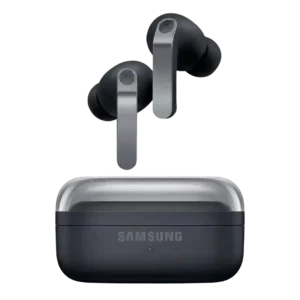
Product 2: Samsung Galaxy Buds 4 Pro
4.1
Active noise cancellation
P1
Product 1: Google Pixel Buds 2a Earbuds
3.9
ANC is consistently viewed as strong for the price and great for steady, low-frequency noise, but it can struggle more with sharp or high-frequency sounds and is not the top tier of noise canceling. Noise control is typically simple (ANC on/off plus transparency) with limited advanced or adaptive tuning compared with premium models.
P2
Product 2: Samsung Galaxy Buds 4 Pro
4.1
ANC is usually rated as strong and clearly improved, but not universally best-in-class; it excels more with steady noise than sudden sounds and remains behind the very top Bose, Sony, or Apple options for some listeners.
Android compatibility
P1
Product 1: Google Pixel Buds 2a Earbuds
4.5
Android compatibility is excellent, with the smoothest experience on Pixel phones and deep integration into Android settings and services.
P2
Product 2: Samsung Galaxy Buds 4 Pro
4.6
These earbuds pair especially well with Samsung and Android devices, and many reviewers frame that ecosystem fit as one of the product's biggest selling points.
App
P1
Product 1: Google Pixel Buds 2a Earbuds
4.2
The Pixel Buds software experience is widely praised, especially on Pixel phones where settings are integrated, with useful tools like fit checks, firmware updates, and clear menus.
P2
Product 2: Samsung Galaxy Buds 4 Pro
4.2
The Galaxy Wearable experience is feature-rich and useful, but several reviews note that the best tools remain most valuable on Samsung devices.
aptX
P1
Product 1: Google Pixel Buds 2a Earbuds
1.0
Across the reviews, aptX support is not offered, so Android users do not get an aptX family codec option here.
P2Product 2: Samsung Galaxy Buds 4 Pro
No score yetAudio-video sync accuracy
P1
Product 1: Google Pixel Buds 2a Earbuds
4.1
Latency is generally described as low enough for video and casual gaming, with good audio-video sync in normal streaming use.
P2
Product 2: Samsung Galaxy Buds 4 Pro
2.8
One review notes that enabling the highest-quality Samsung audio mode can hurt lip-sync performance, making video playback less precise than standard settings.
Bass performance
P1
Product 1: Google Pixel Buds 2a Earbuds
3.9
Bass is usually described as punchy and satisfying without overwhelming the mix, though it is not the deepest or most authoritative sub-bass compared with premium models.
P2
Product 2: Samsung Galaxy Buds 4 Pro
4.4
Bass is widely described as deep, punchy, and well-controlled, but a minority of reviewers thought the low end could overpower some tracks without EQ tweaks.
Battery
P1
Product 1: Google Pixel Buds 2a Earbuds
3.9
Earbud battery life clusters around roughly 6.5 to 7 hours with ANC on and up to around 10 hours with ANC off, which is competitive for the size. The replaceable battery in the charging case is a rare, welcome repairability feature, but some reviews question how easy it will be to source replacement parts in practice.
P2
Product 2: Samsung Galaxy Buds 4 Pro
3.5
Battery life is serviceable rather than standout. Most reviews land around six hours per charge and see that as fine for everyday use, but short versus the longest-lasting rivals.
Bluetooth
P1
Product 1: Google Pixel Buds 2a Earbuds
4.0
Bluetooth stability is mostly reliable, with quick reconnects, but a few reviews note occasional cutouts or interference in certain rooms or scenarios.
P2
Product 2: Samsung Galaxy Buds 4 Pro
4.2
Bluetooth stability is generally solid, with good range and few disconnect complaints, though one review did note occasional dropouts.
Build quality
P1
Product 1: Google Pixel Buds 2a Earbuds
4.1
Build quality is generally regarded as solid for the price, with durable-feeling buds and case, though the lightweight case design can have small quirks like lid behavior if dropped.
P2Product 2: Samsung Galaxy Buds 4 Pro
No score yetButton control usability
P1
Product 1: Google Pixel Buds 2a Earbuds
3.2
Controls cover the basics (play/pause, track skip, mode toggles), but the scheme is limited and a frequent complaint is the lack of on-ear volume control.
P2Product 2: Samsung Galaxy Buds 4 Pro
No score yetCarry case quality
P1
Product 1: Google Pixel Buds 2a Earbuds
3.8
The case is compact and generally well-built, but total reserve capacity is only midpack and at least one review warns the lid can pop open when dropped.
P2
Product 2: Samsung Galaxy Buds 4 Pro
4.3
The redesigned case earns mostly positive marks for pocketability, easier docking, and the translucent lid, though a few reviewers found it blockier or more scratch-prone than ideal.
Charging
P1
Product 1: Google Pixel Buds 2a Earbuds
3.3
Charging is USB-C and typically fast enough for top-ups, but the lack of wireless charging is a common knock at this price point.
P2
Product 2: Samsung Galaxy Buds 4 Pro
4.4
Charging convenience is strong thanks to USB-C and wireless charging support, and reviewers generally liked the case's day-to-day practicality.
Codec support
P1
Product 1: Google Pixel Buds 2a Earbuds
2.7
Codec support is positioned as basic, focusing on SBC and AAC rather than high-resolution options.
P2
Product 2: Samsung Galaxy Buds 4 Pro
3.9
Codec support is strong for Samsung owners thanks to SSC and UHQ options, but the experience is less compelling outside the Galaxy ecosystem where higher-end features are restricted.
Comfort during long use
P1
Product 1: Google Pixel Buds 2a Earbuds
4.4
Comfort is a standout: the small, stemless design and twist-to-fit stabilizer are repeatedly described as easy to wear for hours, including for people with smaller or sensitive ears.
P2
Product 2: Samsung Galaxy Buds 4 Pro
4.6
Long-session comfort is a major positive. Many reviewers wore the earbuds for hours on flights, work sessions, or daily use without significant fatigue.
Design and Aesthetics
P1
Product 1: Google Pixel Buds 2a Earbuds
4.2
The design is consistently described as clean, minimalist, and Pixel-like, with a small, pebble-style case and a comfortable, stemless bud shape.
P2
Product 2: Samsung Galaxy Buds 4 Pro
4.5
Samsung's new look is broadly seen as more polished and premium, with the flatter metallic stem and refined case helping the Buds 4 Pro feel more distinct and mature.
Ear tip size options
P1
Product 1: Google Pixel Buds 2a Earbuds
4.3
Most reviews note four ear tip sizes, which helps dial in fit, though some people still may need experimentation or third-party tips for a perfect seal.
P2
Product 2: Samsung Galaxy Buds 4 Pro
3.5
Samsung includes multiple tip sizes, but fit outcomes still vary widely; some reviewers got a strong seal quickly while others could not find a great match.
Equalizer customization
P1
Product 1: Google Pixel Buds 2a Earbuds
4.0
EQ customization is solid for the category with a simple multi-band EQ and presets, but power users may want more advanced or fully parametric control.
P2
Product 2: Samsung Galaxy Buds 4 Pro
4.4
EQ customization is a clear strength, with reviewers frequently praising the custom bands and the ability to tune the sound away from the stock profile.
Find My
P1
Product 1: Google Pixel Buds 2a Earbuds
4.1
Find Hub/Find My features are a practical addition, letting you locate the buds and trigger audible alerts to help recover them.
P2Product 2: Samsung Galaxy Buds 4 Pro
No score yetIncluded accessories
P1
Product 1: Google Pixel Buds 2a Earbuds
3.8
Included accessories are basic: multiple ear tip sizes are provided, but several reviews note there is no USB-C cable or charger in the box.
P2Product 2: Samsung Galaxy Buds 4 Pro
No score yetInstrument separation
P1Product 1: Google Pixel Buds 2a Earbuds
No score yet
P2
Product 2: Samsung Galaxy Buds 4 Pro
4.5
Instrument separation is frequently cited as a standout, with cleaner layering and better distinction between elements than earlier Galaxy Buds generations.
LDAC
P1
Product 1: Google Pixel Buds 2a Earbuds
1.0
LDAC is not supported, so there is no Sony-style hi-res Bluetooth codec option for compatible Android phones.
P2Product 2: Samsung Galaxy Buds 4 Pro
No score yetMaximum volume clarity
P1
Product 1: Google Pixel Buds 2a Earbuds
3.3
Clarity is best at low to mid volumes; a recurring theme is that the presentation can get muddy or less controlled as you approach loud listening levels.
P2Product 2: Samsung Galaxy Buds 4 Pro
No score yetMicrophone noise reduction
P1
Product 1: Google Pixel Buds 2a Earbuds
3.8
Noise reduction on calls and in the mics is decent for everyday use, with wind mesh and processing helping, though loud or complex background sounds can still leak in.
P2
Product 2: Samsung Galaxy Buds 4 Pro
4.4
Background-noise suppression during calls performs very well in most reviews, especially against wind, traffic, and loud ambient noise, even if the processed voice can sound a bit artificial.
Microphone quality for calls
P1
Product 1: Google Pixel Buds 2a Earbuds
3.8
Call quality is generally usable to good, and can sound especially strong with Pixel features, but it tends to trail the Pro model and can let some background voices or artifacts through in noisy settings.
P2
Product 2: Samsung Galaxy Buds 4 Pro
4.0
Call quality is good overall, with clear enough voice pickup for everyday use, but several reviewers heard some digitizing, fuzziness, or mild warble in tougher conditions.
Midrange clarity
P1
Product 1: Google Pixel Buds 2a Earbuds
3.7
Midrange is generally clear enough for vocals and podcasts, but several reviewers note it can sound a bit recessed or get blurred when you push volume high.
P2
Product 2: Samsung Galaxy Buds 4 Pro
4.5
Midrange performance is a strength, with vocals and core instruments coming through clearly and without being swallowed by the boosted low end.
Multi-platform compatibility
P1
Product 1: Google Pixel Buds 2a Earbuds
3.6
They work across platforms, but you get the fullest feature set on Android (and especially Pixel), with some features reduced or unavailable on iOS.
P2
Product 2: Samsung Galaxy Buds 4 Pro
2.9
Outside the Samsung ecosystem, the Buds 4 Pro lose meaningful convenience and some premium features, so cross-platform users get a less complete product.
Multipoint connectivity reliability
P1
Product 1: Google Pixel Buds 2a Earbuds
4.0
Multipoint is supported and usually works well once enabled, though setup can require an extra toggle and some users note occasional delays or early-firmware quirks.
P2
Product 2: Samsung Galaxy Buds 4 Pro
2.3
Multipoint and device switching are a weak spot. Galaxy-to-Galaxy switching is convenient, but true cross-platform multipoint is missing or awkward.
Noise isolation (passive)
P1
Product 1: Google Pixel Buds 2a Earbuds
3.4
Passive isolation depends heavily on tip fit and seal; the shallow/nozzle design can trade isolation for comfort, so a perfect seal is not guaranteed for everyone.
P2
Product 2: Samsung Galaxy Buds 4 Pro
3.2
Passive isolation depends heavily on fit: reviewers with a strong seal found it effective, while others said the tips failed to seal well enough for class-leading isolation.
Portability/foldability
P1
Product 1: Google Pixel Buds 2a Earbuds
4.5
Portability is excellent thanks to the compact earbuds and a very pocketable charging case.
P2Product 2: Samsung Galaxy Buds 4 Pro
No score yetPreset EQ profile quality
P1
Product 1: Google Pixel Buds 2a Earbuds
4.1
Preset EQ options are generally useful (balanced, bass boosts, vocal focus), though they are not as extensive as some competitors.
P2
Product 2: Samsung Galaxy Buds 4 Pro
4.4
Preset EQ options are generally well received, especially the Dynamic-style tuning, though they are not a full substitute for manual tweaking if you dislike the default balance.
Sensors
P1
Product 1: Google Pixel Buds 2a Earbuds
4.2
Sensors like in-ear detection and case sensors are noted as part of the feature set, supporting auto play/pause and status reporting.
P2Product 2: Samsung Galaxy Buds 4 Pro
No score yetSmudge resistance
P1
Product 1: Google Pixel Buds 2a Earbuds
4.3
The matte finish and materials tend to hide fingerprints and smudges better than glossier competitors, helping them stay looking clean.
P2Product 2: Samsung Galaxy Buds 4 Pro
No score yetSoftware/setup simplicity
P1
Product 1: Google Pixel Buds 2a Earbuds
4.3
Setup is usually quick via Fast Pair, but a few reviewers report occasional initial pairing hiccups depending on device or firmware.
P2
Product 2: Samsung Galaxy Buds 4 Pro
3.8
Setup is not difficult, but one review noted a small learning curve because some controls moved from the old app-centered flow into Samsung's system settings.
Sound quality
P1
Product 1: Google Pixel Buds 2a Earbuds
3.8
Most reviews call the tuning good to very good for the price, with a generally balanced, slightly consumer-friendly sound that works across genres, but it does not compete with true flagship earbuds for detail or refinement.
P2
Product 2: Samsung Galaxy Buds 4 Pro
4.5
Across the review set, the Buds 4 Pro are consistently praised for rich, detailed, energetic sound, though a few reviewers found the tuning a bit bass-forward or Samsung-dependent at the top end.
Soundstage width
P1
Product 1: Google Pixel Buds 2a Earbuds
3.7
Soundstage is considered decent for compact earbuds, with some sense of width, but it is not especially expansive or immersive versus higher-end options.
P2
Product 2: Samsung Galaxy Buds 4 Pro
4.4
When reviewers commented on staging, they found the presentation surprisingly open and spacious for true wireless earbuds, especially with Samsung's higher-quality audio modes.
Spatial audio
P1
Product 1: Google Pixel Buds 2a Earbuds
3.2
Spatial audio support exists, but it is commonly limited versus the Pro model (often no head tracking) and may be restricted to certain Pixel devices, making it a nice extra rather than a must-have.
P2Product 2: Samsung Galaxy Buds 4 Pro
No score yetStability
P1
Product 1: Google Pixel Buds 2a Earbuds
4.2
Stability is generally strong once inserted with the twist-to-fit stabilizer, holding up well for walking and light workouts, even if the tiny size can feel insecure at first.
P2
Product 2: Samsung Galaxy Buds 4 Pro
4.1
Fit security is good for many listeners, but not universal. Several reviewers found the buds locked in well, while others reported slipping during movement or difficulty maintaining a seal.
Sustainability materials
P1
Product 1: Google Pixel Buds 2a Earbuds
4.1
Sustainability gets a boost from recycled materials claims and the move toward longer-term serviceability, though the buds themselves remain typical sealed-wireless hardware.
P2Product 2: Samsung Galaxy Buds 4 Pro
No score yetTouch control responsiveness
P1
Product 1: Google Pixel Buds 2a Earbuds
3.7
Touch responsiveness varies by reviewer: some find taps reliable and easy to trigger without pressure, while others report missed taps or occasional misreads.
P2
Product 2: Samsung Galaxy Buds 4 Pro
4.2
Pinch and swipe controls are usually considered responsive and easier to use than last generation, though a few people still found the gesture scheme awkward at first.
Transparency mode quality
P1
Product 1: Google Pixel Buds 2a Earbuds
3.6
Transparency is a mixed bag: some reviewers find it very usable and above average for the price, while others report uneven amplification, wind issues, or a less natural sound.
P2
Product 2: Samsung Galaxy Buds 4 Pro
4.5
Transparency or ambient mode is one of the most consistently praised features, sounding natural and useful for conversations, announcements, and day-to-day awareness.
Treble clarity
P1
Product 1: Google Pixel Buds 2a Earbuds
3.8
Treble is often praised for decent crispness, but multiple reviews mention quirks in the upper range that can let certain high-pitched sounds cut through or feel a touch uneven.
P2
Product 2: Samsung Galaxy Buds 4 Pro
4.3
Treble is generally clear and lively with good sparkle, though a few reviews mention occasional high-frequency leak-through in ANC mode or a slightly uneven top-end balance.
USB-C
P1
Product 1: Google Pixel Buds 2a Earbuds
4.2
USB-C charging is standard and convenient for most modern setups.
P2Product 2: Samsung Galaxy Buds 4 Pro
No score yetVoice assistant integration
P1
Product 1: Google Pixel Buds 2a Earbuds
4.3
Gemini and Google assistant features are a core strength, with hands-free access, quick commands, and tight integration on Pixel devices; usefulness is high if you are already in the Google ecosystem.
P2Product 2: Samsung Galaxy Buds 4 Pro
No score yetWater/sweat resistance rating
P1
Product 1: Google Pixel Buds 2a Earbuds
4.2
The buds are widely cited as IP54-rated for dust and water resistance, making them suitable for workouts and light rain, though not for swimming.
P2
Product 2: Samsung Galaxy Buds 4 Pro
4.6
The IP57 rating is repeatedly highlighted as a useful advantage for sweaty workouts, rain, and general durability, even though the buds are not meant for swimming.
Weight comfort
P1
Product 1: Google Pixel Buds 2a Earbuds
4.5
The earbuds are lightweight and unobtrusive in the ear, helping reduce fatigue during long sessions.
P2Product 2: Samsung Galaxy Buds 4 Pro
No score yet