Average score
P1
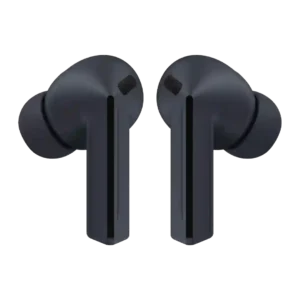
Product 1: Samsung Galaxy Buds 3 FE...
3.8
P2
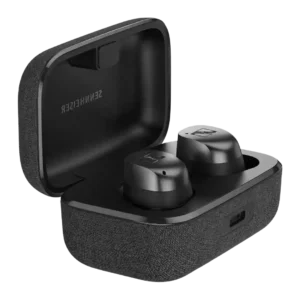
Product 2: Sennheiser Momentum True Wireless 4...
4.2
Active noise cancellation
P1
Product 1: Samsung Galaxy Buds 3 FE...
4.3
Most reviewers rate ANC highly, with several calling it excellent or top tier, though one subway-focused test found it only barely adequate in very loud environments.
P2
Product 2: Sennheiser Momentum True Wireless 4...
4.2
Reviewers generally find ANC good to very good, strong for commute noise, though several say Sony or Bose can still block more.
AI translation
P1
Product 1: Samsung Galaxy Buds 3 FE...
4.3
AI translation is treated as a useful Samsung ecosystem bonus, especially when it pipes live translations into the earbuds, but reviewers often frame it as a feature rather than the core reason to buy.
P2Product 2: Sennheiser Momentum True Wireless 4...
No score yetAndroid compatibility
P1
Product 1: Samsung Galaxy Buds 3 FE...
3.5
Android compatibility is strongest on Samsung phones and tablets, where key sound and ecosystem features unlock; non-Samsung Android works with more limits.
P2
Product 2: Sennheiser Momentum True Wireless 4...
4.7
Android compatibility is praised where Snapdragon/lossless support and Android EQ options matter, with no Android issues in one test.
App
P1
Product 1: Samsung Galaxy Buds 3 FE...
4.5
The app and Samsung settings integration are important to getting full value, unlocking ANC controls, EQ, AI features, updates, and other advanced controls.
P2
Product 2: Sennheiser Momentum True Wireless 4...
4.7
The Smart Control app is widely praised for useful features, fit tests, EQ, battery options, and customization, though one review found it somewhat overwhelming.
aptX
P1Product 1: Samsung Galaxy Buds 3 FE...
No score yet
P2
Product 2: Sennheiser Momentum True Wireless 4...
3.0
aptX support is valued for Android users, but one reviewer found the aptX lineup confusing and hard to distinguish in practice.
Audio-video sync accuracy
P1
Product 1: Samsung Galaxy Buds 3 FE...
5.0
Video latency evidence is positive, with one reviewer reporting no noticeable delay and calling the earbuds suitable for watching videos.
P2
Product 2: Sennheiser Momentum True Wireless 4...
4.4
Latency is usually acceptable for video, calls, and casual gaming, though one review warns competitive shooters may still be less ideal.
Auracast support
P1
Product 1: Samsung Galaxy Buds 3 FE...
2.0
Auracast support is a weakness because at least one reviewer was disappointed that the Buds 3 FE did not get the feature.
P2
Product 2: Sennheiser Momentum True Wireless 4...
4.6
Auracast is viewed as meaningful future-proofing, even if its current usefulness depends on wider adoption.
Bass performance
P1
Product 1: Samsung Galaxy Buds 3 FE...
3.6
Bass impressions are mixed: several reviewers find it well-defined or pleasantly emphasized, while others say it is less punchy or not as controlled as rivals or the Pro model.
P2
Product 2: Sennheiser Momentum True Wireless 4...
4.6
Bass is a major strength: reviewers describe it as deep, controlled, punchy, warm, and rarely overpowering.
Battery
P1
Product 1: Samsung Galaxy Buds 3 FE...
3.5
Battery life is usually described as average to solid, with ANC runtimes around five to six hours and some praise for the quoted Galaxy Buds endurance.
P2
Product 2: Sennheiser Momentum True Wireless 4...
4.2
Battery life is generally competitive and often praised, but some reviewers note it is not class-leading or may be short for some listeners.
Bluetooth
P1
Product 1: Samsung Galaxy Buds 3 FE...
4.0
Bluetooth connection is generally stable and easy on Samsung devices, though one reviewer notes the fast-pair experience is slick only when it works.
P2
Product 2: Sennheiser Momentum True Wireless 4...
4.5
Bluetooth and wireless connectivity receive strong praise from most reviewers, with a few caveats around iPhone issues or high-codec stability.
Build quality
P1
Product 1: Samsung Galaxy Buds 3 FE...
4.0
Build quality receives positive but limited evidence, with one reviewer directly calling the overall build sturdy.
P2
Product 2: Sennheiser Momentum True Wireless 4...
4.8
Build quality is consistently considered premium, durable, and well finished.
Built-in DAC and hi-res playback
P1
Product 1: Samsung Galaxy Buds 3 FE...
2.5
Hi-res playback is a tradeoff: reviewers note that higher-end 24-bit features are reserved for the Pro model, limiting the FE for serious high-resolution listening.
P2
Product 2: Sennheiser Momentum True Wireless 4...
4.3
Hi-res capability is discussed through lossless/high-resolution Bluetooth playback rather than a separate DAC, with enthusiasm tempered by device requirements.
Button control usability
P1
Product 1: Samsung Galaxy Buds 3 FE...
3.7
Pinch and swipe controls are generally useful and sometimes praised, but reviewers also note extra force, awkward stem angles, or a short learning curve.
P2Product 2: Sennheiser Momentum True Wireless 4...
No score yetCarry case quality
P1
Product 1: Samsung Galaxy Buds 3 FE...
4.0
The case is compact and secure in testing, though case-related praise focuses more on size and magnet retention than premium materials.
P2
Product 2: Sennheiser Momentum True Wireless 4...
4.7
The fabric-wrapped case is widely liked for feel and build, despite repeated complaints that it is bulky.
Charging
P1
Product 1: Samsung Galaxy Buds 3 FE...
2.7
Charging is a compromise because USB-C works and wired charging can be quick enough, but missing wireless charging is repeatedly called out as a bummer or tradeoff.
P2
Product 2: Sennheiser Momentum True Wireless 4...
4.6
Charging is praised for wireless charging, fast top-ups, and battery-protection options.
Codec support
P1
Product 1: Samsung Galaxy Buds 3 FE...
3.2
Codec support is Samsung-first: SSC can improve fidelity on Samsung devices, while non-Samsung users are limited to AAC or SBC.
P2
Product 2: Sennheiser Momentum True Wireless 4...
4.6
Codec support is treated as a premium strength, especially on Android, though benefits depend on compatible devices and settings.
Comfort during long use
P1
Product 1: Samsung Galaxy Buds 3 FE...
4.3
Comfort is a strength across reviewers, with repeated praise for the light, familiar stem fit and comfortable listening sessions.
P2
Product 2: Sennheiser Momentum True Wireless 4...
4.3
Comfort is mostly positive for long sessions, but some reviewers found size, wings, or weight limiting after hours.
Design and Aesthetics
P1
Product 1: Samsung Galaxy Buds 3 FE...
4.4
Design receives broad praise for the matte finish, understated styling, premium look, and slimmer case, although the stem shape is not universally loved.
P2
Product 2: Sennheiser Momentum True Wireless 4...
4.3
Design is seen as stylish and premium, although several reviewers note it changes little from the previous generation.
Eartips fit
P1
Product 1: Samsung Galaxy Buds 3 FE...
4.3
Fit is one of the strongest points: sealed tips usually create a secure seal and help the Buds 3 FE stay put, though sizing may not work for everyone.
P2
Product 2: Sennheiser Momentum True Wireless 4...
3.8
Fit evidence is mixed: many reviewers get a secure seal, while small ears or thin tips caused problems for others.
Ear tip size options
P1
Product 1: Samsung Galaxy Buds 3 FE...
3.1
Ear tip options are a recurring caveat because reviewers like having sizes included but several want more choices, especially an XL option.
P2
Product 2: Sennheiser Momentum True Wireless 4...
4.7
Ear-tip and fin options are praised because they help users find a better seal.
Equalizer customization
P1
Product 1: Samsung Galaxy Buds 3 FE...
3.9
EQ customization is useful through Samsung software, with custom and preset options, but one reviewer misses personalized tuning.
P2
Product 2: Sennheiser Momentum True Wireless 4...
4.4
EQ and sound personalization are considered useful and often effective, but one reviewer found the built-in five-band EQ limiting.
Find My
P1
Product 1: Samsung Galaxy Buds 3 FE...
4.0
Find My evidence is limited but positive, with one reviewer confirming the feature worked and showed location on a map.
P2Product 2: Sennheiser Momentum True Wireless 4...
No score yetFrequency response accuracy
P1
Product 1: Samsung Galaxy Buds 3 FE...
4.5
Frequency response evidence is strong from measurement-based reviews that say the default tuning tracks the target curve closely.
P2
Product 2: Sennheiser Momentum True Wireless 4...
3.6
Frequency response measurements are acceptable but not perfect, with one review pointing to a clarity-related upper-range issue.
Included accessories
P1
Product 1: Samsung Galaxy Buds 3 FE...
2.8
Included accessories are a weakness because multiple reviewers note the missing cable and limited box contents.
P2Product 2: Sennheiser Momentum True Wireless 4...
No score yetInstrument separation
P1
Product 1: Samsung Galaxy Buds 3 FE...
3.3
Instrument separation is split: one reviewer hears distinct musical layers, while another says the Buds 3 FE lack detail and separation versus stronger options.
P2
Product 2: Sennheiser Momentum True Wireless 4...
4.9
Instrument separation and imaging are repeatedly praised as clean, precise, and unusually spacious for true wireless earbuds.
Integrated microphone
P1
Product 1: Samsung Galaxy Buds 3 FE...
4.0
The integrated microphones are generally strong for calls and voice commands, with particular praise for background-noise handling.
P2
Product 2: Sennheiser Momentum True Wireless 4...
4.8
Integrated microphones are good enough for calls in favorable conditions, with stronger praise from some reviewers than others.
Interchangeable left/right bud design
P1Product 1: Samsung Galaxy Buds 3 FE...
No score yet
P2
Product 2: Sennheiser Momentum True Wireless 4...
4.3
One reviewer values the ability to use either earbud solo without issue.
LDAC
P1
Product 1: Samsung Galaxy Buds 3 FE...
2.0
LDAC is a limitation because a reviewer points to alternatives that include LDAC among features the Buds 3 FE lack.
P2Product 2: Sennheiser Momentum True Wireless 4...
No score yetLossless audio support
P1
Product 1: Samsung Galaxy Buds 3 FE...
3.8
Lossless-style playback is possible only in limited Samsung conditions through SSC, so reviewers treat it as a Samsung-first benefit rather than universal hi-fi support.
P2
Product 2: Sennheiser Momentum True Wireless 4...
4.3
Lossless support is a major selling point for compatible Android/Snapdragon users, though some reviewers found the audible gains slight.
Maximum volume clarity
P1
Product 1: Samsung Galaxy Buds 3 FE...
4.3
Maximum-volume clarity is positive, with reviewers hearing little distortion or clean highs and mids even at loud levels.
P2
Product 2: Sennheiser Momentum True Wireless 4...
5.0
Maximum volume clarity receives strong praise in one review for remaining distortion-free at max volume.
Microphone noise reduction
P1
Product 1: Samsung Galaxy Buds 3 FE...
4.2
Microphone noise reduction is mostly praised as much improved and strong at reducing background sounds, though one reviewer says it could still be better.
P2
Product 2: Sennheiser Momentum True Wireless 4...
2.4
Microphone noise reduction is the weakest recurring area, especially in wind, subway, and noisy street conditions.
Microphone quality for calls
P1
Product 1: Samsung Galaxy Buds 3 FE...
4.1
Call microphone quality is a strength overall, with reviewers reporting clear voice pickup and reliable call performance, except in harder windy cases.
P2
Product 2: Sennheiser Momentum True Wireless 4...
3.5
Call microphone quality is mixed: quiet-room calls can be clear, but noisy or windy conditions reduce reliability.
Midrange clarity
P1
Product 1: Samsung Galaxy Buds 3 FE...
4.5
Midrange clarity is consistently positive, especially for vocals, which reviewers describe as clear, present, crisp, and detailed.
P2
Product 2: Sennheiser Momentum True Wireless 4...
4.4
Midrange is usually praised for clarity, vocals, realism, and texture, though one review found upper mids lacking.
Multi-platform compatibility
P1
Product 1: Samsung Galaxy Buds 3 FE...
2.3
Multi-platform compatibility is a weakness: the earbuds work as basic Bluetooth buds on iPhone, but advanced controls and ecosystem features are Samsung- or Android-dependent.
P2
Product 2: Sennheiser Momentum True Wireless 4...
2.7
Multi-platform compatibility is mixed: Android gets the best feature support, while iPhone use loses codecs and showed some issues.
Multipoint connectivity reliability
P1
Product 1: Samsung Galaxy Buds 3 FE...
2.0
True multipoint is one of the clearest repeated negatives, with reviewers calling its absence disappointing, a potential dealbreaker, or worse than alternatives.
P2
Product 2: Sennheiser Momentum True Wireless 4...
4.4
Multipoint works well for some reviewers and makes device switching convenient, though one review only found it OK in limited testing.
Noise isolation (passive)
P1
Product 1: Samsung Galaxy Buds 3 FE...
4.5
Passive isolation benefits from the sealed design, with reviewers citing meaningful isolation and better noise blocking than unsealed Buds models.
P2
Product 2: Sennheiser Momentum True Wireless 4...
4.6
Passive isolation is praised when the fit is right, with reviewers noting strong physical blocking and seal benefits.
Portability/foldability
P1
Product 1: Samsung Galaxy Buds 3 FE...
4.5
Portability is positive but lightly covered, with the case described as pocketable.
P2
Product 2: Sennheiser Momentum True Wireless 4...
3.2
Portability is limited mostly by the chunky case, even when reviewers still like the case quality.
Preset EQ profile quality
P1
Product 1: Samsung Galaxy Buds 3 FE...
4.0
Preset EQ profile quality gets direct praise from one reviewer, who says the presets work well.
P2
Product 2: Sennheiser Momentum True Wireless 4...
3.2
Preset EQ quality is mixed; one reviewer preferred sound personalization over simple presets because presets reduced clarity.
Sensors
P1
Product 1: Samsung Galaxy Buds 3 FE...
2.3
Sensor behavior is a weakness because reviewers complain that wear sensors do not provide full auto-pause/resume functionality.
P2
Product 2: Sennheiser Momentum True Wireless 4...
4.8
In-ear detection is praised as highly accurate in one comparative test.
Sidetone adjustment quality
P1
Product 1: Samsung Galaxy Buds 3 FE...
4.0
Sidetone during calls is useful when transparency mode lets the wearer hear their own voice clearly and reduces call fatigue.
P2Product 2: Sennheiser Momentum True Wireless 4...
No score yetSmudge resistance
P1
Product 1: Samsung Galaxy Buds 3 FE...
4.2
Smudge resistance is a small design strength thanks to the matte finish, which reviewers say reduces fingerprints, shine, and scratches.
P2Product 2: Sennheiser Momentum True Wireless 4...
No score yetSoftware/setup simplicity
P1
Product 1: Samsung Galaxy Buds 3 FE...
4.6
Setup is easy on Samsung devices, with reviewers describing instant pairing, quick setup, and a painless process.
P2
Product 2: Sennheiser Momentum True Wireless 4...
4.8
Setup is usually described as simple and hassle-free, helped by the app and quick Bluetooth pairing.
Sound leakage
P1Product 1: Samsung Galaxy Buds 3 FE...
No score yet
P2
Product 2: Sennheiser Momentum True Wireless 4...
4.7
Sound leakage is praised in one long-term review because the seal produced no leakage.
Sound quality
P1
Product 1: Samsung Galaxy Buds 3 FE...
4.3
Sound quality is the most praised attribute overall, with most reviewers calling it excellent, balanced, outstanding, or great for the price, despite a few mixed impressions.
P2
Product 2: Sennheiser Momentum True Wireless 4...
4.6
Sound quality is the strongest consensus area, with most reviewers calling the Momentum True Wireless 4 excellent or among the best-sounding earbuds.
Soundstage depth
P1
Product 1: Samsung Galaxy Buds 3 FE...
4.3
Soundstage depth is generally positive when discussed, with reviewers noting pleasing depth or enough richness despite the single-driver design.
P2
Product 2: Sennheiser Momentum True Wireless 4...
4.8
Soundstage depth/imaging is repeatedly praised for precision, holography, and immersive placement.
Soundstage width
P1
Product 1: Samsung Galaxy Buds 3 FE...
4.3
Soundstage width receives positive evidence, with reviewers describing openness and a pleasing amount of width.
P2
Product 2: Sennheiser Momentum True Wireless 4...
4.8
Soundstage width is frequently praised as wide, spacious, expansive, or more open than competitors.
Spatial audio
P1
Product 1: Samsung Galaxy Buds 3 FE...
3.0
Spatial audio is mixed: one reviewer likes the immersive 360 effect, while others dislike the lack of head tracking or find the effect diffused.
P2
Product 2: Sennheiser Momentum True Wireless 4...
2.4
Spatial audio is a limitation: reviewers note it is missing, though one reviewer personally did not mind the omission.
Stability
P1
Product 1: Samsung Galaxy Buds 3 FE...
4.3
Stability is strong for normal use and shake tests, though one reviewer says the stem design is not ideal for high-impact running.
P2
Product 2: Sennheiser Momentum True Wireless 4...
4.9
Physical stability is strong for many reviewers, with multiple reports that the buds stay put during movement or flights.
Touch control responsiveness
P1
Product 1: Samsung Galaxy Buds 3 FE...
3.1
Touch responsiveness is mixed, ranging from fantastic controls to complaints that double and triple taps are finicky.
P2
Product 2: Sennheiser Momentum True Wireless 4...
4.3
Touch controls are mostly praised as responsive and customizable, but one reviewer found accidental triggers very annoying.
Transparency mode quality
P1
Product 1: Samsung Galaxy Buds 3 FE...
4.3
Transparency mode is widely praised as good, clear, natural, or great, with enough clarity for conversations and awareness.
P2
Product 2: Sennheiser Momentum True Wireless 4...
4.2
Transparency mode is often praised as natural and lifelike, but a few reviewers mention hiss or that AirPods/Bose still perform better.
Treble clarity
P1
Product 1: Samsung Galaxy Buds 3 FE...
3.9
Treble clarity is mostly positive, with clear highs and less fatigue, but one reviewer criticizes the highs as splashy and uncontrolled.
P2
Product 2: Sennheiser Momentum True Wireless 4...
4.3
Treble is usually praised as crisp, refined, and non-harsh, though some reviewers found the default highs too restrained.
USB-C
P1Product 1: Samsung Galaxy Buds 3 FE...
No score yet
P2
Product 2: Sennheiser Momentum True Wireless 4...
2.8
USB-C is present, but the only opinionated evidence is mild criticism of the front-facing port placement.
Value for money
P1
Product 1: Samsung Galaxy Buds 3 FE...
4.4
Value is a major strength, especially for Samsung phone owners, with reviewers repeatedly calling the Buds 3 FE an easy recommendation or strong deal.
P2
Product 2: Sennheiser Momentum True Wireless 4...
4.2
Value is mixed but favorable: reviewers often justify the premium price through sound and features, while others expected more upgrades for the money.
Voice assistant integration
P1
Product 1: Samsung Galaxy Buds 3 FE...
3.0
Voice assistant integration is useful but not complete; Gemini and Bixby support exist, while built-in voice controls from the Pro model are missed.
P2Product 2: Sennheiser Momentum True Wireless 4...
No score yetVolume output
P1
Product 1: Samsung Galaxy Buds 3 FE...
5.0
Volume output is very strong in the available evidence, with one reviewer calling the volume insanely loud.
P2
Product 2: Sennheiser Momentum True Wireless 4...
3.0
Volume output is a minor weakness in one test, where the earbuds needed near-max volume for some tracks.
Water/sweat resistance rating
P1
Product 1: Samsung Galaxy Buds 3 FE...
4.1
Water and sweat resistance is generally considered adequate for workouts and rain, though reviewers note IP54 is lower than the Pro model.
P2
Product 2: Sennheiser Momentum True Wireless 4...
4.2
Water/sweat resistance is treated as useful and adequate for workouts, rain, sweat, and light moisture.
Weight comfort
P1
Product 1: Samsung Galaxy Buds 3 FE...
4.0
Weight comfort is lightly but positively supported, with reviewers calling the buds lightweight and comfortable.
P2
Product 2: Sennheiser Momentum True Wireless 4...
3.0
Weight comfort is mixed: some find the weight distributed well, while others feel heaviness after long sessions.