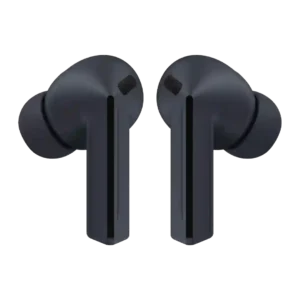
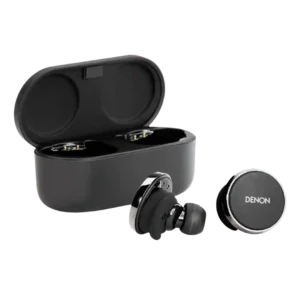
ANC is frequently described as a standout for the price and, in some reviews, competitive with or better than more expensive Samsung models. However, at least one reviewer found it only marginal in very loud subway conditions, so expectations should be tempered versus best-in-class ANC leaders. ANC and ambient intensity are described as adjustable via Samsung settings/app controls, often with multiple levels or sliders. Some note the lack of certain adaptive/conversation features found on higher-end models.
ANC effectiveness is usually rated good but not class-leading; it can handle commute rumble well, yet several reviewers say Sony/Bose options suppress more, especially in the upper ranges. Noise cancelling and awareness modes are often limited in fine control, with some reviews noting on/off style behavior and few intensity tweaks compared with competitors.
Compatibility and feature completeness are repeatedly framed as best on Samsung Galaxy phones (and often Samsung tablets/TVs), acceptable on other Android phones with some limitations, and highly restricted on iPhone.
Android compatibility is good overall, and Android users with aptX-capable Snapdragon devices can get the most from Lossless/Adaptive modes; on other phones it still works well but with fewer codec benefits.
The Samsung Wearable/settings integration is portrayed as essential for unlocking key features like EQ, ANC/ambient tuning, firmware updates, Find My, and AI features. iOS support is repeatedly called very limited beyond basic Bluetooth audio.
The companion app is feature-rich for personalization, EQ, control mapping, and updates, but some sources mention slow loading or occasional instability, and several note it is effectively required to get full value.
Multiple reviews explicitly state there is no aptX support.
aptX support is a highlight, with repeated mentions of aptX Adaptive/Lossless (and sometimes aptX Voice) as a key advantage for compatible Android devices.
At least one hands-on video reviewer reports no noticeable lip-sync delay when watching video, suggesting good real-world A/V sync in common streaming playback.
Video latency is generally reported as well controlled, with reviewers noting little to no audio-video sync issues during typical streaming and YouTube viewing.
Bass is generally portrayed as well-defined with a mild boost; it competes with outside noise without dominating vocals for most listeners. Some reviewers wanted more bass punch, while others felt the boosted low end contributed to a muddier presentation on certain tracks.
Bass is frequently praised as impactful and well controlled, with Immersion mode letting you add heft without obvious bleed; a few listeners still find the default or certain profiles bass-light or overly sculpted.
Battery life is consistently characterized as average for the category: roughly mid-4 to ~6 hours with ANC on depending on volume, with totals rising into the mid-20s to ~30 hours with the case and ANC off.
Battery life is marketed as long, but real-world reports vary, with at least one standardized test landing closer to about six hours; most still consider it adequate for daily use.
Connectivity is generally described as stable in testing, with quick pairing for Samsung phones and smooth day-to-day use. Auto-switch behavior is ecosystem-dependent and not always perfect.
Bluetooth stability is mostly strong with quick reconnects, though at least one review reports occasional stuttering in specific conditions.
Build quality is usually described as sturdy and premium-feeling for the price. A recurring caution is that the case lid may loosen over time with regular use.
Build quality is generally viewed as solid and premium-feeling, with durable housings and a well-made overall package.
Pinch and swipe controls are generally liked for reducing accidental touches, but the stem shape and required pinch force are cited as less ergonomic than some rivals, and can shift the earbuds slightly in-ear.
The case is generally described as compact and pocket-friendly with a firm snap early on, but there are repeated cautions that the hinge/lid may loosen with time, and wireless charging is repeatedly noted as missing.
The charging case is often described as somewhat bulky but generally sturdy with strong magnets; a few comments mention hinge/handling quirks.
Charging is USB-C only with repeated notes that wireless charging is not supported and that a charging cable may be omitted in the box. Some hands-on impressions report a roughly around-one-hour top-up for the case in normal charging.
Charging is a strong point with fast-charge support and both wired and wireless options, though a small number of users report the case can get warm on a wireless pad.
Codec support is consistently described as SBC and AAC plus Samsung Seamless Codec (SSC) for compatible Samsung devices; this is framed as a Samsung-first product choice that affects cross-device consistency.
Codec support is broad, including aptX Adaptive and aptX Lossless alongside AAC/SBC; the main caveat is that benefits depend on having a compatible source and LDAC is missing.
Comfort is generally rated highly for long listening sessions, helped by low earbud weight and a familiar stem-based in-ear fit, though comfort still depends on tip sizing and seal.
Long-wear comfort is highly personal: some find the fit secure and comfortable, especially with wings, while others report pressure, heat, or discomfort due to the large shells.
The matte, understated look is repeatedly praised, with many liking the premium-feeling Buds 3 Pro-like shape while noting the absence of decorative blade lights as a cost-saving simplification.
Design is distinctive and polarizing: the large circular faceplate stands out, but many note the buds are physically big and may look or feel awkward in smaller ears.
Ear tip options are a common complaint: some sources mention three sizes, others only two additional sizes, and multiple reviewers wish an XL tip existed. Getting a tight seal is repeatedly emphasized as critical for best sound and ANC.
Ear tip options are generous, typically including several silicone sizes plus at least one foam set, which helps comfort and isolation when matched correctly.
Reviews commonly mention multiple EQ presets plus a custom multi-band EQ (often described as 9-band) to tailor sound. Some note the absence of certain personalized tuning tests found on competitors.
EQ options are strong for the category, typically including a 5-band ProEQ plus an Immersion bass slider to fine-tune tonality after personalization.
Find My-style locating is mentioned through Samsung tools (often tied to SmartThings/Find My Earbuds). Some sources note the lack of ultra-wideband precision finding compared to higher-end models.
One detailed measurement-focused review describes the default tuning tracking a target curve closely, with only a modest bass emphasis and less problematic treble emphasis than some pricier siblings.
Frequency response accuracy is divisive: some praise a balanced, natural tuning once updated, while others cite measured or perceived tonal issues out of the box that may require firmware and EQ.
Included accessories typically cover multiple ear tip sizes, but several reviews criticize limited sizing (sometimes only small/large beyond the default) and frequently mention that a charging cable is not included.
Included accessories are a highlight, with multiple tip sizes, foam options, and stabilizing wings helping users dial in fit and seal.
Instrument separation is generally described as competent, but at least one long-term reviewer felt fine detail and separation lag behind some competitors and the Buds 3 Pro.
Instrument separation and imaging are commonly highlighted as a standout, with precise placement and clean layering across busy mixes.
Multiple reviews explicitly state there is no LDAC support.
LDAC is repeatedly called out as not supported, so Android users who rely on LDAC for high-bitrate Bluetooth may prefer alternatives.
Clarity at higher volumes is usually reported as solid with limited obvious distortion, but best results are tied to a good seal and reasonable listening levels; some note performance assumptions change with volume settings.
Clarity at higher volumes is typically strong, with multiple sources noting low distortion and intelligible detail even when played loudly.
Background noise reduction for calls is often praised as improved and effective in office/street noise, though very windy scenarios remain a weak spot and a few reviewers describe occasional muffling depending on conditions.
Noise and wind reduction on calls is frequently reported as effective, helping keep speech understandable in busy or windy environments.
Call mic quality is commonly reported as a strong point, with clear voice pickup and generally good intelligibility in everyday environments. Wind can still degrade clarity in harsher conditions.
Call quality is generally above average, with voices described as clear and intelligible; a few reviewers still note slight processing or that top rivals edge it out.
Midrange performance is commonly praised for clear, present vocals and good everyday clarity, helping speech and music remain intelligible even at moderate volumes.
Midrange is generally clear and present, but can sound forward or radio-like depending on the AAT profile and firmware, so some users prefer minor EQ adjustments for balance.
They connect to multiple platforms via Bluetooth, but advanced features and seamless switching are consistently described as ecosystem-dependent, working best inside Samsung’s device lineup.
Multi-platform use is supported across phones and computers, but fidelity and feature access can vary by platform, with iOS often limited to AAC and Android benefiting more from aptX.
True multipoint is repeatedly noted as missing. Samsung Auto Switch can approximate device switching within the Galaxy ecosystem but does not replace simultaneous two-device connections.
Multipoint connectivity is a consistent win, with reviewers reporting reliable dual-device pairing and fast handoff between phone and computer/tablet.
Sealed ear tips are repeatedly credited for strong passive isolation and more consistent fit compared with unsealed designs. Seal quality varies by ear shape and included tip sizing, and some users may need third-party tips.
Passive isolation depends heavily on getting a good seal; with the right tips, attenuation is described as decent, but it is not the main selling point versus active cancellation.
Preset EQ profiles are generally seen as useful and well-implemented, with several reviewers preferring specific presets (for example, Dynamic) for a more engaging sound.
Personalized AAT profiles can produce dramatic, often positive changes, but results vary by listener and tips; some profiles trade a sense of spaciousness for extra punch or focus.
Wear sensors are mentioned, but auto-pause behavior is described as limited or inconsistent (some note it does not auto-pause music reliably, or is used mainly for calls rather than playback controls).
In-ear sensors for auto play/pause are commonly mentioned and generally work as expected, with options to change or disable behavior in the app.
Matte finishes on buds/case are repeatedly described as less prone to fingerprints and smudges than glossier alternatives.
Setup and daily usability are good once configured, but some reviews describe the experience as less polished than rivals because controls and tuning can require initial tinkering.
Sound is widely described as smooth, balanced, and surprisingly high quality for the price, with some reviewers preferring it to pricier Samsung buds. A minority found it less detailed or a bit muddy/v-shaped out of the box, and Samsung-only codec/settings can make a noticeable difference.
Sound quality is the main strength: many reviews describe a clean, low-distortion, spacious and highly detailed presentation, especially after Masimo AAT personalization and/or EQ tweaks, though a minority found stock tuning or earlier firmware disappointing.
Several reviews note a pleasantly wide, open soundstage for the price, with decent separation between elements, though not always matching more premium dual-driver models.
Soundstage is widely described as unusually wide and open for true wireless, with good spacing; a few reviews note it can feel a bit flatter in depth compared with the very best rivals.
Samsung 360 Audio/spatial features are mentioned as supported, but head tracking is repeatedly noted as missing on the FE. The effect is described as situationally enjoyable but sometimes diluting sound on music.
Spatial audio gets mixed reactions: some find it immersive and bubble-like, while others call it subtle or underwhelming, and it is typically not head-tracked.
Stability is generally good for everyday wear with a proper seal, but at least one review warns they may not be rock-solid for high-impact activities like running compared with winged/fin-style designs.
Stability is usually good when the right tips and wings are used, though some users report slight movement during chewing or vigorous motion without added support.
Pinch-and-swipe control responsiveness is often described as good once learned, but at least one reviewer reports finicky tap behavior (especially double/triple actions) and occasional jostling due to the light fit.
Touch controls are commonly described as responsive and highly customizable, with reliable gesture detection and audible feedback.
Transparency/ambient mode is consistently rated as clear and natural for conversations and awareness, with adjustability. A light hiss/white noise at higher gain levels is mentioned by some reviewers.
Transparency or social mode is usable but mixed: some call it smooth and subtle, while others find it less natural, occluded, or slightly artificial versus AirPods-class passthrough.
Treble is often characterized as clear but not overly fatiguing compared with some flagship tunings. A few reviewers reported the highs could sound splashy or less controlled depending on fit, EQ, and expectations.
Treble tends to be detailed and airy, but reports vary from smooth and controlled to tinny or over-sharpened on older firmware or specific personalized profiles.
USB-C charging is consistently supported and frequently mentioned as the standard wired option.
Voice assistant integration is frequently referenced via hands-free Gemini and Samsung Bixby on compatible devices, alongside Samsung/Google AI features like interpreter and translation.
Voice assistant integration is supported through touch controls, with reports of common assistants working reliably when mapped.
Multiple reviewers describe very high loudness potential, sometimes bordering on too loud, making it easy to overpower noisy environments when needed.
Volume output is often described as louder than average with plenty of headroom, useful for dynamic music and noisy environments.
Buds 3 FE are repeatedly described as IP54-rated, suitable for sweat and light rain but not submersion. One included older Galaxy Buds FE review highlights much lower water resistance for that different model, underscoring model confusion in mixed sources.
IPX4 water and sweat resistance is consistently noted, making the earbuds suitable for light workouts and rain, though not for submersion.
Weight comfort is a recurring tradeoff: the earbuds are heavier and more noticeable than many rivals, which can cause fatigue for smaller ears.