Average score
P1
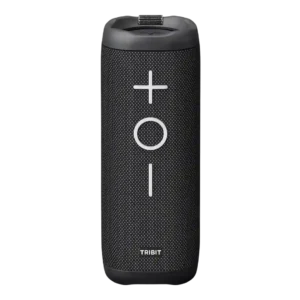
Product 1: Tribit StormBox 2 Bluetooth Speaker
4.1
P2
Product 2: Sonos Move 2 Portable Speaker
3.7
AirPlay compatibility
P1Product 1: Tribit StormBox 2 Bluetooth Speaker
No score yet
P2
Product 2: Sonos Move 2 Portable Speaker
4.5
AirPlay 2 support is a common highlight, especially for Apple users who want quick casting and grouping.
App reliability
P1
Product 1: Tribit StormBox 2 Bluetooth Speaker
4.0
The Tribit app is generally considered useful and easy enough for EQ changes, battery checks, and firmware updates. The downside is that it can feel basic or a little quirky, with a few reviewers noting bugs, missing options, or odd EQ behavior.
P2
Product 2: Sonos Move 2 Portable Speaker
3.7
The Sonos app is praised for ecosystem control and service integration, yet several reviewers experienced bugs, confusing setup flows, or unhelpful error messages.
Audio format support
P1Product 1: Tribit StormBox 2 Bluetooth Speaker
No score yet
P2
Product 2: Sonos Move 2 Portable Speaker
4.2
Over Wi-Fi and within the Sonos ecosystem it supports many streaming services and can deliver higher-quality audio than Bluetooth alone.
Backwards compatibility
P1Product 1: Tribit StormBox 2 Bluetooth Speaker
No score yet
P2
Product 2: Sonos Move 2 Portable Speaker
2.9
Can be grouped with older Sonos speakers, but cannot form a dedicated stereo pair with the original Move.
Battery life (if portable)
P1
Product 1: Tribit StormBox 2 Bluetooth Speaker
4.5
Battery life is one of the StormBox 2's most consistent wins. Across reviews, real-world endurance generally lands around the 24-hour claim or close enough to feel excellent for the size and price, especially for outdoor use.
P2
Product 2: Sonos Move 2 Portable Speaker
4.6
Real-world testing often lands near the advertised 24-hour figure, making battery life one of the biggest upgrades over the original Move.
Bluetooth codec support
P1Product 1: Tribit StormBox 2 Bluetooth Speaker
No score yet
P2
Product 2: Sonos Move 2 Portable Speaker
3.0
Bluetooth relies on basic codecs like AAC and SBC and lacks higher-res options such as aptX or LDAC, so Wi-Fi and AirPlay are often preferred for best fidelity.
Bluetooth connection stability
P1
Product 1: Tribit StormBox 2 Bluetooth Speaker
4.7
Connection stability is praised across the reviews that address it. Pairing and playback are generally described as reliable, with Bluetooth 5.3 helping the speaker maintain a strong link to phones and other devices.
P2
Product 2: Sonos Move 2 Portable Speaker
4.2
Bluetooth pairing and playback are generally stable with few mentions of dropouts.
Bluetooth range
P1
Product 1: Tribit StormBox 2 Bluetooth Speaker
4.6
Bluetooth range is a clear strength. Reviewers repeatedly praised stable long-distance performance, with line-of-sight use described as strong and range claims generally holding up well in real use.
P2Product 2: Sonos Move 2 Portable Speaker
No score yetCharging time
P1
Product 1: Tribit StormBox 2 Bluetooth Speaker
2.7
Charging speed is one of the clearest drawbacks. Multiple reviewers call the roughly four-hour recharge slow, especially compared with how strong the battery life is once the speaker is topped up.
P2
Product 2: Sonos Move 2 Portable Speaker
3.5
Charging is often described as slow, with typical reports around 2 to 3 hours and no major fast-charge emphasis.
Chromecast compatibility
P1Product 1: Tribit StormBox 2 Bluetooth Speaker
No score yet
P2
Product 2: Sonos Move 2 Portable Speaker
1.5
Multiple reviews point out there is no Chromecast or Cast support, so Android casting is limited to Bluetooth or app-based streaming.
Cohesive presentation
P1Product 1: Tribit StormBox 2 Bluetooth Speaker
No score yet
P2
Product 2: Sonos Move 2 Portable Speaker
4.2
The presentation is generally described as cohesive and musical, especially at moderate volumes where it sounds most natural.
Design and aesthetics
P1
Product 1: Tribit StormBox 2 Bluetooth Speaker
4.1
Design impressions are mostly positive but not universally enthusiastic. Reviewers like the sturdy, practical form factor and easy portability, though some find the look generic, the casing a little cheap-looking, or the finish easy to mark up.
P2
Product 2: Sonos Move 2 Portable Speaker
4.4
Most reviewers describe a premium, understated design with sturdy materials and multiple finishes, though some finishes can show dirt or scuffs.
Detail retrieval
P1
Product 1: Tribit StormBox 2 Bluetooth Speaker
3.7
Detail retrieval is respectable for the price but not a category leader. Several reviews heard clear instruments and decent separation, while others said finer detail, air, and treble nuance fall behind better speakers or get blurred at higher output.
P2
Product 2: Sonos Move 2 Portable Speaker
4.1
Clarity and detail are frequently highlighted compared with typical portable speakers, though a few critics want more upper-mid or treble presence.
Distortion at high volume
P1
Product 1: Tribit StormBox 2 Bluetooth Speaker
3.6
High-volume behavior is mixed. Some reviewers said it stays composed better than expected, but several others heard sibilance, strain, or bass limiting and compression when the speaker is pushed hard.
P2
Product 2: Sonos Move 2 Portable Speaker
3.6
At extreme volume, DSP can clamp dynamics or bass and a few tests reported audible clipping above roughly 80%, though it stays cleaner than many smaller speakers.
Drop resistance durability
P1Product 1: Tribit StormBox 2 Bluetooth Speaker
No score yet
P2
Product 2: Sonos Move 2 Portable Speaker
3.8
Marketed as drop-resistant and generally viewed as rugged enough for bumps; real-world drop reports suggest it tends to scuff rather than fail.
Dust resistance rating
P1
Product 1: Tribit StormBox 2 Bluetooth Speaker
2.4
Dust protection is a notable weak point because the speaker is waterproof but not dustproof. Several reviewers specifically warn that this makes it less ideal for beaches and other sandy environments.
P2
Product 2: Sonos Move 2 Portable Speaker
3.6
Dust resistance is part of the IP56 rating and is generally seen as adequate for outdoor use though not fully dustproof.
Dynamic headroom
P1Product 1: Tribit StormBox 2 Bluetooth Speaker
No score yet
P2
Product 2: Sonos Move 2 Portable Speaker
4.6
Often praised for having lots of headroom and staying controlled where smaller portables run out of steam.
Energy efficiency
P1Product 1: Tribit StormBox 2 Bluetooth Speaker
No score yet
P2
Product 2: Sonos Move 2 Portable Speaker
4.2
Claims of reduced idle power draw and improved efficiency versus the prior model appear in the review set, supporting an efficiency uplift.
EQ customization
P1
Product 1: Tribit StormBox 2 Bluetooth Speaker
4.4
EQ customization is a major plus. The app's custom EQ and presets are frequently highlighted as useful for dialing in bass, taming treble, or saving preferred profiles, even if the app itself is not perfect.
P2
Product 2: Sonos Move 2 Portable Speaker
3.6
EQ options exist but are fairly basic, usually limited to bass and treble adjustments plus a loudness toggle.
Frequency response balance
P1
Product 1: Tribit StormBox 2 Bluetooth Speaker
4.0
The overall tuning is widely seen as good for a budget portable speaker, with clear mids and decent bass weight. Still, the tonal balance is not universally loved, as some reviews found the treble pinchy, the sound slightly flat, or the presentation less balanced on detail-heavy music.
P2
Product 2: Sonos Move 2 Portable Speaker
4.2
Most reviews praise a balanced tuning with punchy bass and clear highs; a few listeners found upper mids or vocals slightly veiled until EQ tweaks.
Google
P1Product 1: Tribit StormBox 2 Bluetooth Speaker
No score yet
P2
Product 2: Sonos Move 2 Portable Speaker
1.5
Google Assistant support is repeatedly called out as removed or absent on the Move 2.
Handle or strap quality
P1
Product 1: Tribit StormBox 2 Bluetooth Speaker
3.7
The carrying strap gets mixed feedback. Some reviewers found it handy for carrying or hanging the speaker, but others wanted a longer, more versatile, or removable strap and viewed it as one of the weaker hardware details.
P2
Product 2: Sonos Move 2 Portable Speaker
3.7
The recessed handle or grip helps carrying, but some reviewers wanted a more prominent handle for easier transport.
Home theater integration
P1Product 1: Tribit StormBox 2 Bluetooth Speaker
No score yet
P2
Product 2: Sonos Move 2 Portable Speaker
2.7
Not designed for true bonded home-theater rear-channel use; grouping audio can work, but surround integration remains limited.
Inter-speaker connectivity
P1
Product 1: Tribit StormBox 2 Bluetooth Speaker
4.6
Stereo pairing and dual-speaker use are widely praised. When two units are linked, reviewers say the setup sounds noticeably bigger, wider, and louder, making inter-speaker connectivity one of the best reasons to buy into the model.
P2
Product 2: Sonos Move 2 Portable Speaker
4.4
Integrates smoothly into Sonos multi-room for grouping across rooms and extending audio beyond a single space.
Loudness / maximum volume
P1
Product 1: Tribit StormBox 2 Bluetooth Speaker
4.4
Reviews consistently describe the StormBox 2 as surprisingly loud for its size and price, with enough output for patios, parks, and small gatherings. It is strongest at moderate to moderately high volume, while a few reviewers noted it becomes less refined near the top of its range.
P2
Product 2: Sonos Move 2 Portable Speaker
4.2
Generally gets very loud and can fill rooms or outdoor spaces, with more headroom than many portable speakers; some reviewers still prefer moderate levels for best fidelity.
Low-volume performance
P1Product 1: Tribit StormBox 2 Bluetooth Speaker
No score yet
P2
Product 2: Sonos Move 2 Portable Speaker
4.1
With the loudness feature enabled, it retains body and bass at lower listening levels, helping it sound fuller when used casually indoors.
Multi-speaker pairing reliability
P1Product 1: Tribit StormBox 2 Bluetooth Speaker
No score yet
P2
Product 2: Sonos Move 2 Portable Speaker
3.6
Stereo pairing and grouping work well over Wi-Fi, but stereo pairing is not available over Bluetooth and doubling up is expensive.
Omnidirectional sound
P1
Product 1: Tribit StormBox 2 Bluetooth Speaker
4.2
Its 360-degree presentation is generally effective. Reviewers often note broad, room-friendly sound coverage and good consistency from different angles, though a few felt the orientation works better in some placements than others.
P2Product 2: Sonos Move 2 Portable Speaker
No score yetOn-device controls
P1
Product 1: Tribit StormBox 2 Bluetooth Speaker
4.8
On-device controls are a standout strength. The oversized buttons are repeatedly described as intuitive, easy to find, and simple to use, which makes the speaker approachable even for less tech-savvy users.
P2
Product 2: Sonos Move 2 Portable Speaker
4.3
Touch controls and the volume slider are widely liked for quick, reliable adjustments without reaching for the phone.
Power bank function
P1Product 1: Tribit StormBox 2 Bluetooth Speaker
No score yet
P2
Product 2: Sonos Move 2 Portable Speaker
4.0
The USB-C port can charge phones and small devices, making it handy for camping, tailgating, or emergency top-ups.
Privacy and data
P1Product 1: Tribit StormBox 2 Bluetooth Speaker
No score yet
P2
Product 2: Sonos Move 2 Portable Speaker
3.7
Mic controls help, but privacy-minded reviewers still raise concerns about account reliance and mic-on requirements for some features.
Setup simplicity
P1Product 1: Tribit StormBox 2 Bluetooth Speaker
No score yet
P2
Product 2: Sonos Move 2 Portable Speaker
3.9
Setup is quick for many, but a notable minority reported long setup times, retries, or confusing steps in the Sonos app.
Smart assistant integration (Alexa
P1Product 1: Tribit StormBox 2 Bluetooth Speaker
No score yet
P2
Product 2: Sonos Move 2 Portable Speaker
4.1
Supports Amazon Alexa and Sonos Voice Control, but Alexa setup may require extra steps and the overall assistant experience varies by household.
Speakerphone quality
P1
Product 1: Tribit StormBox 2 Bluetooth Speaker
4.1
Speakerphone performance appears solid rather than exceptional. The built-in mic and calling support are appreciated, and the available impressions suggest calls are serviceable and better than expected for a speaker at this price.
P2
Product 2: Sonos Move 2 Portable Speaker
1.0
Several sources note it does not function as a Bluetooth speakerphone for calls, despite having microphones for assistants and tuning.
Spotify Connect reliability
P1Product 1: Tribit StormBox 2 Bluetooth Speaker
No score yet
P2
Product 2: Sonos Move 2 Portable Speaker
4.3
Spotify Connect is supported and commonly described as convenient for direct control and seamless handoff.
Status indicators
P1Product 1: Tribit StormBox 2 Bluetooth Speaker
No score yet
P2
Product 2: Sonos Move 2 Portable Speaker
3.2
Status lights and indicators are generally fine, but at least one reviewer found power or standby state unclear at a glance.
Stereo imaging accuracy
P1Product 1: Tribit StormBox 2 Bluetooth Speaker
No score yet
P2
Product 2: Sonos Move 2 Portable Speaker
3.4
Dual tweeters create some stereo width, but several reviewers say the stereo effect is subtle unless you use two Move 2 units as a Wi-Fi stereo pair.
Sustainability
P1Product 1: Tribit StormBox 2 Bluetooth Speaker
No score yet
P2
Product 2: Sonos Move 2 Portable Speaker
4.0
A replaceable battery and use of recycled materials are cited as sustainability wins that can extend the product’s usable life.
USB-C charging
P1Product 1: Tribit StormBox 2 Bluetooth Speaker
No score yet
P2
Product 2: Sonos Move 2 Portable Speaker
4.2
USB-C charging works alongside the included dock and also serves as the port for accessories like line-in adapters.
Value for money
P1
Product 1: Tribit StormBox 2 Bluetooth Speaker
4.7
Value for money is the product's strongest consensus advantage. Nearly every review frames the StormBox 2 as an easy recommendation at its street price because it gets unusually close to pricier rivals in core features and everyday performance.
P2
Product 2: Sonos Move 2 Portable Speaker
3.0
Sound quality and ecosystem features justify the premium for some, but the high price is the most consistent criticism versus cheaper Bluetooth options or other Sonos speakers.
Voice assistant responsiveness
P1Product 1: Tribit StormBox 2 Bluetooth Speaker
No score yet
P2
Product 2: Sonos Move 2 Portable Speaker
3.0
Voice control generally works, but a few reviewers reported noticeable delays or service-specific quirks.
Voice recognition accuracy
P1Product 1: Tribit StormBox 2 Bluetooth Speaker
No score yet
P2
Product 2: Sonos Move 2 Portable Speaker
3.9
Far-field mics usually pick up commands well, but some reviewers had to phrase requests carefully or name the speaker explicitly.
Water resistance rating
P1
Product 1: Tribit StormBox 2 Bluetooth Speaker
4.4
Water resistance is reliably praised. Reviewers repeatedly cite the IPX7 rating as a real benefit for poolside, travel, and outdoor listening, even though it stops short of full dustproof protection.
P2
Product 2: Sonos Move 2 Portable Speaker
3.6
IP56 is considered solid for rain and splashes but not safe for submersion.
Weight convenience
P1
Product 1: Tribit StormBox 2 Bluetooth Speaker
4.5
Portability is one of the speaker's strong suits. Multiple reviews call it easy to carry, light enough for day trips, and well suited to backpacks, cup holders, and casual travel.
P2
Product 2: Sonos Move 2 Portable Speaker
2.7
Nearly everyone agrees it is heavy for a portable speaker, better for patio, backyard, or moving room-to-room than for backpack travel.
Wi-Fi streaming reliability
P1Product 1: Tribit StormBox 2 Bluetooth Speaker
No score yet
P2
Product 2: Sonos Move 2 Portable Speaker
4.3
Wi-Fi playback and switching between Wi-Fi and Bluetooth are generally stable, supporting whole-home listening and outdoor use near the network.
Wired input
P1
Product 1: Tribit StormBox 2 Bluetooth Speaker
4.5
The included 3.5 mm AUX input is a meaningful plus in this class, especially because many competing speakers drop wired playback. Reviews treat its availability as a practical convenience rather than a headline feature.
P2
Product 2: Sonos Move 2 Portable Speaker
3.9
Line-in is possible only via a USB-C adapter, so it is available but not built-in. With the USB-C line-in adapter, audio is described as clean and low-latency for external sources, though some use cases can affect mic-dependent features.