Average score
P1
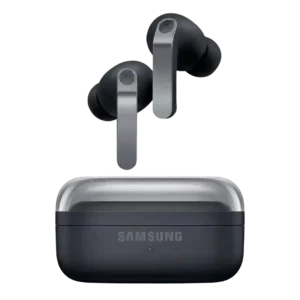
Product 1: Samsung Galaxy Buds 4 Pro
3.9
P2
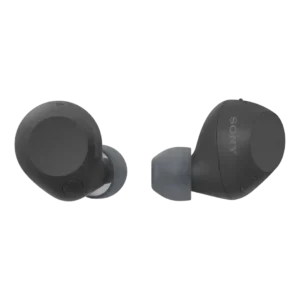
Product 2: Sony WF-C710N Earbuds
3.8
Active noise cancellation
P1
Product 1: Samsung Galaxy Buds 4 Pro
4.1
ANC is generally useful to strong, with several reviewers praising it, while others note it is not always class-leading or fit-proof.
P2
Product 2: Sony WF-C710N Earbuds
4.6
ANC is the clearest consensus strength, repeatedly described as excellent, remarkably strong, or unusually effective for the price.
Android compatibility
P1
Product 1: Samsung Galaxy Buds 4 Pro
3.1
Android and Samsung compatibility is useful but restrictive, since the best features require Galaxy devices and some are Android-only.
P2
Product 2: Sony WF-C710N Earbuds
4.5
Android compatibility is good for basic use, helped by Google Fast Pair, though Android users lose out on high-end codecs.
App
P1
Product 1: Samsung Galaxy Buds 4 Pro
3.7
The app and settings experience is feature-rich, but one review called the Galaxy Wear app bare-bones and another notes a learning curve.
P2
Product 2: Sony WF-C710N Earbuds
4.2
The Sony Sound Connect app is widely treated as a strength because it exposes ANC, EQ, battery, adaptive sound, firmware, and control options, though a few users found setup or app reliability frustrating.
aptX
P1
Product 1: Samsung Galaxy Buds 4 Pro
1.0
aptX support is effectively absent based on evidence that the buds are not compatible with AptX hi-res formats.
P2
Product 2: Sony WF-C710N Earbuds
1.0
aptX support is absent in the reviews that discuss codecs, and reviewers explicitly called that a downside for serious listeners.
Audio-video sync accuracy
P1
Product 1: Samsung Galaxy Buds 4 Pro
3.4
Latency evidence is mixed: common codecs are said to lag minimally, but hi-res settings and missing low-latency modes add caveats.
P2Product 2: Sony WF-C710N Earbuds
No score yetAuracast support
P1
Product 1: Samsung Galaxy Buds 4 Pro
4.5
Auracast support is clearly present and repeatedly noted as useful for public or shared broadcasts.
P2Product 2: Sony WF-C710N Earbuds
No score yetBass performance
P1
Product 1: Samsung Galaxy Buds 4 Pro
4.3
Bass is a consistent strength, described as deep, energetic, punchy, and extended, though one review found it too strong on some tracks.
P2
Product 2: Sony WF-C710N Earbuds
4.4
Bass is one of the strongest and most repeated positives, often described as punchy, powerful, deep, or weighty, though a few reviewers said it can become too heavy or crowd the mix.
Battery
P1
Product 1: Samsung Galaxy Buds 4 Pro
3.3
Battery life is adequate but not a standout, with repeated six-hour ANC evidence and several concerns versus rivals.
P2
Product 2: Sony WF-C710N Earbuds
4.4
Battery life is another strong point, with many reviews confirming around 8.5 to 9.5 hours per charge or roughly 30 hours with the case, though one reviewer got less in mixed-mode use.
Bluetooth
P1
Product 1: Samsung Galaxy Buds 4 Pro
4.3
Bluetooth support is modern and generally stable, centered on Bluetooth 6.1, with one review noting some dropouts.
P2
Product 2: Sony WF-C710N Earbuds
4.1
Bluetooth support is current and stable for most reviewers, centered on Bluetooth 5.3 with AAC/SBC and useful pairing features.
Build quality
P1
Product 1: Samsung Galaxy Buds 4 Pro
4.2
Build quality evidence is limited but positive, including a reviewer saying the redesigned case feels more durable.
P2
Product 2: Sony WF-C710N Earbuds
4.1
Build quality is generally acceptable to good for the price, but the plastic construction creates some mixed impressions.
Built-in DAC and hi-res playback
P1
Product 1: Samsung Galaxy Buds 4 Pro
4.2
Hi-res playback is a strong Galaxy-specific feature, with repeated 24-bit/96kHz UHQ or SSC evidence.
P2Product 2: Sony WF-C710N Earbuds
No score yetButton control usability
P1
Product 1: Samsung Galaxy Buds 4 Pro
4.0
Pinch and stem controls are generally effective, though one review found the pinch area somewhat painful or awkward.
P2Product 2: Sony WF-C710N Earbuds
No score yetCable quality
P1Product 1: Samsung Galaxy Buds 4 Pro
No score yet
P2
Product 2: Sony WF-C710N Earbuds
2.5
The only direct cable feedback was negative: PCMag wanted a longer USB-C-to-USB-C cable instead of the included short cable.
Carry case quality
P1
Product 1: Samsung Galaxy Buds 4 Pro
4.3
The carry case is generally praised for its clear lid, magnetic feel, easier bud placement, and visibility.
P2
Product 2: Sony WF-C710N Earbuds
3.6
Carry case quality is mixed: some reviewers liked the compact, smooth, sturdy case, while others criticized the plasticky feel, size, or hinge confidence.
Charging
P1
Product 1: Samsung Galaxy Buds 4 Pro
4.5
Charging is a strength because reviewers cite wireless charging plus wired USB-C case charging.
P2
Product 2: Sony WF-C710N Earbuds
3.8
Charging is solid thanks to USB-C and quick-charge support, but the lack of wireless charging is a repeated limitation.
Codec support
P1
Product 1: Samsung Galaxy Buds 4 Pro
4.2
Codec support is strong inside the Samsung ecosystem, but non-Samsung devices fall back to common lower codecs.
P2
Product 2: Sony WF-C710N Earbuds
2.3
Codec support is a major limitation: reviewers repeatedly note AAC/SBC only, with no higher-end codec support.
Comfort during long use
P1
Product 1: Samsung Galaxy Buds 4 Pro
4.6
Comfort is widely praised, including long listening sessions, flights, and multi-hour use without fatigue for several reviewers.
P2
Product 2: Sony WF-C710N Earbuds
4.6
Comfort during long use is a strong positive, with multiple reviewers wearing the earbuds for hours or all day without discomfort.
Design and Aesthetics
P1
Product 1: Samsung Galaxy Buds 4 Pro
4.3
Design sentiment is positive overall, with reviewers calling the buds premium, sleek, more polished, and better differentiated.
P2
Product 2: Sony WF-C710N Earbuds
4.2
The Glass Blue transparent design is memorable and often praised, though a minority felt it looked toy-like or cheap.
Eartips fit
P1
Product 1: Samsung Galaxy Buds 4 Pro
3.8
Fit is polarized: several reviewers found a secure seal, while others could not get the tips to seal or stay put.
P2
Product 2: Sony WF-C710N Earbuds
4.2
Fit is highly ear-dependent: many reviewers found a snug, comfortable seal, while others struggled with security during workouts.
Ear tip size options
P1
Product 1: Samsung Galaxy Buds 4 Pro
3.6
Ear-tip options are included, but proprietary tips and fit complaints reduce the practical flexibility.
P2
Product 2: Sony WF-C710N Earbuds
3.8
Ear tip options are adequate but basic, typically three sizes, and several reviewers wished for fins, wings, hooks, or more fit help.
Equalizer customization
P1
Product 1: Samsung Galaxy Buds 4 Pro
4.5
EQ customization is a major strength, with a nine-band EQ, custom mode, presets, and Wear app adjustment all supported.
P2
Product 2: Sony WF-C710N Earbuds
4.2
EQ customization is a major strength, with five-band/custom EQ, Clear Bass, and Find Your Equalizer options repeatedly noted.
Find My
P1
Product 1: Samsung Galaxy Buds 4 Pro
4.3
Find My support is clearly present through Find My Earbuds and map-based finding references.
P2Product 2: Sony WF-C710N Earbuds
No score yetFrequency response accuracy
P1
Product 1: Samsung Galaxy Buds 4 Pro
3.7
Frequency-response evidence is mixed: detail and clarity improve, but one review notes bass/high balance issues that may need EQ.
P2
Product 2: Sony WF-C710N Earbuds
4.2
Frequency balance is broadly good for the category, but the evidence also points to a bass-leaning or dark tuning and some treble-region limitations.
Head gestures
P1
Product 1: Samsung Galaxy Buds 4 Pro
3.9
Head gestures are supported for calls and assistant interactions, though some reviewers had not fully tested them.
P2Product 2: Sony WF-C710N Earbuds
No score yetIncluded accessories
P1
Product 1: Samsung Galaxy Buds 4 Pro
4.0
Included-accessory evidence is limited to bundled ear tips and documentation.
P2
Product 2: Sony WF-C710N Earbuds
4.0
Included accessories are basic: reviewers mention spare ear tips, manuals, and a short charging cable, with no fins, hooks, or premium cable.
Instrument separation
P1
Product 1: Samsung Galaxy Buds 4 Pro
4.4
Instrument separation is repeatedly praised through comments about separated instruments, centered guitars, and textural detail.
P2
Product 2: Sony WF-C710N Earbuds
4.4
Instrument separation was repeatedly praised in music examples, with reviewers hearing layered vocals, stereo placement, and instruments that avoided blending together.
Integrated microphone
P1
Product 1: Samsung Galaxy Buds 4 Pro
3.7
Integrated microphones are clearly present and usable, but mic impressions range from ordinary to very good.
P2
Product 2: Sony WF-C710N Earbuds
4.1
Integrated microphones are present for ANC and voice pickup, and reviewers generally found the hardware useful for calls and noise processing.
LDAC
P1
Product 1: Samsung Galaxy Buds 4 Pro
1.5
LDAC support is effectively absent based on evidence that the buds are not compatible with LDAC formats.
P2
Product 2: Sony WF-C710N Earbuds
1.1
LDAC support is consistently absent, which several reviewers flagged as surprising or disappointing from Sony.
Lossless audio support
P1
Product 1: Samsung Galaxy Buds 4 Pro
3.2
Lossless support is mixed because Samsung hi-res playback is supported, but one review stresses true lossless Bluetooth is not available.
P2
Product 2: Sony WF-C710N Earbuds
1.0
Lossless audio support is effectively absent, with at least one review explicitly noting no aptX lossless or LDAC.
Maximum volume clarity
P1
Product 1: Samsung Galaxy Buds 4 Pro
4.5
Reviewers who addressed clarity at output levels described clean, dynamic, distortion-free playback.
P2
Product 2: Sony WF-C710N Earbuds
3.5
Maximum-volume clarity is acceptable but not flawless, with TechRadar noting some loss of dynamic nuance when chasing exuberance and volume.
Microphone noise reduction
P1
Product 1: Samsung Galaxy Buds 4 Pro
4.1
Microphone noise reduction is a clear strength in wind, traffic, and background-noise scenarios, though not every voice sample was perfect.
P2
Product 2: Sony WF-C710N Earbuds
4.1
Microphone noise reduction is generally effective against background noise and wind, though the voice can degrade in busier environments.
Microphone quality for calls
P1
Product 1: Samsung Galaxy Buds 4 Pro
3.7
Call quality is usable to strong, but evidence is mixed because some reviewers heard fuzziness, digitization, or fit-related variability.
P2
Product 2: Sony WF-C710N Earbuds
3.8
Call quality is mostly serviceable to good, especially indoors, but some reviewers reported choppiness, unnatural voice quality, or weaker outdoor performance.
Midrange clarity
P1
Product 1: Samsung Galaxy Buds 4 Pro
4.3
Midrange clarity is generally strong, with vocals, mids, and clear signatures receiving positive notes across several reviews.
P2
Product 2: Sony WF-C710N Earbuds
4.1
Midrange clarity is generally good, especially for vocals, but reviewers who pushed bass or listened at higher volumes noted that mids can become constrained or muddy.
Multi-platform compatibility
P1
Product 1: Samsung Galaxy Buds 4 Pro
2.8
Multi-platform use is limited because non-Samsung devices can leave the product feeling incomplete.
P2
Product 2: Sony WF-C710N Earbuds
4.5
Cross-device use is supported in practice, with one reviewer easily moving between a Pixel phone and MacBook through multipoint.
Multipoint connectivity reliability
P1
Product 1: Samsung Galaxy Buds 4 Pro
2.6
Multipoint is a weakness outside Samsung devices, with several reviews noting no true multipoint or manual switching limitations.
P2
Product 2: Sony WF-C710N Earbuds
4.3
Multipoint is a useful upgrade and generally works well, although one reviewer reported buzzing and software issues when using dual-device connectivity.
Noise isolation (passive)
P1
Product 1: Samsung Galaxy Buds 4 Pro
4.2
Passive isolation is strong when the tips seal well, but the benefit depends heavily on fit.
P2
Product 2: Sony WF-C710N Earbuds
4.5
Passive isolation benefits from the ear tips and secure seal, with reviewers noting strong isolation even before ANC is enabled.
Portability/foldability
P1
Product 1: Samsung Galaxy Buds 4 Pro
4.5
Portability is strong, with the case described as small, pocketable, and easy to carry.
P2
Product 2: Sony WF-C710N Earbuds
4.0
Portability is generally good because the case is pocketable, though a few reviewers found it bulkier than rivals.
Preset EQ profile quality
P1
Product 1: Samsung Galaxy Buds 4 Pro
4.4
Preset EQ evidence is positive, especially for Samsung's Dynamic profile, which reviewers used to add punch or emphasize strengths.
P2
Product 2: Sony WF-C710N Earbuds
4.3
Preset EQs are useful and often named directly, especially Bass Boost, Excited, Bright, and vocal-oriented presets.
RGB lighting customization
P1
Product 1: Samsung Galaxy Buds 4 Pro
1.0
Lighting customization is not a feature here; evidence says the lighting element is gone.
P2Product 2: Sony WF-C710N Earbuds
No score yetSensors
P1
Product 1: Samsung Galaxy Buds 4 Pro
4.3
Sensor-like smart features are strong, especially voice detection, siren detection, and adaptive behavior.
P2
Product 2: Sony WF-C710N Earbuds
4.6
Wear detection and auto-pause are consistently praised as useful upgrades that work smoothly.
Sidetone adjustment quality
P1
Product 1: Samsung Galaxy Buds 4 Pro
4.0
Sidetone support is present and lets users hear their own voice in the buds.
P2
Product 2: Sony WF-C710N Earbuds
2.5
Sidetone is weak in the one review that addressed it, with the caller not hearing enough of their own voice back through the earbuds.
Smudge resistance
P1
Product 1: Samsung Galaxy Buds 4 Pro
2.2
Smudge resistance is a weakness because the transparent case section shows scratches and fingerprints.
P2
Product 2: Sony WF-C710N Earbuds
3.5
Smudge resistance is mixed: one reviewer said the case avoided fingerprints, while another found it prone to fingerprints and dust.
Software/setup simplicity
P1
Product 1: Samsung Galaxy Buds 4 Pro
3.5
Setup and software access are workable, but reviewers note a learning curve around where controls live.
P2
Product 2: Sony WF-C710N Earbuds
3.9
Setup and software are mostly straightforward, but there are caveats around Sony account/location prompts and occasional connection behavior.
Sound quality
P1
Product 1: Samsung Galaxy Buds 4 Pro
4.6
Review evidence is strongly positive on overall sound, with reviewers calling the audio excellent, very good, or among Samsung's best.
P2
Product 2: Sony WF-C710N Earbuds
4.4
Reviewers consistently described the overall sound as pleasing, clean, dynamic, or above average for the price, with only a few noting that it is not flagship-level or needs EQ adjustment.
Soundstage depth
P1Product 1: Samsung Galaxy Buds 4 Pro
No score yet
P2
Product 2: Sony WF-C710N Earbuds
4.3
Depth and three-dimensional presentation are positive in the limited reviews that discuss soundstage depth.
Soundstage width
P1
Product 1: Samsung Galaxy Buds 4 Pro
4.2
The available evidence points to a wider, more expansive stage rather than a cramped in-ear presentation.
P2
Product 2: Sony WF-C710N Earbuds
4.3
A few reviewers praised stereo imaging and width, describing clearly defined space and convincing left-right placement for the price.
Spatial audio
P1
Product 1: Samsung Galaxy Buds 4 Pro
4.2
Spatial audio support is clearly present through 360 audio and head tracking, though some features are Android or Samsung-focused.
P2
Product 2: Sony WF-C710N Earbuds
3.5
Spatial audio support is present through Sony 360 Reality Audio, but reviewers often framed it as niche, limited by service support, or not a major draw.
Stability
P1
Product 1: Samsung Galaxy Buds 4 Pro
4.8
Stability is strong for reviewers whose ears matched the shape, with evidence of perfect fit and secure wear.
P2
Product 2: Sony WF-C710N Earbuds
3.7
Stability is mixed: many reviewers had no fallouts in normal use, while several warned the earbuds can slip during running or exercise.
Touch control responsiveness
P1
Product 1: Samsung Galaxy Buds 4 Pro
4.3
Touch and gesture controls are mostly praised as responsive and easy to use once learned.
P2
Product 2: Sony WF-C710N Earbuds
4.0
Touch controls are mostly responsive and improved by the concave surface, but volume gestures and limited customization drew recurring complaints.
Transparency mode quality
P1
Product 1: Samsung Galaxy Buds 4 Pro
4.5
Transparency and ambient modes are a highlight, often described as natural, clear, or useful for conversation.
P2
Product 2: Sony WF-C710N Earbuds
3.9
Transparency and ambient modes are useful and often adjustable, but reviewers split on quality, with some praising conversation usefulness and others noting hiss or activation delay.
Treble clarity
P1
Product 1: Samsung Galaxy Buds 4 Pro
4.1
Treble is mostly praised for crispness, clarity, and sparkle, but one lab-style review found the highs weaker than ideal.
P2
Product 2: Sony WF-C710N Earbuds
3.9
Treble feedback is mixed-positive: several reviewers heard crisp highs, while measurement-focused and critical reviews noted missing upper-treble detail or occasional distortion.
USB-C
P1
Product 1: Samsung Galaxy Buds 4 Pro
4.5
USB-C support is consistently evidenced through case port mentions.
P2
Product 2: Sony WF-C710N Earbuds
4.1
USB-C is consistently present for wired charging, usually on the rear of the case or through the included cable.
Value for money
P1
Product 1: Samsung Galaxy Buds 4 Pro
3.7
Value is context-dependent: Samsung users often get strong value, while non-Samsung users and upgraders face more caveats.
P2
Product 2: Sony WF-C710N Earbuds
4.6
Value for money is one of the strongest themes, with reviewers repeatedly praising the ANC, sound, features, and battery life at roughly the $100-$130 tier.
Voice assistant integration
P1
Product 1: Samsung Galaxy Buds 4 Pro
4.1
Voice assistant support is broad, with Bixby, Gemini, Google assistant, and built-in voice controls mentioned.
P2
Product 2: Sony WF-C710N Earbuds
4.2
Voice assistant support is present through long-press or hold gestures, with both Google/Siri or generic assistant access mentioned.
Volume output
P1
Product 1: Samsung Galaxy Buds 4 Pro
4.8
Direct evidence is limited but positive, with one review saying maximum volume is far higher than needed.
P2
Product 2: Sony WF-C710N Earbuds
4.0
Volume output appears strong enough for loud listening, though the main complaints around volume involved awkward touch controls rather than weak loudness.
Water/sweat resistance rating
P1
Product 1: Samsung Galaxy Buds 4 Pro
4.7
Water and dust resistance is a strong point thanks to repeated IP57 evidence.
P2
Product 2: Sony WF-C710N Earbuds
4.0
The IPX4 rating gives basic splash and sweat resistance, making the earbuds suitable for light workouts or rain but not serious water exposure.
Weight comfort
P1
Product 1: Samsung Galaxy Buds 4 Pro
4.4
The earbuds are described as light, with roughly 5g weight contributing to comfort.
P2
Product 2: Sony WF-C710N Earbuds
4.4
Reviewers repeatedly note the low earbud weight, which helps them feel comfortable and easy to forget during use.