Average score
P1
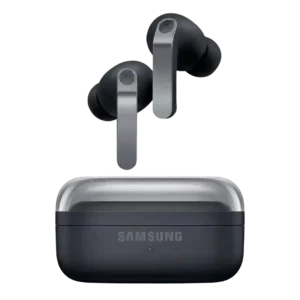
Product 1: Samsung Galaxy Buds 4 Pro
3.9
P2
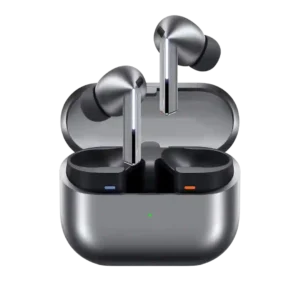
Product 2: Samsung Galaxy Buds3 Pro Earbuds
3.9
Active noise cancellation
P1
Product 1: Samsung Galaxy Buds 4 Pro
4.1
ANC is generally useful to strong, with several reviewers praising it, while others note it is not always class-leading or fit-proof.
P2
Product 2: Samsung Galaxy Buds3 Pro Earbuds
4.0
ANC was broadly useful but not universally class-leading; some reviewers called it excellent or effective, while others found it merely decent or underwhelming.
AI translation
P1Product 1: Samsung Galaxy Buds 4 Pro
No score yet
P2
Product 2: Samsung Galaxy Buds3 Pro Earbuds
3.6
AI translation was mixed: reviewers found it cool or decent, but several questioned whether the earbuds added much beyond the phone feature.
Android compatibility
P1
Product 1: Samsung Galaxy Buds 4 Pro
3.1
Android and Samsung compatibility is useful but restrictive, since the best features require Galaxy devices and some are Android-only.
P2
Product 2: Samsung Galaxy Buds3 Pro Earbuds
3.9
Android compatibility was generally favorable, especially for Samsung and broader Android users, though the best experience was still Samsung-centered.
App
P1
Product 1: Samsung Galaxy Buds 4 Pro
3.7
The app and settings experience is feature-rich, but one review called the Galaxy Wear app bare-bones and another notes a learning curve.
P2
Product 2: Samsung Galaxy Buds3 Pro Earbuds
3.8
The companion app was important and generally useful for EQ, controls, fit tests, and settings, though some reviewers called it barebones or less intuitive.
aptX
P1
Product 1: Samsung Galaxy Buds 4 Pro
1.0
aptX support is effectively absent based on evidence that the buds are not compatible with AptX hi-res formats.
P2Product 2: Samsung Galaxy Buds3 Pro Earbuds
No score yetAudio-video sync accuracy
P1
Product 1: Samsung Galaxy Buds 4 Pro
3.4
Latency evidence is mixed: common codecs are said to lag minimally, but hi-res settings and missing low-latency modes add caveats.
P2
Product 2: Samsung Galaxy Buds3 Pro Earbuds
4.6
Gaming latency was praised in one review after Game Mode delivered phone gaming without noticeable delay.
Auracast support
P1
Product 1: Samsung Galaxy Buds 4 Pro
4.5
Auracast support is clearly present and repeatedly noted as useful for public or shared broadcasts.
P2
Product 2: Samsung Galaxy Buds3 Pro Earbuds
4.3
Auracast support was viewed positively as a forward-looking or standout Bluetooth feature.
Bass performance
P1
Product 1: Samsung Galaxy Buds 4 Pro
4.3
Bass is a consistent strength, described as deep, energetic, punchy, and extended, though one review found it too strong on some tracks.
P2
Product 2: Samsung Galaxy Buds3 Pro Earbuds
4.3
Bass was generally viewed as strong, punchy, and satisfying, though a few reviewers found it loud, thumpy, or overcooked depending on volume and preset.
Battery
P1
Product 1: Samsung Galaxy Buds 4 Pro
3.3
Battery life is adequate but not a standout, with repeated six-hour ANC evidence and several concerns versus rivals.
P2
Product 2: Samsung Galaxy Buds3 Pro Earbuds
3.6
Battery life was one of the most divided areas: some reviewers called it decent or accurate, while others found it short or disappointing versus rivals.
Bluetooth
P1
Product 1: Samsung Galaxy Buds 4 Pro
4.3
Bluetooth support is modern and generally stable, centered on Bluetooth 6.1, with one review noting some dropouts.
P2
Product 2: Samsung Galaxy Buds3 Pro Earbuds
4.5
Bluetooth reliability was praised for stable connections, long range, and a lack of dropouts in several tests.
Build quality
P1
Product 1: Samsung Galaxy Buds 4 Pro
4.2
Build quality evidence is limited but positive, including a reviewer saying the redesigned case feels more durable.
P2
Product 2: Samsung Galaxy Buds3 Pro Earbuds
3.4
Build quality was mixed, with some praise for premium materials and great build, but several complaints about plasticky or cheap-feeling finishes.
Built-in DAC and hi-res playback
P1
Product 1: Samsung Galaxy Buds 4 Pro
4.2
Hi-res playback is a strong Galaxy-specific feature, with repeated 24-bit/96kHz UHQ or SSC evidence.
P2
Product 2: Samsung Galaxy Buds3 Pro Earbuds
4.4
Built-in DAC and hi-res playback drew positive comments for impressive hi-res capability and studio-like detail, while still depending on Samsung support.
Button control usability
P1
Product 1: Samsung Galaxy Buds 4 Pro
4.0
Pinch and stem controls are generally effective, though one review found the pinch area somewhat painful or awkward.
P2
Product 2: Samsung Galaxy Buds3 Pro Earbuds
4.0
Physical control usability was mixed-to-positive: many liked the pinch and swipe system, while others found the angular stems awkward or tricky.
Carry case quality
P1
Product 1: Samsung Galaxy Buds 4 Pro
4.3
The carry case is generally praised for its clear lid, magnetic feel, easier bud placement, and visibility.
P2
Product 2: Samsung Galaxy Buds3 Pro Earbuds
3.2
Carry case quality was mixed: some liked the solid feel, transparency, and click, while others found it cheap-looking, clunky, slippery, or awkward.
Charging
P1
Product 1: Samsung Galaxy Buds 4 Pro
4.5
Charging is a strength because reviewers cite wireless charging plus wired USB-C case charging.
P2
Product 2: Samsung Galaxy Buds3 Pro Earbuds
4.0
Charging was mostly positive due to USB-C and wireless charging, but the lack of quick charging hurt one reviewer's score.
Codec support
P1
Product 1: Samsung Galaxy Buds 4 Pro
4.2
Codec support is strong inside the Samsung ecosystem, but non-Samsung devices fall back to common lower codecs.
P2
Product 2: Samsung Galaxy Buds3 Pro Earbuds
3.1
Codec support was a recurring compromise: Samsung's codec was appreciated, but reviewers criticized the ecosystem lock-in and lack of wider high-res codec options.
Comfort during long use
P1
Product 1: Samsung Galaxy Buds 4 Pro
4.6
Comfort is widely praised, including long listening sessions, flights, and multi-hour use without fatigue for several reviewers.
P2
Product 2: Samsung Galaxy Buds3 Pro Earbuds
4.4
Comfort was a consistent highlight, with reviewers describing the earbuds as light, easy to wear for long sessions, and more comfortable than earlier Galaxy Buds.
Design and Aesthetics
P1
Product 1: Samsung Galaxy Buds 4 Pro
4.3
Design sentiment is positive overall, with reviewers calling the buds premium, sleek, more polished, and better differentiated.
P2
Product 2: Samsung Galaxy Buds3 Pro Earbuds
3.8
Design opinions were split between stylish, distinctive, and functional versus derivative, generic, or gimmicky.
Eartips fit
P1
Product 1: Samsung Galaxy Buds 4 Pro
3.8
Fit is polarized: several reviewers found a secure seal, while others could not get the tips to seal or stay put.
P2
Product 2: Samsung Galaxy Buds3 Pro Earbuds
3.3
Eartip fit was inconsistent: some reviewers got a good seal and comfort, while others criticized difficult removal, fragile tips, or easy dislodging.
Ear tip size options
P1
Product 1: Samsung Galaxy Buds 4 Pro
3.6
Ear-tip options are included, but proprietary tips and fit complaints reduce the practical flexibility.
P2
Product 2: Samsung Galaxy Buds3 Pro Earbuds
2.8
Ear tip size options were a limitation, with reviewers wanting more than the included sizes for a better seal.
Equalizer customization
P1
Product 1: Samsung Galaxy Buds 4 Pro
4.5
EQ customization is a major strength, with a nine-band EQ, custom mode, presets, and Wear app adjustment all supported.
P2
Product 2: Samsung Galaxy Buds3 Pro Earbuds
4.6
Equalizer customization was a standout strength, with reviewers repeatedly praising the 9-band EQ and the ability to tune sound globally.
Find My
P1
Product 1: Samsung Galaxy Buds 4 Pro
4.3
Find My support is clearly present through Find My Earbuds and map-based finding references.
P2
Product 2: Samsung Galaxy Buds3 Pro Earbuds
3.6
Find My was helpful but imperfect: reviewers liked flashing lights and improved recovery, but disliked imprecision or odd notifications.
Frequency response accuracy
P1
Product 1: Samsung Galaxy Buds 4 Pro
3.7
Frequency-response evidence is mixed: detail and clarity improve, but one review notes bass/high balance issues that may need EQ.
P2
Product 2: Samsung Galaxy Buds3 Pro Earbuds
4.7
Frequency response evidence was positive, with one reviewer finding a close Harman-curve match and another saying lab results tracked the target closely except for bass.
Head gestures
P1
Product 1: Samsung Galaxy Buds 4 Pro
3.9
Head gestures are supported for calls and assistant interactions, though some reviewers had not fully tested them.
P2Product 2: Samsung Galaxy Buds3 Pro Earbuds
No score yetIncluded accessories
P1
Product 1: Samsung Galaxy Buds 4 Pro
4.0
Included-accessory evidence is limited to bundled ear tips and documentation.
P2Product 2: Samsung Galaxy Buds3 Pro Earbuds
No score yetInstrument separation
P1
Product 1: Samsung Galaxy Buds 4 Pro
4.4
Instrument separation is repeatedly praised through comments about separated instruments, centered guitars, and textural detail.
P2
Product 2: Samsung Galaxy Buds3 Pro Earbuds
4.5
Instrument separation was consistently praised, with reviewers hearing layered cues, separated instruments, and fine detail across orchestral, rock, and pop tracks.
Integrated microphone
P1
Product 1: Samsung Galaxy Buds 4 Pro
3.7
Integrated microphones are clearly present and usable, but mic impressions range from ordinary to very good.
P2
Product 2: Samsung Galaxy Buds3 Pro Earbuds
4.8
The integrated microphone design was praised in one review for helping deliver top-notch voice-calling performance.
LDAC
P1
Product 1: Samsung Galaxy Buds 4 Pro
1.5
LDAC support is effectively absent based on evidence that the buds are not compatible with LDAC formats.
P2
Product 2: Samsung Galaxy Buds3 Pro Earbuds
2.2
LDAC support was viewed negatively because reviewers explicitly wished Samsung had included LDAC or noted its absence as disappointing.
Lossless audio support
P1
Product 1: Samsung Galaxy Buds 4 Pro
3.2
Lossless support is mixed because Samsung hi-res playback is supported, but one review stresses true lossless Bluetooth is not available.
P2
Product 2: Samsung Galaxy Buds3 Pro Earbuds
3.3
Lossless or hi-res audio support was valued but limited by Samsung-device requirements and only subtle perceived improvements in some tests.
Maximum volume clarity
P1
Product 1: Samsung Galaxy Buds 4 Pro
4.5
Reviewers who addressed clarity at output levels described clean, dynamic, distortion-free playback.
P2
Product 2: Samsung Galaxy Buds3 Pro Earbuds
3.0
Maximum-volume clarity was mixed because one reviewer said higher volumes could make bass aggressive and boomy.
Microphone noise reduction
P1
Product 1: Samsung Galaxy Buds 4 Pro
4.1
Microphone noise reduction is a clear strength in wind, traffic, and background-noise scenarios, though not every voice sample was perfect.
P2
Product 2: Samsung Galaxy Buds3 Pro Earbuds
3.8
Microphone noise reduction was split: some reviewers heard strong voice isolation, while others found background clutter or app-based recordings less impressive.
Microphone quality for calls
P1
Product 1: Samsung Galaxy Buds 4 Pro
3.7
Call quality is usable to strong, but evidence is mixed because some reviewers heard fuzziness, digitization, or fit-related variability.
P2
Product 2: Samsung Galaxy Buds3 Pro Earbuds
4.2
Call microphone quality was one of the strongest attributes overall, with many reviewers praising clear, natural calls, though a few measured softer or average results.
Midrange clarity
P1
Product 1: Samsung Galaxy Buds 4 Pro
4.3
Midrange clarity is generally strong, with vocals, mids, and clear signatures receiving positive notes across several reviews.
P2
Product 2: Samsung Galaxy Buds3 Pro Earbuds
4.4
Midrange clarity was a recurring strength: reviewers heard natural vocals, realistic timbre, defined instruments, and meaningful improvements over earlier Samsung buds.
Multi-platform compatibility
P1
Product 1: Samsung Galaxy Buds 4 Pro
2.8
Multi-platform use is limited because non-Samsung devices can leave the product feeling incomplete.
P2
Product 2: Samsung Galaxy Buds3 Pro Earbuds
2.9
Multi-platform compatibility was a major weakness because iPhone users lack app support and many advanced features remain Samsung-exclusive.
Multipoint connectivity reliability
P1
Product 1: Samsung Galaxy Buds 4 Pro
2.6
Multipoint is a weakness outside Samsung devices, with several reviews noting no true multipoint or manual switching limitations.
P2
Product 2: Samsung Galaxy Buds3 Pro Earbuds
3.7
Multipoint and switching worked well inside Samsung's ecosystem, but reviewers disliked that seamless switching was limited outside Samsung devices.
Noise isolation (passive)
P1
Product 1: Samsung Galaxy Buds 4 Pro
4.2
Passive isolation is strong when the tips seal well, but the benefit depends heavily on fit.
P2
Product 2: Samsung Galaxy Buds3 Pro Earbuds
3.4
Passive isolation was mixed: a good seal blocked some sound, but reviewers said the design did not isolate as well as deeper in-ear or foam-tip alternatives.
Portability/foldability
P1
Product 1: Samsung Galaxy Buds 4 Pro
4.5
Portability is strong, with the case described as small, pocketable, and easy to carry.
P2
Product 2: Samsung Galaxy Buds3 Pro Earbuds
4.5
Portability was praised because reviewers found the case small, pocketable, and easy to carry.
Preset EQ profile quality
P1
Product 1: Samsung Galaxy Buds 4 Pro
4.4
Preset EQ evidence is positive, especially for Samsung's Dynamic profile, which reviewers used to add punch or emphasize strengths.
P2
Product 2: Samsung Galaxy Buds3 Pro Earbuds
4.5
Preset EQ quality was praised in one review, especially the Clear preset and Samsung's unusually useful preset choices.
RGB lighting customization
P1
Product 1: Samsung Galaxy Buds 4 Pro
1.0
Lighting customization is not a feature here; evidence says the lighting element is gone.
P2Product 2: Samsung Galaxy Buds3 Pro Earbuds
No score yetSensors
P1
Product 1: Samsung Galaxy Buds 4 Pro
4.3
Sensor-like smart features are strong, especially voice detection, siren detection, and adaptive behavior.
P2
Product 2: Samsung Galaxy Buds3 Pro Earbuds
3.3
Sensors and automatic detection features were useful in concept but inconsistent, with some reviewers calling voice detect helpful and others finding adaptive behavior gimmicky or wonky.
Sidetone adjustment quality
P1
Product 1: Samsung Galaxy Buds 4 Pro
4.0
Sidetone support is present and lets users hear their own voice in the buds.
P2Product 2: Samsung Galaxy Buds3 Pro Earbuds
No score yetSmudge resistance
P1
Product 1: Samsung Galaxy Buds 4 Pro
2.2
Smudge resistance is a weakness because the transparent case section shows scratches and fingerprints.
P2Product 2: Samsung Galaxy Buds3 Pro Earbuds
No score yetSoftware/setup simplicity
P1
Product 1: Samsung Galaxy Buds 4 Pro
3.5
Setup and software access are workable, but reviewers note a learning curve around where controls live.
P2
Product 2: Samsung Galaxy Buds3 Pro Earbuds
4.2
Setup and software basics were praised where tested, with reviewers calling setup easy and gestures simple once learned.
Sound quality
P1
Product 1: Samsung Galaxy Buds 4 Pro
4.6
Review evidence is strongly positive on overall sound, with reviewers calling the audio excellent, very good, or among Samsung's best.
P2
Product 2: Samsung Galaxy Buds3 Pro Earbuds
4.5
Reviewers strongly praised the Buds3 Pro's overall sound, often calling it excellent, lively, detailed, or among the best in its class, with only a few tuning caveats.
Soundstage width
P1
Product 1: Samsung Galaxy Buds 4 Pro
4.2
The available evidence points to a wider, more expansive stage rather than a cramped in-ear presentation.
P2
Product 2: Samsung Galaxy Buds3 Pro Earbuds
4.3
The soundstage was described as open, broad, and improved, giving music more separation and breadth than expected from true wireless earbuds.
Spatial audio
P1
Product 1: Samsung Galaxy Buds 4 Pro
4.2
Spatial audio support is clearly present through 360 audio and head tracking, though some features are Android or Samsung-focused.
P2
Product 2: Samsung Galaxy Buds3 Pro Earbuds
3.8
Spatial audio was mixed: some reviewers found it immersive or useful, while others called it hit-or-miss, compressed, or only occasionally worthwhile.
Stability
P1
Product 1: Samsung Galaxy Buds 4 Pro
4.8
Stability is strong for reviewers whose ears matched the shape, with evidence of perfect fit and secure wear.
P2
Product 2: Samsung Galaxy Buds3 Pro Earbuds
3.8
Stability ranged from excellent during workouts to weaker in active use, depending on reviewer fit and facial movement.
Touch control responsiveness
P1
Product 1: Samsung Galaxy Buds 4 Pro
4.3
Touch and gesture controls are mostly praised as responsive and easy to use once learned.
P2
Product 2: Samsung Galaxy Buds3 Pro Earbuds
4.4
Touch and swipe responsiveness was strong where tested, especially for volume controls that reviewers called responsive, quick, and useful.
Transparency mode quality
P1
Product 1: Samsung Galaxy Buds 4 Pro
4.5
Transparency and ambient modes are a highlight, often described as natural, clear, or useful for conversation.
P2
Product 2: Samsung Galaxy Buds3 Pro Earbuds
4.3
Transparency and ambient modes were a major strength, often described as natural, clear, convincing, and among the best some reviewers had heard.
Treble clarity
P1
Product 1: Samsung Galaxy Buds 4 Pro
4.1
Treble is mostly praised for crispness, clarity, and sparkle, but one lab-style review found the highs weaker than ideal.
P2
Product 2: Samsung Galaxy Buds3 Pro Earbuds
4.1
Treble drew mostly positive comments for clarity, detail, and quick transients, but some reviewers heard fatigue, sharpness, or a darker default tuning that needed EQ.
USB-C
P1
Product 1: Samsung Galaxy Buds 4 Pro
4.5
USB-C support is consistently evidenced through case port mentions.
P2
Product 2: Samsung Galaxy Buds3 Pro Earbuds
4.5
USB-C was positively tied to charging convenience in one review that praised USB-C plus Qi wireless charging.
Value for money
P1
Product 1: Samsung Galaxy Buds 4 Pro
3.7
Value is context-dependent: Samsung users often get strong value, while non-Samsung users and upgraders face more caveats.
P2
Product 2: Samsung Galaxy Buds3 Pro Earbuds
3.5
Value was mixed: reviewers saw a premium, capable product, but many warned against full price or called the cost high.
Voice assistant integration
P1
Product 1: Samsung Galaxy Buds 4 Pro
4.1
Voice assistant support is broad, with Bixby, Gemini, Google assistant, and built-in voice controls mentioned.
P2
Product 2: Samsung Galaxy Buds3 Pro Earbuds
3.7
Voice assistant and voice-control evidence was mixed: reviewers liked no-wake-word commands, but Bixby and prankable or awkward voice behavior remained concerns.
Volume output
P1
Product 1: Samsung Galaxy Buds 4 Pro
4.8
Direct evidence is limited but positive, with one review saying maximum volume is far higher than needed.
P2
Product 2: Samsung Galaxy Buds3 Pro Earbuds
4.2
Volume output was considered strong enough for normal and loud listening, though one test noted boominess at higher levels.
Water/sweat resistance rating
P1
Product 1: Samsung Galaxy Buds 4 Pro
4.7
Water and dust resistance is a strong point thanks to repeated IP57 evidence.
P2
Product 2: Samsung Galaxy Buds3 Pro Earbuds
4.7
Water and sweat resistance drew positive comments, especially for workouts and durability, with reviewers treating the IP57 rating as above average or reassuring.
Weight comfort
P1
Product 1: Samsung Galaxy Buds 4 Pro
4.4
The earbuds are described as light, with roughly 5g weight contributing to comfort.
P2
Product 2: Samsung Galaxy Buds3 Pro Earbuds
4.4
Weight comfort was positive, with reviewers saying the light stems helped the buds stay in place and reduced ear pressure.