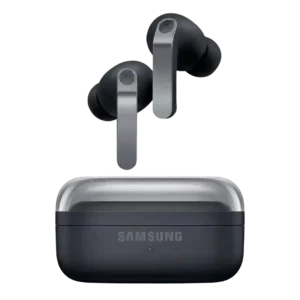
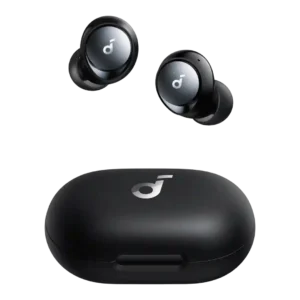
Average score
P1
Product 1: Samsung Galaxy Buds 4 Pro
3.9
P2
Product 2: Soundcore by Anker Space A40...
4.1
Active noise cancellation
P1
Product 1: Samsung Galaxy Buds 4 Pro
4.1
ANC is generally useful to strong, with several reviewers praising it, while others note it is not always class-leading or fit-proof.
P2
Product 2: Soundcore by Anker Space A40...
4.2
Reviewers generally found ANC strong for the price, especially against low, steady noise, though several noted weaker performance against voices, high frequencies, or premium ANC competitors.
Android compatibility
P1
Product 1: Samsung Galaxy Buds 4 Pro
3.1
Android and Samsung compatibility is useful but restrictive, since the best features require Galaxy devices and some are Android-only.
P2
Product 2: Soundcore by Anker Space A40...
4.0
Android users were singled out for benefiting from LDAC and broad device compatibility, while iOS remained limited to other codecs.
App
P1
Product 1: Samsung Galaxy Buds 4 Pro
3.7
The app and settings experience is feature-rich, but one review called the Galaxy Wear app bare-bones and another notes a learning curve.
P2
Product 2: Soundcore by Anker Space A40...
4.3
The Soundcore app was widely praised for useful controls, customization, EQ, and feature access, with only minor complexity or multi-device app caveats.
aptX
P1
Product 1: Samsung Galaxy Buds 4 Pro
1.0
aptX support is effectively absent based on evidence that the buds are not compatible with AptX hi-res formats.
P2Product 2: Soundcore by Anker Space A40...
No score yetAudio-video sync accuracy
P1
Product 1: Samsung Galaxy Buds 4 Pro
3.4
Latency evidence is mixed: common codecs are said to lag minimally, but hi-res settings and missing low-latency modes add caveats.
P2
Product 2: Soundcore by Anker Space A40...
4.0
Video sync and gaming latency were mostly reported as solid, with several reviewers finding minimal or no noticeable delay.
Auracast support
P1
Product 1: Samsung Galaxy Buds 4 Pro
4.5
Auracast support is clearly present and repeatedly noted as useful for public or shared broadcasts.
P2Product 2: Soundcore by Anker Space A40...
No score yetBass performance
P1
Product 1: Samsung Galaxy Buds 4 Pro
4.3
Bass is a consistent strength, described as deep, energetic, punchy, and extended, though one review found it too strong on some tracks.
P2
Product 2: Soundcore by Anker Space A40...
3.9
Bass was usually described as punchy, steady, or adequate, but some reviewers wanted deeper sub-bass or found the default tuning too bass-heavy.
Battery
P1
Product 1: Samsung Galaxy Buds 4 Pro
3.3
Battery life is adequate but not a standout, with repeated six-hour ANC evidence and several concerns versus rivals.
P2
Product 2: Soundcore by Anker Space A40...
4.5
Battery life was one of the strongest areas, with most reviewers reporting long sessions and strong case endurance despite LDAC or ANC reducing runtime.
Bluetooth
P1
Product 1: Samsung Galaxy Buds 4 Pro
4.3
Bluetooth support is modern and generally stable, centered on Bluetooth 6.1, with one review noting some dropouts.
P2
Product 2: Soundcore by Anker Space A40...
4.1
Bluetooth performance was mostly stable and quick, but one reviewer had frustrating re-pairing issues and another noted manual disconnect hassles.
Build quality
P1
Product 1: Samsung Galaxy Buds 4 Pro
4.2
Build quality evidence is limited but positive, including a reviewer saying the redesigned case feels more durable.
P2
Product 2: Soundcore by Anker Space A40...
4.1
Build impressions were generally positive for the buds and case materials, though SoundGuys criticized the case hinge security.
Built-in DAC and hi-res playback
P1
Product 1: Samsung Galaxy Buds 4 Pro
4.2
Hi-res playback is a strong Galaxy-specific feature, with repeated 24-bit/96kHz UHQ or SSC evidence.
P2Product 2: Soundcore by Anker Space A40...
No score yetButton control usability
P1
Product 1: Samsung Galaxy Buds 4 Pro
4.0
Pinch and stem controls are generally effective, though one review found the pinch area somewhat painful or awkward.
P2Product 2: Soundcore by Anker Space A40...
No score yetCarry case quality
P1
Product 1: Samsung Galaxy Buds 4 Pro
4.3
The carry case is generally praised for its clear lid, magnetic feel, easier bud placement, and visibility.
P2
Product 2: Soundcore by Anker Space A40...
3.8
Case feedback was split: many liked the compact, premium-feeling case and charging support, while others criticized hinge/lid security or closure.
Charging
P1
Product 1: Samsung Galaxy Buds 4 Pro
4.5
Charging is a strength because reviewers cite wireless charging plus wired USB-C case charging.
P2
Product 2: Soundcore by Anker Space A40...
4.5
Charging was praised for wireless charging, USB-C, quick-charge usefulness, and a strong charging case, with few complaints beyond battery mode tradeoffs.
Codec support
P1
Product 1: Samsung Galaxy Buds 4 Pro
4.2
Codec support is strong inside the Samsung ecosystem, but non-Samsung devices fall back to common lower codecs.
P2
Product 2: Soundcore by Anker Space A40...
4.4
Codec support was viewed positively because LDAC joins AAC and SBC, though aptX was only factually absent and not scored.
Comfort during long use
P1
Product 1: Samsung Galaxy Buds 4 Pro
4.6
Comfort is widely praised, including long listening sessions, flights, and multi-hour use without fatigue for several reviewers.
P2
Product 2: Soundcore by Anker Space A40...
4.4
Long-use comfort was a consistent strength, with most reviewers finding the buds light and wearable for hours, though a few reported pressure or fit-dependent comfort limits.
Design and Aesthetics
P1
Product 1: Samsung Galaxy Buds 4 Pro
4.3
Design sentiment is positive overall, with reviewers calling the buds premium, sleek, more polished, and better differentiated.
P2
Product 2: Soundcore by Anker Space A40...
4.2
Design was consistently described as sleek, compact, premium-looking, or stylish for the price.
Eartips fit
P1
Product 1: Samsung Galaxy Buds 4 Pro
3.8
Fit is polarized: several reviewers found a secure seal, while others could not get the tips to seal or stay put.
P2
Product 2: Soundcore by Anker Space A40...
4.1
Fit was usually secure with a good seal, though reviewers emphasized tip choice and one found the stock XL tips inadequate.
Ear tip size options
P1
Product 1: Samsung Galaxy Buds 4 Pro
3.6
Ear-tip options are included, but proprietary tips and fit complaints reduce the practical flexibility.
P2
Product 2: Soundcore by Anker Space A40...
4.2
The included tip selection was usually praised for offering many sizes, but one reviewer with large ear canals found even the largest tips too small.
Equalizer customization
P1
Product 1: Samsung Galaxy Buds 4 Pro
4.5
EQ customization is a major strength, with a nine-band EQ, custom mode, presets, and Wear app adjustment all supported.
P2
Product 2: Soundcore by Anker Space A40...
4.5
EQ customization was a standout strength thanks to many presets, custom EQ, HearID, and frequent praise for tuning flexibility.
Find My
P1
Product 1: Samsung Galaxy Buds 4 Pro
4.3
Find My support is clearly present through Find My Earbuds and map-based finding references.
P2
Product 2: Soundcore by Anker Space A40...
4.0
Find My support was treated as a useful bonus, though the evidence centered on beeping-style device finding rather than GPS tracking.
Frequency response accuracy
P1
Product 1: Samsung Galaxy Buds 4 Pro
3.7
Frequency-response evidence is mixed: detail and clarity improve, but one review notes bass/high balance issues that may need EQ.
P2
Product 2: Soundcore by Anker Space A40...
3.7
Frequency response was viewed as enjoyable and often balanced for the price, but not fully neutral or accurate enough for critical listening.
Head gestures
P1
Product 1: Samsung Galaxy Buds 4 Pro
3.9
Head gestures are supported for calls and assistant interactions, though some reviewers had not fully tested them.
P2Product 2: Soundcore by Anker Space A40...
No score yetHinge durability
P1Product 1: Samsung Galaxy Buds 4 Pro
No score yet
P2
Product 2: Soundcore by Anker Space A40...
2.5
The only direct hinge evidence was negative, with SoundGuys saying the case hinge was not tight enough.
Included accessories
P1
Product 1: Samsung Galaxy Buds 4 Pro
4.0
Included-accessory evidence is limited to bundled ear tips and documentation.
P2Product 2: Soundcore by Anker Space A40...
No score yetInstrument separation
P1
Product 1: Samsung Galaxy Buds 4 Pro
4.4
Instrument separation is repeatedly praised through comments about separated instruments, centered guitars, and textural detail.
P2
Product 2: Soundcore by Anker Space A40...
4.3
Instrument separation was praised in multiple reviews, with instruments and mix elements described as clear, well placed, or easier to distinguish.
Integrated microphone
P1
Product 1: Samsung Galaxy Buds 4 Pro
3.7
Integrated microphones are clearly present and usable, but mic impressions range from ordinary to very good.
P2
Product 2: Soundcore by Anker Space A40...
4.3
Integrated microphones were generally considered useful and capable, especially for calls or ANC, though mic quality varied in separate call-quality scoring.
Interchangeable left/right bud design
P1Product 1: Samsung Galaxy Buds 4 Pro
No score yet
P2
Product 2: Soundcore by Anker Space A40...
5.0
Independent left/right bud use was praised as seamless, with no connection break reported.
LDAC
P1
Product 1: Samsung Galaxy Buds 4 Pro
1.5
LDAC support is effectively absent based on evidence that the buds are not compatible with LDAC formats.
P2
Product 2: Soundcore by Anker Space A40...
4.4
LDAC was repeatedly treated as a meaningful advantage for Android or hi-res Bluetooth listening, though it reduced battery life in some testing.
Lossless audio support
P1
Product 1: Samsung Galaxy Buds 4 Pro
3.2
Lossless support is mixed because Samsung hi-res playback is supported, but one review stresses true lossless Bluetooth is not available.
P2Product 2: Soundcore by Anker Space A40...
No score yetMaximum volume clarity
P1
Product 1: Samsung Galaxy Buds 4 Pro
4.5
Reviewers who addressed clarity at output levels described clean, dynamic, distortion-free playback.
P2
Product 2: Soundcore by Anker Space A40...
4.5
The one direct maximum-volume clarity test was positive, noting no distortion in the lows at top volume.
Microphone noise reduction
P1
Product 1: Samsung Galaxy Buds 4 Pro
4.1
Microphone noise reduction is a clear strength in wind, traffic, and background-noise scenarios, though not every voice sample was perfect.
P2
Product 2: Soundcore by Anker Space A40...
3.6
Microphone noise reduction was mixed: some reviewers praised voice isolation in noise, while others found ambient handling weak or inconsistent.
Microphone quality for calls
P1
Product 1: Samsung Galaxy Buds 4 Pro
3.7
Call quality is usable to strong, but evidence is mixed because some reviewers heard fuzziness, digitization, or fit-related variability.
P2
Product 2: Soundcore by Anker Space A40...
3.4
Call microphone quality was the clearest weakness, ranging from loud and clear to thin, muffled, serviceable, or poor depending on reviewer and environment.
Midrange clarity
P1
Product 1: Samsung Galaxy Buds 4 Pro
4.3
Midrange clarity is generally strong, with vocals, mids, and clear signatures receiving positive notes across several reviews.
P2
Product 2: Soundcore by Anker Space A40...
4.0
Midrange comments were mostly positive for vocals and clarity, though a few reviewers found mids veiled, dull, or slightly lacking.
Multi-platform compatibility
P1
Product 1: Samsung Galaxy Buds 4 Pro
2.8
Multi-platform use is limited because non-Samsung devices can leave the product feeling incomplete.
P2
Product 2: Soundcore by Anker Space A40...
4.3
Cross-device compatibility was positive, with reviewers using phones, laptops, tablets, iOS, and Android without major platform-specific barriers.
Multipoint connectivity reliability
P1
Product 1: Samsung Galaxy Buds 4 Pro
2.6
Multipoint is a weakness outside Samsung devices, with several reviews noting no true multipoint or manual switching limitations.
P2
Product 2: Soundcore by Anker Space A40...
4.8
Multipoint reliability was a major strength, with reviewers repeatedly describing device switching as seamless, reliable, or essential.
Noise isolation (passive)
P1
Product 1: Samsung Galaxy Buds 4 Pro
4.2
Passive isolation is strong when the tips seal well, but the benefit depends heavily on fit.
P2
Product 2: Soundcore by Anker Space A40...
4.3
Passive isolation was considered good when fit was right and helped ANC performance, though it remained dependent on a proper seal.
Portability/foldability
P1
Product 1: Samsung Galaxy Buds 4 Pro
4.5
Portability is strong, with the case described as small, pocketable, and easy to carry.
P2
Product 2: Soundcore by Anker Space A40...
4.4
Portability was a consistent strength, especially the small case and compact buds that fit pockets easily.
Preset EQ profile quality
P1
Product 1: Samsung Galaxy Buds 4 Pro
4.4
Preset EQ evidence is positive, especially for Samsung's Dynamic profile, which reviewers used to add punch or emphasize strengths.
P2
Product 2: Soundcore by Anker Space A40...
3.8
Preset EQ quality was useful but mixed: some presets worked well, while bass-boost style presets were criticized for limited or muddy results.
RGB lighting customization
P1
Product 1: Samsung Galaxy Buds 4 Pro
1.0
Lighting customization is not a feature here; evidence says the lighting element is gone.
P2Product 2: Soundcore by Anker Space A40...
No score yetSensors
P1
Product 1: Samsung Galaxy Buds 4 Pro
4.3
Sensor-like smart features are strong, especially voice detection, siren detection, and adaptive behavior.
P2
Product 2: Soundcore by Anker Space A40...
2.0
Sensors were a repeated weakness because multiple reviewers missed wear detection or auto-pause.
Sidetone adjustment quality
P1
Product 1: Samsung Galaxy Buds 4 Pro
4.0
Sidetone support is present and lets users hear their own voice in the buds.
P2Product 2: Soundcore by Anker Space A40...
No score yetSmudge resistance
P1
Product 1: Samsung Galaxy Buds 4 Pro
2.2
Smudge resistance is a weakness because the transparent case section shows scratches and fingerprints.
P2
Product 2: Soundcore by Anker Space A40...
4.0
The only smudge-resistance evidence was positive, noting the case finish should resist visible fingerprints.
Software/setup simplicity
P1
Product 1: Samsung Galaxy Buds 4 Pro
3.5
Setup and software access are workable, but reviewers note a learning curve around where controls live.
P2
Product 2: Soundcore by Anker Space A40...
4.2
Setup and software simplicity were generally praised, with reviewers calling the app simple, the guide sufficient, or setup easy.
Sound leakage
P1Product 1: Samsung Galaxy Buds 4 Pro
No score yet
P2
Product 2: Soundcore by Anker Space A40...
4.0
Sound leakage evidence was limited but positive, with one reviewer saying the buds kept sounds private.
Sound quality
P1
Product 1: Samsung Galaxy Buds 4 Pro
4.6
Review evidence is strongly positive on overall sound, with reviewers calling the audio excellent, very good, or among Samsung's best.
P2
Product 2: Soundcore by Anker Space A40...
4.4
Overall sound quality drew strong praise across the review set for clarity, balance, detail, and value, with only critical-listening caveats.
Soundstage width
P1
Product 1: Samsung Galaxy Buds 4 Pro
4.2
The available evidence points to a wider, more expansive stage rather than a cramped in-ear presentation.
P2
Product 2: Soundcore by Anker Space A40...
4.1
Soundstage width was usually praised as wide, spacious, or well-imaged, though one reviewer found the stage narrow.
Spatial audio
P1
Product 1: Samsung Galaxy Buds 4 Pro
4.2
Spatial audio support is clearly present through 360 audio and head tracking, though some features are Android or Samsung-focused.
P2Product 2: Soundcore by Anker Space A40...
No score yetStability
P1
Product 1: Samsung Galaxy Buds 4 Pro
4.8
Stability is strong for reviewers whose ears matched the shape, with evidence of perfect fit and secure wear.
P2
Product 2: Soundcore by Anker Space A40...
4.4
Stability was generally strong for walking, workouts, and daily use, but one reviewer warned against serious running or sprinting.
Touch control responsiveness
P1
Product 1: Samsung Galaxy Buds 4 Pro
4.3
Touch and gesture controls are mostly praised as responsive and easy to use once learned.
P2
Product 2: Soundcore by Anker Space A40...
3.7
Touch controls were mixed: several reviewers found them responsive and customizable, while others reported delays, missed gestures, or sensitivity issues.
Transparency mode quality
P1
Product 1: Samsung Galaxy Buds 4 Pro
4.5
Transparency and ambient modes are a highlight, often described as natural, clear, or useful for conversation.
P2
Product 2: Soundcore by Anker Space A40...
3.9
Transparency mode was mixed, from very good vocal/ambient awareness to bright, tinny, hissy, or limited adjustability.
Treble clarity
P1
Product 1: Samsung Galaxy Buds 4 Pro
4.1
Treble is mostly praised for crispness, clarity, and sparkle, but one lab-style review found the highs weaker than ideal.
P2
Product 2: Soundcore by Anker Space A40...
4.0
Treble was often clear and detailed, but some reviewers noted sibilance, thin cymbals, reduced sparkle, or upper-register sharpness.
USB-C
P1
Product 1: Samsung Galaxy Buds 4 Pro
4.5
USB-C support is consistently evidenced through case port mentions.
P2
Product 2: Soundcore by Anker Space A40...
4.0
USB-C was positively tied to easy recharging in the one directly opinionated USB-C quote.
Value for money
P1
Product 1: Samsung Galaxy Buds 4 Pro
3.7
Value is context-dependent: Samsung users often get strong value, while non-Samsung users and upgraders face more caveats.
P2
Product 2: Soundcore by Anker Space A40...
4.7
Value was the strongest consensus point, with nearly every reviewer framing the Space A40 as a standout bargain for features and performance.
Voice assistant integration
P1
Product 1: Samsung Galaxy Buds 4 Pro
4.1
Voice assistant support is broad, with Bixby, Gemini, Google assistant, and built-in voice controls mentioned.
P2
Product 2: Soundcore by Anker Space A40...
2.8
Voice assistant support was split, with one reviewer reporting poor Google/Siri behavior while another found the microphones sensitive enough for requests.
Volume output
P1
Product 1: Samsung Galaxy Buds 4 Pro
4.8
Direct evidence is limited but positive, with one review saying maximum volume is far higher than needed.
P2
Product 2: Soundcore by Anker Space A40...
4.4
Volume output was considered more than loud enough by reviewers who discussed it, including one who said loud-listeners would be satisfied.
Water/sweat resistance rating
P1
Product 1: Samsung Galaxy Buds 4 Pro
4.7
Water and dust resistance is a strong point thanks to repeated IP57 evidence.
P2
Product 2: Soundcore by Anker Space A40...
3.8
Water and sweat resistance was viewed as useful for rain, sweat, and workouts, but IPX4 was also described as limited or not especially rugged.
Weight comfort
P1
Product 1: Samsung Galaxy Buds 4 Pro
4.4
The earbuds are described as light, with roughly 5g weight contributing to comfort.
P2
Product 2: Soundcore by Anker Space A40...
4.7
Weight comfort was strongly positive, with reviewers repeatedly noting light buds that disappear or avoid fatigue.