Average score
P1
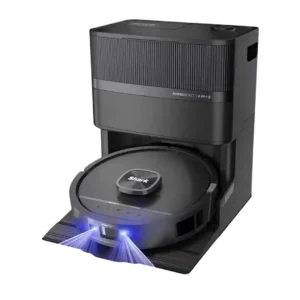
Product 1: Shark PowerDetect UV Reveal Robot...
3.5
P2
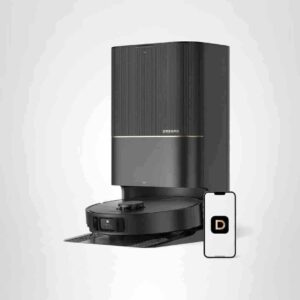
Product 2: Dreame X40 Ultra Robotic Vacuum
4.2
Accessories and Tools
P1Product 1: Shark PowerDetect UV Reveal Robot...
No score yet
P2
Product 2: Dreame X40 Ultra Robotic Vacuum
4.2
The optional anti-tangle accessory is described as a worthwhile add-on for households dealing with hair.
Adaptive chassis lift
P1
Product 1: Shark PowerDetect UV Reveal Robot...
4.3
Reviewers generally liked the lift system for thresholds and obstacles, though one negative review found the mop assembly could still snag.
P2Product 2: Dreame X40 Ultra Robotic Vacuum
No score yetAesthetic design and finish
P1
Product 1: Shark PowerDetect UV Reveal Robot...
4.0
Design impressions were mostly positive, with reviewers calling the dock refined or sleek despite its larger footprint.
P2
Product 2: Dreame X40 Ultra Robotic Vacuum
3.2
Design sentiment is lukewarm: one reviewer called the look dated or industrial, while another saw it as familiar rather than striking.
AI, Smart, App and Automation
P1
Product 1: Shark PowerDetect UV Reveal Robot...
3.6
Smart features were useful, especially app control and on-device AI, but the Shark app drew criticism for hidden, dated, or limited controls.
P2
Product 2: Dreame X40 Ultra Robotic Vacuum
4.5
Reviewers generally praise the app, AI, mapping, virtual boundaries, customization, live-view, and automation, though one found the app clunky.
Airflow blowback
P1
Product 1: Shark PowerDetect UV Reveal Robot...
3.2
The side air jet was praised as clever in one hands-on video, but other evidence found it could blow debris the wrong way or lag behind an extendable brush.
P2Product 2: Dreame X40 Ultra Robotic Vacuum
No score yetArea Rug Handling
P1
Product 1: Shark PowerDetect UV Reveal Robot...
4.5
The Shark impressed reviewers on area rugs, with one review saying the rug felt cleaner and fluffier than with a Dyson stick vacuum.
P2
Product 2: Dreame X40 Ultra Robotic Vacuum
4.8
Carpet and rug handling is a strength because the X40 can lift or leave mop pads behind to reduce wet-carpet risk.
Assembly and Setup
P1
Product 1: Shark PowerDetect UV Reveal Robot...
4.5
Setup was mostly easy in hands-on use, although one review treated the initial setup and mapping time as a noticeable process.
P2
Product 2: Dreame X40 Ultra Robotic Vacuum
4.8
Setup is consistently described as quick, simple, or easy to get running.
Bag-full indicator
P1
Product 1: Shark PowerDetect UV Reveal Robot...
2.0
The base does not alert when the debris container is full, so the reviewer had to keep an eye on it.
P2Product 2: Dreame X40 Ultra Robotic Vacuum
No score yetBattery and Charging
P1
Product 1: Shark PowerDetect UV Reveal Robot...
3.0
Runtime was usually enough for large cleaning sessions, but one critical review argued the underlying battery is small for a flagship robot.
P2
Product 2: Dreame X40 Ultra Robotic Vacuum
4.4
Battery and charging impressions are positive, with long runtime and large-floor-plan coverage repeatedly highlighted.
Bin and Bag
P1
Product 1: Shark PowerDetect UV Reveal Robot...
3.8
Bagless storage and reduced bag costs were praised, while the onboard dustbin size and exterior dust attraction created some mess-control complaints.
P2
Product 2: Dreame X40 Ultra Robotic Vacuum
3.8
The large dust bag earns praise, but one long-term user found the bag needed changing more often than expected.
Build quality and durability
P1
Product 1: Shark PowerDetect UV Reveal Robot...
1.5
Build quality was challenged by one critical review that called the mop pad toy-like and flimsy.
P2
Product 2: Dreame X40 Ultra Robotic Vacuum
4.2
Build quality is supported by durable consumables that reviewers said did not need frequent replacement.
Carpet — High-Pile Pickup
P1
Product 1: Shark PowerDetect UV Reveal Robot...
2.3
Evidence on thicker or long carpet was weak, especially for kitty litter, hair, and oatmeal caught in longer fibers.
P2
Product 2: Dreame X40 Ultra Robotic Vacuum
4.5
Thicker carpet feedback is positive, with strong suction leaving carpets feeling thoroughly cleaned.
Carpet — Low-Pile Pickup
P1Product 1: Shark PowerDetect UV Reveal Robot...
No score yet
P2
Product 2: Dreame X40 Ultra Robotic Vacuum
4.0
Low-pile/conventional carpet pickup is good to strong, though not flawless.
Carpet — Medium-Pile Pickup
P1
Product 1: Shark PowerDetect UV Reveal Robot...
4.0
One reviewer found the carpet looked refreshed after a pass, but carpet-specific evidence was otherwise more mixed by pile type.
P2
Product 2: Dreame X40 Ultra Robotic Vacuum
4.7
Medium-pile and deep-clean testing is consistently above average, especially against the previous X30.
Clogging and debris prevention
P1Product 1: Shark PowerDetect UV Reveal Robot...
No score yet
P2
Product 2: Dreame X40 Ultra Robotic Vacuum
4.5
Anti-tangle and clog-prevention comments are positive, especially when the TriCut brush is used.
Comparative performance
P1
Product 1: Shark PowerDetect UV Reveal Robot...
3.3
Comparative evidence ranged from strong praise over a Dyson stick vacuum to criticism that Shark lagged stronger premium competitors in features.
P2
Product 2: Dreame X40 Ultra Robotic Vacuum
4.2
Comparative evidence is mostly favorable, with X40 outperforming older Dreame models and ranking near the top, though one suction claim was viewed skeptically.
Controls and UI
P1
Product 1: Shark PowerDetect UV Reveal Robot...
2.7
Controls and UI were split: some reviewers found the app simple, while others found map editing difficult, limited, or dated.
P2
Product 2: Dreame X40 Ultra Robotic Vacuum
4.4
Controls and UI are feature-rich and highly customizable, but the app can feel clunky in places.
Cord length
P1
Product 1: Shark PowerDetect UV Reveal Robot...
2.0
The dock cord was criticized for limiting placement options.
P2Product 2: Dreame X40 Ultra Robotic Vacuum
No score yetCorner Cleaning (Robot)
P1
Product 1: Shark PowerDetect UV Reveal Robot...
3.3
Corner and edge debris pickup was praised with the side brush and air nozzle, but a critical review said the lack of an extendable brush limited reach.
P2
Product 2: Dreame X40 Ultra Robotic Vacuum
4.5
Corner cleaning is one of the clearest strengths thanks to the extendable side brush and edge-reaching mop behavior.
Debris illumination
P1
Product 1: Shark PowerDetect UV Reveal Robot...
4.2
UV and light-based stain visibility was repeatedly praised as useful or cool, although one reviewer called it somewhat gimmicky for everyday use.
P2Product 2: Dreame X40 Ultra Robotic Vacuum
No score yetDirty water sensor
P1Product 1: Shark PowerDetect UV Reveal Robot...
No score yet
P2
Product 2: Dreame X40 Ultra Robotic Vacuum
4.2
Dirty-water sensing is praised as a useful advanced base-station feature that can trigger additional cleaning.
Docking and Auto-Empty Reliability (Robot)
P1
Product 1: Shark PowerDetect UV Reveal Robot...
4.5
The self-emptying dock was praised for reducing fuss, though navigation back to the dock could be inconsistent in one review.
P2
Product 2: Dreame X40 Ultra Robotic Vacuum
2.8
Auto-empty reliability is mixed because the dock is capable but one reviewer found its suction weak.
Dock noise
P1
Product 1: Shark PowerDetect UV Reveal Robot...
2.9
Dock-related noise was mixed: auto-emptying and water washing were loud, while drying was described as a lower hum.
P2Product 2: Dreame X40 Ultra Robotic Vacuum
No score yetDried-On Stain Removal
P1
Product 1: Shark PowerDetect UV Reveal Robot...
4.2
Dried stain removal was one of the strongest themes, with multiple reviewers seeing it remove dried juice, coffee, soda, syrup, and hidden messes; one critic found coffee remained.
P2
Product 2: Dreame X40 Ultra Robotic Vacuum
4.7
Dried-on stain removal is repeatedly praised, especially for coffee, grape juice, and sticky messes.
Ease of use
P1
Product 1: Shark PowerDetect UV Reveal Robot...
2.5
Ease of use was strong for basic runs but weakened by multi-floor remapping hassles and a critical review's frustration with errors.
P2
Product 2: Dreame X40 Ultra Robotic Vacuum
4.7
Ease of use is high overall, with minimal maintenance and dependable operation recurring across reviews.
Edge and Baseboard Cleaning (Hard Floors)
P1
Product 1: Shark PowerDetect UV Reveal Robot...
4.4
Edge and baseboard mopping was generally positive, with reviewers noting wall and cabinet edges received attention.
P2
Product 2: Dreame X40 Ultra Robotic Vacuum
4.6
Baseboard and edge cleaning are repeatedly praised, with reviewers saying the extending brush and mop reach areas rivals miss.
Edge‑Following Accuracy (Robot)
P1
Product 1: Shark PowerDetect UV Reveal Robot...
4.5
The robot's edge-following during mopping was praised for giving wall and cabinet edges similar attention to open flooring.
P2
Product 2: Dreame X40 Ultra Robotic Vacuum
5.0
Edge-following accuracy is strong where reviewers saw the X40 actually reach into corners and edges well.
Emptying and Mess Control
P1
Product 1: Shark PowerDetect UV Reveal Robot...
2.8
Mess control was polarized: self-emptying was convenient, but reviewers also noted dust attraction, wet mop leakage, and no-fuss positives.
P2
Product 2: Dreame X40 Ultra Robotic Vacuum
4.7
The dock's emptying and mess-control system is broadly convenient, although auto-empty suction is not universally perfect.
Energy efficiency (kWh)
P1
Product 1: Shark PowerDetect UV Reveal Robot...
2.0
Only one opinionated review addressed energy use, criticizing the robot as energy intensive during scrubbing.
P2Product 2: Dreame X40 Ultra Robotic Vacuum
No score yetFloor Drying Time
P1
Product 1: Shark PowerDetect UV Reveal Robot...
2.0
Floor drying was a weakness where wet mopping left floors damp for around 30 minutes or very wet in critical testing.
P2
Product 2: Dreame X40 Ultra Robotic Vacuum
4.8
Wet-spill tests left floors dry enough that one reviewer found no visible dampness after cleaning.
Floorhead design
P1
Product 1: Shark PowerDetect UV Reveal Robot...
2.0
Floorhead design drew criticism for a weak single roller on thicker carpet and a flimsy, thin mop-pad structure in one negative review.
P2
Product 2: Dreame X40 Ultra Robotic Vacuum
2.8
The main roller/floorhead design is a rare weak point because hair pickup did not fully satisfy one tester.
Floor shine after cleaning
P1
Product 1: Shark PowerDetect UV Reveal Robot...
5.0
Floor shine was praised when mopping left hard floors sparkling.
P2
Product 2: Dreame X40 Ultra Robotic Vacuum
4.5
The mop can leave floors shiny after routine cleaning.
Fresh Liquid Pickup Speed
P1Product 1: Shark PowerDetect UV Reveal Robot...
No score yet
P2
Product 2: Dreame X40 Ultra Robotic Vacuum
4.8
Fresh wet spills were handled very well, with little sign left after the robot cleaned.
Hair-removal channel issues
P1Product 1: Shark PowerDetect UV Reveal Robot...
No score yet
P2
Product 2: Dreame X40 Ultra Robotic Vacuum
3.0
Hair can collect in a crevice near the wheelbase, though removal was manageable.
Hair Pickup — Carpets
P1
Product 1: Shark PowerDetect UV Reveal Robot...
3.5
Carpet hair pickup was mixed: one lab result was excellent, but other reviewers still saw cat hair or weak thick-carpet pickup.
P2
Product 2: Dreame X40 Ultra Robotic Vacuum
2.5
Carpet hair pickup is weak relative to the product's price, with only about half of test hair collected.
Hair Pickup — Hard Floors
P1
Product 1: Shark PowerDetect UV Reveal Robot...
5.0
Hard-floor pet hair pickup was excellent in Tom's Guide testing, with no visible hair left on linoleum.
P2
Product 2: Dreame X40 Ultra Robotic Vacuum
4.0
General hair pickup is acceptable to good in some reviews, but it is not consistently excellent.
Hair‑Wrap / Tangle Resistance
P1Product 1: Shark PowerDetect UV Reveal Robot...
No score yet
P2
Product 2: Dreame X40 Ultra Robotic Vacuum
3.8
Hair-wrap resistance is mixed: standard brushes can tangle, but anti-tangle design and optional accessories reduce maintenance.
Hard Floor — Fine Dust Pickup
P1Product 1: Shark PowerDetect UV Reveal Robot...
No score yet
P2
Product 2: Dreame X40 Ultra Robotic Vacuum
4.6
Hard-floor fine-debris pickup is consistently strong, with only minor misses in some tests.
Hard Floor — Large Debris Intake
P1
Product 1: Shark PowerDetect UV Reveal Robot...
4.3
Hard-floor large-debris pickup was strong in lab and home testing, especially Cheerios and dry oatmeal.
P2
Product 2: Dreame X40 Ultra Robotic Vacuum
4.5
Large hard-floor debris intake is strong overall, despite occasional missed cereal pieces.
Headlight and LED lights
P1
Product 1: Shark PowerDetect UV Reveal Robot...
4.5
The LED and color-light cues helped reviewers understand what the robot was doing during stains, dirt boosts, and errors.
P2Product 2: Dreame X40 Ultra Robotic Vacuum
No score yetHeating element
P1Product 1: Shark PowerDetect UV Reveal Robot...
No score yet
P2
Product 2: Dreame X40 Ultra Robotic Vacuum
4.5
Hot-water cleaning and heated drying are viewed as useful for mop hygiene and maintenance.
Innovation compared to competitors
P1
Product 1: Shark PowerDetect UV Reveal Robot...
3.5
Innovation was a highlight in positive reviews, though one critical review framed the design as an old system made to feel new.
P2
Product 2: Dreame X40 Ultra Robotic Vacuum
4.4
Reviewers see the X40 as highly innovative, especially for Dreame-only mop-pad handling, sensors, and feature density.
Kid-friendliness
P1Product 1: Shark PowerDetect UV Reveal Robot...
No score yet
P2
Product 2: Dreame X40 Ultra Robotic Vacuum
4.2
Busy family and kid-mess suitability is positive because the robot can handle toys, crumbs, mud, and obstacle-filled rooms.
Large debris handling
P1
Product 1: Shark PowerDetect UV Reveal Robot...
4.5
Large debris handling was strong on linoleum in Tom's Guide testing, especially with Cheerios.
P2
Product 2: Dreame X40 Ultra Robotic Vacuum
4.5
Large debris handling is strong overall, but not perfect in all carpet and hard-floor tests.
Low-profile design
P1
Product 1: Shark PowerDetect UV Reveal Robot...
4.5
The low profile helped the robot clean beneath a large storage bed.
P2
Product 2: Dreame X40 Ultra Robotic Vacuum
4.0
The robot earns limited low-profile credit for reaching under lips of low furniture, though the dock itself is not compact.
Maintenance requirements
P1
Product 1: Shark PowerDetect UV Reveal Robot...
3.3
Maintenance was helped by hands-free features and bagless ownership, but one critic recommended manually removing the mop pad to dry it.
P2
Product 2: Dreame X40 Ultra Robotic Vacuum
4.2
Maintenance is relatively low for a premium robot, though water tanks, consumables, and periodic upkeep still remain.
Maneuverability and Handling
P1
Product 1: Shark PowerDetect UV Reveal Robot...
2.5
Maneuverability and navigation were mixed, from confident obstacle handling to one review describing dock navigation as a nightmare.
P2
Product 2: Dreame X40 Ultra Robotic Vacuum
4.8
Maneuverability is excellent, with strong navigation, threshold handling, and reliable movement around obstacles.
Map and Path Efficiency (Robot Vacuums)
P1
Product 1: Shark PowerDetect UV Reveal Robot...
3.0
Mapping and pathing drew mixed evidence: maps could be accurate and routes orderly, but one-floor mapping, app limits, and follow-through issues hurt confidence.
P2
Product 2: Dreame X40 Ultra Robotic Vacuum
4.5
Mapping and path efficiency are strong overall, with detailed maps and near-perfect coverage, but one tester found the pattern erratic.
Mop lifting system
P1
Product 1: Shark PowerDetect UV Reveal Robot...
5.0
The mop-lifting and detaching system was widely praised for avoiding wet carpets and reducing manual intervention.
P2
Product 2: Dreame X40 Ultra Robotic Vacuum
4.4
The mop-lifting and mop-drop system is a standout carpet-protection feature, though limited lift height caused occasional carpet-edge issues.
Mopping performance
P1
Product 1: Shark PowerDetect UV Reveal Robot...
4.4
Mopping performance was a major strength in most hands-on reviews, though one negative review found it left wetness and residue behind.
P2
Product 2: Dreame X40 Ultra Robotic Vacuum
4.8
Mopping performance is one of the X40's strongest areas, with repeated praise for rotating pads, tough stains, and overall results.
Noise level
P1
Product 1: Shark PowerDetect UV Reveal Robot...
2.3
Noise was a recurring concern, especially vacuum motors, auto-emptying, and water-wash cycles.
P2
Product 2: Dreame X40 Ultra Robotic Vacuum
2.7
Noise is a downside; reviewers said it is louder than average and distracting during work.
Obstacle Avoidance (Robot)
P1
Product 1: Shark PowerDetect UV Reveal Robot...
3.2
Obstacle avoidance was often strong, but headphones and a threshold jam showed that it was not foolproof.
P2
Product 2: Dreame X40 Ultra Robotic Vacuum
4.7
Obstacle avoidance is a standout, with multiple reviewers praising AI recognition, pet-accident avoidance, and reliable object navigation.
Odor control
P1
Product 1: Shark PowerDetect UV Reveal Robot...
3.3
Odor control was helped by a fresh-smelling deodorizer, while a critical review warned that a damp pad could create odor concerns.
P2
Product 2: Dreame X40 Ultra Robotic Vacuum
4.7
Odor control is strong because hot washing and drying help prevent musty mop-pad smells.
Ongoing ownership costs (bags, filters, batteries)
P1
Product 1: Shark PowerDetect UV Reveal Robot...
4.5
Bagless operation was a clear ownership-cost advantage because reviewers emphasized not buying recurring dust bags.
P2
Product 2: Dreame X40 Ultra Robotic Vacuum
2.5
Ownership costs are a notable drawback because consumables and bags add ongoing expense.
Overall cleaning convenience
P1
Product 1: Shark PowerDetect UV Reveal Robot...
4.8
Overall cleaning convenience was high in positive reviews, especially the ability to schedule, self-empty, and clean without intervention.
P2
Product 2: Dreame X40 Ultra Robotic Vacuum
4.5
Overall convenience is high, mainly because the X40 reduces manual vacuuming, mopping, and deep cleaning.
Overall durability/longevity
P1
Product 1: Shark PowerDetect UV Reveal Robot...
2.0
A critical review raised durability doubts around the thin mop-pad assembly.
P2
Product 2: Dreame X40 Ultra Robotic Vacuum
4.2
Longevity evidence is limited but positive for wearing parts that reviewers found robust.
Overall opinion
P1
Product 1: Shark PowerDetect UV Reveal Robot...
4.1
Overall opinion was polarized: most professional and hands-on reviews were highly positive, while one owner-review was strongly negative at the price.
P2
Product 2: Dreame X40 Ultra Robotic Vacuum
4.7
Overall opinion is strongly positive across reviews, with the X40 often described as top-tier or hard to beat.
Pet-Ready Features
P1
Product 1: Shark PowerDetect UV Reveal Robot...
4.5
Pet-ready evidence was strong for pet hair and hidden pet-related messes, though carpet depth still affected results.
P2
Product 2: Dreame X40 Ultra Robotic Vacuum
4.6
Pet readiness is mixed: pet zones and accident avoidance are excellent, while fur pickup can disappoint.
Price and Value
P1
Product 1: Shark PowerDetect UV Reveal Robot...
3.2
Value was mixed: several reviewers thought performance justified the high price, while others called the price hefty or unacceptable.
P2
Product 2: Dreame X40 Ultra Robotic Vacuum
3.0
Price is the most common caveat; reviewers call it expensive but often justify it with performance and automation.
Privacy controls
P1
Product 1: Shark PowerDetect UV Reveal Robot...
4.5
Privacy controls received positive attention because stain-detection images are processed locally rather than sent to the cloud.
P2Product 2: Dreame X40 Ultra Robotic Vacuum
No score yetRuntime
P1
Product 1: Shark PowerDetect UV Reveal Robot...
4.4
Runtime was usually validated near the three-hour claim and enough for large main-floor sessions, except for one critic's battery-size concern.
P2
Product 2: Dreame X40 Ultra Robotic Vacuum
4.5
Runtime is well suited to larger homes and single-run coverage.
Sanitizing performance
P1
Product 1: Shark PowerDetect UV Reveal Robot...
2.0
Sanitizing evidence was limited and cautioned that UV light itself does not sanitize quickly during a pass-over.
P2
Product 2: Dreame X40 Ultra Robotic Vacuum
4.5
Sanitizing performance is supported by hot-water mop cleaning that reviewers linked to killing bacteria.
Self-cleaning cycle
P1
Product 1: Shark PowerDetect UV Reveal Robot...
5.0
The self-cleaning dock and mop cycle were praised for reducing manual fuss and restarting without user intervention.
P2
Product 2: Dreame X40 Ultra Robotic Vacuum
4.6
Self-cleaning is a major strength, with hot mop washing, drying, dock cleaning, and low-maintenance routines.
Solution / Liquid system
P1
Product 1: Shark PowerDetect UV Reveal Robot...
1.5
The liquid system drew a serious negative review because of leakage, saturation, and very wet floors.
P2
Product 2: Dreame X40 Ultra Robotic Vacuum
4.0
The liquid system is useful and partly non-proprietary, but one reviewer noted solution is not always mixed into onboard floor water.
Storage footprint and upright-stand stability
P1
Product 1: Shark PowerDetect UV Reveal Robot...
3.3
Storage footprint was mixed: the dock needed significant clearance, but one reviewer still found it visually unobtrusive.
P2
Product 2: Dreame X40 Ultra Robotic Vacuum
2.9
The dock's footprint is a repeated drawback because it is large and needs accessible placement.
Streaking / Residue
P1
Product 1: Shark PowerDetect UV Reveal Robot...
3.3
Residue control was split, from syrup removal without residue to critical evidence of dirt being spread around.
P2
Product 2: Dreame X40 Ultra Robotic Vacuum
4.1
Residue and streak evidence is mostly positive, with reviewers using settings to minimize streaks and reporting shiny floors.
Stuck resistance
P1
Product 1: Shark PowerDetect UV Reveal Robot...
3.6
Stuck resistance was mostly strong in positive reviews, but one critical review found the mop pad could snag and jam.
P2
Product 2: Dreame X40 Ultra Robotic Vacuum
4.8
Stuck resistance is excellent, with reviewers comfortable leaving it alone and reporting little need for rescue.
Suction and Airflow
P1
Product 1: Shark PowerDetect UV Reveal Robot...
4.8
Vacuum suction and airflow were praised as superb or extremely effective in positive reviews, with carpet limitations showing up elsewhere.
P2
Product 2: Dreame X40 Ultra Robotic Vacuum
4.6
Suction and airflow are consistently praised as powerful, high-performing, and above average, though one setting limitation was noted.
Suitability for heavy-duty use
P1
Product 1: Shark PowerDetect UV Reveal Robot...
3.0
Heavy-duty suitability was limited because one reviewer still preferred a regular vacuum for deep cleans.
P2
Product 2: Dreame X40 Ultra Robotic Vacuum
4.7
Heavy-duty suitability is good for demanding messes, pets, and mixed household cleaning.
Suitability for small spaces
P1
Product 1: Shark PowerDetect UV Reveal Robot...
4.0
Small-space performance was helped by avoiding a narrow coffee table, though dock footprint and app handling of small rooms remained caveats.
P2
Product 2: Dreame X40 Ultra Robotic Vacuum
2.5
Small-space suitability is limited by the large dock, even though the robot itself navigates well.
Support and Reliability
P1
Product 1: Shark PowerDetect UV Reveal Robot...
1.5
Reliability concerns came mainly from a critical owner review that said errors showed up constantly.
P2
Product 2: Dreame X40 Ultra Robotic Vacuum
4.8
Reliability is a core strength: reviewers trusted it to finish jobs and called it dependable.
Surface safety with attachments
P1Product 1: Shark PowerDetect UV Reveal Robot...
No score yet
P2
Product 2: Dreame X40 Ultra Robotic Vacuum
4.5
Surface safety is good around wet spots and carpet/rug protection because the robot avoids spreading liquid or damp pads.
Tool-change simplicity
P1
Product 1: Shark PowerDetect UV Reveal Robot...
5.0
Tool-change simplicity was strong in the setup video, where parts clicked and locked into place easily.
P2
Product 2: Dreame X40 Ultra Robotic Vacuum
4.5
Tool and pad changes are easy thanks to magnetic mop pads and straightforward accessory handling.
Under-Furniture Pickup
P1
Product 1: Shark PowerDetect UV Reveal Robot...
4.5
Under-furniture pickup was positive when the robot cleaned under a large storage bed.
P2
Product 2: Dreame X40 Ultra Robotic Vacuum
4.5
Under-furniture pickup is strong where the side brush and mop reach under appliances and low furniture edges.
Value-for-money
P1
Product 1: Shark PowerDetect UV Reveal Robot...
1.0
Value-for-money was sharply negative in one owner review that would not recommend paying the asking price.
P2
Product 2: Dreame X40 Ultra Robotic Vacuum
3.6
Value is mixed-to-positive: costly upfront, but reviewers often found the automation and feature set worth it.
Versatility
P1
Product 1: Shark PowerDetect UV Reveal Robot...
5.0
Versatility was praised for seamless switching among mopping, vacuuming, and combined cleaning modes.
P2
Product 2: Dreame X40 Ultra Robotic Vacuum
4.7
Versatility is high across hard floors, carpets, rugs, mopping, vacuuming, pet features, and customized room cleaning.
Water tank
P1
Product 1: Shark PowerDetect UV Reveal Robot...
3.8
Water tanks were praised for comfortable handling, but one critical review disliked the smaller dirty-water capacity.
P2
Product 2: Dreame X40 Ultra Robotic Vacuum
3.9
Water-tank feedback is generally positive for capacity and separation, though refilling and emptying still remain part of ownership.