Average score
P1
Product 1: Gadhouse Wesley Retro Headphones
3.9
P2
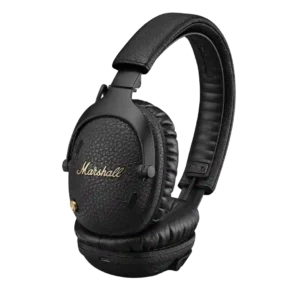
Product 2: Marshall Monitor III A.N.C. Over-Ear...
4.0
3.5mm analog input availability
P1Product 1: Gadhouse Wesley Retro Headphones
No score yet
P2
Product 2: Marshall Monitor III A.N.C. Over-Ear...
2.1
The lack of a built-in 3.5mm analog jack was a repeated drawback, even though USB-C-to-3.5mm wired listening is possible.
Active noise cancellation
P1Product 1: Gadhouse Wesley Retro Headphones
No score yet
P2
Product 2: Marshall Monitor III A.N.C. Over-Ear...
3.8
ANC was usually judged good, solid, or decent for daily use, but several reviewers said it still trails Bose, Sony, or the top tier.
Advanced software features
P1Product 1: Gadhouse Wesley Retro Headphones
No score yet
P2
Product 2: Marshall Monitor III A.N.C. Over-Ear...
4.0
Advanced software features were considered solid and modern, but reviewers did not see them as uniquely class-leading.
Aesthetics / discreet profile
P1
Product 1: Gadhouse Wesley Retro Headphones
4.5
Aesthetic appeal is a major strength, centered on retro, vintage and statement-piece styling.
P2
Product 2: Marshall Monitor III A.N.C. Over-Ear...
4.4
Aesthetics were distinctive and often praised, but some reviewers noted the retro Marshall look will not suit everyone.
ANC background noise level
P1Product 1: Gadhouse Wesley Retro Headphones
No score yet
P2
Product 2: Marshall Monitor III A.N.C. Over-Ear...
4.0
ANC background noise performance was decent: one review measured strong overall noise reduction, and another said white noise was not bad.
ANC effect on sound signature
P1Product 1: Gadhouse Wesley Retro Headphones
No score yet
P2
Product 2: Marshall Monitor III A.N.C. Over-Ear...
3.8
ANC-off listening measured slightly better in one review, suggesting ANC can subtly affect the sound signature.
ANC sound impact on audio
P1Product 1: Gadhouse Wesley Retro Headphones
No score yet
P2
Product 2: Marshall Monitor III A.N.C. Over-Ear...
3.8
ANC slightly affects audio performance, with one review noting higher sound-quality scores when ANC is disabled.
Android compatibility
P1Product 1: Gadhouse Wesley Retro Headphones
No score yet
P2
Product 2: Marshall Monitor III A.N.C. Over-Ear...
4.0
Android compatibility was positive in one review that found the headphones sounded good on Android.
App
P1Product 1: Gadhouse Wesley Retro Headphones
No score yet
P2
Product 2: Marshall Monitor III A.N.C. Over-Ear...
4.4
The app was viewed positively for customization, controls, battery options, and a generally intuitive experience.
aptX
P1Product 1: Gadhouse Wesley Retro Headphones
No score yet
P2
Product 2: Marshall Monitor III A.N.C. Over-Ear...
2.0
aptX support was criticized as absent, especially for Android or lossless-codec users.
Audio-video sync accuracy
P1
Product 1: Gadhouse Wesley Retro Headphones
5.0
Audio-video sync benefits from the wired connection because the reviewer highlights avoiding Bluetooth-style delays.
P2
Product 2: Marshall Monitor III A.N.C. Over-Ear...
2.8
Audio-video sync was a concern for gaming because one reviewer tied the lack of low-latency codecs to more noticeable latency.
Auracast support
P1Product 1: Gadhouse Wesley Retro Headphones
No score yet
P2
Product 2: Marshall Monitor III A.N.C. Over-Ear...
4.2
Auracast support was treated as a positive future-facing feature, especially for Android and LE Audio readiness.
Auto-play/wear detection
P1Product 1: Gadhouse Wesley Retro Headphones
No score yet
P2
Product 2: Marshall Monitor III A.N.C. Over-Ear...
3.2
Auto-play and wear detection worked but was slow to react in one test.
Bass performance
P1
Product 1: Gadhouse Wesley Retro Headphones
2.5
Bass performance is a weakness in the full listening review, where the low end muddied when volume and energy rose.
P2
Product 2: Marshall Monitor III A.N.C. Over-Ear...
4.0
Bass was usually described as punchy or well-balanced, though several reviewers said it could use more impact, cleaner control, or stronger low-end weight.
Battery
P1
Product 1: Gadhouse Wesley Retro Headphones
5.0
Battery concerns are essentially avoided by the wired design, which a reviewer praises for not dying mid-commute.
P2
Product 2: Marshall Monitor III A.N.C. Over-Ear...
4.9
Battery life had the strongest agreement: reviewers repeatedly described it as class-leading, incredible, extraordinary, or far ahead of competitors.
Bluetooth
P1Product 1: Gadhouse Wesley Retro Headphones
No score yet
P2
Product 2: Marshall Monitor III A.N.C. Over-Ear...
4.5
Bluetooth performance was praised in one review as stable and high-performance.
Bluetooth version
P1Product 1: Gadhouse Wesley Retro Headphones
No score yet
P2
Product 2: Marshall Monitor III A.N.C. Over-Ear...
4.5
Bluetooth version support was tied to a stable, high-performance wireless connection in one review.
Build quality
P1
Product 1: Gadhouse Wesley Retro Headphones
4.3
Build quality receives positive evidence through a more robust headband and durability-oriented comfort language.
P2
Product 2: Marshall Monitor III A.N.C. Over-Ear...
4.6
Build quality was generally strong and rugged, with praise for durability and materials, offset by one report of creaking.
Built-in DAC and hi-res playback
P1
Product 1: Gadhouse Wesley Retro Headphones
4.6
Hi-res playback is a consistent strength, with multiple sources praising or highlighting 48kHz lossless audio.
P2
Product 2: Marshall Monitor III A.N.C. Over-Ear...
2.0
Hi-res playback support was a weakness because reviewers repeatedly noted no hi-res Bluetooth audio support.
Button control usability
P1
Product 1: Gadhouse Wesley Retro Headphones
4.4
Button controls are a strength, described as simple, easy, tactile and intuitive across sources.
P2
Product 2: Marshall Monitor III A.N.C. Over-Ear...
4.8
Button controls were a standout strength, with reviewers preferring the tactile joystick and physical buttons over touch controls.
Cable quality
P1
Product 1: Gadhouse Wesley Retro Headphones
2.0
Cable quality is a practical drawback because the long wire is described as easily tangled.
P2
Product 2: Marshall Monitor III A.N.C. Over-Ear...
5.0
Cable quality received praise in one review for the black cable with brass tips and premium-feeling presentation.
Carry case quality
P1
Product 1: Gadhouse Wesley Retro Headphones
1.5
Carry case quality is poor because the full review notes that no carry case or dustbag is included.
P2
Product 2: Marshall Monitor III A.N.C. Over-Ear...
4.5
The carry case was usually praised as sturdy, compact, premium, or travel-friendly, though a few reviewers found it bulky or unnecessary.
Charging
P1
Product 1: Gadhouse Wesley Retro Headphones
5.0
Charging convenience is excellent because reviewers treat no-charge operation as a major plug-and-play benefit.
P2
Product 2: Marshall Monitor III A.N.C. Over-Ear...
4.9
Charging was praised for fast top-ups, with reviewers citing up to 12 hours of playback from a short charge.
Clamping force comfort
P1Product 1: Gadhouse Wesley Retro Headphones
No score yet
P2
Product 2: Marshall Monitor III A.N.C. Over-Ear...
4.8
Clamping comfort was rated very highly, with reviewers reporting little to virtually zero pressure.
Codec support
P1Product 1: Gadhouse Wesley Retro Headphones
No score yet
P2
Product 2: Marshall Monitor III A.N.C. Over-Ear...
2.0
Codec support was a clear weakness because reviewers noted no hi-res, lossless, or low-latency codec support.
Comfort during long use
P1
Product 1: Gadhouse Wesley Retro Headphones
4.4
Long-use comfort is consistently positive thanks to light weight, soft pads and all-day comfort language.
P2
Product 2: Marshall Monitor III A.N.C. Over-Ear...
4.9
Comfort was one of the strongest consensus wins, with reviewers repeatedly praising all-day wear, soft fit, and low fatigue.
Connectivity options
P1
Product 1: Gadhouse Wesley Retro Headphones
4.4
Connectivity options are a strength, with adapters and plug-straight-in usefulness praised across sources.
P2
Product 2: Marshall Monitor III A.N.C. Over-Ear...
3.5
Connectivity options were mixed: wired and wireless playback were useful, but the lack of a built-in 3.5mm jack and coiled cable hurt convenience.
Design and Aesthetics
P1
Product 1: Gadhouse Wesley Retro Headphones
4.5
Design is the strongest consensus point, with every source praising or emphasizing the retro 80s look.
P2
Product 2: Marshall Monitor III A.N.C. Over-Ear...
4.5
Design and aesthetics were mostly praised for the distinctive Marshall look, premium detailing, and rugged styling, though taste varied.
Durability over time
P1Product 1: Gadhouse Wesley Retro Headphones
No score yet
P2
Product 2: Marshall Monitor III A.N.C. Over-Ear...
4.8
Durability over time was viewed positively because reviewers described more durable, repairable construction and long-term toughness.
Ear cup padding quality
P1
Product 1: Gadhouse Wesley Retro Headphones
4.8
Ear cup padding is a standout comfort point, with foam pads described as very soft and squishy.
P2
Product 2: Marshall Monitor III A.N.C. Over-Ear...
4.9
Ear cup padding was widely praised as extremely soft, plush, pillow-like, and important to comfort and sealing.
Ear cup swivel/rotation range
P1Product 1: Gadhouse Wesley Retro Headphones
No score yet
P2
Product 2: Marshall Monitor III A.N.C. Over-Ear...
4.1
Ear cup rotation and swivel helped portability, though one reviewer found the twisting mechanism odd on the head.
Earpad noise
P1Product 1: Gadhouse Wesley Retro Headphones
No score yet
P2
Product 2: Marshall Monitor III A.N.C. Over-Ear...
2.0
Earpad/body-borne noise was a notable negative for one reviewer, who heard footsteps and heartbeat-like sounds.
Equalizer customization
P1Product 1: Gadhouse Wesley Retro Headphones
No score yet
P2
Product 2: Marshall Monitor III A.N.C. Over-Ear...
4.3
EQ customization was broadly useful and responsive, though one reviewer wanted more precision than the five-band setup provides.
Features at launch
P1Product 1: Gadhouse Wesley Retro Headphones
No score yet
P2
Product 2: Marshall Monitor III A.N.C. Over-Ear...
3.7
Features at launch were adequate but not standout, with one reviewer saying the standard feature set lacked a truly distinctive tool.
Frequency response accuracy
P1Product 1: Gadhouse Wesley Retro Headphones
No score yet
P2
Product 2: Marshall Monitor III A.N.C. Over-Ear...
4.4
The default frequency response was judged broadly listener-friendly, especially for casual listeners.
Headband adjustability
P1
Product 1: Gadhouse Wesley Retro Headphones
4.5
Headband adjustability is positive, with easy sizing and a snug adjustable fit both noted.
P2
Product 2: Marshall Monitor III A.N.C. Over-Ear...
4.3
Headband adjustability earned a small positive note for visible adjustment numbering.
Headband padding quality
P1Product 1: Gadhouse Wesley Retro Headphones
No score yet
P2
Product 2: Marshall Monitor III A.N.C. Over-Ear...
4.8
Headband comfort was praised for reducing top-of-head pressure through light weight and support-strap design.
Hinge durability
P1Product 1: Gadhouse Wesley Retro Headphones
No score yet
P2
Product 2: Marshall Monitor III A.N.C. Over-Ear...
5.0
Hinge durability was praised for being able to twist without showing signs of breaking.
Immersive audio quality
P1
Product 1: Gadhouse Wesley Retro Headphones
4.5
Immersive audio has limited positive evidence from one source that calls notes crisp and immersive.
P2
Product 2: Marshall Monitor III A.N.C. Over-Ear...
3.6
Immersive audio quality was mixed, with some reviewers enjoying the added atmosphere and others finding the effect limited or not truly immersive.
Included accessories
P1
Product 1: Gadhouse Wesley Retro Headphones
4.4
Included accessories are useful because adapters help compatibility, though the missing carry case remains a separate drawback.
P2
Product 2: Marshall Monitor III A.N.C. Over-Ear...
4.5
Included accessories received praise for the attractive red-velvet case and included cables.
Instrument separation
P1
Product 1: Gadhouse Wesley Retro Headphones
3.0
Instrument separation is mixed, with some good separation but weaker separation at higher volumes.
P2
Product 2: Marshall Monitor III A.N.C. Over-Ear...
4.4
Instrument separation was a consistent strength when mentioned, with reviewers noting solid layering, instrument placement, and separation across bass, mids, and highs.
Integrated microphone
P1
Product 1: Gadhouse Wesley Retro Headphones
4.3
The integrated microphone is useful for hands-free calls and casual gaming communication, with intuitive control support.
P2
Product 2: Marshall Monitor III A.N.C. Over-Ear...
3.9
Integrated microphone feedback was mixed, with clear/crisp quiet-room results but criticism of vocal clarity or noisy-environment performance.
LDAC
P1Product 1: Gadhouse Wesley Retro Headphones
No score yet
P2
Product 2: Marshall Monitor III A.N.C. Over-Ear...
2.0
LDAC was only discussed as an absent higher-quality codec, making it a codec-support weakness.
LE Audio readiness
P1Product 1: Gadhouse Wesley Retro Headphones
No score yet
P2
Product 2: Marshall Monitor III A.N.C. Over-Ear...
4.1
LE Audio readiness was treated as a positive future-proofing feature by multiple reviewers.
Maximum volume clarity
P1
Product 1: Gadhouse Wesley Retro Headphones
2.0
Maximum-volume clarity is a repeated drawback, with higher-volume listening described as muddy.
P2
Product 2: Marshall Monitor III A.N.C. Over-Ear...
4.8
Maximum-volume clarity was strong in the reviews that addressed it, with no audible or max-volume distortion reported.
Microphone noise reduction
P1Product 1: Gadhouse Wesley Retro Headphones
No score yet
P2
Product 2: Marshall Monitor III A.N.C. Over-Ear...
4.7
Microphone noise reduction was praised for handling simulated or real wind well, despite some vocal-clarity caveats elsewhere.
Microphone quality for calls
P1Product 1: Gadhouse Wesley Retro Headphones
No score yet
P2
Product 2: Marshall Monitor III A.N.C. Over-Ear...
4.8
Call microphone quality received strong praise from one reviewer, especially for windy phone calls.
Midrange clarity
P1
Product 1: Gadhouse Wesley Retro Headphones
4.0
Midrange clarity is positive, with vocals described as clear through a full song.
P2
Product 2: Marshall Monitor III A.N.C. Over-Ear...
4.0
Midrange impressions were mixed: some praised vocals and instruments, while others heard under-emphasized mids, prominent high mids, or occasional clutter.
Multi-platform compatibility
P1
Product 1: Gadhouse Wesley Retro Headphones
4.7
Multi-platform compatibility is positive, with support framed around phones, laptops and vintage audio setups.
P2
Product 2: Marshall Monitor III A.N.C. Over-Ear...
4.0
Multi-platform compatibility was positive where tested on both iOS and Android.
Multipoint connectivity reliability
P1Product 1: Gadhouse Wesley Retro Headphones
No score yet
P2
Product 2: Marshall Monitor III A.N.C. Over-Ear...
5.0
Multipoint reliability was strong where tested, with seamless switching or extremely reliable two-device use.
Noise isolation (passive)
P1
Product 1: Gadhouse Wesley Retro Headphones
3.5
Passive isolation has limited positive evidence, described only as decent in one source.
P2
Product 2: Marshall Monitor III A.N.C. Over-Ear...
4.5
Passive isolation was praised for the soft cushions and seal, which helped block noise even before ANC was considered.
Overall recommendation
P1
Product 1: Gadhouse Wesley Retro Headphones
4.0
Overall recommendations favor retro style, simplicity and comfort, but one review is cautious about everyday listening.
P2
Product 2: Marshall Monitor III A.N.C. Over-Ear...
4.3
Overall recommendations were positive but caveated: reviewers liked the package, especially for travel and rock-focused listening, while noting ANC, codecs, and wired tradeoffs.
Portability/foldability
P1
Product 1: Gadhouse Wesley Retro Headphones
3.0
Portability is mixed: the headphones are not bulky, but the long cable makes bag use awkward.
P2
Product 2: Marshall Monitor III A.N.C. Over-Ear...
4.8
Portability and foldability were major strengths thanks to the compact folding design and small travel footprint.
Premium feel
P1Product 1: Gadhouse Wesley Retro Headphones
No score yet
P2
Product 2: Marshall Monitor III A.N.C. Over-Ear...
4.8
Premium feel was praised through richer materials, superior build impressions, and a luxurious presentation.
Preset EQ profile quality
P1Product 1: Gadhouse Wesley Retro Headphones
No score yet
P2
Product 2: Marshall Monitor III A.N.C. Over-Ear...
4.5
The preset EQ experience was praised in one review, especially the bass boost setting for adding dynamic sound without excess bass.
Replaceable earpads
P1Product 1: Gadhouse Wesley Retro Headphones
No score yet
P2
Product 2: Marshall Monitor III A.N.C. Over-Ear...
4.5
Replaceable earpads were praised as easy to remove or replace and useful for longevity.
Replaceable pads/headband
P1Product 1: Gadhouse Wesley Retro Headphones
No score yet
P2
Product 2: Marshall Monitor III A.N.C. Over-Ear...
4.5
Replaceable pads and headband parts were a repairability plus where described.
Sensors
P1Product 1: Gadhouse Wesley Retro Headphones
No score yet
P2
Product 2: Marshall Monitor III A.N.C. Over-Ear...
2.8
Sensor performance was a concern because one reviewer reported random wear-sensor triggers.
Smart listening features
P1Product 1: Gadhouse Wesley Retro Headphones
No score yet
P2
Product 2: Marshall Monitor III A.N.C. Over-Ear...
4.1
Smart listening features were mixed: adaptive volume, Spotify Tap, and battery preservation drew praise, while missing convenience features held the score down.
Smart Pause performance
P1Product 1: Gadhouse Wesley Retro Headphones
No score yet
P2
Product 2: Marshall Monitor III A.N.C. Over-Ear...
2.8
Smart Pause performance was criticized for random triggering in one longer test.
Software/setup simplicity
P1
Product 1: Gadhouse Wesley Retro Headphones
4.7
Software and setup simplicity are strong because the wired design avoids firmware fuss and works plug-and-play.
P2
Product 2: Marshall Monitor III A.N.C. Over-Ear...
4.8
Setup simplicity received praise from one reviewer who called pairing/setup easy.
Sound leakage
P1Product 1: Gadhouse Wesley Retro Headphones
No score yet
P2
Product 2: Marshall Monitor III A.N.C. Over-Ear...
4.2
Sound leakage was viewed positively in one review because the plush ear cups helped minimize leak.
Sound quality
P1
Product 1: Gadhouse Wesley Retro Headphones
3.7
Sound quality evidence is split: one review found muddy high-volume playback, while other sources praised held-up or exceptional sound.
P2
Product 2: Marshall Monitor III A.N.C. Over-Ear...
4.3
Reviewers generally liked the sound, describing it as pleasing, energetic, balanced, or excellent, with the strongest praise for rock and instrument-driven listening.
Soundstage width
P1
Product 1: Gadhouse Wesley Retro Headphones
2.5
Soundstage width is limited, with one track sounding hollow and underfilled.
P2
Product 2: Marshall Monitor III A.N.C. Over-Ear...
3.7
Soundstage width drew mixed reactions, from solid or opened-up presentation to narrow, cluttered, or not true-spatial enough.
Spatial audio
P1Product 1: Gadhouse Wesley Retro Headphones
No score yet
P2
Product 2: Marshall Monitor III A.N.C. Over-Ear...
3.4
Spatial audio was divisive: some liked the extra space, but others found it unnatural, underwhelming, or below true Atmos-style experiences.
Stability
P1Product 1: Gadhouse Wesley Retro Headphones
No score yet
P2
Product 2: Marshall Monitor III A.N.C. Over-Ear...
4.5
Connection stability was praised as stable and high-performance in one review.
Streaming service integration
P1Product 1: Gadhouse Wesley Retro Headphones
No score yet
P2
Product 2: Marshall Monitor III A.N.C. Over-Ear...
5.0
Streaming service integration was praised strongly for Spotify Tap, especially for starting playback without pulling out a phone.
Sustainability and repairability
P1
Product 1: Gadhouse Wesley Retro Headphones
4.0
Sustainability receives limited positive evidence from one source crediting wired gear with lasting longer and being better for the planet.
P2
Product 2: Marshall Monitor III A.N.C. Over-Ear...
4.5
Sustainability and repairability were praised for replaceable parts and repair-minded design, with a caveat that batteries are not user-replaceable.
Sustainability materials
P1Product 1: Gadhouse Wesley Retro Headphones
No score yet
P2
Product 2: Marshall Monitor III A.N.C. Over-Ear...
4.0
Sustainability materials received a modest positive note for recycled plastic use.
Transparency mode quality
P1Product 1: Gadhouse Wesley Retro Headphones
No score yet
P2
Product 2: Marshall Monitor III A.N.C. Over-Ear...
3.8
Transparency mode was considered usable and sometimes natural, but reviewers also noted hiss, limited realism, or weaker performance than the best rivals.
Travel friendliness
P1
Product 1: Gadhouse Wesley Retro Headphones
3.3
Travel friendliness is mixed: one source calls it commute-friendly, while another warns the cable tangles in bags.
P2
Product 2: Marshall Monitor III A.N.C. Over-Ear...
4.8
Travel friendliness was a major strength due to battery life, compact folding, wired flexibility, and protective case design.
Treble clarity
P1
Product 1: Gadhouse Wesley Retro Headphones
4.0
Treble clarity is positive in the main test, where treble, bass and mids were all described as clear.
P2
Product 2: Marshall Monitor III A.N.C. Over-Ear...
3.8
Treble feedback was split between clear, impressive highs and complaints about sibilance, fatigue, or sharpness on some tracks.
USB-C
P1
Product 1: Gadhouse Wesley Retro Headphones
4.8
USB-C support is positive where it is tied to universal compatibility through included adapters.
P2
Product 2: Marshall Monitor III A.N.C. Over-Ear...
3.3
USB-C was useful for charging and wired listening, but reviewers criticized the one-port limitation and need for power in wired use.
Value for money
P1
Product 1: Gadhouse Wesley Retro Headphones
3.8
Value is context-dependent: reasonable for fashion-first buyers, less convincing for audio-first buyers, and low-priced in one preview.
P2
Product 2: Marshall Monitor III A.N.C. Over-Ear...
3.9
Value was generally fair to good, especially on sale, but reviewers noted strong cheaper or better-performing rivals.
Voice prompts/feedback
P1Product 1: Gadhouse Wesley Retro Headphones
No score yet
P2
Product 2: Marshall Monitor III A.N.C. Over-Ear...
4.5
Voice prompts and feedback added personality through Marshall-style guitar sounds during power and pairing.
Volume output
P1Product 1: Gadhouse Wesley Retro Headphones
No score yet
P2
Product 2: Marshall Monitor III A.N.C. Over-Ear...
5.0
One reviewer found the headphones plenty loud, with comfortable listening volume well below maximum.
Water/sweat resistance rating
P1Product 1: Gadhouse Wesley Retro Headphones
No score yet
P2
Product 2: Marshall Monitor III A.N.C. Over-Ear...
1.5
Water and sweat resistance was a weakness because reviewers noted the headphones are not waterproof and should avoid rain or gym use.
Wear detection auto-pause
P1Product 1: Gadhouse Wesley Retro Headphones
No score yet
P2
Product 2: Marshall Monitor III A.N.C. Over-Ear...
3.2
Wear detection auto-pause was only moderately successful, working but reacting slowly.
Wear detection performance
P1Product 1: Gadhouse Wesley Retro Headphones
No score yet
P2
Product 2: Marshall Monitor III A.N.C. Over-Ear...
2.8
Wear detection performance was a weakness in one longer test because the sensor randomly triggered.
Weight comfort
P1
Product 1: Gadhouse Wesley Retro Headphones
4.6
Weight comfort is a clear strength, with multiple sources emphasizing the very light build.
P2
Product 2: Marshall Monitor III A.N.C. Over-Ear...
4.8
Weight comfort was a major strength, with reviewers repeatedly calling the headphones light for the class and easy to wear.
Wind noise handling
P1Product 1: Gadhouse Wesley Retro Headphones
No score yet
P2
Product 2: Marshall Monitor III A.N.C. Over-Ear...
3.7
Wind handling was mixed: one reviewer found wind susceptibility in ANC/transparency, while another found moderate wind manageable.