Average score
P1
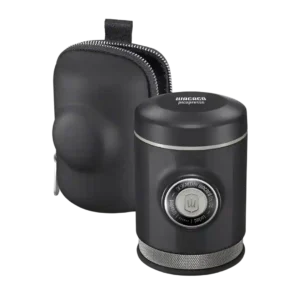
Product 1: WACACO Picopresso Portable Espresso Maker
3.7
P2
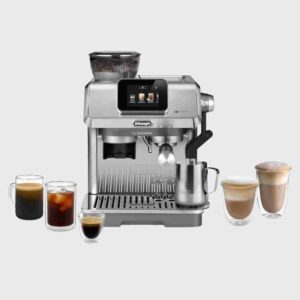
Product 2: De’Longhi La Specialista Touch Espresso...
4.1
Accessories
P1
Product 1: WACACO Picopresso Portable Espresso Maker
4.1
Included and optional accessories are generally useful and well made, though some reviewers criticized the WDT tool, rubber base, or number of pieces.
P2
Product 2: De’Longhi La Specialista Touch Espresso...
4.7
Reviewers generally liked the included barista kit, describing the accessories as complete, generous and useful for keeping grinding, tamping and setup cleaner.
Accuracy of marketing claims
P1
Product 1: WACACO Picopresso Portable Espresso Maker
4.7
Reviewers largely confirmed the core espresso claims, saying the Picopresso can make authentic, cafe-quality espresso rather than only espresso-style coffee.
P2
Product 2: De’Longhi La Specialista Touch Espresso...
2.0
One critical reviewer felt the dosing claims could be misleading because the machine lacks a true dosing sensor despite assisted tamping language.
App, connectivity and smart control
P1Product 1: WACACO Picopresso Portable Espresso Maker
No score yet
P2
Product 2: De’Longhi La Specialista Touch Espresso...
4.5
The touchscreen and smart controls were widely praised as handy, responsive and beginner-friendly, though one reviewer disliked not being able to stop a running shot.
Assembly and Setup
P1
Product 1: WACACO Picopresso Portable Espresso Maker
3.2
Setup has a clear learning curve: some reviewers found the design intuitive after practice, but many stressed trial, precision, and espresso knowledge.
P2
Product 2: De’Longhi La Specialista Touch Espresso...
4.8
Setup was repeatedly described as guided and reassuring, with Bean Adapt and on-screen prompts helping users get dialed in quickly.
Automation and sensors
P1Product 1: WACACO Picopresso Portable Espresso Maker
No score yet
P2
Product 2: De’Longhi La Specialista Touch Espresso...
4.2
Automation received mostly strong marks for Bean Adapt, guided brewing, auto frothing, prompts and sensors, but one reviewer found Bean Adapt much less useful in practice.
Brewing performance and consistency
P1
Product 1: WACACO Picopresso Portable Espresso Maker
4.4
Brewing performance is high when variables are controlled, but hand pumping and puck preparation make consistency dependent on user technique.
P2
Product 2: De’Longhi La Specialista Touch Espresso...
4.4
Most reviewers reported consistent or excellent espresso results, while the toughest reviewer found the espresso only acceptable rather than standout.
Build quality and durability
P1
Product 1: WACACO Picopresso Portable Espresso Maker
4.7
Build quality is a major strength, with repeated praise for sturdy materials, durable parts, premium feel, and long-term condition after use.
P2
Product 2: De’Longhi La Specialista Touch Espresso...
4.2
Build impressions were mostly positive, especially stainless steel touches and a solid portafilter, although some praise focused on value rather than long-term durability.
Capacity
P1
Product 1: WACACO Picopresso Portable Espresso Maker
4.4
Capacity is a strength for a portable maker because reviewers praised the 18g-plus basket and true double-shot capability.
P2
Product 2: De’Longhi La Specialista Touch Espresso...
4.2
Water and bean capacity were usually seen as adequate or generous for the compact size, but one reviewer considered the bean hopper smaller than preferred.
Capsules, pods and consumables
P1
Product 1: WACACO Picopresso Portable Espresso Maker
1.5
Pods and capsules are a weakness because reviewers specifically noted that the Picopresso is not suitable for pod users and lacks Nanopresso-style pod support.
P2Product 2: De’Longhi La Specialista Touch Espresso...
No score yetCup, tray and carafe handling
P1
Product 1: WACACO Picopresso Portable Espresso Maker
2.5
Cup handling is a minor weakness because one reviewer specifically noted that the Picopresso does not include an espresso cup for travel use.
P2
Product 2: De’Longhi La Specialista Touch Espresso...
4.8
Cup and tray handling earned praise where reviewed, especially the riser and tray design that helped avoid splashing and preserve crema.
Design, ergonomics and footprint
P1
Product 1: WACACO Picopresso Portable Espresso Maker
4.8
The design earns broad praise for compactness, premium feel, clever nesting, and travel-friendly footprint, despite some ergonomic heat and shape caveats.
P2
Product 2: De’Longhi La Specialista Touch Espresso...
4.7
Reviewers strongly agreed that the machine is compact, attractive and practical for small kitchens, with repeated praise for its footprint and countertop presence.
Design flaws
P1
Product 1: WACACO Picopresso Portable Espresso Maker
2.6
Common design flaws include heat buildup, finicky lids or tops, small parts, hand strain, mess, and awkward setup details.
P2
Product 2: De’Longhi La Specialista Touch Espresso...
2.5
Common design caveats included non-removable hopper or burr access, temperature-probe interference, detail overload, menu resets and missing grinder-cleaning access.
Environmental packaging sustainability
P1Product 1: WACACO Picopresso Portable Espresso Maker
No score yet
P2
Product 2: De’Longhi La Specialista Touch Espresso...
5.0
One reviewer gave the packaging unusually high marks for sustainable, thoughtful materials and side-opening box design.
Espresso and beverage quality
P1
Product 1: WACACO Picopresso Portable Espresso Maker
4.7
Reviewers strongly praised the espresso itself, repeatedly describing real, cafe-quality shots with crema, rich texture, and strong flavor once dialed in.
P2
Product 2: De’Longhi La Specialista Touch Espresso...
4.8
Espresso and beverage quality were strongly praised across reviews, with reviewers describing tasty espresso, creamy drinks and café-quality beverages.
Filter
P1
Product 1: WACACO Picopresso Portable Espresso Maker
4.6
The filter system is a standout feature thanks to the non-pressurized basket, bottomless-style feedback, durable construction, and flavor benefits.
P2
Product 2: De’Longhi La Specialista Touch Espresso...
4.5
The smaller portafilter/filter setup was treated as beginner-friendly in one review because it supports a streamlined workflow and consistent results.
Grinder, hopper and dosing system
P1
Product 1: WACACO Picopresso Portable Espresso Maker
3.1
A capable espresso grinder is repeatedly treated as essential; reviewers praised grinder support when available but warned that poor grind control hurts results.
P2
Product 2: De’Longhi La Specialista Touch Espresso...
2.9
The grinder and hopper drew the most mixed evidence: reviewers liked adequate extraction and useful settings, but criticized limited adjustment, small hopper and poor burr access.
Guided tamper convenience
P1
Product 1: WACACO Picopresso Portable Espresso Maker
4.5
The tamper and funnel system is well regarded, with reviewers praising the weighted tamp, guided puck preparation, and self-leveling convenience.
P2
Product 2: De’Longhi La Specialista Touch Espresso...
3.9
Guided tamping split reviewers: several found it helpful, accurate or foolproof, while others considered it less convenient than true assisted tamping arms.
Heating-element power
P1
Product 1: WACACO Picopresso Portable Espresso Maker
2.0
Heating power is a limitation because the Picopresso has no built-in heater and requires externally boiled water.
P2
Product 2: De’Longhi La Specialista Touch Espresso...
3.9
Heating evidence was mixed, with praise for fast warm-up and one strong temperature-control claim, but another reviewer noted it would not match PID-level accuracy.
Hot water dispenser
P1
Product 1: WACACO Picopresso Portable Espresso Maker
2.1
Hot water handling is a limitation because reviewers repeatedly noted that users must supply boiling water or a separate heating method.
P2
Product 2: De’Longhi La Specialista Touch Espresso...
5.0
The hot water dispenser was strongly praised in the Americano test for producing a mellow drink without moving the mug or creating mess.
Iced / cold-brew function quality
P1Product 1: WACACO Picopresso Portable Espresso Maker
No score yet
P2
Product 2: De’Longhi La Specialista Touch Espresso...
3.3
Cold brew was the most divided beverage function, ranging from excellent or convenient to mild, thin, slow or bitter depending on the reviewer.
Mess-free used-puck disposal
P1
Product 1: WACACO Picopresso Portable Espresso Maker
3.4
Puck disposal and cleanup opinions are mixed: several reviewers found cleaning easy, while others complained about messy loading or awkward puck removal.
P2
Product 2: De’Longhi La Specialista Touch Espresso...
3.0
Used-puck disposal was only judged indirectly, with one reviewer wishing a knock-box had been included for easier puck disposal.
Milk, steam and frothing
P1
Product 1: WACACO Picopresso Portable Espresso Maker
2.0
The Picopresso is not a milk-drink machine; reviewers noted no built-in steaming or frothing, with only external workarounds available.
P2
Product 2: De’Longhi La Specialista Touch Espresso...
4.4
Milk steaming and frothing were a major strength overall, especially the automatic and manual options, though some reviewers preferred manual mode or noted probe limitations.
Overall user experience
P1
Product 1: WACACO Picopresso Portable Espresso Maker
4.6
Overall user experience is very positive for enthusiasts, with reviewers enjoying the results and design while acknowledging workflow demands.
P2
Product 2: De’Longhi La Specialista Touch Espresso...
4.9
Overall user experience was very positive, centered on easy guidance, beginner confidence and control, with reviewers often saying it made good coffee easier.
Popularity
P1
Product 1: WACACO Picopresso Portable Espresso Maker
4.0
Popularity evidence is limited to one reviewer linking the product’s quality to why it sells well.
P2Product 2: De’Longhi La Specialista Touch Espresso...
No score yetPortability and travel-friendliness
P1
Product 1: WACACO Picopresso Portable Espresso Maker
4.4
Portability is one of the strongest themes, with reviewers praising the compact case and backpackability while warning that outdoor workflows can be less convenient.
P2Product 2: De’Longhi La Specialista Touch Espresso...
No score yetPump pressure consistency
P1
Product 1: WACACO Picopresso Portable Espresso Maker
3.8
Pump pressure can produce genuine espresso pressure, especially with careful pumping or a gauge, but some reviewers found the manual effort and repeatability limiting.
P2
Product 2: De’Longhi La Specialista Touch Espresso...
2.0
Pump pressure drew negative expert criticism from one reviewer who wanted a 9-bar OPV for easier traditional espresso with fresh beans.
Recognition and certifications
P1
Product 1: WACACO Picopresso Portable Espresso Maker
4.5
Recognition evidence is limited but positive, with one reviewer citing a Red Dot design win as external validation of the design.
P2
Product 2: De’Longhi La Specialista Touch Espresso...
5.0
Recognition evidence was positive, with the machine noted as having already received prestigious design awards.
Scoop-storage convenience
P1
Product 1: WACACO Picopresso Portable Espresso Maker
4.4
Internal storage is a strength: several reviewers liked how accessories nest inside the unit or case for compact storage and travel.
P2
Product 2: De’Longhi La Specialista Touch Espresso...
4.5
Storage convenience was praised where mentioned, especially the top storage compartment and accessory organization that keeps the coffee area tidier.
Speed and time-to-cup
P1
Product 1: WACACO Picopresso Portable Espresso Maker
3.5
Speed is context-dependent: some users found it quick once practiced, while others called the workflow slow, tedious, or time-consuming.
P2
Product 2: De’Longhi La Specialista Touch Espresso...
3.8
Speed was mixed: setup and heat-up could be fast, but manual dosing and the guided workflow could slow drink preparation.
Value and Price
P1
Product 1: WACACO Picopresso Portable Espresso Maker
4.5
Value is rated very positively because reviewers saw it as an affordable way to reach serious espresso quality, even when not cheap.
P2
Product 2: De’Longhi La Specialista Touch Espresso...
4.6
Value was consistently favorable, with several reviewers calling the machine impressive, competitive or outstanding for the features offered, despite some market-price caveats.
Warranty and Customer support
P1Product 1: WACACO Picopresso Portable Espresso Maker
No score yet
P2
Product 2: De’Longhi La Specialista Touch Espresso...
4.0
Warranty and support were only lightly evaluated, with one retailer review describing local warranty service support as easy for customers.
Water system, maintenance and descaling
P1
Product 1: WACACO Picopresso Portable Espresso Maker
3.9
Cleaning is often easy after brewing, but water temperature management, preheating, missing fill marks, and hot-water handling create recurring maintenance caveats.
P2
Product 2: De’Longhi La Specialista Touch Espresso...
4.1
Maintenance evidence was mixed: reviewers liked prompts and auto purge, but several complained about grinder access, group-head rinsing and cleaning limitations.