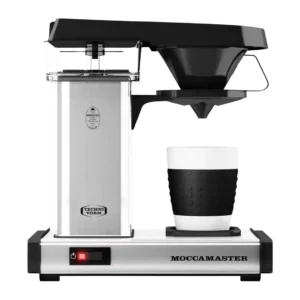
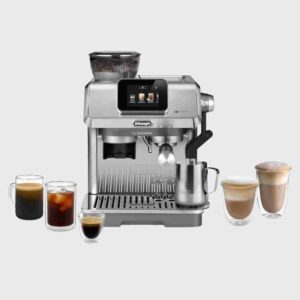
Included extras mentioned in the reviews include ceramic mugs, paper filters, takeaway cups with lids, a scoop, and a descaling sachet, giving the machine a solid starter bundle.
Accessories are widely described as generous, including baskets, pitcher, cleaning tools, dose-reduction aids, and storage options. The only consistent downside is that the number of parts can feel like clutter or a learning hurdle.
The review set is mixed here: one reviewer says the machine turned out to be as advertised overall, while another specifically disputes the anti-drip claim based on real use.
Marketing around guided dialing-in and broad usability is validated by many beginners and mid-level users who get good results quickly. One detailed critique says claims about roast-range compatibility and control can overpromise for edge-case beans and enthusiast expectations.
The touchscreen is a core strength, enabling drink selection, dose-time changes, temperature and foam adjustments, and saving custom drinks or profiles. None of the reviews strongly support phone-app connectivity, and some note limitations like fewer profiles than expected.
Setup is repeatedly described as extremely simple, centered on adding coffee and water and using a single button or switch.
Setup is repeatedly framed as easy and fast, with the touchscreen walking users through first-time steps like water hardness and dialing in. Reviewers generally present it as approachable for beginners without feeling overly fiddly once learned.
Reviewers consistently describe it as an automated pour-over style brewer with push-button operation and automatic shutoff after the brew cycle.
Bean Adapt, guided dosing, and automated milk steaming provide a lot of hands-holding and reduce guesswork, especially for new users. The main critique is that some automation feels more like guidance than true sensing, and can add steps or friction for tinkerers.
Reviews that discuss internals describe thermoblock-style, single-boiler behavior geared toward speed and convenience. This aligns with the product positioning but differs from dual-boiler workflows that advanced users may prefer.
Across the supported reviews, brewing performance is a major strength, with coffee described as balanced, smooth, rich, or consistently good.
Guided prompts and on-screen feedback help users hit repeatable shot times and generally consistent extractions. Consistency can be harder at the edges (very light roasts or very oily dark roasts), where the grind range and pressure approach draw criticism.
Build impressions are strong, with reviewers highlighting durable materials, handmade construction, high-quality parts, and long-service expectations backed by replaceable parts or warranty coverage.
Build impressions skew positive: stainless accents and a sturdy feel, even when parts of the body are plastic. Some content is early or first-look, so long-term durability is not fully proven in the review set.
The Cup-One is clearly positioned as a true single-cup brewer. Reviews repeatedly describe a roughly 10 to 12 ounce capacity, which suits solo use well but limits flexibility for larger servings.
Capacity is generally praised for the footprint, with 1.7 L tanks and 250 g hoppers cited in several reviews, though a few sources claim larger tanks. The hopper size is the most common constraint for heavy daily use.
Several reviews praise the machine for avoiding pods and K-Cups in favor of ground coffee and paper filters, though one review notes the need for specific size #1 filters.
The brewer is designed to work directly with your own cup, and one review notes enough clearance for a carafe as well. A removable drip area is also mentioned.
Cup handling is helped by a large drip tray and a cup riser that reduces splashing and helps keep espresso hot. One review calls out modest cup clearance (around 11 cm), so taller travel mugs may not fit under the spouts.
Design and footprint are widely praised. Reviewers call it attractive, iconic, slim, streamlined, and counter-friendly, although one review says the height can prevent it from fitting under cupboards.
A compact footprint is a consistent highlight, with multiple reviewers saying it fits comfortably on most countertops. The layout is described as clean and ergonomic, dominated by the responsive touchscreen and guided workflow.
The main issues raised are post-brew dripping, occasional funneling or tunneling, limited feature set, imperfect water dispersion, and a small outlet hole that can clog.
The most repeated drawbacks are limited grinder access for cleaning, occasional touchscreen timeouts or resets, and constraints like limited profiles. A critical review also argues missing pressure-control hardware is a core design compromise for enthusiasts.
One detailed review calls out notably eco-friendly packaging, emphasizing recyclable materials and minimal plastic. Other sources do not focus on sustainability, so this positive signal comes from a smaller slice of the set.
Even though this is not an espresso machine, beverage-quality comments are strongly positive in the supported reviews, with coffee described as delicious, smooth, coffee-shop-like, or café-quality.
Most reviewers describe the espresso and milk drinks as high quality, with solid crema and good flavor once dialed in. A more critical take says shots can be good but feel limited by pressure and grind-step constraints, especially when chasing specialty-style nuance.
The reviews consistently note that the machine uses size #1 paper filters. Reviewers also mention included filters and biodegradable paper filters as positives, though the size is less common than standard alternatives.
The built-in grinder is convenient and capable for common medium roasts, but 15 grind steps are seen as limiting compared with rivals. Multiple sources note the bean hopper and burrs are difficult to access for thorough cleaning, and one reviewer reports a grinder failure.
The dosing funnel/guide and depth-marked tamper help standardize puck prep and keep counters cleaner. Some reviewers note minor fit play with the tamper or that the assisted tamp workflow can be slower than expected.
Temperature control is repeatedly tied to the machine’s copper heating or boiler element, with multiple reviews emphasizing stable brewing temperatures in the ideal coffee-brewing range.
Heating performance is generally framed as strong: fast readiness and capable steam power for milk drinks. No reviewer flags the unit as underpowered, and thermoblock-style heating is cited as part of the speed advantage.
Cold brew and over-ice modes are a signature feature with mixed outcomes. Some reviewers call it impressive and fast for real cold extraction, while others find it mild or even bitter, suggesting results depend heavily on beans, ratios, and expectations.
Milk-focused features are not part of the Cup-One experience. One review explicitly points out the absence of a milk frother.
The Auto LatteArt wand and temperature probe earn strong praise for creating silky microfoam with minimal effort, including plant milks. A few reviewers prefer manual steaming over the automatic mode and note the probe can get in the way for traditional wand technique.
Overall user experience trends strongly positive, with reviewers highlighting simplicity, low fuss, satisfying day-to-day use, and the convenience of getting a good cup without much effort.
Overall experience trends positive: intuitive touchscreen, strong guidance, and an approachable path to good espresso and milk drinks. A minority view finds the interface restrictive, especially around timeouts and limited manual control during certain steps.
The product is described as sought after, widely known, and repeatedly surfaced by best-of review coverage for solo coffee drinkers.
One review makes clear that this model has no pot or warming tray and is designed to brew directly into your own mug.
Several reviews reference brewing around classic espresso pressure and achieving 25 to 30 second extractions. One detailed critique argues the pressure system lacks enthusiast-friendly control (for example adjustable OPV), which can restrict fine-tuning and repeatability for advanced users.
One review explicitly says the brewer meets SCA temperature standards in the 195 to 204 range.
Some sources mention design awards and at least one publication-level recommendation badge. These recognitions support the idea that the design and feature set stand out in its category.
Speed is a consistent positive. Across the reviews, brew times are commonly described as roughly three to five minutes, with several reviewers emphasizing quick morning use.
Warm-up and drink workflow are typically described as quick, with the thermoblock-style heating helping speed. Cold-brew cycles vary by reviewer, from about 4 to 5 minutes in some tests to around 7 to 8 minutes in a negative take.
Value is mixed. Some reviewers say the machine is expensive for a one-cup brewer, while another argues the higher upfront cost can pay off over time compared with capsule-based systems.
Many reviewers position it as strong value for a touchscreen, grinder-included machine, often priced below comparable competitors. It is still a premium purchase, and value drops if you prioritize advanced adjustability or easy long-term service access.
Warranty coverage is a standout positive. Multiple reviews mention a five-year warranty, and some also note repairability or available spare parts.
The specs in the review set cite a 2-year warranty, and one retailer-focused review highlights access to registered service support. Direct customer-service experiences are limited, but warranty coverage is clearly stated.
Maintenance is described as straightforward. Reviews mention regular descaling, removable parts, and included or recommended descaling products to keep performance stable.
Maintenance is largely touchscreen-driven with prompts for descaling, rinsing, and wand auto-purge, which users find beginner-friendly. The recurring pain points are deeper serviceability: limited burr access for cleaning and limited group-head rinsing between drinks noted in some reviews.