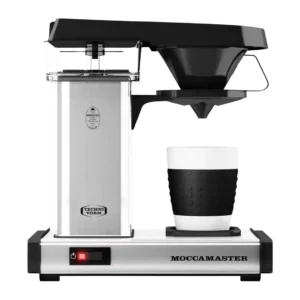
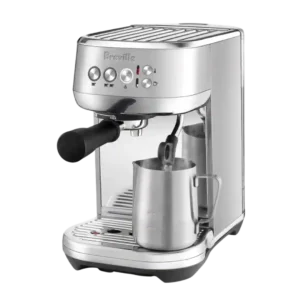
Average score
P1
Product 1: Technivorm Moccamaster Cup One Coffee...
4.1
P2
Product 2: Breville Bambino Plus Espresso Machine
3.8
Accessories
P1Product 1: Technivorm Moccamaster Cup One Coffee...
No score yet
P2
Product 2: Breville Bambino Plus Espresso Machine
3.9
Accessory coverage is generally generous and compatible with many 54mm add-ons, though some reviewers dislike the stock portafilter or tamper.
Accuracy of marketing claims
P1
Product 1: Technivorm Moccamaster Cup One Coffee...
3.5
Reviewer evidence is split: one reviewer says the anti-drip claim failed in use, while another says the machine was exactly as advertised overall.
P2
Product 2: Breville Bambino Plus Espresso Machine
2.3
Marketing accuracy is mixed: the three-second heat claim is supported, but dose, preinfusion, and ThermoJet improvement claims receive pushback.
Assembly and Setup
P1
Product 1: Technivorm Moccamaster Cup One Coffee...
4.8
Setup is treated as very simple, with reviewers describing one-button brewing and easy cup filling rather than a complicated preparation process.
P2
Product 2: Breville Bambino Plus Espresso Machine
4.5
Setup is described as approachable enough that users do not need to spend long with the manual before starting.
Automation and sensors
P1
Product 1: Technivorm Moccamaster Cup One Coffee...
4.8
Reviewers praise the automatic, hands-free pour-over behavior, including auto shutoff, bloom-like pulsing, and reliable flow control.
P2
Product 2: Breville Bambino Plus Espresso Machine
4.5
Sensors and automation reduce errors through features like low-water detection, auto frothing, auto purge, and maintenance safeguards.
Boiler type (single vs dual)
P1Product 1: Technivorm Moccamaster Cup One Coffee...
No score yet
P2
Product 2: Breville Bambino Plus Espresso Machine
3.9
The single ThermoJet-style setup delivers dual-boiler-like speed for some users, but reviewers still note thermal-control tradeoffs versus true dual boilers.
Brewing performance and consistency
P1
Product 1: Technivorm Moccamaster Cup One Coffee...
4.6
Across the reviews, brewing performance is a major strength, with repeated praise for consistent, saturated, balanced, and delicious drip coffee, though one review found the cup only moderately strong.
P2
Product 2: Breville Bambino Plus Espresso Machine
4.1
PID control, stable extraction, and repeatable water delivery support consistent results, though preheating and workflow can affect first and second shots.
Build quality and durability
P1
Product 1: Technivorm Moccamaster Cup One Coffee...
4.8
Build quality receives strong praise for durable construction, high-quality parts, and a design reviewers expect to last.
P2
Product 2: Breville Bambino Plus Espresso Machine
3.4
Build quality opinions are mixed: fit, finish, and long-term reliability get praise, while lightweight construction, plastic parts, and repair concerns draw criticism.
Cable management convenience
P1Product 1: Technivorm Moccamaster Cup One Coffee...
No score yet
P2
Product 2: Breville Bambino Plus Espresso Machine
2.8
Only one reviewer raised a cable-related concern, noting the separate grinder setup changed a single power cord into two.
Capacity
P1
Product 1: Technivorm Moccamaster Cup One Coffee...
3.6
Capacity is the biggest context-dependent trait: ideal for solo drinkers and bean testing, but limiting for households or heavy coffee drinkers.
P2
Product 2: Breville Bambino Plus Espresso Machine
4.4
Water capacity is repeatedly praised as generous for such a small machine and capable of handling multiple drinks without refilling.
Capsules, pods and consumables
P1
Product 1: Technivorm Moccamaster Cup One Coffee...
5.0
Reviewers like that it avoids pod ecosystems and lets users brew with normal grounds and paper filters, improving both cost and sustainability.
P2Product 2: Breville Bambino Plus Espresso Machine
No score yetCup, tray and carafe handling
P1
Product 1: Technivorm Moccamaster Cup One Coffee...
3.5
Cup handling is mixed: reviewers like the cup fit and ability to use a favorite cup, but one reviewer had to wipe up drips after every brew.
P2
Product 2: Breville Bambino Plus Espresso Machine
2.5
The drip tray and cup area draw the most criticism because the tray fills quickly, though some reviewers liked the float indicator and easy cleaning.
Design, ergonomics and footprint
P1
Product 1: Technivorm Moccamaster Cup One Coffee...
4.6
The design is generally praised as stylish, compact, and counter-friendly, though one reviewer noted the tall body did not fit in cupboards.
P2
Product 2: Breville Bambino Plus Espresso Machine
4.6
The compact footprint and attractive design receive broad praise, especially for small kitchens, with the tradeoff that the light body can move during use.
Design flaws
P1
Product 1: Technivorm Moccamaster Cup One Coffee...
2.5
The most repeated design concerns involve dripping, limited feature controls, uneven water distribution or tunneling, and a small funnel hole that can clog.
P2
Product 2: Breville Bambino Plus Espresso Machine
2.2
Repeated design flaws include the very small drip tray, cheap or plastic-heavy portafilter, janky group head, and overly light body.
Environmental packaging sustainability
P1
Product 1: Technivorm Moccamaster Cup One Coffee...
5.0
Sustainability is a clear strength in the evidence, especially because the machine avoids pods, uses compostable grounds, and supports repairable long-term use.
P2
Product 2: Breville Bambino Plus Espresso Machine
1.5
Packaging sustainability is a clear weak point in the evidence because one reviewer criticized the continued use of styrofoam and non-biodegradable plastic.
Espresso and beverage quality
P1
Product 1: Technivorm Moccamaster Cup One Coffee...
4.3
Beverage quality is widely praised as delicious, smooth, aromatic, and enjoyable, but one reviewer says it is less floral or complex than manual pour-over options.
P2
Product 2: Breville Bambino Plus Espresso Machine
4.5
Reviewers repeatedly say the Bambino Plus can make very good to cafe-quality espresso, especially with fresh beans, a capable grinder, and appropriate prep.
Filter
P1
Product 1: Technivorm Moccamaster Cup One Coffee...
3.0
Filter evidence is limited but mildly negative: one reviewer notes the machine requires less-common #1 filters.
P2
Product 2: Breville Bambino Plus Espresso Machine
3.5
Filter and basket evidence is mixed: pressurized baskets help beginners, but missing water-filter or single-wall-basket inclusions frustrate some reviewers.
Grinder, hopper and dosing system
P1Product 1: Technivorm Moccamaster Cup One Coffee...
No score yet
P2
Product 2: Breville Bambino Plus Espresso Machine
3.1
Reviewers stress that the machine needs a capable separate grinder to shine; that improves espresso but can undermine the compact setup.
Heating-element power
P1
Product 1: Technivorm Moccamaster Cup One Coffee...
5.0
The heating element is a strong point, with reviewers tying temperature stability and copper heating to faster brewing and better aroma.
P2
Product 2: Breville Bambino Plus Espresso Machine
4.5
The ThermoJet system earns strong speed praise, but reviewers also note limits with long shots, cold metal parts, and thermoblock-like behavior.
Hot water dispenser
P1
Product 1: Technivorm Moccamaster Cup One Coffee...
4.0
Hot-water versatility has limited but positive evidence from one reviewer who says the machine steeps tea well.
P2
Product 2: Breville Bambino Plus Espresso Machine
3.3
Hot water exists and can be convenient, but reviewers repeatedly call the button combination awkward or less ideal for frequent Americano use.
Mess-free used-puck disposal
P1
Product 1: Technivorm Moccamaster Cup One Coffee...
4.5
Used-filter disposal is praised as straightforward, with composting the filter and washing the dripper described as part of an easy cleanup routine.
P2
Product 2: Breville Bambino Plus Espresso Machine
4.6
The 3-way solenoid and related workflow earn praise for drier pucks, reduced portafilter mess, and cleaner puck knockouts.
Milk, steam and frothing
P1Product 1: Technivorm Moccamaster Cup One Coffee...
No score yet
P2
Product 2: Breville Bambino Plus Espresso Machine
4.6
Milk steaming is one of the strongest points, with auto and manual modes often producing impressive microfoam, though a few reviewers found auto foam imperfect.
Overall user experience
P1
Product 1: Technivorm Moccamaster Cup One Coffee...
4.5
Overall user experience is consistently positive because the brewer is simple, low-error, low-hassle, and well suited to focused single-cup routines.
P2
Product 2: Breville Bambino Plus Espresso Machine
4.5
Overall user experience is praised for speed, ease, compactness, and quality results, although one user found the espresso workflow finicky.
Popularity
P1
Product 1: Technivorm Moccamaster Cup One Coffee...
4.5
Popularity evidence is limited to one reviewer describing automated one-cup pour-over brewers like this as sought after.
P2
Product 2: Breville Bambino Plus Espresso Machine
4.6
Popularity evidence is limited to one review, but it explicitly frames the Bambino Plus as a best-selling espresso machine.
Portability and travel-friendliness
P1Product 1: Technivorm Moccamaster Cup One Coffee...
No score yet
P2
Product 2: Breville Bambino Plus Espresso Machine
4.0
Portability evidence is limited, but one long-term reviewer liked it enough to take the machine to a hotel.
Pot function
P1
Product 1: Technivorm Moccamaster Cup One Coffee...
2.0
Pot or keep-warm function is a weakness because one reviewer misses being able to keep the brewed coffee warm.
P2Product 2: Breville Bambino Plus Espresso Machine
No score yetPump pressure consistency
P1Product 1: Technivorm Moccamaster Cup One Coffee...
No score yet
P2
Product 2: Breville Bambino Plus Espresso Machine
4.6
The 9-bar pressure/OPV setup is consistently praised as appropriate for espresso and helpful for producing better-tasting shots.
Recognition and certifications
P1
Product 1: Technivorm Moccamaster Cup One Coffee...
4.3
Recognition is supported by references to SCA temperature standards and one reviewer calling the machine well-known around the world.
P2
Product 2: Breville Bambino Plus Espresso Machine
4.2
Recognition evidence is limited but positive, with one review noting the machine as a Test Kitchen favorite.
Speed and time-to-cup
P1
Product 1: Technivorm Moccamaster Cup One Coffee...
4.8
Speed is a repeated strength, with reviewers reporting roughly three to five minutes to brew and praising the short wait.
P2
Product 2: Breville Bambino Plus Espresso Machine
4.9
Reviewers strongly praise the very fast heat-up and quick brew-to-steam workflow, often emphasizing the roughly three-second readiness.
Value and Price
P1
Product 1: Technivorm Moccamaster Cup One Coffee...
3.0
Value is mixed: reviewers call the upfront price high, but one reviewer argues it can save money over time versus capsules or K-Cups.
P2
Product 2: Breville Bambino Plus Espresso Machine
4.1
Value is generally seen as strong for frequent espresso or milk-drink users, but less compelling for occasional drinkers or buyers needing extra gear.
Warranty and Customer support
P1
Product 1: Technivorm Moccamaster Cup One Coffee...
5.0
Warranty support is praised strongly, especially the five-year warranty and the reassurance of repairability or available spare parts.
P2
Product 2: Breville Bambino Plus Espresso Machine
3.4
Support evidence is mixed: one reviewer criticized repair fees and parts availability, while another praised Breville's warranty situation against cheaper rivals.
Water system, maintenance and descaling
P1
Product 1: Technivorm Moccamaster Cup One Coffee...
4.0
Maintenance is mixed: cleaning and descaling are described as straightforward, but one reviewer warns that the small funnel hole can clog.
P2
Product 2: Breville Bambino Plus Espresso Machine
4.1
Auto purge, cleaning reminders, easy descaling/backflush steps, and reservoir guidance are positives, although one long-term user found routine cleaning confusing.