Included extras mentioned in the reviews include ceramic mugs, paper filters, takeaway cups with lids, a scoop, and a descaling sachet, giving the machine a solid starter bundle.
Included accessories and bundled tools (such as baskets, portafilter, milk pitcher, and cleaning items) are generally viewed as sufficient to start brewing immediately. Serious hobbyists may still add their own tools, but the out-of-box kit is usually described as complete.
The review set is mixed here: one reviewer says the machine turned out to be as advertised overall, while another specifically disputes the anti-drip claim based on real use.
Connectivity is mostly about convenience rather than remote control: Wi-Fi enables firmware updates and some smart behavior, and several reviewers like that no dedicated app is required. Those wanting deep app features may find it minimal, but updates and stability benefits are appreciated.
Setup is repeatedly described as extremely simple, centered on adding coffee and water and using a single button or switch.
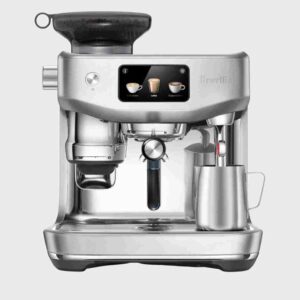
Setup is widely described as quick and guided, with touchscreen onboarding and step-by-step prompts getting most users brewing fast. Some calibration and dialing-in is still required, but the process is generally presented as approachable for beginners.
Reviewers consistently describe it as an automated pour-over style brewer with push-button operation and automatic shutoff after the brew cycle.
Automation is a headline feature: touchscreen guidance, built-in dialing help, one-touch workflows, and assisted routines make it easy to produce consistent drinks. Some users find the reminders/prompts a bit frequent, but overall the automation is seen as a key reason to buy.
Multiple reviews note it is not a traditional dual-boiler setup, so it cannot brew and steam simultaneously in the classic sense. Fast switching, queueing, and strong heating mitigate the limitation for most households, but dual-boiler fans still see it as a compromise.
Across the supported reviews, brewing performance is a major strength, with coffee described as balanced, smooth, rich, or consistently good.
Most reviewers highlight stable extractions and repeatable results, helped by real-time guidance and fast thermal recovery. Some mention early-unit quirks, splatter, or first-shot inconsistency, but overall consistency is a standout for a guided, built-in-grinder machine.
Build impressions are strong, with reviewers highlighting durable materials, handmade construction, high-quality parts, and long-service expectations backed by replaceable parts or warranty coverage.
Most reviews describe a premium look and sturdy feel, reinforced by the machine’s weight and stainless styling. A few raise concerns about smaller components feeling less robust or about long-term serviceability/repair complexity, so durability impressions are positive but not unanimous.
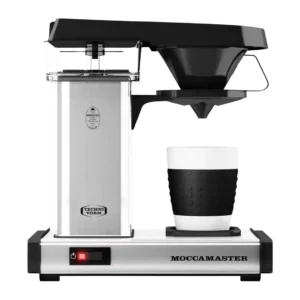
The Cup-One is clearly positioned as a true single-cup brewer. Reviews repeatedly describe a roughly 10 to 12 ounce capacity, which suits solo use well but limits flexibility for larger servings.
The water reservoir is commonly described as generous and convenient to access (including front-fill designs in several reviews). Despite that, some users report high water usage and frequent tray/tank attention, so day-to-day capacity feels good but not hands-off.
Several reviews praise the machine for avoiding pods and K-Cups in favor of ground coffee and paper filters, though one review notes the need for specific size #1 filters.
The brewer is designed to work directly with your own cup, and one review notes enough clearance for a carafe as well. A removable drip area is also mentioned.
Cup clearance and tray management are recurring pain points: several reviews mention a drip tray that fills quickly and occasional splash/spill moments. While functional, it often requires more frequent emptying and attention than buyers expect at this price.
Design and footprint are widely praised. Reviewers call it attractive, iconic, slim, streamlined, and counter-friendly, although one review says the height can prevent it from fitting under cupboards.
Design is often praised for smart usability touches like a responsive touchscreen and (in some reviews) wheels for moving a heavy unit. The main downside is footprint and heft: it can dominate countertop space and demands a dedicated spot.
The main issues raised are post-brew dripping, occasional funneling or tunneling, limited feature set, imperfect water dispersion, and a small outlet hole that can clog.
Commonly cited flaws include grinder mess/static, occasional splatter or splash, frequent drip-tray emptying, and the lack of brew-and-steam-at-once operation. These issues rarely stop reviewers from enjoying the machine, but they come up often enough to be worth planning around.
Even though this is not an espresso machine, beverage-quality comments are strongly positive in the supported reviews, with coffee described as delicious, smooth, coffee-shop-like, or café-quality.
Across reviews, shot quality is consistently described as cafe-level with rich flavor and strong crema. A few reviewers note first-shot variability if the portafilter is cold and occasional temperature limitations with very light roasts, but most report excellent results once dialed in.
The reviews consistently note that the machine uses size #1 paper filters. Reviewers also mention included filters and biodegradable paper filters as positives, though the size is less common than standard alternatives.
The integrated grinder and volume-based dosing system earns praise for convenience and helpful grind guidance. Common critiques include mess/static, limited upgradeability since the grinder is built in, and the hassle of swapping beans (for decaf or variety) with a single-hopper workflow.
Automatic tamping and guided puck prep are frequently called out as a major convenience win that reduces learning curve and speeds workflow. The main tradeoff is reduced manual control, with a few reviewers preferring traditional tamping or noting that auto settings can require tweaking.
Temperature control is repeatedly tied to the machine’s copper heating or boiler element, with multiple reviews emphasizing stable brewing temperatures in the ideal coffee-brewing range.
Heating performance is consistently praised for rapid warm-up and strong steam capability, enabled by the fast-heating system. A minority note temperature concerns for very light roasts or prefer the behavior of dual-boiler machines, but most call the heat performance excellent.
Cold extraction/cold brew modes are seen as a fun, usable option that can produce tasty drinks, especially over ice. Multiple reviewers note it can land closer to cool/tepid than truly cold and flavor can vary by bean, but most still call the results enjoyable and easy to replicate.
Used-puck handling is mixed: pucks can come out relatively dry, but multiple reviewers mention they can be stubborn to knock out and the workflow can still be a bit messy. A knock box helps, and some wish for a cleaner, more effortless ejection.
Milk-focused features are not part of the Cup-One experience. One review explicitly points out the absence of a milk frother.
Milk performance is strong overall, with multiple reviewers impressed by steam power and manual steaming capability. Auto-milk features are convenient, but several note the automatic texture can skew frothier than latte-art microfoam, making manual steaming the better choice for enthusiasts.
Overall user experience trends strongly positive, with reviewers highlighting simplicity, low fuss, satisfying day-to-day use, and the convenience of getting a good cup without much effort.
Overall experience is strongly positive for users who want an easy, guided path to high-quality espresso. Reviewers emphasize the intuitive touchscreen, fast workflows, and reduced learning curve, while noting tradeoffs like size, price, and occasional mess or maintenance interruptions.
The product is described as sought after, widely known, and repeatedly surfaced by best-of review coverage for solo coffee drinkers.
One review makes clear that this model has no pot or warming tray and is designed to brew directly into your own mug.
One review explicitly says the brewer meets SCA temperature standards in the 195 to 204 range.
Speed is a consistent positive. Across the reviews, brew times are commonly described as roughly three to five minutes, with several reviewers emphasizing quick morning use.
Speed is a major strength: near-instant heat-up, quick transitions between brewing and steaming, and short time-to-cup workflows are repeatedly praised. Even without a true dual-boiler workflow, the fast switching and queueing features keep drinks moving quickly.
Value is mixed. Some reviewers say the machine is expensive for a one-cup brewer, while another argues the higher upfront cost can pay off over time compared with capsule-based systems.
Value is debated because the price is firmly premium. Many reviewers justify it by the speed, guidance, and cafe-like results, but others argue similarly priced setups can offer more manual control or true dual-boiler capability, making the cost hard to swallow for hobbyists.
Warranty coverage is a standout positive. Multiple reviews mention a five-year warranty, and some also note repairability or available spare parts.
Warranty/support mentions are generally reassuring, with several reviewers citing multi-year coverage depending on region/retailer and positive replacement experiences. Still, a few voices flag that long-term repairs and parts/service logistics could matter given the machine’s complexity and price.
Maintenance is described as straightforward. Reviews mention regular descaling, removable parts, and included or recommended descaling products to keep performance stable.
Maintenance is generally viewed as straightforward thanks to guided cleaning prompts, rinse cycles, and on-screen how-tos. Several reviewers still note frequent drip-tray emptying and regular routines (purges/backflush), and a few wish for better spill/tray sensing, but the process feels beginner-friendly.