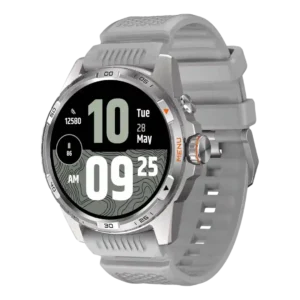
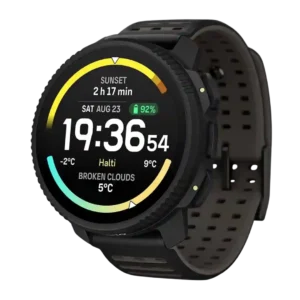
Compare Ticwatch Atlas vs Suunto Vertical 2

P1 Ticwatch Atlas
P2 Suunto Vertical 2

Comparison Takeaways

Ticwatch Atlas

Where It Has the Edge

  • onboard music storage is 4.5 vs 1.1. Onboard music storage was a strength thanks to 32GB of storage and offline music support.
  • contactless payments is 4.1 vs 1.2. Contactless payments were available through Google Wallet or NFC, and reviewers treated them as part of the normal...
  • call handling is 4.3 vs 2.2. Call handling was considered useful and clear enough for wrist calls, with multiple reviewers noting the speaker and...
  • smartwatch features is 4.3 vs 2.3. Smartwatch features were broad for the price, including Wear OS apps, Google services, sensors, workouts, safety tools, and...

Suunto Vertical 2

Where It Has the Edge

  • cross-platform compatibility is 5.0 vs 3.2. Cross-platform compatibility is directly supported by iOS and Android compatibility, though platform-specific smart features remain limited.
  • charging convenience is 4.5 vs 3.2. Charging convenience is much improved thanks to a stronger magnetic USB-C charger, with reviewers repeatedly saying it stays...
  • operating system experience is 4.0 vs 3.2. The operating system feels smoother and more intuitive than older Vertical software, but reviewers still see Garmin as...
  • size options is 2.8 vs 2.0. Size options are limited. Reviewers repeatedly frame it as a large 49mm watch, with steel and titanium trims...
Average score
Product 1: Ticwatch Atlas
3.8
Product 2: Suunto Vertical 2
3.8
activity auto-detection
Product 1: Ticwatch Atlas
4.4

Reviewers generally found TicMotion useful for automatically detecting walks, runs, cycling, or exertion, though it is not the main reason every reviewer recommended the watch.

Product 2: Suunto Vertical 2
3.5

Evidence for automatic activity handling is limited; the clearest support is commute logging for walking or cycling rather than broad automatic workout detection.

app ecosystem
Product 1: Ticwatch Atlas
4.4

The Wear OS app ecosystem is a strength, with Play Store apps, Google services, and watch faces available, though some reviewers noted missing Assistant support elsewhere.

Product 2: Suunto Vertical 2
3.6

The app ecosystem is serviceable and can connect with health/training platforms, but multiple reviewers explicitly said it is not as deep or rich as Garmin's.

band quality
Product 1: Ticwatch Atlas
4.3

Most reviewers liked the fluororubber strap for comfort, grip, security, and adjustability, with the main caveat being limited 24mm band choice or less premium feel.

Product 2: Suunto Vertical 2
4.0

Band quality is mostly positive, especially softness, stretch, and comfort, though one reviewer disliked the stock band and another noted initial stiffness.

battery life
Product 1: Ticwatch Atlas
4.6

Battery life was one of the clearest strengths, with reviewers repeatedly reporting roughly three to four days in smartwatch use and far longer in low-power modes.

Product 2: Suunto Vertical 2
4.7

Battery life is the headline strength, with nearly every reviewer praising long smartwatch runtime, strong GPS endurance, and unusually good AMOLED stamina.

blood oxygen tracking
Product 1: Ticwatch Atlas
3.9

Blood oxygen tracking was available and sometimes matched comparison devices, but several reviewers saw occasional erratic or dodgy readings.

Product 2: Suunto Vertical 2
4.0

Blood oxygen tracking is present and repeatedly mentioned as part of the health suite, with one reviewer noting more stable readings from the redesigned sensor.

Bluetooth connectivity
Product 1: Ticwatch Atlas
4.1

Bluetooth call connectivity worked well in the reviews that tested wrist calls, with good volume and clarity and functional speaker/microphone use.

Product 2: Suunto Vertical 2
4.0

Bluetooth support is useful for headphones, turn prompts, and music control, but the evidence is narrower than for core fitness features.

brightness
Product 1: Ticwatch Atlas
4.0

Brightness was mostly adequate to good, especially after adjustment, though some reviewers found the display less vibrant or bright than premium competitors.

Product 2: Suunto Vertical 2
4.7

Brightness was strongly praised, with multiple reviewers highlighting the 2,000-nit AMOLED screen and strong lighting performance, despite one complaint about dim indoor behavior.

build quality
Product 1: Ticwatch Atlas
4.5

Build quality was consistently described as premium-feeling, sturdy, and rugged, especially for the price.

Product 2: Suunto Vertical 2
4.4

Build quality is rugged and premium, with reviewers citing solid metal construction, sapphire protection, and little concern about normal outdoor knocks.

button controls
Product 1: Ticwatch Atlas
4.0

Button controls were mostly praised for the crown and pronounced action button, but a few reviewers disliked sensitivity or nonfunctional rotation behavior.

Product 2: Suunto Vertical 2
4.0

Button controls are a strong outdoor feature, especially with gloves, though several reviewers preferred a dial or wanted more consistent back-button behavior.

call handling
Product 1: Ticwatch Atlas
4.3

Call handling was considered useful and clear enough for wrist calls, with multiple reviewers noting the speaker and microphone support.

Product 2: Suunto Vertical 2
2.2

Call handling is limited. Reviewers mention seeing, answering, or declining calls, but not full on-watch calling.

calorie tracking usefulness
Product 1: Ticwatch Atlas
4.2

Calorie tracking was useful enough for workouts and daily activity, with one controlled comparison close to Apple Watch results.

Product 2: Suunto Vertical 2
3.4

Calorie data is available in daily and workout summaries, but usefulness is moderated by one reviewer's concern that calories were overestimated.

charging convenience
Product 1: Ticwatch Atlas
3.2

Charging convenience was mixed: fast top-ups helped, but reviewers disliked the proprietary pogo-pin or magnetic puck versus wireless or USB-C charging.

Product 2: Suunto Vertical 2
4.5

Charging convenience is much improved thanks to a stronger magnetic USB-C charger, with reviewers repeatedly saying it stays attached and fixes older friction.

charging speed
Product 1: Ticwatch Atlas
4.4

Charging speed was usually praised for fast partial or full charges, though one reviewer called the speed unimpressive.

Product 2: Suunto Vertical 2
3.5

Charging speed is acceptable rather than exceptional, with evidence around roughly 90 minutes to 1 hour 45 minutes for a full or near-full charge.

coaching features
Product 1: Ticwatch Atlas
3.6

Coaching features were present through recovery and VO2-related tools, but some reviewers wanted a deeper, more integrated fitness coaching suite.

Product 2: Suunto Vertical 2
4.1

Coaching features are meaningful, with Suunto Coach, AI-driven suggestions, and plans appearing in multiple reviews, but one reviewer found plan duration limitations.

comfort
Product 1: Ticwatch Atlas
4.3

Comfort was generally positive despite the large rugged case, helped by the strap, though fit depended heavily on wrist size.

Product 2: Suunto Vertical 2
3.4

Comfort is the main physical tradeoff: several reviewers found it wearable or surprisingly comfortable, but many also called it heavy, bulky, or chunky for sleep and daily wear.

companion app quality
Product 1: Ticwatch Atlas
3.6

The Mobvoi Health app was considered functional and information-rich, but reviewers found it basic, sluggish, visually plain, or split against Wear OS in places.

Product 2: Suunto Vertical 2
4.0

The companion app is generally clean, useful, and increasingly complete, but it is not universally praised because some reviewers found it less engaging or less reliable in the background.

contactless payments
Product 1: Ticwatch Atlas
4.1

Contactless payments were available through Google Wallet or NFC, and reviewers treated them as part of the normal Wear OS feature set.

Product 2: Suunto Vertical 2
1.2

Contactless payment support is effectively absent; reviewers directly noted no tap-to-pay or wallet-style functionality.

cross-platform compatibility
Product 1: Ticwatch Atlas
3.2

Compatibility is Android-only and not for iPhone users, which reviewers stated directly; Android support itself was broad enough for Wear OS buyers.

Product 2: Suunto Vertical 2
5.0

Cross-platform compatibility is directly supported by iOS and Android compatibility, though platform-specific smart features remain limited.

customization options
Product 1: Ticwatch Atlas
4.4

Customization was strong for straps, tiles, display behavior, backlight colors, watch face complications, and app layouts.

Product 2: Suunto Vertical 2
3.5

Customization is solid for data fields, shortcuts, sports modes, widgets, and watch faces, though some changes require the app or SuuntoPlus.

display quality
Product 1: Ticwatch Atlas
4.3

Display quality was widely praised for crisp text, AMOLED color, the dual-display design, and readability, though some saw washed-out color from the overlay.

Product 2: Suunto Vertical 2
4.6

Display quality was one of the most consistent strengths: reviewers praised the AMOLED screen as bright, sharp, colorful, clear, and a major upgrade.

durability
Product 1: Ticwatch Atlas
4.6

Durability was a major strength, with repeated mentions of MIL-STD-810H toughness, sapphire glass, and scratch-free testing.

Product 2: Suunto Vertical 2
4.4

Durability is a strong point, with reviewers reporting scratch resistance, tough outdoor confidence, and only minor wear in some cases.

ECG functionality
Product 1: Ticwatch Atlas
1.0

ECG was a clear missing health feature in the review evidence, with one reviewer explicitly noting there is no ECG sensor.

Product 2: Suunto Vertical 2
No score yet
fit
Product 1: Ticwatch Atlas
3.6

Fit was mixed: some reviewers found the watch comfortable and adjustable, while others warned the large case is not ideal for small wrists.

Product 2: Suunto Vertical 2
4.0

Fit is generally secure once dialed in, with reviewers praising wrist stability while also noting that fit matters for heart-rate accuracy on a larger watch.

fitness tracking accuracy
Product 1: Ticwatch Atlas
3.8

Fitness tracking accuracy was mixed, ranging from very acceptable overall results to concerns about GPS and heart-rate underreporting in harder sessions.

Product 2: Suunto Vertical 2
4.3

Fitness tracking was generally trusted, especially when reviewers considered GPS and heart-rate data together, though the broader accuracy picture still depends on activity and fit.

GPS accuracy
Product 1: Ticwatch Atlas
3.9

GPS accuracy was split: some reviewers found it solid or accurate, while others reported sluggish lock-on or consistent distance overreporting.

Product 2: Suunto Vertical 2
4.6

Land-based GPS accuracy was one of the strongest areas, with reviewers calling it spot-on, near-perfect, or flawless; the main caveat was poorer open-water swim behavior in one test.

health tracking accuracy
Product 1: Ticwatch Atlas
4.3

Health tracking was generally comprehensive and useful, but not always flawless because blood oxygen, sleep, and app interpretation had caveats.

Product 2: Suunto Vertical 2
3.8

General health metrics were treated as useful and mostly credible, but reviewers tied accuracy to specific metrics and noted edge cases around sleep, steps, calories, and heart-rate behavior.

heart rate accuracy
Product 1: Ticwatch Atlas
4.0

Heart-rate accuracy ranged from near chest-strap or Apple Watch alignment in some tests to underreported or overreported readings in tougher workouts.

Product 2: Suunto Vertical 2
3.7

Heart-rate accuracy was improved over older Suuntos and often solid for steady running, hiking, and cycling, but several reviewers saw startup, interval, cadence-lock, or large-watch fit issues.

LTE connectivity
Product 1: Ticwatch Atlas
1.0

LTE was consistently positioned as absent, with one reviewer calling it the only glaring omission.

Product 2: Suunto Vertical 2
No score yet
materials quality
Product 1: Ticwatch Atlas
4.4

Materials quality was consistently strong, with stainless steel, aluminum, fiberglass-reinforced nylon, sapphire glass, and other rugged materials cited.

Product 2: Suunto Vertical 2
4.3

Materials quality is high, with stainless steel or titanium, sapphire glass, and metal construction repeatedly highlighted.

menu navigation
Product 1: Ticwatch Atlas
4.3

Menu navigation was mostly clear and helped by the crown, though some button/crown issues kept it from being universally polished.

Product 2: Suunto Vertical 2
3.3

Menu navigation is improved but not perfect: reviewers liked the button flow and app structure but cited clunky flashlight access, route limits, and some unintuitive activity organization.

music controls
Product 1: Ticwatch Atlas
3.4

Music controls worked through Wear OS and Spotify/offline playback, but one reviewer disliked leaving TicExercise to change playback.

Product 2: Suunto Vertical 2
3.5

Music controls work for phone-based playback and Bluetooth-headphone control, but reviewers consistently position them as basic controls rather than full music features.

onboard music storage
Product 1: Ticwatch Atlas
4.5

Onboard music storage was a strength thanks to 32GB of storage and offline music support.

Product 2: Suunto Vertical 2
1.1

Onboard music storage is a consistent weakness, with reviewers repeatedly stating that the watch cannot store music or run offline music services.

operating system experience
Product 1: Ticwatch Atlas
3.2

The operating system experience was mixed because reviewers liked Wear OS basics but repeatedly flagged Wear OS 4, slow updates, or uncertain Wear OS 5 support.

Product 2: Suunto Vertical 2
4.0

The operating system feels smoother and more intuitive than older Vertical software, but reviewers still see Garmin as more complete.

outdoor visibility
Product 1: Ticwatch Atlas
4.4

Outdoor visibility was a frequent strength, especially with the ultra-low-power layer in direct daylight and readable workout screens.

Product 2: Suunto Vertical 2
4.9

Outdoor visibility was excellent across the evidence, with reviewers repeatedly saying the screen stayed readable in sun, low light, bad weather, and direct sunlight.

pairing reliability
Product 1: Ticwatch Atlas
3.5

Pairing reliability was adequate but not seamless, with straightforward connection evidence offset by app confusion between Mobvoi and Wear OS setup paths.

Product 2: Suunto Vertical 2
3.5

Pairing and syncing reliability is mixed: one reviewer had no connection issues, another praised fast syncing, while another reported background refresh friction.

recovery insights
Product 1: Ticwatch Atlas
3.5

Recovery insights exist through recovery time and VO2 metrics, but reviewers split between finding them useful and feeling suggestions were off.

Product 2: Suunto Vertical 2
4.1

Recovery insights are a clear strength, with reviewers citing recovery time, resources, training stress, chronic load, and performance trends across the watch and app.

reliability
Product 1: Ticwatch Atlas
3.5

Reliability was mostly solid for performance and stability, though reviewers reported isolated random drain, phantom vibration, or a one-time watch face issue.

Product 2: Suunto Vertical 2
3.6

Reliability is mostly positive for navigation and outdoor use, but there are caveats around map rendering, background sync, and setup friction.

safety features
Product 1: Ticwatch Atlas
3.9

Safety features were a notable addition with Fall Detection and Emergency SOS, but several reviewers experienced false or over-eager fall alerts.

Product 2: Suunto Vertical 2
4.1

Safety features center on the LED flashlight, red mode, alerts, SOS-style patterns, offline maps, and find-back navigation, though true satellite SOS is missing.

size options
Product 1: Ticwatch Atlas
2.0

Size options were limited because the Atlas comes in one large size, and reviewers repeatedly warned small-wristed users.

Product 2: Suunto Vertical 2
2.8

Size options are limited. Reviewers repeatedly frame it as a large 49mm watch, with steel and titanium trims but little real case-size choice.

sleep tracking accuracy
Product 1: Ticwatch Atlas
4.0

Sleep tracking was automatic and often accurate for duration or sleep/wake times, but some reviews found stage scoring or awake detection imperfect.

Product 2: Suunto Vertical 2
3.7

Sleep tracking drew mixed-positive comments: some reviewers found it accurate or improved, while others reported quirky stage or wake detection and noted the watch can feel large overnight.

smartphone notifications
Product 1: Ticwatch Atlas
4.4

Smartphone notifications were useful and reliable, with reviewers valuing notification control and direct replies from the watch.

Product 2: Suunto Vertical 2
2.8

Notifications are functional but basic: several reviewers called them read-only or limited, though another found them reliable for calls, messages, and app alerts.

smartwatch features
Product 1: Ticwatch Atlas
4.3

Smartwatch features were broad for the price, including Wear OS apps, Google services, sensors, workouts, safety tools, and the dual display.

Product 2: Suunto Vertical 2
2.3

Smartwatch functionality is intentionally stripped back, with reviewers emphasizing the absence of richer lifestyle features and framing it as an outdoor tool.

software smoothness
Product 1: Ticwatch Atlas
4.5

Software smoothness was a strength of the Snapdragon W5+ platform, with most reviewers reporting snappy, fluid, lag-free performance.

Product 2: Suunto Vertical 2
4.4

Software smoothness was widely praised, with repeated comments about faster menus, snappier performance, smoother animations, and a much improved interface.

step counting accuracy
Product 1: Ticwatch Atlas
4.2

Step counting looked useful and reasonably accurate where reviewers mentioned it, though it was not as deeply tested as heart rate or GPS.

Product 2: Suunto Vertical 2
3.4

Step tracking is supported and visible in daily stats, but evidence is mixed because one reviewer specifically reported frequent step overcounting.

stress tracking
Product 1: Ticwatch Atlas
3.5

Stress tracking is present and can run continuously, but reviewers did not find deeper stress trend insights especially developed.

Product 2: Suunto Vertical 2
4.0

Stress-related tracking appears through ZoneSense, HRV, TSB, and Training Stress Score rather than a simple lifestyle stress widget, making it more training-focused.

style and design
Product 1: Ticwatch Atlas
4.3

Style and design were generally praised for rugged looks and the silver or orange-accented design, while some reviewers called the hardware bland or too masculine.

Product 2: Suunto Vertical 2
4.4

Style and design were praised more than typical rugged watches, with reviewers calling it sleek, refined, futuristic, and good-looking despite its size.

third-party app support
Product 1: Ticwatch Atlas
4.3

Third-party app support was strong through the Play Store, Strava, Spotify, Google Fit, WhatsApp, and other Wear OS apps.

Product 2: Suunto Vertical 2
4.4

Third-party support is a bright spot for a performance watch, with repeated mentions of Strava, TrainingPeaks, Komoot, SuuntoPlus, and partner integrations.

touchscreen responsiveness
Product 1: Ticwatch Atlas
4.4

Touchscreen responsiveness was praised where tested, with reviewers calling touch and gesture inputs responsive and comparable to other smartwatches.

Product 2: Suunto Vertical 2
3.8

Touchscreen responsiveness is mostly good, but reviewers noted occasional lag, wet-screen confusion, or preference for physical controls in hard conditions.

user interface
Product 1: Ticwatch Atlas
3.4

The user interface was functional and readable but not consistently elegant, with criticisms of boring animations, many Tic apps, or a less unified software package.

Product 2: Suunto Vertical 2
3.8

The interface is readable and visually organized, with good use of color and fonts, but the touch-first logic and dense training terminology can require adjustment.

value for money
Product 1: Ticwatch Atlas
3.9

Value was divided by context: many liked the price, discounts, and rugged feature set, while others preferred cheaper Enduro, Samsung, or OnePlus alternatives.

Product 2: Suunto Vertical 2
4.0

Value is favorable versus Garmin and other premium rivals, but reviewers still questioned the high titanium price and overlap with the cheaper Race 2.

voice assistant quality
Product 1: Ticwatch Atlas
1.0

Voice assistant quality scored poorly because multiple reviewers said Google Assistant was missing, limiting smart capabilities.

Product 2: Suunto Vertical 2
No score yet
watch face quality
Product 1: Ticwatch Atlas
3.7

Watch face quality was mixed: some praised variety and display quality, while others disliked Mobvoi’s own faces or called them uninspiring.

Product 2: Suunto Vertical 2
3.3

Watch face feedback is mixed: reviewers liked customization and data, but the dimmed AMOLED state drew criticism for readability.

water resistance
Product 1: Ticwatch Atlas
4.4

Water resistance was strongly supported, with repeated 5ATM, open-water, swim, or waterproof testing evidence.

Product 2: Suunto Vertical 2
4.5

Water resistance is well supported, with reviewers citing 100-meter resistance, pool use, swimming, snorkeling, and comfort taking it into water.

wellness insights
Product 1: Ticwatch Atlas
3.8

Wellness insights were broad and data-rich, but not as refined as Fitbit, Oura, Garmin, or Samsung-style trend interpretation.

Product 2: Suunto Vertical 2
4.1

Wellness insights are useful and easy to digest, especially resources, body-energy-style feedback, sleep, HRV, and training trends, though the ecosystem stays leaner than Garmin.

Wi-Fi connectivity
Product 1: Ticwatch Atlas
4.0

Wi-Fi connectivity was only lightly covered, with one review listing dual-band Wi-Fi as part of the hardware feature set.

Product 2: Suunto Vertical 2
3.5

Wi-Fi is mainly relevant to maps and sync features; reviewers found it necessary and useful, though map downloads or setup could be fiddly.

workout tracking variety
Product 1: Ticwatch Atlas
4.5

Workout tracking variety was a clear strength, with reviewers citing more than 100 modes and broad sports coverage.

Product 2: Suunto Vertical 2
4.7

Workout coverage was a major point of agreement: reviewers repeatedly cited 100-plus, 115-plus, or even 150-plus activity modes.