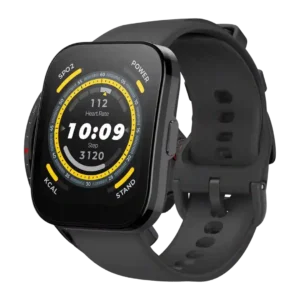
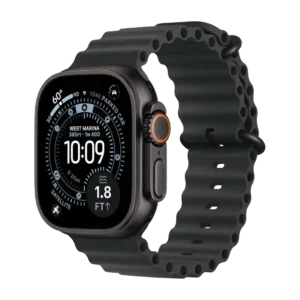
Auto-detection is present and convenient, but evidence is mixed: one review praised seven detected exercises, another liked the feature in daily use, and another found it inconsistent.
Reviews mention automatic workout tracking as part of the workout toolset, indicating solid auto-detection support.
Zepp offers apps and customization, but reviewers say the ecosystem is far behind Apple and Google in breadth and quality.
Reviewers consistently praised the huge app store and broad app ecosystem, calling it a major advantage over dedicated sports watches.
Strap quality is serviceable overall: one review called it bland but secure, while another said the skin-friendly strap quality was good.
Band feedback was positive overall, especially for the Trail Loop, which reviewers described as run-friendly, stable, and comfortable for sleep.
Everyday battery life is generally a strength, with reports of around a week to 10 days in normal use, but one lab found poor GPS endurance.
Battery life is a clear step up for an Apple Watch, typically landing around two to three days or roughly 45 to 49 hours, but it still trails endurance-focused sports watches.
SpO2 readings were described as decent compared with an oximeter, though not perfectly accurate.
Blood oxygen support is present and repeatedly called out as part of the Ultra 3’s health feature set.
Bluetooth support was clearly present, with one review explicitly noting Bluetooth 5.2 connectivity for Android and iOS.
Brightness is usable rather than exceptional: one review found outdoor visibility acceptable at higher brightness, while others noted weak contrast or no auto-brightness feature.
Screen brightness was a standout, with reviewers highlighting 3,000-nit visibility and class-leading brightness outdoors.
Build quality was called good overall, though the glossy body was said to attract fingerprints.
Build quality was described as rock-solid and premium, with the titanium construction contributing to a refined feel.
The single side button was consistently described as a simple, useful control for waking the watch, going back, launching functions, and pausing workouts.
The Action button and physical controls were seen as genuinely useful for quick shortcuts and workout starts.
Bluetooth calling is a notable feature, but call performance is mixed due to iOS setup problems, slightly muffled audio, and low speaker volume outdoors.
Call quality feedback was positive, with reviewers saying calls are clear and that voices come through well.
Calorie estimates can be unreliable; one workout session was logged at an implausibly low 39 kcal.
Charging convenience is a plus thanks to the magnetic dock and flexible USB-powered charging options.
Fast top-ups make the watch easy to live with, with short charging sessions often enough to cover a day or sleep tracking.
Charging times around two hours are workable, but reviewers did not consider charging speed a standout strength.
Charging is quick for this class, with repeated mentions of 80 percent in about 45 minutes and full charges around an hour.
The Bip 5 includes budget-level coaching tools such as training load, sport-stage notifications, and PAI guidance.
Workout Buddy adds motivation and contextual cues, but multiple reviewers found it inconsistent or still early in execution.
Comfort looks strong from the available evidence, with one reviewer emphasizing the light 26 g feel on the wrist.
Despite the large case, reviewers generally found the watch comfortable for all-day wear, with some bands especially comfortable for sleep.
The Zepp app is generally seen as mature and useful, but it is not always intuitive and can feel confusing during setup or syncing.
The Health and Fitness apps unlock useful detail, but at least one reviewer found the post-workout data split between apps disjointed.
Reviewers explicitly note that mobile payments are absent.
Apple Pay and Wallet were cited as useful daily conveniences.
Reviews explicitly state support for both Android and iOS connections.
Compatibility is a major downside, with reviewers repeatedly noting that the Ultra 3 is locked to the iPhone and iOS ecosystem.
Customization is a strength, with editable tiles, widget choices, and photo watch faces.
Customization is strong, from data screens and custom workouts to the configurable Action button.
The large TFT display is good for the price, but reviews also mention pixelation, washed-out colors, and weaker tech than premium AMOLED rivals.
Display quality was repeatedly described in superlatives, with reviewers calling it one of the best watch screens available.
Durability appears only average, with tempered glass described as less scratch-resistant than premium watch materials.
The rugged build and real-world damage resistance were praised, with reviewers noting durable materials and no obvious scuffs after impacts.
ECG was repeatedly listed among the watch’s core health tools.
The included strap appears to hold the watch securely and avoid excess flap on the wrist.
Fit is more divisive than comfort, with smaller-wrist users reporting that the case can feel oversized or require readjustment.
Fitness tracking is decent for a budget watch, but reviewers also note that some sensors are less accurate than control equipment.
Across general fitness use, reviewers described the tracking as accurate and among the best all-round smartwatch performers.
GPS is one of the stronger areas overall, with several reviewers finding it accurate and reliable, though one lab measured roughly 10 percent error and slow initial connection.
GPS performance was widely praised for clean, precise tracks, though one race comparison still slightly favored Garmin.
General health tracking is solid but not standout; it gathers plenty of data, though one review said overall performance was nothing exceptional.
Reviewers described the Ultra 3 as an excellent health tracker with strong overall health monitoring.
Heart-rate results are mixed: some reviewers found them decent or good enough for intense workouts, while others measured notable deviation from reference devices.
Heart-rate performance is strong overall, but not perfectly consistent; some tests matched chest straps closely while one race test showed notable over-reading.
5G and cellular support are meaningful upgrades, with reviewers noting standard 5G inclusion and stronger reception in weak-signal areas.
Materials are a tradeoff: some reviewers criticized the plasticky feel, while another said the materials looked surprisingly premium for the price.
Premium materials such as sapphire glass, ceramic, and titanium were repeatedly highlighted.
Menu navigation was described as easy to learn and simple to move through by touch.
Changes to menus and workout controls were seen as logically organized and easier to use.
Basic music controls are available from the watch interface.
Music use is a strength, with effortless streaming and phone-free Apple Music playback called out positively.
The watch includes 64GB of onboard storage, supporting its music and app-heavy use case.
Zepp OS is generally easy to use and functional, with a straightforward smartwatch-focused experience.
watchOS on the Ultra 3 was described as smooth, polished, and tightly integrated with the iPhone.
Outdoor visibility is acceptable for a budget LCD, but glare and limited contrast can still be an issue in bright light.
Outdoor readability is excellent, with reviewers repeatedly saying the display is easy to see in bright conditions.
Initial phone pairing can be troublesome, though one review said the connection issues cleared after an update.
Integration with the iPhone ecosystem was described as frictionless and seamless.
Recovery-style data goes beyond basics by including training load, overtraining cues, recovery period, and heart-rate zones.
Recovery-related insights are present and were described as increasingly comprehensive, though not as deep as sports-watch rivals.
Day-to-day reliability looks decent once set up, with one reviewer reporting stable GPS during runs and another reporting no issues after setup.
General reliability was strong, with satellite features and software frequently described as just working smoothly.
The sleep-breathing feature can flag possible apneic events, giving the watch some light alerting value.
Safety is one of the Ultra 3’s headline strengths, centered on satellite SOS and other off-grid emergency tools.
Size flexibility is poor because the Ultra 3 is sold in only one large 49mm case.
Sleep tracking is one of the better budget features, with good wake-time and cycle detection, though one reviewer needed a reset before it behaved properly.
Sleep tracking itself was viewed positively, with reviewers saying Apple handles the core sleep detection well.
Notifications are flexible and useful overall, but setup can be finicky and replies are limited to preset responses where supported.
Notification handling is solid, with gestures and controls making alerts easy to dismiss or manage from the wrist.
Smart features cover the basics well for the price, but reviewers also stress that the watch lacks higher-end extras and feels less robust than premium models.
As a smartwatch, the Ultra 3 was repeatedly framed as the most complete or capable Apple Watch available.
Interface smoothness is mostly good, though one reviewer still noticed some lag.
Performance feels fluid and fast, with reviewers praising quick app launches, smooth animations, and snappy stats screens.
Step counting was described as accurate in lab testing.
Stress monitoring is present, but reviewers found it limited and not especially insightful.
Design impressions are divided: some reviewers found the watch chunky and visually basic, while another thought it looked more premium than its price.
The design balances ruggedness with polish, earning praise for looking sophisticated without losing its sporty identity.
Third-party support exists through downloadable apps and service integrations, but the on-watch app selection is still limited compared with major platforms.
Third-party app support is a real strength, with reviewers highlighting broad app availability and standout fitness apps.
The touchscreen was described as responsive and easy to use.
Touch responsiveness was praised as fast, accurate, and enjoyable to use.
The UI is generally friendly, easy to learn, and responsive.
The updated interface was generally seen as intuitive and easier to navigate, especially in workout areas.
Value is one of the clearest strengths, with multiple reviewers saying the feature set is strong for the low price.
Value is the main weak point: the watch is widely seen as expensive, and several reviews question whether the premium is justified.
Alexa support adds convenience, but one reviewer also described the implementation as limited.
Siri performance was described as responsive and useful.
Watch-face selection is strong for this class, with plenty of options and better variety than some rivals.
Exclusive faces like Waypoint and Modular Ultra were singled out as attractive and genuinely appealing.
The Bip 5 carries IP68 protection, but reviewers frame it as basic splash resistance rather than something to trust for showering or swimming.
Water performance is excellent, with 100m resistance and dive-ready capability repeatedly emphasized.
The watch goes beyond raw readings with PAI and sleep-regularity guidance, though some of these insights take effort to interpret.
Wellness features such as sleep score, hypertension alerts, and broader health insights were described as comprehensive and useful.
Workout variety is a strength, with 120+ modes and broad activity coverage.
Workout support is broad, covering many activity types and stronger multisport profiles than standard Apple Watch models.