Average score
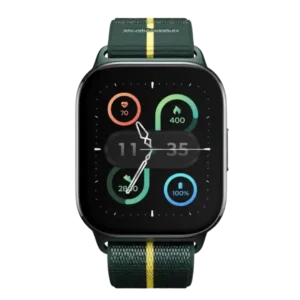
Motorola Moto Watch Fit
3.5
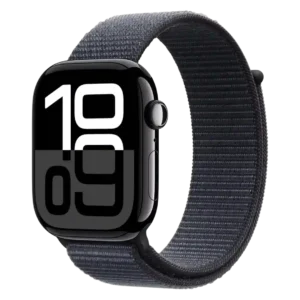
Apple Watch Series 10
4.1
contactless payments
Motorola Moto Watch Fit
1.3
Contactless payments were absent and called out as a reason smartwatch-focused buyers should look elsewhere.
Apple Watch Series 10
4.6
Contactless payments were strongly praised for speed and convenience, especially in daily routines and transit-like scenarios.
voice assistant quality
Motorola Moto Watch Fit
1.5
Voice assistant support was effectively absent, grouped by one reviewer with missing smart features.
Apple Watch Series 10
4.5
Siri on the watch was praised for reliable, fast everyday tasks like timers, music, and calendar events.
call handling
Motorola Moto Watch Fit
1.5
Call handling was a clear weakness because reviewers repeatedly noted the lack of microphone, speaker, and call support.
Apple Watch Series 10
4.3
Call handling was a highlight, especially voice isolation; reviewers found calls clearer and useful in noisy settings.
app ecosystem
Motorola Moto Watch Fit
1.9
The app ecosystem was limited because the watch lacks a broad app store and offers only a small set of built-in or Motorola apps.
Apple Watch Series 10
4.7
The Apple ecosystem was a major strength, with seamless Strava syncing, Mac authentication, Apple-device continuity, and broad app support.
safety features
Motorola Moto Watch Fit
1.5
Safety features were limited, with one reviewer noting the lack of fall detection and medication reminders.
Apple Watch Series 10
4.2
Safety features were valued, with reviewers noting emergency access, detection features, and solo-workout check-in usefulness.
smartwatch features
Motorola Moto Watch Fit
2.3
Smartwatch features were limited by design: reviewers repeatedly framed it as more fitness tracker than full smartwatch.
Apple Watch Series 10
4.5
Reviewers repeatedly described it as a highly capable iPhone smartwatch with broad lifestyle, health, fitness, and convenience features.
third-party app support
Motorola Moto Watch Fit
1.9
Third-party app support was weak, with multiple reviewers noting missing app downloads or a small app selection.
Apple Watch Series 10
4.0
Third-party app support was valuable for sports and customization, though reviewers wanted better APIs for route syncing and deeper integration.
build quality
Motorola Moto Watch Fit
2.6
Build quality split reviewers, with some calling it cheap or flimsy and another praising the overall build.
Apple Watch Series 10
4.3
Build quality evidence centered on durable sapphire glass as a recommended premium durability upgrade.
coaching features
Motorola Moto Watch Fit
2.0
Coaching features were limited, with one reviewer explicitly noting the lack of deeper coaching tools.
Apple Watch Series 10
3.6
Coaching features were useful but uneven: pep talks and Training Load helped, while reviewers wanted more depth, feedback, or Garmin-level detail.
Bluetooth connectivity
Motorola Moto Watch Fit
3.0
Bluetooth connectivity was mostly serviceable but not flawless, as one reviewer occasionally had to reconnect manually.
Apple Watch Series 10
4.5
Bluetooth-related evidence was positive, covering external sensor support and effortless AirPods connection.
battery life
Motorola Moto Watch Fit
4.5
Battery life was the clearest consensus strength, with every review that addressed it describing long endurance or a strong battery claim.
Apple Watch Series 10
3.0
Battery life was the most common concern: some reviewers got acceptable or improved results, but many called daily charging the biggest flaw.
smartphone notifications
Motorola Moto Watch Fit
2.8
Notifications were mixed: one reviewer liked the vibration alerts, while others criticized limited replies and confusing notification handling.
Apple Watch Series 10
4.3
Notifications remained useful when limited to important communication, keeping glanceable alerts on the wrist.
reliability
Motorola Moto Watch Fit
3.6
Reliability was mixed: some reviews called it dependable for basics, while one criticized notification behavior as going haywire.
Apple Watch Series 10
4.9
Reliability evidence was excellent, with reviewers describing the watch as something that simply works without crashes or weirdness.
materials quality
Motorola Moto Watch Fit
3.1
Materials quality was mixed, from lightweight practical choices to complaints that the materials felt too cheap for the price.
Apple Watch Series 10
4.4
Materials were praised for the lighter titanium, polished finishes, premium look, and improved perceived luxury.
value for money
Motorola Moto Watch Fit
3.2
Value depended heavily on region and expectations: UK/EU and budget-tracker framing looked strong, while US pricing drew sharp criticism.
Apple Watch Series 10
4.5
Value was strongest for first-time buyers and older Apple Watch owners, while recent Series owners were often told not to rush.
blood oxygen tracking
Motorola Moto Watch Fit
4.0
Blood oxygen tracking was treated as part of a basic health suite that appeared to work well in daily use.
Apple Watch Series 10
2.8
Blood oxygen tracking drew mixed evidence: one updated review said it was available, while several others criticized or noted disabled U.S. availability.
mapping and navigation
Motorola Moto Watch Fit
1.5
Mapping and navigation were weak because one reviewer found no map or navigation app and called the resulting choices limited.
Apple Watch Series 10
2.7
Mapping and navigation were promising but unfinished, with reviewers calling routes OK, half-baked, or not cleanly integrated with workouts.
fitness tracking accuracy
Motorola Moto Watch Fit
3.6
Fitness tracking accuracy was acceptable to good for casual workouts, with reviewers praising basic performance while noting it was not for demanding accuracy needs.
Apple Watch Series 10
4.6
Workout and fitness tracking accuracy was praised in cardio, structured workout, and general fitness/sleep contexts.
calorie tracking usefulness
Motorola Moto Watch Fit
3.0
Calorie tracking was mixed: yoga categorization could make sessions more meaningful, but another review found calorie goals inaccurate.
Apple Watch Series 10
2.0
One reviewer criticized the low exercise threshold, making calorie/exercise credit feel too easy rather than especially meaningful.
style and design
Motorola Moto Watch Fit
3.3
Style and design were mixed, ranging from sleek and elegant to derivative, personality-free, or color-limited.
Apple Watch Series 10
4.3
Style and design were broadly praised as sleek, refined, and jewelry-like, though a few reviewers disliked the square form.
band quality
Motorola Moto Watch Fit
3.6
Band quality was polarizing: some praised the Velcro/fabric strap’s comfort and security, while others found it cheap or simple.
Apple Watch Series 10
4.5
Band quality and compatibility were praised through excellent bands, older strap compatibility, and a well-designed band mechanism.
water resistance
Motorola Moto Watch Fit
4.2
Water resistance was regarded positively for showers, swimming, pool use, and water-lock support.
Apple Watch Series 10
3.3
Water features were polarizing: depth and temperature tools impressed some reviewers, while snorkeling session handling frustrated others.
health tracking accuracy
Motorola Moto Watch Fit
3.8
Reviewers generally found the core health metrics adequate to strong for casual use, though one review framed them as basic rather than advanced.
Apple Watch Series 10
4.6
One review characterized the broader health and fitness tracking as strong, with the Series 10 continuing to perform well as a health-focused watch.
customization options
Motorola Moto Watch Fit
3.8
Customization was strong for straps and workout screens but limited for watch-face indicators and deeper screen personalization.
Apple Watch Series 10
4.4
Customization was praised through adjustable goals, personalization options, and enough watch-face/app choices for most users.
GPS accuracy
Motorola Moto Watch Fit
4.0
GPS accuracy was judged good enough for everyday outdoor route tracking.
Apple Watch Series 10
4.6
GPS accuracy was consistently praised as quite good to spot-on, with one caveat that dual-band sports watches can still outperform it.
durability
Motorola Moto Watch Fit
4.3
Durability was a strong point, with reviewers praising scratch-free testing, Gorilla Glass, and resistance credentials.
Apple Watch Series 10
3.7
Durability evidence was mixed: some reviewers saw no blemishes or scratches, while others warned about scratch risk and newer-model improvements.
watch face quality
Motorola Moto Watch Fit
3.3
Watch faces were plentiful, but reviewers criticized limited depth, always-on styling, and indicator customization.
Apple Watch Series 10
3.7
Watch faces were mixed: reviewers liked the second-hand realism and customization, but criticized some new faces for lacking complications.
comfort
Motorola Moto Watch Fit
4.4
Comfort was one of the strongest physical-design traits, with multiple reviewers highlighting the light weight and easy all-day wear.
Apple Watch Series 10
4.7
Comfort was the strongest consensus point, with reviewers praising the thinner, lighter design for all-day wear, workouts, and sleep.
workout tracking variety
Motorola Moto Watch Fit
4.5
Workout variety was a strength, especially the broad mode count and detailed yoga options.
Apple Watch Series 10
4.2
Workout variety was broad and versatile, covering many mainstream uses, though reviewers still framed Garmin-style depth as stronger for dedicated athletes.
fit
Motorola Moto Watch Fit
4.3
Fit was praised for sitting flat or nicely on the wrist and for the adjustable strap’s snug sizing.
Apple Watch Series 10
4.0
Fit mattered for sensor performance; the Sport Band was praised as adjustable and effective for running accuracy.
display quality
Motorola Moto Watch Fit
4.3
Display quality was one of the more consistently praised areas, with reviewers noting crispness, sharpness, attractive OLED visuals, and satisfying screen quality.
Apple Watch Series 10
4.5
Display quality was one of the clearest strengths, with repeated praise for the bigger, readable, premium-feeling screen.
menu navigation
Motorola Moto Watch Fit
4.7
Menu navigation was a strength, described as snappy, low-fuss, and easy to understand.
Apple Watch Series 10
4.4
Menu navigation benefited from the revised workout layout and larger screen, making navigation, typing, and selections easier.
user interface
Motorola Moto Watch Fit
4.4
The interface was broadly praised as clean, easy, accessible, and simple, especially for beginners.
Apple Watch Series 10
4.1
The interface was often described as useful and contextual, especially Smart Stack, while one reviewer complained menus are becoming cluttered.
recovery insights
Motorola Moto Watch Fit
3.5
Recovery insights were present through a stamina-style readiness estimate, described as interesting rather than advanced.
Apple Watch Series 10
3.7
Recovery and Training Load insights were useful and easy to digest, but reviewers repeatedly wanted more numbers, guidance, or actionability.
button controls
Motorola Moto Watch Fit
3.0
Button controls were mixed: ending workouts could be quick, but another reviewer wanted more buttons or a crown.
Apple Watch Series 10
2.8
Physical control evidence was critical: runners wanted better button workflows for splits, starting workouts, and precision start.
operating system experience
Motorola Moto Watch Fit
3.6
The proprietary operating system was a tradeoff: smooth and intuitive for basics, but constrained during workouts and app use.
Apple Watch Series 10
3.8
The operating-system experience was mostly strong, but one reviewer felt Apple’s once-simple interface is becoming more muddled.
outdoor visibility
Motorola Moto Watch Fit
4.2
Outdoor visibility was mostly positive, especially in bright conditions, with one preview noting possible midday-sun limits.
Apple Watch Series 10
4.4
Outdoor and angled visibility was praised for making quick glances easier during runs, rides, and everyday use.
software smoothness
Motorola Moto Watch Fit
4.8
Software smoothness was excellent in the tested review, with no lag reported during everyday interactions.
Apple Watch Series 10
4.6
Software smoothness was a strength, with reviewers describing fluid performance, fast app handling, and only rare bugs.
sleep tracking accuracy
Motorola Moto Watch Fit
4.2
Sleep tracking was viewed positively overall, especially for capturing awake periods, though one reviewer said it remained general rather than specialized.
Apple Watch Series 10
4.0
Sleep duration tracking was generally trusted, with reviewers finding timing or duration usable; caveats centered on limited sleep-stage confidence and weak actionability.
charging speed
Motorola Moto Watch Fit
4.5
Charging speed was praised in one test, where a short charge gained a substantial battery percentage.
Apple Watch Series 10
4.7
Charging speed was a major strength, repeatedly verified or praised as very fast and helpful.
touchscreen responsiveness
Motorola Moto Watch Fit
4.4
Touchscreen responsiveness was praised for snappy navigation and problem-free operation.
Apple Watch Series 10
4.5
Touchscreen/display responsiveness had limited but positive evidence, with one reviewer describing the OLED as very responsive.
wellness insights
Motorola Moto Watch Fit
4.0
Wellness insights were helped by breathing exercises, which one reviewer considered a useful destressing extra despite the simple implementation.
Apple Watch Series 10
3.9
Wellness insights such as Vitals, sleep apnea context, and health-conscious features were appreciated, but some reviewers wanted more practical guidance.
heart rate accuracy
Motorola Moto Watch Fit
4.5
Heart-rate tracking received clear praise in the full fitness review, which found it impressively accurate for a budget tracker.
Apple Watch Series 10
4.6
Heart-rate evidence was strongly positive across running, cycling, and chest-strap comparisons, though one reviewer noted occasional errors and dropouts.
companion app quality
Motorola Moto Watch Fit
3.9
The companion app was basic but useful, with one review praising its clarity for beginners.
Apple Watch Series 10
3.8
The companion Health/Fitness app was rich and useful, but one reviewer found the volume of data overwhelming.
brightness
Motorola Moto Watch Fit
4.1
Brightness was generally good for the price, though one review warned that midday sun could challenge legibility.
Apple Watch Series 10
4.0
Brightness was generally good, especially for glancing and always-on use, but several reviewers said the off-angle improvement was subtle.
activity auto-detection
Motorola Moto Watch Fit
2.4
Activity auto-detection was inconsistent: reviewers liked some automatic pause behavior but criticized manual starts, missed workout endings, and unclear detection coverage.
Apple Watch Series 10No score yet
charging convenience
Motorola Moto Watch FitNo score yet
Apple Watch Series 10
4.6
Charging convenience was strong because short charging sessions could cover sleep tracking or daily use and fit into routines.
cross-platform compatibility
Motorola Moto Watch Fit
2.0
Cross-platform compatibility was limited because iOS support was missing, which one reviewer called a shame.
Apple Watch Series 10No score yet
ECG functionality
Motorola Moto Watch FitNo score yet
Apple Watch Series 10
4.3
ECG was treated as a mature health function that continued to work seamlessly rather than a major new upgrade.
flashlight usefulness
Motorola Moto Watch Fit
4.0
The flashlight was surprisingly useful indoors, though it was not presented as suitable for outdoor exercise.
Apple Watch Series 10No score yet
LTE connectivity
Motorola Moto Watch FitNo score yet
Apple Watch Series 10
3.6
LTE evidence was mixed: standalone calling worked well, but Series 10 lacked the newer 5G coverage advantage discussed for Series 11.
music controls
Motorola Moto Watch FitNo score yet
Apple Watch Series 10
3.5
Speaker-based music and media playback was convenient in quiet or headphone-free moments, but volume and audio quality were common limitations.
onboard music storage
Motorola Moto Watch Fit
1.5
Onboard music storage was criticized as unavailable, with one reviewer including it among hard-to-overlook limitations.
Apple Watch Series 10No score yet
pairing reliability
Motorola Moto Watch Fit
4.0
Pairing and syncing were generally positive, balancing fast syncing with a manual reconnect caveat.
Apple Watch Series 10No score yet
resume later function
Motorola Moto Watch FitNo score yet
Apple Watch Series 10
4.3
Pause/resume-style ring controls were appreciated for breaks, sickness, and preserving streaks.
score tracking
Motorola Moto Watch FitNo score yet
Apple Watch Series 10
3.4
Effort and score tracking were mixed: reviewers generally understood the ratings, but manual splits or score context could frustrate athletes.
size options
Motorola Moto Watch FitNo score yet
Apple Watch Series 10
3.2
Size options were mixed: bigger displays helped usability, but reviewers worried about small wrists and the loss of very small options.
step counting accuracy
Motorola Moto Watch Fit
4.0
Step tracking was included in the basic metrics that seemed to work well, with one review saying workouts were logged accurately overall.
Apple Watch Series 10No score yet
stress tracking
Motorola Moto Watch Fit
1.5
Stress tracking was a weak spot in the detailed fitness review, where pregnancy-related heart-rate elevation made the reading feel unreliable.
Apple Watch Series 10No score yet