Average score
P1
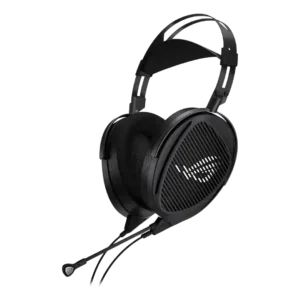
Product 1: ASUS ROG Kithara
3.7
P2
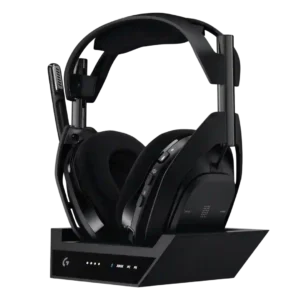
Product 2: Logitech G Astro A50 X...
3.7
Active noise cancellation
P1Product 1: ASUS ROG Kithara
No score yet
P2
Product 2: Logitech G Astro A50 X...
1.5
Multiple reviewers call the lack of ANC disappointing or egregious at this price, especially versus cheaper competitors.
App
P1Product 1: ASUS ROG Kithara
No score yet
P2
Product 2: Logitech G Astro A50 X...
3.3
App impressions are mixed: G Hub and mobile controls enable deep tweaking, but some reviewers found the app frustrating, pointless, or unreliable.
Audio-video sync accuracy
P1Product 1: ASUS ROG Kithara
No score yet
P2
Product 2: Logitech G Astro A50 X...
3.5
Audio/video reliability is mixed: one reviewer saw excellent responsiveness, while another reported occasional HDMI signal dropouts.
Bass performance
P1
Product 1: ASUS ROG Kithara
3.5
Bass is controlled, textured, and sometimes impactful, but several reviewers say it is restrained compared with closed-back or bass-heavy gaming headsets.
P2
Product 2: Logitech G Astro A50 X...
4.3
Bass is generally described as strong, textured, and controlled, though one reviewer found it cleaner than it was impactful.
Battery
P1Product 1: ASUS ROG Kithara
No score yet
P2
Product 2: Logitech G Astro A50 X...
4.4
Battery life is consistently praised, helped by the habit-forming charging dock that keeps the headset topped up.
Bluetooth
P1Product 1: ASUS ROG Kithara
No score yet
P2
Product 2: Logitech G Astro A50 X...
2.5
Bluetooth is useful for simultaneous phone audio, but reviewers repeatedly criticize that it depends on the base station and limits portability.
Build quality
P1
Product 1: ASUS ROG Kithara
4.6
Build quality is one of the strongest themes, with reviewers praising the metal frame, solid construction, and premium materials despite some control/headband caveats.
P2
Product 2: Logitech G Astro A50 X...
3.5
Build quality opinions are mixed: some say the headset feels solid, while others worry about plastic stress and uneven joints.
Built-in DAC and hi-res playback
P1Product 1: ASUS ROG Kithara
No score yet
P2
Product 2: Logitech G Astro A50 X...
4.5
Hi-res playback support is praised where reviewers discuss 24-bit HDMI or 24-bit wireless headroom improving sound quality.
Button control usability
P1
Product 1: ASUS ROG Kithara
2.6
Inline control usability is mixed to negative: controls are convenient in theory, but the wheel or mute/control housing can feel cheap, sensitive, or touchy.
P2
Product 2: Logitech G Astro A50 X...
3.6
Controls are usually praised as tactile and easy to learn, but reviewers also report accidental presses and limited remapping.
Cable quality
P1
Product 1: ASUS ROG Kithara
3.9
Cable impressions are mixed: the premium braided cable is praised, while the mic cable can feel merely okay, short, or somewhat plain.
P2
Product 2: Logitech G Astro A50 X...
2.5
The split cable design drew criticism because it limited base-station placement and added compromise.
Carry case quality
P1
Product 1: ASUS ROG Kithara
1.5
One reviewer specifically faults the lack of a bag or hard case given the number of included cables and adapters.
P2Product 2: Logitech G Astro A50 X...
No score yetCharging
P1Product 1: ASUS ROG Kithara
No score yet
P2
Product 2: Logitech G Astro A50 X...
3.3
Charging is convenient through the dock, but alignment and seating can be finicky and one reviewer found the dock not foolproof.
Clamping force comfort
P1
Product 1: ASUS ROG Kithara
4.4
Clamp is usually described as moderate, relaxed, or well balanced, helping comfort without creating excessive jaw or temple pressure.
P2
Product 2: Logitech G Astro A50 X...
3.8
Clamp is mostly well judged for security, though one reviewer notes significant clamping force that can affect comfort with a hat.
Comfort during long use
P1
Product 1: ASUS ROG Kithara
4.3
Most reviewers find long-session comfort strong despite the size, though weight, clamp, or headband fit can create issues for some users.
P2
Product 2: Logitech G Astro A50 X...
4.0
Comfort is generally a strength for long sessions, but a minority of reviewers complain about heat, padding, fatigue, or poor out-of-box comfort.
Connectivity versatility
P1
Product 1: ASUS ROG Kithara
4.9
Connectivity versatility is a major strength thanks to the cable bundle, swappable plugs, balanced option, USB-C adapter, and broad desk-device support.
P2
Product 2: Logitech G Astro A50 X...
4.6
Connectivity versatility is the headline strength, with reviewers praising fast console/source switching when the setup matches the headset’s assumptions.
Console compatibility limitations
P1
Product 1: ASUS ROG Kithara
2.0
Console compatibility has important caveats, especially around Xbox and controller/USB-C behavior, with some reviewers discouraging console-first use.
P2
Product 2: Logitech G Astro A50 X...
2.6
Console and setup limitations are a recurring caveat: the best experience requires nearby systems, and PC video switching is less seamless.
Design and Aesthetics
P1
Product 1: ASUS ROG Kithara
3.9
Design reactions range from stylish, premium, and restrained to comically oversized or odd-looking on smaller heads.
P2
Product 2: Logitech G Astro A50 X...
4.6
Design is praised as iconic, stylish, and premium-looking, especially by reviewers who like Astro’s gamer aesthetic.
Detachable microphone convenience
P1Product 1: ASUS ROG Kithara
No score yet
P2
Product 2: Logitech G Astro A50 X...
2.5
Detachable mic convenience is limited, with one reviewer treating a removable mic as a missed opportunity for multipurpose use.
Dongle
P1
Product 1: ASUS ROG Kithara
3.4
The USB-C dongle is useful for compatibility and sometimes volume, but reviewers disagree on whether it improves sound or behaves consistently.
P2
Product 2: Logitech G Astro A50 X...
2.5
One reviewer wished for a separate USB dongle for PC, suggesting the current dock-only approach limits versatility.
Ear cup padding quality
P1
Product 1: ASUS ROG Kithara
4.5
The large pads are widely praised for plushness, breathability, and comfort, with a few caveats about scratchiness, warmth, or fit behavior.
P2
Product 2: Logitech G Astro A50 X...
3.3
Ear pad opinions are split: several reviewers praise softness and comfort, while others call the fabric hot, scratchy, or uncomfortable.
Ear cup swivel/rotation range
P1
Product 1: ASUS ROG Kithara
4.3
Swivel and rotation receive positive notes for helping the headset sit naturally, lay flat, or adapt to different heads.
P2
Product 2: Logitech G Astro A50 X...
3.5
The rotating earcups are useful in theory, but one reviewer says travel benefits are limited by the larger base-station setup.
Earpad replacement ease
P1
Product 1: ASUS ROG Kithara
3.3
Earpad replacement is generally possible and sometimes easy, but proprietary or clip-based mounting can feel limiting or fiddly.
P2
Product 2: Logitech G Astro A50 X...
4.5
Earpad replacement is praised because the pads attach magnetically and are easy to remove or swap.
Equalizer customization
P1
Product 1: ASUS ROG Kithara
3.8
EQ potential is mixed: the drivers respond well to EQ, but the headset has no built-in software EQ and may need extra gear or PC tools.
P2
Product 2: Logitech G Astro A50 X...
4.3
EQ customization is a major strength, with 10-band and parametric controls, saved profiles, and mobile/PC adjustment; one reviewer found improvements limited.
Fit/seal reliability
P1
Product 1: ASUS ROG Kithara
3.8
Fit and seal are mixed: one review praises a solid seal, while another reports the earcups sliding during movement.
P2
Product 2: Logitech G Astro A50 X...
4.3
One reviewer says the fit closes gaps well, including with glasses, supporting a reliable seal for that user.
Footstep sound level scaling feature
P1
Product 1: ASUS ROG Kithara
4.9
Footstep and cue clarity is repeatedly praised, especially for shooters, where reviewers hear footsteps, reloads, and distant movement clearly.
P2Product 2: Logitech G Astro A50 X...
No score yetFrequency response accuracy
P1
Product 1: ASUS ROG Kithara
4.6
Measurements and reviewer impressions point to strong response consistency, clean presentation, and studio-leaning tuning, though the target is not bass-heavy.
P2
Product 2: Logitech G Astro A50 X...
4.5
One reviewer praises the overall balance and clarity, supporting a strong frequency-response impression.
Game/Chat balance control
P1
Product 1: ASUS ROG Kithara
1.5
The gaming-control feature set is limited, with one review specifically calling out the lack of chat mix adjustment.
P2
Product 2: Logitech G Astro A50 X...
4.3
Game/chat balance is mostly useful and important to reviewers, though the large rocker can be easy to knock accidentally.
Headband adjustability
P1
Product 1: ASUS ROG Kithara
2.0
Several reviewers criticize the headband or sliders for looseness or weak adjustment, making this one of the more repeated build-control complaints.
P2
Product 2: Logitech G Astro A50 X...
3.3
Headband adjustment is easy for one reviewer but inadequate for another with a larger head.
Hinge durability
P1
Product 1: ASUS ROG Kithara
4.8
Hinge durability is praised in the reviews that mention it, with the hinges and headband described as robust or able to take abuse.
P2
Product 2: Logitech G Astro A50 X...
2.0
One reviewer raised durability concerns about uneven swivel feel and possible long-term weakness.
Included accessories
P1
Product 1: ASUS ROG Kithara
4.5
The accessory bundle is repeatedly praised as generous and complete, though one reviewer thinks the many pieces may feel fiddly to gamers.
P2
Product 2: Logitech G Astro A50 X...
2.1
Included accessories disappoint reviewers because extra HDMI or USB-C cables and spare pads are often missing despite the high price.
Included stand quality
P1Product 1: ASUS ROG Kithara
No score yet
P2
Product 2: Logitech G Astro A50 X...
4.1
The included base station is viewed as useful and well built, with good heft and a nice dock experience.
Instrument separation
P1
Product 1: ASUS ROG Kithara
4.7
Reviewers often highlight strong separation, detail retrieval, and the ability to distinguish instruments or game sounds without smearing.
P2
Product 2: Logitech G Astro A50 X...
4.6
Instrument separation is praised in both busy music mixes and music-listening tests, where reviewers could pick out individual elements clearly.
Integrated microphone
P1Product 1: ASUS ROG Kithara
No score yet
P2
Product 2: Logitech G Astro A50 X...
2.5
The integrated boom mic sounds good, but one reviewer dislikes that its position cannot be customized enough.
Maximum volume clarity
P1
Product 1: ASUS ROG Kithara
5.0
One review credits the low distortion and driver control with giving the headset headroom when pushing volume or applying EQ.
P2
Product 2: Logitech G Astro A50 X...
4.7
Reviewers note clean output at very high volume, with no distortion even near the reviewer’s preferred peak level.
Microphone
P1
Product 1: ASUS ROG Kithara
3.5
Overall microphone impressions are mixed: clear and practical for chat, but sensitive, plosive-prone, nasal, or not standout in several reviews.
P2
Product 2: Logitech G Astro A50 X...
4.7
The microphone is a major strength, repeatedly called excellent, clean, crisp, or among the best wireless headset mics reviewers have used.
Microphone noise reduction
P1
Product 1: ASUS ROG Kithara
4.2
Microphone noise handling is better than many headset mics, with several reviewers noting low background pickup despite limited or no digital processing.
P2
Product 2: Logitech G Astro A50 X...
3.5
Microphone noise handling is mixed: one review praises clarity in loud conditions, while others find background suppression only decent or too aggressive.
Microphone quality for calls
P1
Product 1: ASUS ROG Kithara
3.7
The microphone is usually good enough for calls, gaming chat, Discord, and meetings, but it is not treated as a replacement for a dedicated mic.
P2
Product 2: Logitech G Astro A50 X...
4.5
Call and chat clarity is strong, with one reviewer saying teammates or friends can hear the user clearly.
Midrange clarity
P1
Product 1: ASUS ROG Kithara
4.2
Midrange earns praise for clarity and balance in some reviews, while one reviewer hears voices and instruments sitting slightly farther back.
P2
Product 2: Logitech G Astro A50 X...
4.5
Midrange performance earns strong marks for clear voices, guitars, and game detail, with several reviewers calling the mids crisp or crystal clear.
Multi-platform compatibility
P1
Product 1: ASUS ROG Kithara
4.5
Multi-platform compatibility is broad across PC, PlayStation, Switch, mobile, and some Xbox audio use, though functionality varies by connector.
P2
Product 2: Logitech G Astro A50 X...
4.8
Multi-platform compatibility is consistently praised for covering PlayStation, Xbox, and PC in a way most gaming headsets do not.
Multipoint connectivity reliability
P1Product 1: ASUS ROG Kithara
No score yet
P2
Product 2: Logitech G Astro A50 X...
3.7
One reviewer says the Bluetooth phone integration broadly does what a wireless headset should, despite small volume-mixing limitations.
Noise isolation (passive)
P1
Product 1: ASUS ROG Kithara
1.6
Because the Kithara is open-back, reviewers consistently warn that it offers little passive isolation and works best in quiet rooms.
P2
Product 2: Logitech G Astro A50 X...
2.4
Passive isolation is a recurring weakness: fabric pads are comfortable but let in more room noise than some competitors.
Packaging quality
P1
Product 1: ASUS ROG Kithara
4.3
Packaging receives positive notes for a premium presentation and the included ROG-style unboxing experience.
P2
Product 2: Logitech G Astro A50 X...
4.0
Packaging gets a light positive note in one unboxing, where the box presentation looks clean and informative.
Portability/foldability
P1
Product 1: ASUS ROG Kithara
3.0
Portability is limited by the large wired open-back design, even though the earcups can lay flat for packing.
P2
Product 2: Logitech G Astro A50 X...
2.0
Portability is poor because Bluetooth and platform switching depend heavily on the base station and cables.
Positional audio accuracy
P1
Product 1: ASUS ROG Kithara
4.4
Positional accuracy is mostly strong for shooters, but a few reviewers say it is good rather than class-leading or report cue-location issues.
P2
Product 2: Logitech G Astro A50 X...
4.8
Positional audio is one of the best-scored areas, with reviewers repeatedly praising footstep, distance, and directional accuracy.
Preset EQ profile quality
P1Product 1: ASUS ROG Kithara
No score yet
P2
Product 2: Logitech G Astro A50 X...
4.6
Preset quality is strong overall, especially community-created presets and broadcast-style mic profiles.
Replaceable earpads
P1
Product 1: ASUS ROG Kithara
4.5
One review praises the included alternate earpads as high-quality, though the replacement ecosystem is limited by the proprietary mount.
P2
Product 2: Logitech G Astro A50 X...
3.7
The earpads are replaceable, though one reviewer frames this as a qualified positive because third-party tuning may vary.
Sidetone adjustment quality
P1Product 1: ASUS ROG Kithara
No score yet
P2
Product 2: Logitech G Astro A50 X...
3.7
Sidetone controls are useful and detailed, but one reviewer reports occasional quirks that require re-toggling the setting.
Smudge resistance
P1Product 1: ASUS ROG Kithara
No score yet
P2
Product 2: Logitech G Astro A50 X...
3.0
Glossy design areas may attract fingerprints, making smudge resistance only average in one reviewer’s view.
Software/setup simplicity
P1
Product 1: ASUS ROG Kithara
4.1
Setup is praised for being simple and plug-and-play, but that simplicity also means no app-driven feature suite or software customization.
P2
Product 2: Logitech G Astro A50 X...
2.8
Setup simplicity is a weakness overall: reviewers often describe cable routing, HDMI/USB requirements, and switching setup as convoluted or time-consuming.
Sound leakage
P1
Product 1: ASUS ROG Kithara
2.1
Sound leakage is an unavoidable open-back tradeoff, with most reviewers warning that nearby people can hear audio and outside sound comes in.
P2
Product 2: Logitech G Astro A50 X...
2.0
Sound leakage is a downside of the comfort-focused fabric design, according to one review.
Sound quality
P1
Product 1: ASUS ROG Kithara
4.7
Reviewers consistently describe the Kithara as an exceptional-sounding wired headset, with only a few noting that its sound-first approach is niche.
P2
Product 2: Logitech G Astro A50 X...
4.5
Reviewers widely praise the headset’s audio as detailed, rich, and immersive, with only a few saying it is merely solid rather than best-in-class.
Soundstage width
P1
Product 1: ASUS ROG Kithara
4.7
The open-back planar design is repeatedly praised for a wide, airy soundstage that helps games, music, and spatial presentation feel larger.
P2
Product 2: Logitech G Astro A50 X...
4.8
One reviewer highlights a detailed sound stage that improves cinematic games and media.
Spatial audio
P1Product 1: ASUS ROG Kithara
No score yet
P2
Product 2: Logitech G Astro A50 X...
4.2
Spatial audio is usually praised for immersion and positioning, though one reviewer notes platform inconsistency because built-in surround is absent.
Stability
P1
Product 1: ASUS ROG Kithara
2.1
Stability is a recurring weakness when reviewers experience sliding earcups, loose sliders, or tension-band movement during play.
P2
Product 2: Logitech G Astro A50 X...
4.4
Fit stability is positive in one review, with the headset described as secure and comfortable over many hours.
Treble clarity
P1
Product 1: ASUS ROG Kithara
3.9
Treble is generally detailed and helpful for cues, though reviewers split on whether it is bright, restrained, or potentially fatiguing.
P2
Product 2: Logitech G Astro A50 X...
4.2
Treble is mostly praised for clarity and detail, but a few reviewers note dull or middling highs out of the box.
USB-C
P1
Product 1: ASUS ROG Kithara
3.3
USB-C support is useful and can boost volume in some setups, but it is not always an audio upgrade and can still leave low output on some devices.
P2
Product 2: Logitech G Astro A50 X...
2.2
USB-C support is limited by the fact that the headset’s port is for charging only, not wired listening.
Value for money
P1
Product 1: ASUS ROG Kithara
3.8
Value is divisive: some see a standout planar bargain, while others think the price is hard to justify without wireless convenience or easier driveability.
P2
Product 2: Logitech G Astro A50 X...
2.6
Value is highly context-dependent and often criticized: the headset feels easier to justify for multi-console users than for one-system players.
Volume output
P1
Product 1: ASUS ROG Kithara
2.9
Volume output is highly device-dependent: some sources get very loud, while controllers, onboard audio, or certain USB-C setups can feel limited.
P2
Product 2: Logitech G Astro A50 X...
4.6
One reviewer says volume output is never an issue, with enough loudness for varied use cases.
Weight comfort
P1
Product 1: ASUS ROG Kithara
3.6
Reviewers agree the headset is heavy, but opinions split between excellent weight distribution and fatigue or pressure from the 420 g frame.
P2
Product 2: Logitech G Astro A50 X...
3.5
Weight comfort is mixed: some say the headset balances its weight well, while one reviewer felt weight concentrated on the head.
Wireless latency
P1Product 1: ASUS ROG Kithara
No score yet
P2
Product 2: Logitech G Astro A50 X...
4.8
Wireless latency is a clear strength, with reviewers reporting no lag, reliable Lightspeed performance, or immediate reconnection after range dropouts.
Xbox compatibility
P1
Product 1: ASUS ROG Kithara
1.5
Xbox support is the weakest platform story, with reviewers noting limited compatibility or no microphone input in key setups.
P2
Product 2: Logitech G Astro A50 X...
4.5
Xbox compatibility is strong in the PCMag test, where full headset functionality worked across connected devices.