Average score
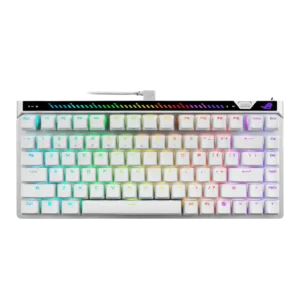
ASUS ROG Falchion Ace 75 HE
4.2
analog input support
ASUS ROG Falchion Ace 75 HE
1.0
Analog support was a clear weakness because one reviewer specifically noted the lack of analog mode.
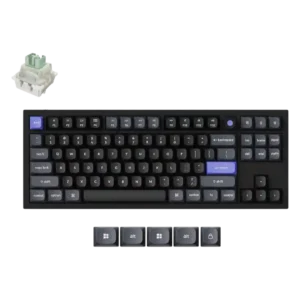
Keychron Q3 HE 8K
4.5
Analog input support was described as fluid, controller-like, and useful for more nuanced control.
cable quality
ASUS ROG Falchion Ace 75 HE
2.0
Cable quality was criticized where evaluated because the L-shaped cable looked awkward in a normal desk orientation.
Keychron Q3 HE 8K
4.0
The included USB cable drew a positive unboxing reaction, with the reviewer calling it very nice.
portability
ASUS ROG Falchion Ace 75 HE
4.4
Portability was positive due to the included carrying case and on-the-go readiness.
Keychron Q3 HE 8K
2.5
Portability is a weak point because the keyboard was called a chonky board after weighing.
ease of switch replacement
ASUS ROG Falchion Ace 75 HE
2.2
Ease of switch replacement was weak because third-party replacement is not freely supported.
Keychron Q3 HE 8K
4.0
Included tools such as the keycap and switch puller supported a positive impression for replacement or tinkering.
noise level
ASUS ROG Falchion Ace 75 HE
3.5
Noise-level evidence was split: one reviewer praised the lack of rattle and ping, while another called the sound clacky and annoying.
Keychron Q3 HE 8K
4.2
The typing sound was described as soft, suggesting a favorable noise character.
frame rigidity
ASUS ROG Falchion Ace 75 HE
5.0
Frame rigidity was excellent, with no flex or looseness reported and a torsion-resistant feel.
Keychron Q3 HE 8K
4.4
The body material was associated with increased stability and a luxury feel.
volume control
ASUS ROG Falchion Ace 75 HE
3.8
Volume control was useful but mixed because reviewers liked direct control while one wished the roller handled volume more naturally.
Keychron Q3 HE 8K
4.3
The volume knob drew an enthusiastic positive reaction from the reviewer.
ergonomics
ASUS ROG Falchion Ace 75 HE
4.0
Ergonomics were mostly praised, but the rear touchbar placement was criticized as awkward by one reviewer.
Keychron Q3 HE 8K
4.5
The keycap shaping was praised for creating a more ergonomic feel.
software quality
ASUS ROG Falchion Ace 75 HE
4.7
Software was a major upgrade over Armoury Crate, with Gear Link described as reliable, lighter, responsive, and easy to use.
Keychron Q3 HE 8K
4.3
The web launcher was received positively for avoiding a separate app and enabling complex one-key actions.
RGB customization
ASUS ROG Falchion Ace 75 HE
4.5
RGB customization was praised through customizable lighting and software control.
Keychron Q3 HE 8K
4.1
RGB customization was viewed positively through lighting-control options and preferred effects.
RGB lighting quality
ASUS ROG Falchion Ace 75 HE
4.5
RGB lighting quality was positive, with comments on integration, brightness, evenness, and vibrant presentation.
Keychron Q3 HE 8K
4.1
The lighting quality was praised for making the keyboard setup pop.
typing feel
ASUS ROG Falchion Ace 75 HE
4.3
Typing feel was generally positive, ranging from controlled and premium to good for a gaming-focused keyboard, though one reviewer found it less premium than expected.
Keychron Q3 HE 8K
4.7
The typing feel was described as stable and responsive.
materials quality
ASUS ROG Falchion Ace 75 HE
4.2
Materials were mostly praised, especially metal plates and premium feel, but one reviewer wanted a fuller metal build at the price.
Keychron Q3 HE 8K
4.5
The aluminum material was presented as high-grade and resistant to damage.
durability
ASUS ROG Falchion Ace 75 HE
4.7
Durability evidence centered on PBT keycaps resisting gloss and holding up after prolonged use.
Keychron Q3 HE 8K
4.4
The high-grade aluminum body was described as more resistant to physical damage.
latency
ASUS ROG Falchion Ace 75 HE
5.0
Latency feedback was excellent, with reviewers praising the wired connection and minimal signal delay.
Keychron Q3 HE 8K
4.7
The switch sensing was described as high-accuracy and ultra-low-latency.
size and form factor
ASUS ROG Falchion Ace 75 HE
4.6
The form factor was widely praised as a sweet spot between compactness, familiarity, and daily usability.
Keychron Q3 HE 8K
4.3
The 80% layout was described as precision-engineered for the target gaming audience.
actuation consistency
ASUS ROG Falchion Ace 75 HE
4.8
Actuation consistency was praised through even resistance, precise inputs, and consistent key behavior.
Keychron Q3 HE 8K
4.5
The TMR-based switching was praised for giving complete control over switch behavior and response.
key responsiveness
ASUS ROG Falchion Ace 75 HE
5.0
Responsiveness was a major strength, with reviewers describing immediate inputs and especially fast movement behavior.
Keychron Q3 HE 8K
4.8
Responsiveness was praised through super-fast response times and exceptional precision.
keycap quality
ASUS ROG Falchion Ace 75 HE
4.4
Keycaps were mostly praised for PBT durability, texture, feel, and premium impression.
Keychron Q3 HE 8K
4.6
Keychron’s keycaps were praised for the effort put into their shape and feel.
customization options
ASUS ROG Falchion Ace 75 HE
4.8
Customization was a strong point, with actuation, rapid trigger, RGB, key assignments, and browser-based tuning repeatedly praised.
Keychron Q3 HE 8K
4.6
Customization was a clear strength, with both reviews emphasizing deep behavior tuning and flexible remapping.
polling rate
ASUS ROG Falchion Ace 75 HE
4.6
The high polling rate was treated as a competitive advantage, though one reviewer framed its benefit as most relevant to pros.
Keychron Q3 HE 8K
4.8
The 8K polling implementation was a standout point across the direct Q3 HE reviews.
macro customization
ASUS ROG Falchion Ace 75 HE
4.4
Macro customization was supported by Gear Link's settings coverage, including macros and reliable browser-based configuration.
Keychron Q3 HE 8K
4.3
Macro support was viewed positively for reducing complex commands to one keypress and helping with gaming.
switch feel
ASUS ROG Falchion Ace 75 HE
4.6
Reviewers consistently liked the HFX V2/V2X switch feel, calling it smooth, pleasing, light, and well suited to both gaming and typing, with only minor preference differences.
Keychron Q3 HE 8K
4.7
The switch feel was praised as stable, responsive, and fast.
acoustics
ASUS ROG Falchion Ace 75 HE
4.1
Acoustic impressions were mostly positive for controlled, smooth, and better-than-expected sound, though one reviewer found the sound clacky and annoying.
Keychron Q3 HE 8K
4.2
The reviewed Q3 HE evidence described the switches as having a soft typing sound, supporting a favorable acoustic impression.
design aesthetics
ASUS ROG Falchion Ace 75 HE
4.8
Design aesthetics were strongly positive, especially for the clean, modern, futuristic look.
Keychron Q3 HE 8K
4.7
The reviewer strongly liked the keyboard’s look, especially the purple accents.
extra gaming features
ASUS ROG Falchion Ace 75 HE
4.5
Extra gaming features were strongly praised overall, including rapid trigger, 8K polling, physical toggles, and on-board adjustment tools.
Keychron Q3 HE 8K
4.6
Gaming-oriented extras such as multi-layer actions were valued for making multiple moves easier to execute.
gaming performance
ASUS ROG Falchion Ace 75 HE
4.7
Gaming performance was strongly praised for speed, fluidity, precision, and competitive FPS usefulness.
Keychron Q3 HE 8K
4.6
Both direct Q3 HE reviews positioned it as a competitive gaming keyboard that can help players gain an edge.
switch options
ASUS ROG Falchion Ace 75 HE
2.3
Switch option sentiment was weak because reviewers repeatedly noted proprietary or limited magnetic-switch compatibility, which restricts experimentation.
Keychron Q3 HE 8K
2.2
Switch choice is the biggest hardware flexibility weakness because compatibility is limited to Keychron’s own magnetic switch.
hot-swappable switches
ASUS ROG Falchion Ace 75 HE
3.0
Hot-swap sentiment was mixed because the board supports swapping but practical compatibility is limited.
Keychron Q3 HE 8K
3.0
Hot-swap support is useful but notably limited because only Keychron’s Ultra-Fast Lime Magnetic switches are compatible.
build quality
ASUS ROG Falchion Ace 75 HE
4.6
Build quality was a consistent strength, with reviewers calling the board premium, solid, well assembled, and excellent in fit and finish.
Keychron Q3 HE 8K
4.6
The aluminum construction was framed as durable, stable, and premium-feeling.
typing comfort
ASUS ROG Falchion Ace 75 HE
4.5
Typing comfort was positive, with reviewers mentioning low fatigue and comfortable long-session use.
Keychron Q3 HE 8K
4.5
The shaped keycaps were praised for improving typing comfort.
backlight brightness
ASUS ROG Falchion Ace 75 HE
4.4
Backlight brightness was positively described as bright and vibrant.
Keychron Q3 HE 8KNo score yet
compatibility
ASUS ROG Falchion Ace 75 HE
4.5
Compatibility was praised in the software context for platform independence across computers.
Keychron Q3 HE 8KNo score yet
connectivity
ASUS ROG Falchion Ace 75 HE
2.9
Connectivity was mixed: wired operation is fast and latency-free, but multiple reviewers missed wireless/battery support.
Keychron Q3 HE 8KNo score yet
desk space efficiency
ASUS ROG Falchion Ace 75 HE
4.5
Desk space efficiency was positive where discussed, with the smaller profile taking up less space.
Keychron Q3 HE 8KNo score yet
key stability
ASUS ROG Falchion Ace 75 HE
4.6
Key stability was strong, with reviewers reporting little wobble and a firm, stable board feel.
Keychron Q3 HE 8KNo score yet
layout options
ASUS ROG Falchion Ace 75 HE
4.4
The 75% layout was broadly liked for keeping function keys, arrows, and productivity-friendly controls while staying compact.
Keychron Q3 HE 8KNo score yet
legend visibility
ASUS ROG Falchion Ace 75 HE
2.9
Legend and font styling was divisive; reviewers found the futuristic/gamey look a matter of taste.
Keychron Q3 HE 8KNo score yet
media controls
ASUS ROG Falchion Ace 75 HE
4.1
Media controls were useful and clever for some reviewers, but the rear touchbar placement was awkward for another.
Keychron Q3 HE 8KNo score yet
profile management
ASUS ROG Falchion Ace 75 HE
4.5
Profile management was praised for cloud saving and usefulness across multiple systems.
Keychron Q3 HE 8KNo score yet
rapid trigger support
ASUS ROG Falchion Ace 75 HE
4.7
Rapid Trigger was a core strength across reviews, valued for fast reset behavior and competitive tuning.
Keychron Q3 HE 8KNo score yet
reliability
ASUS ROG Falchion Ace 75 HE
4.6
Reliability was positive, with reviewers saying features worked as expected, inputs kept up, and response stayed predictable.
Keychron Q3 HE 8KNo score yet
sound dampening
ASUS ROG Falchion Ace 75 HE
4.7
Sound dampening was praised for reducing ping, rattle, and resonance across several reviews.
Keychron Q3 HE 8KNo score yet
stabilizer quality
ASUS ROG Falchion Ace 75 HE
4.8
Stabilizers received a strong score where evaluated, with minimal rattle and a solid feel on larger keys.
Keychron Q3 HE 8KNo score yet
value for money
ASUS ROG Falchion Ace 75 HE
2.9
Value was the main recurring compromise: reviewers liked the keyboard but questioned the premium price and cheaper competition.
Keychron Q3 HE 8KNo score yet
wireless performance
ASUS ROG Falchion Ace 75 HE
1.9
Wireless performance was a major weakness because the keyboard lacks wireless operation despite premium pricing.
Keychron Q3 HE 8KNo score yet
wrist rest quality
ASUS ROG Falchion Ace 75 HE
1.5
Wrist-rest sentiment was negative because a reviewer felt the lack of an included wrist rest was stingy at this price.
Keychron Q3 HE 8KNo score yet