Compare Razer Joro vs Epomaker G84 HE

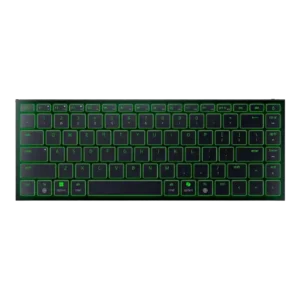
P1 Razer Joro
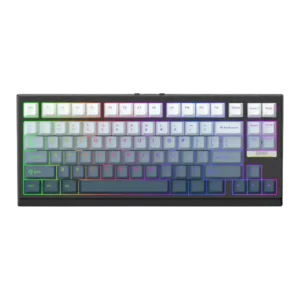
P2 Epomaker G84 HE

Comparison Takeaways

Razer Joro

Where It Has the Edge

  • frame rigidity is 4.6 vs 3.8. Reviewers consistently praise the rigid chassis, repeatedly noting minimal or no flex despite the keyboard’s thin design.
  • acoustics is 4.3 vs 3.7. Reviewers describe the Joro as quiet and more thocky than clicky, with a subdued sound that suits offices...
  • noise level is 4.5 vs 4.0. Reviewers consistently describe the Joro as quiet enough for travel, shared workspaces and office use.
  • size and form factor is 4.6 vs 4.2. Reviewers consistently praise the ultra-low-profile, thin, light 75% form factor as the core appeal of the keyboard.

Epomaker G84 HE

Where It Has the Edge

  • ease of switch replacement is 4.8 vs 1.0. Switch replacement looks easy where supported, with direct evidence that keys can be popped out and another switch...
  • hot-swappable switches is 4.4 vs 1.0. Hot-swap support is repeatedly confirmed, but one review warns that the HE version is limited to compatible magnetic...
  • sound dampening is 4.4 vs 1.8. Sound dampening is a strength, with direct mentions of dampened keys, spacebar foam, and internal foams shaping the...
  • analog input support is 4.0 vs 1.5. One review links the magnetic switches to racing-style linear control, suggesting some analog-like usefulness in games that benefit...
Average score
Product 1: Razer Joro
3.5
Product 2: Epomaker G84 HE
4.2
acoustics
Product 1: Razer Joro
4.3

Reviewers describe the Joro as quiet and more thocky than clicky, with a subdued sound that suits offices and travel.

Product 2: Epomaker G84 HE
3.7

Sound impressions vary: reviewers praised cushioned, creamy, deep tones, while others heard hollow resonance, scratch, or a louder profile.

actuation consistency
Product 1: Razer Joro
4.4

PCMag finds the scissor-switch feel consistent across the board, with crisp actuation and no mush.

Product 2: Epomaker G84 HE
4.1

Actuation is usually described as fast, precise, and well tuned, though very light switches can lead to accidental presses for some users.

analog input support
Product 1: Razer Joro
1.5

The Joro is not treated as an analog-input keyboard; GamesRadar notes fancier actuation features are reserved for Razer analog systems.

Product 2: Epomaker G84 HE
4.0

One review links the magnetic switches to racing-style linear control, suggesting some analog-like usefulness in games that benefit from graded inputs.

backlight brightness
Product 1: Razer Joro
3.9

Reviewers like the controllable, useful, bright RGB lighting, but repeatedly note that higher brightness drains battery quickly.

Product 2: Epomaker G84 HE
4.1

Backlighting is generally bright, with strong shine-through and dark-room usability, but one review found uneven lighting on larger keys.

battery life
Product 1: Razer Joro
3.6

Battery life is highly usage-dependent: excellent with lighting off or power saving, but much shorter when RGB brightness is high.

Product 2: Epomaker G84 HE
4.5

Battery feedback is positive overall, ranging from very long endurance claims to a more modest report of about a week with RGB off.

build quality
Product 1: Razer Joro
4.4

Most reviewers praise the sturdy, premium-feeling build, especially given the thin and light travel-focused chassis.

Product 2: Epomaker G84 HE
4.2

Build impressions are favorable for the price, with reviewers calling it solid and well constructed, though plastic-case expectations remain.

cable quality
Product 1: Razer Joro
3.8

The included USB-C cable is generally viewed positively, with reviewers noting a braided or high-quality cable, though one says it is short.

Product 2: Epomaker G84 HE
4.4

The only direct cable-quality evidence notes the included braided USB-C cable.

compatibility
Product 1: Razer Joro
4.4

The Joro earns strong marks for cross-platform support, especially Windows, macOS, iPad and mobile-device use.

Product 2: Epomaker G84 HE
4.1

Compatibility is broad across Windows/Mac and in one review Android, but Mac users may miss dedicated Mac keycaps or legends.

connectivity
Product 1: Razer Joro
3.7

Bluetooth multi-device pairing and wired USB-C are useful, but the lack of an included 2.4GHz dongle limits gaming-focused connectivity.

Product 2: Epomaker G84 HE
4.5

Connectivity is a major strength, repeatedly supported by wired USB-C, Bluetooth, 2.4GHz wireless, tri-mode use, and quick mode switching.

customization options
Product 1: Razer Joro
3.9

Synapse enables remapping, RGB changes and profiles, but several reviewers note limitations around certain keys, layers or software dependency.

Product 2: Epomaker G84 HE
4.7

Customization is strong, with software and magnetic-switch controls allowing users to tailor settings and individual keys.

desk space efficiency
Product 1: Razer Joro
4.4

Its compact 75% low-profile body saves space while retaining useful keys, making it efficient for travel setups and tight desks.

Product 2: Epomaker G84 HE
4.6

The compact layout saves desk space while keeping enough keys for normal work, especially for users who want more mouse room.

durability
Product 1: Razer Joro
4.1

Evidence points to durable laser-etched legends and solid wear resistance, though full environmental resistance is not a major strength.

Product 2: Epomaker G84 HE
4.2

Durability evidence is limited but positive, citing sturdy feet and an expectation that the keyboard could last for years.

ease of switch replacement
Product 1: Razer Joro
1.0

One comparison review states the keys or switches cannot be replaced, so switch replacement is effectively unsupported.

Product 2: Epomaker G84 HE
4.8

Switch replacement looks easy where supported, with direct evidence that keys can be popped out and another switch installed.

ergonomics
Product 1: Razer Joro
2.9

Ergonomics are divisive: the flat low-profile angle suits some users but fixed height and no feet cause fatigue for others.

Product 2: Epomaker G84 HE
3.9

Ergonomics are mixed: several reviewers found it comfortable, but the aggressive typing angle and wrist-rest fit may not suit everyone.

extra gaming features
Product 1: Razer Joro
4.1

The Joro includes gaming extras such as Snap Tap, NKRO, anti-ghosting and gaming-mode support, which help it exceed typical travel keyboards.

Product 2: Epomaker G84 HE
4.7

Gaming extras are strong, with snap key, SOCD, DKS, and similar HE-specific features mentioned directly.

frame rigidity
Product 1: Razer Joro
4.6

Reviewers consistently praise the rigid chassis, repeatedly noting minimal or no flex despite the keyboard’s thin design.

Product 2: Epomaker G84 HE
3.8

Frame rigidity is mixed: the board can feel stable on a desk, but multiple reviewers note flex or plastic-case limitations.

gaming performance
Product 1: Razer Joro
3.1

Gaming performance is acceptable for casual or travel use, but reviewers do not view it as a replacement for a proper low-latency mechanical gaming board.

Product 2: Epomaker G84 HE
4.3

Gaming performance is consistently strong, with reviewers citing responsive 2.4GHz play, precise presses, and Hall-effect advantages, though sensitivity can cause errors.

hot-swappable switches
Product 1: Razer Joro
1.0

The Joro does not support hot-swappable switches; the comparison review says the keys or switches cannot be replaced.

Product 2: Epomaker G84 HE
4.4

Hot-swap support is repeatedly confirmed, but one review warns that the HE version is limited to compatible magnetic switches.

keycap quality
Product 1: Razer Joro
3.5

The laser-etched ABS keycaps are comfortable and legible, but several reviewers report smudges, fingerprints or less premium texture.

Product 2: Epomaker G84 HE
4.1

Keycap quality is generally good thanks to PBT and shine-through legends, though one reviewer disliked the colorway.

key responsiveness
Product 1: Razer Joro
3.5

Responsiveness is mixed: some reviewers report no input delay or reliable registration, while others find the keys slow or less responsive than mechanical boards.

Product 2: Epomaker G84 HE
4.4

Key response is one of the strongest areas, with instant response, swift reset, and precise movement appearing across reviews.

key spacing
Product 1: Razer Joro
3.5

Key spacing opinions vary, with praise for full-sized arrows and decent spacing but criticism of small right-side keys and a cramped feel.

Product 2: Epomaker G84 HE
4.4

Key spacing and positioning are generally praised, especially the separated arrow cluster and correctly positioned keys.

key stability
Product 1: Razer Joro
4.5

PCMag specifically notes no wobble or mush, supporting a stable key feel.

Product 2: Epomaker G84 HE
4.2

Key stability is positive overall, with lubricated stabilizers and only moderate wobble concerns.

latency
Product 1: Razer Joro
2.4

Latency is a key weakness for competitive play because Bluetooth introduces delay, leaving wired mode as the safer option for speed-sensitive use.

Product 2: Epomaker G84 HE
4.4

Latency evidence is favorable in wired and 2.4GHz modes, with Bluetooth identified as slower but still available.

layout options
Product 1: Razer Joro
3.8

The 75% layout is useful and compact, but the right-side key arrangement and smaller keys bother some typists.

Product 2: Epomaker G84 HE
4.3

Layout feedback is positive for the 75/80% format, though some users may need time to adjust from full-size boards.

legend visibility
Product 1: Razer Joro
3.7

Primary legends are clean and readable, though one reviewer complains that secondary key functions are not backlit.

Product 2: Epomaker G84 HE
4.1

Legend visibility is mixed: some reviews call the legends clear, while another found the dark bottom-row type hard to see.

macro customization
Product 1: Razer Joro
3.7

Macro support exists through Synapse and function layers, but on-the-fly recording and broader keymap flexibility are limited.

Product 2: Epomaker G84 HE
4.4

Macro customization is well supported through software, function-layer controls, VIA remapping, and anti-accidental-trigger settings.

materials quality
Product 1: Razer Joro
4.3

The aluminum top plate is widely praised, while the plastic underside or base is sometimes described as a compromise.

Product 2: Epomaker G84 HE
3.9

Materials are plastic but generally acceptable for the price, with reviewers saying the case does not feel cheap despite rigidity limits.

media controls
Product 1: Razer Joro
3.1

Media controls are present mostly through function layers, but the lack of dedicated controls and some placements draw criticism.

Product 2: Epomaker G84 HE
3.4

Media controls are not a standout native feature: one review notes no knob, while another remaps keys for volume through VIA.

noise level
Product 1: Razer Joro
4.5

Reviewers consistently describe the Joro as quiet enough for travel, shared workspaces and office use.

Product 2: Epomaker G84 HE
4.0

Noise level is strongly context-dependent, ranging from quiet and subdued to noisy or hollow depending on reviewer and key pressure.

onboard memory
Product 1: Razer Joro
4.1

The Joro supports multiple onboard profiles, allowing saved changes to travel with the keyboard.

Product 2: Epomaker G84 HE
No score yet
per-key lighting control
Product 1: Razer Joro
1.6

Multiple reviewers say lighting is single-zone or not individually controllable, so per-key RGB control is weak or absent.

Product 2: Epomaker G84 HE
No score yet
polling rate
Product 1: Razer Joro
3.7

The keyboard offers 1,000Hz wired polling or NKRO-related gaming capability, but wireless performance is constrained by Bluetooth unless using later dongle support.

Product 2: Epomaker G84 HE
4.8

Polling rate is a strength, with direct references to 8000Hz/8K polling and high scan rate.

portability
Product 1: Razer Joro
4.7

Portability is one of the strongest points, with reviewers repeatedly praising the thin, light body and bag-friendly design.

Product 2: Epomaker G84 HE
4.5

Portability is strong because reviewers repeatedly describe the board as light, compact, easy to move, or suitable for different locations.

profile management
Product 1: Razer Joro
4.1

Profile management is a strength, with support for device profiles and up to five saved profiles noted across reviews.

Product 2: Epomaker G84 HE
3.9

Profile handling evidence is modest but positive, with local config and multi-device setup references.

rapid trigger support
Product 1: Razer Joro
4.0

The Joro supports Snap Tap or last-key prioritization, described as a rapid-trigger-like software gaming feature rather than true analog actuation.

Product 2: Epomaker G84 HE
4.6

Rapid trigger support is well supported across the reviews, with rapid-trigger, precision-speed, and competitive-player benefits mentioned directly.

reliability
Product 1: Razer Joro
3.4

Reliability is mostly solid in day-to-day switching and Bluetooth use, but sleep timeout annoyance and an occasional connection reset temper the score.

Product 2: Epomaker G84 HE
4.5

Reliability has limited direct evidence, but the wireless work-from-home Bluetooth experience was described as rock solid.

RGB customization
Product 1: Razer Joro
4.0

RGB customization is useful through Synapse and shortcuts, but single-zone behavior limits advanced personalization.

Product 2: Epomaker G84 HE
4.4

RGB customization is flexible, with full RGB, lighting schemes, setup matching, and software-based controls mentioned.

RGB lighting quality
Product 1: Razer Joro
4.3

The lighting itself is widely praised as vivid, bright, colorful and attractive, even by reviewers critical of other features.

Product 2: Epomaker G84 HE
4.1

RGB lighting quality is mostly positive for brightness and diffusion, though one review found larger-key backlighting uneven.

size and form factor
Product 1: Razer Joro
4.6

Reviewers consistently praise the ultra-low-profile, thin, light 75% form factor as the core appeal of the keyboard.

Product 2: Epomaker G84 HE
4.2

The size/form factor is a consistent selling point: compact but not overly tiny, with a 75%/84-key style that keeps functionality.

software quality
Product 1: Razer Joro
3.7

Synapse is viewed as useful and improved, including Mac support, but availability, dependency and customization limits keep reactions mixed.

Product 2: Epomaker G84 HE
4.0

Software is capable but mixed: some reviewers find it extensive or improved, while others mention a learning curve, awkwardness, or setup friction.

sound dampening
Product 1: Razer Joro
1.8

TechRadar specifically criticizes the keys for lacking dampening, making hard typing feel harsher.

Product 2: Epomaker G84 HE
4.4

Sound dampening is a strength, with direct mentions of dampened keys, spacebar foam, and internal foams shaping the profile.

stabilizer quality
Product 1: Razer Joro
No score yet
Product 2: Epomaker G84 HE
4.4

Stabilizer feedback is positive overall, with proper tuning, lubing, prelubing, and no rattle reported.

switch feel
Product 1: Razer Joro
3.7

The scissor switches are better than many laptop-style boards and often tactile, but they do not satisfy users wanting mechanical feel.

Product 2: Epomaker G84 HE
4.5

Switch feel is broadly praised as smooth, satisfying, and gasket-assisted, though one reviewer found them only fine.

switch options
Product 1: Razer Joro
2.0

Reviewers emphasize that the Joro does not use mechanical switches, and no alternate switch options are discussed.

Product 2: Epomaker G84 HE
4.4

Switch options are supported by Transparent and Creamy Jade variants, with prelubed linear options mentioned.

typing comfort
Product 1: Razer Joro
3.5

Typing comfort ranges from excellent for fast mobile typing to fatiguing over time because of the fixed angle and key feel.

Product 2: Epomaker G84 HE
4.7

Typing comfort is strong, with reviewers reporting long-session comfort, no discomfort, and easy typing.

typing feel
Product 1: Razer Joro
3.9

Typing feel is a central split: many like the crisp, quiet scissor action, while others find it less satisfying or precise than mechanical alternatives.

Product 2: Epomaker G84 HE
4.7

Typing feel is consistently praised as premium, creamy, smooth, and balanced for the price.

value for money
Product 1: Razer Joro
2.9

Value is mixed to weak because reviewers like the premium travel design but repeatedly call the keyboard expensive for a scissor-switch board.

Product 2: Epomaker G84 HE
4.4

Value for money is one of the clearest strengths, with repeated comments about budget pricing, fair cost, and strong feature value.

volume control
Product 1: Razer Joro
3.2

Volume control is available through function-layer shortcuts, but placement and lack of dedicated controls are not universally liked.

Product 2: Epomaker G84 HE
3.5

Volume control is mixed: there is no knob, but VIA remapping can assign volume up and down.

wireless performance
Product 1: Razer Joro
3.1

Wireless use is convenient and generally reliable for productivity, but Bluetooth-only operation creates latency concerns for gaming.

Product 2: Epomaker G84 HE
4.1

Wireless performance is generally good, especially 2.4GHz and Bluetooth productivity use, though Bluetooth latency is noted.

wrist rest quality
Product 1: Razer Joro
1.5

No bundled wrist rest is provided, and PCMag notes users must bring their own if wrist support is needed.

Product 2: Epomaker G84 HE
2.9

Wrist-rest fit is a weakness in the one review that discusses it, because the slanted front pushes a wrist rest back.