Average score
P1
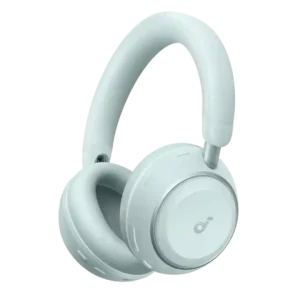
Product 1: Soundcore Space 2
4.0
P2
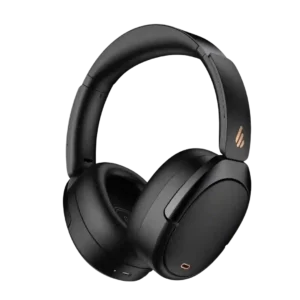
Product 2: Edifier WH950NB Gen 2 Wireless...
4.2
3.5mm analog input availability
P1
Product 1: Soundcore Space 2
4.5
The 3.5mm analog input was praised as a welcome wired option.
P2Product 2: Edifier WH950NB Gen 2 Wireless...
No score yetActive noise cancellation
P1
Product 1: Soundcore Space 2
4.2
ANC earned broad praise for the price, especially against low-frequency travel noise, but several reviewers said some voices or higher-frequency sounds still get through.
P2
Product 2: Edifier WH950NB Gen 2 Wireless...
4.2
Reviewers generally found ANC effective for daily noise and low-frequency sounds, though one reviewer said it does not block everything.
Advanced software features
P1
Product 1: Soundcore Space 2
3.8
Advanced software features were considered extensive and promising, though some reviewers found specific extras merely okay or not personally compelling.
P2
Product 2: Edifier WH950NB Gen 2 Wireless...
4.2
Software features were praised for giving broad control over listening modes, EQ, sound limits, and other headphone functions.
Aesthetics / discreet profile
P1
Product 1: Soundcore Space 2
4.3
Aesthetics were seen as clean, discreet or nicer than the price suggests, especially in muted color options.
P2
Product 2: Edifier WH950NB Gen 2 Wireless...
4.4
Reviewers consistently liked the understated, stylish, premium-looking design.
AI translation
P1
Product 1: Soundcore Space 2
3.6
AI translation and AI features were viewed as promising or useful for some, but also niche, friction-prone or not for every reviewer.
P2Product 2: Edifier WH950NB Gen 2 Wireless...
No score yetANC background noise level
P1
Product 1: Soundcore Space 2
2.9
ANC or ambient processing sometimes left background distractions, including hiss, high-frequency noise or audible conversations.
P2
Product 2: Edifier WH950NB Gen 2 Wireless...
4.2
ANC background-noise handling was praised for treadmill, commute, and low-frequency noise reduction.
ANC effect on sound signature
P1
Product 1: Soundcore Space 2
4.5
ANC was specifically praised for avoiding a negative effect on the sound signature.
P2Product 2: Edifier WH950NB Gen 2 Wireless...
No score yetANC sound impact on audio
P1
Product 1: Soundcore Space 2
4.5
ANC was praised for not hurting the sound in the cited review.
P2Product 2: Edifier WH950NB Gen 2 Wireless...
No score yetAndroid compatibility
P1
Product 1: Soundcore Space 2
4.7
Android compatibility was a strength because Fast Pair and LDAC access made Android the fuller experience.
P2
Product 2: Edifier WH950NB Gen 2 Wireless...
4.5
Android users were presented as getting the strongest wireless-quality benefit from LDAC support.
App
P1
Product 1: Soundcore Space 2
4.3
The Soundcore app was consistently seen as useful, organized and feature-rich without being overly difficult.
P2
Product 2: Edifier WH950NB Gen 2 Wireless...
4.4
The app was praised for fun listening control and useful ANC adjustment.
Auracast support
P1
Product 1: Soundcore Space 2
2.5
Auracast was absent, and reviewers treated that as a minor limitation for a small subset rather than a broad dealbreaker.
P2Product 2: Edifier WH950NB Gen 2 Wireless...
No score yetAuto-play/wear detection
P1
Product 1: Soundcore Space 2
4.5
Wear detection as an auto-play/pause feature was valued as a must-have convenience.
P2Product 2: Edifier WH950NB Gen 2 Wireless...
No score yetBass performance
P1
Product 1: Soundcore Space 2
4.2
Bass was usually praised as full, punchy and controlled, though one hands-on reviewer found it too bass-heavy for personal taste.
P2
Product 2: Edifier WH950NB Gen 2 Wireless...
3.6
Bass feedback was mixed: some reviewers liked the punch and quantity, while one found heavy-bass tracks crackly and another called it bassy.
Battery
P1
Product 1: Soundcore Space 2
4.7
Battery life was one of the strongest attributes, with reviewers calling it outstanding, spectacular, category-defining or close to claims.
P2
Product 2: Edifier WH950NB Gen 2 Wireless...
4.8
Battery life drew some of the strongest praise across reviews, including long weekly use and strong remaining charge after hours.
Bluetooth
P1
Product 1: Soundcore Space 2
3.5
Bluetooth pairing could be quick and stable, but LDAC-mode connection strength drew a specific complaint during commuting.
P2
Product 2: Edifier WH950NB Gen 2 Wireless...
4.2
Bluetooth range was praised as a practical bonus in everyday movement around the home.
Bluetooth version
P1Product 1: Soundcore Space 2
No score yet
P2
Product 2: Edifier WH950NB Gen 2 Wireless...
4.5
Bluetooth 5.4 was framed as a future-proofing improvement.
Build quality
P1
Product 1: Soundcore Space 2
3.7
Build quality was mixed: some reviewers found it solid for the price, while others said it felt cheap or wished it were more robust.
P2
Product 2: Edifier WH950NB Gen 2 Wireless...
4.7
Build quality was described as solid, sturdy, and more premium than the price suggests.
Built-in DAC and hi-res playback
P1Product 1: Soundcore Space 2
No score yet
P2
Product 2: Edifier WH950NB Gen 2 Wireless...
4.0
Hi-res playback and LDAC were praised for capability, but one iPhone-focused reviewer found LDAC less useful.
Button control usability
P1
Product 1: Soundcore Space 2
4.5
Physical buttons were praised as straightforward, tactile and easier to trust than uncertain touch gestures.
P2
Product 2: Edifier WH950NB Gen 2 Wireless...
2.0
Onboard button controls were criticized as frustrating and confusing because functions are doubled up.
Carry case quality
P1
Product 1: Soundcore Space 2
2.3
The included pouch was a recurring weakness, with multiple reviewers wanting a hard-shell case instead.
P2
Product 2: Edifier WH950NB Gen 2 Wireless...
4.5
The travel case was repeatedly praised as sturdy, stylish, and protective.
Charging
P1
Product 1: Soundcore Space 2
4.5
Charging impressed reviewers because five-minute quick charge claims and USB-C charging reduced anxiety around dead headphones.
P2
Product 2: Edifier WH950NB Gen 2 Wireless...
4.4
Fast charging was viewed positively, especially the short top-ups that provide several hours of playback.
Clamping force comfort
P1
Product 1: Soundcore Space 2
4.5
Clamping force was generally described as well judged, from light-touch to snug without being too tight.
P2
Product 2: Edifier WH950NB Gen 2 Wireless...
3.8
Clamp comfort was split: some reviewers found the fit gentle or glasses-friendly, while another warned that clamp force builds over time.
Codec support
P1
Product 1: Soundcore Space 2
4.2
Codec support was praised in the context of high-spec audio files and LDAC availability at the price.
P2
Product 2: Edifier WH950NB Gen 2 Wireless...
4.2
Codec support was valued for LDAC and hi-res audio, with the main caveat being limited benefit for iPhone users.
Comfort during long use
P1
Product 1: Soundcore Space 2
4.7
Comfort during long sessions was one of the strongest themes, with reviewers reporting hours of use, no fatigue and a light, disappearing fit.
P2
Product 2: Edifier WH950NB Gen 2 Wireless...
4.3
Long-use comfort was mostly praised, but the rigid headband created a notable comfort caveat in one review.
Connectivity options
P1
Product 1: Soundcore Space 2
4.5
Connectivity options benefited from the welcome wired fallback in addition to Bluetooth features.
P2
Product 2: Edifier WH950NB Gen 2 Wireless...
4.2
Connectivity options were praised for dual-device use without constant reconnecting.
Design and Aesthetics
P1
Product 1: Soundcore Space 2
4.2
Design reactions were positive overall, with praise for clean looks, attractive colors and a sturdy, good-looking shape.
P2
Product 2: Edifier WH950NB Gen 2 Wireless...
4.4
Design was praised as sleek, understated, stylish, and elegant.
Durability over time
P1
Product 1: Soundcore Space 2
3.4
Durability evidence was mixed, with concern about bag abuse in one review but a more positive hands-on durability impression in another.
P2
Product 2: Edifier WH950NB Gen 2 Wireless...
4.2
The reinforced steel headband was credited with giving a durable impression.
Ear cup padding quality
P1
Product 1: Soundcore Space 2
4.4
Ear cup padding was widely praised as plush, cushy, deep and soft, contributing strongly to comfort.
P2
Product 2: Edifier WH950NB Gen 2 Wireless...
4.4
Ear cup and pad comfort drew consistent praise for plushness, softness, and a comfortable seal.
Ear cup swivel/rotation range
P1
Product 1: Soundcore Space 2
4.2
The flat-swiveling and folding ear cups were viewed positively for making the headphones easier to pack or travel with.
P2
Product 2: Edifier WH950NB Gen 2 Wireless...
4.5
Ear cup rotation and tilt were praised for helping the headphones fit the user's head shape.
Earpad noise
P1Product 1: Soundcore Space 2
No score yet
P2
Product 2: Edifier WH950NB Gen 2 Wireless...
2.8
One reviewer noted earpad or fit-related walking noise and faint rustle as a limitation.
Ecosystem integration
P1
Product 1: Soundcore Space 2
3.2
Ecosystem integration was limited by Apple devices missing the full LDAC experience, even though iOS still retained app access.
P2Product 2: Edifier WH950NB Gen 2 Wireless...
No score yetEqualizer customization
P1
Product 1: Soundcore Space 2
4.3
EQ customization was a major strength, with reviewers praising the broad EQ, HearID personalization and ability to tune sound.
P2
Product 2: Edifier WH950NB Gen 2 Wireless...
4.5
EQ customization was praised for letting listeners reshape the sound to their preferences.
Features at launch
P1
Product 1: Soundcore Space 2
4.5
The launch feature set was viewed as unusually comprehensive for the money.
P2Product 2: Edifier WH950NB Gen 2 Wireless...
No score yetFrequency response accuracy
P1
Product 1: Soundcore Space 2
3.2
Frequency response was considered consumer-friendly rather than flat, with one reviewer wishing the tuning were closer to neutral.
P2
Product 2: Edifier WH950NB Gen 2 Wireless...
4.0
Frequency balance was described positively as well balanced.
Gaming preset EQ profiles
P1Product 1: Soundcore Space 2
No score yet
P2
Product 2: Edifier WH950NB Gen 2 Wireless...
2.8
Gaming or mode presets were not strongly convincing, with reviewers either noticing no difference or not finding the modes useful.
Headband adjustability
P1Product 1: Soundcore Space 2
No score yet
P2
Product 2: Edifier WH950NB Gen 2 Wireless...
4.0
Headband adjustment was mixed, with one reviewer finding the slider slightly awkward and another praising the defined clicks.
Headband padding quality
P1
Product 1: Soundcore Space 2
4.4
Headband padding and weight distribution were praised for reducing pressure and keeping the headphones comfortable.
P2
Product 2: Edifier WH950NB Gen 2 Wireless...
4.5
Headband padding was praised as soft and comfortable.
Hinge durability
P1
Product 1: Soundcore Space 2
4.5
Hinges were viewed positively where discussed, with reviewers describing them as solid or built to last.
P2Product 2: Edifier WH950NB Gen 2 Wireless...
No score yetImmersive audio quality
P1
Product 1: Soundcore Space 2
4.2
Immersive media use was positive in one review, which said the headphones worked well for games and movies.
P2
Product 2: Edifier WH950NB Gen 2 Wireless...
4.5
Immersive listening was praised in theater use, where one reviewer felt the experience resembled a big-screen setup.
Included accessories
P1
Product 1: Soundcore Space 2
2.2
Included accessories were a drawback where reviewed because the package lacked the hard-shell case some reviewers wanted.
P2
Product 2: Edifier WH950NB Gen 2 Wireless...
4.7
Included accessories were praised as a thoughtful, complete bundle.
Instrument separation
P1
Product 1: Soundcore Space 2
4.5
Instrument separation was a notable strength, with reviewers saying instruments were easy to place or pick apart in the mix.
P2
Product 2: Edifier WH950NB Gen 2 Wireless...
4.8
Instrument separation was praised for revealing individual instruments and layers clearly.
Integrated microphone
P1
Product 1: Soundcore Space 2
3.8
The integrated microphone system produced solid voice clarity in typical environments, though call quality was not uniformly premium elsewhere.
P2
Product 2: Edifier WH950NB Gen 2 Wireless...
4.8
The integrated microphones were praised as surprisingly excellent.
LDAC
P1
Product 1: Soundcore Space 2
4.4
LDAC support was well received, especially for Android users and for remaining available during multipoint use.
P2
Product 2: Edifier WH950NB Gen 2 Wireless...
4.3
LDAC support was praised for higher-quality Bluetooth streaming, though one reviewer noted it was wasted on iPhone.
Maximum volume clarity
P1Product 1: Soundcore Space 2
No score yet
P2
Product 2: Edifier WH950NB Gen 2 Wireless...
2.5
Maximum-volume clarity was limited by irritating bass crackle at louder listening levels.
Microphone noise reduction
P1
Product 1: Soundcore Space 2
4.3
Microphone noise reduction was a relative strength, with reviewers praising its ability to reduce background noise and separate speech.
P2
Product 2: Edifier WH950NB Gen 2 Wireless...
4.3
Microphone noise reduction was mostly strong, separating voice from background chaos, with minor ambient noise leakage noted.
Microphone quality for calls
P1
Product 1: Soundcore Space 2
3.4
Call microphone quality was usable but not premium, with voices described as solid or audible yet sometimes thin, tinny or altered.
P2
Product 2: Edifier WH950NB Gen 2 Wireless...
4.5
Call microphone quality was praised, including calls going smoothly and the mics sounding excellent.
Midrange clarity
P1
Product 1: Soundcore Space 2
3.9
Midrange feedback was mixed: some reviewers heard rich or forward vocals, while others found vocals recessed, distant or slightly claustrophobic.
P2
Product 2: Edifier WH950NB Gen 2 Wireless...
4.2
Midrange and vocal clarity were generally praised, though one reviewer found the mids less refined than the Sony XM6.
Multi-platform compatibility
P1
Product 1: Soundcore Space 2
3.5
Multi-platform support was mixed because iPhone users still get AAC and app features but miss LDAC.
P2Product 2: Edifier WH950NB Gen 2 Wireless...
No score yetMultipoint connectivity reliability
P1
Product 1: Soundcore Space 2
4.2
Multipoint was positively noted because LDAC remained available with dual-device use rather than forcing a lower-quality codec.
P2
Product 2: Edifier WH950NB Gen 2 Wireless...
4.3
Multipoint connectivity was useful and mostly seamless, with only minor reminders needed in one review.
Noise isolation (passive)
P1
Product 1: Soundcore Space 2
4.4
Passive isolation was helped by a strong seal and was explicitly called excellent in one lab-style review.
P2
Product 2: Edifier WH950NB Gen 2 Wireless...
4.2
Passive isolation was praised through the protein-leather seal's ability to reduce outside noise.
Offline playback and onboard storage
P1
Product 1: Soundcore Space 2
4.0
Offline onboard soundscapes were useful for travel because one reviewer noted they worked in airplane mode without data.
P2Product 2: Edifier WH950NB Gen 2 Wireless...
No score yetOverall recommendation
P1
Product 1: Soundcore Space 2
4.5
Overall recommendations were strongly positive, with many reviewers calling the Space 2 easy to recommend, a winner or a bargain.
P2
Product 2: Edifier WH950NB Gen 2 Wireless...
4.6
Overall recommendations were strongly positive, especially for value-focused buyers.
Portability/foldability
P1
Product 1: Soundcore Space 2
4.2
Foldability and portability were received positively, though some reviewers noted they do not fold as compactly as certain rivals.
P2
Product 2: Edifier WH950NB Gen 2 Wireless...
4.5
Portability was praised for compact folding and easy case storage.
Premium feel
P1
Product 1: Soundcore Space 2
3.9
Premium feel varied by reviewer: several said materials or finish felt premium, while one noted cheap-feeling build quality.
P2
Product 2: Edifier WH950NB Gen 2 Wireless...
4.5
Premium feel was a repeated strength, with reviewers saying the headphones feel more expensive than they are.
Preset EQ profile quality
P1
Product 1: Soundcore Space 2
4.1
Preset EQ profiles were generally useful, with Soundcore Signature and Acoustic singled out as safe or favored options.
P2
Product 2: Edifier WH950NB Gen 2 Wireless...
4.4
Preset EQ feedback was positive for Dynamic and Rock settings, which reviewers found more enjoyable or lively.
Sensors
P1
Product 1: Soundcore Space 2
4.5
The sensor-driven wear detection was viewed as a quality-of-life feature likely to become taken for granted.
P2Product 2: Edifier WH950NB Gen 2 Wireless...
No score yetSmart listening features
P1
Product 1: Soundcore Space 2
4.2
Smart listening extras such as Nap Mode, Safe Volume and Soundscape were viewed as useful, especially for flights, relaxation or white noise.
P2
Product 2: Edifier WH950NB Gen 2 Wireless...
4.1
Smart listening features such as hearing protection and sound limits were viewed as useful additions.
Smart Pause performance
P1
Product 1: Soundcore Space 2
4.8
Smart Pause performance was praised as reliable and quick when the wearer removed or replaced the headphones.
P2Product 2: Edifier WH950NB Gen 2 Wireless...
No score yetSmudge resistance
P1
Product 1: Soundcore Space 2
2.5
Smudge resistance was a weakness on the black finish, which was described as more susceptible to marks and smudges.
P2Product 2: Edifier WH950NB Gen 2 Wireless...
No score yetSoftware/setup simplicity
P1
Product 1: Soundcore Space 2
4.4
Setup and software were praised as easy and controllable without overwhelming complexity.
P2
Product 2: Edifier WH950NB Gen 2 Wireless...
4.2
Software setup and control were praised as easy through the Edifier app.
Sound quality
P1
Product 1: Soundcore Space 2
4.4
Reviewers consistently described the Space 2 as strong-sounding for the money, ranging from great and dreamy to merely fine in one brief hands-on impression.
P2
Product 2: Edifier WH950NB Gen 2 Wireless...
4.2
Sound quality was generally praised as good, engaging, clear, and strong for the price.
Soundstage width
P1
Product 1: Soundcore Space 2
4.2
Reviewers repeatedly heard a wide or spacious presentation, with praise for width, depth and a roomy soundstage at the price.
P2
Product 2: Edifier WH950NB Gen 2 Wireless...
4.5
Soundstage was praised as surprisingly wide for closed-back headphones.
Spatial audio
P1
Product 1: Soundcore Space 2
2.7
Spatial or 3D audio was mixed to weak: one reviewer found it fine, another better than expected, and another said it did little.
P2
Product 2: Edifier WH950NB Gen 2 Wireless...
3.5
Spatial and theater-style audio was mixed: theater mode impressed one reviewer, while another did not find extra modes useful.
Stability
P1
Product 1: Soundcore Space 2
4.5
Fit stability was praised, with one reviewer saying the clamping sweet spot kept the headphones stable without undue pressure.
P2
Product 2: Edifier WH950NB Gen 2 Wireless...
4.2
Stability was praised during running, with no distracting or unstable feel.
Transparency mode quality
P1
Product 1: Soundcore Space 2
3.4
Transparency mode drew mixed reactions: some found it good or useful, while others noted hiss, artificial tone or weak naturalness.
P2
Product 2: Edifier WH950NB Gen 2 Wireless...
4.2
Transparency or ambient mode was praised as useful for awareness and dialing in outside sound.
Travel friendliness
P1
Product 1: Soundcore Space 2
4.4
Travel friendliness was a major use case because reviewers connected comfort, battery, ANC and white-noise/offline features to flights and commuting.
P2
Product 2: Edifier WH950NB Gen 2 Wireless...
4.6
Travel friendliness was praised through the slim case, foldable design, commuting fit, and compact storage.
Treble clarity
P1
Product 1: Soundcore Space 2
4.3
Treble was generally viewed as clean, crisp and non-fatiguing, with several reviewers noting solid detail and sparkle.
P2
Product 2: Edifier WH950NB Gen 2 Wireless...
4.2
Treble and high-end clarity were praised as clear, detailed, and able to let guitar layers shine.
USB-C
P1
Product 1: Soundcore Space 2
4.2
USB-C use for charging was described as straightforward, supporting the overall convenience of charging.
P2
Product 2: Edifier WH950NB Gen 2 Wireless...
4.8
USB-C charging was explicitly welcomed as the expected modern standard.
Value for money
P1
Product 1: Soundcore Space 2
4.6
Value for money was one of the clearest strengths, with reviewers repeatedly saying the performance and features exceed the price.
P2
Product 2: Edifier WH950NB Gen 2 Wireless...
4.7
Value for money was one of the strongest themes, with reviewers repeatedly comparing performance favorably against the price.
Voice assistant integration
P1
Product 1: Soundcore Space 2
3.0
Voice assistant integration was not a major draw; one reviewer suggested Soundcore's assistant would not replace a preferred existing assistant.
P2Product 2: Edifier WH950NB Gen 2 Wireless...
No score yetWater/sweat resistance rating
P1
Product 1: Soundcore Space 2
1.5
Water and sweat suitability was weak because one reviewer explicitly warned against gym or rain use.
P2Product 2: Edifier WH950NB Gen 2 Wireless...
No score yetWear detection auto-pause
P1
Product 1: Soundcore Space 2
4.8
Wear detection auto-pause was strongly liked, with reviewers praising automatic pause/resume and its value at the price.
P2Product 2: Edifier WH950NB Gen 2 Wireless...
No score yetWear detection performance
P1
Product 1: Soundcore Space 2
4.8
Wear detection performance was praised where tested, especially the quick pause/resume behavior.
P2Product 2: Edifier WH950NB Gen 2 Wireless...
No score yetWeight comfort
P1
Product 1: Soundcore Space 2
4.6
The Space 2's low weight was repeatedly praised for making the headphones feel light or nearly weightless during wear.
P2
Product 2: Edifier WH950NB Gen 2 Wireless...
4.5
Weight comfort was praised as balanced and not heavy.
Wind noise handling
P1
Product 1: Soundcore Space 2
1.5
Wind noise handling was a clear weakness, with one reviewer saying the headphones could not handle blustery conditions.
P2
Product 2: Edifier WH950NB Gen 2 Wireless...
3.5
Wind handling was mixed: one reviewer found minimal interference, while another did not find wind reduction especially useful.