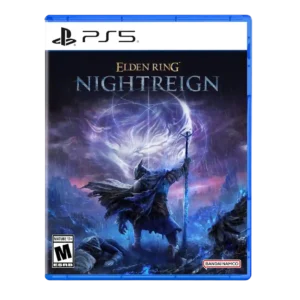
Average score
Elden Ring Nightreign
3.4
frame rate stability
Elden Ring Nightreign
1.8
Frame-rate stability was a recurring issue for several reviewers, especially on PlayStation hardware.
Marathon
4.9
Frame rates are consistently described as stable, including solid 60fps console performance and smooth higher-end PC results. Dropped-frame complaints are rare in the scored material.
world-building
Elden Ring Nightreign
2.0
World-building was criticized by one reviewer as sacrificing FromSoftware's usual sense of place.
Marathon
4.7
Corporate factions, environmental storytelling, and sci-fi lore give Tau Ceti IV a strong sense of place. The world-building is often praised as unusually rich for a multiplayer extraction game.
online stability
Elden Ring Nightreign
2.4
Online stability varied widely, from lag, disconnects, and preview crashes to one stable PC session.
Marathon
5.0
Connections are generally stable, with few disconnect-style problems surfacing during long sessions. Online reliability is much less troublesome than the game’s UI or balance.
menu usability
Elden Ring Nightreign
4.0
Menu usability improved post-launch through better relic filtering options.
Marathon
1.5
Menu navigation is often slower and more confusing than the shooting itself. The layout can become familiar with time, but familiarity does not fully solve the clutter and extra steps.
writing quality
Elden Ring Nightreign
2.0
Writing quality drew criticism from one reviewer who felt the Remembrance writing lacked FromSoftware's usual prose quality.
Marathon
4.5
Faction introductions and story moments benefit from sharp, personality-driven writing. The strongest dialogue and briefings make the corporations and AIs feel distinctive rather than like generic quest dispensers.
economy and resource balance
Elden Ring Nightreign
2.0
Random map and reward outcomes sometimes made failures feel outside the player's control.
Marathon
4.3
Materials and faction economies give players useful goals beyond simple kills, while barter rewards make salvage feel valuable. The better implementations keep resources circulating without completely removing the consequences of losing gear.
user interface design
Elden Ring Nightreign
4.0
User interface design was considered streamlined in inventory and improved through later UI updates.
Marathon
1.8
The interface is the most consistent criticism. Menus, inventory icons, loot management, and information density are stylish but frequently described as cluttered, confusing, or unnecessarily hard to use.
voice acting
Elden Ring Nightreign
3.0
Voice acting was mixed, with praise for quality in one review but criticism of stiffer deliveries in others.
Marathon
5.0
Voice work is a presentation strength, especially in faction scenes and debriefs. The cast and performances add personality to material that could otherwise feel like dry lore delivery.
server reliability
Elden Ring Nightreign
2.0
Server reliability was questioned due to peer-to-peer netcode and lack of dedicated servers.
Marathon
4.0
Servers held up well during play, with no major reliability problems standing out. The bigger uncertainty is long-term population and support rather than immediate server stability.
crash stability
Elden Ring Nightreign
1.5
Crash stability was a concern in one preview build due to network crashes.
Marathon
3.3
Crash behavior is mostly manageable but not flawless. A few mid-match crashes can occur, although rejoining softens the impact and some long sessions run without crashing at all.
faithfulness to franchise
Elden Ring Nightreign
3.3
Faithfulness to franchise was split between authentic Souls challenge and disappointment that the format lost Elden Ring's magic.
Marathon
5.0
The reboot carries meaningful connections to Bungie’s older Marathon games through lore, aesthetics, locations, and endgame references. Fans of the original universe get more continuity than the genre shift initially suggests.
social features
Elden Ring Nightreign
2.2
Social features were widely criticized because ping-only communication could not replace voice or text chat in a coordination-heavy game.
Marathon
3.9
Friends, proximity chat, and coordinated squads can produce some of the game’s best moments. Solo-focused players also point out that finding a dependable group is harder than it should be.
immersion
Elden Ring Nightreign
3.0
Immersion was mixed: some felt Elden Ring's adrenaline remained, while others thought discovery and delight were stripped away.
Marathon
4.5
The game can become deeply immersive once its lore, sound cues, world design, and tense extraction rhythm click together. Its unusual presentation helps players inhabit the role of a Runner rather than simply chase kills.
exploration quality
Elden Ring Nightreign
2.8
Exploration was divisive: some enjoyed secrets and compact adventures, while others felt time pressure stripped away wonder and experimentation.
Marathon
4.2
Exploration is rewarding when maps reveal vents, tunnels, locked rooms, hidden loot, and secrets. Some early areas become familiar too quickly, reducing the sense of discovery over time.
mission variety
Elden Ring Nightreign
3.8
Mission variety benefited from random events, shifting terrain, and post-launch additions, but some wanted more frequent shakeups.
Marathon
2.5
Mission variety is a weak spot, especially early on. Repetitive fetch-style objectives can make the grind feel artificial even when later contracts become more interesting.
AI behavior
Elden Ring Nightreign
2.0
Enemy AI was criticized as confused when multiple human players overwhelm standard encounters.
Marathon
3.3
Enemy AI is dangerous, aggressive, and often smart enough to flank, pressure, or expose players to rival squads. Balance has shifted through patches, and some players still find the bots either too punishing or less threatening than they should be.
tutorial quality
Elden Ring Nightreign
2.0
Tutorial quality was criticized as brief and rudimentary for a complex multiplayer roguelike.
Marathon
3.1
The tutorial covers the basic extraction loop, but it often leaves deeper systems to text prompts and trial-and-error. Its basic introduction works, yet the lack of guidance quickly becomes frustrating.
narrative quality
Elden Ring Nightreign
2.9
Narrative quality was generally secondary, with some reviewers finding it barebones or disconnected and others praising character-focused Remembrances.
Marathon
4.0
The underlying story and mystery are compelling, but Marathon tells them indirectly through factions, lore entries, briefings, and environmental clues. That approach fascinates lore-minded players and leaves others wishing for a more direct campaign-style narrative.
content variety
Elden Ring Nightreign
3.0
Content variety was sharply mixed: some praised random events and route variety, while others criticized recycled assets and too little randomness.
Marathon
2.0
The available maps have distinct personalities, but the overall amount of launch content is a recurring concern. More maps and modes would help the strong individual spaces feel less limited over time.
HUD clarity
Elden Ring Nightreign
2.5
HUD clarity was a mild issue because the minimap presented a lot of information at once.
Marathon
1.5
HUD readability has clear weaknesses, including very small text and objective markers that can be hard to spot. Those problems are especially costly when the game is already asking players to make quick decisions.
pacing
Elden Ring Nightreign
3.1
The pace was one of the biggest tradeoffs: many found it thrilling and fresh, while others found the constant rush stressful or exhausting.
Marathon
4.1
The pace swings between careful, slow movement and explosive, very short firefights. That contrast can create terrific tension, but it also makes the game feel abrupt or uneven for players expecting a faster run-and-gun shooter.
loot system
Elden Ring Nightreign
3.1
Loot and relic systems encouraged fluid builds and experimentation, but randomness often frustrated reviewers when rewards failed to fit a class or plan.
Marathon
4.1
Loot creates the stakes that make extraction exciting, and modular gear can produce genuinely valuable finds. Losing a prized kit is thrilling when the system clicks and deeply frustrating when deaths or inventory friction feel unfair.
map and navigation design
Elden Ring Nightreign
3.1
Map and navigation design was mixed, with praise for purposeful terrain but complaints about clutter, landing control, and route clarity.
Marathon
2.2
Objectives are not always well signposted, and several maps can become hard to navigate under pressure. The problem ranges from tiny markers to layouts that make players lose time simply finding the next interaction point.
class balance
Elden Ring Nightreign
2.9
Class balance was mixed: the roster felt readable and solid, but some classes were weak or uneven in solo contexts.
Marathon
2.0
Shell balance needs tuning. Assassin can feel overpowered, while Recon can lag behind stronger defensive and offensive options.
multiplayer design
Elden Ring Nightreign
3.1
Multiplayer design was ambitious but divisive, thriving with coordinated teams and struggling with strangers or limited communication.
Marathon
3.9
Multiplayer is aggressively PvP-focused, with trios, solo play, and emerging duo options producing very different experiences. Squad play can be excellent, while solo and mismatched team sizes expose some of the game’s harshest tradeoffs.
environmental detail
Elden Ring Nightreign
4.0
Environmental detail ranged from praise for beauty and world-building to more functional, condensed spaces.
Marathon
4.8
Maps reward close attention with environmental details that support both atmosphere and storytelling. The strongest spaces feel deliberately built rather than like generic combat arenas.
value for money
Elden Ring Nightreign
4.3
Value for money was usually praised at the lower price point, though one reviewer still found the package not worth it.
Marathon
3.5
The $39.99 entry price is considered reasonable by some players given the production quality, though the premium pass and live-service model complicate the value proposition. It is easier to justify for committed extraction-shooter fans than casual players.
enemy variety
Elden Ring Nightreign
4.0
Enemy variety was praised by one reviewer as a balanced mix of new final bosses and familiar mini-bosses.
Marathon
3.3
Enemy variety is serviceable rather than a standout. Some players find enough variety to keep encounters from going stale, while others specifically call the bot roster limited.
quest design
Elden Ring Nightreign
4.0
Quest design received praise for Remembrance objectives that gave runs extra goals and meaningful character rewards.
Marathon
3.3
Questing gives the extraction loop direction and steady progression, yet the structure can be restrictive and grindy. Fetch-style objectives, poor signposting, and one-at-a-time progression are common pain points.
gameplay mechanics
Elden Ring Nightreign
3.3
Reviewers saw the mechanics as a bold Elden Ring remix, but several said the experience depends heavily on teammates and sometimes clashes with FromSoftware expectations.
Marathon
3.9
The underlying systems are layered and often rewarding, especially once builds, faction goals, and extraction risks start working together. Some mechanics can clash with the very short time-to-kill.
difficulty balance
Elden Ring Nightreign
2.1
Difficulty balance was the most common concern, especially poor solo balance, overtuned bosses, and harsh punishment after long setup runs.
Marathon
2.8
Marathon is intentionally demanding, with lethal PvP, dangerous AI, and a steep skill curve. Hardcore players often admire that commitment, while casual and new players repeatedly find the difficulty intimidating or punishing.
mission design
Elden Ring Nightreign
4.0
Mission design was praised for demanding mastery on the fly rather than slow, methodical FromSoftware play.
Marathon
3.3
Contracts give each run a concrete purpose and feed faction progression, but several missions are vague, repetitive, or frustrating. The one-active-contract restriction is a frequent complaint because it can make failed runs feel wasted.
replay value
Elden Ring Nightreign
3.8
Replay value ranged from excellent long-term addiction to fatigue from repeated content, depending on tolerance for repetition and co-op optimization.
Marathon
4.4
The best runs create a powerful one-more-match pull, with several players staying hooked for dozens or even hundreds of hours. Long-term replayability depends on whether fresh content can keep repetition from overtaking the core loop.
innovation
Elden Ring Nightreign
4.3
Innovation was generally admired as a risky FromSoftware experiment, even where execution missed some marks.
Marathon
3.7
Progression ideas, Cryo Archive, and the interaction between PvP and extraction systems show real cleverness. Still, the broader extraction-shooter direction can feel more trend-following than groundbreaking.
level design
Elden Ring Nightreign
3.8
Level design split reviewers between praise for purposeful terrain and criticism of copy-pasted or repetitive layouts, with later updates improving map mutations.
Marathon
4.4
Map design improves noticeably as the game opens up, with Outpost and Cryo Archive earning especially strong praise for verticality, secrets, and combat flow. The earliest maps are more divisive and can feel flat or repetitive.
sound design
Elden Ring Nightreign
4.2
Sound design was generally praised as strong and in line with Elden Ring quality.
Marathon
4.7
Sound design is a major strength, with footsteps, weapons, abilities, environmental hazards, and distant fights providing both atmosphere and tactical information. Good headphones materially improve situational awareness.
originality
Elden Ring Nightreign
3.8
Originality was debated, from criticism of challenge-for-challenge's-sake to praise for a weird, bold experiment.
Marathon
4.3
Marathon feels most original in its audiovisual identity, corporate sci-fi setting, and the way it reshapes extraction-shooter conventions. Some class and genre elements are familiar enough to keep it from feeling wholly new.
bug frequency
Elden Ring Nightreign
4.5
Bug frequency was described positively by one reviewer who noted minimal bugs.
Marathon
5.0
Major bugs appear uncommon during play. Serious issues are rare, with only a minor one-off NPC problem standing out among otherwise clean technical reports.
sandbox freedom
Elden Ring Nightreign
4.0
Reviewers liked the number of viable routes and experiments, though the format still constrained freedom compared with Elden Ring.
Marathon
4.5
Players can often choose how much danger to accept, from quietly looting and extracting to chasing tougher events or fights. That flexibility is a major part of the appeal for players who dislike being forced into constant combat.
visual effects quality
Elden Ring Nightreign
5.0
Visual effects and boss spectacle were singled out as a major strength.
Marathon
4.5
Shield breaks and explosive hits provide satisfying visual feedback during combat. Those effects help gunfights feel punchy without needing elaborate spectacle.
core gameplay loop
Elden Ring Nightreign
3.7
The run-based loop was often praised as compelling, thrilling, and addictive, while several critics found it repetitive or overly limited after repeated runs.
Marathon
4.2
The drop-loot-extract loop produces tense, memorable runs and a strong one-more-match pull. Repetition can creep in when contracts stall or the available content starts feeling familiar.
grind level
Elden Ring Nightreign
2.2
Grind level was a concern when repeated runs or random relic acquisition made progress feel tedious.
Marathon
2.7
The grind is substantial and central to Marathon’s identity. Some players enjoy faction progression and long-term goals, while others find repetitive quests and time demands exhausting.
progression system
Elden Ring Nightreign
3.1
Progression was mixed, with useful relics and quests praised but meta-progression often criticized as thin, random, or too limited.
Marathon
3.6
Faction progression is one of the strongest long-term hooks, with reputation, upgrades, materials, and rewards giving failed runs some forward momentum. Seasonal resets and slow early progress are the main reservations.
graphics quality
Elden Ring Nightreign
3.8
Graphics were mostly praised as fine to stunning, though some reviewers felt the vistas lacked Elden Ring's full impact.
Marathon
4.2
Graphics are widely praised for sharp detail, bold color, and strong presentation across platforms. The visual identity is a major draw even for players who are unsure about the extraction-shooter format.
controls responsiveness
Elden Ring Nightreign
4.0
One PC reviewer reported generally fine input latency despite occasional minor registration issues.
Marathon
3.6
Shooting and movement controls are often described as crisp and responsive, but inventory swapping and a few control choices can feel cumbersome. Some players needed tweaking before the controls felt right.
combat system
Elden Ring Nightreign
4.1
Combat drew strong praise when it retained Elden Ring's timing and aggression, though a few reviewers felt the multiplayer format strained the system.
Marathon
4.5
Bungie-style gunplay is the clearest strength: weapons feel punchy, precise, and satisfying, and team fights can be exhilarating. The very short time-to-kill can also make some deaths feel abrupt or frustrating.
fun factor
Elden Ring Nightreign
4.2
Fun factor was high for many reviewers, especially with friends, though the fun could swing into frustration depending on conditions.
Marathon
4.5
The game is highly enjoyable once it clicks, with gunplay and extraction highs repeatedly pulling players back. It is not instantly fun for everyone, and some players never get past the early friction.
endgame content
Elden Ring Nightreign
3.8
Endgame content improved with Deep of Night and hard modes, though some reviewers still wanted more difficulty and variety.
Marathon
4.1
Cryo Archive is the standout endgame attraction, combining tougher AI, puzzles, high-value gear, bosses, and heavy PvP pressure. Its weekend-only access is repeatedly questioned despite the activity itself earning strong praise.
performance optimization
Elden Ring Nightreign
3.6
Performance was mixed by platform, from smooth PC impressions to severe PS5 Pro slowdown complaints.
Marathon
3.9
Performance is generally strong across consoles and a range of PCs, including older hardware. Most reports describe smooth play with few major technical problems, though isolated issues remain.
movement feel
Elden Ring Nightreign
3.6
Movement was praised for speed, parkour, and verticality, but some reviewers criticized traversal pressure and terrain-related deaths.
Marathon
3.9
Movement is generally fluid and expressive, with sprinting, sliding, grapples, jumps, and shell abilities creating tactical routes. Heat limits, fall damage, and occasional mantling friction can make it feel less free-flowing than it first appears.
platforming precision
Elden Ring Nightreign
2.3
Platforming was mixed: wall climbing and collision quirks helped mobility but sometimes felt bad or unreliable.
Marathon
2.0
Jumping and climbing can feel smooth when the geometry cooperates, but mantling is inconsistent enough to cause failures at bad moments. Ledge grabs are the clearest point of frustration.
atmosphere
Elden Ring Nightreign
4.0
Atmosphere was supported by one reviewer who found the world mysteriously interesting and alluring.
Marathon
4.3
Tau Ceti IV has a distinctive uneasy atmosphere, mixing bright retro-futurism with abandoned spaces, corporate menace, and creeping dread. The contrast makes the world memorable even before combat starts.
weapon balance
Elden Ring Nightreign
2.8
Weapon balance was mixed, with boss health and class-specific relics making some weapon paths feel less flexible.
Marathon
3.0
The arsenal is broadly viable, but not perfectly tuned. Sniper rifles in particular are described as slightly overtuned even while the overall weapon pool remains varied and useful.
animation quality
Elden Ring Nightreign
4.5
Animation quality was praised alongside the graphics in one review.
Marathon
4.3
Small animation details, including reload and movement touches, reinforce the snappy feel of play. The wider presentation also gives shells and weapons distinct animation work.
emotional impact
Elden Ring Nightreign
5.0
The emotional payoff of defeating Nightlords with a team was described as exceptionally rewarding.
Marathon
4.8
Successful extractions and close fights can produce unusually physical reactions—shaking hands, pounding hearts, relief, and triumph. The risk of losing gear gives victories and defeats more emotional weight than a routine shooter match.
character roster
Elden Ring Nightreign
4.3
The eight-character roster was widely praised as distinct and useful, with later additions expanding the lineup.
Marathon
4.2
The six main Runner shells plus Rook support noticeably different playstyles through movement, stealth, healing, defense, and utility. Their identities are useful and varied even when some archetypes feel familiar.
live-service support
Elden Ring Nightreign
4.2
Live-service support was viewed as promising, with reviewers calling Nightreign a strong foundation and praising added content.
Marathon
4.3
Early support looks responsive, with balance patches, fixes, and community feedback moving quickly. Long-term confidence still depends on Bungie maintaining that pace and expanding the game enough to sustain its audience.
boss design
Elden Ring Nightreign
4.1
Boss design was widely praised for spectacle and challenge, though several reviewers complained about overtuned, spongy, or unfair encounters.
Marathon
4.0
Cryo Archive gives boss encounters real endgame weight, with difficult fights and a final encounter that can feel worth the preparation. Bosses are most effective when combined with the map’s PvP and puzzle pressure.
polish
Elden Ring Nightreign
4.5
Polish was praised in Fextralife coverage, especially performance and low bug frequency.
Marathon
4.6
The core shooter feels highly polished, from weapon handling to map presentation and audiovisual feedback. UI and onboarding roughness keep that polish from feeling equally strong outside matches.
onboarding experience
Elden Ring Nightreign
2.3
Onboarding was considered obtuse or too demanding, especially for players without deep Elden Ring knowledge.
Marathon
2.2
Onboarding is one of the biggest barriers. Dense menus, limited guidance, unclear objectives, and unfamiliar extraction systems can make the first several hours feel much harder than the later game.
lore depth
Elden Ring Nightreign
4.0
Lore depth benefited from Elden Ring's groundwork, though it was concentrated in character side stories rather than a broad main plot.
Marathon
3.9
Lore is unusually deep for a competitive shooter, with factions, AIs, codex entries, and ties to the original games creating a dense mystery. Players willing to read and connect clues get much more from the world than those who ignore it.
soundtrack quality
Elden Ring Nightreign
4.4
The soundtrack was consistently praised, especially boss themes and standout tracks.
Marathon
4.3
The soundtrack ranges from understated and atmospheric to haunting and memorable. Music reinforces the uneasy sci-fi mood without overpowering the important positional audio.
art direction
Elden Ring Nightreign
4.5
Art direction was praised as carrying over Elden Ring's strong fantasy style despite reused assets.
Marathon
4.4
The loud retro-futurist art direction is one of the game’s defining traits. It is often gorgeous, vibrant, and refreshingly distinctive, though the color and visual density can be overwhelming.
matchmaking quality
Elden Ring Nightreign
2.3
Matchmaking quality was one of the weakest areas, with many reviewers reporting failed, unreliable, or frustrating random matchmaking despite one positive wait-time note.
Marathon
2.3
Matchmaking quality depends heavily on who fills the squad. Coordinated friends are preferred, while random teammates can make runs miserable even when the technical act of matchmaking works reliably.
learning curve
Elden Ring Nightreign
2.3
The learning curve was steep, with reviewers describing early runs as overwhelming and knowledge-heavy before the game clicks.
Marathon
2.3
The learning curve is steep and sometimes brutal, but many players say the game becomes far more rewarding once its systems click. That delayed payoff is a strength for committed players and a major obstacle for casual ones.
co-op experience
Elden Ring Nightreign
4.3
Co-op experience was the clearest strength when played with friends, but reviewers repeatedly warned that it declines with randoms or solo play.
Marathon
4.3
Marathon is at its best with a coordinated group that communicates and combines shell abilities. Friends make risky gear choices and intense fights more manageable, while silent random squads can quickly unravel.
accessibility options
Elden Ring NightreignNo score yet
Marathon
2.8
Accessibility is mixed: customizable subtitles and color options help, but there is no dedicated accessibility hub and audio-heavy play lacks strong visual sound-direction support. Hard-of-hearing players may be especially underserved.
aiming precision
Elden Ring NightreignNo score yet
Marathon
4.0
Aiming benefits from Bungie’s familiar precision and strong weapon feedback, making accurate shooting feel satisfying. Some ADS-focused build effects matter less when fights end almost instantly.
battle pass value
Elden Ring NightreignNo score yet
Marathon
2.4
The first battle or rewards pass is a weak point, with recolors, duplicate items, and underwhelming cosmetics drawing criticism. Its non-expiring, low-pressure structure is one of the few positives.
camera behavior
Elden Ring Nightreign
2.0
Camera behavior was criticized for fighting the player in crowds.
MarathonNo score yet
character customization
Elden Ring NightreignNo score yet
Marathon
3.6
Shell skins and weapon cosmetics give players ways to personalize their look, but the reward quality is inconsistent. Recolors, repeated items, and paid cosmetics reduce the appeal of customization for some players.
character development
Elden Ring Nightreign
4.0
Character development was praised in the Nightfarer storylines and Remembrances.
MarathonNo score yet
community features
Elden Ring NightreignNo score yet
Marathon
3.8
Proximity chat and lightweight communication can create memorable truces or help clear up intentions, but the wider culture remains heavily shoot-on-sight. Social cooperation is possible rather than encouraged.
competitive balance
Elden Ring NightreignNo score yet
Marathon
2.1
Competitive balance is most satisfying when teams and gear are evenly matched. Skill gaps, gear gaps, and uneven squad sizes can create lopsided fights that feel decided before tactics have a chance to matter.
crafting system
Elden Ring NightreignNo score yet
Marathon
4.5
Build-crafting through mods and gear is flexible and satisfying, and the lack of extra crafting chores keeps the loop moving. The main tradeoff is that very short firefights can make some carefully built bonuses feel less important.
cross-play support
Elden Ring Nightreign
1.6
Cross-play support was consistently criticized as absent or a major oversight for a multiplayer-focused game.
MarathonNo score yet
dialogue quality
Elden Ring NightreignNo score yet
Marathon
4.5
Faction dialogue helps sell the mystery and corporate personalities, with interactions described as meaningful, unnerving, and worth following. It works best for players already interested in the setting.
DLC value
Elden Ring Nightreign
4.0
DLC value was positively described in the post-launch update review as adding expected classes, bosses, and map content.
MarathonNo score yet
haptic feedback integration
Elden Ring NightreignNo score yet
Marathon
5.0
DualSense haptics noticeably strengthen weapon feel on PS5. The implementation is singled out as stellar rather than merely present.
horror tension
Elden Ring NightreignNo score yet
Marathon
3.9
Tension is one of Marathon’s best tools: quiet looting can turn into a lethal encounter in seconds, and solo Rook runs can feel like survival horror. For some players that pressure becomes frustration rather than excitement.
microtransaction impact
Elden Ring NightreignNo score yet
Marathon
3.5
Paid extras are mostly cosmetic and do not appear to create a serious pay-to-win problem. The bigger concern is the quality and pricing of the store and rewards pass rather than direct gameplay power.
mod support
Elden Ring Nightreign
4.0
Mod support was not formally reviewed, but one preview likened Nightreign's experimental structure positively to a polished mod.
MarathonNo score yet
monetization fairness
Elden Ring NightreignNo score yet
Marathon
3.5
Monetization earns mixed-to-negative reactions: expensive cosmetics and a weak rewards track draw criticism, but the lack of meaningful pay-to-win advantages is a clear positive. The base game is not gated by paid maps or abilities.
platform-specific feature support
Elden Ring NightreignNo score yet
Marathon
4.5
PS5-specific features are used well, especially the strong DualSense haptics and PS5 Pro image treatment. These additions reinforce the already strong presentation rather than changing the core game.
puzzle design
Elden Ring NightreignNo score yet
Marathon
4.3
Cryo Archive’s vaults and endgame spaces add meaningful puzzle-solving to the extraction formula. The puzzle-heavy design is praised for depth, though some random elements can undermine a clean solution.
seasonal content quality
Elden Ring NightreignNo score yet
Marathon
4.5
Season 1’s early content is described as a fun addition, with extra rewards and activities fitting naturally into normal play. The longer-term seasonal cadence still has more to prove.
skill tree depth
Elden Ring NightreignNo score yet
Marathon
3.1
The faction trees create useful goals, but their structure is not always clear. Some players like having upgrades to chase, while others find the paths too loosely organized to make build decisions feel exciting.
stealth mechanics
Elden Ring NightreignNo score yet
Marathon
3.9
Stealth is a real playstyle rather than a novelty, especially with Rook and Assassin abilities. Sneaking, invisibility, noise control, and alternate routes can let careful players avoid or set up fights.
upgrade system
Elden Ring NightreignNo score yet
Marathon
3.5
Weapon mods, faction upgrades, cores, and implants can meaningfully reshape a loadout and keep progression interesting. The depth is rewarding once understood, though the surrounding menus can make upgrades harder to parse than necessary.
world interactivity
Elden Ring NightreignNo score yet
Marathon
5.0
The strongest spaces are more than scenery: windows, doors, vertical routes, and interactive areas can change how a fight or infiltration plays out. Environmental choices have real tactical value.