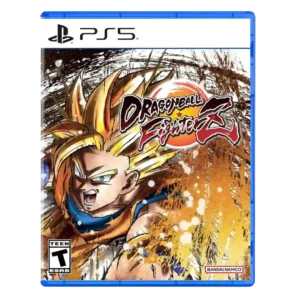
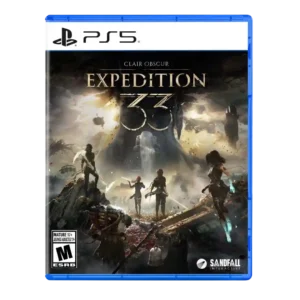
Accessibility is one of the best-supported positives. Reviews repeatedly cite easy inputs, auto-combos, simple commands, and pick-up-and-play design that help newcomers enter the genre.
Accessibility support is present, with optional help for combat inputs noted in at least one review.
AI behavior is criticized in story mode, where enemies are said to lack meaningful strategy or abilities. The evidence supports a low score for single-player AI challenge.
Free-aim shots that target enemy weak points are praised as a useful and satisfying combat option.
Animation quality is repeatedly praised through immaculate frames, anime-like movement, and detailed cel-shaded animation. The evidence supports a top-tier visual animation score.
Animation quality is a mild blemish rather than a disaster, as some cutscene animations are said to misfire despite the overall presentation.
Art direction is excellent. Reviews praise the cel-shaded look, anime-style presentation, and fast visual style as central to the product’s identity.
Art direction is one of the game’s most celebrated features, with multiple reviews praising its striking French-inspired visual identity.
The environments are described as dripping with atmosphere, underscoring how mood-heavy the presentation feels.
Optional superbosses and late encounters are specifically praised, making boss design one of the clearer strengths.
Bug frequency is supported mainly by the PS5 review’s custom-lobby connection problems. Evidence is limited but negative.
Bugginess exists but is usually framed as occasional jank rather than constant failure, outside of separate crash reports.
Camera presentation during counters is praised for making precise parries feel especially rewarding.
Character development is limited and mixed. The scored evidence focuses on Android 21, who is described as having an interesting enough storyline but also leaving the reviewer conflicted.
Character arcs, especially major party members, are said to grow meaningfully over the course of the narrative.
Checkpoints are seen as fair because deaths usually do not cost too much progress.
Party balance is viewed favorably because reviewers felt encouraged to use more than just one fixed trio.
Co-op experience has limited support through party matches where multiple players control characters. The evidence suggests an interesting feature but also notes setup limitations.
Combat is the product’s clearest strength. Reviews repeatedly praise the tag-team fighting, simple-but-varied systems, intensity, accessibility, and the way matches feel exciting even when the surrounding modes stumble.
Combat is singled out as a standout strength, with one reviewer calling it one of their favorite turn-based systems ever.
Community features are present through private fights, replays, chatting, emotes, stickers, and an online community. Functionality is useful but depends on the lobby and online experience.
Competitive balance is generally positive but not perfect. Reviews praise roster balance and team variety, while some note lower skill ceiling, repeated character slots, or offense-heavy play.
Content variety is generally solid, with story, arcade, local, online, tournament-style, and other modes mentioned. A few reviews still note roster or content limits, especially compared with expectations for Dragon Ball games.
Beyond the main path, reviews mention optional bosses, costumes, journals, and extra challenges, indicating strong content variety.
Controller impressions are mostly positive on Switch, with Joy-Cons and single-controller setups working better than expected, though one review calls attached Joy-Cons sub-par for fast movement.
The core loop lands well because the moment-to-moment fighting is repeatedly described as fun, frantic, and satisfying. Even critical reviews still point to the actual fighting as the main draw.
One review explicitly calls the mix of layered turn-based systems and action elements an outstanding gameplay loop.
Couch co-op and local play are supported through single Joy-Con play, local tournament options, and quick local battles. The evidence is favorable for casual local sessions.
Crash stability is a problem in the PS5 review, which reports a crash while searching for an opponent. The evidence is limited but clear.
Crash stability is mixed: some reviewers report no crashes, while another reports repeated crashes over a long review period.
Cross-play support is poor in the PS5 evidence, which states there is no crossplay with PS4 or other platforms.
Dialogue is a positive fan-service element. Reviews praise character-specific dialogue, Dragon Ball melodrama and jokes, and team conversations that reward series knowledge.
Dialogue is praised for sounding natural and conversational rather than stiff or overly expository.
Difficulty balance is uneven. Story fights are often called easy or flat, while arcade and hard paths add challenge and occasional spikes that some reviewers found frustrating.
Difficulty ramps toward a satisfying balance, rewarding mastery of parries and dodges instead of brute forcing encounters.
DLC value is a common caveat. Reviews complain about paying for DLC fighters, a pricey season pass, or expensive individual add-on characters.
The in-game economy is supported by currency earned through play and used for capsules. Reviews describe it as part of the unlock loop rather than a major balancing problem.
Resource and build management are seen as well balanced, with the Picto/Lumina structure offering flexibility without constant inventory churn.
Emotional impact is supported through nostalgia. One review explicitly describes a dopamine rush from recreated Dragon Ball moments, which supports a strong but fandom-dependent emotional score.
Several reviews stress that the story hits hard emotionally, especially around grief, catharsis, and human connection.
Endgame support is strong, with reviewers citing postgame challenges, long optional content, and New Game Plus difficulty extensions.
Enemy variety is weak in the story mode evidence, where one review describes repeated mindless clones. This supports a low score tied specifically to single-player enemy repetition.
Enemy encounters stay fresh largely because reviewers note meaningful variety in how foes behave and attack.
Environmental detail is supported by praise for precise character and background detail. Evidence is limited but positive.
Areas are described as richly detailed, with individual regions feeling distinct rather than recycled.
Exploring the world map is repeatedly framed as enjoyable, especially as traversal upgrades unlock more places to revisit and uncover.
Subtle expressions are specifically praised for helping scenes feel grounded and emotionally credible.
Faithfulness to franchise is exceptional. Reviews repeatedly call out Dragon Ball care, anime accuracy, fan service, source-material respect, and iconic scene recreation.
Travel gets easier over time thanks to shortcuts that help connect the world map and revisit earlier areas.
Frame rate stability is very strong. Multiple reviews cite 60FPS, no noticeable dips, and performance comparable to other platforms.
Frame rate is not flawless, with reported drops in quality mode even as the overall presentation remains impressive.
Fun factor is high where directly scored. Reviews call the game awesome and just as fun as expected, reinforcing the strong reaction to its combat and presentation.
Combat is described as a blast, reinforcing that the game is not just admirable but actively fun to play.
The mechanics are described as streamlined and accessible while still retaining enough depth. Reviewers tie the strong mechanics to simplified inputs, polished systems, and an approachable fighting structure.
Reviews describe the turn-based foundation plus reactive dodges/parries as engaging mechanics that keep battles active on both player and enemy turns.
Graphics quality is one of the most praised attributes. Reviewers repeatedly describe the game as stunning, fantastic, anime-like, crisp, and visually impressive across platforms.
Visual fidelity is consistently praised, with at least one reviewer saying the game looks phenomenal in both performance and quality modes.
Grind level is a story-mode drawback. Reviews call the story a grind and point to link-level grinding as part of the single-player structure.
The critical path is praised for avoiding filler, suggesting the game stays lean instead of turning into a long grind.
Handheld play suitability is excellent in Switch-focused reviews. Portability, commute play, and practice while traveling are repeatedly framed as major benefits.
The story leans dark enough that one reviewer says grimdark fans will be in their element.
HUD clarity is supported by one review saying the screen remains readable despite intense effects. Evidence is limited but favorable.
HUD readability is a weak point, especially for smaller text and menu elements.
Immersion is supported by the review that says the game looks, sounds, and feels incredible. Evidence is limited but positive.
Immersion is strong, with reviewers calling the game engrossing and easy to emotionally invest in.
Innovation is moderate-to-positive. Reviewers highlight a subtle mechanical reset and a refreshed arcade structure, but they do not frame the whole package as radically original.
Reviews praise Sandfall for introducing novel mechanics rather than simply copying older JRPG ideas.
The learning curve is widely framed as approachable but not shallow. Reviews describe easy entry, gradual depth, and enough room for advanced or hardcore players to improve.
The systems are considered complex but not overwhelming, suggesting a learning curve with depth rather than total opacity.
Level design earns praise for unique areas, though other reviews elsewhere note navigation issues rather than lack of visual identity.
Live-service support is a concern in the PS5 review, which says support had already wrapped up. The evidence is limited but relevant to long-term expectations.
Load times are a recurring weakness where discussed. Reviews mention long load times, dull or frequent waits, and slow transitions into lobbies or matches.
The loot system is discussed mainly through Z Capsules, which unlock cosmetic colors and other items. The evidence supports a neutral-to-mixed score because it exists but is not central to the experience.
Loot is described as straightforward but useful, centered on weapon variety and build-shaping equipment rather than clutter.
Lore depth is supported through fan-service moments that depend on Dragon Ball lore knowledge. The evidence points to meaningful franchise callbacks rather than a deep original mythology.
Collectible journals and expedition remnants add meaningful backstory, helping the wider setting feel deeper than the main plot alone.
Map and navigation design receives limited evidence through the hub-based mode navigation. The scored review describes how players engage with modes through the hub world rather than praising it strongly.
Navigation is mixed: some reviewers got lost in levels, while others appreciated map markers that keep the critical path readable.
Matchmaking quality is inconsistent. Some reviews found pairing manageable, but many mention long waits, difficulty finding opponents, or lobby issues that hurt online access.
Menu usability is mixed-to-negative because multiple reviews dislike the lobby-as-menu structure, forced extra steps, or confusing navigation, even when some menu shortcuts help.
Menu navigation is a recurring pain point once systems and options pile up.
Microtransaction impact is relatively low in most evidence. Reviews note cosmetic capsules, no real-money purchases in several versions, and generally inoffensive unlocks.
Microtransactions are explicitly absent in the cited review, which is framed as a major positive.
Mission variety is weak where directly discussed. The scored evidence points to repetitive tutorials within story mode rather than varied objective design.
Monetization fairness is mostly favorable in the scored evidence because capsules and currencies are described as earned in-game and not requiring real money.
Monetization is praised implicitly because one review highlights the game as a $50 single-player release with no microtransactions.
Movement is praised for feeling freeform, smooth, and well-paced. Reviewers point to dashes, tags, and the not-too-fast, not-too-long rhythm as key reasons fights stay readable and exciting.
Traversal is described as fun at a basic level, with jumping, climbing, and grappling giving movement some energy.
Multiplayer design is broadly positive, especially for local and online match variety. Reviews note human opponents, multiple match types, and opportunities to fight friends or family.
Narrative quality is the most consistently mixed area. Some reviewers found the story interesting, easy to play, or entertaining, while many criticized it as padded, thin, boring, cheesy, or not engaging.
The story is consistently described as a major strength and one of the best reasons to play.
The onboarding experience is praised where the game is described as a strong onramp into fighting games. The evidence centers on immediate accessibility without heavy tutorial burden.
The opening hours are praised for establishing stakes quickly and getting players into the action fast.
Online stability is mixed. Several reviews report stable matches, smooth netcode, or low lag, while others describe poor functionality, connection problems, or likely lag depending on setup.
The overworld earns praise for its classic RPG structure and optional discoveries, even if it is not a fully open sandbox.
Multiple reviews frame the game as genuinely unique even while drawing from familiar RPG influences.
Pacing is mixed. Combat is described as fast and furious, but story progression is criticized for dragging and asking players to settle in for a long haul.
Pacing is frequently highlighted as a strength, with the game moving quickly while still leaving room for optional detours.
Performance optimization is strong, especially on Switch. Reviews cite no slowdown, no frame dips, and strong overall technical execution.
At least one review reports strong performance numbers on PC, suggesting generally solid optimization on that setup.
Platform-specific features vary by version. Reviews mention Switch 1v1 and 2v2 options, PS5 4K and rollback improvements, and Switch cloud saves.
Platforming is a weak spot, with one reviewer calling it very finicky and not good at all.
Overall polish is strong when reviewers discuss presentation and port quality, though some interface and online problems prevent it from being flawless.
Polish is viewed positively overall, with reviews calling the package polished even if some technical rough edges remain.
Progression receives modest praise where reviewers mention match rewards, party leveling, and character swapping. It gives the single-player structure some direction, though it is not treated as a main strength.
Progression is praised for giving players many meaningful ways to build their party through attributes, weapons, and systems like Pictos/Lumina.
Gustave is explicitly described as wonderfully likable, pointing to a strong lead-character hook.
Puzzleing is barely present according to one review, suggesting puzzle design is minimal rather than a major feature.
Optional quests are viewed positively in at least one review, with comparisons to classic Final Fantasy side content.
Replay value comes mainly from continued combat mastery, tag experimentation, arcade play, and replay tools. Reviewers who liked the fighting say they wanted to keep digging into it.
Replay value looks strong for invested players, with at least one reviewer immediately wanting another playthrough.
Save system reliability is criticized in the review that says story mode did not autosave progress. The evidence is limited but sharply negative.
Server reliability is a weakness in the evidence. Reviews mention quitting problems and beta traffic crashing the game, so the score is below average despite some stable match reports elsewhere.
Reviews emphasize that party members feel human and that the game makes space for their motivations and personalities.
Skill trees are described as diverse enough to support real build variety without every character feeling interchangeable.
Social features are weak in the scored evidence because the hub does not allow meaningful chat or coordination. The feature exists, but the implementation is limited.
Sound design is positively supported. Reviews mention on-point sound design and explosive sounds that contribute to the intensity of fights.
Sound design is mostly praised for combat feedback, though at least one review criticizes weak traversal footstep audio.
Soundtrack quality is mixed. One review praises the music tracks, while another calls the music mostly forgettable, producing a moderate score.
The soundtrack is one of the most universally praised elements, with multiple reviews calling it exceptional or even all-time great.
Tutorial quality is sharply divided. Some reviews call practice or tutorial tools deep and comprehensive, while others say the tutorial is terrible, under-explained, repetitive, or poorly integrated into story mode.
Tutorialization is viewed positively because new character systems are explained carefully when they are introduced.
Upgrade materials are reported as generous enough that thorough exploration keeps weapon upgrading moving comfortably.
User interface design is a weak point in the strongest direct evidence, where the reviewer explicitly dislikes the interface.
UI design is stylish but divisive, with praise for presentation offset by complaints that clutter can get in the way.
Value for money is favorable overall. Reviews call it must-own, worth playing, a strong buy, and a top Switch fighting game, though the DLC caveats are handled separately.
At least one review argues the game delivers strong value by coming in below the standard big-budget price.
Visual effects are a major strength. Reviews cite screen-filling attacks, explosive combat, energy beams, auras, and dramatic finishes that sell the Dragon Ball fantasy.
Particle effects and flashy combat flourishes are highlighted as a major part of the game’s visual spectacle.
Voice acting is positively supported by the review that calls the voiceovers very well done. The evidence is limited but favorable.
Voice performances from the cast are repeatedly treated as a major asset that helps the story land emotionally.
World-building is a standout, with reviewers treating the setting itself as a memorable character full of identity and mystery.
Writing quality varies by context. Reviewers criticize the main story, but also point to genuinely funny moments, humor, and character exchanges as bright spots.
Writing is praised for being among the best in games by one review, especially in how it handles character and theme.