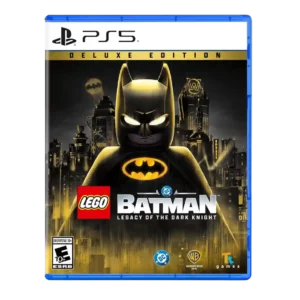
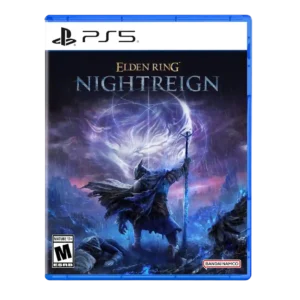
Accessibility is supported through simple controls and TT Games' stated intent not to lose immediacy, with hands-on impressions praising ease of control.
The game is described as accessible without feeling too childish, suggesting the tone can work for younger players while still appealing beyond children.
NPC behavior is described positively where Gotham pedestrians interact with objects instead of wandering aimlessly, suggesting livelier ambient AI in the explored area.
One review says enemy AI can break down under three-player pressure, making some encounters feel messy.
The demo's animation is described as solid, with no deeper animation breakdown beyond that first-hand impression.
One review says the animations, along with the broader presentation, can look absolutely stunning.
The visual style earns strong praise for its bricky Gotham presentation, neon-and-grime city look, and broad range of Batman suit designs.
One review says the fantasy art direction remains striking even within a heavily reused asset base.
Atmosphere is supported by Gotham's visual tone and an ambient musical style that reminded one preview of Burton-era Batman films.
One review says the run-based structure sacrifices some of Elden Ring's melancholy scenic presence.
Boss design is lightly but positively supported, with one hands-on preview calling the bosses fun and pairing them with chase sequences.
Boss design is one of the clearest strengths, though some reviews say the health pools can make those fights drag.
Bug frequency appears low but not absent: one preview reports minor demo bugs that fixed themselves and seemed likely to be cleaned up.
One review describes the game as having minimum bugs alongside decent performance.
Camera behavior is supported by developer comments about an immersive camera system carried forward from recent LEGO design changes.
One review says the lock-on camera can feel like it is fighting the player in crowded battles.
Character development is a clear focus, with comments about upgrading skills, fleshed-out heroes, and Batman-family progression across the story.
One review says the character-specific storylines are surprisingly well done and help the Nightfarers stand out.
The Nightfarers are usually described as distinct, useful, and broadly well balanced.
Local co-op is confirmed and framed as available for the entire game, though broader multiplayer limitations affect the overall co-op picture.
Co-op is one of Nightreign's biggest strengths, especially when the team is coordinated and communicating well.
Combat is one of the strongest repeated positives, described across previews as fluid, Arkham-inspired, punchy, deeper than expected, and very fun.
Combat is often described as excellent and energized by the new format, though one review finds it uneven in practice.
Companion AI is supported by one hands-on note that a partner can automatically take down a nearby second enemy during stealth.
Content variety looks broad, with action, puzzles, suits, vehicles, collectibles, Batcave customization, open-world activities, and a large Batman-media toybox repeatedly mentioned.
Class and run variation help, but repeated points of interest and repeated encounters keep variety from feeling fully convincing.
Controls are consistently praised as straightforward, intuitive, and responsive, with one later preview saying there was nothing to complain about.
The core loop is described as deeper than older LEGO games and fun in practice, especially through combat, traversal, puzzles, and exploration.
The core loop is compelling and fast to click with, but one review says repetition eventually wears the format down.
Couch co-op is treated as part of the LEGO identity, but the supporting review also stresses that online co-op is missing.
The lack of cross-play is a repeated and unanimous negative across the supporting reviews.
Dialogue quality has limited but positive evidence, including attention to Red Hood lines that hint at his later identity.
Difficulty balance appears flexible, with tougher settings, multiple options for different experience levels, and a stricter mode that can fail a mission after repeated deaths.
Difficulty is a major pain point, especially in solo play, with several reviews calling the balance harsh or overtuned.
Deluxe content receives mixed support: one buyer guide values the Mayhem Collection because it adds gameplay content, while another notes that Mayhem mode is locked behind the deluxe edition.
Driving impressions are positive overall, with previews praising Batmobile travel, handling, and vehicle variety, though one demo player caused a few crashes while driving.
The economy is only lightly supported, with studs identified as the currency for unlocking characters, weapons, vehicles, and other items.
One review highlights strong emotional swings, with co-op runs creating wonder, frustration, and euphoria.
One review says there is still plenty to finish and collect even after a long time with the game.
Enemy variety is supported by one detailed hands-on preview describing different enemy types that require smarter play and altered tactics.
One review says rotating mini-bosses help encounters stay fresher than pure reuse would suggest.
Environmental detail is a major strength, with Gotham praised for non-repetitive shops, detailed city dressing, and small interactive touches.
One review says the terrain and environmental variety feel careful, purposeful, and visually striking.
Exploration is repeatedly highlighted as a major draw, with Gotham described as fun, dense, vertical, rewarding, and full of activities.
Exploration has real appeal when teams learn the map, but the timer can sharply limit how much wandering feels viable.
Faithfulness to Batman is one of the clearest strengths, with coverage emphasizing Arkham influence, Batman-media references, and reverence for the wider franchise.
The spin-off still preserves Elden Ring and FromSoftware combat DNA strongly enough to satisfy series fans.
Family friendliness is supported by the game being described as all-ages, kid-friendly, sanitized, and accessible without becoming too childish.
Flying and gliding are consistently praised, with previews enjoying rooftop traversal, cape movement, air currents, and strong movement options.
Frame-rate stability varies by setup, with some reviewers seeing slowdown and others reporting mostly smooth performance.
Fun factor is very high across hands-on reactions, with several previews calling the demo or game simply fun and immediately engaging.
When the conditions are right, the game is consistently described as exciting and very fun.
Gameplay mechanics are described as deeper and broader than older LEGO games while still retaining recognizable LEGO charm and Batman action-adventure structure.
Reviews praise the underlying systems for balancing speed, routing, and streamlined build rules, though one review says the structure can still feel restrictive.
Graphics quality receives positive evidence from the demo, with clean visuals and a fantastic-looking Gotham noted in hands-on coverage.
Visual presentation is broadly praised, ranging from perfectly fine to gorgeous, even when reuse is obvious.
One review says the repeated setup before Nightlords turns the experience into a grind.
HUD scanning is described as useful because Batman can highlight enemies and interactable objects, making the demo easier to read during exploration and combat.
One review says the game throws varied locations and unexplained icons at players, hurting immediate clarity.
Immersion is supported by developer discussion of a more immersive camera system, though most other evidence is tied to broader Gotham and atmosphere impressions.
Innovation is supported by repeated descriptions of a new LEGO direction that adds more mature stealth, deeper systems, and a broader Batman-focused structure.
The learning curve appears gentle, with one demo noting that intuitive controls did not take long to pick up.
The learning curve is steep because the game expects fast system knowledge and a lot of failure-driven learning.
Level design is praised for larger, more substantial missions and vertical spaces, with one detailed preview describing the demo's open-ended and linear sections.
Loot can meaningfully shape builds and often feels purposeful, though randomness sometimes withholds the tools players want.
Lore depth is supported by discussion of the game's use of decades of Batman material as a source base.
Lore is lighter than base Elden Ring, but one review still finds enough mystery to fuel speculation.
Map and navigation design is supported by references to a massive map, multiple islands, and a free-roam structure with collectibles and activities.
One review says the map can feel cluttered and unintuitive even if it still gives teams enough guidance to move.
Matchmaking is inconsistent across reviews, ranging from quick and painless to unreliable.
Menus and information tools are usable but not especially welcoming or clear to parse quickly.
Microtransaction impact is supported by one preview stating there are no microtransactions, though other coverage discusses paid deluxe content rather than microtransactions.
Mission design is a strong positive, with previews praising a focused microcosm, lengthy missions, original story setup, and one well-structured demo mission.
Mission variety is supported by one hands-on breakdown describing puzzle solving, free roaming, combat approaches, collectibles, and character use inside the mission.
Monetization fairness is cautiously positive in one buyer guide, which says the standard edition should still be valuable despite deluxe extras.
One review explicitly notes that the game is not expected to add microtransactions later.
Movement feel is widely praised as snappy, momentum-rich, fluid, and quick, with only one minor gliding-turn caveat elsewhere in the same preview.
One review says movement is noticeably faster and more agile, which fits the run-based format well.
Multiplayer design is mixed to weak because local co-op is present, but multiple previews point out that online co-op is not available.
The trio-first multiplayer structure is clear, but repeated complaints about missing duos and limited comms drag the design down.
Narrative quality is praised for blending Batman interpretations, using an original story, covering Batman's origins cohesively, and balancing LEGO humor with serious beats.
Most reviews that discuss the story treat it as light scaffolding rather than a major strength.
Onboarding evidence is limited but positive, with one demo placing players into combat and letting them learn the controls on the fly.
Basic class pickup is approachable, but newcomers can still feel overwhelmed once the run starts moving.
Online stability is uneven, with some reports of lag or netcode issues and others seeing only occasional disconnects.
Open-world design is one of the strongest areas, with Gotham described as vibrant, deep, broad, larger than prior references, freely explorable, and packed with activities.
The semi-randomized map structure and shifting conditions help the world feel dynamic despite the fixed overall space.
Originality is supported by descriptions of a new chapter for TT Games and hands-on comments that the game feels like its own thing despite Arkham inspiration.
Reviewers see real invention in the co-op roguelike pivot, even if the game also leans heavily on reused assets.
Pacing is supported by one detailed preview that calls the demo mission well-paced, moving from open-ended setup into a more linear section.
The pace is intentionally frantic and fast, which some reviewers find thrilling and others find exhausting.
Performance optimization is supported by one demo impression that found no performance quirks or issues during play.
One review reports acceptable overall performance but still flags frame drops and uneven smoothness.
Platform-specific feature support is uncertain for Switch 2, with one buyer guide noting that version lacked an official release date at the time of recording.
Platforming has limited but positive support, with one preview noting that platforming is back alongside more advanced stealth.
Polish is strongly supported by one hands-on impression calling the game extremely well polished, despite separate minor demo bugs.
One review describes the overall package as quite well polished despite its rough edges.
Progression is supported through character skill development and collectible-based upgrades, though one hands-on preview preferred a more traditional level-up feel.
Run-to-run progression has strong momentum, but the relic layer is often described as thin, random, or inconsistent.
Protagonist appeal is strongly supported by coverage describing the game as a love letter to Batman and his wider media legacy.
Puzzle design is generally positive but slightly mixed, with some praise for gadget-based puzzles and one early preview finding puzzles too simple.
Quest design has limited support through references to side activities, random events, and familiar foes in Gotham.
Remembrance and objective-based questing adds direction, but one review says some steps can be frustrating to parse.
Replay value is supported by the large collectible spread, suit unlocks, vehicles, and Batcave props mentioned across previews and buyer guidance.
Randomness and the one-more-run pull give Nightreign strong replay hooks, even if some reviewers say the cadence turns rote.
Sandbox freedom is supported by coverage saying Gotham can be explored freely and at the player's own pace.
Side character depth appears stronger than older roster-heavy LEGO games, with sidekicks and Bat-family members described as distinct and varied.
Skill tree depth is only lightly supported: one preview found skill bricks and expected them to feed a skill tree, but the full system had not been shown.
Social tooling is weak overall, with repeated complaints about missing voice or text chat and limited in-game communication.
Sound design is positive based on good audio design and sound effects that help make the action feel distinct.
Sound design and audio impact are broadly praised across the reviews that discuss them.
Soundtrack quality has limited but positive evidence from one preview praising the ambient music's 1980s flair.
The soundtrack is a consistent strength, with boss and overall musical presentation repeatedly singled out.
Stealth mechanics are a notable surprise, with multiple previews describing vents, optional stealth, vertical takedowns, shadows, and a more advanced LEGO stealth system.
Tutorial quality has limited evidence from a demo that starts players in combat and lets them learn controls on the fly.
Upgrade systems are supported by Wayne Tech, gadget upgrades, and overworld collectibles that feed into gear improvement.
User interface design is lightly supported by combat prompts that show which button to press during Arkham-style actions.
Interface readability needs work, with cluttered maps and weak completion signaling drawing criticism.
Value for money is mixed: the deluxe edition may justify its premium for some, but the standard edition is also described as plenty valuable.
The lower asking price is repeatedly framed as fair or strong value for the package on offer.
Visual effects quality has limited positive support from one preview noting that the visual representation helps the combat feel distinct.
One review praises the Nightlord spectacle for delivering especially strong visual flair.
Voice acting receives strong but limited support from one hands-on preview that calls the game wonderfully voice-acted.
Voice acting gets some praise, but another review says it does not reach the standard of earlier Souls titles.
Weapon balance is mixed, with one preview praising Gordon's foam tool and another saying Gordon's gadgets felt stronger than Batman's in the demo.
Weapon and build choices can feel flexible and meaningful, though some classes or loadouts come off weaker than others.
World-building is supported by one preview saying the game effectively straddles LEGO and Batman source material.
One review says the borrowed Elden Ring world still does a lot of heavy lifting for curiosity and appeal.
World interactivity is a repeated strength, with NPC interactions, LEGO building, shop activity, pedestrian waving, and small world objects called out.
Writing quality is positive, with praise for jokes, banter, accessible plotting, and humor that does not undercut serious story moments.
One review says the character writing in Remembrances is especially poignant for a FromSoftware game.