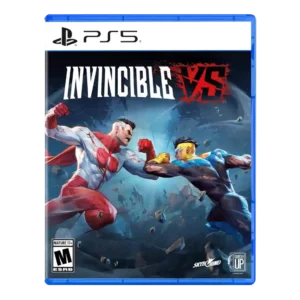
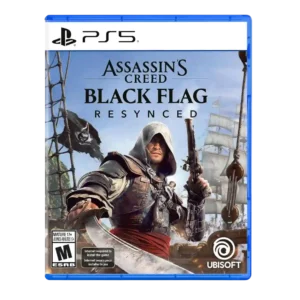
A content creator mode that reduces extreme deaths is the clearest supported accessibility-style option. The reviews do not provide a broad accessibility menu breakdown beyond that.
Age appropriateness is low for younger players because the preview describes exploding heads, decimated bodies, and blood everywhere. The evidence supports mature-audience suitability rather than broad age accessibility.
Supported reviews say detection and mission AI should react more flexibly than the original, though one reviewer still noticed enemies waiting their turn in combat.
Animation is mostly praised for action sequences, smoothness, and show-like movement, but one technical impression notes stiffness in some neutral states and locomotion.
Animation coverage is generally positive, citing modern motion capture, smooth character movement, and reanimated combat, though the evidence is still preview-based.
Art direction is consistently praised for being unique, stylized, and faithful to the source identity. Some sources prefer its coherence over photorealistic technical showmanship.
The visual direction is praised by the cited reviewer, while also acknowledging that some players may feel the brighter remake loses some original soul.
Atmosphere is built around gore, brutality, chaos, and destruction. Sources consistently frame the tone as unmistakably Invincible rather than sanitized.
Reviewers repeatedly highlight the livelier Caribbean mood, brighter lighting, stronger weather, stormy seas, and more sensory presentation as major atmosphere gains.
Bug frequency was a beta concern, with reports of glitches, exploits, and goofy issues. Later patch discussion suggests the developers acknowledged problems and were tuning them.
Camera behavior is positively supported through dynamic camera work in cinematic moments. The evidence relates mostly to supers and overkills, not normal match readability.
Only one preview directly raised camera behavior, criticizing a harsh view change during assassination animations.
Character development evidence is limited but present through story stakes around Mark and the Guardians and Powerplex’s emotional framing. This supports character motivation more than broad arc depth.
Character-development evidence centers on added Edward-focused material, his internal struggles, and a new scene with his wife, all framed as fleshing out the story.
The major checkpoint-related improvement is that stealth detection no longer automatically desynchronizes the player during the revamped tailing and eavesdropping missions.
Class balance is supported by archetypes, range roles, zoners, and distinct character designs. The balance picture is mixed because some beta impressions also describe major jank.
Combat receives strong praise for impact, tactics, spectacle, and weight. Several sources call out satisfying hits and deep defensive mechanics, while the more critical coverage still treats the fighting system as the main attraction.
Combat is one of the most covered upgrades, with repeated mentions of perfect parries, faster attacks, chain takedowns, more tool use, and a less passive counter-only feel.
Community features are lightly supported through cross-platform play, matchmaking, rollback netcode, and global leaderboards. No deeper clan, guild, or in-game community tools are described.
Competitive balance is one of the biggest caveats. Sources praise counterplay, but beta-focused reviews call out character-strength gaps, excessive damage, and later tuning to reduce solo touch-of-death routes.
Content variety is a strength across previews, with a large roster, different fighting types, team-building, and multiple characters to experiment with. Several sources specifically point to launch roster size or roster expansion.
The evidence points to new chapters, new story content, crew additions, and fresh quests, while still keeping the base single-player Black Flag structure.
Controls are mixed. Some sources praise simplified inputs and auto-combo teaching tools, but one negative beta impression says the game fails to explain buttons clearly and feels harder to control than it should.
Control-related comments are positive, especially around reduced old-control friction, tighter movement, and a smoother, more reactive feel.
The core loop centers on 3v3 tag fighting, active swaps, and combo extension. Most sources frame that loop as the heart of the game, though one beta review says its tag guessing can feel like rock paper scissors.
The core loop is consistently framed as old-style action adventure rather than an RPG, preserving the single-player Edward Kenway adventure while modernizing combat and stealth.
Crash stability is supported only by patch-focused coverage saying most crash-causing issues were fixed. The evidence suggests improvement, but not enough to claim perfect stability.
Cross-play support is directly mentioned alongside online multiplayer and leaderboards. The evidence supports a strong score for this specific feature.
Dialogue gets positive mentions for character-specific intros and unique exchanges before fights. The quoted evidence supports flavor and fan-service dialogue rather than a full script evaluation.
Difficulty balance is split. Multiple hands-ons praise the low barrier and high ceiling, but beta criticism says casual players can fail quickly and touch-of-death pressure can feel harsh.
Reviewers expect combat to be less trivially easy through tighter parry timing and limits on chains, though one preview worries slow-motion cues could soften the challenge.
DLC value is supported by planned Year 1 characters, quarterly support, and deluxe/season-pass references. The evidence is based on announced content rather than final character quality.
DLC coverage is consistently negative because the remake does not include the original DLC content, especially Freedom Cry.
Naval handling is treated as a strength, with weather-influenced waves, ship handling, and mostly familiar Black Flag sailing updated rather than replaced.
Resource systems add strategic weight through power bars, recoverable health, boost use, and meter management. The evidence frames resource decisions as central to both offense and defense.
The story is expected to lean into emotional intensity and psychological consequences. Sources tie this directly to Invincible’s broader themes rather than only fight spectacle.
The supporting review links more expressive faces to the potential for stronger emotional delivery in the story.
Only one source directly mentions new enemy variety, citing a new Demolitionist enemy with a blunderbuss-style role.
Environmental detail is strong in the evidence, especially city destruction, snow and rock reactions, arena crumbling, and ruined structures. Sources tie the stages directly to superhero-scale impact.
Environmental detail is one of the most praised areas, with sources citing livelier towns, high-resolution textures, improved scenery, and richer Caribbean spaces.
Exploration evidence points to added locations, more expansive underwater areas, and bigger-feeling environmental upgrades rather than a larger core map.
Facial animation evidence is mixed. One early build lacked proper lip syncing, while Powerplex coverage praises exaggerated facial features that match his emotional state.
Facial animation impressions are mostly positive, with handcrafted faces and more expressive characters, though one preview describes the results as hit or miss.
Faithfulness to the franchise is one of the strongest areas. Many sources say the game nails the show’s vibe, preserves the visual language, reflects character demeanor, and feels like an episode of Invincible.
The strongest faithfulness evidence is that the remake preserves Edward's story, the non-RPG action-adventure structure, and the recognizable Black Flag identity.
Family friendliness is low because the same review emphasizes unapologetic brutality. No supplied review frames the game as family-oriented.
Flying and aerial movement are repeatedly highlighted through characters such as Atom Eve, Invincible, and Powerplex. Sources praise hovering, air dashes, and aerial attacks as meaningful parts of positioning and character identity.
Frame rate stability is directly praised in local play, with one source reporting a locked 60 frames per second without noticeable drops. The evidence does not prove every platform or online condition.
Frame-rate evidence is technical rather than hands-on, citing uncapped PC frame rate support and console 60 fps options, not verified launch stability.
Fun factor is broadly positive but not universal. Many sources say it is fast, fun, joyful, or must-play, while one negative beta impression says many players may not have fun because of complexity.
Fun-factor evidence is limited but positive, with previews describing the remake as off to a strong start and compelling enough to pre-order.
The game is described as systems-heavy, with assists, projectiles, meter use, defensive options, and universal mechanics. Positive hands-ons praise the depth, while beta-focused impressions note that jank and complexity can dominate.
Gameplay mechanics are broadly supported through claims of rebuilt systems, enhanced gameplay features, core gameplay changes, and stronger moment-to-moment play.
Graphics are generally positive, with praise for character models, gorgeous visuals, show-matched visual language, and a stylized look. One review notes the visuals are not trying to compete on photorealism.
Graphics are the most consistently praised category, with sources highlighting modernized lighting, textures, water, character detail, and a strong visual leap over the original.
Handheld suitability is supported by technical coverage of dedicated presets for devices such as Steam Deck or ROG Ally.
HUD clarity has direct post-beta support, with coverage noting improved clarity for Wi-Fi and wired indicators. The evidence is focused on a specific HUD fix rather than the whole interface.
HUD clarity is mixed because one preview notes the old minimap is replaced by a compass, making the change partly a matter of preference.
Immersion is a clear strength, with sources describing authentic universe feel, full-episode energy, superhero power fantasy, and living out character fantasies.
Immersion evidence points to the Anvil rebuild, stronger world realism, and enhanced gameplay features that keep the player in the Caribbean fantasy.
Innovation is supported by the combo meter reset concept and Powerplex’s just-frame mechanic. The evidence points to some distinctive system ideas inside a familiar tag-fighter format.
The learning curve is a major tradeoff. Several reviewers describe quick early pickup and satisfying basic combos, but others call the game encyclopedic or overloaded with information.
Stages include recognizable locations and environmental touches, but one hands-on notes the arenas are relatively flat. The evidence supports solid presentation more than highly varied stage geometry.
Level-design evidence focuses on livelier towns, more climbable scenery, detailed paths, extra NPCs, and improved draw distance.
Live-service support appears planned and active through roster reveals, DLC, post-launch support, beta cleanup, and patch notes. The evidence supports intent, not long-term execution yet.
Load-time coverage is mostly positive thanks to seamless areas and docking, though PC storage choices may still affect streaming or load behavior.
Loot evidence is limited to one preview describing new outfits and weapons placed in added locations.
Lore depth is lightly supported by character design discussion that says the team looked at Powerplex’s lore. The evidence is specific rather than broad.
Lore depth is mixed: new rifts and Edward-focused material are promising, but removal of the original modern-day framing leaves some story implications unresolved.
Navigation evidence is mixed, with weather-based sea navigation and a returning notoriety indicator praised while the minimap-to-compass change may divide players.
Matchmaking quality is mixed. One preview found opponents quickly and informational coverage lists skill-based matchmaking, while beta coverage reports rage quitters, ranked placement problems, and player-base concerns.
Menu usability is mixed. Sources mention arcade, training, multiplayer, and launch modes, but one negative impression says the player had to pause repeatedly to find controller information.
Only one preview directly raises microtransaction concerns, criticizing cosmetic pet sales and unique-perk bonuses as potentially troubling.
Mission design is repeatedly described as improved through less punishing tailing and eavesdropping, more ways to progress, and better adaptation after detection.
Mission variety is supported by new chapters, fresh quests, and six hours of mostly story-focused content.
Monetization fairness is generally positive because the base price is repeatedly described as cheaper or reasonable. The season pass and deluxe pricing are mentioned, but no review frames them as predatory.
Monetization coverage is limited and cautious, based on pre-order and perk-related concerns rather than broad evidence of intrusive monetization.
Movement is a recurring strength, especially air dashes, boost movement, and character-specific mobility. One technical preview still notes that ground movement can feel slower than the overall pace suggests.
Movement feel is broadly positive thanks to fluid parkour, back and side ejects, and freer running, but some previews worry about slower pacing or sluggish transitions.
Multiplayer design is central and heavily covered, with active tags, assists, local versus, online play, combo breakers, and casual lobbies. The main caveat is that some beta players found tag guessing and breaker interactions frustrating.
Multiplayer scores low because the original PvP mode is absent from this remake, even though several sources expected that cut.
Narrative coverage is positive and focused on originality. Sources describe a story mode, a wholly original story, and a non-retelling approach connected to the show’s universe.
Narrative coverage is positive overall, emphasizing added story quests, new scenes, expanded arcs, and a focus on Edward's single-player adventure.
Onboarding has real strengths through auto-combos, simple inputs, and newcomer-friendly entry points. However, the more critical coverage argues that the tutorial and complexity can still overwhelm first-time players.
Online stability is unsettled. One preview had no connection issues, but beta and alpha impressions report bad connections, rollback inconsistency, and matches swinging from excellent to terrible.
The open world is described as familiar in size and identity but more seamless, more detailed, and easier to move through without visible loading interruptions.
Originality is supported by an original story and presentation that sets itself apart from other 2D hero fighters. The evidence is strongest on narrative and adaptation choices.
The game is repeatedly described as fast and direct. Story-mode coverage also frames the narrative as episode-length rather than padded, supporting a brisker pacing profile.
Only one review directly comments on pacing, noting that the parkour appears slower than the original in some footage.
Performance optimization is promising but not fully settled. One review reports locked 60 FPS locally, while post-beta coverage mentions balance and launch updates still underway.
Performance evidence is incomplete but promising, with technical support such as a benchmark tool and upscalers, while one preview warns final performance remains unknown.
Platform support looks strong on PC, with DLSS, FSR, XeSS, HDR, ultrawide support, and detailed preset coverage.
Platforming precision is mixed: new side/back ejects and jumps are welcome, but two previews flag a slower or stop-start feel in some movements.
Polish is mixed. Early builds lacked some lip syncing, beta issues could still need fixing, and one source says neutral animation and locomotion still needed polish.
Polish impressions lean positive, with several previews describing the remake as not corner-cutting and expanded in the right areas, though launch proof is still pending.
Progression evidence includes weapons with unique perks, outfit perks moved into trinkets, and the returning notoriety or fleet-style progression cues.
Protagonist appeal is supported by a GamesRadar hands-on centered on the Omni-Man fantasy and commanding Viltrumite power. The evidence is narrow but positive.
Edward Kenway remains central, with new material focused on his internal struggles and personal story rather than replacing the original protagonist.
Quest-design evidence is limited but positive, centered on new crew-specific quest lines.
The remake quality consensus is strong: sources repeatedly describe it as rebuilt from the ground up, visually reworked, and more than a simple remaster.
Replay value is supported mainly by the roster and playstyle experimentation. The evidence points to character variety as a reason to keep trying new teams.
Sandbox freedom is supported by comments about shaping the adventure, open-world freedom, and letting players adapt instead of restarting missions.
Server reliability has limited support from post-beta discussion of ranked data bottlenecks. The evidence indicates backend problems were identified rather than fully proven solved.
Side character depth is supported by roster discussion and playstyle breakdowns. Sources emphasize many characters to choose from and detailed roles across the cast.
Side-character depth is a major addition, with new officers, individual questlines, and expanded arcs for familiar characters such as Blackbeard and Stede Bonnet.
Social features have limited support from one hands-on describing the game as a bonding experience. The evidence points more to local or party appeal than built-in social systems.
Sound design evidence is narrow and mixed, with one reviewer noting the original kill animations lacked sound impact while discussing the remake's combat presentation.
Soundtrack quality has only light support from one reaction that calls out the music. The evidence is positive but too limited for a broad audio judgment.
Soundtrack coverage is positive, with multiple sources confirming classic shanties, new shanties, and new music.
Stealth is one of the most improved systems, with crouching, revised detection outcomes, and less punitive tailing rules frequently cited.
Tutorial quality is mixed to negative overall. One informational source describes tutorials and training, while beta impressions complain the game has too much to learn and that the tutorial fails to explain inputs well.
The upgrade system appears deeper through alternate-fire Jackdaw weapons, officer abilities, ship upgrades, and weapon perk changes.
User interface design has limited mixed evidence. One technical impression says interface parts still seemed in development, so the score stays cautious.
UI evidence is mixed, with one source noting a tool-selection window and another finding the on-screen UI somewhat messy.
Value for money is generally favorable because multiple sources point to the lower $49.99 price or recommend launch for fans. The main caveat is that uncertain online longevity may make competitive players wait.
Value is mixed: the remake adds major upgrades and new content, but several sources question the package because multiplayer and DLC are missing and pre-order caution remains.
Visual effects are a major strength, from blood and battle damage to 2D impact effects, cinematic overkills, particle effects, and screen spectacle. This is one of the most consistently supported praise areas.
Visual effects are strongly praised, especially ray tracing, lighting, water rendering, reflections, and more colorful presentation.
Voice acting is a noted strength. Sources mention returning actors, close voice matches, a popular cast, and show-linked creative involvement, though not every original actor appears to return.
Voice-acting evidence is limited but positive because Matt Ryan is identified as returning as Edward.
World-building is supported by the franchise’s explosive source material and an alternate Nolan-led Viltrumite invasion premise. The evidence points to a familiar universe with new scenario framing.
World-building evidence is limited but positive, pointing to distinct city atmosphere and denser NPC presence.
Stage interaction is one of the clearest spectacle strengths. Reviews describe orbit-breaking hits, destructible arenas, and environments that shatter or transition as fights escalate.
World interactivity is supported by weather that affects sailing, livelier storm conditions, and environmental changes that influence play.
Writing quality is supported by comments about the story’s different spin, cinematic mode, witty dialogue, high-stakes melodrama, and denser themes. The evidence is promising but mostly preview-based.
Writing quality is cautiously positive, with praise for Edward-focused additions and returning writer involvement, balanced by concern over integration.