App reliability
P1
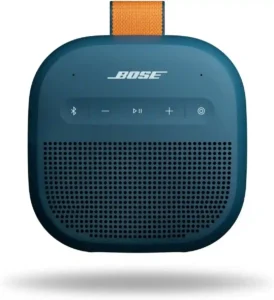
Product 1: Bose SoundLink Micro 2
3.6
App impressions are mixed: reviewers liked navigation or convenience in some cases, but criticized the app and EQ as basic or barebones.
P2
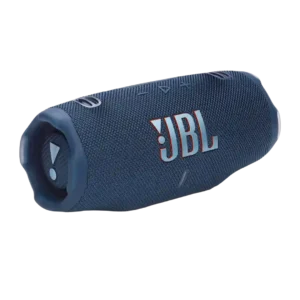
Product 2: JBL Charge 6 Portable Bluetooth...
4.3
The JBL Portable app is mostly praised as easy, stable, and attractive, although one reviewer wanted better power controls from the app.
Audio format support
P1
Product 1: Bose SoundLink Micro 2
2.5
Audio format support is limited in one review, which criticizes the lack of high-resolution audio support.
P2
Product 2: JBL Charge 6 Portable Bluetooth...
5.0
Audio format support is strong for USB-C lossless or hi-res playback, with reviewers hearing clearer, deeper sound in that mode.
Battery life (if portable)
P1
Product 1: Bose SoundLink Micro 2
3.1
Battery life is divided: reviewers appreciated the upgrade from the original, but several measured or warned of much shorter runtime at loud volume.
P2
Product 2: JBL Charge 6 Portable Bluetooth...
4.2
Battery life is generally praised as long enough for outdoor use, but real-world tests varied and Playtime Boost often trades sound quality for extra time.
Bluetooth codec support
P1
Product 1: Bose SoundLink Micro 2
4.2
Codec support is generally praised for SBC, AAC, and aptX Adaptive or Snapdragon support, though some reviewers downplay its importance on a tiny mono speaker.
P2
Product 2: JBL Charge 6 Portable Bluetooth...
2.8
Bluetooth codec support is limited to basic SBC and AAC, which reviewers treat as normal but not especially strong.
Bluetooth connection stability
P1
Product 1: Bose SoundLink Micro 2
4.5
Connection stability is praised in the two reviews that assessed it, with no connectivity issues and seamless pairing.
P2
Product 2: JBL Charge 6 Portable Bluetooth...
4.4
Bluetooth stability is generally positive, with reviewers citing stable connections, strong connectivity, and no hiccups.
Bluetooth range
P1
Product 1: Bose SoundLink Micro 2
4.5
Bluetooth range tested well in one review, which confirmed Bose's claimed detection range.
P2
Product 2: JBL Charge 6 Portable Bluetooth...
4.0
One review measured usable wireless range at about 40 feet before stuttering.
Charging time
P1
Product 1: Bose SoundLink Micro 2
4.0
Charging time is viewed positively in one review, which found the second generation recharges faster than the old model.
P2
Product 2: JBL Charge 6 Portable Bluetooth...
3.0
Charging time is only judged once, and the three-hour full recharge is described as fairly leisurely.
Cohesive presentation
P1
Product 1: Bose SoundLink Micro 2
3.2
Cohesion is mixed: vocals and harmonies can work neatly, but complex tracks or mono layering can sound hollowed out or hard to separate.
P2
Product 2: JBL Charge 6 Portable Bluetooth...
5.0
Cohesive presentation is praised in the hi-res USB-C context, where the frequency range becomes more unified.
Control button responsiveness
P1
Product 1: Bose SoundLink Micro 2
4.5
Button feel is praised in the reviews that assessed it, with tactile, responsive controls and pleasant clicks.
P2
Product 2: JBL Charge 6 Portable Bluetooth...
4.9
Physical buttons are consistently praised as reliable, clicky, tactile, and responsive.
Design and aesthetics
P1
Product 1: Bose SoundLink Micro 2
4.2
Design is strongly praised for compact shape, premium feel, color choices, stand-up ability, and stylish practicality.
P2
Product 2: JBL Charge 6 Portable Bluetooth...
4.8
Design sentiment is positive overall, with praise for the stable base, sturdy build, color/design choices, and attractive portable form.
Detail retrieval
P1
Product 1: Bose SoundLink Micro 2
3.3
Detail retrieval is mixed: reviewers praised nuance and synth-line detail, but others heard lost nuance, limited clarity, or less top-tier detailing.
P2
Product 2: JBL Charge 6 Portable Bluetooth...
4.1
Detail retrieval is a strength, with reviewers hearing clearer instruments, subtle transients, and small background details.
Distortion at high volume
P1
Product 1: Bose SoundLink Micro 2
2.6
High-volume behavior is mixed to weak: one reviewer heard less distortion than before, but others reported compression, shrill treble, or muddy overdriven sound when pushed.
P2
Product 2: JBL Charge 6 Portable Bluetooth...
3.3
High-volume performance is mixed: several reviewers heard loud, clear output, while others reported harsh mids, cranky highs, muddy bass, or minor distortion at high volumes.
Drop resistance durability
P1
Product 1: Bose SoundLink Micro 2
4.4
Durability is strongly praised, with reviewers calling it rugged, drop-resistant, premium-built, and able to survive rough handling.
P2
Product 2: JBL Charge 6 Portable Bluetooth...
4.7
Durability is one of the strongest areas, with reviewers repeatedly describing the speaker as rugged, drop-ready, lifeproof, or nearly indestructible.
EQ customization
P1
Product 1: Bose SoundLink Micro 2
2.8
EQ customization is mixed to weak: reviewers appreciate having EQ, but many call it basic, barebones, or ineffective.
P2
Product 2: JBL Charge 6 Portable Bluetooth...
4.4
The seven-band EQ is widely praised as a major upgrade and a powerful customization tool, though some reviewers wanted better presets or expected frequent tweaking.
Everyday usability
P1
Product 1: Bose SoundLink Micro 2
4.7
Everyday usability is praised for grab-and-go use, desk listening, shower use, biking, backpacking, and high portability.
P2
Product 2: JBL Charge 6 Portable Bluetooth...
4.3
Reviewers frame it as an enjoyable everyday speaker for outdoor barbecues, campfire hangs, and portable fun.
Float capability
P1
Product 1: Bose SoundLink Micro 2
2.0
Float capability is a weakness where mentioned, with one reviewer finding it odd that the waterproof silicone speaker does not float.
P2
Product 2: JBL Charge 6 Portable Bluetooth...
4.0
Float capability has limited evidence, but one reviewer says the speaker floats and can be picked up easily if dropped in water.
Frequency response balance
P1
Product 1: Bose SoundLink Micro 2
4.1
Sound balance is the strongest recurring theme, with most reviewers praising clear, punchy, size-defying sound, though some noted thinness, limited bass depth, or average performance.
P2
Product 2: JBL Charge 6 Portable Bluetooth...
4.5
Most reviewers describe the tuning as full, bass-forward, and generally balanced, with strong bass and crisp vocals, though some mids or treble may need EQ adjustment.
Handle or strap quality
P1
Product 1: Bose SoundLink Micro 2
4.2
The strap is one of the best-liked hardware changes, praised for attachability, replaceability, and flexibility, though a few found parts of it mixed or too small.
P2
Product 2: JBL Charge 6 Portable Bluetooth...
3.9
Handle and strap evidence is mixed: several reviews praise the handle as useful or sturdy, while others call it flimsy, awkward, or report breakage.
Inter-speaker connectivity
P1
Product 1: Bose SoundLink Micro 2
3.3
Inter-speaker connectivity is mixed: reviewers like stereo or party linking, but criticize exact-model requirements and limited pairing options.
P2
Product 2: JBL Charge 6 Portable Bluetooth...
4.3
Inter-speaker connectivity is strong for newer Auracast-compatible speakers and stereo pairing, but the broader ecosystem is limited by backwards compatibility issues.
Latency with TV (lip sync)
P1
Product 1: Bose SoundLink Micro 2
4.5
Video latency was viewed positively in the YouTube reviews that tested phone video use, with both saying latency was not an issue.
P2
Product 2: JBL Charge 6 Portable Bluetooth...
5.0
Video latency is judged favorably in the available evidence, with reviewers reporting no noteworthy issues for watching videos or movies.
Loudness / maximum volume
P1
Product 1: Bose SoundLink Micro 2
3.2
Reviewers split on volume: several praised room-filling or louder-than-expected output for the size, while others said it falls short at max volume and against rivals.
P2
Product 2: JBL Charge 6 Portable Bluetooth...
4.6
Reviewers consistently say the Charge 6 gets loud for its size and can fill rooms or outdoor gatherings, though some high-volume artifacts are covered under distortion.
Low-volume performance
P1
Product 1: Bose SoundLink Micro 2
4.0
Low- and mid-volume playback is a strength in the review that assessed it, with clean, distortion-free sound at moderate levels.
P2
Product 2: JBL Charge 6 Portable Bluetooth...
3.0
Low-volume performance is divided: one review says it becomes tepid at background levels, while another praises substantial bass at low volumes.
Microphone
P1
Product 1: Bose SoundLink Micro 2
2.4
The removed microphone is a recurring caveat: several reviewers missed speakerphone or assistant use, while a few said it was not a dealbreaker.
P2
Product 2: JBL Charge 6 Portable Bluetooth...
1.8
Microphone support is weak because reviewers explicitly note the missing microphone and related hands-free features.
Multi-speaker pairing reliability
P1
Product 1: Bose SoundLink Micro 2
1.8
Multi-speaker pairing is viewed as limited by reviewers who criticized the need for exact matching for stereo and the two-speaker wireless cap.
P2
Product 2: JBL Charge 6 Portable Bluetooth...
2.5
One reviewer specifically judged Auracast as less stable and less easy to use than JBL's older PartyBoost system.
Multipoint connectivity
P1
Product 1: Bose SoundLink Micro 2
4.3
Multipoint is consistently treated as useful, letting two devices connect and switch music duties smoothly.
P2
Product 2: JBL Charge 6 Portable Bluetooth...
3.0
Evidence is split: one review welcomed pairing two Bluetooth devices, while another stated multipoint technology was absent.
Omnidirectional sound
P1
Product 1: Bose SoundLink Micro 2
2.3
Omnidirectional performance is limited because reviewers describe the front-firing design as directional or poor off-axis.
P2
Product 2: JBL Charge 6 Portable Bluetooth...
2.0
Omnidirectional sound is weak in the available evidence because one reviewer says the speaker is very directional.
On-device controls
P1
Product 1: Bose SoundLink Micro 2
4.0
On-device controls are praised in one review, which says Bose improved the physical button interface.
P2
Product 2: JBL Charge 6 Portable Bluetooth...
3.8
On-device controls are generally tactile and satisfying, though one reviewer criticizes the lack of a backward-skip control.
Power bank function
P1
Product 1: Bose SoundLink Micro 2
1.8
Power bank function is a weakness because reviewers note the Bose cannot charge other devices, especially compared with rivals.
P2
Product 2: JBL Charge 6 Portable Bluetooth...
4.6
The power-bank function is repeatedly praised as useful for charging phones or small devices in a pinch.
Price / value for money
P1
Product 1: Bose SoundLink Micro 2
2.8
Price and value are the most divisive area: Bose fans and portability-focused reviewers accept the premium, while several others call it hard to justify.
P2
Product 2: JBL Charge 6 Portable Bluetooth...
4.5
Value sentiment is strongly positive overall, with reviewers calling it a great buy or excellent value, though one notes a noticeable price bump.
Setup simplicity
P1
Product 1: Bose SoundLink Micro 2
4.5
Setup is consistently easy, with reviewers describing pairing or initial setup as quick and simple.
P2
Product 2: JBL Charge 6 Portable Bluetooth...
5.0
Setup and usability receive direct praise in one review, which describes the controls and setup experience as very easy.
Smart assistant integration (Alexa
P1Product 1: Bose SoundLink Micro 2
No score yet
P2
Product 2: JBL Charge 6 Portable Bluetooth...
1.5
The only opinionated evidence is negative, with reviewers noting that digital assistant support is missing.
Smart features
P1
Product 1: Bose SoundLink Micro 2
2.0
Smart features are weak in comparative evidence because one reviewer says rivals offer useful extras Bose lacks.
P2
Product 2: JBL Charge 6 Portable Bluetooth...
3.1
Smart features are mixed: AI Sound Boost and battery-saving modes can help in some cases, but reviewers often complain that they thin or tinny the sound.
Speakerphone quality
P1
Product 1: Bose SoundLink Micro 2
2.0
Speakerphone usefulness is hurt by the removed microphone, with one reviewer saying it would have been nice to keep the feature.
P2
Product 2: JBL Charge 6 Portable Bluetooth...
1.5
Speakerphone support is a weakness because reviewers explicitly note that speakerphone functionality is missing.
Status indicators
P1
Product 1: Bose SoundLink Micro 2
4.0
The battery/status readout was appreciated in one review as a convenience added through the Bose app.
P2
Product 2: JBL Charge 6 Portable Bluetooth...
3.3
Status indicators are mixed: the wet-port warning is useful, but the battery light is described as imprecise.
Stereo imaging accuracy
P1
Product 1: Bose SoundLink Micro 2
2.5
The mono design limits stereo separation, with one reviewer saying instruments layer together and are hard to distinguish.
P2
Product 2: JBL Charge 6 Portable Bluetooth...
2.5
Reviewers note mono output and low immersiveness, with stereo effects missing unless a second matching speaker is paired.
USB-C charging
P1
Product 1: Bose SoundLink Micro 2
4.3
USB-C charging is consistently treated as a welcome modernization over micro USB.
P2
Product 2: JBL Charge 6 Portable Bluetooth...
2.7
USB-C charging is useful and modern, but several reviewers criticize the lack of an included USB-C cable or charging brick.
Voice clarity
P1
Product 1: Bose SoundLink Micro 2
4.3
Voice reproduction is consistently praised, with reviewers calling vocals full-bodied, clean, clear, or well served by the midrange.
P2
Product 2: JBL Charge 6 Portable Bluetooth...
4.3
Vocals are usually described as clear, apparent, or expressive, but one reviewer found vocals could sit back because of scooped mids.
Water resistance rating
P1
Product 1: Bose SoundLink Micro 2
4.4
Water resistance receives strong praise, including real-world rinse or shower testing and comments that it can handle rain or outdoor use.
P2
Product 2: JBL Charge 6 Portable Bluetooth...
4.8
Reviewers praise the IP68 water resistance for pool, beach, and outdoor use, while still advising care around water exposure and drying.
Weight convenience
P1
Product 1: Bose SoundLink Micro 2
4.4
Weight and size convenience are praised, with reviewers emphasizing compactness, lightness, pocketability, and portability.
P2
Product 2: JBL Charge 6 Portable Bluetooth...
3.7
The speaker is portable enough for many uses, especially with the handle, but reviewers also note its 3-pound size makes it less grab-and-go than smaller speakers.
Wired input
P1
Product 1: Bose SoundLink Micro 2
2.3
Wired input is a weakness because reviewers noted the lack of wired playback, with one calling the limitation unacceptable for the price.
P2
Product 2: JBL Charge 6 Portable Bluetooth...
4.6
USB-C wired input is a major strength, with reviewers praising lossless or hi-res playback and treating it as a meaningful upgrade.