Average score
P1
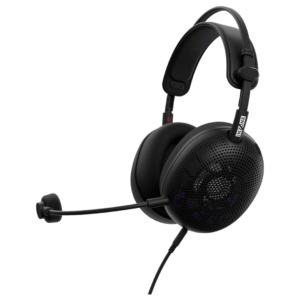
Product 1: Sony Inzone H6 Air
3.8
P2
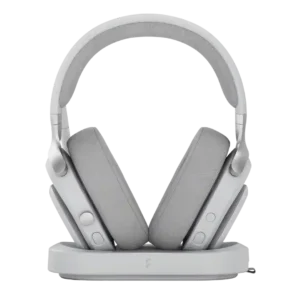
Product 2: Fractal Design Scape Headset
3.8
Active noise cancellation
P1Product 1: Sony Inzone H6 Air
No score yet
P2
Product 2: Fractal Design Scape Headset
2.2
ANC was one of the clearest omissions, with reviewers repeatedly saying they would prefer to have it at this price.
Android compatibility
P1
Product 1: Sony Inzone H6 Air
3.8
Android compatibility was mixed: one reviewer had no issues, while another lost app/EQ support on Android.
P2
Product 2: Fractal Design Scape Headset
4.0
Android compatibility was treated positively because connecting to Android over Bluetooth was described as easy.
App
P1
Product 1: Sony Inzone H6 Air
3.0
The app was repeatedly described as basic or underwhelming, with useful EQ/profile access but limited feature depth.
P2
Product 2: Fractal Design Scape Headset
4.3
The Adjust web app was well liked for its clean, simple, and usable interface.
aptX
P1Product 1: Sony Inzone H6 Air
No score yet
P2
Product 2: Fractal Design Scape Headset
2.0
aptX support was specifically missed by a reviewer who wanted more modern codec options.
Audio-video sync accuracy
P1Product 1: Sony Inzone H6 Air
No score yet
P2
Product 2: Fractal Design Scape Headset
2.5
Bluetooth audio-video sync was criticized in one review because effects lagged behind on-screen action.
Bass performance
P1
Product 1: Sony Inzone H6 Air
4.2
Bass was generally praised as punchy, controlled, and stronger than expected for open-back headphones, though a few reviewers wanted more sub-bass rumble.
P2
Product 2: Fractal Design Scape Headset
4.3
Bass was generally praised as impactful and clean rather than bloated, with EQ able to add more low-end when desired.
Battery
P1
Product 1: Sony Inzone H6 Air
5.0
The wired design avoids battery-life anxiety entirely, which Wired treated as an immediate advantage.
P2
Product 2: Fractal Design Scape Headset
3.8
Battery life was split: several reviewers got solid or near-50-hour results, while others thought the RGB-on runtime was weak for the price.
Bluetooth
P1Product 1: Sony Inzone H6 Air
No score yet
P2
Product 2: Fractal Design Scape Headset
3.0
Bluetooth was useful for device switching, but reviewers also criticized compression, lag, and weaker Bluetooth-side performance.
Build quality
P1
Product 1: Sony Inzone H6 Air
4.0
Build quality was mostly praised as sturdy, solid, and premium-feeling despite the low weight, though Wired found the plastic less sturdy.
P2
Product 2: Fractal Design Scape Headset
4.3
Build quality was mostly praised as premium or sturdy, though one reviewer still wondered about long-term durability.
Built-in DAC and hi-res playback
P1
Product 1: Sony Inzone H6 Air
3.5
The included DAC was appreciated for avoiding extra gear, but one reviewer found the USB box brought no meaningful console improvement.
P2Product 2: Fractal Design Scape Headset
No score yetButton control usability
P1
Product 1: Sony Inzone H6 Air
3.7
Control usability was mixed: the mute control drew praise, but the volume wheel and lack of mute cues drew criticism.
P2
Product 2: Fractal Design Scape Headset
4.6
Physical controls were broadly praised, especially the crown or volume wheel, though one review found the execution merely adequate.
Cable quality
P1
Product 1: Sony Inzone H6 Air
3.5
The cable was considered usable but polarizing, with multiple reviewers calling it very long and one saying that length is useful for PC setups.
P2
Product 2: Fractal Design Scape Headset
4.0
The included cable was described as robust enough to feel better than a basic throw-in cable.
Charging
P1Product 1: Sony Inzone H6 Air
No score yet
P2
Product 2: Fractal Design Scape Headset
4.1
Charging was praised for convenience and the dock, though one user wanted clearer charge-status indication.
Clamping force comfort
P1
Product 1: Sony Inzone H6 Air
4.8
Clamp comfort was praised because the headset rests lightly with low side pressure rather than squeezing the head.
P2
Product 2: Fractal Design Scape Headset
2.8
Clamp force was a concern for one reviewer, especially for larger heads.
Codec support
P1Product 1: Sony Inzone H6 Air
No score yet
P2
Product 2: Fractal Design Scape Headset
2.5
Codec support was considered limited because Bluetooth was restricted to basic codecs in the review evidence.
Comfort during long use
P1
Product 1: Sony Inzone H6 Air
4.9
Long-session comfort was one of the strongest points, with reviewers repeatedly saying it stayed comfortable for hours.
P2
Product 2: Fractal Design Scape Headset
4.3
Comfort was mostly praised for long sessions, though a few reviewers found the headset only average or needing more padding.
Connectivity versatility
P1
Product 1: Sony Inzone H6 Air
3.5
Connectivity versatility was a tradeoff: wired simplicity and broad device support helped, but desk tethering and app limits reduced flexibility.
P2
Product 2: Fractal Design Scape Headset
4.5
Connectivity versatility was praised because reviewers liked having wired, Bluetooth, and 2.4GHz options.
Console compatibility limitations
P1
Product 1: Sony Inzone H6 Air
2.5
One console test found the USB audio box and microphone behavior on PlayStation could be unreliable.
P2
Product 2: Fractal Design Scape Headset
2.0
Console limitations centered on Xbox, which did not work in the review evidence.
Design and Aesthetics
P1
Product 1: Sony Inzone H6 Air
4.5
Reviewers liked the understated Sony styling, calling the headset sharper, streamlined, sleek, and good-looking.
P2
Product 2: Fractal Design Scape Headset
4.9
Design was a major consensus strength, with reviewers repeatedly calling it sleek, professional, understated, and visually appealing.
Detachable microphone convenience
P1
Product 1: Sony Inzone H6 Air
4.0
The detachable mic adds lifestyle flexibility because it can be removed for normal headphone-style use.
P2
Product 2: Fractal Design Scape Headset
4.1
The detachable microphone was useful and appreciated, though one reviewer disliked the boom-arm behavior.
Dongle
P1
Product 1: Sony Inzone H6 Air
3.3
The USB audio box was useful for saving settings, but one reviewer found it added little practical improvement on console.
P2
Product 2: Fractal Design Scape Headset
4.6
The dongle design was praised for storage, range, and integration with the charging base.
Ear cup padding quality
P1
Product 1: Sony Inzone H6 Air
4.4
Earpad impressions were mostly positive for softness and plushness, though SoundGuys found the cloth texture a little rough.
P2
Product 2: Fractal Design Scape Headset
4.3
Ear cup padding was generally well received for plushness, cushioning, and fabric comfort.
Ear cup swivel/rotation range
P1
Product 1: Sony Inzone H6 Air
4.5
The rotating earcups helped reduce pressure and added flexibility, with reviewers noting full swivel or rotation.
P2
Product 2: Fractal Design Scape Headset
2.5
Ear cup articulation was limited, with one reviewer noting restricted motion and no 90-degree lay-flat swivel.
Earpad noise
P1Product 1: Sony Inzone H6 Air
No score yet
P2
Product 2: Fractal Design Scape Headset
2.8
Earpad noise was a minor repeated annoyance, with reviewers hearing rustle, scratch, or pad sounds when moving the headset.
Earpad replacement ease
P1
Product 1: Sony Inzone H6 Air
4.5
One reviewer found the earpads snapped back into place cleanly after removal.
P2
Product 2: Fractal Design Scape Headset
4.5
Earpad replacement ease was praised because the pads were easy to remove and swap.
Equalizer customization
P1
Product 1: Sony Inzone H6 Air
3.3
EQ customization was useful but limited, with reviewers noting custom presets while also criticizing the lack of deeper band and Q-value control.
P2
Product 2: Fractal Design Scape Headset
4.7
EQ customization was a standout strength thanks to parametric controls, stored profiles, and easy headset-side switching.
Fit/seal reliability
P1
Product 1: Sony Inzone H6 Air
4.3
Fit reliability was generally positive, with reviewers saying adjustment quirks did not hurt fit and that the headset fit comfortably without strong side pressure.
P2Product 2: Fractal Design Scape Headset
No score yetFrequency response accuracy
P1
Product 1: Sony Inzone H6 Air
4.0
SoundGuys' review and video both said the tuning followed its preference curve closely, with some sub-bass and upper-treble dips.
P2
Product 2: Fractal Design Scape Headset
4.0
Default frequency response was described as a good stock tuning, broadly close to a consumer-friendly curve with extra excitement.
Game/Chat balance control
P1Product 1: Sony Inzone H6 Air
No score yet
P2
Product 2: Fractal Design Scape Headset
2.0
Game/chat balance was limited because wireless audio mixing was not supported.
Headband adjustability
P1
Product 1: Sony Inzone H6 Air
3.9
Headband adjustment was generally flexible and comfortable, but SoundGuys and Trusted Reviews noted precision and notch visibility issues.
P2
Product 2: Fractal Design Scape Headset
4.5
Headband adjustment felt unusually premium and controlled in the review evidence.
Hinge durability
P1Product 1: Sony Inzone H6 Air
No score yet
P2
Product 2: Fractal Design Scape Headset
4.8
The microphone hinge and related hardware felt durable and tank-like to one reviewer.
Included accessories
P1
Product 1: Sony Inzone H6 Air
2.7
Included accessories were adequate but incomplete for some setups, with reviewers wishing for split 3.5mm or USB-A adapters.
P2
Product 2: Fractal Design Scape Headset
4.2
Included accessories were received positively because the box contents were nicely packaged and useful.
Included stand quality
P1Product 1: Sony Inzone H6 Air
No score yet
P2
Product 2: Fractal Design Scape Headset
4.3
The included stand was one of the most praised accessories, though one reviewer wanted a heavier base.
Instrument separation
P1
Product 1: Sony Inzone H6 Air
4.5
Instrument separation was often strong, especially for music, but one reviewer found dense battle scenes required more effort to parse.
P2
Product 2: Fractal Design Scape Headset
4.9
Reviewers noted clear separation and strong detail retrieval, helping music and game elements remain distinct.
Integrated microphone
P1Product 1: Sony Inzone H6 Air
No score yet
P2
Product 2: Fractal Design Scape Headset
3.6
The built-in mic was useful as a backup, though quality was lower than the boom mic.
LDAC
P1Product 1: Sony Inzone H6 Air
No score yet
P2
Product 2: Fractal Design Scape Headset
2.0
LDAC was identified as missing in comparison with higher-end alternatives.
Maximum volume clarity
P1
Product 1: Sony Inzone H6 Air
4.5
One reviewer specifically noted that the headset avoided noticeable sibilance even with the volume cranked.
P2Product 2: Fractal Design Scape Headset
No score yetMicrophone
P1
Product 1: Sony Inzone H6 Air
4.0
The boom microphone was broadly well liked, often described as clear, natural, warm, or better than typical headset mics.
P2
Product 2: Fractal Design Scape Headset
3.3
Microphone performance was mixed: some reviewers found it clear or better than expected, while others called it average or poor.
Microphone noise reduction
P1
Product 1: Sony Inzone H6 Air
3.1
Microphone noise handling was mixed: some reviews praised decent rejection, while others said it picked up environmental noise easily.
P2
Product 2: Fractal Design Scape Headset
3.5
Microphone noise reduction was divisive: it could suppress background clutter, but some reviewers found it blunt or damaging to voice quality.
Microphone quality for calls
P1
Product 1: Sony Inzone H6 Air
3.7
Voice pickup was generally intelligible and clear, but plosives and some annoyance kept it from being flawless.
P2
Product 2: Fractal Design Scape Headset
4.2
Call and chat mic quality was generally useful and clear, with some reviewers finding it warm and bright enough for calls.
Midrange clarity
P1
Product 1: Sony Inzone H6 Air
4.5
Midrange was described as clear, rich, and dialogue-friendly, with vocals and game dialogue staying easy to hear.
P2
Product 2: Fractal Design Scape Headset
4.7
Midrange performance was highlighted for clarity and balance, especially for vocals and clean musical detail.
Multi-platform compatibility
P1
Product 1: Sony Inzone H6 Air
4.2
Multi-platform compatibility was strong across PC, Mac, PlayStation, mobile, Xbox, and Switch use cases in reviewer testing.
P2
Product 2: Fractal Design Scape Headset
4.5
Multi-platform compatibility was praised as a near-all-fronts strength aside from Xbox.
Multipoint connectivity reliability
P1Product 1: Sony Inzone H6 Air
No score yet
P2
Product 2: Fractal Design Scape Headset
2.3
Multipoint and Bluetooth mixing were absent, which several reviewers treated as an unfortunate limitation for multitasking.
Noise isolation (passive)
P1
Product 1: Sony Inzone H6 Air
1.8
Passive isolation was the clearest weakness: reviewers said the open-back design lets background noise pass through and requires a quiet room.
P2
Product 2: Fractal Design Scape Headset
4.0
Passive isolation was mixed-to-positive: several reviewers found it effective enough, while one found it weaker than other closed-backs.
Packaging quality
P1Product 1: Sony Inzone H6 Air
No score yet
P2
Product 2: Fractal Design Scape Headset
4.5
Packaging drew positive comments for attractive presentation and a more premium unboxing impression.
Portability/foldability
P1
Product 1: Sony Inzone H6 Air
3.8
Portability was modest: folding flat helps stowage, but the wired open-back design limits travel usefulness.
P2
Product 2: Fractal Design Scape Headset
2.7
Portability and foldability were limited by the lack of lay-flat design and weaker around-neck comfort.
Positional audio accuracy
P1
Product 1: Sony Inzone H6 Air
4.4
Positional audio was a standout strength, with reviewers praising natural spatial cues, precise imaging, and easy footstep tracking.
P2
Product 2: Fractal Design Scape Headset
4.1
Positional accuracy was generally strong, helping reviewers identify footsteps, enemy direction, and directional cues.
Preset EQ profile quality
P1
Product 1: Sony Inzone H6 Air
3.0
Preset quality was mixed in TechRadar's testing: the RPG profile stood out, but bass boost was described as unlistenable.
P2
Product 2: Fractal Design Scape Headset
4.2
Preset EQ profiles were viewed positively, with one reviewer preferring the Depth preset out of the box.
Replaceable earpads
P1
Product 1: Sony Inzone H6 Air
4.0
Replaceable earpads were present, though the reviewer mainly emphasized that the stock pads were good enough not to swap.
P2
Product 2: Fractal Design Scape Headset
4.5
Replaceable earpads were praised because the pads were easy to swap.
RGB lighting customization
P1Product 1: Sony Inzone H6 Air
No score yet
P2
Product 2: Fractal Design Scape Headset
4.9
RGB customization was praised for being subtle, stylish, and backed by attractive lighting presets.
Sidetone adjustment quality
P1
Product 1: Sony Inzone H6 Air
2.3
Sidetone was weakly received: reviewers either suggested turning it off or wanted more mic-control options than sidetone volume.
P2
Product 2: Fractal Design Scape Headset
1.8
Sidetone was a consistent weakness, with multiple reviewers saying it barely worked or was too quiet.
Smudge resistance
P1Product 1: Sony Inzone H6 Air
No score yet
P2
Product 2: Fractal Design Scape Headset
4.5
Smudge resistance was praised for the matte finish avoiding oily fingerprints.
Software/setup simplicity
P1
Product 1: Sony Inzone H6 Air
4.0
Setup was simple overall, with no account or app required for basic use, but software-stored settings had some restrictions.
P2
Product 2: Fractal Design Scape Headset
4.9
Setup simplicity was a major strength because reviewers liked avoiding bulky installed software.
Sound leakage
P1
Product 1: Sony Inzone H6 Air
1.8
Sound leakage was repeatedly flagged as a major open-back drawback, with reviewers saying sound clearly leaks in and out.
P2Product 2: Fractal Design Scape Headset
No score yetSound quality
P1
Product 1: Sony Inzone H6 Air
4.8
Reviewers consistently praised the H6 Air's audio as unusually clear, natural, detailed, and excellent for both gaming and music.
P2
Product 2: Fractal Design Scape Headset
4.7
Reviewers consistently described the Scape as strong-sounding, with praise for full, balanced, detailed, and unusually refined wireless audio.
Soundstage width
P1
Product 1: Sony Inzone H6 Air
4.9
The open-back design repeatedly earned praise for a wide, immersive soundstage that made games and music feel more spacious.
P2
Product 2: Fractal Design Scape Headset
4.6
The closed-back soundstage was considered wider or roomier than expected, though not universally expansive.
Spatial audio
P1
Product 1: Sony Inzone H6 Air
3.1
Spatial audio evidence was split: some surround modes and profiles helped immersion, while Sony's 360 mode was criticized by several reviewers.
P2
Product 2: Fractal Design Scape Headset
5.0
Spatial audio was praised for making footsteps and gunshots easier to locate in competitive games.
Stability
P1
Product 1: Sony Inzone H6 Air
4.0
The rougher cloth pad material was credited with helping the headset stay put rather than slide around.
P2
Product 2: Fractal Design Scape Headset
3.3
Stability was mixed: reviewers praised wireless performance after setup, but one user reported a failed unit with no audio.
Treble clarity
P1
Product 1: Sony Inzone H6 Air
4.0
Treble was mostly clear and crisp without harshness, though SoundGuys noted the upper treble could lack some brilliance.
P2
Product 2: Fractal Design Scape Headset
3.0
Treble drew mixed feedback: reviewers heard detail and clarity, but some found the upper range slightly harsh or overdone.
USB-C
P1
Product 1: Sony Inzone H6 Air
3.8
USB-C support worked well as a connection option, though one reviewer wished Sony had also included USB-A compatibility.
P2
Product 2: Fractal Design Scape Headset
4.0
USB-C was treated as handy because it supported charging and wired use.
Value for money
P1
Product 1: Sony Inzone H6 Air
3.9
Value was mixed-positive: reviewers called it pricey for wired gear but often justified the cost with comfort, audio quality, or studio-driver value.
P2
Product 2: Fractal Design Scape Headset
4.5
Value was mostly positive but price-sensitive: many felt it justified $200, while some still called it pricey.
Volume output
P1Product 1: Sony Inzone H6 Air
No score yet
P2
Product 2: Fractal Design Scape Headset
2.9
Volume output was a recurring limitation for some reviewers, who wanted more headroom in certain listening conditions.
Weight comfort
P1
Product 1: Sony Inzone H6 Air
5.0
The 199g-class weight was repeatedly singled out as a major comfort advantage and one of the lightest experiences reviewers had tested.
P2
Product 2: Fractal Design Scape Headset
3.5
Weight comfort was mixed: one reviewer liked the lighter feel, while another flagged the 338g form as heavy.
Wireless latency
P1Product 1: Sony Inzone H6 Air
No score yet
P2
Product 2: Fractal Design Scape Headset
4.7
Wireless latency was praised in the scored evidence, with reviewers reporting low latency or zero lag.
Xbox compatibility
P1
Product 1: Sony Inzone H6 Air
3.0
Xbox use has a software-settings limitation because the custom settings are unavailable when connecting through the controller.
P2
Product 2: Fractal Design Scape Headset
1.5
Xbox compatibility was a clear weakness, with reviewers noting that Xbox support was absent.