Compare Dragon Quest I & II HD-2D Remake vs Hades II

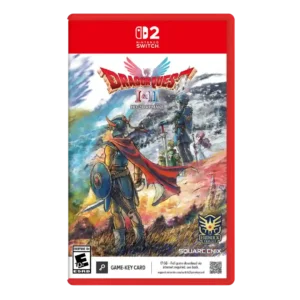
P1 Dragon Quest I & II HD-2D Remake
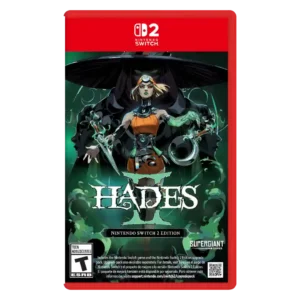
P2 Hades II

Comparison Takeaways

Dragon Quest I & II HD-2D Remake

Where It Has the Edge

  • innovation is 4.5 vs 3.6. Innovation is modest but effective, especially in the sigil system's small changes to classic combat.
  • HUD clarity is 4.5 vs 3.6. HUD clarity is helped by map and chest icons that make locations easier to read at a glance.
  • menu usability is 4.4 vs 3.6. Menu usability improves through skill hotkeys that make frequently used spells and abilities easier to access.
  • map and navigation design is 4.7 vs 4.0. Map and navigation design is repeatedly praised for objective markers and minimap support, while still allowing purists to...

Hades II

Where It Has the Edge

  • replay value is 4.8 vs 2.8. Replay value is very high across reviews, with repeated praise for one-more-run momentum, build experimentation, postgame goals, and...
  • level design is 4.9 vs 3.0. The two-route structure, distinct biomes, and varied regional layouts are repeatedly praised for expanding the game and reducing...
  • pacing is 4.8 vs 3.7. Progression pacing is praised for regularly reversing fatigue with unlocks, story beats, or new challenges when repetition starts...
  • enemy variety is 4.8 vs 4.0. Reviewers praise the expanded enemy lineup and note new enemies often push players to use Melinoe’s different combat...
Average score
Product 1: Dragon Quest I & II...
4.4
Product 2: Hades II
4.6
accessibility options
Product 1: Dragon Quest I & II...
4.5

Accessibility and quality-of-life options are a major positive, with reviewers repeatedly citing objective markers, difficulty settings, battle speed, autosave, chest markers, and toggleable assists.

Product 2: Hades II
4.6

Accessibility evidence is positive, including God Mode, subtitle and screen-shake options, Aim Assist, language/audio settings, and story accessibility for newcomers.

AI behavior
Product 1: Dragon Quest I & II...
3.1

AI behavior receives mixed-to-negative comments, with reviewers noting tactic AI can be unwise or not especially bright.

Product 2: Hades II
No score yet
animation quality
Product 1: Dragon Quest I & II...
4.6

Animation quality is praised in battles and monster presentation, with reviewers noting spell, strike, and enemy animations.

Product 2: Hades II
4.9

Animation is praised for subtle character touches, fluid combat transitions, improved visual motion, and illustrated enemy work.

art direction
Product 1: Dragon Quest I & II...
4.7

Art direction is highly praised for HD-2D's blend of sprite work, lighting, and 3D spaces.

Product 2: Hades II
5.0

Art direction receives near-universal praise for mythic character designs, color, UI styling, and strong visual identity.

atmosphere
Product 1: Dragon Quest I & II...
4.4

Atmosphere is warm, colorful, nostalgic, and sometimes cinematic, supporting the classic fantasy tone.

Product 2: Hades II
4.9

Atmosphere is praised for its witchy identity, mythic presentation, and Supergiant’s polished sense of style.

boss design
Product 1: Dragon Quest I & II...
4.5

Boss design is often praised as tougher, more numerous, and more rewarding, though difficulty can still be demanding.

Product 2: Hades II
4.8

Boss design is widely praised, especially musical and dynamic fights, memorable move sets, and challenging but learnable encounters.

bug frequency
Product 1: Dragon Quest I & II...
No score yet
Product 2: Hades II
5.0

Bug evidence is positive but limited, with reviewers explicitly reporting no bugs or crashes in tested PC play.

camera behavior
Product 1: Dragon Quest I & II...
No score yet
Product 2: Hades II
3.7

Camera evidence is limited but mildly negative on handheld, where the zoomed-out perspective can make small enemies hard to read.

character development
Product 1: Dragon Quest I & II...
4.6

Character development is much stronger than in the originals, especially for Dragon Quest II's cousins and expanded party dynamics.

Product 2: Hades II
4.0

Character development is mixed: reviewers praise layered relationships and connection, but one critic found Melinoe too flawless.

character roster
Product 1: Dragon Quest I & II...
4.5

The roster is stronger thanks to the Princess of Cannock and a more defined Dragon Quest II party.

Product 2: Hades II
4.7

The character roster is mostly praised as vast, captivating, and varied, though one reviewer preferred the original cast.

combat system
Product 1: Dragon Quest I & II...
4.3

Combat is broadly praised for preserving old-school turn-based structure while adding more tactical tools, though some solo-hero and encounter-balance issues remain.

Product 2: Hades II
4.9

Combat is one of the strongest areas: reviewers call it fast, satisfying, tactical, and deeper thanks to casts, omega attacks, mana, and more deliberate battlefield control.

companion AI
Product 1: Dragon Quest I & II...
No score yet
Product 2: Hades II
4.6

Familiars are viewed as useful companions that help in battle and resource gathering, though evidence focuses more on their utility than advanced AI.

content variety
Product 1: Dragon Quest I & II...
4.6

Content variety improves substantially through new underwater regions, postgame material, endings, expanded areas, and added story content.

Product 2: Hades II
4.9

Content variety is one of the strongest themes: reviewers cite more characters, weapons, upgrades, systems, bosses, biomes, and two major routes.

controls responsiveness
Product 1: Dragon Quest I & II...
No score yet
Product 2: Hades II
4.9

Controls are described as tight and responsive, with strong input feel, cancelable animation frames, and smooth handling across platforms.

core gameplay loop
Product 1: Dragon Quest I & II...
4.2

The core loop remains a traditional Dragon Quest rhythm of overworld travel, towns, treasures, dungeons, random encounters, leveling, and equipment upgrades.

Product 2: Hades II
4.7

Reviewers generally praise the run-die-upgrade loop for making failures feel rewarding, though a few note random encounters or roguelike repetition can still frustrate.

crafting system
Product 1: Dragon Quest I & II...
No score yet
Product 2: Hades II
4.5

Alchemy, incantations, cauldron work, gathering, and material use are praised as thematic witchcraft systems, though some reviewers think there are too many materials.

crash stability
Product 1: Dragon Quest I & II...
No score yet
Product 2: Hades II
5.0

Crash stability is positive in the available evidence, with reviewers reporting no crashes or technical trouble.

cross-save support
Product 1: Dragon Quest I & II...
No score yet
Product 2: Hades II
5.0

Cross-save support is directly praised for letting players bring PC progress to Nintendo Switch 2.

dialogue quality
Product 1: Dragon Quest I & II...
4.4

Dialogue quality gets positive attention through the localized text and additional characterization.

Product 2: Hades II
5.0

Dialogue is repeatedly praised as reactive, plentiful, well-written, and strongly tied to runs, characters, and player choices.

difficulty balance
Product 1: Dragon Quest I & II...
3.7

Difficulty is one of the most debated points: many reviewers liked the challenge, but spikes, RNG, grinding, and solo-hero fragility frustrated others.

Product 2: Hades II
4.4

Difficulty is considered challenging but manageable, with harder routes, boss pressure, modifiers, and God Mode helping players tune the experience.

economy and resource balance
Product 1: Dragon Quest I & II...
No score yet
Product 2: Hades II
3.9

The resource economy is mixed: reviewers like targeted material hunting and meaningful carrots, but several complain about clutter, busy work, or too many currencies.

emotional impact
Product 1: Dragon Quest I & II...
4.8

Emotional impact is surprisingly strong for some reviewers, with late-game or introductory scenes prompting tears or sobbing.

Product 2: Hades II
4.7

The emotional response is positive but not uniform; reviewers mention moving music and family themes, while some feel the sequel loses some heart.

endgame content
Product 1: Dragon Quest I & II...
4.4

Endgame content is expanded with postgame dungeons, extra challenges, and additional completion goals.

Product 2: Hades II
4.8

Endgame content is positively covered through postgame challenges, completionist hours, epilogue pursuit, and additional mechanics after credits.

enemy variety
Product 1: Dragon Quest I & II...
4.0

Enemy variety expands through enemies from later Erdrick titles appearing in the first game.

Product 2: Hades II
4.8

Reviewers praise the expanded enemy lineup and note new enemies often push players to use Melinoe’s different combat tools.

environmental detail
Product 1: Dragon Quest I & II...
4.8

Environmental detail is a visual strength, with lighting and detailed spaces giving the world more life.

Product 2: Hades II
4.9

Environmental detail is praised for distinct themes, hidden details, rich biomes, and spaces with a strong sense of presence.

exploration quality
Product 1: Dragon Quest I & II...
4.3

Exploration is usually a strength, especially with secret spots, map options, open-sea travel, and treasure hunting, though underwater and backtracking sections can feel awkward.

Product 2: Hades II
No score yet
faithfulness to franchise
Product 1: Dragon Quest I & II...
4.3

Faithfulness to franchise is positive, with reviewers seeing the remake as respectful to classic Dragon Quest while updating it for modern play.

Product 2: Hades II
4.9

Faithfulness is strong: reviewers repeatedly say it keeps the Hades identity while expanding, polishing, or doubling down on the formula.

fast travel convenience
Product 1: Dragon Quest I & II...
3.6

Fast travel is convenient but somewhat controversial because it saves time while reducing old-school tension and making Evac less meaningful.

Product 2: Hades II
No score yet
frame rate stability
Product 1: Dragon Quest I & II...
4.8

Frame rate stability is strong in reported platform testing, including consistent 60 FPS and no frame drops.

Product 2: Hades II
5.0

Frame-rate evidence is strong, including stable 120 FPS reports, smooth 60 FPS handheld Switch play, and no reported frame-rate problems in tested versions.

fun factor
Product 1: Dragon Quest I & II...
4.6

Fun factor is high overall, with reviewers calling the collection enjoyable, compelling, addictive, or a treat for RPG fans.

Product 2: Hades II
5.0

Fun factor is very high, with reviewers emphasizing joy, grin-inducing play, and satisfying action.

gameplay mechanics
Product 1: Dragon Quest I & II...
4.4

Reviewers describe the remake as adding meaningful new mechanics, including expanded abilities, sigils, scrolls, and tighter gameplay, while keeping the classic JRPG foundation intact.

Product 2: Hades II
4.8

Reviews describe Hades II as a broader mechanical evolution, adding new systems, magic, resource layers, and build tools without abandoning the original action-roguelite foundation.

graphics quality
Product 1: Dragon Quest I & II...
4.7

Graphics quality earns consistent praise, with reviewers repeatedly calling the HD-2D presentation gorgeous, brilliant, vibrant, or superb.

Product 2: Hades II
5.0

Reviewers consistently describe Hades II as gorgeous, beautiful, and visually polished across PC, Switch, Switch 2, and handheld play.

grind level
Product 1: Dragon Quest I & II...
3.6

Grinding remains part of the experience, but reviewers vary on whether it is rewarding, tolerable, or frustrating when difficulty spikes appear.

Product 2: Hades II
3.4

Grind level is mixed to negative: some reviewers mention repetition, same bosses, or tedious resource grinding despite strong overall enjoyment.

handheld play suitability
Product 1: Dragon Quest I & II...
4.8

Handheld play suitability is strong on Steam Deck, where one reviewer completed both games and praised the fit for portable play.

Product 2: Hades II
4.5

Handheld play is mostly praised on Steam Deck, Switch, and Xbox Ally-style devices, with some portable readability caveats on smaller screens.

HUD clarity
Product 1: Dragon Quest I & II...
4.5

HUD clarity is helped by map and chest icons that make locations easier to read at a glance.

Product 2: Hades II
3.6

HUD and visual clarity are mixed, with portable readability and crowded effects sometimes making combat harder to parse.

immersion
Product 1: Dragon Quest I & II...
4.7

Immersion benefits from the combined effect of visuals, scenery, audio, and presentation upgrades.

Product 2: Hades II
5.0

Immersion is supported by the game feeling like a place to inhabit, with memorable characters, music, and a Crossroads hub reviewers wanted to return to.

innovation
Product 1: Dragon Quest I & II...
4.5

Innovation is modest but effective, especially in the sigil system's small changes to classic combat.

Product 2: Hades II
3.6

Innovation is one of the weaker scored areas, with reviewers saying it follows the Hades form and does not reinvent the wheel.

learning curve
Product 1: Dragon Quest I & II...
4.2

The learning curve is softened by options but still asks players to learn and adapt to old-school RPG challenges.

Product 2: Hades II
4.0

The learning curve can be steep or overwhelming at first, especially for players carrying over Hades muscle memory, but reviewers generally adapted.

level design
Product 1: Dragon Quest I & II...
3.0

Dungeon and level layouts draw some criticism for being overly simple or uninspired compared with the stronger story and combat upgrades.

Product 2: Hades II
4.9

The two-route structure, distinct biomes, and varied regional layouts are repeatedly praised for expanding the game and reducing route fatigue.

load times
Product 1: Dragon Quest I & II...
4.5

Load times receive a positive note on Switch 2, with one reviewer calling them quick.

Product 2: Hades II
3.8

Load-time evidence is limited to Switch comparison, where Switch 1 was smooth but had longer loading than Switch 2.

loot system
Product 1: Dragon Quest I & II...
4.4

Loot rewards, especially Mini Medal turn-ins and powerful equipment, make exploration feel more materially rewarding.

Product 2: Hades II
4.4

Room rewards and run rewards are described as consistently useful for powering up, though this is a smaller part of the evidence than broader progression.

lore depth
Product 1: Dragon Quest I & II...
4.3

Lore depth is expanded through added Erdrick-trilogy connections and extra story material.

Product 2: Hades II
4.8

Evidence points to a dense story and lore layer for players who want to dig into mythology and character backgrounds.

map and navigation design
Product 1: Dragon Quest I & II...
4.7

Map and navigation design is repeatedly praised for objective markers and minimap support, while still allowing purists to turn guidance off.

Product 2: Hades II
4.0

Navigation and pathing are mixed: the route structure is strong, but one reviewer wanted more agency and variety in pathing.

menu usability
Product 1: Dragon Quest I & II...
4.4

Menu usability improves through skill hotkeys that make frequently used spells and abilities easier to access.

Product 2: Hades II
3.6

Menu usability has a small caveat: one reviewer liked the game overall but needed time to find inventory submenus.

mission design
Product 1: Dragon Quest I & II...
4.3

Mission design is expanded around the new lore and story additions, giving previously simple objectives more structure and payoff.

Product 2: Hades II
No score yet
mission variety
Product 1: Dragon Quest I & II...
4.4

Mission variety benefits from towns and vignettes that give the journey more localized stories to complete.

Product 2: Hades II
No score yet
movement feel
Product 1: Dragon Quest I & II...
No score yet
Product 2: Hades II
4.3

Melinoe’s movement is more deliberate and mage-like than Zagreus, which several reviewers found distinct, while one felt she was not quite as slick.

narrative quality
Product 1: Dragon Quest I & II...
4.4

Narrative quality is one of the remake's clearest upgrades, with expanded scenes, stronger trilogy connections, and especially improved Dragon Quest II storytelling.

Product 2: Hades II
4.4

Narrative reception is positive but mixed: many reviewers praise the reactive story structure, while some find the ending, heart, or central plot weaker than the first game.

onboarding experience
Product 1: Dragon Quest I & II...
4.2

Onboarding is helped by immediate quality-of-life guidance that makes the old structure easier to approach.

Product 2: Hades II
4.8

Onboarding is mostly positive for returning players and measured mechanic delivery, though reviewers mention early adjustment and sequel context.

originality
Product 1: Dragon Quest I & II...
4.3

Originality comes from making Dragon Quest I feel meaningfully new rather than merely resurfaced.

Product 2: Hades II
4.0

Originality is mixed: reviewers admire the new parts, but several call it safe, familiar, or more of a sidestep than a reinvention.

pacing
Product 1: Dragon Quest I & II...
3.7

Pacing is mixed: several reviewers praised the flow or Dragon Quest II's expansion, while others found padding, bloat, or uneven sections.

Product 2: Hades II
4.8

Progression pacing is praised for regularly reversing fatigue with unlocks, story beats, or new challenges when repetition starts to creep in.

performance optimization
Product 1: Dragon Quest I & II...
4.6

Performance optimization is viewed positively across platforms, with reviewers mentioning strong Switch 2/Steam Deck performance and stable modes.

Product 2: Hades II
5.0

Performance evidence is very strong, with reviewers reporting flawless or issue-free performance on PC, Switch 2, Steam Deck, and Xbox handheld hardware.

platform-specific feature support
Product 1: Dragon Quest I & II...
4.6

Platform-specific support is noted on Switch 2 through performance and graphics modes.

Product 2: Hades II
4.9

Platform-specific support is strong, including Steam Deck/cloud-save support and Switch 2’s 120 FPS mode.

polish
Product 1: Dragon Quest I & II...
4.7

Polish is reflected in the sense of care, respect, and overall quality given to the remakes.

Product 2: Hades II
4.9

Polish is consistently high, with reviewers calling the game fine-tuned, mirror-polished, well-constructed, and polished across systems.

progression system
Product 1: Dragon Quest I & II...
4.3

Progression is improved by scrolls, sigils, leveling, and character customization that give players more ways to build strength without abandoning the classic structure.

Product 2: Hades II
4.8

Progression earns very strong praise for constant unlocks, Arcana cards, cauldron upgrades, weapons, resources, and meaningful rewards after failed or successful runs.

protagonist appeal
Product 1: Dragon Quest I & II...
4.3

The protagonist gains appeal through small personality cues despite remaining silent.

Product 2: Hades II
4.5

Melinoe is generally liked as a charming and strong protagonist, though one reviewer felt she lacks flaws and another preferred Zagreus’ charm.

quest design
Product 1: Dragon Quest I & II...
4.5

Quest design benefits from added lore and scenario changes that make the remakes feel more deliberate than the originals.

Product 2: Hades II
No score yet
remake/remaster quality
Product 1: Dragon Quest I & II...
4.6

Remake quality is the consensus highlight: reviewers repeatedly call these thoughtful, definitive, or gold-standard updates rather than simple ports.

Product 2: Hades II
No score yet
replay value
Product 1: Dragon Quest I & II...
2.8

Replay value is limited for at least one reviewer because the longer, more bloated versions are less inviting to revisit than shorter originals.

Product 2: Hades II
4.8

Replay value is very high across reviews, with repeated praise for one-more-run momentum, build experimentation, postgame goals, and continued discovery.

save system reliability
Product 1: Dragon Quest I & II...
4.8

Save reliability is a strength thanks to generous autosave and expanded save options that reduce frustration.

Product 2: Hades II
4.8

Save reliability evidence is narrow but positive, focused on Switch 2 cross-progression preserving PC progress rather than broad save-system testing.

side character depth
Product 1: Dragon Quest I & II...
4.6

Side characters gain depth from new and returning figures receiving their own storylines.

Product 2: Hades II
5.0

Side characters are praised for having more than one dimension, especially gods, mentors, rivals, and mythological figures.

skill tree depth
Product 1: Dragon Quest I & II...
No score yet
Product 2: Hades II
4.9

Reviewers highlight Arcana, Hex paths, boons, and build planning as deep customization systems, with magic management adding further decision-making.

sound design
Product 1: Dragon Quest I & II...
4.5

Sound design supports atmosphere, especially through musical instrumentation that makes caves and locations feel more distinct.

Product 2: Hades II
5.0

Sound design and dynamic audio receive strong praise, especially music reacting to boss phases and the overall audio presentation.

soundtrack quality
Product 1: Dragon Quest I & II...
4.6

The soundtrack is widely praised for orchestral arrangements and classic themes that enhance exploration and mood.

Product 2: Hades II
4.9

The soundtrack is one of the clearest strengths, with reviewers repeatedly praising Darren Korb’s music, vocal boss tracks, and genre-blending score.

tutorial quality
Product 1: Dragon Quest I & II...
No score yet
Product 2: Hades II
3.8

Evidence is limited and mixed, with one reviewer noting the cast timing took a long time to master rather than praising a formal tutorial.

upgrade system
Product 1: Dragon Quest I & II...
4.4

The sigil system gives upgrades and conditional combat enhancements that add a light but meaningful layer to battles.

Product 2: Hades II
4.9

Weapon, attack, and general upgrade systems are praised for giving players powerful new options and making improvements feel substantial.

user interface design
Product 1: Dragon Quest I & II...
No score yet
Product 2: Hades II
5.0

Interface design is praised as part of the game’s broader art direction, with Supergiant’s menu and UI work singled out positively.

value for money
Product 1: Dragon Quest I & II...
4.4

Value for money is supported by the two-game package, expanded runtime, and strong companion value within the trilogy.

Product 2: Hades II
4.9

Value is strong where discussed, with reviewers citing a reasonable price and a large amount of content.

visual effects quality
Product 1: Dragon Quest I & II...
4.7

Visual effects stand out in combat, especially spell and attack effects that make battles more spectacular.

Product 2: Hades II
4.3

Visual effects are praised as standout and stylish, though one reviewer notes effects can sometimes clutter the screen.

voice acting
Product 1: Dragon Quest I & II...
4.4

Voice acting is generally well received, adding presence and emotion, though some reviewers wanted more or found it uneven.

Product 2: Hades II
5.0

Voice acting is consistently praised as top-notch, brilliant, and characterful across the cast.

weapon balance
Product 1: Dragon Quest I & II...
No score yet
Product 2: Hades II
4.6

Weapon and build variety are broadly praised, though one reviewer noted possible imbalance favoring long-range magical options over close-range melee.

world-building
Product 1: Dragon Quest I & II...
4.5

World-building is strengthened by deeper setting detail, a more cohesive Erdrick trilogy, and added context for Alefgard and its people.

Product 2: Hades II
4.9

World-building is a major strength, with reviewers praising Greek myth reinterpretation, expanded settings, and Supergiant’s character-first mythological framing.

world interactivity
Product 1: Dragon Quest I & II...
4.4

World interactivity is supported through environmental searching, Mini Medals, barrels, rocks, secret spots, and rewards that encourage checking every nook.

Product 2: Hades II
5.0

Hub and downtime activities such as gardening, bars, gifting, familiars, and environmental touches make the Crossroads feel more interactive than a simple menu hub.

writing quality
Product 1: Dragon Quest I & II...
4.5

Writing quality is praised for improved character writing, localization, and personality, with some reviewers calling the added dialogue a highlight.

Product 2: Hades II
4.9

Writing receives very strong praise for sharp dialogue, mythic reinterpretation, charm, and character-driven storytelling.