Compare Dragon Quest I & II HD-2D Remake vs Zero Parades: For Dead Spies

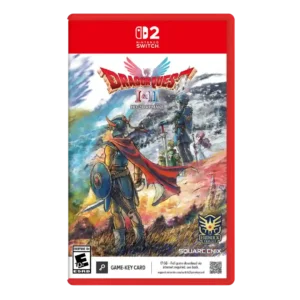
P1 Dragon Quest I & II HD-2D Remake
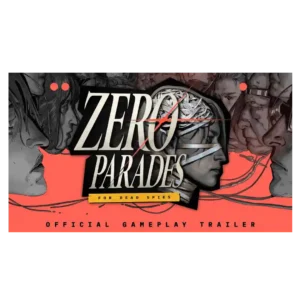
P2 Zero Parades: For Dead Spies

Comparison Takeaways

Dragon Quest I & II HD-2D Remake

Where It Has the Edge

  • performance optimization is 5.0 vs 2.0. Performance optimization received praise from reviewers who reported smooth play and no major performance issues.
  • frame rate stability is 5.0 vs 2.3. Frame rate impressions were very positive on Switch 2 and handheld play, with reviewers citing stable 60 FPS...
  • progression system is 4.3 vs 2.5. Scrolls and character growth were praised for adding light customization and clearer progression without becoming overly complicated.
  • map and navigation design is 4.2 vs 2.5. Navigation tools were praised for streamlining play, though objective markers could make some classic item hunts feel too...

Zero Parades: For Dead Spies

Where It Has the Edge

  • level design is 5.0 vs 2.5. Districts, interiors, rooftops, and alleys communicate history and mood before dialogue begins. The compact city supports discovery without...
  • replay value is 4.8 vs 2.5. Different builds, crew compositions, failures, and endings make repeat playthroughs especially appealing. Several reviewers began planning another run...
  • platform-specific feature support is 4.8 vs 2.8. Handheld-friendly text scaling, frame-rate options, and readability settings show thoughtful support for Steam Deck and similar devices.
  • fast travel convenience is 4.5 vs 2.7. The map’s fast-travel system is easy to use and practical, even for players who prefer learning the city...
Average score
Product 1: Dragon Quest I & II...
4.3
Product 2: Zero Parades: For Dead Spies
4.1
accessibility options
Product 1: Dragon Quest I & II...
4.6

Reviewers valued the difficulty options, markers, and other quality-of-life settings for making the old games easier to approach without fully erasing their classic feel.

Product 2: Zero Parades: For Dead Spies
4.5

Readability controls are a strong point, with useful text sizing, contrast, outline, and dyslexic-font options. Some settings can strain the interface when pushed too far.

AI behavior
Product 1: Dragon Quest I & II...
2.0

One reviewer criticized the automated battle behavior, saying the AI made poor choices rather than feeling genuinely wise.

Product 2: Zero Parades: For Dead Spies
No score yet
animation quality
Product 1: Dragon Quest I & II...
4.6

Animation quality was praised in both battle and enemy presentation, with reviewers noting smooth movement and lively spell or monster animations.

Product 2: Zero Parades: For Dead Spies
4.2

Animations and environmental presentation are solid, helping the painterly world feel cohesive even if they are not a major talking point.

art direction
Product 1: Dragon Quest I & II...
4.9

The HD-2D art direction was strongly praised for respecting old JRPG roots while making the worlds feel striking and modern.

Product 2: Zero Parades: For Dead Spies
4.9

The painterly, graphic-novel-inspired visuals are one of the game’s clearest strengths. Portofiro’s beauty, grime, neon color, and surreal imagery consistently reinforce its political and psychological tone.

atmosphere
Product 1: Dragon Quest I & II...
No score yet
Product 2: Zero Parades: For Dead Spies
4.0

The game creates a haunting, oppressive spy-thriller mood through its art, writing, and sound. Most reviewers found the atmosphere distinctive, though one strongly felt it lacked the melancholy of its predecessor.

boss design
Product 1: Dragon Quest I & II...
4.5

Bosses earned strong praise when they forced strategy and felt rewarding, though a few reviewers disliked specific frustrating fights.

Product 2: Zero Parades: For Dead Spies
No score yet
bug frequency
Product 1: Dragon Quest I & II...
No score yet
Product 2: Zero Parades: For Dead Spies
2.6

Bugs range from minor dialogue and interaction oddities to inventory problems and stuck traversal. Some reviewers shrugged them off, while others found the launch build noticeably rough.

character customization
Product 1: Dragon Quest I & II...
No score yet
Product 2: Zero Parades: For Dead Spies
4.5

Skill choices, clothing, and role-playing decisions give players substantial freedom to shape their version of Cascade and the story around her.

character development
Product 1: Dragon Quest I & II...
4.8

Reviewers especially praised Dragon Quest II's party members for gaining stronger arcs, personalities, and interpersonal chemistry.

Product 2: Zero Parades: For Dead Spies
4.4

The strongest arcs center on guilt, rebuilding, and whether Cascade and her former crew can move beyond past failures. These themes give the character work unusual emotional weight.

character roster
Product 1: Dragon Quest I & II...
4.7

The added Princess of Cannock and more useful party members were repeatedly praised as natural, valuable additions to Dragon Quest II.

Product 2: Zero Parades: For Dead Spies
4.0

Portofiro is filled with eccentric, contradiction-rich personalities, and many are memorable and deeply written. A few reviewers found parts of the cast subdued or uneven.

combat system
Product 1: Dragon Quest I & II...
4.3

Combat was widely seen as engaging and more strategic, though several reviewers noted Dragon Quest I's solo fights could become frustrating or unfair.

Product 2: Zero Parades: For Dead Spies
No score yet
content variety
Product 1: Dragon Quest I & II...
4.8

Reviewers appreciated the expanded worlds, new mechanics, and added content, especially in Dragon Quest II.

Product 2: Zero Parades: For Dead Spies
5.0

Side stories branch in every direction, mixing political commentary, personal tragedy, absurd comedy, and strange local mysteries.

controls responsiveness
Product 1: Dragon Quest I & II...
No score yet
Product 2: Zero Parades: For Dead Spies
3.0

Controller movement is generally workable, but crowded interactables and elevation changes can make navigation feel clumsy.

core gameplay loop
Product 1: Dragon Quest I & II...
No score yet
Product 2: Zero Parades: For Dead Spies
4.8

The combatless loop of exploring, talking, rolling checks, and living with failure remains engrossing for players who enjoy text-heavy RPGs.

crash stability
Product 1: Dragon Quest I & II...
No score yet
Product 2: Zero Parades: For Dead Spies
2.2

Crashes are an inconsistent but real concern, especially on Steam Deck and in certain locations. Some runs saw only one or two crashes, while others encountered repeated failures.

dialogue quality
Product 1: Dragon Quest I & II...
No score yet
Product 2: Zero Parades: For Dead Spies
5.0

Conversations are enormous, intricate, witty, and novelistic. The dialogue trees reward close reading and make even small interactions feel consequential.

difficulty balance
Product 1: Dragon Quest I & II...
3.4

Difficulty split reviewers: many liked the tougher, more meaningful challenge, but several criticized RNG spikes, grinding walls, or frustrating solo encounters.

Product 2: Zero Parades: For Dead Spies
3.2

The pressure system is generally well tuned, but some builds can trivialize intended tradeoffs. Other reviewers felt the game’s reduced punishment also made it less interesting.

emotional impact
Product 1: Dragon Quest I & II...
4.8

Multiple reviewers described unusually strong emotional payoffs, including poignant scenes and endings that made them stop, reflect, or cry.

Product 2: Zero Parades: For Dead Spies
5.0

Themes of guilt, abandonment, atonement, and political cruelty hit hard. Several reviewers described the game as haunting, heartbreaking, or personally affecting long after play ended.

environmental detail
Product 1: Dragon Quest I & II...
5.0

Environmental detail stood out through lighting, interiors, water, clouds, towns, and dungeons that made the world feel richer.

Product 2: Zero Parades: For Dead Spies
4.8

Portofiro feels lived in rather than staged, with distinctive landmarks, dense neighborhoods, and small visual details that make navigation and discovery rewarding.

exploration quality
Product 1: Dragon Quest I & II...
4.4

Exploration was generally praised for rewarding secrets, treasure, and open-ended discovery, though one underwater segment was called slow and awkward.

Product 2: Zero Parades: For Dead Spies
4.7

Portofiro rewards curiosity with hidden routes, interconnected quests, memorable residents, and environmental storytelling. Sparse guidance can make that freedom feel disorienting for some players.

faithfulness to franchise
Product 1: Dragon Quest I & II...
4.0

One preview emphasized the games' JRPG legacy as a reason to experience them, supporting their faithfulness to Dragon Quest history.

Product 2: Zero Parades: For Dead Spies
4.8

Although it is a new world rather than a direct sequel, the game is widely seen as a worthy continuation of the studio’s dialogue-driven RPG legacy.

family friendliness
Product 1: Dragon Quest I & II...
4.5

One reviewer highlighted sharing the remakes with children as a positive next-generation experience, supporting family appeal.

Product 2: Zero Parades: For Dead Spies
No score yet
fast travel convenience
Product 1: Dragon Quest I & II...
2.7

Fast travel convenience was one of the few quality-of-life choices criticized for reducing tension and undermining dungeon-exit magic.

Product 2: Zero Parades: For Dead Spies
4.5

The map’s fast-travel system is easy to use and practical, even for players who prefer learning the city on foot.

frame rate stability
Product 1: Dragon Quest I & II...
5.0

Frame rate impressions were very positive on Switch 2 and handheld play, with reviewers citing stable 60 FPS or no drops.

Product 2: Zero Parades: For Dead Spies
2.3

Frame rates fluctuate in busy districts, particularly on Steam Deck. Lower settings help, but outdoor scenes and effects can still produce visible drops.

fun factor
Product 1: Dragon Quest I & II...
4.7

Fun factor was very high overall, with several reviewers saying the remakes were hard to stop playing or simply a great time.

Product 2: Zero Parades: For Dead Spies
5.0

The mystery, characters, and constant promise of another discovery make it difficult to stop playing once the story takes hold.

gameplay mechanics
Product 1: Dragon Quest I & II...
4.8

Reviewers praised Sigils, Scrolls, and other new mechanics for adding meaningful choices while keeping the classic JRPG foundation intact.

Product 2: Zero Parades: For Dead Spies
4.6

Pressure meters, exertion, conditioning, clothing, and failure-driven branches form a deep, reactive RPG system. Reviewers especially praised how mechanical consequences reinforce Cascade’s unstable inner life.

graphics quality
Product 1: Dragon Quest I & II...
5.0

Graphics received near-universal praise, with reviewers repeatedly calling the HD-2D presentation brilliant, gorgeous, stunning, or full of life.

Product 2: Zero Parades: For Dead Spies
5.0

The overall visual presentation is exceptionally attractive, combining bold color, painterly textures, and striking character imagery.

grind level
Product 1: Dragon Quest I & II...
3.4

Grinding remained a concern for some reviewers, but others felt difficulty modes and balancing made the grind less draining than older versions.

Product 2: Zero Parades: For Dead Spies
2.2

Resource and pressure management can occasionally become tedious, especially when the player is juggling supplies simply to keep the story moving.

handheld play suitability
Product 1: Dragon Quest I & II...
5.0

Steam Deck play was praised as an ideal way to experience the remakes, helped by performance and save support.

Product 2: Zero Parades: For Dead Spies
4.2

The slow, text-heavy structure suits handheld play well, and the game remains a good Steam Deck experience once settings are adjusted.

HUD clarity
Product 1: Dragon Quest I & II...
No score yet
Product 2: Zero Parades: For Dead Spies
4.8

Status effects and active conditions are easy to understand at a glance, helping players manage several overlapping systems.

immersion
Product 1: Dragon Quest I & II...
4.9

Reviewers praised the presentation, music, and environments for making the adventure feel rich, magical, and immersive.

Product 2: Zero Parades: For Dead Spies
5.0

The writing, art, and lived-in setting make Portofiro easy to inhabit, even when outfit swapping or missing voice lines occasionally break the spell.

innovation
Product 1: Dragon Quest I & II...
No score yet
Product 2: Zero Parades: For Dead Spies
4.8

Conditioning meaningfully expands the familiar thought-system formula with violations, restrictions, and stronger interaction with the rest of the build.

learning curve
Product 1: Dragon Quest I & II...
No score yet
Product 2: Zero Parades: For Dead Spies
3.5

The systems can look dense at first, but they become manageable when approached like a tabletop RPG rather than a conventional action game.

level design
Product 1: Dragon Quest I & II...
2.5

Dungeon design drew criticism from one reviewer for feeling visually varied but structurally uninspired and light on distinctive traits.

Product 2: Zero Parades: For Dead Spies
5.0

Districts, interiors, rooftops, and alleys communicate history and mood before dialogue begins. The compact city supports discovery without feeling like a generic open world.

load times
Product 1: Dragon Quest I & II...
5.0

Load times were praised in preview coverage as quick, matching the strong Switch 2 performance profile.

Product 2: Zero Parades: For Dead Spies
No score yet
lore depth
Product 1: Dragon Quest I & II...
No score yet
Product 2: Zero Parades: For Dead Spies
5.0

The game builds a dense political and cultural history around Portofiro, its neighboring powers, and the everyday consequences of ideology.

map and navigation design
Product 1: Dragon Quest I & II...
4.2

Navigation tools were praised for streamlining play, though objective markers could make some classic item hunts feel too rudimentary.

Product 2: Zero Parades: For Dead Spies
2.5

Landmarks help in some districts, but weak quest tracking and limited directions can make objectives difficult to relocate. Short play sessions are especially likely to feel disorienting.

menu usability
Product 1: Dragon Quest I & II...
No score yet
Product 2: Zero Parades: For Dead Spies
2.1

Menus look attractive, but outfit management is a recurring frustration. Constantly swapping clothes without saved sets or useful sorting interrupts the flow of conversations.

mission design
Product 1: Dragon Quest I & II...
No score yet
Product 2: Zero Parades: For Dead Spies
4.3

Dramatic encounters and multi-stage operations create some of the game’s tensest moments. They are memorable and well constructed, though several reviewers wished there were more of them.

mission variety
Product 1: Dragon Quest I & II...
No score yet
Product 2: Zero Parades: For Dead Spies
4.7

Most objectives can be approached through different skills, allies, and failed outcomes. That flexibility makes each playthrough feel improvised rather than rigidly scripted.

narrative quality
Product 1: Dragon Quest I & II...
4.6

The expanded narrative was repeatedly praised for making the Erdrick trilogy feel richer, more cohesive, and less like a bare-bones relic.

Product 2: Zero Parades: For Dead Spies
4.8

The espionage mystery grows into a layered story about identity, guilt, ideology, and cultural power. The opening can be difficult to parse, but the later convergence of its threads earned exceptionally strong praise.

onboarding experience
Product 1: Dragon Quest I & II...
No score yet
Product 2: Zero Parades: For Dead Spies
4.2

The streamlined systems help newcomers settle into the rhythm without stripping away the genre’s depth.

originality
Product 1: Dragon Quest I & II...
No score yet
Product 2: Zero Parades: For Dead Spies
2.3

The game develops its own themes and mechanical ideas, but many reviewers still felt it lived too closely in Disco Elysium’s shadow. For some, that familiarity was comforting; for others, it limited the game’s identity.

pacing
Product 1: Dragon Quest I & II...
3.7

Pacing was one of the more mixed areas: some found the flow excellent, while others felt added content created bloat or uneven late-game stretches.

Product 2: Zero Parades: For Dead Spies
2.7

The first act is widely considered slow, dense, and sometimes aimless. Momentum improves sharply once the true mission emerges, but players need patience to reach that payoff.

performance optimization
Product 1: Dragon Quest I & II...
5.0

Performance optimization received praise from reviewers who reported smooth play and no major performance issues.

Product 2: Zero Parades: For Dead Spies
2.0

Optimization is a clear weakness on handheld hardware, with bugs, frame drops, and unstable performance requiring reduced settings.

platform-specific feature support
Product 1: Dragon Quest I & II...
2.8

Platform-specific support drew criticism from one reviewer because the Switch version lacked a paid upgrade path to Switch 2.

Product 2: Zero Parades: For Dead Spies
4.8

Handheld-friendly text scaling, frame-rate options, and readability settings show thoughtful support for Steam Deck and similar devices.

polish
Product 1: Dragon Quest I & II...
4.5

Polish was praised where reviewers found the remake approachable, refined, and modernized.

Product 2: Zero Parades: For Dead Spies
4.0

The moment-to-moment presentation can feel polished and carefully crafted, but clunky interactions and launch bugs keep the overall experience from feeling uniformly finished.

progression system
Product 1: Dragon Quest I & II...
4.3

Scrolls and character growth were praised for adding light customization and clearer progression without becoming overly complicated.

Product 2: Zero Parades: For Dead Spies
2.5

Experience and skill points offer broad build freedom, but generous gains can undermine specialization and make intended tradeoffs too easy to bypass.

protagonist appeal
Product 1: Dragon Quest I & II...
3.4

Protagonist appeal was mixed: the lone hero concept intrigued some reviewers, but silent protagonists felt bland to others beside voiced side characters.

Product 2: Zero Parades: For Dead Spies
4.1

Cascade is a damaged, flexible, and often compelling lead whose failures shape the entire game. Some reviewers loved her immediately, while others felt her behavior undermined the spy fantasy or left her less defined.

quest design
Product 1: Dragon Quest I & II...
No score yet
Product 2: Zero Parades: For Dead Spies
3.9

The best quests are large, interconnected, and open to several solutions. A smaller number feel unclear, abrupt, or more convergent than their apparent choices suggest.

remake/remaster quality
Product 1: Dragon Quest I & II...
4.8

Remake quality was the clearest strength: reviewers repeatedly called these definitive, transformative, or thoughtful updates to foundational JRPGs.

Product 2: Zero Parades: For Dead Spies
No score yet
replay value
Product 1: Dragon Quest I & II...
2.5

Reviewer evidence supports replay value across the listed reviews.

Product 2: Zero Parades: For Dead Spies
4.8

Different builds, crew compositions, failures, and endings make repeat playthroughs especially appealing. Several reviewers began planning another run before the credits had fully settled.

save system reliability
Product 1: Dragon Quest I & II...
5.0

Autosave and expanded save options were repeatedly praised for reducing frustration and supporting portable play.

Product 2: Zero Parades: For Dead Spies
No score yet
side character depth
Product 1: Dragon Quest I & II...
4.5

Side characters were praised for compensating for silent protagonists and making the expanded story feel more emotionally alive.

Product 2: Zero Parades: For Dead Spies
4.1

The supporting cast is frequently funny, tragic, strange, and deeply humane. The expanding plot occasionally sidelines important figures, but the strongest character stories are among the game’s highlights.

skill tree depth
Product 1: Dragon Quest I & II...
No score yet
Product 2: Zero Parades: For Dead Spies
4.5

The reduced fifteen-skill structure remains flexible and meaningful, supporting distinct builds without feeling shallow.

sound design
Product 1: Dragon Quest I & II...
No score yet
Product 2: Zero Parades: For Dead Spies
4.5

Ambient sound and restrained music effectively sell Portofiro’s oppressive, uneasy mood without overwhelming the dialogue.

soundtrack quality
Product 1: Dragon Quest I & II...
4.6

The orchestral soundtrack was widely praised, though one reviewer found repeated tracks tiring over long play sessions.

Product 2: Zero Parades: For Dead Spies
3.7

The soundtrack is atmospheric and occasionally outstanding, especially when jazz or diegetic music takes over. Other reviewers found it too subdued, sparse, or forgettable.

stealth mechanics
Product 1: Dragon Quest I & II...
No score yet
Product 2: Zero Parades: For Dead Spies
2.7

The game captures espionage through dialogue and role-playing more than systemic stealth. Players expecting covert simulation, information control, or sustained deception may be disappointed.

user interface design
Product 1: Dragon Quest I & II...
4.7

Interface changes, shortcut assignments, and UI overhaul were praised for making these old games easier to play.

Product 2: Zero Parades: For Dead Spies
4.4

The interface is stylish, tactile, and generally clear despite the game’s complexity. Minor tracking and navigation frustrations keep it from being flawless.

value for money
Product 1: Dragon Quest I & II...
4.2

Value was generally positive because two expanded remakes come in one package, though one reviewer wished the price were lower.

Product 2: Zero Parades: For Dead Spies
4.2

Reviewers generally considered the experience worth playing, with the roughly $40 price seen as fair for its length, density, and replay potential.

visual effects quality
Product 1: Dragon Quest I & II...
5.0

Visual effects were praised for making attacks and spells feel spectacular while preserving the nostalgic tone.

Product 2: Zero Parades: For Dead Spies
No score yet
voice acting
Product 1: Dragon Quest I & II...
4.7

Voice acting was usually praised for adding emotion and personality, with one reviewer finding the quality uneven but improved.

Product 2: Zero Parades: For Dead Spies
3.5

The strongest performances are excellent, with several narrators and characters earning high praise. Incomplete coverage, mismatched lines, uneven recording quality, and divisive delivery make the overall result inconsistent.

world-building
Product 1: Dragon Quest I & II...
4.7

World-building was strengthened by expanded towns, lore links, and details that made Alefgard and the trilogy feel more alive.

Product 2: Zero Parades: For Dead Spies
4.8

Portofiro is a richly layered city shaped by debt, empire, propaganda, local culture, and personal survival. Its history, neighborhoods, and residents make it one of the game’s most consistently praised achievements.

world interactivity
Product 1: Dragon Quest I & II...
4.5

Mini Medals and hidden interactables were praised for encouraging players to inspect the world more carefully.

Product 2: Zero Parades: For Dead Spies
5.0

The world reacts richly to choices, clothing, conditioned thoughts, failures, and prior conversations, making small decisions echo into later scenes.

writing quality
Product 1: Dragon Quest I & II...
4.6

Writing and localization were praised for adding character, humor, and series-appropriate flavor to the remakes.

Product 2: Zero Parades: For Dead Spies
4.8

The prose is sharp, funny, politically incisive, and often emotionally devastating. Even reviewers who criticized imitation or excess generally agreed that the writing is a major strength.