Average score
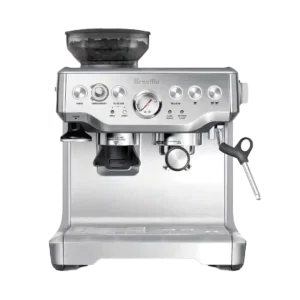
Breville Barista Express Espresso Machine
4.1
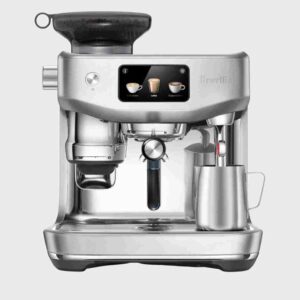
Breville Oracle Jet Espresso Machine
4.2
Environmental packaging sustainability
Breville Barista Express Espresso Machine
1.5
Packaging sustainability was only discussed once, and the reviewer criticized the use of environmentally unfriendly styrofoam.
Breville Oracle Jet Espresso Machine
4.5
Packaging sustainability has one clear positive review, praising the move toward eco-friendly, plant-based packaging.
Capacity
Breville Barista Express Espresso Machine
4.4
Capacity was praised for the 2-liter water tank, large drip tray, and workable hopper size, with only minor refill-handling caveats.
Breville Oracle Jet Espresso Machine
2.9
Capacity evidence is mixed: large reservoirs and hopper capacity help, but water dispensing limits, minimum milk volume, and frequent refills bothered some reviewers.
Hot water dispenser
Breville Barista Express Espresso Machine
4.1
The hot-water outlet was viewed as a useful extra for Americanos, tea, rinsing, and broader drink flexibility.
Breville Oracle Jet Espresso Machine
2.7
The hot-water dispenser is one of the weaker areas, with repeated reports of missed mugs, splashing, and outlet-angle frustrations despite adequate temperature.
Mess-free used-puck disposal
Breville Barista Express Espresso Machine
4.4
Reviewers liked dry, intact pucks and easier puck removal when the process was dialed in, with the dry-puck feature called smart.
Breville Oracle Jet Espresso Machine
3.0
Used-puck disposal received mixed comments, with reviewers noting dry or acceptable pucks but also harder knockouts than expected.
Cup, tray and carafe handling
Breville Barista Express Espresso Machine
4.1
The drip tray and cup handling were generally praised for capacity and design, though one reviewer disliked base nodules that block taller cup workarounds.
Breville Oracle Jet Espresso Machine
2.9
Cup and tray handling is mixed: some found recovery from mistakes easy, while others criticized mug clearance, splash, drip-tray filling, or fitting cups under the outlets.
Speed and time-to-cup
Breville Barista Express Espresso Machine
3.8
Heat-up and shot speed were often praised, but milk-drink workflow slows because grinding, tamping, steam warm-up, and single-boiler sequencing take time.
Breville Oracle Jet Espresso Machine
4.8
Speed is a major strength: reviewers repeatedly highlighted rapid heat-up, quick switching, and fast time-to-cup compared with slower boiler machines.
Value and Price
Breville Barista Express Espresso Machine
4.7
Value sentiment was very strong: reviewers repeatedly said the all-in-one package gives serious espresso capability for far less than higher-end setups.
Breville Oracle Jet Espresso Machine
3.7
Value is sharply context-dependent: many reviewers felt the performance can justify the price for daily users, while others emphasized the $2,000 cost as a serious barrier.
Build quality and durability
Breville Barista Express Espresso Machine
4.6
Build quality was a clear strength, with repeated praise for stainless-steel feel, heft, durability, and long-term reliability.
Breville Oracle Jet Espresso Machine
3.8
Build impressions are mostly solid and premium, especially the portafilter and core construction, but repairability and some controls drew criticism.
Guided tamper convenience
Breville Barista Express Espresso Machine
3.9
The magnetic tamper was convenient and usable, but several reviewers said it is basic, light, or less comfortable than an upgraded tamper.
Breville Oracle Jet Espresso Machine
4.7
The guided tamper and puck-prep system is repeatedly praised for convenience, neat pucks, and removing a major human variable, though one reviewer still wanted easier dose control.
Warranty and Customer support
Breville Barista Express Espresso Machine
3.2
Warranty and support evidence was mixed: reviewers appreciated basic coverage and repairability, but the one-year warranty was repeatedly flagged as short.
Breville Oracle Jet Espresso Machine
4.0
Warranty evidence is limited but positive, with reviewers noting good-rate extended options and standard two-year coverage through an authorized seller.
Assembly and Setup
Breville Barista Express Espresso Machine
4.1
Setup ranged from very easy out of the box to straightforward but time-consuming; beginner reviewers emphasized priming, flushing, and learning the workflow.
Breville Oracle Jet Espresso Machine
4.8
Setup is a standout strength, with reviewers praising touchscreen instructions, guided first drinks, easy calibration, and beginner-friendly onboarding.
Portability and travel-friendliness
Breville Barista Express Espresso Machine
4.2
Portability was rarely discussed, but reviewers who did mention it said the machine is movable and even practical for car trips or camping.
Breville Oracle Jet Espresso Machine
4.7
Portability within the kitchen is unusually strong for a heavy machine because reviewers repeatedly praised the wheels and easy counter repositioning.
Popularity
Breville Barista Express Espresso Machine
5.0
Popularity evidence was very strong, with multiple reviewers calling it a leading or best-selling all-in-one home espresso machine.
Breville Oracle Jet Espresso Machine
4.5
Popularity evidence is limited but positive, with one reviewer describing the Oracle Jet as a machine dominating the accessible home-espresso conversation.
Recognition and certifications
Breville Barista Express Espresso Machine
5.0
Recognition evidence came from editorial awards and top-ranked review positioning, supporting strong external validation.
Breville Oracle Jet Espresso Machine
4.5
Recognition evidence is limited but positive, with Tom's Guide presenting the Oracle Jet as an Editor's Choice product.
Design flaws
Breville Barista Express Espresso Machine
2.7
Design drawbacks centered on mess, lack of a front water-level indicator, grinder compromise, high-pressure sensitivity, and beginner intimidation.
Breville Oracle Jet Espresso Machine
3.2
Common design flaws include messy grinding, splashy hot water, loud grinding, hopper issues, strong default drinks, and the need for ice with cold drinks.
App, connectivity and smart control
Breville Barista Express Espresso Machine
4.0
App evidence was limited to setup help, where the BILT/visual setup guidance was described as straightforward and useful.
Breville Oracle Jet Espresso Machine
4.5
The touchscreen, Wi-Fi, and firmware experience drew strong praise for responsiveness, updates, and smartphone-like usability, though one reviewer preferred physical buttons.
Espresso and beverage quality
Breville Barista Express Espresso Machine
4.4
Reviewers repeatedly found the machine capable of rich, café-style espresso and milk drinks once dialed in, though one beginner-focused review showed poor early shots before technique improved.
Breville Oracle Jet Espresso Machine
4.8
Reviewers consistently praised the espresso and finished drinks as rich, smooth, delicious, café-quality, or markedly better than coffee-shop purchases, with only a few context-specific strength caveats.
Brewing performance and consistency
Breville Barista Express Espresso Machine
4.5
Evidence praised pre-infusion, PID control, extraction yield, and forgiving shot behavior, with most comments pointing to reliable brewing when the user dials in grind and dose.
Breville Oracle Jet Espresso Machine
4.1
Brewing performance is strong overall, with repeated praise for consistency, extraction feedback, and temperature stability, though some reviewers noted first-shot or light-roast variability.
Water system, maintenance and descaling
Breville Barista Express Espresso Machine
3.9
Maintenance is manageable and sometimes improved by indicators, filters, and faster descale cycles, but reviewers still described cleaning as routine work or a hassle.
Breville Oracle Jet Espresso Machine
4.3
The water, cleaning, and maintenance systems are generally praised for front filling, prompts, guided cleaning, and low effort, with one reviewer calling the machine water-hungry.
Design, ergonomics and footprint
Breville Barista Express Espresso Machine
4.4
The machine was widely seen as attractive, professional-looking, and space-efficient for an all-in-one, though not tiny.
Breville Oracle Jet Espresso Machine
4.1
Ergonomics are a major positive thanks to the touchscreen, wheels, front-fill water access, and thoughtful design, but size, weight, and footprint remain recurring drawbacks.
Heating-element power
Breville Barista Express Espresso Machine
4.4
Fast thermocoil heat-up and quick readiness were praised, especially compared with slower boiler machines, though steam power is not class-leading.
Breville Oracle Jet Espresso Machine
4.7
Heating performance is strongly praised for instant or very fast heat-up, energy efficiency, and stable brewing temperature despite the lack of dual boilers.
Overall user experience
Breville Barista Express Espresso Machine
4.3
Overall experience was positive for hands-on learners and home baristas, but less so for users who expected push-button simplicity.
Breville Oracle Jet Espresso Machine
4.6
The overall experience is strongly positive, with reviewers calling the machine seamless, enjoyable, easy, delicious, and hard to give up, despite some dissent on value and quirks.
Grinder, hopper and dosing system
Breville Barista Express Espresso Machine
3.9
The built-in grinder is convenient and good enough for many beginners, but multiple reviewers called it the main compromise because adjustment precision and mess can limit growth.
Breville Oracle Jet Espresso Machine
4.1
The grinder and dosing system is widely seen as precise and capable, but reviewers also reported mess, hopper sticking, retention, clogging, or inconsistency in some cases.
Automation and sensors
Breville Barista Express Espresso Machine
4.4
Pressure gauges, cleaning indicators, dosing behavior, and purge features were useful aids, especially for beginners learning extraction and maintenance.
Breville Oracle Jet Espresso Machine
4.6
Automation is the defining strength: reviewers praised guided brewing, automatic grind-dose-tamp, feedback, auto-queue, and beginner support, though guidance can feel intrusive.
Accuracy of marketing claims
Breville Barista Express Espresso Machine
4.3
Marketing accuracy was mixed-positive: one lab-style review confirmed the under-a-minute claim, while another cautioned that 15-bar marketing sounds better than it is.
Breville Oracle Jet Espresso Machine
4.5
Reviewers generally found the machine lived up to its smart, beginner-friendly promise, though some early confusion around the Oracle name and cold-brew claims remains.
Boiler type (single vs dual)
Breville Barista Express Espresso Machine
3.5
Single thermocoil design was accepted as normal at the price, but reviewers consistently noted it cannot brew and steam at the same time.
Breville Oracle Jet Espresso Machine
3.7
The boiler setup is a tradeoff: reviewers praised fast ThermoJet heat and group-head warming but repeatedly noted it cannot brew and steam at the same time.
Filter
Breville Barista Express Espresso Machine
4.2
Water-filter sentiment was positive because reviewers saw it as useful for taste, scale control, and protecting the machine.
Breville Oracle Jet Espresso Machine
4.0
Filter evidence is narrow but positive: one reviewer specifically praised the water-fill mesh screen for preventing debris from entering the tank.
Milk, steam and frothing
Breville Barista Express Espresso Machine
4.2
Milk steaming drew strong praise for microfoam quality and latte-art potential, while slower steam pressure and warm-up were the most common caveats.
Breville Oracle Jet Espresso Machine
4.1
Milk steaming is usually praised for silky or convenient results, especially manual steaming and successful Auto MilQ tests, but several reviewers found automatic frothing imperfect.
Accessories
Breville Barista Express Espresso Machine
4.6
Accessory coverage was consistently praised, with reviewers noting useful baskets, cleaning tools, milk pitchers, tampers, filters, and included setup extras.
Breville Oracle Jet Espresso Machine
4.5
Included accessories are well regarded, especially the knock box, baskets, pitcher, and cleaning supplies, with reviewers calling the package complete or a nice touch.
Cable management convenience
Breville Barista Express Espresso MachineNo score yet
Breville Oracle Jet Espresso Machine
4.0
Cable management has limited but positive evidence, with one reviewer appreciating that the cord can be tucked away.
Iced / cold-brew function quality
Breville Barista Express Espresso MachineNo score yet
Breville Oracle Jet Espresso Machine
4.0
Cold espresso and cold brew functions are useful and often tasty, but opinions vary because the drinks are room-temperature approximations rather than true long-steep cold brew.
Pump pressure consistency
Breville Barista Express Espresso Machine
4.0
Pressure feedback and newer nine-bar OPV support were valued, but several reviews warned that high pressure or puck flaws can still cause channeling.
Breville Oracle Jet Espresso MachineNo score yet
Scoop-storage convenience
Breville Barista Express Espresso Machine
4.2
Only one review gave opinionated evidence for internal storage, calling the small behind-tray space a smart way to keep tools at hand.
Breville Oracle Jet Espresso MachineNo score yet