Average score
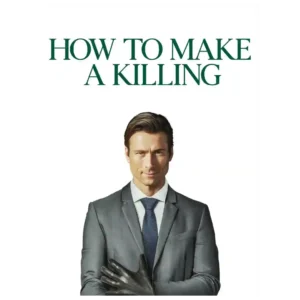
How to Make a Killing
3.5
sexual content level
Supergirl
2.0
Sexual-content concerns center less on explicit scenes and more on the trafficking threat and sexual violence implications. Several reviewers found that material tonally jarring, dark, or inappropriate for a supposedly fun superhero movie.
How to Make a Killing
5.0
One customer approvingly notes that there is no sex, helping make the film feel less explicit than its R-rated premise suggests.
runtime
Supergirl
1.5
Runtime has little direct coverage, but the clearest opinion is negative: one viewer says the 1-hour-45-minute movie feels far longer. Most pacing complaints are captured separately under pacing.
How to Make a Killing
4.3
The roughly 100–110 minute length is usually manageable, though some feel the film either drags or needs more time to develop its crowded cast.
language level
Supergirl
2.0
Language is flagged as moderate but noticeable, especially for family viewers. It is not the dominant complaint, but it contributes to the movie's older-skewing PG-13 feel.
How to Make a Killing
4.5
A customer specifically praised the relatively restrained language, viewing it as a point in favor of teen suitability.
screenplay quality
Supergirl
1.6
The screenplay is a common pain point, with complaints about formula, thin arcs, and familiar setups. A few viewers found enough functional structure for a light comic-book adventure, but the script rarely escapes criticism.
How to Make a Killing
3.8
The script has clever ideas and occasional sharp scenes, but exposition, thin characterization, and underdeveloped themes keep it from fully landing.
audience appeal
Supergirl
1.8
Audience appeal appears weak overall, with poor box-office discussion and many viewers calling it average or worse. A few audience-side comments liked it or found it fine, but broad enthusiasm looks limited.
How to Make a Killing
3.9
Audience reactions lean warmer than the critic consensus, with many calling it watchable, fun, or worth seeing even when imperfect.
family friendliness
Supergirl
2.0
Family friendliness is limited by darker violence, drinking, language, and trafficking/revenge material. Reviews that discuss family suitability generally warn that younger superhero fans may find the content too intense.
How to Make a Killing
4.0
One customer felt the restrained sexual content and language made it more teen-suitable than the premise might suggest.
directing quality
Supergirl
2.0
Direction receives scattered praise for competence or prior promise, but several viewers blame the film's uneven tone and blockbuster execution. It is not one of the better-supported strengths.
How to Make a Killing
3.8
John Patton Ford draws praise for visual control and some set-pieces, yet several critics fault his tonal decisions and handling of the remake.
plot clarity
Supergirl
4.3
Clarity lands better than depth for some viewers, with a few praising the straightforward setup. Others still felt the structure became muddled or uneven once side quests and revenge material took over.
How to Make a Killing
2.5
The confession structure helps some viewers follow the story, but others find the narration cumbersome and the timeline or logic needlessly confusing.
story quality
Supergirl
2.0
The story draws the widest criticism: several viewers call it generic, unfocused, or overly reliant on revenge-and-fetch-quest beats. A smaller group still found the core premise serviceable when it stayed close to Kara, Krypto, or the comic's basic throughline.
How to Make a Killing
3.7
The inheritance-murder premise has obvious appeal, but opinions split on whether the story remains engaging or becomes repetitive and implausible.
age appropriateness
Supergirl
2.3
Age suitability skews older than kid-friendly superhero fare. The PG-13 frame is repeatedly tied to violence, language, alcohol, and dark themes rather than all-ages adventure.
How to Make a Killing
4.0
One customer considered the restrained sex and language suitable for younger teens, despite the movie’s murder-heavy premise.
visual style
Supergirl
2.8
Visual style ranges from praised grungy space-western atmosphere to complaints about gray smoke, muddy colors, and derivative Mad Max or Guardians influences. The look has personality for some viewers and ugliness for others.
How to Make a Killing
4.4
The film’s slick, colorful, polished look is a regular positive, even among critics who think the style never fully coheres with the tone.
cinematography
Supergirl
2.8
Cinematography and staging divide sharply. Positive takes praise the scale, emotional closeups, and composed flashbacks; negative ones complain about muddy visuals, flat green-screen work, or poorly shot action.
How to Make a Killing
4.3
The polished, grainy photography is widely admired, with several critics singling out the lighting, texture, and camera work.
sound design
Supergirl
3.0
Sound design has little coverage, but one reviewer wanted the fights to hit harder sonically while another used soundtrack praise under a broader sound label. The available comments point to mixed or thinly supported audio impact.
How to Make a Killing
4.5
One critic broadly praised how strong the film looks and sounds, though sound-specific commentary is otherwise scarce.
dialogue quality
Supergirl
1.5
Dialogue is frequently called stale, unnatural, or too familiar. Alcock earns credit for selling some lines, but the writing itself is a common complaint.
How to Make a Killing
2.9
A few quips and bits of repartee land, but narration-heavy exposition and a shortage of sharper wit are frequent complaints.
humor
Supergirl
2.3
Humor gets spotty marks. Lobo, world-building gags, and a few line deliveries land for some, but several reviewers call the jokes flat or say the film is too dour to be much fun.
How to Make a Killing
3.7
The comedy is inconsistent. Some scenes and supporting performances draw real laughs, but many critics say the film never becomes funny enough.
action sequences
Supergirl
2.6
Action is split but leans negative: some call it exciting, solid, or epic, while many others find it rote, muddy, poorly staged, or repetitive. The best-liked action moments tend to be isolated scenes rather than the full action design.
How to Make a Killing
3.8
The murder set-pieces can be brisk, clever, and tense, but several critics found later deaths too throwaway or lacking in impact.
acting performance
Supergirl
3.5
General acting is usually described as solid to good even by mixed reviewers. The cast often gets credit for lifting material that many felt was weaker than the performers deserved.
How to Make a Killing
4.6
The cast is one of the film’s steadier strengths, with many viewers praising the ensemble even when the material around them feels uneven.
romance quality
Supergirl
4.0
Romance is barely part of the movie, but one reviewer liked the odd-couple energy between Alcock and Corenswet. There is not enough romance-focused material for a broad conclusion beyond that.
How to Make a Killing
2.9
The Ruth relationship provides warmth and a moral counterweight, but several critics find the romance too thin, perfunctory, or underdeveloped.
plot originality
Supergirl
2.0
Plot originality is weak where discussed, with familiar setups and story arcs called out as material viewers had seen many times before. The movie is more often described as derivative than fresh.
How to Make a Killing
3.0
Customers often find the murder-inheritance setup fun or fresh, while critics repeatedly point out how closely it echoes earlier films and familiar genre beats.
pacing
Supergirl
2.2
Pacing is a recurring weak spot, especially where reviewers describe dragging stretches, repeated fights, or emotional scenes squeezed between similar battles. A few thought the shorter, condensed runtime kept the movie moving, but not always in a satisfying way.
How to Make a Killing
3.2
Pacing is uneven across the set. Some call it brisk and fleet-footed, while others find the middle repetitive, sluggish, or poorly proportioned.
editing quality
Supergirl
1.0
Editing is criticized in the harsher video reviews, especially around action and final sequences. There is not much positive counterweight.
How to Make a Killing
2.0
A few critics argue that protracted or loosely shaped passages sap momentum and blunt the film’s comic-thriller rhythm.
genre satisfaction
Supergirl
3.0
Genre satisfaction depends heavily on expectations. Some saw a worthwhile, darker DC companion piece, while others thought it was an underwhelming or tired superhero entry that did little to fight genre fatigue.
How to Make a Killing
3.9
It works best for viewers who accept it as a light dark-comedy thriller; critics wanting sharper farce or tougher suspense are often disappointed.
entertainment value
Supergirl
2.3
Overall entertainment value is deeply mixed and often negative: some call it fun, fine, or enjoyable enough, while many others call it boring, average, bad, or not exciting. The movie seems easiest to enjoy as a light DC detour rather than a must-see superhero event.
How to Make a Killing
3.2
Reactions are mixed overall. Many customers found it fun and easy to watch, while a large share of critics called it dull, forgettable, or underwhelming.
violence level
Supergirl
2.0
Violence is prominent and often described as dark, destructive, or intense, though some note it is mostly bloodless comic-book action. The revenge plot and harm to young characters make the violence feel heavier than a simple cape romp.
How to Make a Killing
2.8
The violence is generally restrained rather than graphic; some appreciate the wry approach, while others wanted more bite from the murder set-pieces.
supporting cast performance
Supergirl
3.1
Supporting performances are mixed: Momoa's Lobo and some cameo/supporting work get strong praise, while Krem and several side characters are repeatedly called bland, forgettable, or underused. Ruthye's role also divides viewers.
How to Make a Killing
3.9
The supporting ensemble is frequently praised, especially Zach Woods, Bill Camp, Topher Grace, Jessica Henwick, and Margaret Qualley, despite limited screen time.
critic appeal
Supergirl
2.5
Critic appeal is mixed, ranging from early positive blurbs and defenders to middling aggregate discussion and sharply negative reviews. The critical picture is far from settled consensus praise.
How to Make a Killing
3.3
Early reactions were reported as positive, but the broader critical response represented here is substantially more divided and often cool.
originality
Supergirl
1.8
Originality is frequently criticized, with reviewers pointing to familiar tropes, Guardians, Mad Max, True Grit, and standard superhero formulas. Positive responses tend to praise small tonal differences rather than a fully fresh story.
How to Make a Killing
2.5
The film’s polish and some modern touches are appreciated, yet its remake roots and familiar eat-the-rich ideas make originality a major weakness.
production design
Supergirl
4.0
Production design is a relative strength when the film shows off strange worlds, alien spaces, and large-scale spectacle. Even mixed reviews sometimes separate those tangible environments from their story complaints.
How to Make a Killing
4.7
The wealthy settings and glossy surfaces help sell the Redfellows’ world, giving the movie a convincingly lavish presentation.
ending satisfaction
Supergirl
4.0
The ending gets limited but mildly positive attention from those who felt the franchise still had lift by the close. Others criticize late moral turns elsewhere, so the finish is not a universal win.
How to Make a Killing
3.3
The ending is sharply divisive: some viewers love the twists and coda, while others find the resolution contrived or unsatisfying.
chemistry between characters
Supergirl
4.1
Character chemistry is strongest when Kara is paired with Superman, Ruthye, or Krypto, though not everyone felt those bonds were fully developed. The cousin dynamic with Superman is especially praised in positive and mixed takes.
How to Make a Killing
3.5
Chemistry varies by pairing. Becket and Ruth earn some warm praise, while other romantic dynamics are described as forced or unconvincing.
theme depth
Supergirl
3.8
Theme depth centers on whether Kara can be good without being nice and whether revenge heals pain. Some found those questions worthwhile, while harsher reviewers thought the movie undercut or muddled its own moral point.
How to Make a Killing
3.2
The film raises worthwhile questions about greed, class, contentment, and entitlement, but many critics say it stops short of exploring them deeply.
drama quality
Supergirl
3.0
The drama works best when the movie leans into Kara's grief, her parents, or moral choices. Critics who disliked it found the darker tone empty, dour, or unable to build enough emotional weight.
How to Make a Killing
3.6
The film finds occasional gravitas, especially late, but many critics say its serious dramatic side never earns enough emotional investment.
lead performance
Supergirl
4.1
Milly Alcock is the most consistent bright spot, with many praising her as compelling, vulnerable, funny, or well-cast. Even negative reviewers often separate her work from their complaints about the script or direction.
How to Make a Killing
3.8
Glen Powell is the clearest consensus strength, repeatedly praised for charisma and likability even by critics who think he is miscast or too mild.
message quality
Supergirl
3.1
The movie's moral message is clear enough for many: be good, avoid revenge, and help others. The pushback is that the film sometimes muddies that message or fails to make it emotionally convincing.
How to Make a Killing
2.7
The class-and-greed commentary sometimes resonates, but a common criticism is that the satire stays obvious, shallow, or less incisive than it promises.
costume design
Supergirl
3.9
Costume design is mostly positive where discussed, especially Kara's suit and the broader costuming around alien characters. A small minority disliked the fit or visual choices.
How to Make a Killing
4.3
Wardrobe choices add polish and noir flavor, especially Julia’s fashion, though one critic wished the film did more with its costume possibilities.
faithfulness to source material
Supergirl
2.4
Fans of the comic are divided: some say the movie follows the broad throughline or works as a companion piece, while others strongly prefer Woman of Tomorrow and dislike the adaptation choices. Source-material satisfaction is one of the clearest mixed areas.
How to Make a Killing
2.7
The modern reworking of Kind Hearts and Coronets divides critics, with a few admiring the update but many finding it far weaker than its inspiration.
character development
Supergirl
2.3
Kara's characterization is one of the biggest divides: some appreciate her trauma, cynicism, and path toward goodness, while many say the movie gives Ruthye or the plot more development than Kara herself. Villains and side characters are often described as thin.
How to Make a Killing
2.5
Character depth is a recurring weakness: Becket’s motives and several supporting players are often described as thin, rushed, or underwritten.
value for money
Supergirl
3.5
Value for money has limited direct coverage. One viewer found it worth the trip to the cinema, while another landed around a solid B-minus rather than a must-buy recommendation.
How to Make a Killing
3.3
Value reactions are polarized: some customers felt rentals were worthwhile, while others explicitly wanted a refund or said it was not worth paying for.
emotional impact
Supergirl
2.8
Emotional impact is highly uneven: some found Kara's family flashbacks, Krypto, or the revenge warning genuinely touching, while many others say the movie fails to make its big feelings land. The violence and action often crowd out the emotional beats.
How to Make a Killing
2.9
There are isolated moments of genuine feeling, but much of the film is described as emotionally distant, hollow, or hard to invest in.
soundtrack quality
Supergirl
2.0
Music and needle drops are among the most polarized traits. A few reviewers loved or liked the soundtrack, but many call the needle drops baffling, awful, badly chosen, or momentum-killing.
How to Make a Killing
2.0
One video review found the song choices overused, arguing that the film leans on too many needle drops.
CGI quality
Supergirl
1.3
CGI is one of the more repeated craft complaints, especially for Krypto, green-screen shots, and artificial-looking sequences. A few viewers did not notice major CGI problems, but the negative mentions are louder.
How to Make a KillingNo score yet
cultural representation
Supergirl
2.8
Cultural representation is tangled with reactions to a female-led superhero film, the male gaze, and pre-release attacks on Alcock. Some appreciated the less sexualized presentation, while others framed the gender politics as clumsy or divisive.
How to Make a KillingNo score yet
makeup quality
Supergirl
5.0
Makeup earns strong praise in the few places it is singled out, especially for alien creatures and practical texture. It is one of the clearest craft-level positives.
How to Make a KillingNo score yet
practical effects quality
Supergirl
4.5
Practical effects are warmly received, with several reviewers calling the alien makeup, creatures, and tactile effects top shelf or simply good. This is a consistent craft strength when the movie avoids obvious CGI.
How to Make a KillingNo score yet
realism
SupergirlNo score yet
How to Make a Killing
2.0
Plausibility is one of the sharpest recurring complaints, especially around the FBI, forensic gaps, and how easily Becket gets away with repeated murders.
rewatch value
SupergirlNo score yet
How to Make a Killing
2.6
Repeat appeal looks limited overall: a few viewers would watch again, but others explicitly call it forgettable or a one-time watch.
score quality
SupergirlNo score yet
How to Make a Killing
4.0
Emile Mosseri’s score is a notable craft strength, praised for giving the movie momentum and a distinctive propulsive texture.
special effects quality
Supergirl
2.9
Visual effects split opinion: some praise polished flight and combat effects, while others call the CGI ugly or phony, especially around Krypto and green-screen-heavy moments. Practical effects often fare better than digital work.
How to Make a KillingNo score yet
suspense
SupergirlNo score yet
How to Make a Killing
3.2
The framing device and predictability often weaken suspense, though several viewers still enjoy the late-game tension and third-act escalation.
tonal consistency
SupergirlNo score yet
How to Make a Killing
2.4
Tone is one of the most repeated weaknesses, with the movie often described as caught between farce, noir, thriller, and moral drama.
world-building
Supergirl
3.8
World-building gets more praise than many story elements, with reviewers enjoying odd planets, cosmic settings, and DCU continuity. Some still felt the settings were derivative of familiar space-western influences.
How to Make a KillingNo score yet