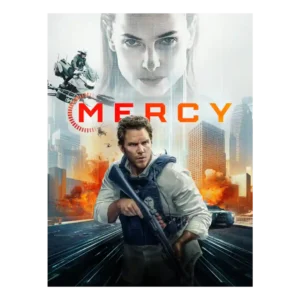
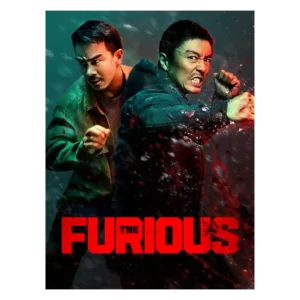
Compare Mercy vs The Furious

Mercy
The Furious

Quick verdict

What each product is best for

Choose Mercy for runtime and special effects quality.

Choose The Furious for critic appeal and realism.

Comparison Takeaways

Mercy

Where It Has the Edge

  • runtime is 4.0 vs 1.5. Runtime is mostly discussed through the 90- to 100-minute setup. Some liked the brisk clock, while others thought...
  • special effects quality is 3.7 vs 2.0. Special effects impressed some viewers in the immersive tech sequences, but others felt the spectacle was not strong...
  • plot originality is 3.4 vs 2.1. The core premise attracts interest: an AI court giving a suspect 90 minutes to prove innocence. The complaint...
  • family friendliness is 1.8 vs 1.0. Family fit is weak for more cautious households because reviews mention profanity and intense violence.

The Furious

Where It Has the Edge

  • critic appeal is 5.0 vs 2.0. Enthusiasm is exceptionally high, with the film widely positioned as the year’s best action release and one of...
  • realism is 4.8 vs 2.1. Long takes and visible physical effort make the fights feel tactile and authentic despite wildly unrealistic durability. Scrappy...
  • score quality is 4.5 vs 2.0. The electronic score heightens the film’s already intense action and helps make major set pieces feel even more...
  • production design is 4.5 vs 2.0. Industrial freezers, crowded clubs, tenements, streets, and a battered police station give each fight a distinct physical playground....
Average score
Mercy
3.1
The Furious
4.0
critic appeal
Mercy
2.0

Professional critics leaned negative overall, frequently calling the film generic, strained, or underwritten despite occasional praise for its concept and tech staging.

The Furious
5.0

Enthusiasm is exceptionally high, with the film widely positioned as the year’s best action release and one of the strongest martial-arts movies in years.

realism
Mercy
2.1

Realism is a frequent weak spot. Reviewers questioned the AI court rules, the 90-minute process, surveillance access, and whether the system would work for anyone but a detective.

The Furious
4.8

Long takes and visible physical effort make the fights feel tactile and authentic despite wildly unrealistic durability. Scrappy movement and practical execution sell the impact even when the physics become cartoonish.

production design
Mercy
2.0

Production design gets some negative notes for looking cheap, though the high-tech courtroom concept still intrigued several viewers.

The Furious
4.5

Industrial freezers, crowded clubs, tenements, streets, and a battered police station give each fight a distinct physical playground. The environments actively shape the choreography.

runtime
Mercy
4.0

Runtime is mostly discussed through the 90- to 100-minute setup. Some liked the brisk clock, while others thought the movie still felt stretched or tiring.

The Furious
1.5

The nearly two-hour length can feel excessive, especially after the rescue plot reaches an earlier emotional peak. The extended final act may test anyone less invested in pure combat.

score quality
Mercy
2.0

The score and music were rarely discussed, but when they were, the reaction was lukewarm to negative: one viewer found it subtle, another called it awkward and heightened.

The Furious
4.5

The electronic score heightens the film’s already intense action and helps make major set pieces feel even more forceful.

cultural representation
Mercy
2.0

One customer criticized the movie’s racial representation and casting patterns, wanting broader Hispanic presence and objecting to how villain roles were handled.

The Furious
4.4

The international cast and mixture of Chinese, Indonesian, Japanese, Thai, and Hong Kong action traditions give the film a distinctive Pan-Asian identity. The blend remains compelling even when the vague setting feels artificial.

pacing
Mercy
2.8

Pacing gets both praise and criticism. The ticking clock keeps many viewers engaged, but others found the start slow, the runtime stretched, or the development tiring.

The Furious
4.7

The movie moves with relentless, high-energy momentum and rarely allows the action to cool down. A few viewers found the sustained intensity exhausting or thought the first two-thirds held back before the finale.

genre satisfaction
Mercy
3.1

As a sci-fi thriller, the movie works best as a disposable streaming-style watch. Some call it serviceable and tense, while others see it as generic screenlife clutter.

The Furious
5.0

The movie delivers exactly what martial-arts fans want: escalating hand-to-hand combat, distinct fighting styles, and spectacular physical skill.

directing quality
Mercy
3.2

Direction is mixed: Bekmambetov’s screenlife instincts and momentum earn some credit, but many reviewers felt the film lacks control, nuance, or payoff.

The Furious
5.0

Kenji Tanigaki’s direction is a major strength, presenting complicated movement with confidence and clarity. He turns a basic premise into a showcase for world-class physical filmmaking.

special effects quality
Mercy
3.7

Special effects impressed some viewers in the immersive tech sequences, but others felt the spectacle was not strong enough for a big-screen release.

The Furious
2.0

The practical action is impressive, but a few digital and low-budget effects look cheap, especially near the climax. These flaws are brief and rarely distract for long.

lead performance
Mercy
3.1

Chris Pratt’s lead performance is polarizing. Some viewers thought he sold the panic and carried the film, while others felt the chair-bound role exposed his limits.

The Furious
4.8

Xie Miao’s wordless intensity and physical presence carry the film, while Joe Taslim provides charisma and a complementary style. Their control, athleticism, and expressive action work are exceptional.

visual style
Mercy
3.1

The visual style is distinctive and immersive when the screenlife interface works. It also becomes exhausting for reviewers who disliked the popups, digital sheen, and surveillance-camera overload.

The Furious
4.8

The film has a gritty, kinetic look that favors full-body movement, industrial spaces, and oily urban textures. Its visual approach makes the action feel distinctive rather than polished into generic spectacle.

emotional impact
Mercy
2.2

Emotional impact is limited for many reviewers, especially around Chris’s grief and family relationships. A few viewers still felt pulled into his fear and desperation.

The Furious
3.8

The father-daughter bond and anger at the traffickers give the action real emotional force. Some dramatic beats land less effectively, especially when the dubbing or late-story structure gets in the way.

editing quality
Mercy
2.6

Editing is busy and divisive. Some liked the speed and clarity of the screenlife mechanics, while others found the cuts and camera movement excessive.

The Furious
4.2

Editing is generally clear and rhythmic, letting completed moves land instead of hiding them behind frantic cuts. The sped-up look of the final fight is a rare visual misstep.

entertainment value
Mercy
3.4

Entertainment value depends heavily on expectations. Customers often enjoyed it as a popcorn thriller, while many critics found it forgettable, dumb, or not worth the time.

The Furious
4.9

For action fans, the film is an exhilarating, funny, and highly satisfying ride. Its weak writing rarely diminishes the sheer pleasure of the physical spectacle.

humor
Mercy
3.0

Humor is not a major selling point. When it came up, reviewers mostly described accidental laughs, goofiness, or subpar jokes.

The Furious
4.5

The movie finds grim humor inside its brutal fights, using absurd props, exaggerated durability, and sudden comic reversals. That dark playfulness helps keep the carnage from becoming monotonous.

ending satisfaction
Mercy
2.1

The ending is one of the most repeated complaints. Many felt the finale became contrived, absurd, rushed, or less satisfying than the setup promised.

The Furious
3.4

The climactic combat is spectacular, but the surrounding resolution is uneven. The rushed wrap-up, extra epilogue, and fading dramatic stakes may leave the ending less satisfying than the final fight.

plot originality
Mercy
3.4

The core premise attracts interest: an AI court giving a suspect 90 minutes to prove innocence. The complaint is that the idea often feels derivative or better than the execution.

The Furious
2.1

The kidnapping-and-revenge setup is familiar and predictable, with little novelty in the plot itself. The tradeoff is easier to accept because the combat presentation feels fresh.

message quality
Mercy
2.9

The message about AI, surveillance, and justice is the film’s biggest argument point. Supporters found it timely and thought-provoking, while critics said it was shallow, confused, or too friendly to AI power.

The Furious
4.1

The anti-trafficking message is direct, emotionally accessible, and fueled by anger at corrupt institutions. Some find it simplistic, while others appreciate the cathartic call for protection and accountability.

violence level
Mercy
2.0

Violence is present enough to matter for family viewers, including intense deaths and vehicular harm mentioned in content-focused reviews.

The Furious
3.3

The violence is extreme, graphic, and nearly constant. Genre fans often embrace its outrageous brutality, but sensitive or squeamish viewers are likely to find the level overwhelming.

action sequences
Mercy
3.9

The action lands best for viewers who enjoy the movie as a glossy tech thriller. Several reviewers liked the chase and finale energy, though some thought the spectacle was silly or overblown.

The Furious
4.9

The fight sequences are exceptional: inventive, punishing, clearly staged, and constantly escalating. Prop-based combat, layered group choreography, and the five-way finale make the action feel genre-leading.

suspense
Mercy
4.0

Suspense is one of the film’s stronger traits for fans. The ticking clock, mystery, and digital investigation kept many viewers engaged even when they questioned the logic.

The Furious
5.0

The rescue stakes, breathless chases, and dangerous close-quarters fights keep tension high even when the plot is predictable.

originality
Mercy
3.8

Originality gets partial credit. Reviewers liked the screenlife twist and AI-court hook, but many also saw heavy echoes of Minority Report and other tech thrillers.

The Furious
4.8

The basic plot is familiar, but the action language feels genuinely fresh. Props, bodies, styles, and group movement combine in ways that rarely resemble standard modern action filmmaking.

audience appeal
Mercy
3.9

Audience response is sharply divided: critics were often cold, but many customer reviewers found it more entertaining than expected.

The Furious
4.9

The movie is built for a loud communal experience, with applause, laughter, gasps, and cheering enhancing its impact. It plays like a raucous crowd-pleaser.

chemistry between characters
Mercy
3.7

The Chris Raven and AI Judge Maddox dynamic worked for some viewers as a tense human-digital pairing. Others found the relationship strange or limited by the screenlife format.

The Furious
4.6

The central pair works well because their contrasting styles and shared purpose make them feel complementary. The father-daughter relationship also gives the action a convincing emotional anchor.

sound design
Mercy
4.0

Sound design is barely discussed, with one positive customer noting it did not distract and one video reviewer objecting to an audio choice.

The Furious
4.9

Every punch, break, and impact is reinforced by aggressive, detailed sound design. The crunches and thuds make the fights more immersive, frightening, and satisfying.

supporting cast performance
Mercy
3.9

Rebecca Ferguson is the most consistently praised performer, with several reviews calling her the highlight. Supporting roles beyond her receive less consistent enthusiasm.

The Furious
4.8

The supporting performers add memorable personality and varied fighting styles. Brian Le and Yang Enyou receive particular praise for making their roles more vivid than the thin script requires.

family friendliness
Mercy
1.8

Family fit is weak for more cautious households because reviews mention profanity and intense violence.

The Furious
1.0

This is not family-friendly viewing despite its focus on parents and children. Graphic beatings, child endangerment, gore, and relentless brutality make it unsuitable for younger audiences.

rewatch value
Mercy
4.2

Rewatch value is mixed but generally modest. A few customers would watch again, while others said it was a one-time streaming movie or low on rewatchability.

The Furious
5.0

The intricate choreography and dense physical detail give the movie strong repeat-viewing appeal. Favorite fights contain enough layered movement to reveal new details on another watch.

plot clarity
Mercy
3.1

Plot clarity is shaky. Reviewers often mention predictable twists, contrivances, and logic gaps, even when they still enjoyed following the mystery.

The Furious
3.9

The central rescue mission is straightforward and easy to follow. Its clarity keeps the movie moving, though the minimal plotting can feel underdeveloped.

CGI quality
Mercy
2.9

Visual effects and CGI are uneven. Some liked the futuristic tech blend, while others called the generated-looking scenes cheap, game-like, or lackluster.

The Furious
2.3

CGI quality is inconsistent: some blood effects look credible, while other blood, lip-sync work, and isolated digital shots appear obvious or crude. The physical stunt work remains strong enough to overshadow most of it.

world-building
Mercy
2.9

World-building is one of the weaker sci-fi pieces. Reviewers questioned the near-future justice system, social collapse setup, and rules behind the AI court.

The Furious
2.3

The unnamed Southeast Asian setting creates a broad Pan-Asian backdrop, but it can feel vague and frustrating. The world functions more as action scaffolding than a fully realized place.

character development
Mercy
2.2

Character work is one of the weaker areas. Critics often found the leads thinly written, with emotional turns that felt forced or underdeveloped.

The Furious
2.7

Character work is one of the weaker areas, with the adults often feeling thin or barely developed. Distinct personalities and family relationships still provide enough investment for the action.

theme depth
Mercy
3.5

The themes have timely potential but uneven depth. Reviews repeatedly say the movie raises AI, privacy, justice, and surveillance questions without always exploring them well.

The Furious
4.0

Beneath the mayhem, the film shows sympathy for exploited children and anger at wealthy, protected criminals. The social perspective adds weight, even though the themes remain direct rather than deeply explored.

acting performance
Mercy
3.6

Performances split viewers. Supporters liked the cast’s energy and commitment, while detractors felt the acting could not overcome the thin or awkward material.

The Furious
4.1

The cast earns strong marks for physical commitment, while traditional dramatic acting receives more mixed reactions. Performances are most convincing when emotion is expressed through movement rather than dialogue.

screenplay quality
Mercy
2.1

The screenplay is a major pain point. Critics repeatedly call out weak writing, contrivances, exposition, and ideas that are raised without enough nuance.

The Furious
1.7

The screenplay is widely viewed as functional at best, with thin plotting, blunt dialogue, and obvious dramatic shortcuts. It succeeds mainly by creating reasons for the next elaborate confrontation.

story quality
Mercy
3.3

Story quality is the central split. Many liked the hook and mystery, but critics and some customers thought the story became silly, thin, or badly resolved.

The Furious
3.1

The story is intentionally simple and often effective as a launchpad for the fights, but it becomes thin, messy, or poorly organized whenever the action pauses.

dialogue quality
Mercy
2.3

Dialogue drew criticism when mentioned. Reviewers called it corny, over-explanatory, or artificial rather than sharp.

The Furious
2.1

Awkward English dialogue, conspicuous ADR, and clunky dubbing are persistent distractions. The next fight usually arrives quickly enough to keep these flaws from sinking the movie.

age appropriateness
MercyNo score yet
The Furious
1.0

The savage violence, profanity, and disturbing child-trafficking material make the film appropriate only for mature viewers.

cinematography
MercyNo score yet
The Furious
4.7

The camera moves with the fighters while preserving spatial clarity, often using wide shots and energetic long takes. A few moments feel slippery, but the visual coverage is overwhelmingly praised.

drama quality
MercyNo score yet
The Furious
2.5

The family conflict and trafficking premise provide a workable dramatic base, but quieter emotional scenes are much less convincing than the action.

language level
Mercy
2.0

Language is a concern in the few reviews that discuss content, with profanity and f-word usage specifically called out.

The FuriousNo score yet
practical effects quality
MercyNo score yet
The Furious
5.0

The reliance on trained performers, long takes, and visible in-camera movement is one of the film’s biggest attractions. Very little of the action feels dependent on doubles or glossy digital fakery.

soundtrack quality
MercyNo score yet
The Furious
4.5

The hard-driving music adds momentum and gives the fights a charged, theatrical pulse. The forceful soundtrack is a strong companion to the nonstop movement.

tonal consistency
MercyNo score yet
The Furious
4.5

The film balances bleak subject matter with cartoonish physical excess and grim humor surprisingly well. The contrast can be jarring, but it usually feels energizing rather than careless.

value for money
Mercy
2.2

Value is strongest as a streaming or rental watch. Reviewers were less convinced it justified theaters, IMAX, or a paid purchase.

The FuriousNo score yet