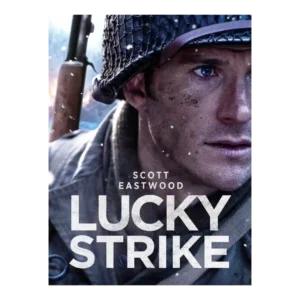
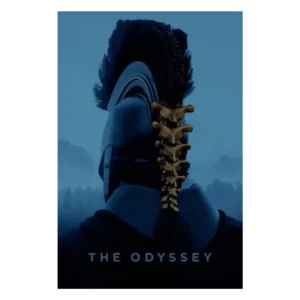
Lucky Strike
Where It Has the Edge
- violence level is 5.0 vs 4.0. Violence is intense and graphic. The content-focused review describes shootings, burnings, stabbing, exposed injuries, and other brutal wartime...
Quick verdict
Choose Lucky Strike for violence level.
Choose The Odyssey for special effects quality and character development.
Special effects are a problem in one negative review, especially during the tank sequence where the digital work is described as distractingly poor.
The blend of visual and physical effects is generally seamless, with a few creatures or large-scale attacks drawing criticism.
Castle’s characterization is a repeated complaint. Reviewers who disliked the film say he remains underwritten, insufficiently heroic, or barely developed beyond a basic survival role.
Odysseus is presented as a deeply conflicted leader whose pride, guilt, and growing accountability give the journey meaningful personal development.
Realism is a major sticking point in the harshest reviews. Complaints include disbelief-breaking staging, implausible tank action, and a survival journey that feels too artificial.
Real locations, physical sets, practical craft, and rough textures make the myth feel unusually tangible, though historical literalism is not the goal.
Drama quality suffers when viewers do not buy the characters. One critic says the action has no human stakes, making the wartime ordeal feel hollow.
The intimate family and political drama gives the spectacle human stakes, though some viewers wanted a stronger emotional center.
Originality is a recurring weakness in negative coverage. The movie is often seen as familiar, creatively limited, or too dependent on well-worn war-film patterns.
Nolan’s grounded, nonlinear reimagining makes the ancient tale feel fresh to many reviewers, even when particular changes remain controversial.
CGI is one of the weaker technical elements when reviewers mention it. Complaints include blurred bullets and a tank-related effect that pulls attention for the wrong reasons.
CGI is used sparingly and often integrates well with practical work, though isolated effects are described as unconvincing.
The supporting cast rarely stands out in negative reviews. A couple of critics felt the surrounding soldiers and other actors left little impression, reducing the stakes around Castle’s losses.
The supporting cast supplies many memorable turns, with Samantha Morton, Robert Pattinson, John Leguizamo, and others frequently singled out.
The plot’s originality is a weak spot for at least one reviewer, who saw the film as borrowing the shape of other one-soldier survival stories without matching their craft.
The fractured chronology and nested storytelling make the familiar myth feel newly constructed, but the approach can initially disorient viewers.
The ending payoff did not land for the one reviewer who focused on it, who found the late explanation hokey rather than satisfying.
The homecoming climax is widely described as rousing and satisfying, even by some reviewers who disliked earlier sections.
Production design receives limited and mixed attention. One reviewer says the movie has enough production value to look respectable, while another finds the polished wartime appearance too neat.
Palaces, ships, battlefields, and ancient settlements feel substantial and handcrafted, giving the production unusual physical presence.
Editing is called out negatively in one harsh review, where the action is described as weighed down by loud blocking and cutting.
The editing handles nested timelines with impressive fluidity for many reviewers, while others find the opening and transitions too aggressive.
Overall acting impressions are mixed to negative outside the lead-specific praise. One review says few performers feel believable, while another says the acting improves only after a rough opening stretch.
The ensemble is broadly praised for grounding the spectacle, although a few critics find certain performances muted, overplayed, or underused.
Plot clarity is uneven. Some reviewers say the framing eventually ties together, but others found the opening, title payoff, and final reveal confusing or poorly connected.
Many reviewers say the film remains surprisingly accessible despite its density, while others struggle with the rapid setup and shifting timelines.
Cultural representation raises concern in one review, which questions how the opening treatment of Black soldiers is used before the story shifts away from them.
The inclusive casting and American accents are praised as purposeful modernization by some reviewers and criticized as distracting or inauthentic by others.
The screenplay gets both praise and blame. One reviewer thought the threat-by-threat structure really works, while others found the writing cliché-heavy or deeply unnatural.
The screenplay gives the myth modern themes and structure, though some reviewers object to exposition, contemporary phrasing, or over-explained ideas.
Dialogue draws criticism from the negative reviews that discuss it. They describe the lines as clumsy, unnatural, and unable to support the movie’s tension or period setting.
The plainspoken modern dialogue makes the ancient story immediate for some, while words such as “dad” and contemporary profanity feel jarring to others.
Scott Eastwood is the most divisive element in the movie. Some reviewers call this his strongest work and praise his tense screen presence, but many say he lacks the charisma, depth, or emotional range to carry a mostly solo survival film.
Matt Damon’s weathered, vulnerable Odysseus anchors the film for most reviewers, though a minority find his performance overly subdued.
Emotional impact is inconsistent. Positive reviews found moments of fear, gratitude, and wartime survival moving, but negative ones felt deaths and stakes landed with little force.
The themes of homecoming, guilt, family, and war land powerfully for many viewers, while others feel the characters remain emotionally remote.
Visual style is another mixed area. One review praises the immersive look, while another objects to the prologue’s color grading.
The film’s dark, elemental imagery is often called breathtaking, though some critics find the muted palette relentlessly bleak.
Story reactions swing hard. Supporters call the survival tale engaging and worthwhile, while detractors find it generic, muddled, boring, or too thin to justify its framing device.
Most reviewers find the story sweeping, thoughtful, and emotionally resonant, though detractors call its nonlinear telling cluttered or dull.
Violence is intense and graphic. The content-focused review describes shootings, burnings, stabbing, exposed injuries, and other brutal wartime deaths.
The violence is brutal and morally troubling rather than carefree; some appreciate that severity, while others find it excessive or emotionally hollow.
Suspense is the clearest divide among reviewers. Fans cite tense standoffs, close calls, and pressure-filled survival beats, while detractors say the framing, predictability, and weak urgency drain the tension.
Several monster encounters and sea sequences create strong, sustained tension, especially the Cyclops and Circe passages.
Rod Davis Lurie’s direction splits reviewers almost down the middle. Admirers praise his command of combat staging and survival tension, while critics call the film unfocused, inert, or anonymous.
Christopher Nolan’s direction is admired for its ambition, control, and physical scale, but critics of the film see self-seriousness and emotional distance.
The movie’s themes work for some viewers as a human story of survival, guilt, and unsung service. Others find the late relevance of the radio and civil-service tribute disconnected from the main war plot.
Reviewers frequently praise the film’s treatment of war trauma, guilt, hospitality, leadership, and civilization, even when they question its subtlety.
Audience appeal is narrow but real. The film seems best suited to dedicated war-movie fans, while casual viewers or those uninterested in classic military dramas may bounce off it.
The scale, recognizable cast, and accessible core story give the film broad event-movie appeal, though its intensity and length narrow the audience.
The message lands differently depending on the reviewer. Some appreciate the tribute to sacrifice, survival, and unsung contributors, while others feel the symbolic radio thread or civil-service homage arrives too awkwardly.
The film’s plea for hospitality, accountability, peace, and basic human decency resonates strongly, though a few reviewers find the message overstated.
The cinematography gets credit from several reviewers for tension, immersion, and strong wartime images. Negative notes mention awkward framing or visuals that only improve after the opening stretch.
The IMAX cinematography is one of the strongest points of agreement, praised for vast landscapes, tactile close-ups, and overwhelming scale.
Historical accuracy is sharply split. Some praise the authentic-feeling Battle of the Bulge setting, while one historian-reviewer objects to uniforms, tactics, and equipment choices as serious anachronisms.
The stylized Bronze Age setting and deliberate anachronisms divide viewers who prioritize atmosphere from those seeking stricter historical authenticity.
Action sequences earn several strong notices for close-quarters danger and immersive staging. The less enthusiastic reviews describe the set pieces as lifeless, mediocre, or not memorable enough.
The battles, sea disasters, and final confrontation are often thrilling and immense, but some reviewers find individual melee scenes messy or overbearing.
Entertainment value is strongly viewer-dependent. War-film fans and positive critics found it solid, intense, or recommendable, while detractors found the overall experience dull or unconvincing.
Most reviewers describe the film as transporting event cinema, while a vocal minority find the scale more punishing than entertaining.
Genre satisfaction is polarized. Viewers who love classic, old-fashioned war films may appreciate the survival setup, but several critics say it is not gripping enough to stand beside stronger WWII movies.
As a mythic epic, war film, adventure, and horror-tinged blockbuster, it satisfies many genre expectations while deliberately resisting light fantasy escapism.
The score gets a modest thumbs-up from one review, which found the old-fashioned timpani approach effective even if it felt like a throwback.
Ludwig Göransson’s score is widely praised as propulsive, ritualistic, and intense, though its volume and electronic textures divide some listeners.
Pacing depends heavily on the viewer’s patience for old-fashioned war dramas. Positive takes found the episodic threats gripping, while negative ones called the movie sluggish, rhythm-free, or hard to sit through early on.
The patient pace builds scale and anticipation for some viewers, but others find stretches slow, clunky, or exhausting.
Practical effects get a clear positive note from one mixed review, which says the explosions and physical effects become fantastic once the film settles into Castle’s solo journey.
Practical effects give the danger weight and authenticity, especially in storms, creatures, collapsing structures, and the Trojan Horse.
Character chemistry works best in isolated moments. Reviewers point to tense soldier-to-soldier encounters, though one says the camaraderie drains away once Castle is alone.
Costumes and armor are frequently admired for their bold, symbolic look, although a few reviewers find specific designs historically awkward or unattractive.
Critical reaction is largely enthusiastic about the achievement, with substantial disagreement over whether the spectacle reaches emotional greatness.
The adaptation preserves the poem’s core journey and themes while combining, omitting, and reshaping episodes; purists are more divided than general viewers.
Humor appears sparingly, often through modern phrasing or character behavior; reactions range from welcome relief to tonal distraction.
Modern vocabulary and profanity make the dialogue accessible for some audiences but undermine the ancient setting for others.
Makeup is criticized by one reviewer for making the lead look too clean and polished for the grim survival conditions.
The nearly three-hour runtime feels purposeful and absorbing to supporters, but detractors experience it as ponderous or exhausting.
The Cyclops, Circe, Hades, and body-horror imagery deliver unexpectedly effective scares, though not every fantastical threat is equally convincing.
The sound design is thunderous and immersive for many viewers, but some complain that the mix overwhelms dialogue or becomes fatiguing.
The soundtrack draws a negative reaction from one reviewer, who found the patriotic end-credits song overly sentimental.
The film moves between horror, war drama, family tragedy, fantasy, and spectacle; some praise the range while others find the shifts uneven.
The tactile islands, palaces, seas, and mythic creatures create a convincing ancient world that feels grounded rather than decorative.