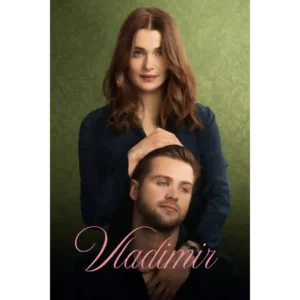
Average score
Every Year After, Season 1
3.6
cliffhanger effectiveness
Every Year After, Season 1
4.6
The cliffhanger is one of the show’s clearer hooks. Even mixed reviewers say it leaves them curious about Charlie, Season 2, and what happens next in Barry’s Bay.
Vladimir, Season 1
1.0
One harsh review dismisses the episode-end hooks as phony, algorithmic cliffhangers designed to force the next click rather than earn suspense organically.
interview and source material quality
Every Year After, Season 1
2.0
The source material itself is not universally loved. Skeptical book reactions carry into the adaptation for viewers who already disliked the original romance and ending.
Vladimir, Season 1
5.0
The underlying novel is praised for black comedy, bleak insight, and its willingness to puncture accepted pieties, giving the adaptation unusually rich material to work from.
episode length
Every Year After, Season 1
2.0
Episode length is a complaint in one negative review. The episodes are described as too long and repetitive for the amount of story movement they deliver.
Vladimir, Season 1
4.8
The roughly 20–30 minute episodes are a major asset, keeping the limited series brisk and easy to consume in a sitting.
rewatch value
Every Year After, Season 1
4.8
The dreamy summer look gives the show some rewatch appeal. The warm lake imagery is strong enough that it can work as an inviting comfort-watch backdrop.
Vladimir, Season 1
2.0
Even some viewers who enjoyed the series do not feel much desire to revisit it, suggesting the discomfort and one-time twists work better as a first-watch experience.
score quality
Every Year After, Season 1
4.3
The score and music cues are viewed positively overall. One review finds the choices a bit on the nose, while another calls the music score perfect.
Vladimir, Season 1
1.5
One review found the score actively mismatched to the dialogue, saying it undercut scenes instead of reinforcing their intended emotion.
family friendliness
Every Year After, Season 1
4.5
The show plays as a relatively gentle YA romance option. Its less-raunchy approach may suit viewers who want summer longing without a harsher edge.
Vladimir, Season 1
2.0
This is not presented as comfortable family viewing; its sexual material and adult subject matter make it a poor fit for watching with parents or younger audiences.
screenplay quality
Every Year After, Season 1
2.0
The screenplay gets dinged for lines that feel unnatural. Some dialogue asks the cast to sell melodramatic phrasing that does not always sound human.
Vladimir, Season 1
4.5
The written adaptation is strongest when it leans into sharp dialogue, literary framing, and biting academic satire, which one review identifies as central to the show’s appeal.
renewal interest
Every Year After, Season 1
4.4
Renewal interest is strong among positive and mixed viewers. Even reviewers with pacing or ending concerns often say they would return for Charlie, the ensemble, or more Barry’s Bay summers.
Vladimir, Season 1
2.0
Reviewers who address continuation generally prefer the story to remain a one-and-done limited series rather than return for another season.
episode pacing
Every Year After, Season 1
2.7
Episode pacing ranges from praised slow-burn to frustratingly sluggish. The biggest complaints say scenes linger too long or repeat themselves, though one rave review argues the pacing fits the emotional tone perfectly.
Vladimir, Season 1
4.6
Most reviews find the individual episodes snappy and brisk, helped by the short runtime. The main drag comes from repeated fantasy beats that some critics felt turned into padding.
realism
Every Year After, Season 1
2.0
Realism is a weak spot when the story relies on bad decisions and communication failures. Those choices can feel ridiculous rather than emotionally convincing.
Vladimir, Season 1
3.8
The protagonist’s irrational choices often make emotional sense even when the plot grows heightened, and some critics found her hidden breaking point painfully honest. Academic logistics and certain story events can still stretch credibility.
plot twists
Every Year After, Season 1
2.0
The major reveal is not considered very surprising. Reviewers who guessed the secret early or found the twist underwhelming still acknowledge that the fallout creates drama.
Vladimir, Season 1
3.7
The series has effective misdirection and some genuinely shocking turns, but its biggest twist is also one of its most divisive choices. Some found the finale exciting; others thought the escalation was rushed and unearned.
bingeability
Every Year After, Season 1
3.3
Bingeability depends on tolerance for slow-burn romance. Some viewers finished quickly or found the cliffhangers addictive, while others did not feel a strong pull to keep watching.
Vladimir, Season 1
4.8
Short half-hour episodes and a compulsive, messy momentum make the season unusually easy to devour. Even several mixed critics said they kept going once the obsession took hold.
soundtrack quality
Every Year After, Season 1
4.7
The soundtrack earns strong approval across very different reviewers. Needle drops, pop songs, and nostalgic music choices are repeatedly called effective or memorable.
Vladimir, Season 1
3.4
Music choices draw mixed reactions: some critics enjoyed the contemporary needle drops, while others felt the pop selections simplified the material or struck the wrong note at the finale.
drama quality
Every Year After, Season 1
3.8
The drama is earnest and messy. Reviewers note big emotions, romantic fallout, and family grief, though not everyone finds the melodrama logical.
Vladimir, Season 1
2.5
One critic found the dramatic and thriller elements noticeably weaker than the comedy, arguing that they never hit with the force the premise seems to promise.
age appropriateness
Every Year After, Season 1
3.8
The tone skews toward young-adult romance. The adolescent intensity and coming-of-age focus are likely to fit YA audiences best.
Vladimir, Season 1
5.0
The show is explicitly praised as television for grownups, with its moral ambiguity, sexual themes, and midlife concerns treated as well suited to an adult audience.
writing quality
Every Year After, Season 1
2.0
Writing quality is a repeated concern in the harsher reviews. Critics complain about thin details, predictable plotting, and a story that needed more substance.
Vladimir, Season 1
3.2
The writing can be razor-sharp, literate, and witty, especially in its best academic and relationship scenes. Critics on the other side found it repetitive, clunky, overly explanatory, or in need of a rewrite.
editing quality
Every Year After, Season 1
3.9
Editing around the timelines is mixed. Some reviewers think the now-and-then structure is implemented well, but others still report confusion as the cast ages up.
Vladimir, Season 1
5.0
A carefully timed jump around John’s hearing is singled out as an especially effective edit, compressing time while preserving tension.
audience appeal
Every Year After, Season 1
4.3
Audience appeal is clearest for book fans, YA romance viewers, and people wanting another summer love story. Some reviews think casual viewers may struggle more with the timelines.
Vladimir, Season 1
3.3
This is a polarizing adult watch built around cringe, moral ambiguity, and abrasive characters. Viewers who enjoy messy antiheroes may be hooked, while those needing sympathetic characters or clean answers may struggle.
cultural representation
Every Year After, Season 1
4.0
The Canadian summer setting matters to at least one reviewer. The show is praised for capturing a precise feeling of summer in Canada, even with the location change from the book.
Vladimir, Season 1
5.0
The female-gaze framing is praised as refreshing, keeping desire anchored in the older protagonist’s point of view rather than treating her mainly as an object.
season length
Every Year After, Season 1
2.5
The eight-episode format is debated. Some see the season as stretched thin or dragged out, while others accept the longer structure as part of the show’s multi-season ambitions.
Vladimir, Season 1
1.5
One critic felt the eight half-hour episodes still exceeded what the premise could sustain, arguing that the series does not justify all of its running time.
emotional impact
Every Year After, Season 1
3.9
The emotional pull is strongest around grief, nostalgia, first love, and regret. Some reviewers are moved by those beats, while others say the stakes never hit as hard as expected.
Vladimir, Season 1
3.0
The show can be unexpectedly affecting when it tackles aging and professional irrelevance, but its arch tone and unsympathetic characters keep some viewers at an emotional distance.
episode structure
Every Year After, Season 1
3.6
The dual-timeline structure works for some reviewers because it lets relationships unfold over time. Others feel the past and present halves do not always mesh, making the season feel uneven.
Vladimir, Season 1
4.5
The literary episode titles are more than decoration, mirroring the protagonist’s emotional and thematic progression across the season.
faithfulness to source material
Every Year After, Season 1
4.1
Book faithfulness receives mostly positive marks from adaptation-focused reviewers. Even when changes are noted, several say the emotional core, key relationships, and summer details are preserved well.
Vladimir, Season 1
3.2
Reactions to the adaptation are sharply divided. Some call it exceptionally faithful to the novel’s wit and complexity, while others think television strips away the book’s introspection, bitterness, and literary depth.
critic appeal
Every Year After, Season 1
2.7
Critic appeal is sharply split. One critic gives it a clear stream-it recommendation, while another labels it dull and dour.
Vladimir, Season 1
3.5
Critical reception lands in mixed-to-positive territory, with unusually strong disagreement over whether the show’s provocation is sophisticated or simply undercooked.
character development
Every Year After, Season 1
3.9
Character development is one of the show’s most debated strengths. Positive reviews praise the layers added to Percy, Charlie, Delilah, Chantal, and Jordie, while harsher critics say the central characters remain thin or under-earned.
Vladimir, Season 1
3.1
The protagonist is often praised as contradictory, messy, and psychologically rich, but several critics found Vladimir, Sid, and other supporting figures underdeveloped or flattened by her viewpoint.
world-building
Every Year After, Season 1
4.5
Barry’s Bay grows beyond a backdrop for some viewers. Reviews that praise the world-building point to the lake, Tavern, and future Charlie setup as reasons the setting can support more story.
Vladimir, Season 1
3.8
The campus ecosystem works best as pointed academic satire, with gossip, hierarchy, and performative morality vividly sketched. Some details of university life, however, are criticized as implausible.
production design
Every Year After, Season 1
4.4
Production design is praised for making Barry’s Bay, the Tavern, and the lake town feel inviting. Book readers in particular appreciate how closely the world matches what they imagined.
Vladimir, Season 1
5.0
Set design is praised alongside the cinematography, giving the college and surrounding spaces a polished, immersive look.
plot clarity
Every Year After, Season 1
2.6
The show’s mystery and flashbacks can be hard to track. Multiple reviewers mention confusion around the timelines, especially once the same actors start playing both younger and older versions.
Vladimir, Season 1
2.0
Several critics struggle to see the intended significance or to separate the actual story from its stylistic flourishes. The narration and fantasy device sometimes obscure rather than clarify the dramatic spine.
suspense
Every Year After, Season 1
4.0
The mystery and cliffhangers keep curiosity alive. Even mixed reactions acknowledge that the show creates enough pull to make the next episode tempting.
Vladimir, Season 1
3.4
Workplace conversations, ambiguous flirtation, and the threat of collapse create real tension for many critics. Others felt the misconduct case lacked stakes or that repeated fantasy scenes neutralized the forward pull.
acting quality
Every Year After, Season 1
4.0
Acting reactions are mostly positive but not unanimous. Several reviewers praise the casting, subtle choices, and performances, while a few call certain scenes flat or emotionally underplayed.
Vladimir, Season 1
4.5
The ensemble acting is one of the show’s safest bets, repeatedly praised even by reviewers who dislike the story. Rachel Weisz in particular lifts the material, while the broader cast generally handles the heightened tone well.
season finale quality
Every Year After, Season 1
4.0
The season finale earns credit for leaving room for more story, especially around Charlie and the unresolved Barry’s Bay relationships. It also frustrates some viewers who wanted more closure for Percy and Sam.
Vladimir, Season 1
4.5
Among critics who specifically praised the final episode as a season closer, it is seen as thoughtful, cheeky, and focused on the protagonist’s sense of agency. Its ambiguity is treated as a feature rather than a flaw in these notices.
character consistency
Every Year After, Season 1
2.0
The adult leads often keep the same emotional habits they had as teens. That repetition can make the romance feel exhausting instead of mature.
Vladimir, Season 1
1.5
Some reviews find character behavior too erratic, with tonal shifts and unexplained lapses making people feel like different versions of themselves from scene to scene.
directing quality
Every Year After, Season 1
5.0
The direction is a standout in the strongest praise for the season. It makes the romance, setting, and emotional tone feel carefully composed.
Vladimir, Season 1
4.5
The direction is praised for placing viewers inside the protagonist’s lustful point of view and for making comic beats visually expressive. The strongest notices credit those choices with helping the risky premise work.
finale satisfaction
Every Year After, Season 1
3.7
The ending leaves viewers split. One reviewer liked that the show avoided the book’s rushed resolution, while another still had mixed feelings about how open-ended the finale felt.
Vladimir, Season 1
3.2
The ending produces some of the widest disagreement in the set. Several critics loved its cheeky ambiguity or payoff, while others found it unsatisfying, overly flattering, or damaging to everything that came before.
theme depth
Every Year After, Season 1
4.0
The show has its deepest footing when it focuses on regret, shame, first love, and second chances. Reviewers who respond to those themes see more than a simple teen romance.
Vladimir, Season 1
3.6
At its best, the show digs into aging, desire, power, accountability, and generational ethics without easy answers. Other critics felt those same ideas stayed surface-level or were flattened by the adaptation.
accountability handling
Every Year After, Season 1
4.2
Accountability works best when the show lets characters own the damage they caused. Sue and Charlie’s responsibility-taking gives the melodrama more emotional weight.
Vladimir, Season 1
4.6
The handling of John’s misconduct is widely praised for separating legality, ethics, harm, and social judgment. The show is strongest when it lets competing generations and family loyalties complicate what accountability should look like.
genre satisfaction
Every Year After, Season 1
3.3
As a romance drama, the show is highly polarizing. Admirers call it dreamy and sun-drenched, while critics say it lacks the fantasy, charm, or heat that genre fans may expect.
Vladimir, Season 1
3.7
The mix of dark comedy, erotic fantasy, campus satire, and psychological drama works very well for some critics and not at all for others. Its refusal to settle into one comfortable mode is both a hook and a source of frustration.
main cast performance
Every Year After, Season 1
4.4
Sadie Soverall receives the most consistent praise among the main cast, with several reviewers calling her compelling, layered, or a standout. Matt Cornett and the younger performers are more mixed but often credited for selling the longing.
Vladimir, Season 1
4.7
The lead performance is the clearest consensus strength, with Rachel Weisz repeatedly described as magnetic, funny, fearless, and capable of carrying weaker material. Even harsh reviews usually found the acting more convincing than the writing.
humor
Every Year After, Season 1
3.9
Humor is a modest bright spot when the ensemble is allowed to breathe. Viewers call out funny moments, Shantel-and-Jordie banter, and a few early reaction-worthy scenes.
Vladimir, Season 1
3.6
The dark, academic comedy lands often enough for many critics to call the show very funny, especially when Weisz leans into awkwardness. Others found the jokes dry, cringe-heavy, or far less incisive than the show thinks they are.
supporting cast performance
Every Year After, Season 1
4.4
The supporting cast is widely treated as one of the season’s biggest assets. Chantal, Delilah, Jordie, Charlie, and Sue often come across as richer, funnier, or more emotionally engaging than the main couple.
Vladimir, Season 1
4.1
The supporting ensemble is generally well regarded, with Leo Woodall, John Slattery, Jessica Henwick, and others giving the messy campus world texture. A few reviews still felt thin characterization limited what the actors could do.
story quality
Every Year After, Season 1
3.6
The core romance lands differently depending on the reviewer: some call it a beautiful coming-of-age and second-chance story, while others find it rote or not especially compelling. The strongest praise comes when the story leans into nostalgia, first love, and Barry’s Bay history.
Vladimir, Season 1
3.3
The season inspires sharply split reactions: admirers see a bold, slippery character study, while detractors see clichés, gimmicks, and an undercooked erotic plot. The divisive ending is a major reason overall story judgments vary so widely.
visual style
Every Year After, Season 1
4.4
The lakeside look is one of the most reliable positives. Even mixed or negative reviews often admire the summer atmosphere, Barry’s Bay scenery, and warm visual mood.
Vladimir, Season 1
4.1
The series usually earns strong marks for its polished, heightened look, expressive color shifts, and stylish presentation. One notable criticism is that the bright Netflix palette can feel overbearing and soften the story’s edge.
modern political framing
Every Year After, Season 1
4.0
A sensitive storyline is handled in an understated way rather than pushed into heavy-handed commentary. Delilah’s experience comes through without overwhelming the surrounding friendship drama.
Vladimir, Season 1
3.7
The strongest notices praise the show for treating #MeToo, power, and generational conflict as morally complicated rather than binary. Others found the cancel-culture framing dated, shallow, or too eager to recycle familiar culture-war beats.
season pacing
Every Year After, Season 1
2.8
Pacing is divisive. Some viewers appreciate the quiet, drawn-out summer mood, while others felt the season dragged or lost momentum between revelations.
Vladimir, Season 1
2.6
The season’s middle stretch draws complaints about sluggishness and repeated emotional beats, even from critics who enjoy much of the show. Momentum generally improves once consequences begin converging late.
dialogue quality
Every Year After, Season 1
2.6
Dialogue draws frequent criticism for sounding cheesy, unrealistic, or too exposition-heavy. A few moments still work for viewers, especially when the reunion banter or heightened romance fits the genre.
Vladimir, Season 1
2.8
There are flashes of compressed, memorable wit, but several critics also found the dialogue stagey, stilted, or implausibly broad. The result depends heavily on tolerance for the show’s heightened academic voice.
cast chemistry
Every Year After, Season 1
3.4
Lead chemistry is the most divided major attribute. Some reviewers find Percy and Sam’s tension gorgeous or palpable, while others say the adult pairing lacks enough spark to anchor the show.
Vladimir, Season 1
3.6
Chemistry between Rachel Weisz and Leo Woodall is intensely disputed: some call it electric or compellingly ambiguous, while others say it fizzles or never creates enough magic. That split directly shapes whether the central obsession works.
sexual content level
Every Year After, Season 1
3.0
Sexual content is handled with restraint but not everyone loves that. One critic wanted hotter sex, while another appreciated that the show builds attraction without graphic scenes.
Vladimir, Season 1
2.9
The erotic content is one of the biggest divides: some found the fantasies purposeful, sexy, and non-gratuitous, while many others thought the marketed steaminess stayed surprisingly tame or repetitive.
entertainment value
Every Year After, Season 1
3.9
Entertainment value is mixed-positive overall. Reviewers who enjoy the show call it a pleasant, escapist summer romance, while detractors say the slow pacing or weak chemistry keeps them from fully investing.
Vladimir, Season 1
4.0
Most critics found the chaos, discomfort, and obsession highly watchable, often calling it addictive or fun. A smaller group found the characters and premise too distancing to enjoy.
pilot episode quality
Every Year After, Season 1
3.5
The opening episode made a mixed first impression. Some reviewers were immediately locked in by the mood and romance setup, while others found it merely fine or too slow out of the gate.
Vladimir, Season 1
3.5
The premiere divides opinion early: its unreliable-narrator hook and gossip-like momentum intrigue some viewers, while others find the stylistic machinery immediately frustrating.
plot originality
Every Year After, Season 1
2.5
Originality is one of the softer spots. Several reviewers say the setup feels familiar, predictable, or too close to other summer romances, even when they still find the execution watchable.
Vladimir, Season 1
2.5
The accused professor’s wife provides a fresh angle on campus scandal, but critics also point to familiar academic clichés and unusually close overlap with other recent shows. Originality therefore feels strongest in viewpoint rather than plot machinery.
cinematography
Every Year After, Season 1
5.0
The cinematography is treated as one of the season’s prettiest strengths. The lake imagery and glittering summer visuals add much of the show’s appeal.
Vladimir, Season 1
5.0
The cinematography is singled out as a major visual strength, helping pull viewers into the seductive, uneasy atmosphere.
accent authenticity
Every Year After, Season 1No score yet
Vladimir, Season 1
2.0
Rachel Weisz’s American accent is a recurring weak point in otherwise well-reviewed acting, with critics noting conspicuous pronunciation and an occasionally distracting cadence.
character likability
Every Year After, Season 1No score yet
Vladimir, Season 1
2.3
The cast is deliberately full of selfish, messy, and frequently unlikeable people. That abrasiveness can be entertaining, but it also makes the show difficult to root for and narrows its emotional appeal.
continuity
Every Year After, Season 1
2.5
Continuity and timeline readability are recurring problems. Even positive adaptation reviews wish the flashbacks had clearer visual distinctions between ages and eras.
Vladimir, Season 1No score yet
costume design
Every Year After, Season 1No score yet
Vladimir, Season 1
4.5
Rich reds and purples help sell the protagonist’s polished, seductive exterior, visually contrasting with how chaotic and self-deluded she can be inside.
fourth-wall narration
Every Year After, Season 1No score yet
Vladimir, Season 1
3.0
Direct address is the show’s most polarizing formal choice: admirers say it puts viewers directly inside the protagonist’s mind, while detractors call it grating, repetitive, over-explanatory, or unconvincing.
franchise connection
Every Year After, Season 1
4.2
The series points toward a broader Barry’s Bay universe. Future-season setup around Charlie and the ensemble makes the world feel expandable beyond Percy and Sam.
Vladimir, Season 1No score yet
series finale quality
Every Year After, Season 1No score yet
Vladimir, Season 1
3.0
The limited-series ending is extremely divisive. Some see a wicked, ambiguous, beautifully wrapped payoff; others call it flat, rushed, overly flattering, or a complete betrayal of the preceding character work.
tone consistency
Every Year After, Season 1No score yet
Vladimir, Season 1
3.2
The shifts between comedy, discomfort, erotic fantasy, and darker drama are polarizing. Some find the tonal duality exciting and infectious; others think the show feels scattered or all over the place.